46 Results for "

viral enzyme

" in MedChemExpress (MCE) Product Catalog:
Products (46)

46 Results for "viral enzyme" in MCE Product Catalog:

55
55 Publications Verification
Cat. No.: HY-14768
CAS No.: 259793-96-9
Purity:  99.97%
Synonyms: T-705
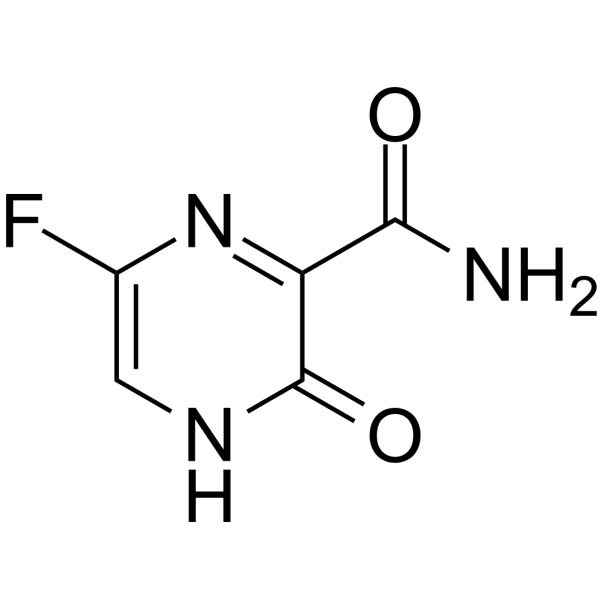
Favipiravir (T-705) is a potent viral RNA polymerase inhibitor, it is phosphoribosylated by cellular enzymes to its active form, Favipiravir-ribofuranosyl-5′-triphosphate (RTP). Favipiravir-RTP inhibits the influenza viral RNA-dependent RNA polymerase (RdRP) activity with an IC50 of 341 nM.
loading...
    loading...
16
16 Cited Publications
Cat. No.: HY-N6972
CAS No.: 481-49-2
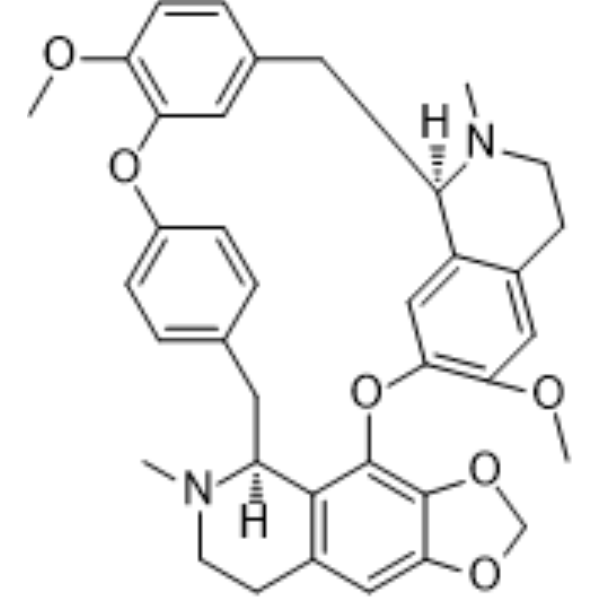
Cepharanthine is a natural product that can be isolated from the plant Stephania cephalantha Hayata. Cepharanthine has anti-severe acute respiratory syndrome coronavirus 2 (anti-SARS-CoV-2) activities. Cepharanthine has good effective in suppressing viral proliferation (half maximal (50%) inhibitory concentration (IC50) and 90% inhibitory concentration (IC90) values of 1.90 and 4.46 μM . Cepharanthine can also effectively reverses P-gp-mediated multidrug resistance in K562 cells and increase enhances the sensitivity of anticancer agents in xenograft mice model . Cepharanthine shows inhibitory effects of human liver cytochrome P450 enzymes CYP3A4, CYP2E1 and CYP2C9. Cepharanthine has antitumor, anti-inflammatory and antinociceptive effects .
loading...
    loading...
8
8 Cited Publications
Cat. No.: HY-50737
CAS No.: 924296-17-3
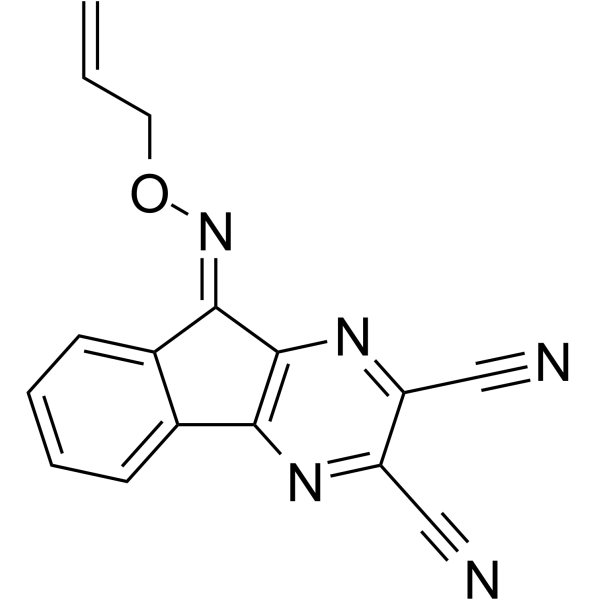
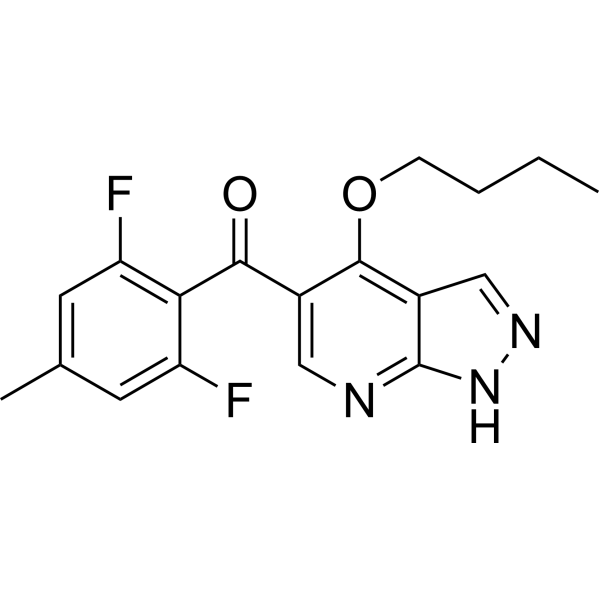
DUB-IN-3 (compound 22c) is a potent and selective inhibitor of the deubiquitinating enzyme USP8 with an IC50 value of 0.56 μM. DUB-IN-3 is promising for research of cancer, neurodegenerative diseases, inflammation, viral infection and cardiovascular disease .
loading...
    loading...
3
3 Cited Publications
Cat. No.: HY-128744
CAS No.: 4408-78-0
Purity:  ≥98.0%
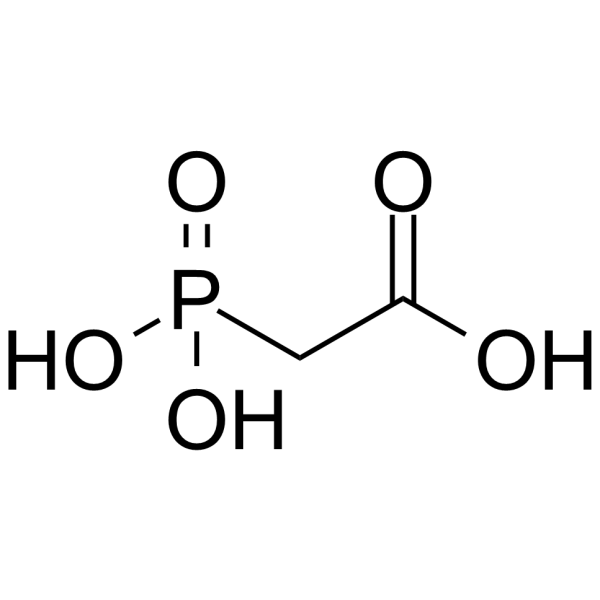
Phosphonoacetic acid is a potent antiviral agent. Phosphonoacetic acid inhibits a variety of herpesviruses, orthopoxviruses, and retroviruses. Phosphonoacetic acid strongly inhibits viral and cellular DNA polymerase, reverse transcriptase, and terminal deoxynucleotidyl transferase activities in a non-competitive or uncompetitive manner by binding to the pyrophosphate site of the enzyme. Phosphonoacetic acid is useful for research related to lymphoid leukemia, herpesvirus infection, and vaccinia virus skin lesions .
loading...
    loading...
2
2 Cited Publications
Cat. No.: HY-15275
CAS No.: 582315-72-8
Purity:  99.59%
BMS-265246 is a potent and selective cyclin-dependent kinase CDK1 and CDK2 inhibitor, with IC50 values of 6 and 9 nM, respectively. BMS-265246 inhibits CHI3L1 (chitinase 3-like-1) stimulation of ACE2 (angiotensin converting enzyme 2) and SPP (viral spike protein priming proteases). BMS-265246 can be used for ovarian cancer and COVID-19 research .
loading...
    loading...
1
1 Cited Publications
Cat. No.: HY-W019670
CAS No.: 3768-18-1
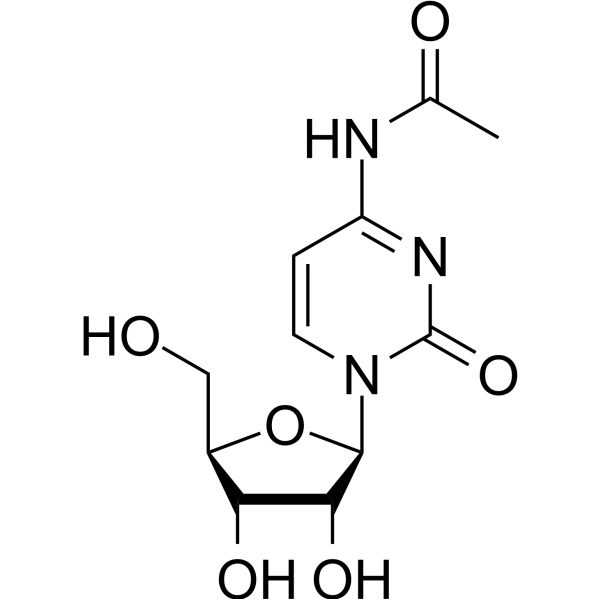
N4-acetylcytidine (N4A) is an endogenous nucleoside metabolite from the degradation of tRNA. N4-Acetylcytidine is formed by N-acetyltransferase 10 and other enzymes. N4-acetylcytidine might sustain NLRP3 inflammasome activation via induction of HMGB1 expression and releasee. N4-Acetylcytidine modifies mRNA, tRNA and rRNA, affecting their stability, translation efficiency (such as enterovirus 71 RNA). N4-Acetylcytidine is used in the study of cancer, neuroinflammatory diseases, viral infections and obesity .
loading...
    loading...
1
1 Cited Publications
Cat. No.: HY-P3008
CAS No.: 84195-52-8
Research Areas:  

Others

Submandibular mucin is a high molecular weight glycoprotein that is used as a substrate for the viral enzyme neuraminidase .
loading...
    loading...
1
1 Cited Publications
Cat. No.: HY-N6841
CAS No.: 86831-53-0
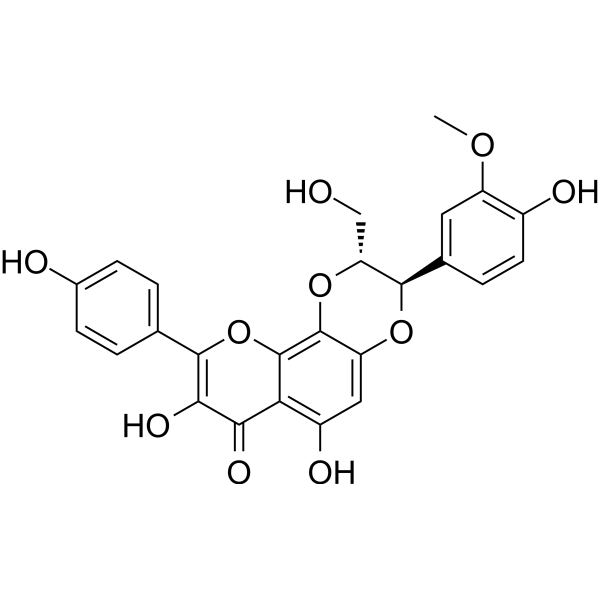
Rhodiolin, a flavonoid, is an orally active glucose 6-phosphate isomerase (GPI) inhibitor. Rhodiolin inhibits papillary thyroid cancer (PTC) by targeting glycolysis enzyme glucose 6-phosphate isomerase GPI and suppressing PI3K/AKT/mTOR phosphorylation and induce apoptosis. Rhodiolin as a NS2B-NS3 protease inhibitor can disrupt dengue viral replication. Rhodiolin is also a potential candidate for developing anticancer strategies inhibiting CK1ε kinase. Rhodiolin can be used for the study of anti-tumor and anti-viral .
loading...
    loading...
1
1 Cited Publications
Cat. No.: HY-128788A
ddhCTP trisodium solution (100 mM ± 3 mM) is an endogenously produced pyrimidine base analog with a Kd of 17.0 nM for LLDH and an IC50 of 55.8 μM for GAPDH. By inhibiting key metabolic enzymes such as GAPDH, ddhCTP trisodium reduces glycolytic flux and shifts metabolic flow toward the pentose phosphate pathway, thereby regulating the redox balance of cells. As a competitive CTP analog, ddhCTP trisodium terminates RNA synthesis by flavivirus RdRps and SARS-CoV-2 RdRp, and inhibits Zika virus replication in vivo. ddhCTP trisodium can be used in studies related to viral infections, COVID-19 and Zika virus infections .
loading...
    loading...
Cat. No.: HY-N0168A
CAS No.: 69097-99-0
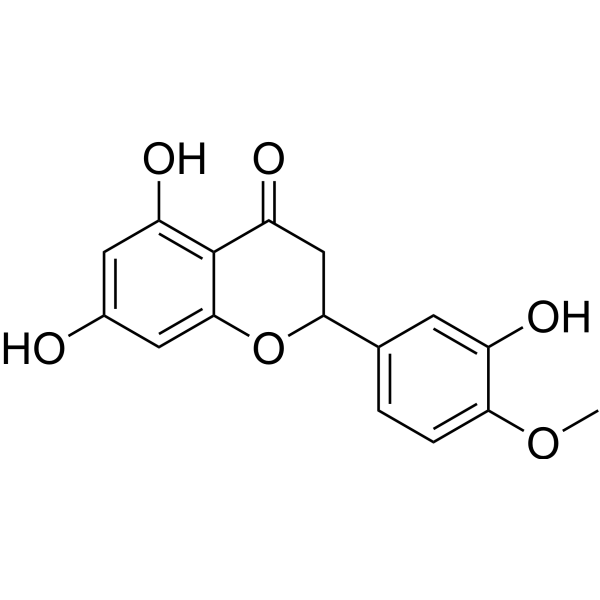
(Rac)-Hesperetin is the racemate of Hesperetin (HY-N0168), an orally active multi-target inhibitor. (Rac)-Hesperetin exhibits significant anti-tumor and anti-inflammatory activities by blocking the TGF-β1-mediated Fyn/RhoA signaling axis and the TLR4-MyD88-NF-κB inflammatory pathway. (Rac)-Hesperetin inhibits the formation of actin stress fibers and the migration and invasion of cancer cells, and is suitable for triple-negative breast cancer research. In inflammation models, (Rac)-Hesperetin effectively alleviates lung injury by reducing the release of pro-inflammatory mediators and regulating the activity of oxidative stress enzymes, and is suitable for acute lung injury research. (Rac)-Hesperetin also interferes with the entry and early replication processes of channel catfish virus, inhibits viral gene expression and progeny virus production, thereby protecting cells from virus-induced cytopathic effects .
loading...
    loading...
Cat. No.: HY-128788
CAS No.: 2279171-34-3
ddhCTP is an endogenously produced pyrimidine base analog with a Kd of 17.0 nM for LLDH and an IC50 of 55.8 μM for GAPDH. By inhibiting key metabolic enzymes such as GAPDH, ddhCTP reduces glycolytic flux and shifts metabolic flow toward the pentose phosphate pathway, thereby regulating the redox balance of cells. As a competitive CTP analog, ddhCTP terminates RNA synthesis by flavivirus RdRps and SARS-CoV-2 RdRp, and inhibits Zika virus replication in vivo. ddhCTP can be used in studies related to viral infections, COVID-19 and Zika virus infections.
loading...
    loading...
Cat. No.: HY-W753593
N4-Acetylcytidine- 13C5 is the 13C-labeled N4-Acetylcytidine (HY-W019670). N4-acetylcytidine (N4A) is an endogenous nucleoside metabolite from the degradation of tRNA. N4-Acetylcytidine is formed by N-acetyltransferase 10 and other enzymes. N4-acetylcytidine might sustain NLRP3 inflammasome activation via induction of HMGB1 expression and releasee. N4-Acetylcytidine modifies mRNA, tRNA and rRNA, affecting their stability, translation efficiency (such as enterovirus 71 RNA). N4-Acetylcytidine is used in the study of cancer, neuroinflammatory diseases, viral infections and obesity .
loading...
    loading...
Cat. No.: HY-W353804
CAS No.: 31501-19-6
Research Areas:  

Infection

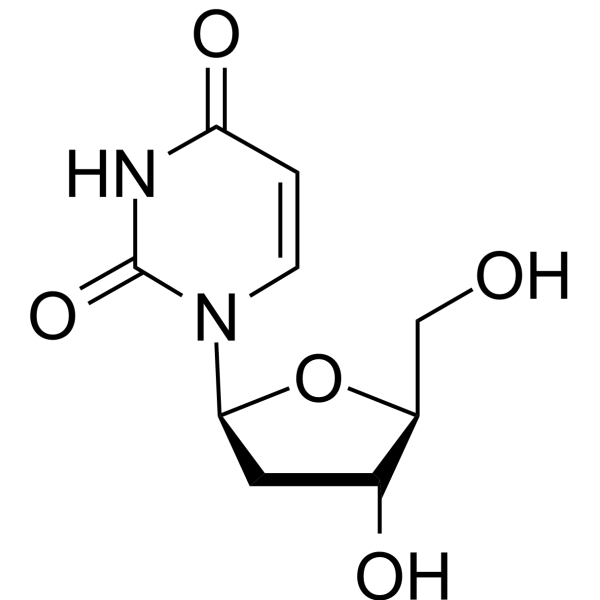
2'-Deoxy-β-L-uridine is a nucledside analogue and a specific substrate for the viral enzyme, shows no stereospecificity against herpes simplex 1 (HSV1) thymidine kinase (TK). 2′-Deoxy-β-L-uridine exerts antiviral activity via the interation of 5'-triphosphates with the viral DNA polymerase .
loading...
    loading...
Cat. No.: HY-P5407
CAS No.: 798569-33-2
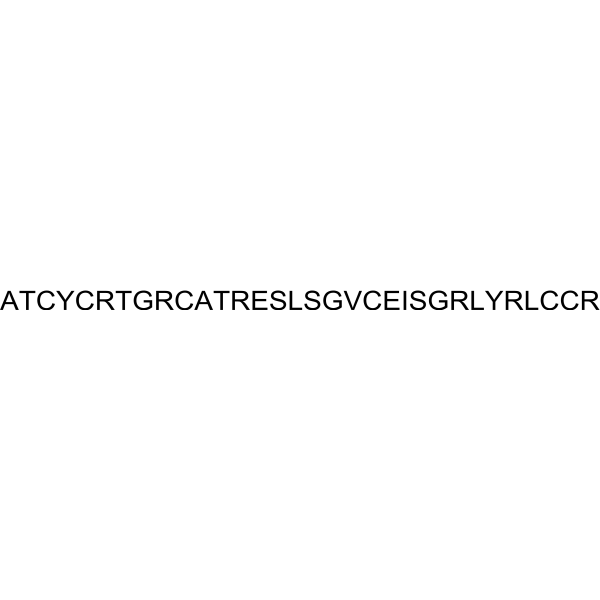
HD5 is an innate immune effector peptide and SARS-CoV Inhibitor. HD5 binds to the ligand-binding domain of angiotensin-converting enzyme-2 (ACE2) via multiple hydrogen bonds to competitively block the receptor, shielding it from viral recognition. HD5 can be used for the research of COVID-19, HPV16 infection, epithelial ovarian cancer, small-cell lung cancer, and colon cancer .
loading...
    loading...
Cat. No.: HY-W019670R
CAS No.: 3768-18-1
N4-acetylcytidine (N4A) is an endogenous nucleoside metabolite from the degradation of tRNA. N4-Acetylcytidine is formed by N-acetyltransferase 10 and other enzymes. N4-acetylcytidine might sustain NLRP3 inflammasome activation via induction of HMGB1 expression and releasee. N4-Acetylcytidine modifies mRNA, tRNA and rRNA, affecting their stability, translation efficiency (such as enterovirus 71 RNA). N4-Acetylcytidine is used in the study of cancer, neuroinflammatory diseases, viral infections and obesity .
loading...
    loading...
Cat. No.: HY-N9454
CAS No.: 91893-83-3
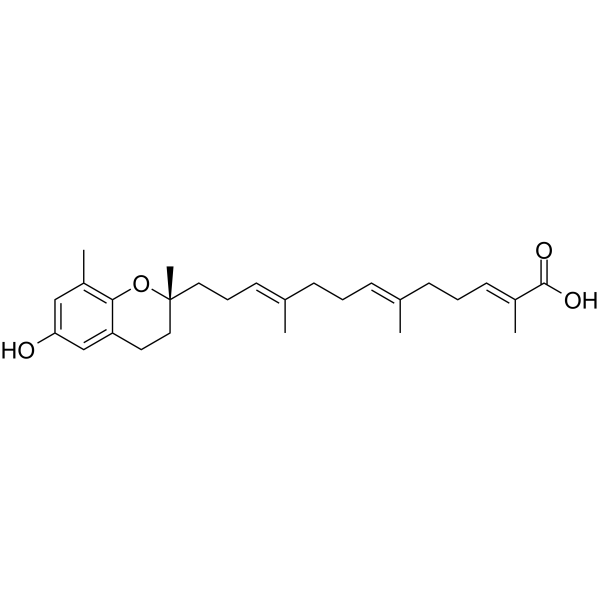
Garcinoic acid is an orally active anti-inflammatory agent that crosses the blood-brain barrier. Garcinoic acid also enhances efferocytosis and enzyme/receptor regulation, and selectively inhibits human COX-2, porcine α-amylase, Saccharomyces cerevisiae α-glucosidase and human DNA polymerase β (IC50=11 μM), as well as activates human PXR. Garcinoic acid enhances macrophage efferocytosis via receptors such as MerTK and LRP-1, and promotes the production of pro-resolving lipid mediators. Garcinoic acid inhibits NF-κB activation and pro-inflammatory cytokine secretion, interferes with Aβ aggregation, downregulates NLRP3 inflammasome activity, and binds to targets including CD44 and EGFR to inhibit leukemia cell proliferation. The pharmacological activities of Garcinoic acid, such as antioxidant, anti-inflammatory and lipid metabolism-regulating effects, are widely used in studies related to various diseases including atherosclerosis, Alzheimer's disease, type 2 diabetes, inflammatory bowel disease and viral pneumonia .
loading...
    loading...
Cat. No.: HY-149373
CAS No.: 76996-28-6
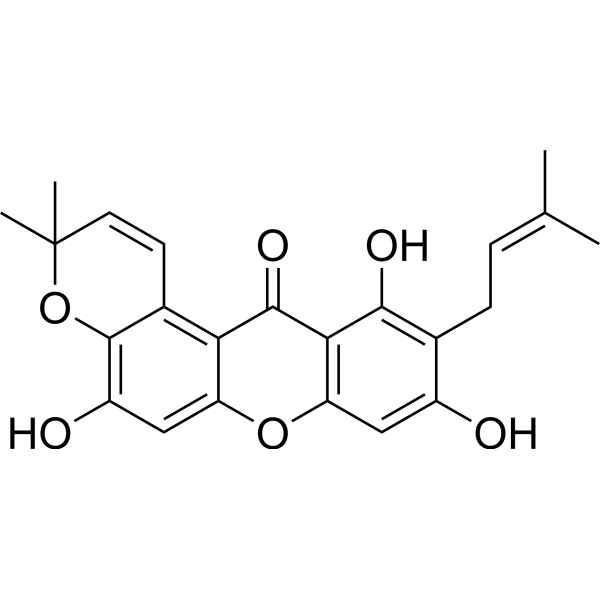
Garcinone B is an NF-κB inhibitor. Garcinone B inhibits LPS-induced NF-κB-dependent transcriptional activation, NF-κB expression, NF-κB-mediated transcription, and IKK, prevents COX-2 transcription, and contributes to immune regulation. Garcinone B inhibits COX enzymes, inhibits prostaglandin E2 release, and contributes to anti-inflammation. Garcinone B blocks ACE2-spike binding, prevents viral entry, inhibits M pro, and prevents polyprotein cleavage and replication. Garcinone B has antibacterial activity against cariogenic bacteria and bactericidal activity against S. mutans. Garcinone B can be used for research on COVID-19, tuberculosis, and dental caries .
loading...
    loading...
Cat. No.: HY-N0168AS1
CAS No.: 2750534-85-9
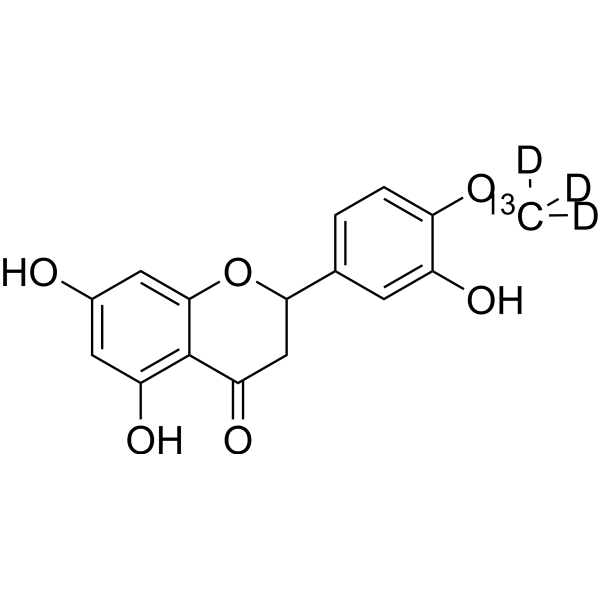
(Rac)-Hesperetin- 13C,d3 is the 13C- and deuterium labeled (Rac)-Hesperetin. (Rac)-Hesperetin is the racemate of Hesperetin (HY-N0168), an orally active multi-target inhibitor. (Rac)-Hesperetin exhibits significant anti-tumor and anti-inflammatory activities by blocking the TGF-β1-mediated Fyn/RhoA signaling axis and the TLR4-MyD88-NF-κB inflammatory pathway. (Rac)-Hesperetin inhibits the formation of actin stress fibers and the migration and invasion of cancer cells, and is suitable for triple-negative breast cancer research. In inflammation models, (Rac)-Hesperetin effectively alleviates lung injury by reducing the release of pro-inflammatory mediators and regulating the activity of oxidative stress enzymes, and is suitable for acute lung injury research. (Rac)-Hesperetin also interferes with the entry and early replication processes of channel catfish virus, inhibits viral gene expression and progeny virus production, thereby protecting cells from virus-induced cytopathic effects .
loading...
    loading...
Cat. No.: HY-14768R
CAS No.: 259793-96-9
Synonyms: T-705 (Standard)
Favipiravir (Standard) is the analytical standard of Favipiravir. This product is intended for research and analytical applications. Favipiravir (T-705) is a potent viral RNA polymerase inhibitor, it is phosphoribosylated by cellular enzymes to its active form, Favipiravir-ribofuranosyl-5′-triphosphate (RTP). Favipiravir-RTP inhibits the influenza viral RNA-dependent RNA polymerase (RdRP) activity with an IC50 of 341 nM.
loading...
    loading...
Cat. No.: HY-14768S
Synonyms: T-705-13C15N
Favipiravir- 13C 15N (T-705- 13C 15N) is 13C and 15N labeled Favipiravir. Favipiravir (T-705) is a potent viral RNA polymerase inhibitor, it is phosphoribosylated by cellular enzymes to its active form, Favipiravir-ribofuranosyl-5′-triphosphate (RTP). Favipiravir-RTP inhibits the influenza viral RNA-dependent RNA polymerase (RdRP) activity with an IC50 of 341 nM.
loading...
    loading...

