439 Results for "

viscosity sensing

" in MedChemExpress (MCE) Product Catalog:
Products (439)

439 Results for "viscosity sensing" in MCE Product Catalog:

  • Categories Recommended:
    More
191
191 Publications Verification
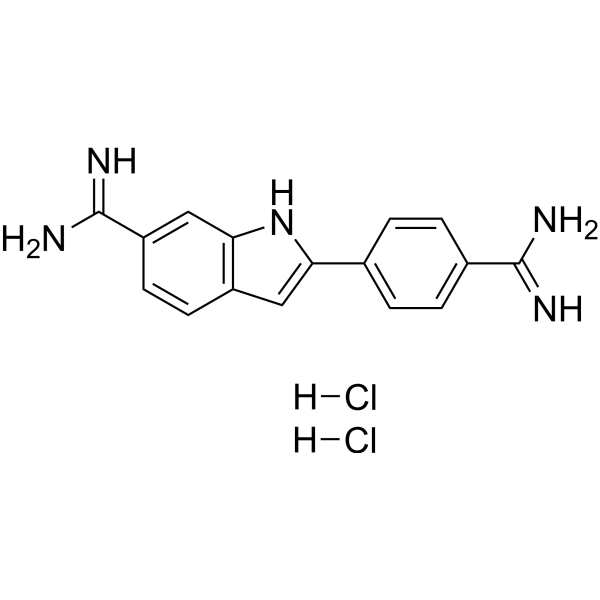
Cat. No.: HY-D0814
CAS No.: 28718-90-3
Synonyms: 4',6-Diamidino-2-phenylindole dihydrochloride
DAPI (4',6-Diamidino-2-phenylindole) dihydrochloride is a DAPI dye. DAPI is a fluorescent dye that binds strongly to DNA. It binds to the AT base pair of the double-stranded DNA minor groove, and one DAPI molecule can occupy three base pair positions. The fluorescence intensity of DAPI molecules bound to double-stranded DNA is increased by about 20 times, and it is commonly observed with fluorescence microscopy, and the amount of DNA can be determined based on the intensity of fluorescence. DAPI cannot penetrate intact cell membranes and is commonly used for staining damaged and fixed cells . DAPI (Compound 3) is an acid-sensing ion channel 3 (ASIC3) inhibitor. DAPI binds to ASIC3 and blocks the channel function. DAPI can be used in the study of chronic pain treatment (Ex/Em = 356/451 nm).
loading...
    loading...
191
191 Publications Verification
Cat. No.: HY-D2868
CAS No.: 47165-04-8
Synonyms: 4',6-Diamidino-2-phenylindole
DAPI (4',6-Diamidino-2-phenylindole) is a DAPI dye. DAPI is a fluorescent dye that binds strongly to DNA. It binds to the AT base pair of the double-stranded DNA minor groove, and one DAPI molecule can occupy three base pair positions. The fluorescence intensity of DAPI molecules bound to double-stranded DNA is increased by about 20 times, and it is commonly observed with fluorescence microscopy, and the amount of DNA can be determined based on the intensity of fluorescence. DAPI cannot penetrate intact cell membranes and is commonly used for staining damaged and fixed cells . DAPI (Compound 3) is an acid-sensing ion channel 3 (ASIC3) inhibitor. DAPI binds to ASIC3 and blocks the channel function. DAPI can be used in the study of chronic pain treatment (Ex/Em = 356/451 nm).
loading...
    loading...
185
185 Cited Publications
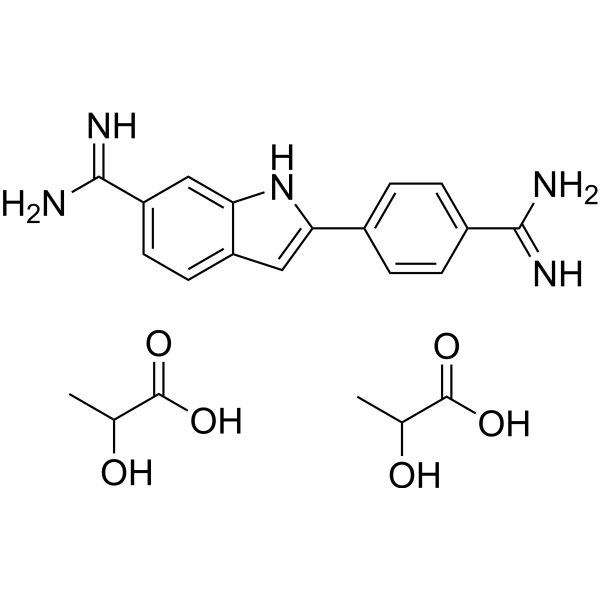
Cat. No.: HY-D1738
CAS No.: 28718-91-4
Synonyms: 4',6-Diamidino-2-phenylindole dilactate
DAPI (4',6-Diamidino-2-phenylindole) dilactate is a DAPI dye. DAPI is a fluorescent dye that binds strongly to DNA. It binds to the AT base pair of the double-stranded DNA minor groove, and one DAPI molecule can occupy three base pair positions. The fluorescence intensity of DAPI molecules bound to double-stranded DNA is increased by about 20 times, and it is commonly observed with fluorescence microscopy, and the amount of DNA can be determined based on the intensity of fluorescence. DAPI cannot penetrate intact cell membranes and is commonly used for staining damaged and fixed cells . DAPI (Compound 3) is an acid-sensing ion channel 3 (ASIC3) inhibitor. DAPI binds to ASIC3 and blocks the channel function. DAPI can be used in the study of chronic pain treatment (Ex/Em = 356/451 nm) .
loading...
    loading...
53
53 Cited Publications
Cat. No.: HY-Y0703
CAS No.: 9004-32-4
Synonyms: CMC-Na (viscosity:800-1200 mPa.s)
Sodium carboxymethyl cellulose (Viscosity:800-1200 mPa.s) is the sodium salt of cellulose arboxymethyl and frequently used as viscous agent, paste and barrier agent.
loading...
    loading...
44
44 Cited Publications
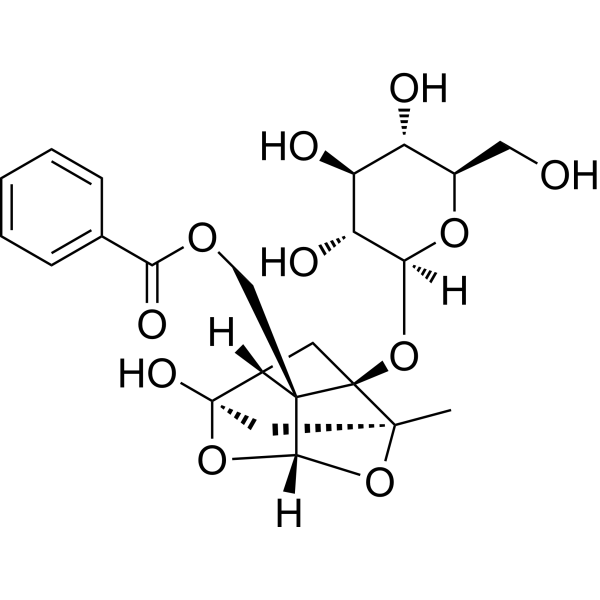
Cat. No.: HY-N0293
CAS No.: 23180-57-6
Synonyms: Peoniflorin
Paeoniflorin is a heat shock protein-inducing compound and commonly exists in the plants of Paeoniaceae family, with various biological activities, including anticancer activity, anti-inflammatory activity, enhancing cognition and attenuating learning impairment, anti-oxidative stress, antiplatelet aggregation, expansion of blood vessels, and reducing blood viscosity .
loading...
    loading...
30
30 Cited Publications
Cat. No.: HY-10007
CAS No.: 284035-33-2
Purity:  99.94%
Synonyms: SB-262470A
Target:  

CaSR

Research Areas:  

Metabolic Disease

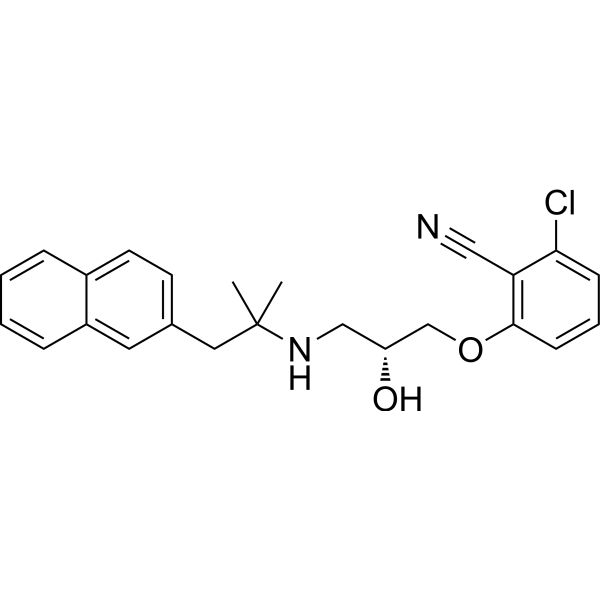
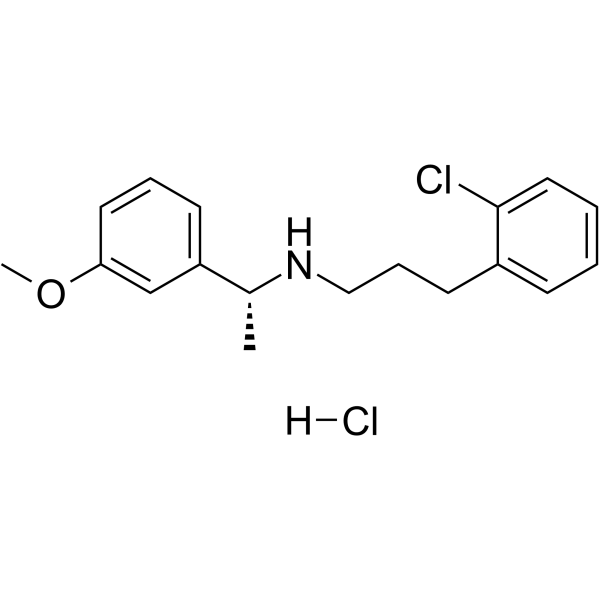
NPS-2143 (SB-262470A), an orally active calcilytic agent, is a selective and potent calcium ion-sensing receptor (CaSR) antagonist. NPS-2143 (SB-262470A) blocks increases in cytoplasmic Ca 2+ concentrations (IC50=43 nM) elicited by activating the Ca 2+ receptor in HEK 293 cells expressing the human Ca 2+ receptor .
loading...
    loading...
30
30 Cited Publications
Cat. No.: HY-10171
CAS No.: 324523-20-8
Purity:  99.98%
Synonyms: SB-262470A hydrochloride
Target:  

CaSR

Research Areas:  

Metabolic Disease

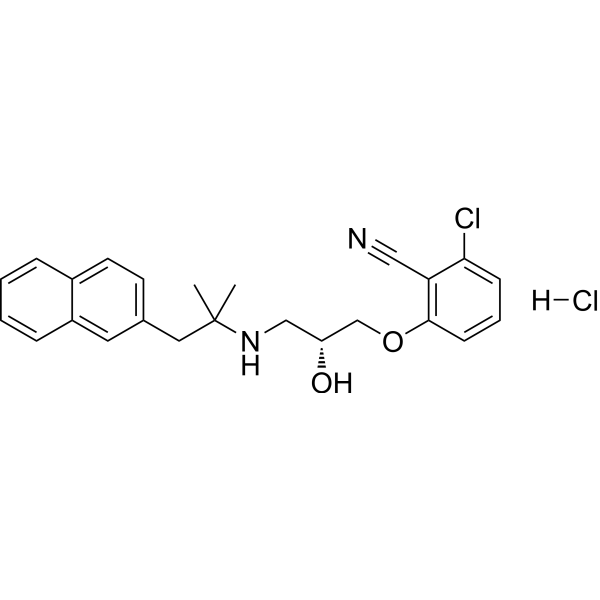
NPS-2143 hydrochloride (SB-262470A hydrochloride), an orally active calcilytic agent, is a selective and potent calcium ion-sensing receptor (CaSR) antagonist. NPS-2143 hydrochloride (SB-262470A hydrochloride) blocks increases in cytoplasmic Ca 2+ concentrations (IC50=43 nM) elicited by activating the Ca 2+ receptor in HEK 293 cells expressing the human Ca 2+ receptor .
loading...
    loading...
15
15 Cited Publications
Cat. No.: HY-125861
CAS No.: 9004-67-5
Synonyms: MC(viscosity:100000mPa.s)
Methyl cellulose (MC) (Viscosity:100000mPa.s) is a non-ionic cellulose ether with surface activity and thermogelation properties. Methyl cellulose (Viscosity:100000mPa.s) is widely used as drug delivery agents, thickeners, stabilizers, emulsifiers, etc., in industries such as pharmaceuticals, food, cosmetics, and construction .
loading...
    loading...
15
15 Cited Publications
Cat. No.: HY-125861E
CAS No.: 9004-67-5
Synonyms: MC(viscosity:4000mPa.s)
Methyl cellulose (MC) (Viscosity:4000mPa.s) is a non-ionic cellulose ether with surface activity and thermogelation properties. Methyl cellulose (Viscosity:4000mPa.s) is widely used as drug delivery agents, thickeners, stabilizers, emulsifiers, etc., in industries such as pharmaceuticals, food, cosmetics, and construction .
loading...
    loading...
13
13 Cited Publications
Cat. No.: HY-18649
CAS No.: 222631-44-9
Synonyms: BCX4430 hydrochloride; Immucillin-A hydrochloride
Research Areas:  

Infection

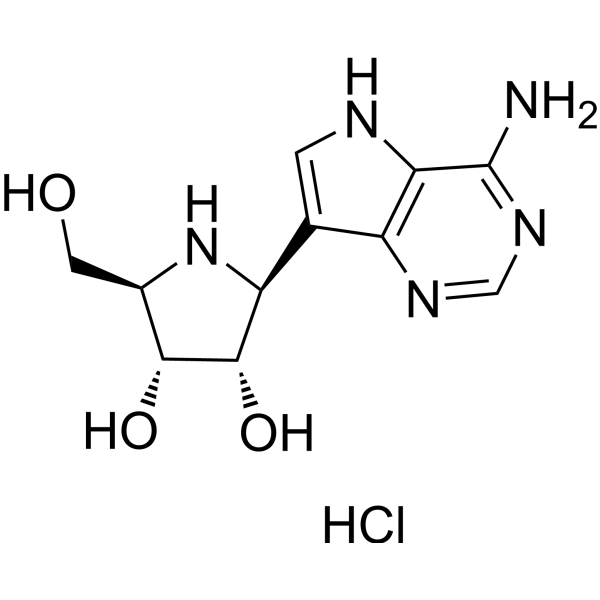
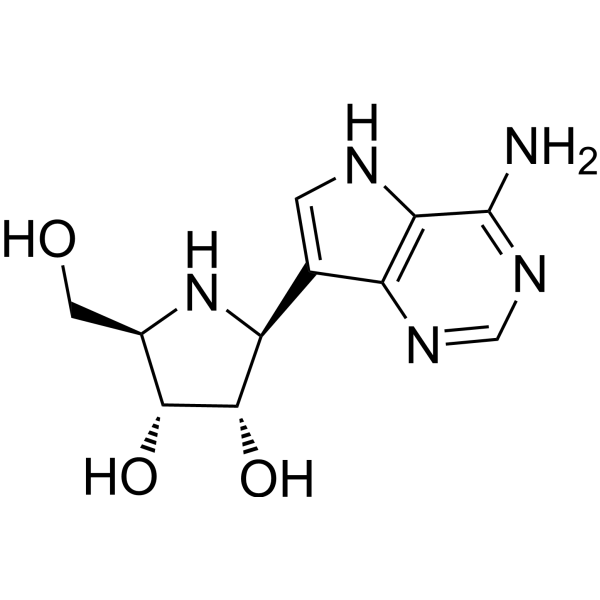
Galidesivir (BCX4430) hydrochloride, an adenosine analog and a direct-acting antiviral agent, disrupts viral RNA-dependent RNA polymerase (RdRp) activity. Galidesivir hydrochloride is active in vitro against many RNA viral pathogens, including the filoviruses and emerging infectious agents such as MERS-CoV, SARS-CoV, and SARS-CoV-2. Galidesivir hydrochloride inhibits some negative-sense RNA viruses with EC50s ranging from ~3 to ~68 μM .
loading...
    loading...
13
13 Cited Publications
Cat. No.: HY-18649A
CAS No.: 249503-25-1
Synonyms: BCX4430; Immucillin-A
Research Areas:  

Infection

Galidesivir (BCX4430), an adenosine analog and a direct-acting antiviral agent, disrupts viral RNA-dependent RNA polymerase (RdRp) activity. Galidesivir is active in vitro against many RNA viral pathogens, including the filoviruses and emerging infectious agents such as MERS-CoV, SARS-CoV, and SARS-CoV-2. Galidesivir inhibits some negative-sense RNA viruses with EC50s ranging from ~3 to ~68 μM .
loading...
    loading...
12
12 Cited Publications
Cat. No.: HY-Y1889A
CAS No.: 9004-32-4
Synonyms: CMC-Na (MW 250000); CMC-Na (viscosity:1500-3100 mPa.s)
Sodium carboxymethyl cellulose (CMC-Na) (MW 250000) is a sodium salt of carboxymethyl cellulose. Sodium carboxymethyl cellulose has adsorption and corrosion inhibition on low-carbon steel in an acidic medium. Sodium carboxymethyl cellulose can be used as a thickener, paste and barrier agent .
loading...
    loading...
8
8 Cited Publications
Cat. No.: HY-P1934
CAS No.: 14705-60-3
Synonyms: Cyclo(phenylalanylprolyl); A-64863
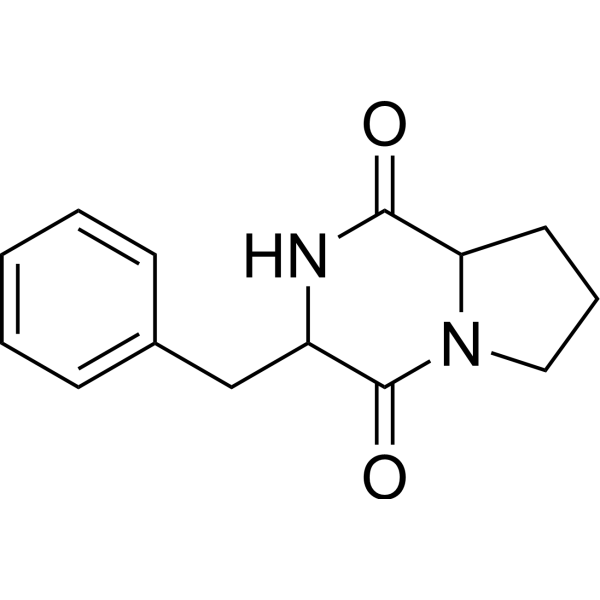
Cyclo(Phe-Pro) (Cyclo(phenylalanylprolyl)) is a quorum-sensing molecule of Vibrio vulnificus that specifically interacts with RIG-I, inhibiting RIG-I polyubiquitination, suppressing IRF-3 activation, and reducing type I interferon production. Cyclo(Phe-Pro) enhances susceptibility to HCV and influenza virus and also alleviates plant aluminum toxicity stress. The mechanism of Cyclo(Phe-Pro) involves the regulation of host immune signaling pathways, bacterial virulence gene expression, and plant antioxidant systems, making it a promising candidate for research in viral infections, bacterial virulence regulation, and agricultural stress resistance .
loading...
    loading...
7
7 Cited Publications
Cat. No.: HY-10167A
CAS No.: 177172-49-5
Purity:  99.66%
Synonyms: R-568 hydrochloride; NPS R-568
Target:  

CaSR

Research Areas:  

Others

Tecalcet Hydrochloride (R 568 Hydrochloride), an orally active calcimimetic compound, allosterically and positively modulates the calcium-sensing receptor (CaSR). Tecalcet Hydrochloride (R 568 Hydrochloride) increases the sensitivity to activation by extracellular Ca 2+ .
loading...
    loading...
7
7 Cited Publications
Cat. No.: HY-P1411
CAS No.: 880107-52-8
Synonyms: PcTx1; Psalmopoeus cambridgei toxin-1
Research Areas:  

Neurological Disease Cancer

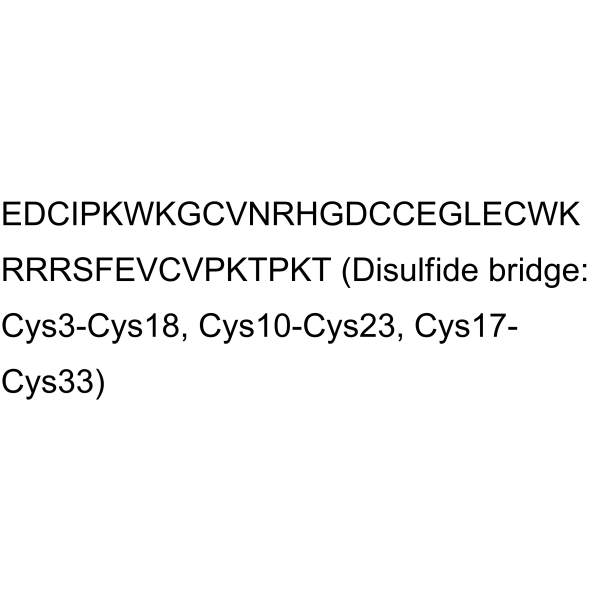
Psalmotoxin 1 (PcTx1) is a protein toxin that can bind at subunit-subunit interfaces of acid-sensing ion channel 1a (ASIC1a). Psalmotoxin 1 is a potent and slective ASIC1a inhibitor (IC50: 0.9 nM) by increasing the apparent affinity for H + of ASIC1a. Psalmotoxin 1 can induce cell apoptosis, also inhibits cell migration, proferliration and invasion of cancer cells. Psalmotoxin 1 can be used in the research of cancers, or neurological disease .
loading...
    loading...
7
7 Cited Publications
Cat. No.: HY-P1411A
Synonyms: PcTx1 TFA; Psalmopoeus cambridgei toxin-1 TFA
Research Areas:  

Neurological Disease Cancer

Psalmotoxin 1 (PcTx1) TFA is a protein toxin that can bind at subunit-subunit interfaces of acid-sensing ion channel 1a (ASIC1a). Psalmotoxin 1 TFA is a potent and slective ASIC1a inhibitor (IC50: 0.9 nM) by increasing the apparent affinity for H + of ASIC1a. Psalmotoxin 1 TFA can induce cell apoptosis, also inhibits cell migration, proferliration and invasion of cancer cells. Psalmotoxin 1 TFA can be used in the research of cancers, or neurological disease .
loading...
    loading...
6
6 Cited Publications
Cat. No.: HY-103320A
CAS No.: 2387505-78-2
Purity:  99.81%
Target:  

CaSR

Research Areas:  

Metabolic Disease

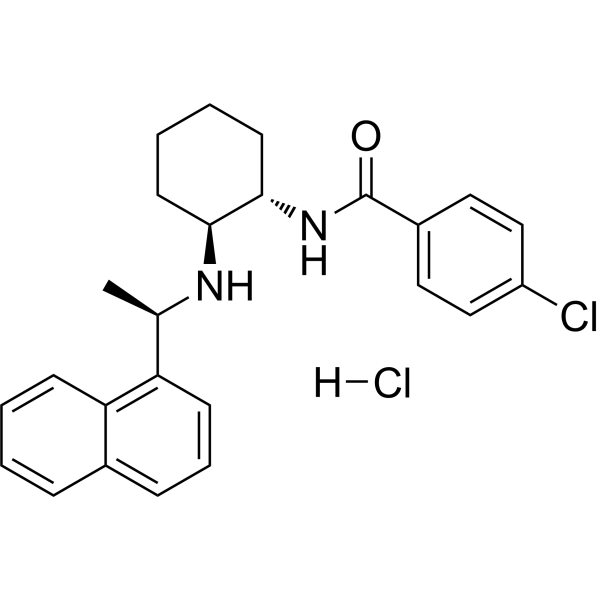
Calhex 231 hydrochloride is a potent negative allosteric modulator that blocks (IC50 = 0.39 μM) increases in [ 3H]inositol phosphates elicited by activating the human wild-type CaSR transiently Ca 2+-sensing receptor. Calhex 231 hydrochloride can be used in the study of traumatic hemorrhagic shock (THS) and diabetic cardiomyopathy (DCM) .
loading...
    loading...
6
6 Cited Publications
Cat. No.: HY-114936
CAS No.: 2738-64-9
Purity:  ≥99.0%
Synonyms: AR-054
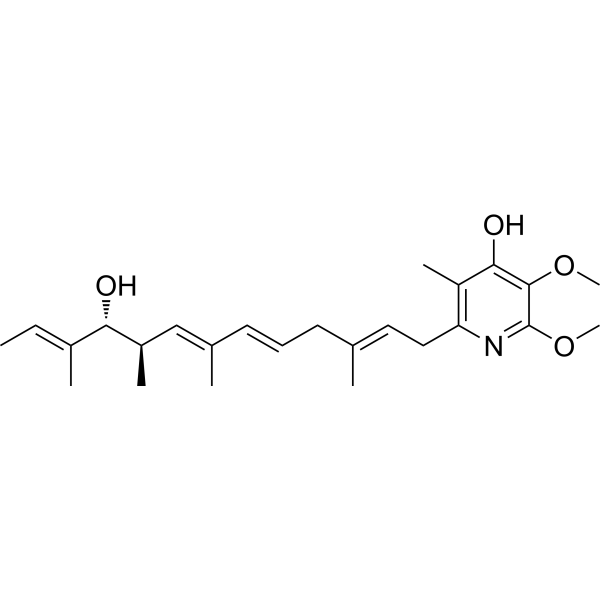
Piericidin A (AR-054) is a natural mitochondrial NADH-ubiquinone oxidoreductase (complex I) inhibitor. Piericidin A is a potent neurotoxin and inhibits mitochondrial respiration by disrupting the electron transport system through its action on NADH-ubiquinone reductase. Piericidin A is also a potential quorum-sensing inhibitor that suppresses the expression of the virulence genes of Erwinia carotovora subsp. atroseptica (Eca). Piericidin A is an ADC cytotoxin and has anti-bacterial, anticancer, insecticidal activity .
loading...
    loading...
4
4 Cited Publications
Cat. No.: HY-A0104
CAS No.: 9004-65-3
Synonyms: Hypromellose (viscosity:11250-21000mPa.s); (Hydroxypropyl)methyl cellulose (viscosity:11250-21000mPa.s); Celacol HPM 5000 (viscosity:11250-21000mPa.s)
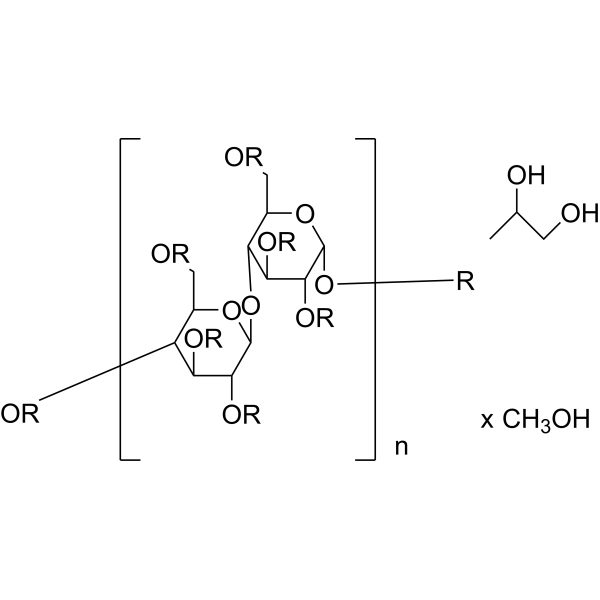
HPMC (Viscosity:11250-21000mPa.s) is a hydrophilic, non-ionic cellulose ether used to form swellable-soluble matrices.
loading...
    loading...
3
3 Cited Publications
Cat. No.: HY-W030796A
CAS No.: 150436-68-3
Target:  

Taste Receptor

Research Areas:  

Metabolic Disease

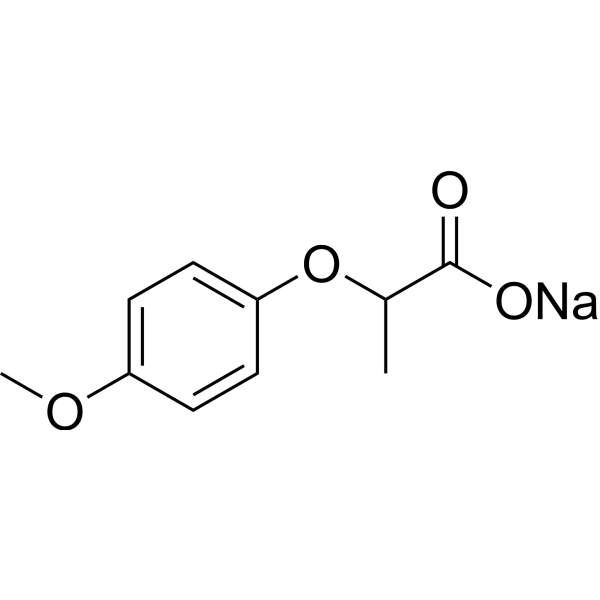
Lactisole is a canonical antagonist of sweet taste receptor, selectively targeting to T1R3 subunit, a glucose-sensing receptor. Lactisole inhibits insulin secretion induced by glucose in mouse islets .
loading...
    loading...

