211 Results for "

young dogs

" in MedChemExpress (MCE) Product Catalog:
Products (211)

211 Results for "young dogs" in MCE Product Catalog:

60
60 Publications Verification
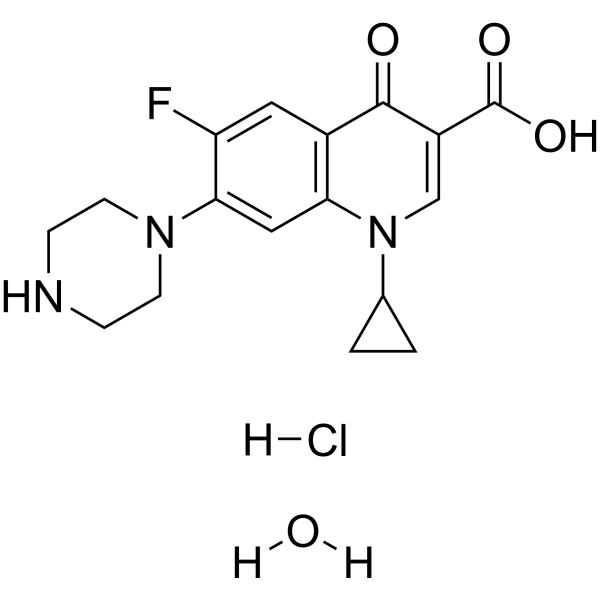
Cat. No.: HY-B0356B
CAS No.: 86393-32-0
Synonyms: Bay-09867 hydrochloride monohydrate
Ciprofloxacin (Bay-09867) hydrochloride monohydrate is an orally active, blood-brain barrier permeable fluoroquinolone antibacterial agent. Ciprofloxacin hydrochloride monohydrate exerts bactericidal effects primarily by inhibiting topoisomerase II and IV. Ciprofloxacin hydrochloride monohydrate inhibits the proliferation of human dental pulp stem cells and chondrocytes from young rats, and also activates the Akt signaling pathway and upregulates markers such as β-catenin and Nanog to maintain the morphological characteristics of stem cells. Ciprofloxacin hydrochloride monohydrate induces significant neurotoxicity and tissue damage, including reducing serotonin and glutathione levels in the brain, inducing oxidative stress and depression-like behaviors, and causing articular cartilage damage. Ciprofloxacin hydrochloride monohydrate can be applied to research related to infections of necrotic young permanent teeth and neurotoxicity .
loading...
    loading...
60
60 Publications Verification
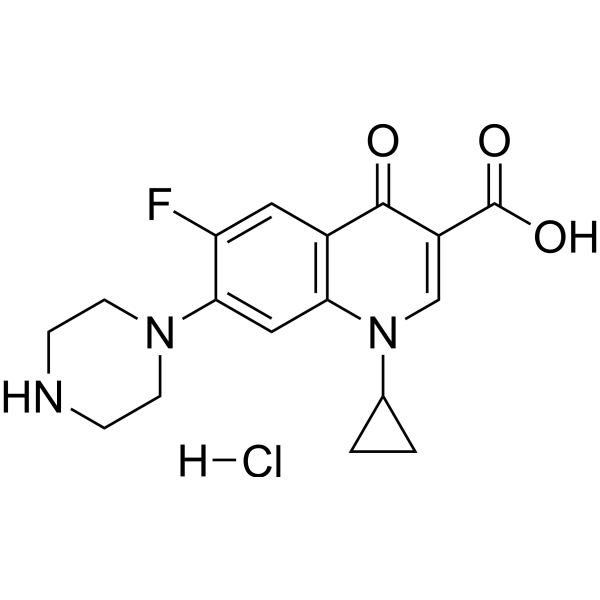
Cat. No.: HY-B0356A
CAS No.: 93107-08-5
Synonyms: Bay-09867 monohydrochloride
Ciprofloxacin (Bay-09867) monohydrochloride is an orally active, blood-brain barrier permeable fluoroquinolone antibacterial agent. Ciprofloxacin monohydrochloride exerts bactericidal effects primarily by inhibiting topoisomerase II and IV. Ciprofloxacin monohydrochloride inhibits the proliferation of human dental pulp stem cells and chondrocytes from young rats, and also activates the Akt signaling pathway and upregulates markers such as β-catenin and Nanog to maintain the morphological characteristics of stem cells. Ciprofloxacin monohydrochloride induces significant neurotoxicity and tissue damage, including reducing serotonin and glutathione levels in the brain, inducing oxidative stress and depression-like behaviors, and causing articular cartilage damage. Ciprofloxacin monohydrochloride can be applied to research related to infections of necrotic young permanent teeth and neurotoxicity .
loading...
    loading...
60
60 Publications Verification
Cat. No.: HY-B0356C
CAS No.: 86483-48-9
Synonyms: Bay-09867 hydrochloride
Ciprofloxacin hydrochloride (Bay-09867 hydrochloride) is an orally active, blood-brain barrier permeable fluoroquinolone antibacterial agent. Ciprofloxacin hydrochloride exerts bactericidal effects primarily by inhibiting topoisomerase II and IV. Ciprofloxacin hydrochloride inhibits the proliferation of human dental pulp stem cells and chondrocytes from young rats, and also activates the Akt signaling pathway and upregulates markers such as β-catenin and Nanog to maintain the morphological characteristics of stem cells. Ciprofloxacin hydrochloride induces significant neurotoxicity and tissue damage, including reducing serotonin and glutathione levels in the brain, inducing oxidative stress and depression-like behaviors, and causing articular cartilage damage. Ciprofloxacin hydrochloride can be applied to research related to infections of necrotic young permanent teeth and neurotoxicity .
loading...
    loading...
28
28 Cited Publications
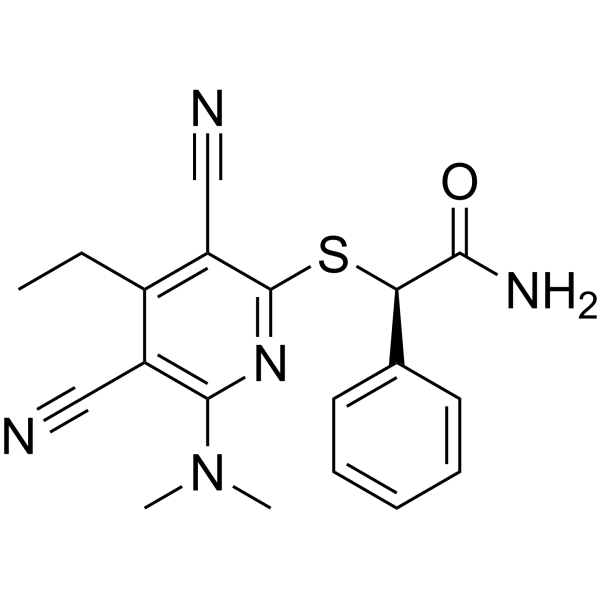
Cat. No.: HY-135146
CAS No.: 2170136-65-7
Purity:  99.95%
Synonyms: (R)-GSK3482364
Research Areas:  

Cancer

GSK-3484862 is a highly potent non-covalent inhibitor and demethylating agent of DNMT1. GSK-3484862 induces genome-wide DNA demethylation, including the regulatory elements of DNMT3B and the promoter region of TERT, and significantly inhibits cell viability, growth, proliferation and self-renewal. GSK-3484862 blocks the transformation of young AT2 cells, induces apoptosis, and generates transcriptomic features similar to those of senescent cells. GSK-3484862 is widely used in studies related to lung cancer, oral squamous cell carcinoma and lung adenocarcinoma .
loading...
    loading...
11
11 Cited Publications
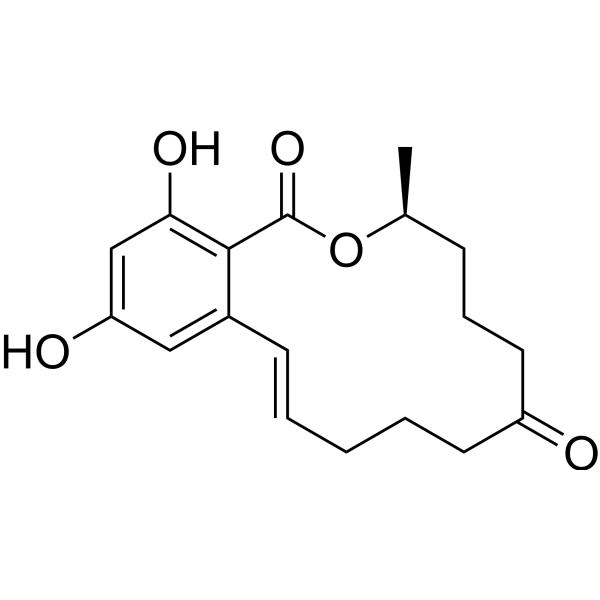
Cat. No.: HY-103447
CAS No.: 17924-92-4
Purity:  98.22%
Synonyms: Mycotoxin F2; Toxin F2
Zearalenone is a mycotoxin produced mainly by fungi belonging to the genus Fusarium in foods and feeds. Possess oestrogenic activity in pigs, cattle and sheep, with low acute toxicity. Causes precocious development of mammae and other estrogenic effects in young gilts .
loading...
    loading...
9
9 Cited Publications
Cat. No.: HY-12717
CAS No.: 50-60-2
Purity:  99.94%
Target:  

Adrenergic Receptor

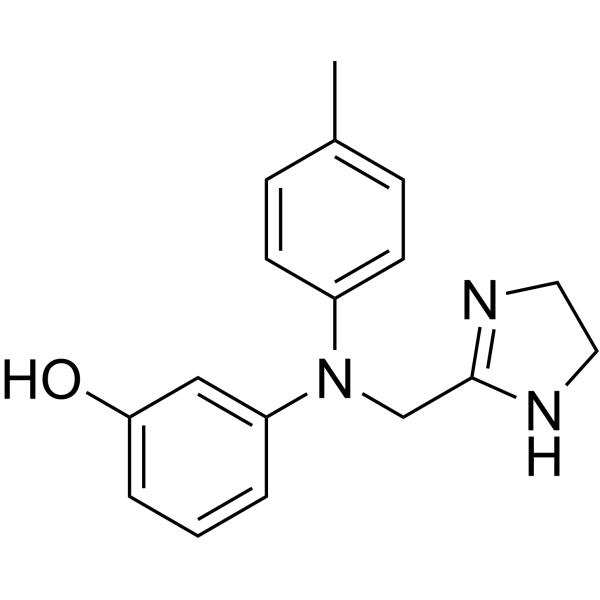
Phentolamine is an orally active, selective α1 and α2 Adrenergic receptor antagonist. Phentolamine antagonizes the vasodilatory effect of Cromakalim (HY-110011) on isolated circumflex coronary artery segments in dogs. Phentolamine reduces systemic vascular resistance and increases cardiac output. Phentolamine improves erectile dysfunction. Phentolamine can be used for the research of erectile dysfunction .
loading...
    loading...
9
9 Cited Publications
Cat. No.: HY-12717A
CAS No.: 73-05-2
Purity:  99.87%
Target:  

Adrenergic Receptor

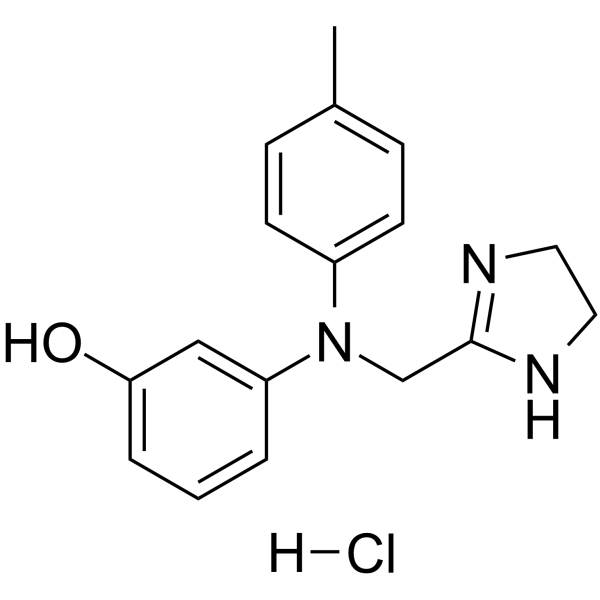
Phentolamine hydrochloride is an orally active, selective α1 and α2 Adrenergic receptor antagonist. Phentolamine hydrochloride antagonizes the vasodilatory effect of Cromakalim (HY-110011) on isolated circumflex coronary artery segments in dogs. Phentolamine hydrochloride reduces systemic vascular resistance and increases cardiac output. Phentolamine hydrochloride improves erectile dysfunction. Phentolamine hydrochloride can be used for the research of erectile dysfunction .
loading...
    loading...
2
2 Cited Publications
Cat. No.: HY-148669
CAS No.: 2654081-35-1
Purity:  99.05%
Synonyms: JNJ-75276617; Menin-MLL inhibitor 24
Research Areas:  

Cancer

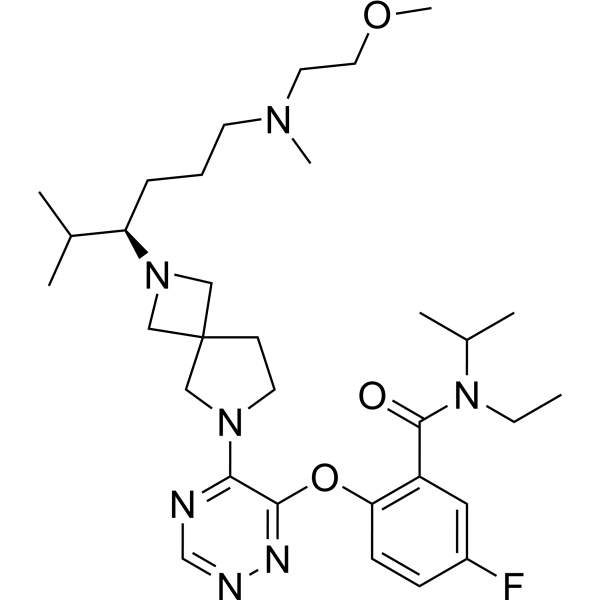
Bleximenib (JNJ-75276617) is an orally active and selective menin-KMT2A inhibitor, with IC50 values of 0.1 nM, 0.045 nM, and ≤0.066 nM for humans, mice, and dogs, respectively. Bleximenib can inhibit the proliferation and induce apoptosis and differentiation of tumor cells. Bleximenib can be used in the research of tumors such as leukemia .
loading...
    loading...
2
2 Cited Publications
Cat. No.: HY-148669A
CAS No.: 2866179-95-3
Purity:  ≥98.0%
Synonyms: JNJ-75276617 oxalate; Menin-MLL inhibitor 24 oxalate
Research Areas:  

Cancer

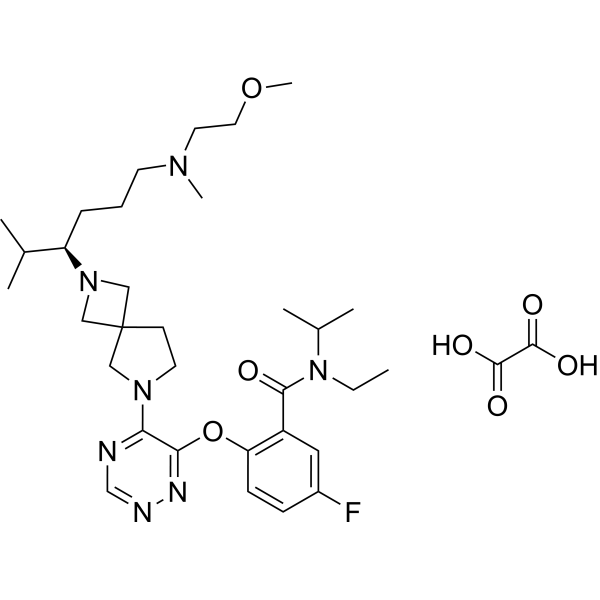
Bleximenib (JNJ-75276617) oxalate is an orally active and selective menin-KMT2A inhibitor, with IC50 values of 0.1 nM, 0.045 nM, and ≤0.066 nM for humans, mice, and dogs, respectively. Bleximenib oxalate can inhibit the proliferation and induce apoptosis and differentiation of tumor cells. Bleximenib oxalate can be used in the research of tumors such as leukemia .
loading...
    loading...
1
1 Cited Publications
Cat. No.: HY-16974
CAS No.: 1093861-60-9
Research Areas:  

Infection

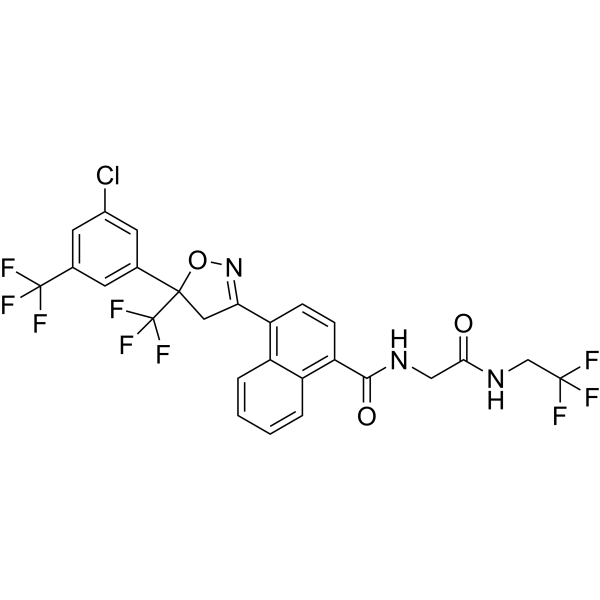
Afoxolaner is an orally active isoxazoline insecticide/acaricide against Ixodes scapularis in dogs. Afoxolaner acts on the insect γ-aminobutyric acid receptor (GABA) and glutamate receptors, inhibiting GABA & glutamate-regulated uptake of chloride ions, resulting in excess neuronal stimulation and death of the arthropod .
loading...
    loading...
1
1 Cited Publications
Cat. No.: HY-B0770
CAS No.: 75887-54-6
Synonyms: β-Arteether; (+)-Arteether; Arteether
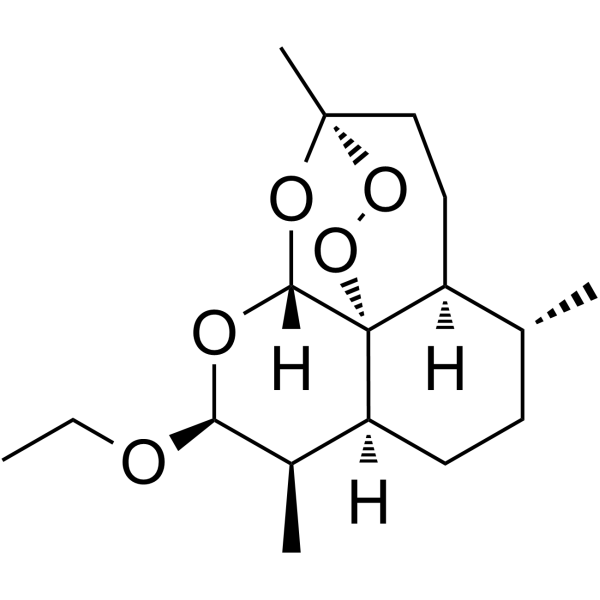
Artemotil (β-Arteether) has antimalarial activity for the treatment of chloroquine-resistant Plasmodium falciparum malaria with an IC50 of 1.61 nM. Artemotil also has central nervous system (CNS) neurotoxicity and anorectic toxicity in rats, dogs and monkeys .
loading...
    loading...
1
1 Cited Publications
Cat. No.: HY-B1136
CAS No.: 3562-99-0
Synonyms: Genabilic acid
Target:  

Drug Derivative

Research Areas:  

Metabolic Disease

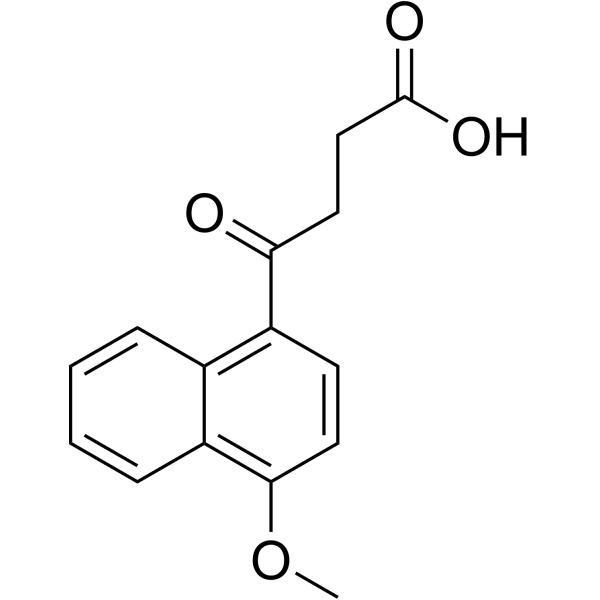
Menbutone (Genabilic acid), an oxobutyric acid derivative, is a choleretic. Menbutone can be used to treat digestive upsets (loss of appetite, indigestion, toxemia, or hepatic and pancreatic insufficiencies) in a variety of animal species, including different farm animals (cattle, sheep, goats, pigs), as well as in dogs .
loading...
    loading...
1
1 Cited Publications
Cat. No.: HY-16730
CAS No.: 1398609-39-6
Synonyms: PF-6450567
Target:  

Parasite

Research Areas:  

Infection

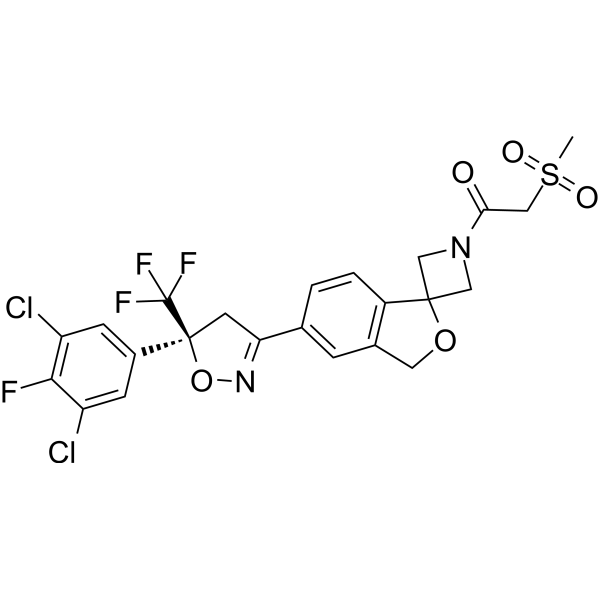
Sarolaner (PF-6450567) is an orally active and broad-spectrum ectoparasiticide. Sarolaner is an isoxazoline compound which shows efficacy against fleas and ticks on dogs, with a LC80 value of 0.3 μg/mL against C. felis and a LC100 value of 0.003 μg/mL against O. turicata .
loading...
    loading...
1
1 Cited Publications
Cat. No.: HY-N7127
CAS No.: 14755-02-3
Synonyms: trans-3-Hydroxycinnamic acid
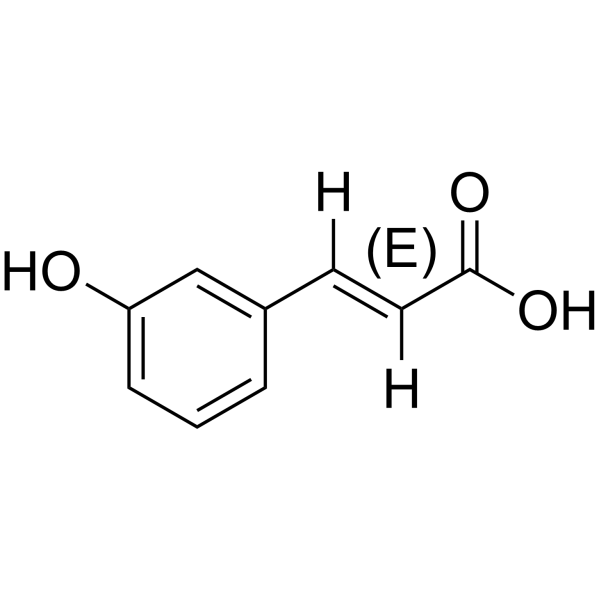
(E)-m-Coumaric acid (trans-3-Hydroxycinnamic acid) is a natural phenolic cinnamic acid derivative with antioxidant activity, and it is found in the young shoots of Limonium densiflorum. (E)-m-Coumaric acid upregulates the levels of SOD and GSH and reduces MDA levels, thereby alleviating oxidative stress and lipid peroxidation in liver tissue. (E)-m-Coumaric acid can be used in studies related to oxidative stress-mediated liver injury .
loading...
    loading...
1
1 Cited Publications
Cat. No.: HY-70050A
CAS No.: 122852-42-0
Synonyms: GR 68755; GR 68755X
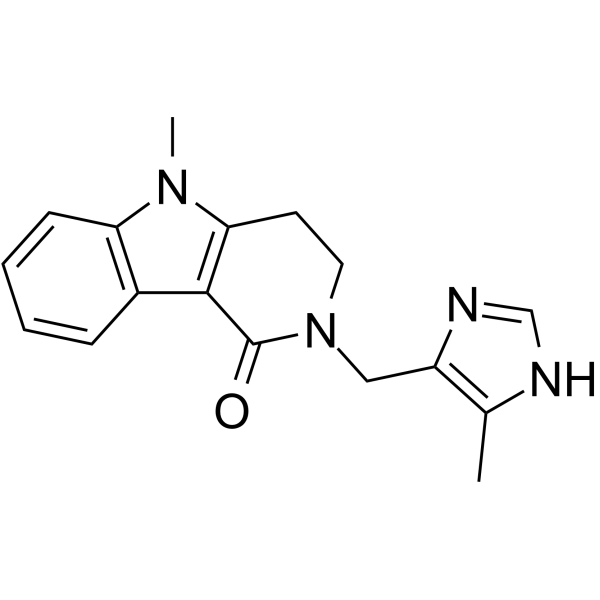
Alosetron (GR 68755) is a potent and highly selective serotonin 5-HT3 receptor antagonist. Alosetron is used for the research of irritable bowel syndrome (IBS). Alosetron blocks the fast 5HT3-mediated depolarisation of guinea-pig myenteric and submucosal neurons, with IC50 at ~55 nM. Alosetron attenuates the visceral nociceptive effect of rectal distension in conscious or anaesthetised dogs. Anti-inflammatory effects .
loading...
    loading...
1
1 Cited Publications
Cat. No.: HY-70050C
CAS No.: 122852-69-1
Synonyms: GR 68755C; GR 68755 Hydrochloride; GR 68755X Hydrochloride
Target:  

5-HT Receptor

Research Areas:  

Neurological Disease

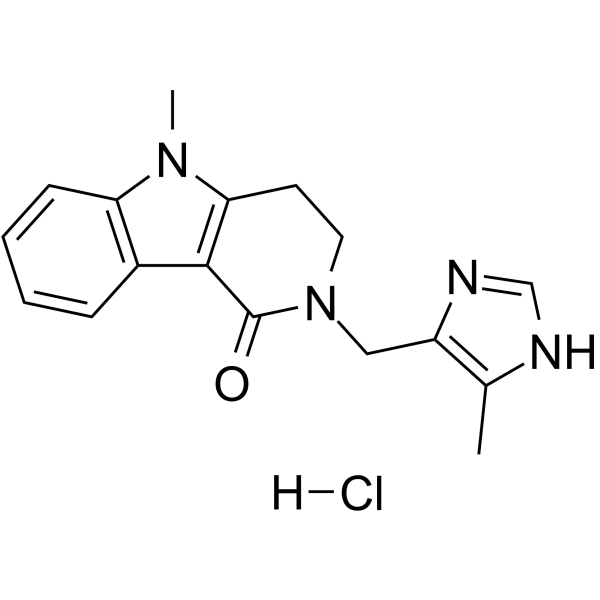
Alosetron Hydrochloride (GR 68755C) is a potent and highly selective serotonin 5-HT3 receptor antagonist. Alosetron Hydrochloride is used for the research of irritable bowel syndrome (IBS). Alosetron blocks the fast 5HT3-mediated depolarisation of guinea-pig myenteric and submucosal neurons, with IC50 at ~55 nM. Alosetron Hydrochloride attenuates the visceral nociceptive effect of rectal distension in conscious or anaesthetised dogs. Anti-inflammatory effects .
loading...
    loading...
1
1 Cited Publications
Cat. No.: HY-W540188A
Synonyms: Ketomalonic acid calcium trihydrate; Mesoxalic acid calcium trihydrate; Oxomalonic acid calcium trihydrate
Target:  

Insulin Receptor

Research Areas:  

Metabolic Disease

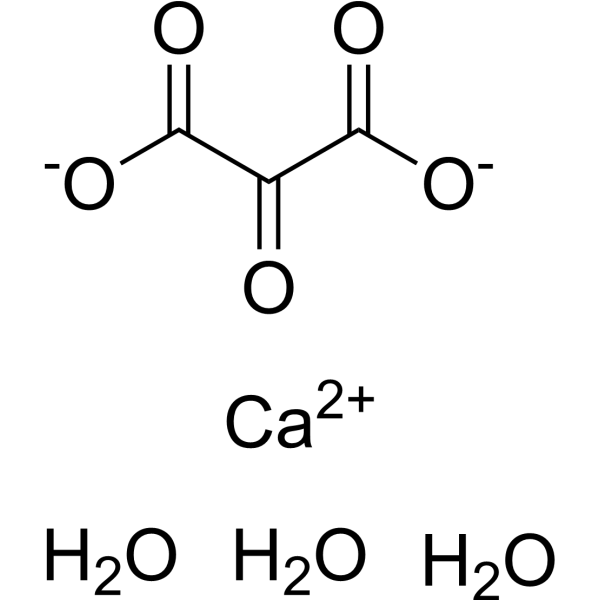
Calcium mesoxalate trihydrate (Ketomalonic acid calcium trihydrate) is an orally active antidiabetic agent. Calcium mesoxalate trihydrate increases pancreatic insulin content. Calcium mesoxalate trihydrate reduces dietary hyperglycemia. Calcium mesoxalate trihydrate inhibits Epinephrine-induced hyperglycemia in rabbits and exacerbates Alloxan (HY-116823)-induced hypoglycemic convulsions. Calcium mesoxalate trihydrate exerts no antidiabetic effect in pancreatectomized dogs and fails to reduce the susceptibility of rabbits to Alloxan-induced diabetes. Calcium mesoxalate trihydrate can be used in diabetes-related research .
loading...
    loading...
1
1 Cited Publications
Cat. No.: HY-17509
CAS No.: 169590-41-4
Synonyms: SC 046; SC 46; SC 59046
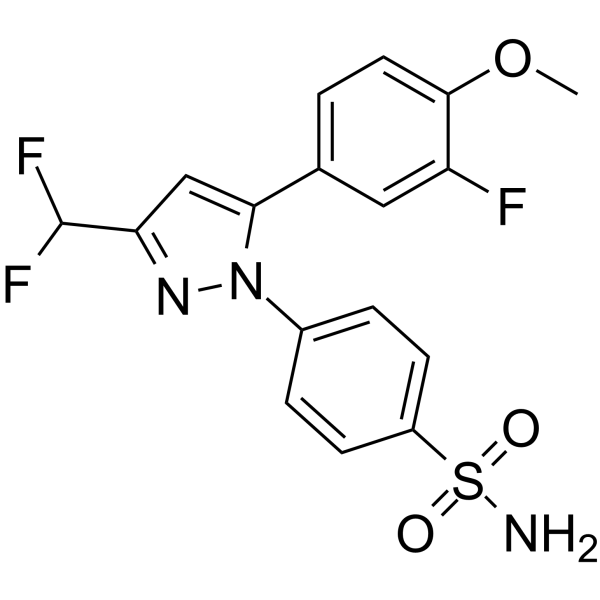
Deracoxib (SC 046; SC 59046), an orally active COX-2 inhibitor, is a veterinary nonsteroidal anti-inflammatory agent used exclusively in dogs. Deracoxib inhibits the COX-2 enzyme to reduce the production of prostaglandins, effectively controlling pain and inflammation after canine soft tissue surgery. Deracoxib reduces the inhibition of COX-1 and lowers the risk of gastrointestinal side effects. Deracoxib induces tumor cell cycle arrest and apoptosis, and shows anti-tumor activity in canine osteosarcoma, breast tumors and bladder transitional cell carcinomas .
loading...
    loading...
1
1 Cited Publications
Cat. No.: HY-17604
CAS No.: 1118567-05-7
Synonyms: EGT1442; EGT0001442; THR-1442
Target:  

SGLT

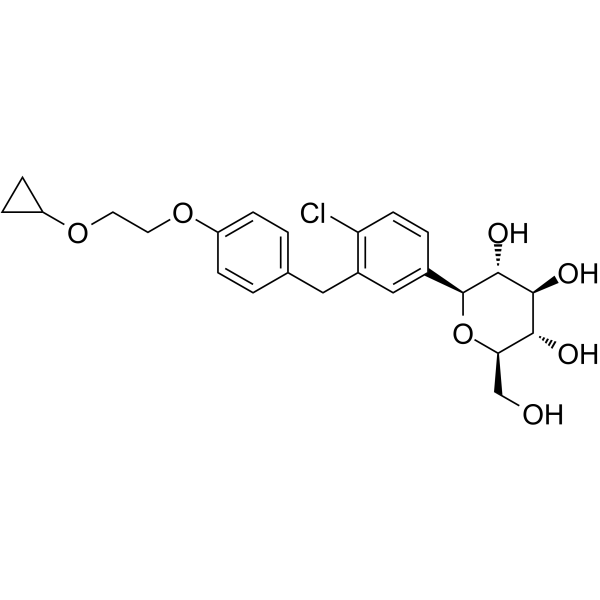
Bexagliflozin (EGT1442; EGT0001442; THR-1442) is an orally active and selective SGLT2 inhibitor with IC50 values of 0.002 μM and 5.6 μM for SGLT2 and SGLT1, respectively. Bexagliflozin selectively inhibits SGLT2-mediated sodium-dependent glucose uptake. Bexagliflozin induces saturable urinary glucose excretion in normal rats and dogs. Bexagliflozin reduces blood glucose and HbA1c levels in db/db mice without affecting body mass or insulin level. Bexagliflozin can be used for the research of type 2 diabetes mellitus, hypertensive stroke .
loading...
    loading...
1
1 Cited Publications
Cat. No.: HY-W017540
CAS No.: 35404-50-3
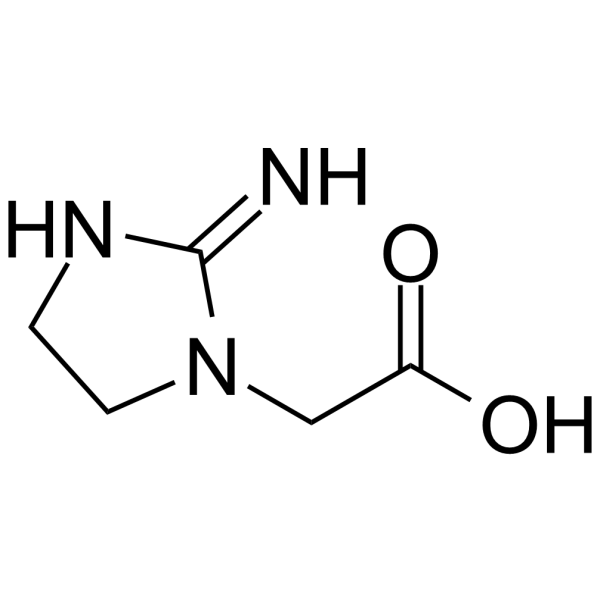
Cyclocreatine, a creatine analogue, acts as a brain-penetrant and potent bioenergetic protective agent by providing high levels of ATP. Cyclocreatine can be phosphorylated and dephosphorylated by creatine kinases. Cyclocreatine suppresses creatine metabolism ameliorating the cognitive, autistic and epileptic phenotype in a mouse model of creatine transporter defciency. Cyclocreatine protects against ischemic injury and enhances cardiac recovery during early reperfusion in dogs and rats. Cyclocreatine decreases plaque-adjacent neuronal dystrophy in TREM2-deficient mice with amyloid-β pathology. Cyclocreatine is proming for research of ischemic heart disease, cardiovascular diseases, Alzheimer’s disease and other neurodegenerative diseases associated with microglial dysfunction, prostate cancer .
loading...
    loading...

