15 Results for "

BV-2 microglia

" in MedChemExpress (MCE) Product Catalog:
Products (15)

15 Results for "BV-2 microglia" in MCE Product Catalog:

Cat. No.: HY-164049
CAS No.: 2490544-50-6
Research Areas:  

Inflammation/Immunology

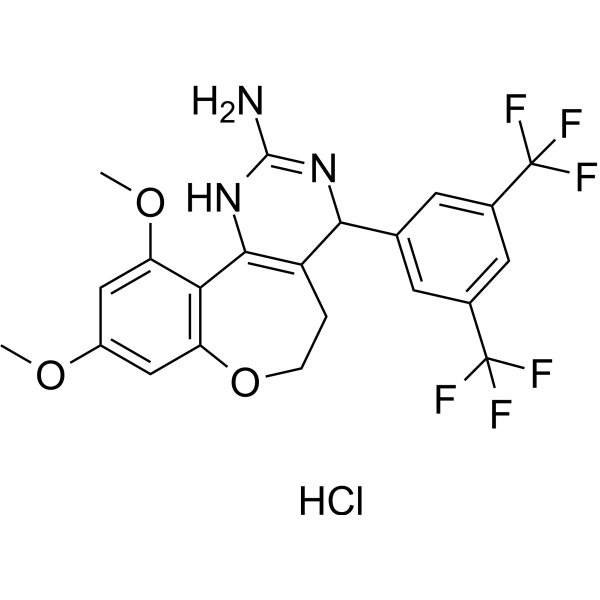
TG8-260 is a second-generation EP2 antagonist developed to alleviate the pathology of central nervous system and peripheral diseases driven by inflammation. TG8-260 can reduce neuroinflammation and gliosis in the hippocampus of rats after pilocarpine-induced persistent epileptic status. Pharmacokinetic data of TG8-260 showed that its plasma half-life was 2.14 hours and its oral bioavailability was 77.3%. TG8-260 is also a potent inhibitor of CYP450 and shows antagonistic activity in inhibiting EP2 receptor-mediated inflammatory gene expression in BV2-hEP2 microglia, which is suitable for studying anti-inflammatory pathways in animal models of peripheral inflammatory diseases .
loading...
    loading...
Cat. No.: HY-N8090
CAS No.: 1961358-02-0
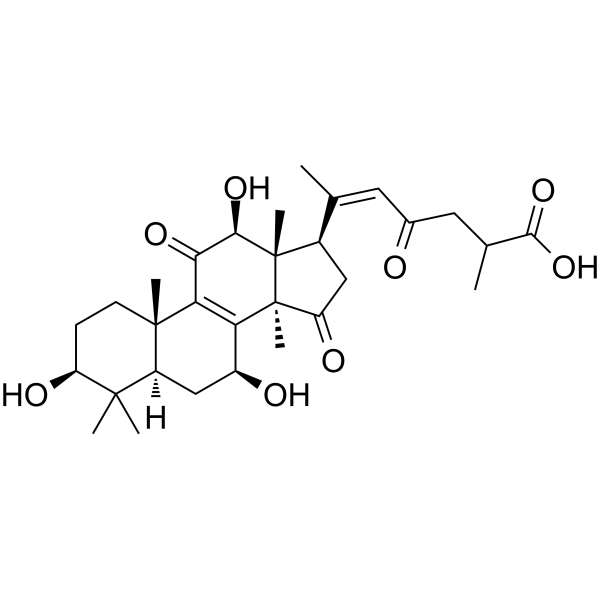
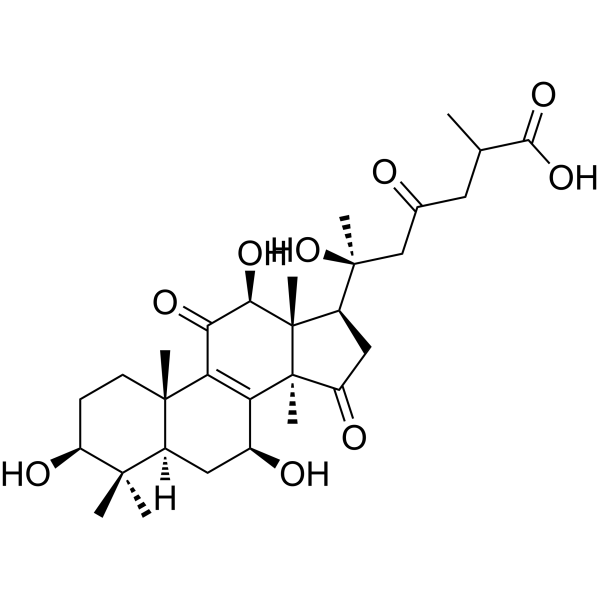
(3β,7β,12β,20Z)-3,7,12-Trihydroxy-11,15,23-trioxo-lanost-8,20-dien-26-oic acid, a lanostane triterpenoids, exhibits obvious NO inhibitory activity on n LPS-induced BV-2 microglia cells with an IC50 of 9.55 uM. (3β,7β,12β,20Z)-3,7,12-Trihydroxy-11,15,23-trioxo-lanost-8,20-dien-26-oic acid has anti-inflammatory activities .
loading...
    loading...
loading...
    loading...
Cat. No.: HY-119465
CAS No.: 135357-96-9
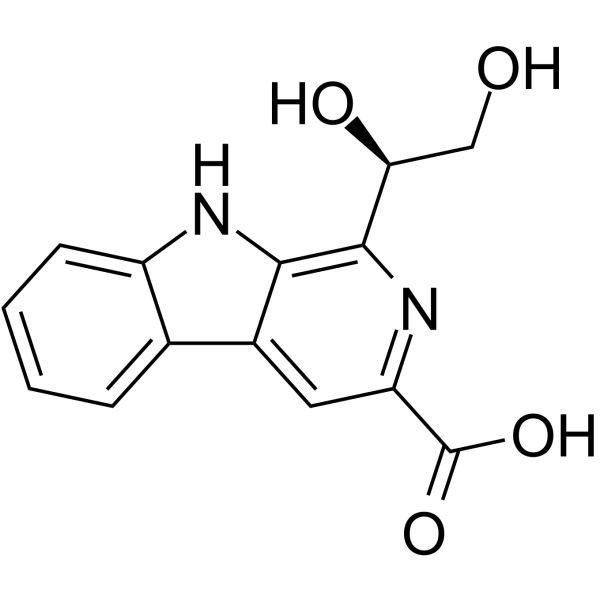
Restricticin is a compound obtained from marine fungi, whose structure contains alkene, tetrahydropyran ring and glycine ester functional groups, and has anti-neuroinflammatory effects in lipopolysaccharide-induced BV-2 microglia by inhibiting the production of proinflammatory mediators.
loading...
    loading...
Cat. No.: HY-N9675
CAS No.: 408324-76-5
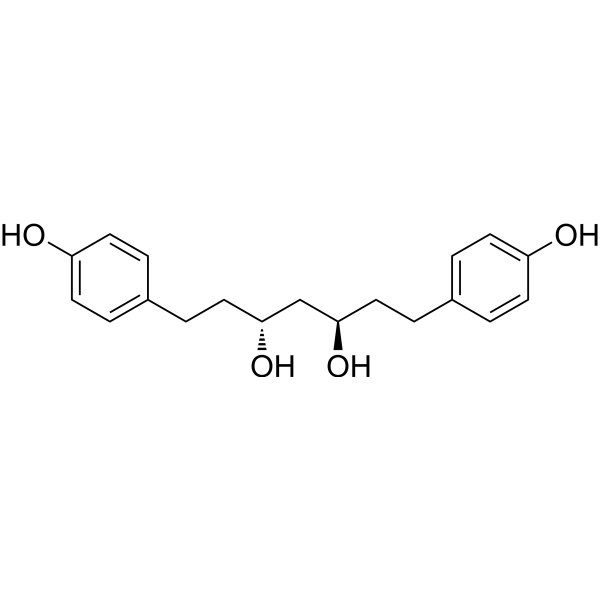
(+)-Hannokinol can be isolated from AMOMUM TSAO-KO (ginger family) fruit. (+)-Hannokinol inhibits lipopolysaccharide-induced nitric oxide production in BV2 microglia .
loading...
    loading...
Cat. No.: HY-155762
CAS No.: 2968412-77-1
Anti-neuroinflammation agent 1 is a potent anti-neuroinflammation agent that regulates polarization BV2 microglia cells from M1 phenotype to M2 phenotype .
loading...
    loading...
Cat. No.: HY-N7018
CAS No.: 400604-12-8
20-Hydroxyganoderic Acid G is a lanostane triterpenoid obtained from the EtOH extract of fruiting bodies of the Ganoderma curtisii. 20-Hydroxyganoderic Acid G inhibits BV-2 microglia cells activated by LPS with an IC50 of 21.33 μM. 20-Hydroxyganoderic Acid G has therapeutic potential in the agent discovery of nerve inflammation diseases associated with microglia activated by LPS .
loading...
    loading...
Cat. No.: HY-N0859B
CAS No.: 1614245-13-4
Schisanchinin D is an NO release inhibitor found in the fruits of Schisandra chinensis. Schisanchinin D can inhibit the release of nitric oxide (NO) by lipopolysaccharide (LPS)-activated microglia in primary murine BV2 microglia cells. Schisanchinin D is promising for research of neurodegenerative diseases such as Alzheimer's disease (AD) .
loading...
    loading...
Cat. No.: HY-N3814
CAS No.: 3301-61-9
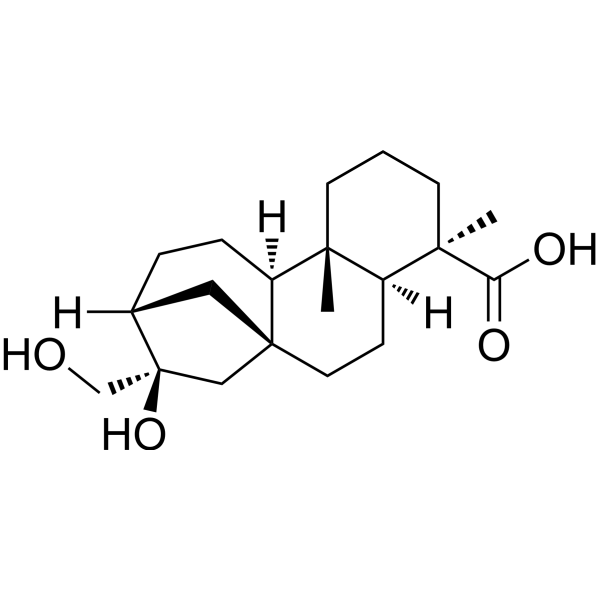
ent-16β,17-Dihydroxykauran-19-oic acid is an anti-inflammatory agent, which can be isolated from Siegesbeckia pubescens herb. ent-16β,17-Dihydroxykauran-19-oic acid inhibits lipopolysaccharide-induced nitric oxide production in BV2 microglia .
loading...
    loading...
Cat. No.: HY-N10458
CAS No.: 3000508-28-8
Target:  

NF-κB

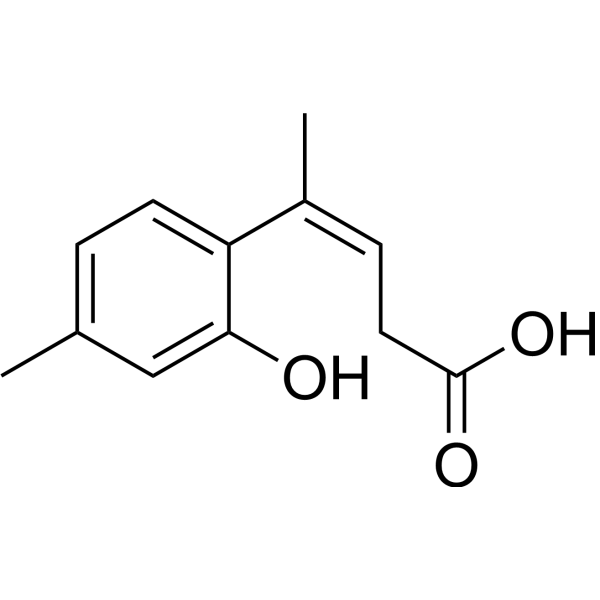
Asperbisabolane L, a sesquiterpenoid, exerts the anti-inflammatory activity by inhibiting the NF-κB-activated pathway. Asperbisabolane L inhibits the translocation of NF-κB from cytoplasm to the nucleus. Asperbisabolane L also inhibits NO production in LPS-activated BV-2 microglia cells .
loading...
    loading...
Cat. No.: HY-118361
CAS No.: 1150586-64-3
CB86 is a small-molecule ligand of the translocator protein TSPO, binding to 18-kDa TSPO with high affinity (IC50 1.6 nM). CB86 competitively binds the TSPO protein on the mitochondrial outer membrane, inhibits LPS-induced M1 pro-inflammatory activation of BV‑2 microglia, and simultaneously inhibits 6‑OHDA-induced ROS generation, apoptosis, and necrosis in PC12 cells, exerting anti-inflammatory and neuroprotective effects. CB86 can be used in research related to Parkinson's disease and rheumatoid arthritis .
loading...
    loading...
Cat. No.: HY-N13729
CAS No.: 2376309-57-6
Stephalonine P is a hasubanan-type alkaloid anti-inflammatory agent with neuroprotective effects against neuroinflammation. Stephalonine P regulates post-ischemic inflammatory responses by inhibiting NO production in LPS-activated BV2 microglia (IC50=34.01 μM), thereby reducing microglial activation and neuronal damage. Stephalonine P can be isolated from the whole plant of Stephania japonica. Stephalonine P can be used in research on stroke and other neuroinflammation-related diseases .
loading...
    loading...
Cat. No.: HY-N21660
CAS No.: 854629-43-9
2,5-Dihydro-5-oxo-5-furanoctanoic acid is a fatty acid found in the flower buds of Hemerocallis citrina Baroni. 2,5-Dihydro-5-oxo-5-furanoctanoic acid exhibits inhibitory activity against LPS-induced NO production in BV2 microglia, with an IC50 of 71.16 μM. 2,5-Dihydro-5-oxo-5-furanoctanoic acid can be used for the study of neuroinflammation .
loading...
    loading...
Cat. No.: HY-180889
CAS No.: 2257497-15-5
PROTAC BRD3 degrader-1 (compound D072) is a potent and selective PROTAC BRD3 degrader. PROTAC BRD3 degrader-1 selectively degrades BRD3 in mice, leading to the downregulation of H3K18ac without affecting BRD2 or BRD4. PROTAC BRD3 degrader-1 reduces intraocular inflammation in the experimental autoimmune uveitis (EAU) mouse mode and inhibits proinflammatory microglia in both uveitis retina and LPS (HY-D1056) treated mouse microglia cell line BV2. PROTAC BRD3 degrader-1 can be used for uveitis research .
loading...
    loading...
Cat. No.: HY-190499
Anti-inflammatory agent 128 is a 2-azido-3-O-benzyl-2-deoxy sp 2-iminosugar glycolipid with anti-inflammatory, antitumor, and antiparasitic activities. Anti-inflammatory agent 128 exhibits broad-spectrum antiproliferative activity against multiple human tumor cell lines. Anti-inflammatory agent 128 elevates mitochondrial ROS levels in Leishmania donovani promastigotes. Anti-inflammatory agent 128 inhibits the inflammatory response of Bv.2 microglia under LPS stimulation, suppresses NLRP3 inflammasome activation, downregulates the pro-inflammatory mediators Tnfa, Il1β, and Il6, and upregulates Hmox1. Anti-inflammatory agent 128 attenuates reactive gliosis in isolated retinal explants from diabetic rats and ameliorates inflammation-related phenotypes associated with diabetic retinopathy. Anti-inflammatory agent 128 can be used in research on tumors, leishmaniasis, and diabetic retinopathy .
loading...
    loading...
  • 1

