62 Results for "

D3R

" in MedChemExpress (MCE) Product Catalog:
Products (62)

62 Results for "D3R" in MCE Product Catalog:

2
2 Cited Publications
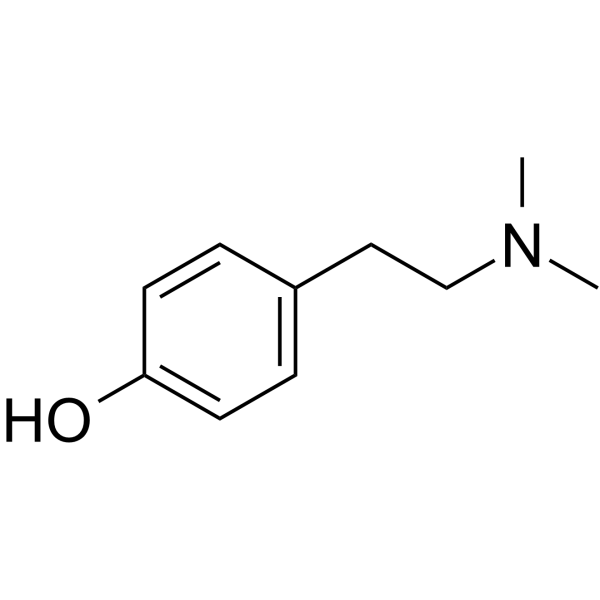
Cat. No.: HY-N0113
CAS No.: 539-15-1
Synonyms: Ordenina; Peyocactine
Hordenine (Ordenina; Peyocactine) is a multifunctional alkaloid with oral activity and blood-brain barrier penetration. Hordenine inhibits LPS-induced phosphorylation of p38, JNK, ERK1/2, p65, IκB, and AKT, prevents p65 nuclear translocation, and suppresses inflammatory cytokines and mediators. Hordenine promotes M2 macrophage polarization, restores blood-milk barrier integrity, alleviates oxidative stress by reducing ROS and MDA, and attenuates LPS-induced lung injury and pulmonary edema. Hordenine inhibits cAMP production, CREB phosphorylation, and MITF expression, thereby suppressing melanin synthesis in melanocytes and reconstructed epidermis. Hordenine activates the Wnt/β-catenin signaling pathway, promotes dermal papilla cell proliferation and hair shaft elongation, and accelerates hair regeneration. Hordenine activates DRD2, acts as a D3R partial agonist, α2A-AR full agonist, and 5-HT2A-R antagonist, and inhibits SERT and DAT. Hordenine inhibits α-synuclein accumulation and ameliorates motor deficits in Parkinson's disease models. Hordenine limits alcohol intake, reduces relapse drinking behavior, and modulates alcohol-induced conditioned place preference. Hordenine can be used for research on mastitis, skin pigmentation, acute lung injury, foodborne diseases, hair loss, Parkinson's disease, bacterial infections, and alcohol use disorder [3] .
loading...
    loading...
2
2 Cited Publications
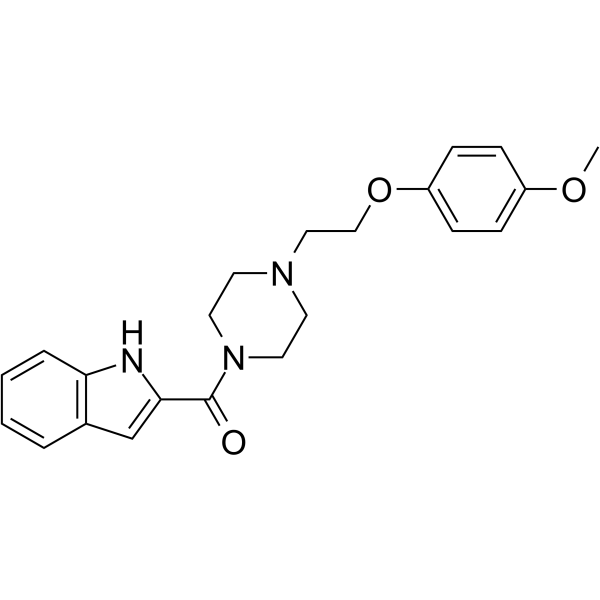
Cat. No.: HY-136390
CAS No.: 1386162-69-1
Purity:  99.50%
Target:  

Dopamine Receptor

Research Areas:  

Neurological Disease

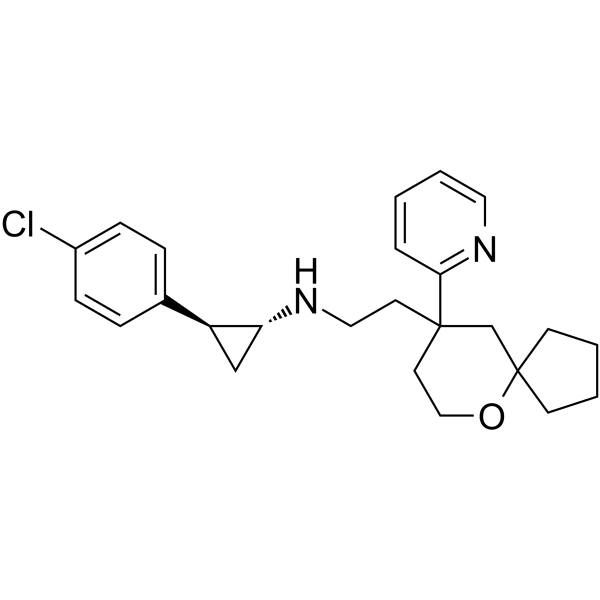
ML417 is a selective and brain penetrant D3 dopamine receptor (D3R) agonist, with an EC50 of 38 nM. ML417 potently promotes D3R-mediated β-arrestin translocation, G protein mediated signaling, and pERK phosphorylation with minimal effects on other GPCR-mediated signaling. ML417 exhibits neuroprotection against toxin-induced neurodegeneration of dopaminergic neurons .
loading...
    loading...
2
2 Cited Publications
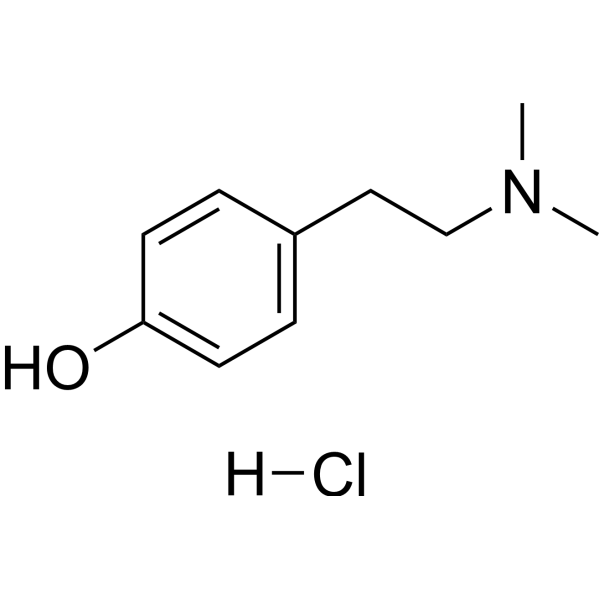
Cat. No.: HY-N0113B
CAS No.: 6027-23-2
Synonyms: Ordenina hydrochloride; Peyocactine hydrochloride
Hordenine hydrochloride (Ordenina hydrochloride; Peyocactine hydrochloride) is a multifunctional alkaloid with oral activity and blood-brain barrier penetration. Hordenine hydrochloride inhibits LPS-induced phosphorylation of p38, JNK, ERK1/2, p65, IκB, and AKT, prevents p65 nuclear translocation, and suppresses inflammatory cytokines and mediators. Hordenine hydrochloride promotes M2 macrophage polarization, restores blood-milk barrier integrity, alleviates oxidative stress by reducing ROS and MDA, and attenuates LPS-induced lung injury and pulmonary edema. Hordenine hydrochloride inhibits cAMP production, CREB phosphorylation, and MITF expression, thereby suppressing melanin synthesis in melanocytes and reconstructed epidermis. Hordenine hydrochloride activates the Wnt/β-catenin signaling pathway, promotes dermal papilla cell proliferation and hair shaft elongation, and accelerates hair regeneration. Hordenine hydrochloride activates DRD2, acts as a D3R partial agonist, α2A-AR full agonist, and 5-HT2A-R antagonist, and inhibits SERT and DAT. Hordenine hydrochloride inhibits α-synuclein accumulation and ameliorates motor deficits in Parkinson's disease models. Hordenine hydrochloride limits alcohol intake, reduces relapse drinking behavior, and modulates alcohol-induced conditioned place preference. Hordenine hydrochloride can be used for research on mastitis, skin pigmentation, acute lung injury, foodborne diseases, hair loss, Parkinson's disease, bacterial infections, and alcohol use disorder [3] .
loading...
    loading...
1
1 Cited Publications
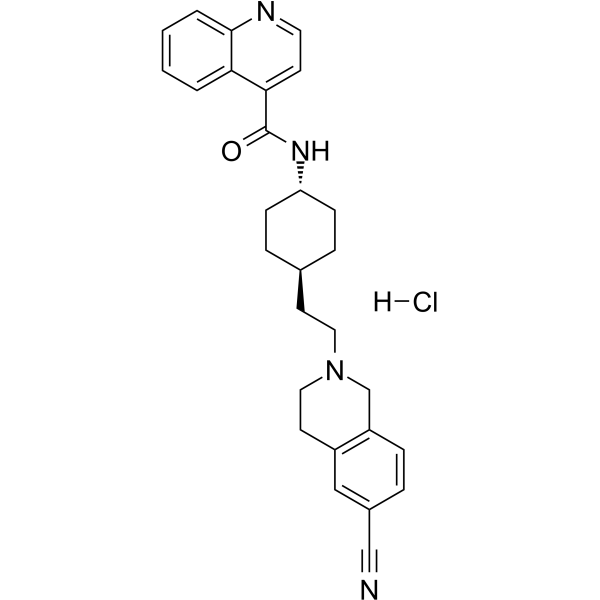
Cat. No.: HY-10847B
CAS No.: 215804-67-4
Purity:  98.54%
Synonyms: SB-277011A hydrochloride
Research Areas:  

Neurological Disease

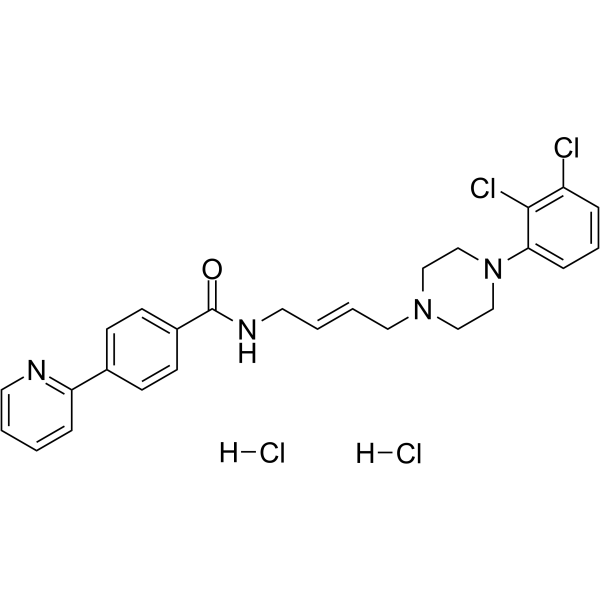
SB-277011 hydrochloride (SB-277011A hydrochloride) is a potent, selective, orally bioavailable and brain penetrate dopamine D3 receptor (D3R) antagonist with Ki values of 10.7 nM and 11.2 nM at rodent and human D3R, respectively. SB-277011 hydrochloride displays 80- to 100-fold selectivity over other dopamine receptors with pKis of 8.0, 6.0, <5.2, and 5.9 for D3, D2, 5-HT1B, and 5-HT1D receptors, respectively .
loading...
    loading...
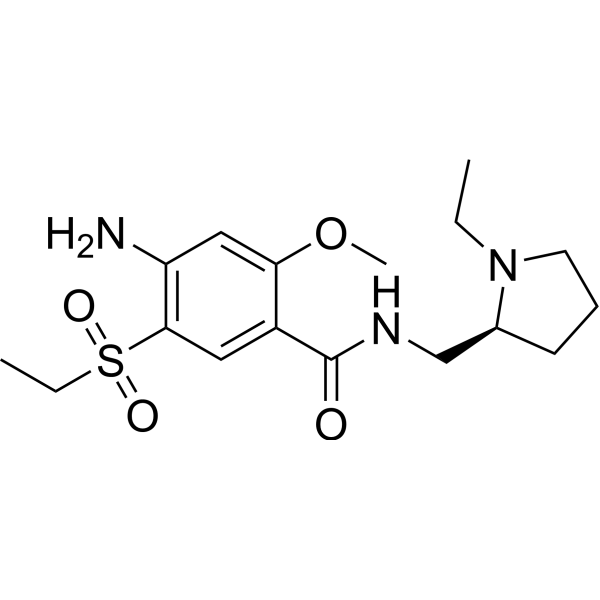
Cat. No.: HY-126068
CAS No.: 71675-92-8
Purity:  99.04%
Synonyms: (S)-Amisulpride; (S)-Aramisulpride; (S)-DAN 2163
Research Areas:  

Neurological Disease

Esamisulpride ((S)-Amisulpride) is the S-isomer of Amisulpride (HY-14545). Esamisulpride is a potent dopamine D2/D3 receptor antagonist with Ki values of 4.43 nM for D2R and 0.72 nM for D3R. Esamisulpride is a 5-HT7 receptor antagonist with a Ki of 900 nM. Esamisulpride can be used in the research of schizophrenia and depression [3].
loading...
    loading...
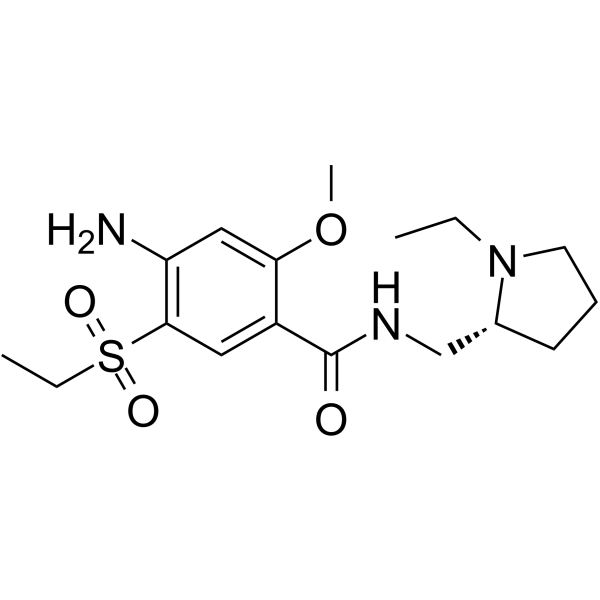
Cat. No.: HY-109167
CAS No.: 71675-90-6
Purity:  99.49%
Synonyms: (R)-Amisulpride; (R)-Esamisulpride; (R)-DAN 2163
Research Areas:  

Neurological Disease

Aramisulpride (R-(+)-Amisulpride) is the R-isomer of Amisulpride (HY-14545). Aramisulpride is a 5-HT7 receptor antagonist with a Ki value of 22 nM. Aramisulpride is a D2/D3 receptor antagonist with a Ki value of 140 nM for D2R and a Ki value of 13.9 nM for D3R. Aramisulpride can be used in psychiatric research .
loading...
    loading...
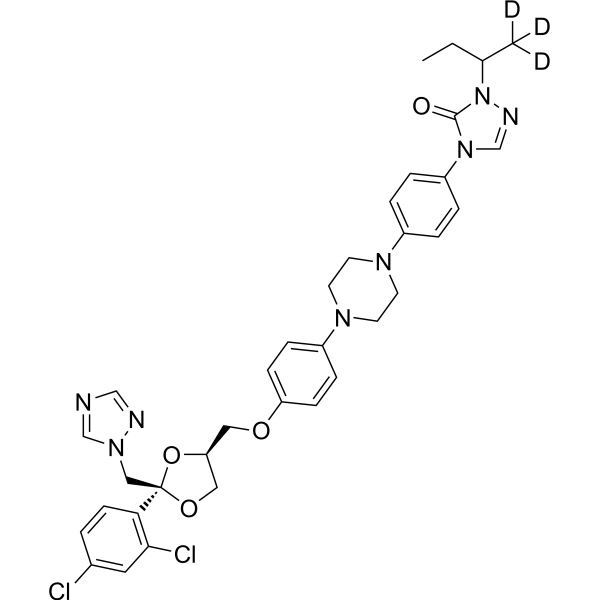
Cat. No.: HY-17514S1
CAS No.: 1217512-35-0
Synonyms: R51211-d3
Itraconazole-d3 (R51211-d3) is the deuterium labeled Itraconazole (HY-17514) . Itraconazole (R51211) is a triazole antifungal agent and a potent and orally active Hedgehog (Hh) signaling pathway antagonist with an IC50 of ~800 nM. Itraconazole potently inhibits lanosterol 14α-demethylase (cytochrome P450 enzyme), thereby inhibits the oxidative conversion of lanosterol to ergosterol. Itraconazole has anticancer and antiangiogenic effects. Itraconazole is a oxysterol-binding protein (OSBP) inhibitor.
loading...
    loading...
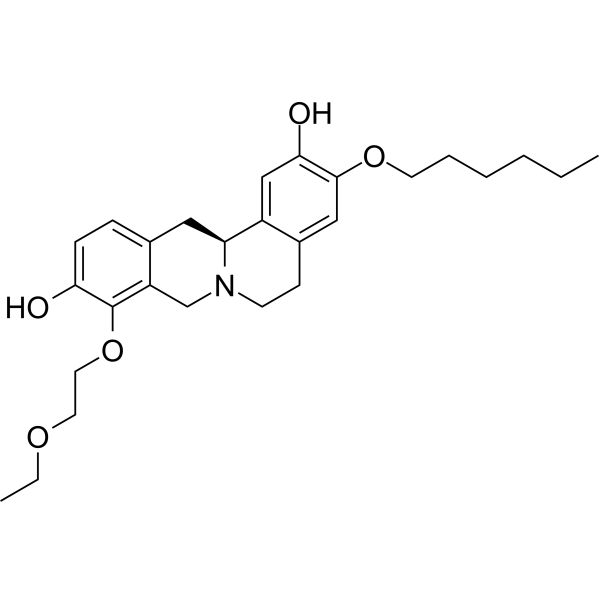
Cat. No.: HY-149337
CAS No.: 2983777-91-7
Target:  

Dopamine Receptor

Research Areas:  

Neurological Disease

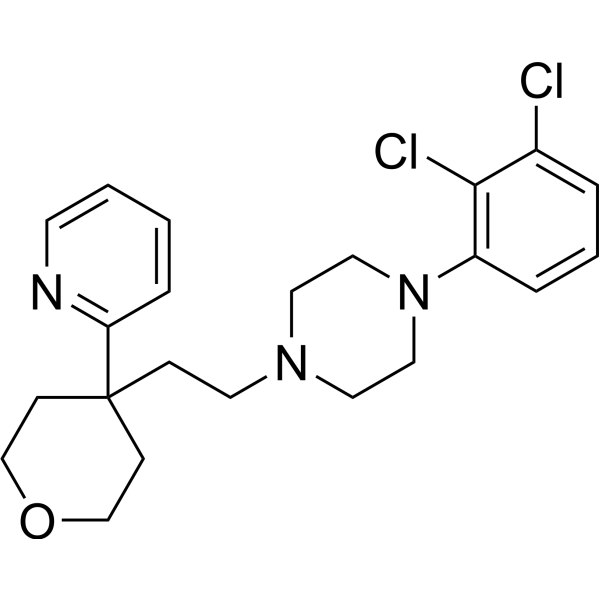
D3R ligand 1 (compound 23b) is a potent and selective ligand of dopamine receptor D3R (Ki=66 nM), containing a THPB template. D3R ligand 1 is also an antagonist for both G-protein- and β-arrestin-based signaling .
loading...
    loading...
Cat. No.: HY-103408
CAS No.: 675599-62-9
Purity:  99.35%
Target:  

Dopamine Receptor

Research Areas:  

Neurological Disease

PG01037 dihydrochloride is a blood-brain barrier-penetrant selective dopamine D3 receptor antagonist, and blocks D3R signaling in the nucleus accumbens, with a Ki of 0.7 nM. PG01037 dihydrochloride enhances psychostimulant-induced locomotion, locomotor sensitization, and dopamine release, and promotes excitation of D1-expressing medium spiny neurons through D1-like signaling. PG01037 dihydrochloride attenuates psychostimulant-associated reward and relapse behaviors, and alleviates MPTPp-induced motor impairment and dopaminergic neurodegeneration. PG01037 dihydrochloride can be used in research related to Parkinson's disease, addictive disorders, and cancer [3] .
loading...
    loading...
Cat. No.: HY-N0113S
CAS No.: 1346598-66-0
Synonyms: Ordenina-d6; Peyocactine-d6
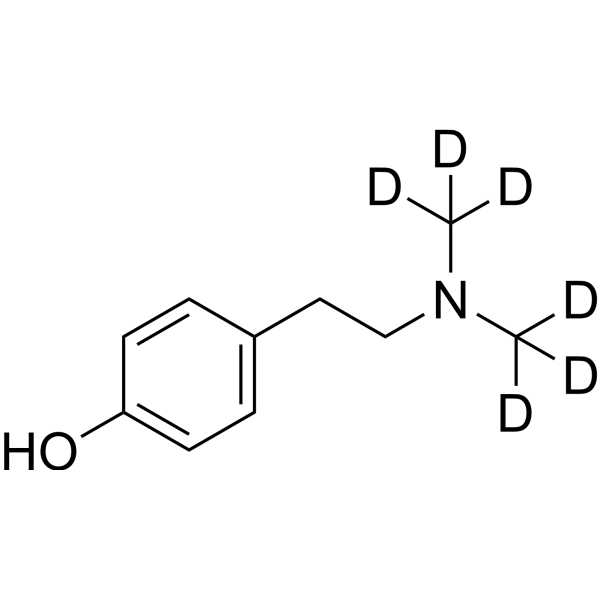
Hordenine-d6 (Ordenina-d6; Peyocactine-d6) is the deuterated-labeled Hordenine (HY-N0113). Hordenine (Ordenina; Peyocactine) is a multifunctional alkaloid with oral activity and blood-brain barrier penetration. Hordenine inhibits LPS-induced phosphorylation of p38, JNK, ERK1/2, p65, IκB, and AKT, prevents p65 nuclear translocation, and suppresses inflammatory cytokines and mediators. Hordenine promotes M2 macrophage polarization, restores blood-milk barrier integrity, alleviates oxidative stress by reducing ROS and MDA, and attenuates LPS-induced lung injury and pulmonary edema. Hordenine inhibits cAMP production, CREB phosphorylation, and MITF expression, thereby suppressing melanin synthesis in melanocytes and reconstructed epidermis. Hordenine activates the Wnt/β-catenin signaling pathway, promotes dermal papilla cell proliferation and hair shaft elongation, and accelerates hair regeneration. Hordenine activates DRD2, acts as a D3R partial agonist, α2A-AR full agonist, and 5-HT2A-R antagonist, and inhibits SERT and DAT. Hordenine inhibits α-synuclein accumulation and ameliorates motor deficits in Parkinson's disease models. Hordenine limits alcohol intake, reduces relapse drinking behavior, and modulates alcohol-induced conditioned place preference. Hordenine can be used for research on mastitis, skin pigmentation, acute lung injury, foodborne diseases, hair loss, Parkinson's disease, bacterial infections, and alcohol use disorder [3] .
loading...
    loading...
Cat. No.: HY-175504
CAS No.: 932544-59-7
Target:  

Dopamine Receptor PERK

Research Areas:  

Neurological Disease

MLS6357 is a D3 dopamine receptor (D3R)-selective positive allosteric modulator (PAM)-antagonist. MLS6357 exhibits antagonist activity in the D3R-mediated and the BRET-based β-arrestin recruitment assay with IC50s of 13 and 14 μM, and no activity for other DAR subtypes (D1R/D2R/D4R/D5R) (IC50 > 100 μM). MLS6357 is also an antagonist in the D3R-mediated Go-BRET assay with an IC50 of 17 μM. MLS6357 can be used for the study of neuropsychiatric disorders, including substance use disorder .
loading...
    loading...
Cat. No.: HY-176287
ARN25657 is a dual-acting D3R/GSK-3β modulator. ARN25657 has both partial D3R agonist activity (EC50 = 15.2 nM, Ki =1.5 nM) and potent GSK-3β inhibitor activity (IC50 = 19.3 nM). ARN25657 exhibits excellent GSK-3β selectivity over FYN, PKA, and CDK5/p35. ARN25657 inhibits P-glycoprotein (P-gP)-mediated acetoxymethyl calcein efflux and improves in vitro ADME properties while maintaining a balanced dual-target profile. ARN25657 is useful for studying bipolar disorder and related neuropsychiatric disorders .
loading...
    loading...
Cat. No.: HY-117059
CAS No.: 1092797-77-7
Purity:  99.83%
Target:  

Dopamine Receptor

Research Areas:  

Neurological Disease

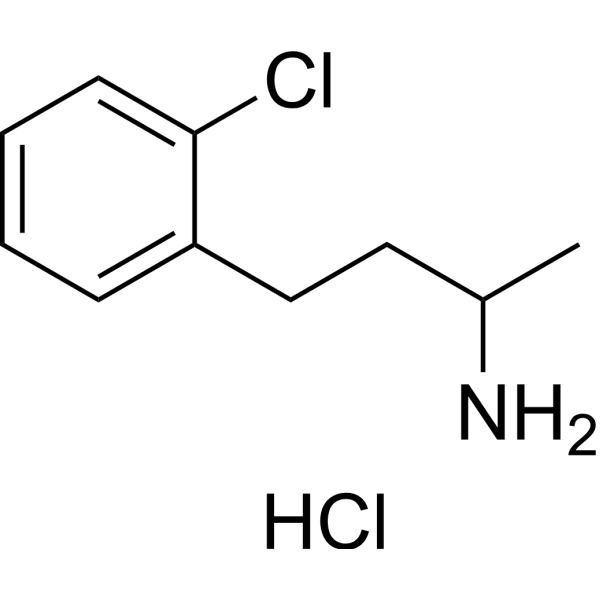
SK609 hydrochloride is a dopamine D3 receptor (D3R) selective agonist with an EC50 of 1109 nM. SK609 hydrochloride has the potential for parkinson research .
loading...
    loading...
Cat. No.: HY-78131BS
CAS No.: 121702-86-1
Synonyms: (R)-Ibuprofen-d3
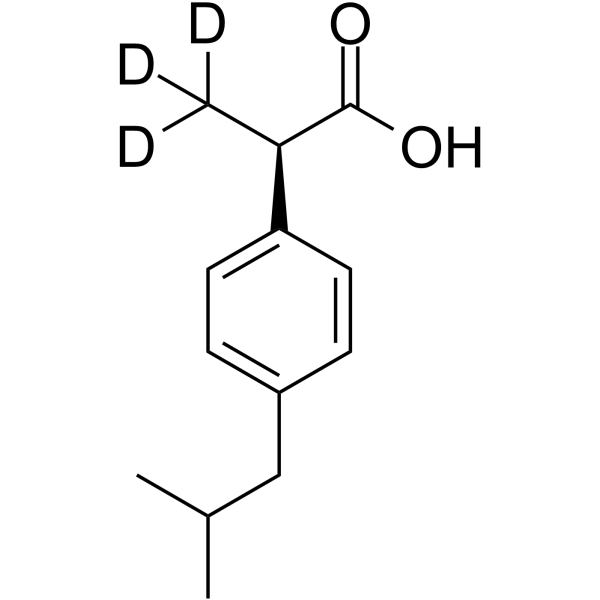
(R)-(-)-Ibuprofen-d3 is the deuterium labeled (R)-(-)-Ibuprofen. (R)-(-)-Ibuprofen is the R enantiomer of Ibuprofen, inactive on COX, inhibits NF-κB activation; (R)-(-)-Ibuprofen exhibits anti-inflammatory and antinociceptive effects.
loading...
    loading...
Cat. No.: HY-149386
CAS No.: 3033883-15-4
D3R/MOR antagonist 1 (Compound 114) is a D3R/MOR antagonist (Ki: 46.5 nM and 691 nM respectively). D3R/MOR antagonist 1 has the potential to produce analgesic effects through MOR partial agonism, reduce opioid-misuse liability via D3R antagonism .
loading...
    loading...
Cat. No.: HY-149387
CAS No.: 3033883-17-6
D3R/MOR antagonist 2 (Compound 121) is a D3R/MOR antagonist (Ki: 361 nM and 85.2 nM respectively). D3R/MOR antagonist 2 has the potential to produce analgesic effects through MOR partial agonism, reduce opioid-misuse liability via D3R antagonism .
loading...
    loading...
Cat. No.: HY-123889
CAS No.: 1982347-43-2
Target:  

Dopamine Receptor

Research Areas:  

Neurological Disease

VK4-116 (Compound 19) is a selective Dopamine D3 receptor (D3R) antagonist with a Ki of 6.84 nM.VK4-116 significantly inhibits Oxycodone-induced hyperlocomotion and locomotor sensitization in mouse models. VK4-116 with pretreatment also inhibits the acquisition of Oxycodone-induced conditioned place preference (CPP) in rat models .
loading...
    loading...
Cat. No.: HY-144856S1
CAS No.: 2747956-15-4
Synonyms: (6R)-BH4-d3; (6R)-Tetrahydro-L-biopterin-d3
Sapropterin-d3 ((6R)-BH4-d3) is deuterium labeled Sapropterin. Sapropterin ((6R)-BH4) is an orally active phenylalanine hydroxylase (PAH) cofactor, which is effective in reducing blood phenylalanine concentrations. Sapropterin can be used in study of phenylketonuria (PKU) .
loading...
    loading...
Cat. No.: HY-175532
CAS No.: 3062458-27-6
Target:  

mAChR

Research Areas:  

Neurological Disease

M4 mAChR Modulator-2 is an orally active, selective, brain-penetrant positive allosteric modulator (PAM) of the M4 muscarinic acetylcholine receptor (M4 mAChR) (EC50 = 513 nM). M4 mAChR Modulator-2 exhibits high target selectivity, showing negligible affinity and low inhibition rates for non-target receptors (D1R/D2R/D3R, 5-HT subtypes, κ/δ/μ opioid receptors, H1, M1/M2) while specifically binding to M4 mAChR with a Ki of 377 nM and an inhibition rate of 62.8%. M4 mAChR Modulator-2 reverses Dizocilpine (MK-801) (HY-15084B)-induced hyperlocomotion in mice. M4 mAChR Modulator-2 can be used for the study of schizophrenia
loading...
    loading...
Cat. No.: HY-111280
CAS No.: 854924-64-4
Target:  

Dopamine Receptor

Research Areas:  

Neurological Disease

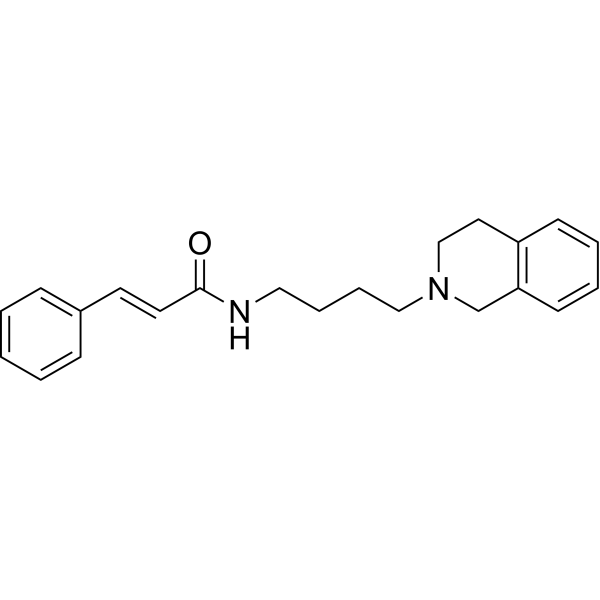
ST 198 is an orally active D3R antagonist. ST 198 can block the expression of nicotine-induced CPP at doses selective for D3R. ST 198 can be used for the research of neurological disease .
loading...
    loading...

