49 Results for "

Gradient RP-HPLC

" in MedChemExpress (MCE) Product Catalog:
Products (49)

49 Results for "Gradient RP-HPLC" in MCE Product Catalog:

10
10 Publications Verification
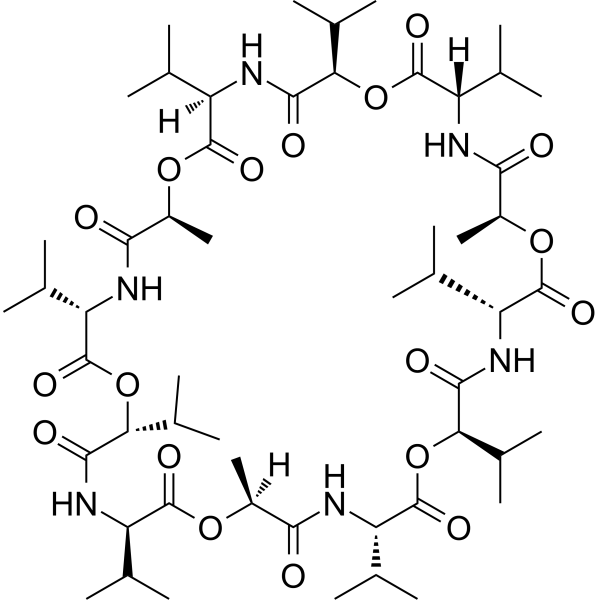
Cat. No.: HY-N6693
CAS No.: 2001-95-8
Synonyms: NSC 122023
Valinomycin is a potassium-specific ionophore, the valinomycin-K + complex can be incorporated into biological bilayer membranes with the hydrophobic surface of valinomycin, destroys the normal K + gradient across the membrane, and as a result kills the cells, incorporating into liposomes can significantly reduces the cytotoxicity and enhances the targeting effect. Valinomycin exhibits antibiotic, antifungal, antiviral, antitumor and insecticidal efficacy, thus can be used for relevant research .
loading...
    loading...
4
4 Cited Publications
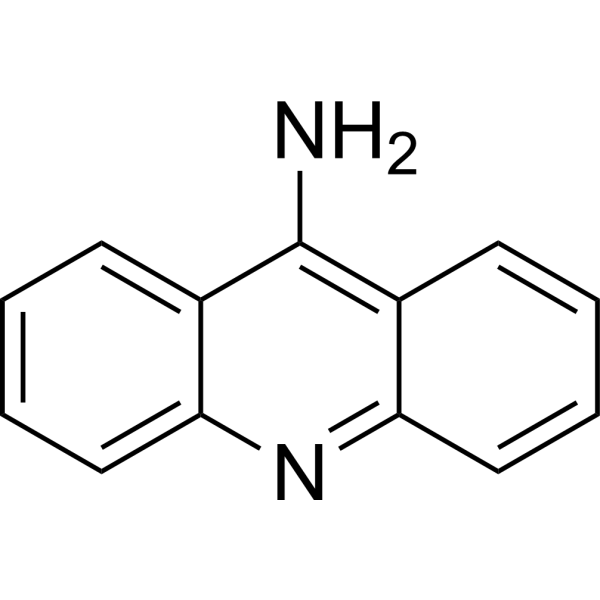
Cat. No.: HY-B1422
CAS No.: 90-45-9
Synonyms: Aminacrine
9-Aminoacridine, a fluorescent probe, acts as an indicator of pH for quantitative determination of transmembrane pH gradients (inside acidic). 9-Aminoacridine is an antimicrobial. 9-Aminoacridine exerts its antimicrobial activity by interacting with specific bacterial DNA and disrupting the proton motive force in K. pneumoniae. 9-Aminoacridine is a HIV-1 inhibitor and inhibits HIV LTR transcription highly dependent on the presence and location of the amino moiety. 9-Aminoacridine inhibits virus replication in HIV-1 infected cell lines. 9-Aminoacridine is used as a Rifampin (RIF; HY-B0272) adjuvant for the multidrug-resistant K. pneumoniae infections .
loading...
    loading...
3
3 Cited Publications
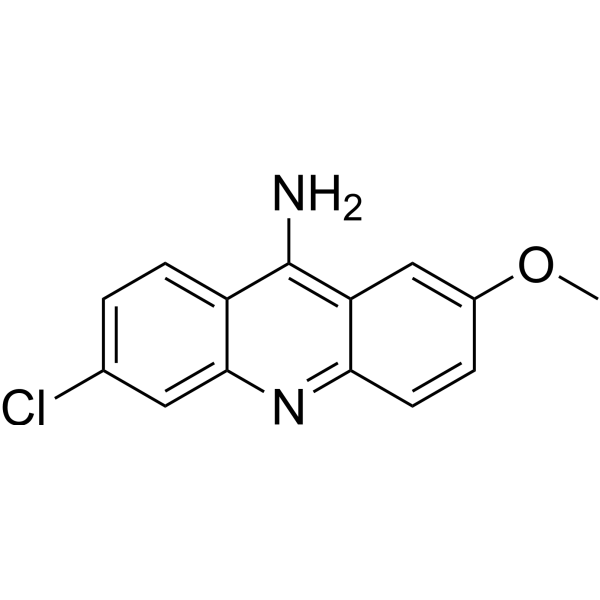
Cat. No.: HY-118155
CAS No.: 3548-09-2
Purity:  99.56%
Synonyms: ACMA
9-Amino-6-chloro-2-methoxyacridine (ACMA) is an acridine derivative and Fluorescent probe. 9-Amino-6-chloro-2-methoxyacridine inhibits viral replication, inhibits DNA synthesis and protein metabolism through cell cycle arrest, and induces lipid metabolism regulation, genotoxicity, mutagenicity, and cytotoxicity through DNA strand breaks. 9-Amino-6-chloro-2-methoxyacridine partially intercalates into DNA, forming three distinct complexes, stabilizes the DNA helix, and quenches fluorescence upon intercalation through electron transfer with guanine. 9-Amino-6-chloro-2-methoxyacridine monitors the generation and collapse of the proton motive force, H + pumping by F1F0-ATP synthase, and the collapse of pH gradients in inverted membrane vesicles. 9-Amino-6-chloro-2-methoxyacridine shows potent anti-BVDV activity. 9-Amino-6-chloro-2-methoxyacridine can be used for research on bovine viral diarrhea virus infection, leishmaniasis, and MRSA infection .
loading...
    loading...
1
1 Cited Publications
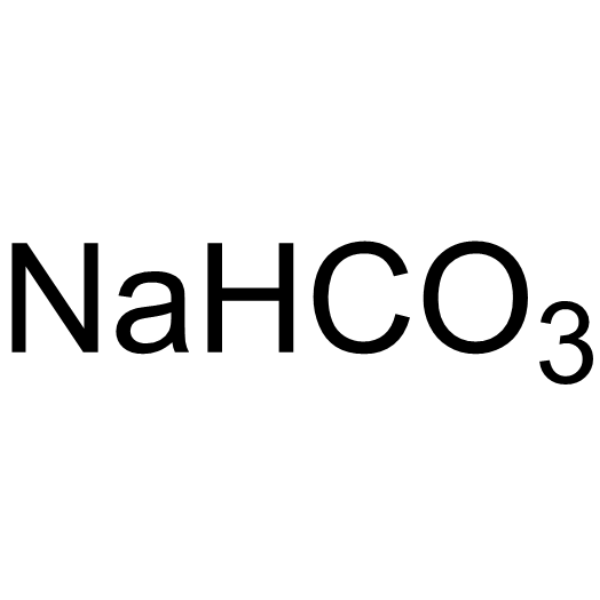
Cat. No.: HY-Y0756
CAS No.: 144-55-8
Synonyms: Sodium hydrogen carbonate
Target:  

Bacterial

Research Areas:  

Infection Cancer

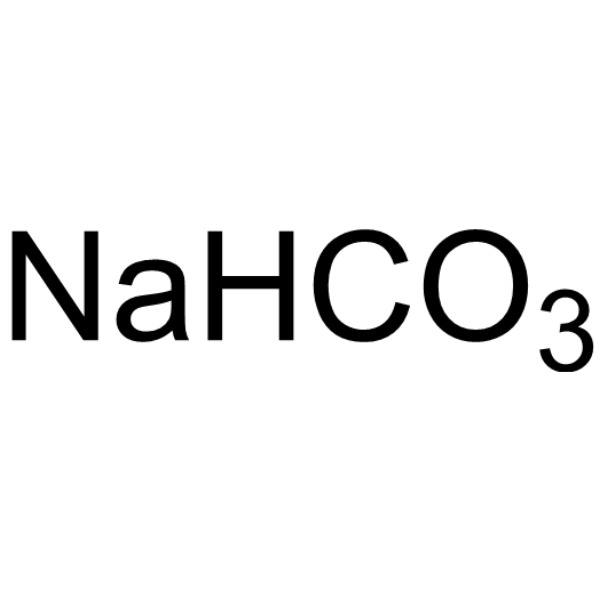
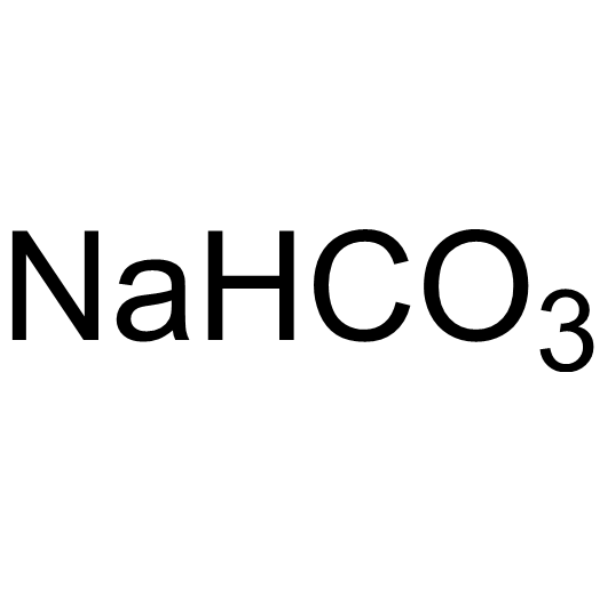
Sodium bicarbonate (Sodium hydrogen carbonate; Soda bicarbonate) is an inorganic salt that is neutral to slightly alkaline and easily decomposes when exposed to moisture in the air. Sodium bicarbonate can maintain the pH of the culture medium, thereby affecting the expression of inducible nitric oxide synthase (iNOS) and nitric oxide (NO) production in macrophages and reversing the acidosis of the tumor microenvironment. Sodium bicarbonate is widely used in the fields of food, medicine, cosmetics, etc. Its main uses include buffers, flavoring agents, disinfectants, pharmaceuticals, and proton gradient regulators. Sodium bicarbonate is also commonly used as an antacid to inhibit gastrointestinal diseases, neutralize gastric acid, and reduce gastric discomfort .
loading...
    loading...
1
1 Cited Publications
Cat. No.: HY-P5831
Research Areas:  

Cancer

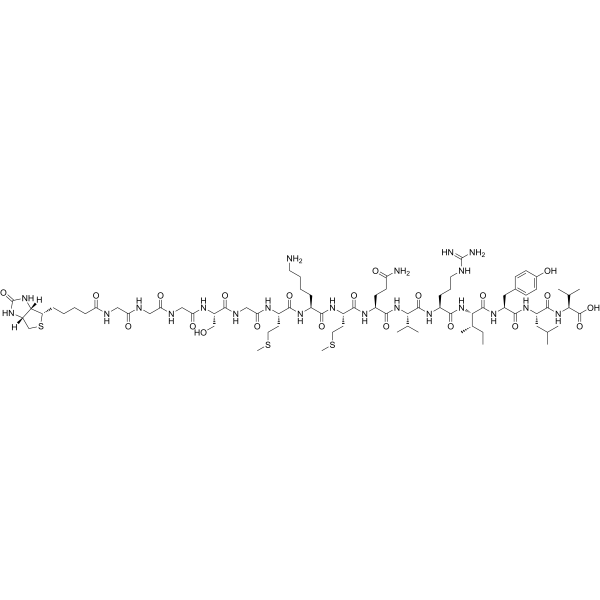
Biotin-H10 is a specific anterior gradient homolog 2 (AGR2) inhibitor with a KD of 6.4 nM. Biotin-H10 inhibits cancer cells viability .
loading...
    loading...
1
1 Cited Publications
Cat. No.: HY-K3015

Density Gradient Medium, also known as Iodixanol, is a low osmolality, non-ionic, iodinated density gradient medium.

loading...
    loading...
1
1 Cited Publications
Cat. No.: HY-P7466
Purity:  ≥ 90%, as determined by reducing SDS-PAGE.
Synonyms: AGR3; Anterior Gradient Protein 3; Anterior Gradient 3, Protein Disulphide Isomerase Family Member; AG-3; BCMP11; AG3; PDIA18; Anterior Gradient 3 Homolog (Xenopus Laevis); HAG-3; Anterior Gradient Protein 3 Homolog; Protein Disulfide Isomerase Family A,
Species:  
Human
Source:  
HEK293
loading...
    loading...
Cat. No.: HY-W251598C
CAS No.: 144-55-8
Synonyms: Sodium hydrogen carbonate for cell culture; Soda bicarbonate for cell culture
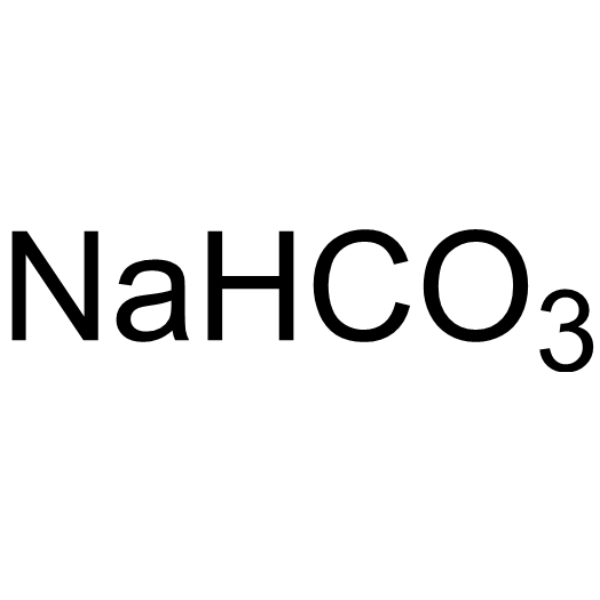
Sodium bicarbonate, for cell culture (Sodium hydrogen carbonate for cell culture; Soda bicarbonate for cell culture) is an inorganic salt that is neutral to slightly alkaline and easily decomposes when exposed to moisture in the air. Sodium bicarbonate, for cell culture can maintain the pH of the culture medium, thereby affecting the expression of inducible nitric oxide synthase (iNOS) and nitric oxide (NO) production in macrophages and reversing the acidosis of the tumor microenvironment. Sodium bicarbonate is widely used in the fields of food, medicine, cosmetics, etc. Its main uses include buffers, flavoring agents, disinfectants, pharmaceuticals, and proton gradient regulators. Sodium bicarbonate is also commonly used as an antacid to inhibit gastrointestinal diseases, neutralize gastric acid, and reduce gastric discomfort .
loading...
    loading...
Cat. No.: HY-W251598B
CAS No.: 144-55-8
Synonyms: Sodium hydrogen carbonate for molecular biology; Soda bicarbonate for molecular biology
Sodium bicarbonate, for molecular biology (Sodium hydrogen carbonate for molecular biolog; Soda bicarbonate for molecular biolog) is an inorganic salt. Sodium bicarbonate can maintain the pH of the culture medium, thereby affecting the expression of inducible nitric oxide synthase (iNOS) and nitric oxide (NO) production in macrophages and reversing the acidosis of the tumor microenvironment. Sodium bicarbonate is widely used in the fields of food, cosmetics, etc. Its main uses include buffers, flavoring agents, disinfectants, pharmaceuticals, and proton gradient regulators. Sodium bicarbonate is also commonly used as an antacid to inhibit gastrointestinal diseases, neutralize gastric acid, and reduce gastric discomfort .
loading...
    loading...
Cat. No.: HY-P3003
CAS No.: 157232-64-9
Cereulide is an orally active, blood-brain barrier-permeable emetic toxin. Cereulide acts as a potassium ionophore that inserts into membranes, forms complexes with K +, and transports K + from the cytoplasm into the mitochondrial matrix. Cereulide disrupts the electrochemical gradient of the inner mitochondrial membrane, leading to mitochondrial swelling and dysfunction, uncoupling of oxidative phosphorylation, inhibition of ATP synthesis, ROS accumulation, and ultimately triggering apoptosis and autophagy. Cereulide exhibits multi-organ toxicity and can be used for research on emetic food poisoning .
loading...
    loading...
Cat. No.: HY-W014180
CAS No.: 39145-52-3
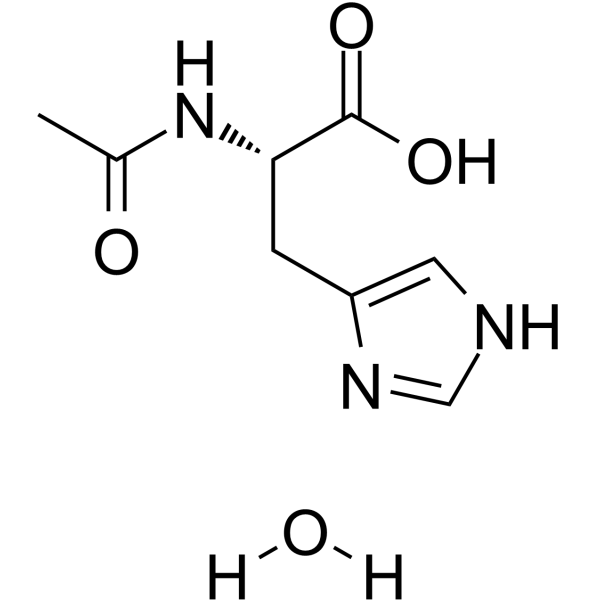
N-Acetylhistidine monohydrate is a compatible osmolyte in the brain, retina, and lens of poikilothermic vertebrates, and binds to E. coli HisJ with a Kd of 27 μM. N-Acetylhistidine monohydrate participates in the regulatory volume decrease process under hypotonic stress, assists cells in restoring homeostatic volume, and acts as a gradient-driven molecular water pump, exerting a protective effect against hypotonic swelling. N-Acetylhistidine monohydrate can be used in combination with glutamate to inhibit the cobalt-resistant postsynaptic component in the electroretinogram. N-Acetylhistidine monohydrate reduces Ca 2+-induced growth inhibition and restores cell growth. N-Acetylhistidine monohydrate can be used in research related to cataracts, diabetic distal symmetric polyneuropathy, and stroke .
loading...
    loading...
Cat. No.: HY-W251598S
CAS No.: 87081-58-1
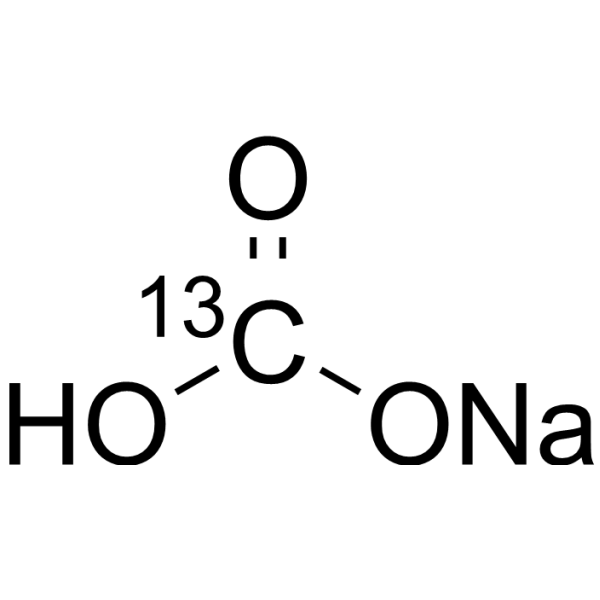
Bicarbonate- 13C sodium is the 13C-labeled Sodium bicarbonate (HY-Y0756). Sodium bicarbonate is an inorganic salt that is neutral to slightly alkaline and easily decomposes when exposed to moisture in the air. Sodium bicarbonate can maintain the pH of the culture medium, thereby affecting the expression of inducible nitric oxide synthase (iNOS) and nitric oxide (NO) production in macrophages and reversing the acidosis of the tumor microenvironment. Sodium bicarbonate is widely used in the fields of food, medicine, cosmetics, etc. Its main uses include buffers, flavoring agents, disinfectants, pharmaceuticals, and proton gradient regulators. Sodium bicarbonate is also commonly used as an antacid to inhibit gastrointestinal diseases, neutralize gastric acid, and reduce gastric discomfort .
loading...
    loading...
Cat. No.: HY-Y0716
CAS No.: 585-34-2
3-t-Butylphenol is a mitochondrial uncoupler. 3-t-Butylphenol disrupts the proton gradient, inhibits ATP synthesis and induces cytotoxicity .
loading...
    loading...
Cat. No.: HY-108880
CAS No.: 26605-69-6
Purity:  96.73%
Synonyms: Indanyl carbenicillin sodium; CP-15464-2
Research Areas:  

Infection

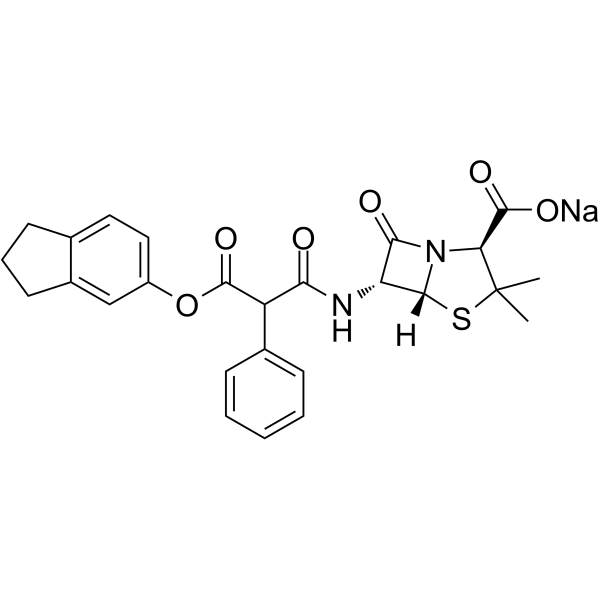
Carindacillin sodium (Indanyl carbenicillin sodium; CP-15464-2) is an orally active prodrug of Carbenicillin (HY-B0525). Carindacillin sodium undergoes intestinal uptake via a proton gradient-driven carrier-mediated pathway and is rapidly hydrolyzed in vivo to release the bioactive Carbenicillin, which interferes with cell wall synthesis by inhibiting bacterial penicillin-binding proteins. Carindacillin sodium can be used in research related to bacterial infections .
loading...
    loading...
Cat. No.: HY-P3003S
CAS No.: 1487375-69-8
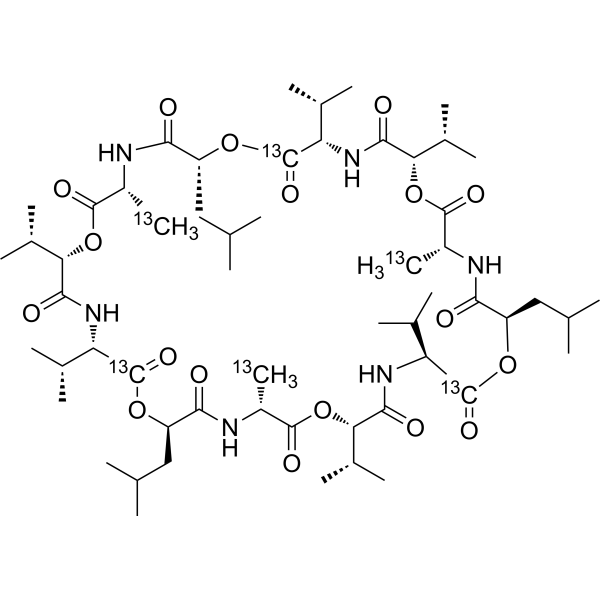
Cereulide- 13C6 is a deuterated form of Cereulide. Cereulide is an orally active, blood-brain barrier-permeable emetic toxin. Cereulide acts as a potassium ionophore that inserts into membranes, forms complexes with K +, and transports K + from the cytoplasm into the mitochondrial matrix. Cereulide disrupts the electrochemical gradient of the inner mitochondrial membrane, leading to mitochondrial swelling and dysfunction, uncoupling of oxidative phosphorylation, inhibition of ATP synthesis, ROS accumulation, and ultimately triggering apoptosis and autophagy. Cereulide exhibits multi-organ toxicity and can be used for research on emetic food poisoning.
loading...
    loading...
Cat. No.: HY-W035904
CAS No.: 539-80-0
Synonyms: Cycloheptatrienone
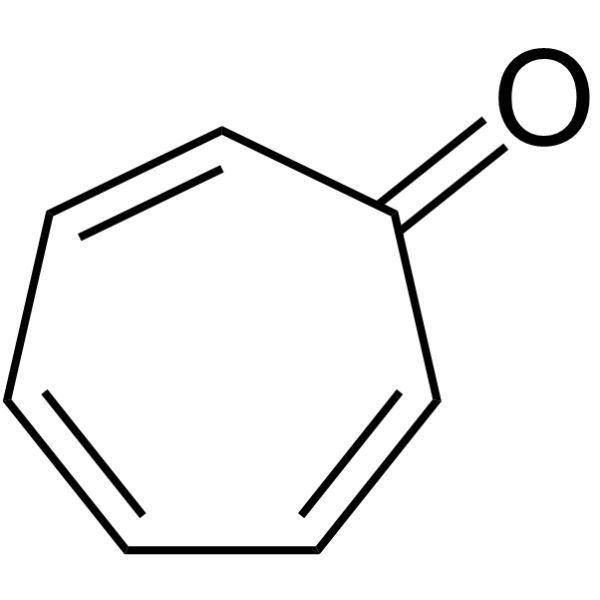
Tropone (Cycloheptatrienone) is a non-benzenoid aromatic natural product that acts as a membrane reverse transporter and metal chelator. Tropone disrupts the proton motive force by affecting the transmembrane proton gradient and functions as a quorum sensing signal through LuxR-type transcriptional regulators. Tropone exhibits broad-spectrum antibiotic, anticancer, algicidal, and probiotic activities. As a virulence factor toxic to rice seedlings, Tropone promotes biofilm formation in Burkholderia plantarii and induces neurotoxicity involving mitochondrial and cytoskeletal damage, increased Ca 2+ influx, and oxidative stress. Tropone is used in the study of bacterial infections .
loading...
    loading...
Cat. No.: HY-W251598I
CAS No.: 144-55-8
Synonyms: Sodium hydrogen carbonate, meets analytical specification of Ph. Eur., BP, USP, FCC, E500
Sodium bicarbonate, meets analytical specification of Ph. Eur., BP, USP, FCC, E500 is an inorganic salt that is neutral to slightly alkaline and easily decomposes when exposed to moisture in the air. Sodium bicarbonate can maintain the pH of the culture medium, thereby affecting the expression of inducible nitric oxide synthase (iNOS) and nitric oxide (NO) production in macrophages and reversing the acidosis of the tumor microenvironment. Sodium bicarbonate is widely used in the fields of food, medicine, cosmetics, etc. Its main uses include buffers, flavoring agents, disinfectants, pharmaceuticals, and proton gradient regulators. Sodium bicarbonate is also commonly used as an antacid to inhibit gastrointestinal diseases, neutralize gastric acid, and reduce gastric discomfort .
loading...
    loading...
Cat. No.: HY-149734
CAS No.: 2922826-56-8
Purity:  97.11%
Target:  

Bacterial

Research Areas:  

Infection

MA220607 is a FtsZ protein inhibitor with activity against both Gram-positive and Gram-negative bacteria. MA220607 inhibits bacterial growth and shows low bacterial resistance frequency. MA220607 increases bacterial membrane permeability and alters proton gradients. MA220607 blocks the formation of bacterial biofilms. MA220607 can be used in studies of bacterial infections .
loading...
    loading...
Cat. No.: HY-138648
CAS No.: 188714-28-5
Purity:  98.99%
Target:  

ERK

Research Areas:  

Neurological Disease

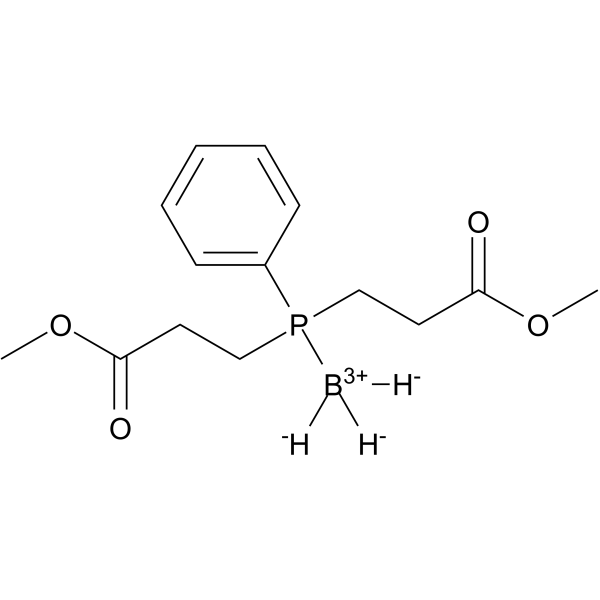
PB1 is a potent intracellular disulfide reducing agent with several advantages including good cell permeability, the ability to form a high intracellular concentration gradient, and stability. PB1 is a borane-protected TCEP (tris(2-carboxyethyl)phosphine) analogue. PB1 increases retinal ganglion cells survival after axotomy in vitro at nanomolar and picomolar concentrations. PB1 can be used for the research of neuroprotective .
loading...
    loading...
Cat. No.: HY-D0186R
CAS No.: 951-78-0
2'-Deoxyuridine (Standard) is the analytical standard of 2'-Deoxyuridine. This product is intended for research and analytical applications. 2’-deoxyuridine is a brain-penetrant pyrimidines nucleotide that is associated with nervous system diseases. 2'-Deoxyuridine could increase chromosome breakage and results in a decreased thymidylate synthetase activity. 2'-Deoxyuridine is a precursor in the synthesis of Edoxudine (HY-B1011) and also an analogue of 5-ethynyl-2'-deoxyuridine, EdU (HY-118411). 2’-deoxyuridine reduces microglial activation and improve oxidative stress damage by modulating glycolytic metabolism on the Aβ25-35-induced brain injury, which is promising for research of Alzheimer’s disease (AD) . In Vitro:The interaction between the 2-deoxyuridine and the column increases the duration of retention of 2-deoxyuridine .
Gradient elution with sodium acetate buffer-ACN eluent on two ZIC-HILIC homemade columns separates 2-deoxyuridine in under 9 min .
In Vivo:2'-Deoxyuridine (34.42 ng/mL, gavage, 15 min) passes the blood-brain barrier (BBB) to enter the hippocampus of mice brain .
2'-Deoxyuridine (20 mg/kg, gavage, daily for 4 weeks) improves cognition and memory loss and attenuates the damage to the hippocampus in Aβ25-35-induced mice model .
loading...
    loading...

