44 Results for "

HepG2 cell lines

" in MedChemExpress (MCE) Product Catalog:
Products (44)

44 Results for "HepG2 cell lines" in MCE Product Catalog:

Cat. No.: HY-137605
CAS No.: 2379577-82-7
Purity:  99.91%
Research Areas:  

Cancer

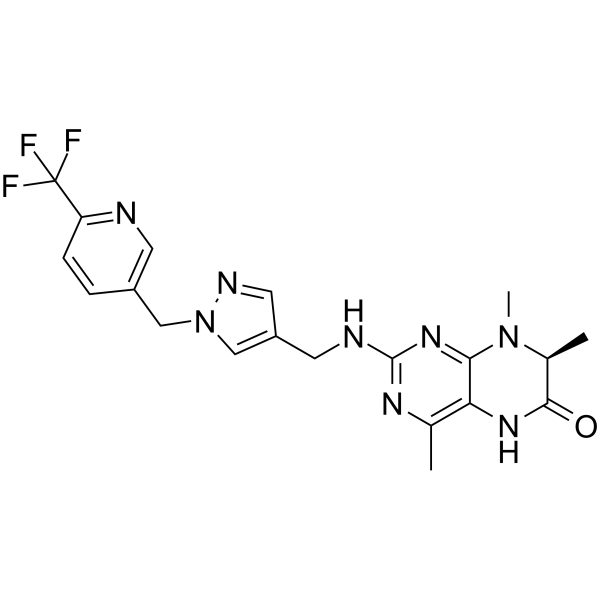
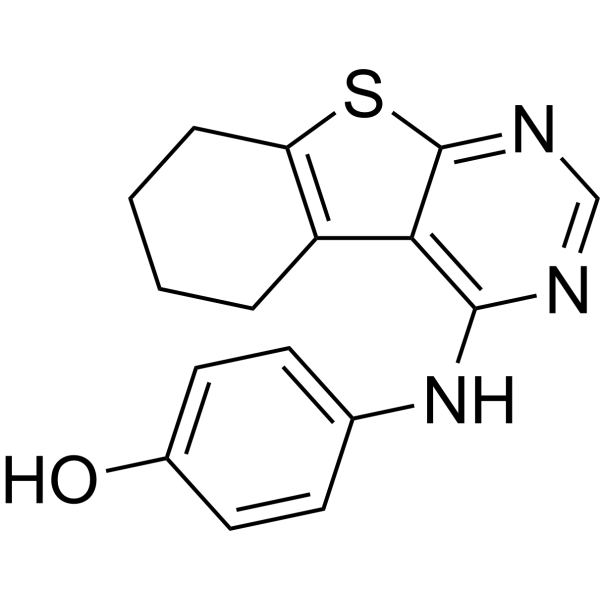
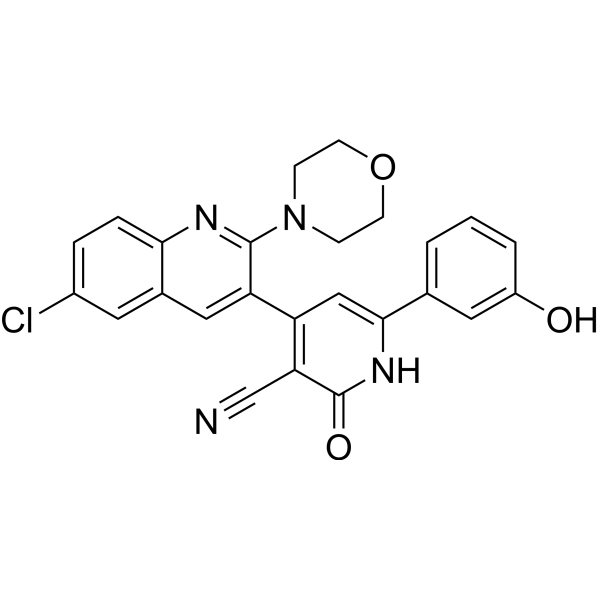
WSF1-IN-1 (compound 136), an orally active WSF1 inhibitor, can be used in the study for WSF1 (Wolfram syndrome) related tumors, with IC50 values of 0.33 μM and >27 μM in HepG2 parental and HepG2 WFS1 KO cell lines, respectively .
loading...
    loading...
Cat. No.: HY-204056
CAS No.: 1884341-01-8
Target:  

Telomerase

Research Areas:  

Cancer

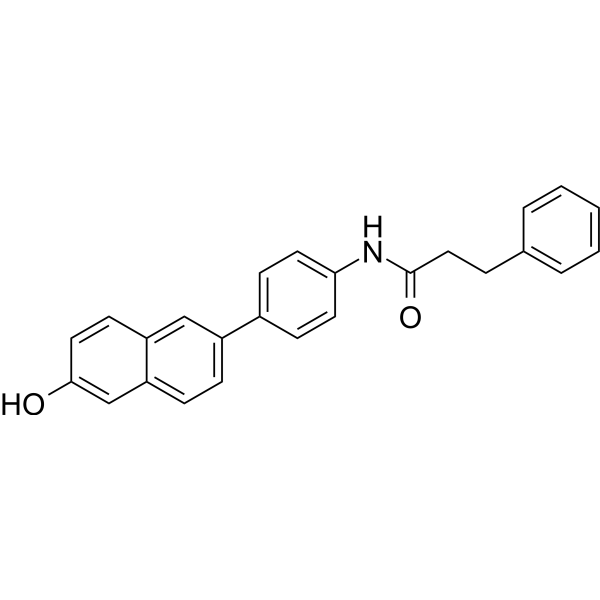
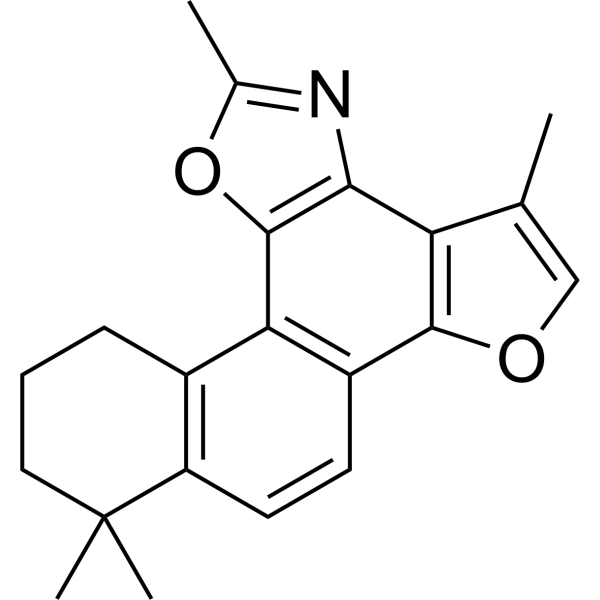
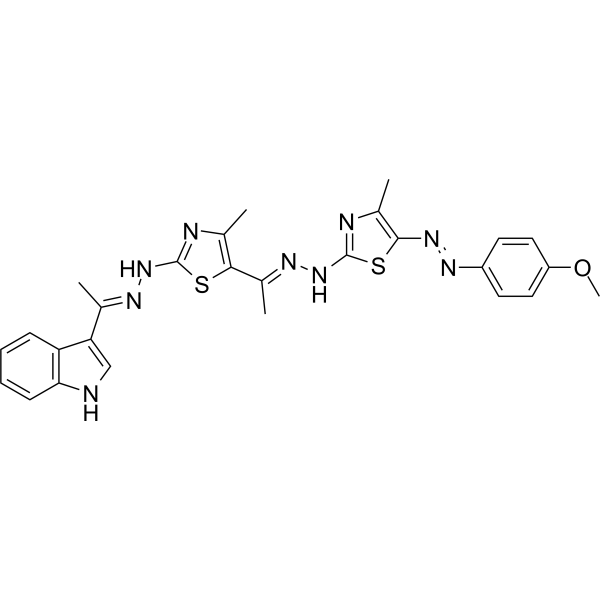
Telomerase-IN-8 is an orally active telomerase inhibitor, with an IC50 value of 0.98 μM. Telomerase-IN-8 exhibits potent antiproliferative activity against multiple tumor cell lines, including PC3, Bcap-37, MGC-803 and HepG2. Telomerase-IN-8 demonstrates potent antitumor efficacy in S180 sarcoma or HepG2 hepatoma xenograft mice. Telomerase-IN-8 can be used for the study of telomerase-targeted anticancer .
loading...
    loading...
Cat. No.: HY-N9339
CAS No.: 21848-62-4
Synonyms: (+)-Norglaucine
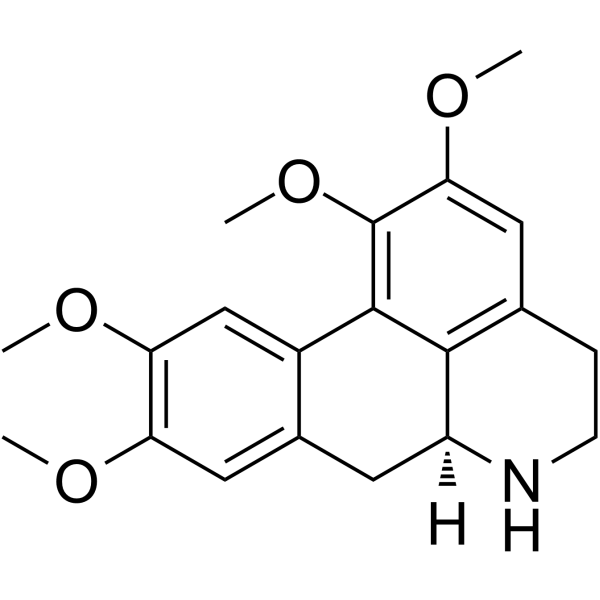
Norglaucine ((+)-Norglaucine), a cytotoxic alkaloid, exhibits cytotoxicity towards the tumor cell lines B16-F10, HepG2, K562 and HL-60 cells .
loading...
    loading...
Cat. No.: HY-N10853
CAS No.: 90850-99-0
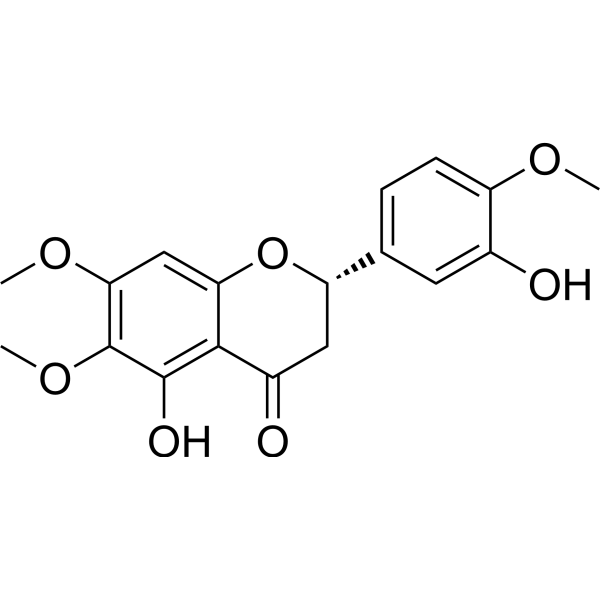
3′,5-Dihydroxy-4′,6,7-trimethoxyflavanone is a nature product that could be isolated from the fruits of Vitex rotundifolia. 3′,5-Dihydroxy-4′,6,7-trimethoxyflavanone has potent cytotoxic activity against A549 and HepG-2 cell lines .
loading...
    loading...
Cat. No.: HY-146819
CAS No.: 2439165-37-2
Target:  

Carbonic Anhydrase

Research Areas:  

Cancer

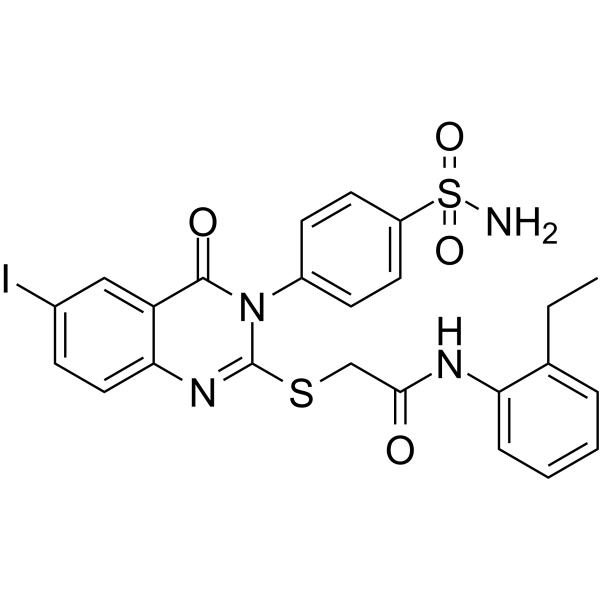
Compound 9 is the most effective against tumor specific Ca ix/ca XII (ki=29.1 and 8.8 nm), so it is possible to evaluate its cytotoxicity and selectivity to HepG-2, HCT-116 and MCF-7 cancer cell lines in vitro, and its IC50 values to tumor cells are 1.78, 1.94 and 3.07, respectively μ M. It showed that it had obvious cytotoxicity.
loading...
    loading...
Cat. No.: HY-N8954
CAS No.: 17353-03-6
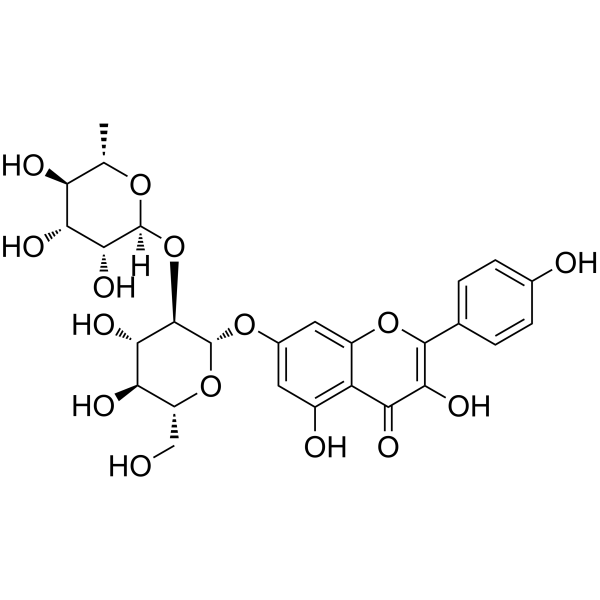
Kaempferol 7-O-neohesperidoside is a ?avonoid glycoside that can be isolated from Litchi chinensis. Kaempferol 7-O-neohesperidoside exhibits significant cytotoxic activity against A549, LAC, Hep-G2, and HeLa cell lines with IC50s of 0.53, 7.93, 0.020, and 0.051 μM, respectively .
loading...
    loading...
Cat. No.: HY-N13772
CAS No.: 55812-91-4
Synonyms: (+)-Dihydroisorhamnetin
3'-O-Methyltaxifolin ((+)-Dihydroisorhamnetin) is a dihydroflavanol found in Pulicaria jaubertii. A mixture of these alcohol compounds including 3'-O-Methyltaxifolin found in Pulicaria jaubertii exhibits antitumor activity with IC50 values ​​of 19.1 μg, 20.0 μg, and 24.1 μg against prostate cancer (PC-3), breast cancer (MCF-7), and hepatocellular carcinoma (HepG-2) cell lines, respectively. Furthermore, 3'-O-Methyltaxifolin can induce cell apoptosis, making it a promising candidate for anticancer research. .
loading...
    loading...
Cat. No.: HY-151453
CAS No.: 2860554-26-1
Target:  

Topoisomerase Apoptosis

Research Areas:  

Cancer

Topoisomerase IIα-IN-4 (F2) is a non-intercalative ATP-competitive human DNA topoisomerase II inhibitor with an IC50 value of 3.8 and 10.1 μM for TopoIIα and TopoIIβ, respectively. Topoisomerase IIα-IN-4 shows potent potency in apoptosis induction and cell cycle arrest in HepG2 cells. Topoisomerase IIα-IN-4 exhibits strong antitumor activities against human cancer cell lines, it can be used for the research of cancer .
loading...
    loading...
Cat. No.: HY-156912
CAS No.: 345615-74-9
Purity:  99.25%
Target:  

EGFR

Research Areas:  

Cancer

Tyrosine kinase-IN-7 (compound 13h) is an inhibitor of the tyrosine kinase EGFR. The IC50s for inhibiting EGFR(WT) and EGFR(T790M) are 0.630 μM and 0.956 μM respectively. Tyrosine kinase-IN-7 has antitumor activity against four cancer cell lines (HepG2, HCT-116, MCF-7, and A431) with IC50s of 13.02 μM, 10.14 μM, 12.68 μM, and 47.05 μM, respectively .
loading...
    loading...
Cat. No.: HY-N8934
CAS No.: 1232676-22-0
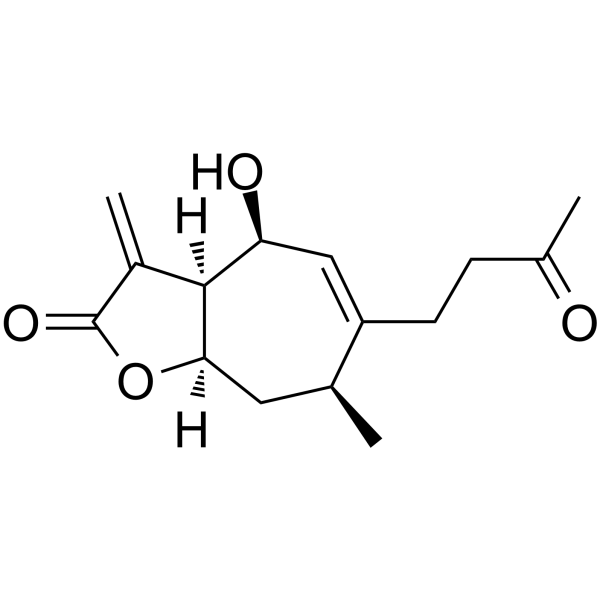
6β-Hydroxytomentosin, a sesquiterpenoid, can be found in flowers of Inula japonica. 6β-Hydroxytomentosin exhibits weak cytotoxicities against A549, SK-OV-3, HepG-2 and HT-29 cell lines .
loading...
    loading...
Cat. No.: HY-157404
CAS No.: 2918764-16-4
Target:  

Pim

Research Areas:  

Cancer

Pim-1/2 kinase inhibitor 2 (compound 5b) is a competitive PIM-1 and PIM-2 kinase inhibitor with IC50s of 1.31 μM and 0.67 μM, respectively. Pim-1/2 kinase inhibitor 2 shows in-vitro low cytotoxicity against normal human lung fibroblast Wi-38 cell line and potent in-vitro anticancer activity against myeloid leukaemia (NFS-60), liver (HepG-2), prostate (PC-3), and colon (Caco-2) cancer cell lines .
loading...
    loading...
Cat. No.: HY-W587938
CAS No.: 1209-71-8
Synonyms: (+)-γ-Eudesmol
γ-Eudesmol ((+)-γ-Eudesmol) is a mitochondrial-mediated apoptosis inducer. γ-Eudesmol binds mitochondrial membrane proteins, triggering depolarization of mitochondrial membrane potential and activating caspase cascades. γ-Eudesmol demonstrates cytotoxicity against multiple tumor cell lines (e.g., HepG2, B16-F10) with IC50 values ranging from 8.86-15.15 μg/mL. γ-Eudesmol is promising for research of cancers, such as hepatocellular carcinoma and melanoma .
loading...
    loading...
Cat. No.: HY-178133
Target:  

Pim Apoptosis Caspase

Research Areas:  

Cancer

Pim-1 kinase-IN-14 is a PIM-1 kinase inhibitor with an IC50 value of 94 nM. Pim-1 kinase-IN-14 shows broad-spectrum and high-efficiency anticancer activity against multiple human cancer cell lines, including liver cancer (HepG-2), colon cancer (Caco-2), myeloid leukemia (NFS-60), and prostate cancer (PC-3) cells. Pim-1 kinase-IN-14exerts its anticancer effects by inducing apoptosis and activating caspase 3/7. Pim-1 kinase-IN-14 can be used for the study of cancers associated with PIM-1 kinase overexpression .
loading...
    loading...
Cat. No.: HY-178960
Research Areas:  

Cancer

Tubulin-IN-59 (Compound 8g) is an orally active Tubulin inhibitor. Tubulin-IN-59 exhibits potent anti-proliferative activity against HCT116 colorectal cancer, HeLa cervical cancer, and HepG2 liver cancer cell lines, with its IC₅₀ value ranging from 16 to 35 nM. Tubulin-IN-59 arrests HeLa cells in the G2/M phase and induces cell apoptosis. Tubulin-IN-59 demonstrates significant anti-tumor activity in the HT29 human colon cancer mouse xenograft model. Tubulin-IN-59 can be used for the study of colorectal cancer and cervical cancer .
loading...
    loading...
Cat. No.: HY-122324
CAS No.: 482-20-2
Synonyms: (+)-(S)-Tylophorine; DCB-3500; NSC-717335
Tylophorine and its analogs are benzoindole alkaloids, most of which are derived from Garcinia plants. Tylophorine analogs all show potent growth inhibition against human hepatocellular carcinoma HepG2 and human nasopharyngeal carcinoma KB cell lines. Tylophorine analogs can also induce increased albumin expression and inhibit α-fetoprotein expression in HepG2 cells, and have the potential to induce HepG2 cell differentiation .
loading...
    loading...
Cat. No.: HY-N7464
CAS No.: 54494-34-7
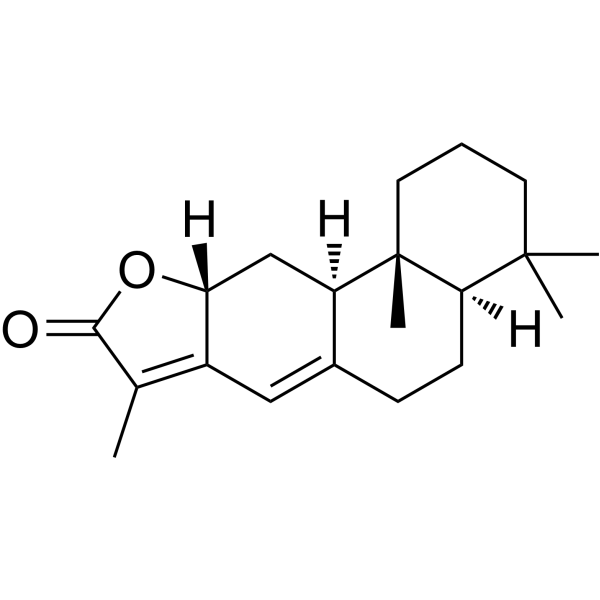
Jolkinolide E is a casbane diterpenoid from the roots of Euphorbia rapulum. Jolkinolide E shows weak selective activity against HepG2, MCF-7, and C6 cell lines .
loading...
    loading...
Cat. No.: HY-126981
CAS No.: 114066-50-1
Sarasinoside B1 is a glycoside compound. Sarasinoside B1 exhibits moderate cytotoxicity against Neuro-2a and HepG2 cell lines (IC50=~5-18 μM).
loading...
    loading...
Cat. No.: HY-N14892
CAS No.: 496775-48-5
Cetoniacytone A has weak activity against Gram-positive and negative bacteria. Cetoniacytone A can inhibit the growth of HEPG2 and MCF7 human tumor cell lines, with GI50 values of 3.2 μM .
loading...
    loading...
Cat. No.: HY-N7760
CAS No.: 790673-00-6
Neosalvianen is a N-containing compound that shows cytotoxic activities against the HeLa, HepG2, and OVCAR-3 cell lines, with IC50 of 63.9 µM, 59.2 µM, and 74.6 µM, respectively .
loading...
    loading...
Cat. No.: HY-156097
CAS No.: 2978685-72-0
Target:  

EGFR

Research Areas:  

Cancer

Anticancer agent 158 (compound 7c) is a potent anticancer agent. The IC50s for inhibiting HepG-2, MDA-MB-231, and HCT-116 cell lines are 7.93 μM, 9.28 μM, 13.28 μM, and 181.89 μM, respectively .
loading...
    loading...

