30 Results for "

LTP

" in MedChemExpress (MCE) Product Catalog:
Products (30)

30 Results for "LTP" in MCE Product Catalog:

2
2 Cited Publications
Cat. No.: HY-14406A
CAS No.: 148687-76-7
Purity:  99.30%
Target:  

Neurokinin Receptor

Research Areas:  

Neurological Disease Cancer

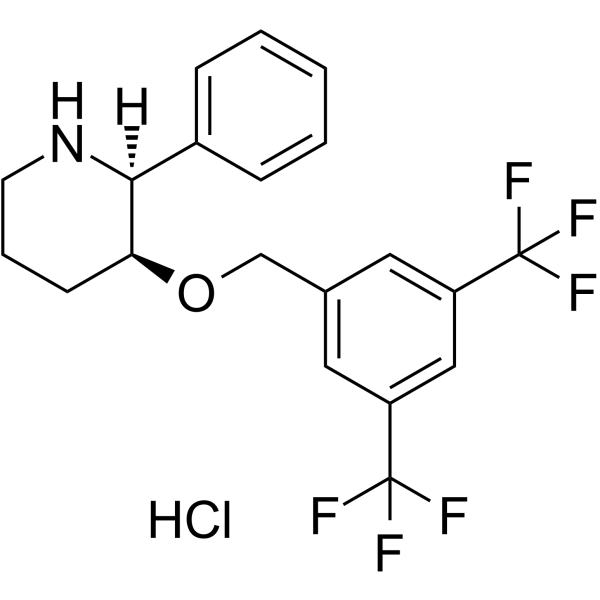
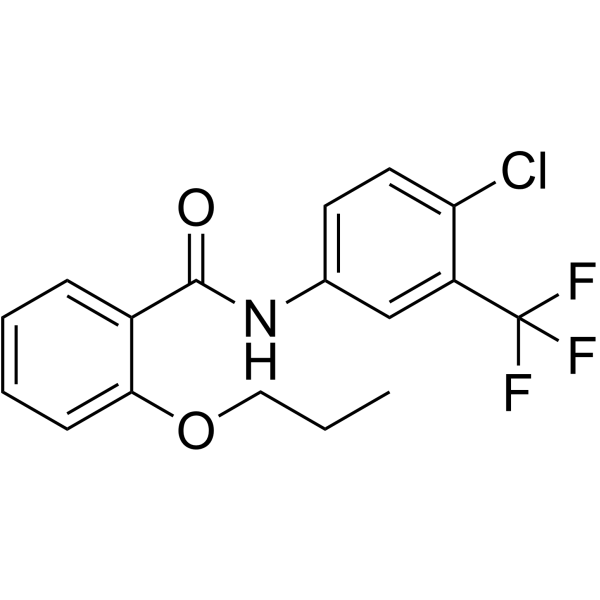
L-733060 hydrochloride is a selective neurokinin-1 (NK-1) receptor antagonist. L-733060 hydrochloride mainly regulates pain transmission and neural plasticity by blocking the binding of Substance P (P substance) to the NK-1 receptor. L-733060 hydrochloride blocks the promoting effect of Substance P on long-term potentiation (LTP) in the hippocampus. L-733060 hydrochloride reverses the orofacial hyperalgesia induced by experimental occlusal interference (EOI) in rats. L-733060 hydrochloride hydrochloride inhibits neurogenic plasma extravasation at a dose that does not cause adverse cardiovascular effects in rodents, and also acts as an anti-tumor agent. L-733060 hydrochloride can be used for the study of chronic orofacial pain .
loading...
    loading...
1
1 Cited Publications
Cat. No.: HY-16728
CAS No.: 117928-94-6
Synonyms: GLYX-13
Target:  

iGluR ERK mTOR

Research Areas:  

Neurological Disease Cancer

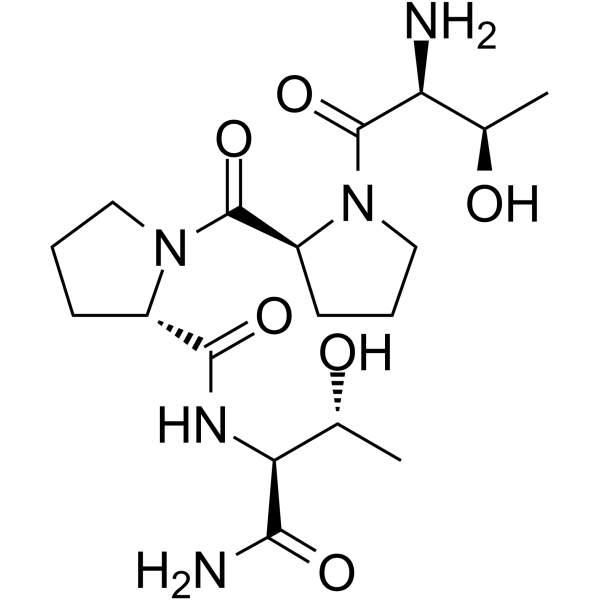
Rapastinel (GLYX-13) is a potent NMDAR modulator capable of crossing the blood-brain barrier, and it exhibits extremely high affinity for human NMDAR (EC50=0.0017-9.9 nM). Rapastinel enhances ERK signaling and activates the mTOR pathway, thereby upregulating the expression of BDNF and VGF, and inducing significant neuroplastic changes such as enhanced LTP and increased mature dendritic spine density in the hippocampus. Rapastinel moderately elevates the efflux of dopamine, norepinephrine and 5-HT in the prefrontal cortex, and uniquely avoids side effects of traditional antidepressants such as dissociation, addiction or sedation. Rapastinel is applicable to the research of major depressive disorder and hepatocellular carcinoma .
loading...
    loading...
1
1 Cited Publications
Cat. No.: HY-16728B
CAS No.: 1435786-04-1
Synonyms: GLYX-13 Trifluoroacetate
Target:  

iGluR mTOR ERK

Research Areas:  

Neurological Disease

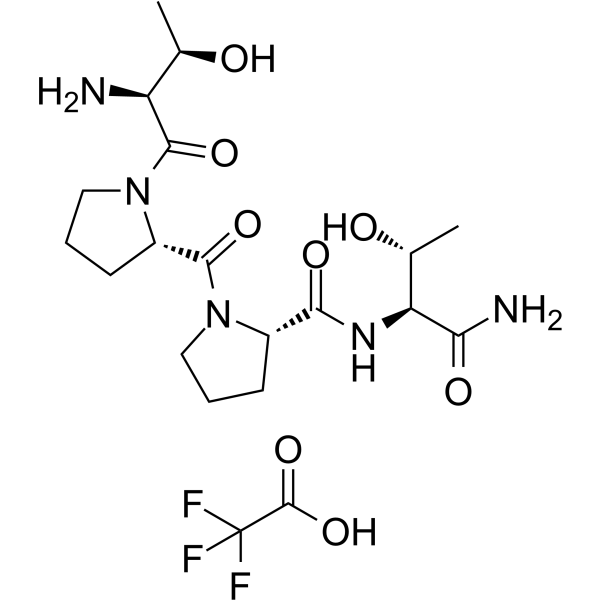
Rapastinel (GLYX-13) Trifluoroacetate is a potent NMDAR modulator capable of crossing the blood-brain barrier, and it exhibits extremely high affinity for human NMDAR (EC50=0.0017-9.9 nM). Rapastinel Trifluoroacetate enhances ERK signaling and activates the mTOR pathway, thereby upregulating the expression of BDNF and VGF, and inducing significant neuroplastic changes such as enhanced LTP and increased mature dendritic spine density in the hippocampus. Rapastinel Trifluoroacetate moderately elevates the efflux of dopamine, norepinephrine and 5-HT in the prefrontal cortex, and uniquely avoids side effects of traditional antidepressants such as dissociation, addiction or sedation. Rapastinel Trifluoroacetate is applicable to the research of major depressive disorder and hepatocellular carcinoma .
loading...
    loading...
Cat. No.: HY-N2922
CAS No.: 559-70-6
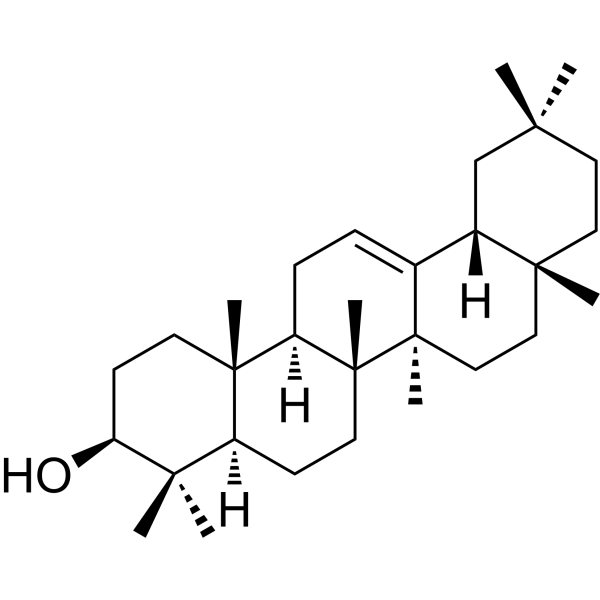
β-Amyrin shows effectively counteract amyloid β (Aβ)-induced impairment of long-term potentiation (LTP). β-Amyrin is a promising candidate for Alzheimer's disease (AD) research. β-Amyrin exhibits anti-inflammatory effects, protective activity against pulmonary fibrosis, and notable antibacterial capabilities. β-Amyrin is an orally active natural triterpenoid compound .
loading...
    loading...
Cat. No.: HY-116673
CAS No.: 709676-56-2
Purity:  99.39%
Research Areas:  

Neurological Disease

TTK21 is an activator of the histone acetyltransferases CBP/p300. TTK21 passes the blood–brain barrier, induces no toxicity, and reaches different parts of the brain when conjugated to glucose-based carbon nanosphere (CSP). TTK21 has beneficial implications for the brain functions of neurogenesis and long-term memory .CSP-TTK21 can ameliorate Aβ-impaired long-term potentiation (LTP). CSP-TTK21 may enhance the transcription of genes that promote synaptic health and cognitive function . CSP-TTK21 is orally effective and leads to improvements in motor functions, histone acetylation dynamics in a spinal injury rat model .
loading...
    loading...
Cat. No.: HY-176550
CAS No.: 1787243-08-6
Target:  

Sodium Channel

Research Areas:  

Neurological Disease

ASIC1a antagonist-1 (Compound 5b) is an orthosteric noncompetitive Acid sensing ion channels 1a (ASIC1a) antagonist with an IC50 of 27 nM (pH 6.7). ASIC1a antagonist-1 shifts pH dependence of ASIC1a activation and inhibits its maximal evoked response. ASIC1a antagonist-1 completely inhibits long-term potentiation (LTP) induction in CA3-CA1 pathway. ASIC1a antagonist-1 can be used for brain diseases and pathologies research .
loading...
    loading...
Cat. No.: HY-P4882A
Target:  

Amyloid-β Tau Protein

Research Areas:  

Neurological Disease

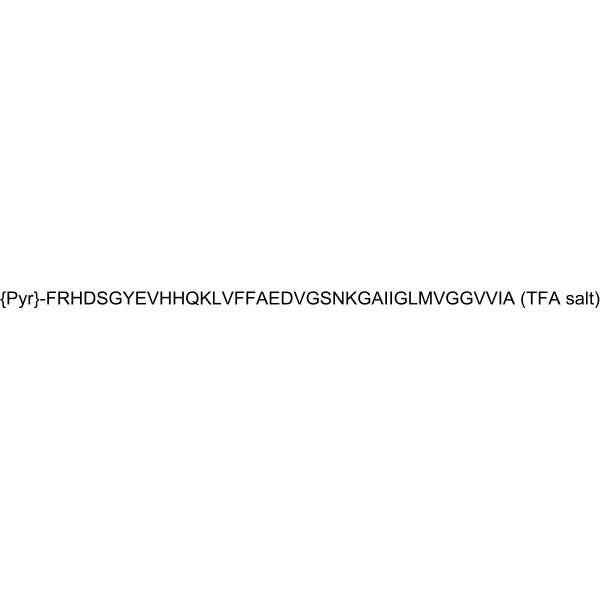
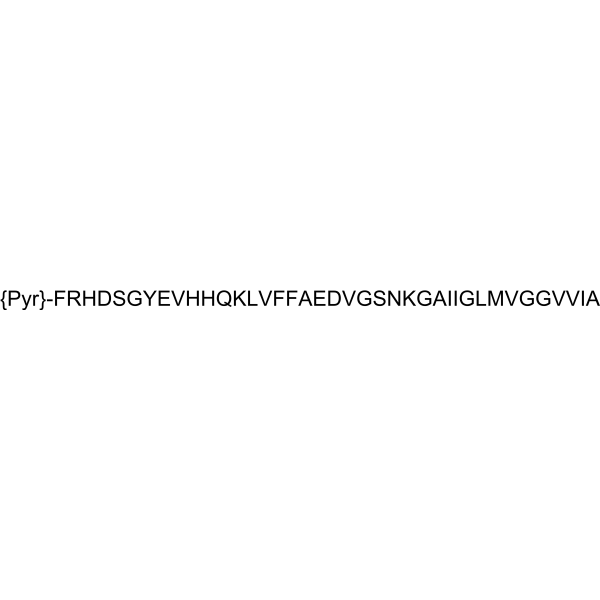
(Pyr3)-Amyloid β-Protein (3-42) TFA is an N-terminally truncated pyroglutamylated β-amyloid peptide. (Pyr3)-Amyloid β-Protein (3-42) TFA forms stable β-sheet structures across different pH values, co-oligomerizes with Aβ1-42 to form cytotoxic oligomers, induces tau-dependent cytotoxicity and neuronal loss, inhibits hippocampal LTP, and exhibits stronger protease resistance. (Pyr3)-Amyloid β-Protein (3-42) TFA exists in the brain tissues of human Alzheimer's disease patients, correlates with the pathogenesis of Alzheimer's disease, and follows a unique, faster oligomerization pathway. (Pyr3)-Amyloid β-Protein (3-42) TFA can be used in Alzheimer's disease-related research .
loading...
    loading...
Cat. No.: HY-N5130
CAS No.: 73166-28-6
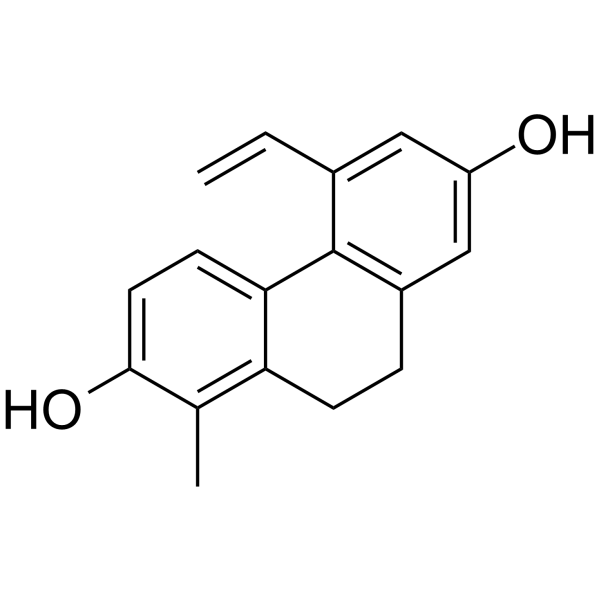
Effusol, a phenolic constituent from Juncus effuses, exhibits potent scavenging activity for DPPH and ABTS radicals, with IC50 values of 79 μM and 2.73 μM, respectively. Effusol rescues CA1 LTP attenuated by corticosterone, defending the hippocampal function against stress-induced cognitive decline .
loading...
    loading...
Cat. No.: HY-19411
CAS No.: 446031-79-4
Target:  

nAChR

Research Areas:  

Neurological Disease

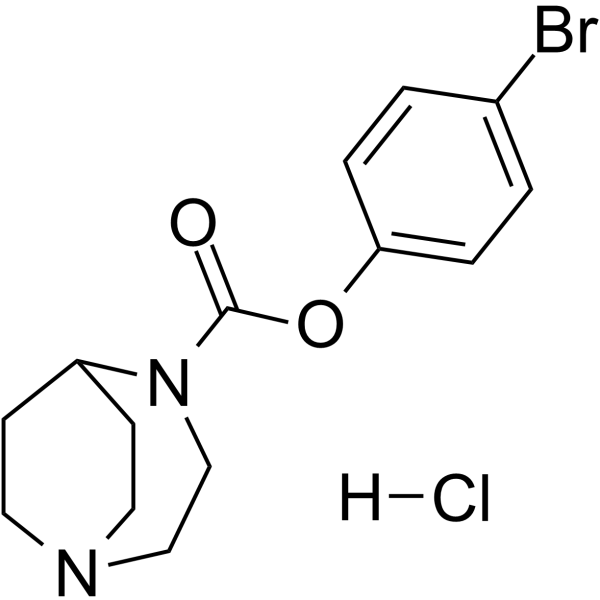
SSR180711 hydrochloride is an orally active, selective and reversible α7 acetylcholine nicotinic receptor (n-AChRs) partial agonist. SSR180711 hydrochloride can act on rat α7 n-AChR (Ki=22 nM; IC50=30 nM) and human α7 n-AChR (Ki=14 nM; IC50=18 nM). SSR180711 hydrochloride increases glutamatergic neurotransmission, ACh release and long-term potentiation (LTP) in the hippocampus .
loading...
    loading...
Cat. No.: HY-135525
CAS No.: 548-42-5
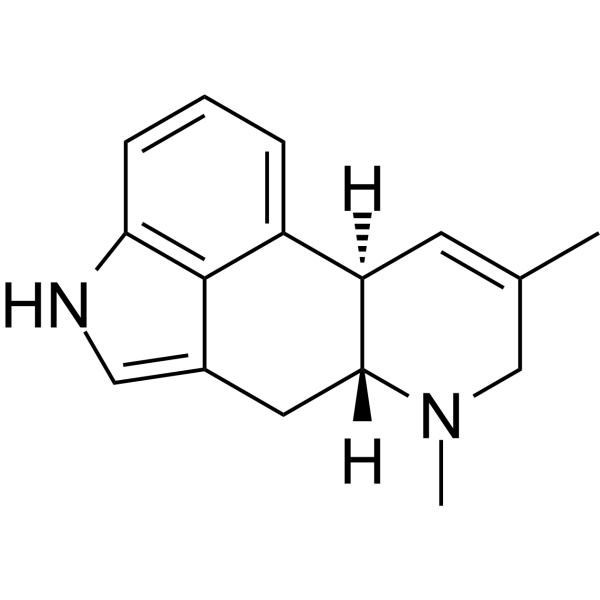
Agroclavine acts as an agonist of the D1-dopamine receptor and α1-adrenergic receptor. Agroclavine enhances the sensitivity of the brain to magnetic fields; it impairs spatial memory without affecting hippocampal long-term potentiation (LTP). Agroclavine exerts bidirectional regulatory effects on immune activity: it enhances NK cell activity with low toxicity under normal conditions, while it inhibits NK cell activity and exhibits significant cardiac and hepatic toxicity under stress conditions. Agroclavine can be used for research on neuroelectrophysiology, learning and memory, and immunoregulation .
loading...
    loading...
Cat. No.: HY-100617A
CAS No.: 7292-81-1
Synonyms: (RS)-4-Carboxyphenylglycine
Target:  

mGluR

Research Areas:  

Others

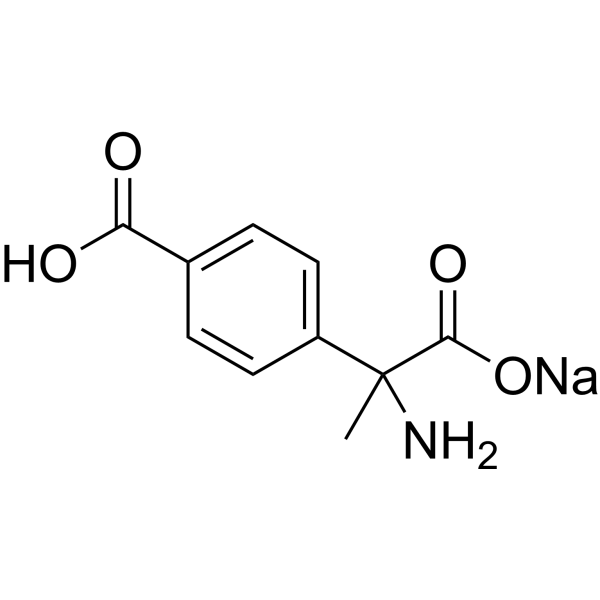
(RS)-4CPG ((RS)-4-Carboxyphenylglycine) is a type I metabotropic glutamate receptor antagonist with activity in blocking LTP induction. In mice lacking IP3R1, (RS)-4CPG (500μM) nearly blocked long-term potentiation (LTP) induced by type I metabotropic glutamate receptor activation, with LTP of 117.6±1.7% (n = 8) in IP3R1(-/-) mice and 116.9±1.8% (n = 5) in IP3R1(+/+) mice.
loading...
    loading...
Cat. No.: HY-124985
CAS No.: 2165325-42-6
Target:  

mGluR

Research Areas:  

Neurological Disease

VU6010608 is a blood-brain barrier-crossing mGlu7 negative allosteric modulator (IC50 = 0.76 μM). VU6010608 can block long-term enhancement (LTP) of SC-CA1 synapses in mouse brain slices induced by high-frequency stimulation. VU6010608 can be used for research on neurological diseases .
loading...
    loading...
Cat. No.: HY-P11540
CAS No.: 2923120-30-1
CCKBR agonist-1 (Compound 3r1) is a Gq-protein-preferring cholecystokinin B receptor (CCKBR) agonist with an EC50 of 35 pM. CCKBR agonist-1 significantly increases the survival rate of neurons, with an EC50 of 37 pM. CCKBR agonist-1 can improve the cognitive decline in mice by upregulating α-secretase (ADAM10) and calcium signaling molecule PLCB4, reduce the number of amyloid β (Aβ) plaques, and promote long-term potentiation (LTP). CCKBR agonist-1 can be used for the study of Alzheimer's disease .
loading...
    loading...
Cat. No.: HY-176036
CAS No.: 3070323-06-4
MS1262 is a blood-brain barrier-permeable, selective inhibitor of histone methyltransferases G9a (EHMT2) and GLP (EHMT1), with an IC50 of 19 nM and a Kd of 74 nM against G9a, and an IC50 of 6 nM and a Kd of 19 nM against GLP. MS1262 reduces the dimethylation level of histone H3 lysine 9 and decreases the size of Aβ plaques. MS1262 restores hippocampal long-term potentiation (LTP) and miniature excitatory postsynaptic current (sEPSC) frequency, ameliorates spatial memory deficits, and reverses anxiety-like and depression-like behaviors in AD model mice. MS1262 reverses the expression/phosphorylation levels of early AD biomarkers, providing support for stage-specific diagnosis of AD. MS1262 reduces the risk of thrombus rupture. MS1262 can be used in research related to Alzheimer's disease, colorectal cancer, and triple-negative breast cancer .
loading...
    loading...
Cat. No.: HY-P4882
CAS No.: 183449-57-2
Target:  

Amyloid-β Tau Protein

Research Areas:  

Neurological Disease

(Pyr3)-Amyloid β-Protein (3-42) is an N-terminally truncated pyroglutamylated β-amyloid peptide. (Pyr3)-Amyloid β-Protein (3-42) forms stable β-sheet structures across different pH values, co-oligomerizes with Aβ1-42 to form cytotoxic oligomers, induces tau-dependent cytotoxicity and neuronal loss, inhibits hippocampal LTP, and exhibits stronger protease resistance. (Pyr3)-Amyloid β-Protein (3-42) exists in the brain tissues of human Alzheimer's disease patients, correlates with the pathogenesis of Alzheimer's disease, and follows a unique, faster oligomerization pathway. (Pyr3)-Amyloid β-Protein (3-42) can be used in Alzheimer's disease-related research .
loading...
    loading...
Cat. No.: HY-120386
CAS No.: 211566-75-5
Target:  

iGluR

Research Areas:  

Neurological Disease

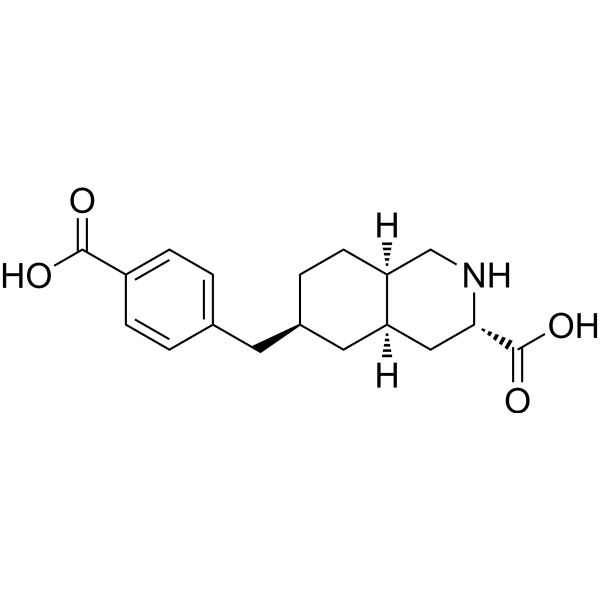
LY382884 is a selective antagonist for GluR5 kainate receptor. LY382884 prevents the induction of NMDA receptor independent long-term potentiation (LTP) .
loading...
    loading...
Cat. No.: HY-14406
CAS No.: 148700-85-0
Target:  

Neurokinin Receptor

Research Areas:  

Neurological Disease Cancer

L-733060 is a selective neurokinin-1 (NK-1) receptor antagonist. L-733060 mainly regulates pain transmission and neural plasticity by blocking the binding of Substance P (P substance) to the NK-1 receptor. L-733060 blocks the promoting effect of Substance P on long-term potentiation (LTP) in the hippocampus. L-733060 reverses the orofacial hyperalgesia induced by experimental occlusal interference (EOI) in rats. L-733060 hydrochloride inhibits neurogenic plasma extravasation at a dose that does not cause adverse cardiovascular effects in rodents, and also acts as an anti-tumor agent. L-733060 can be used for the study of chronic orofacial pain .
loading...
    loading...
Cat. No.: HY-176866
CAS No.: 2222756-46-7
Target:  

HDAC

Research Areas:  

Neurological Disease

Rodin-A is an orally active, brain-penetrant and selective histone deacetylase (HDAC)-co-repressor of repressor element-1 silencing transcription factor (CoREST) complex inhibitor with an IC50 value of 1.80 μM for the CoREST complex, 0.15 μM for HDAC1, and 0.43 μM for HDAC2. Rodin-A increases the acetylation level of histone H3K9, upregulates the expression of neuron-related genes, thereby promoting the increase in dendritic spine density, the colocalization of synaptic proteins (SV2A and PSD95), and the improvement of hippocampal long-term potentiation (LTP), exerting synaptic protection and repair activity. Rodin-A is promising for research of neurodegenerative diseases related to synaptic dysfunction, especially Alzheimer’s disease .
loading...
    loading...
Cat. No.: HY-121299
CAS No.: 48144-44-1
Synonyms: mCPBG
Target:  

5-HT Receptor

Research Areas:  

Neurological Disease

m-Chlorophenylbiguanide (mCPBG) is a potent high-affinity agonist of the 5-HT3 receptor, exhibiting an inhibitory effect on long-term potentiation (LTP) in the mossy fiber-CA3 system. mCPBG attenuates the magnitude of LTP at concentrations of 0.3-1 microM, demonstrating its role in modulating synaptic plasticity. Additionally, the impact of mCPBG on LTP is reversible by the GABAA receptor antagonist bicuculline, indicating a connection between its action and GABAergic neurotransmission.
loading...
    loading...
Cat. No.: HY-103570
CAS No.: 1303994-09-3
Target:  

mGluR

Research Areas:  

Neurological Disease

MCPG is a carboxylic phenyl glycine. MCPG can block metabotropic glutamate receptor (mGluR)(HY-15129) and has antagonistic activity of mGluR subtype. MCPG can be used to study the induction and maintenance of long-term potentiation (LTP) .
loading...
    loading...

