26 Results for "

Locomotion

" in MedChemExpress (MCE) Product Catalog:
Products (26)

26 Results for "Locomotion" in MCE Product Catalog:

3
3 Cited Publications
Cat. No.: HY-16688
CAS No.: 66611-26-5
Target:  

5-HT Receptor

Research Areas:  

Neurological Disease

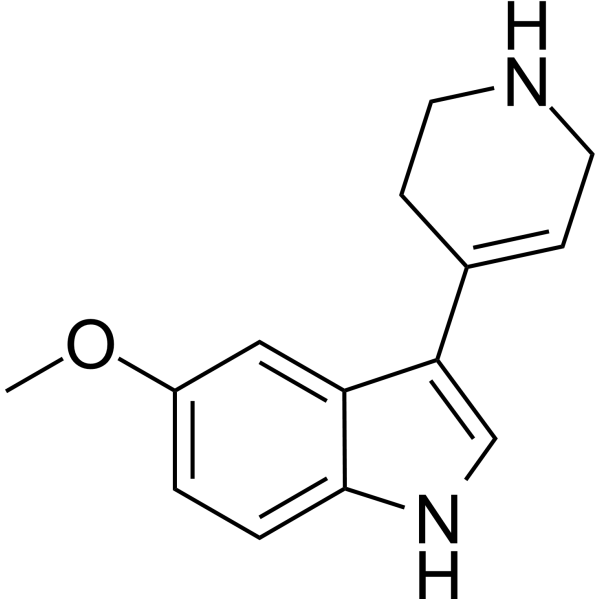
RU 24969 is a preferential 5-HT1B agonist, with a Ki of 0.38 nM, but also displays appreciable affinity for the 5-HT1A receptor (Ki=2.5 nM), and has low affinity for other receptor sites in the brain. RU 24969 could decrease fluid consumption and increase forward locomotion .
loading...
    loading...
3
3 Cited Publications
Cat. No.: HY-16688A
CAS No.: 107008-28-6
Target:  

5-HT Receptor

Research Areas:  

Neurological Disease

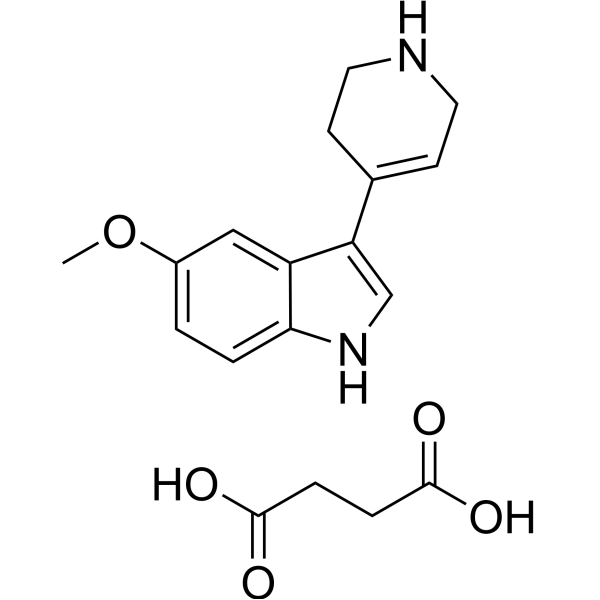
RU 24969 succinate is a 5-HT receptor agonist with Ki values of 0.38 and 2.5 nM for 5-HT1B and 5-HT1A, respectively. RU 24969 decreases fluid consumption and increases forward locomotion. RU 24969 succinate can be used for the research of neurological disease .
loading...
    loading...
1
1 Cited Publications
Cat. No.: HY-12242
CAS No.: 67469-81-2
Purity:  99.45%
Target:  

Dopamine Transporter

Research Areas:  

Neurological Disease

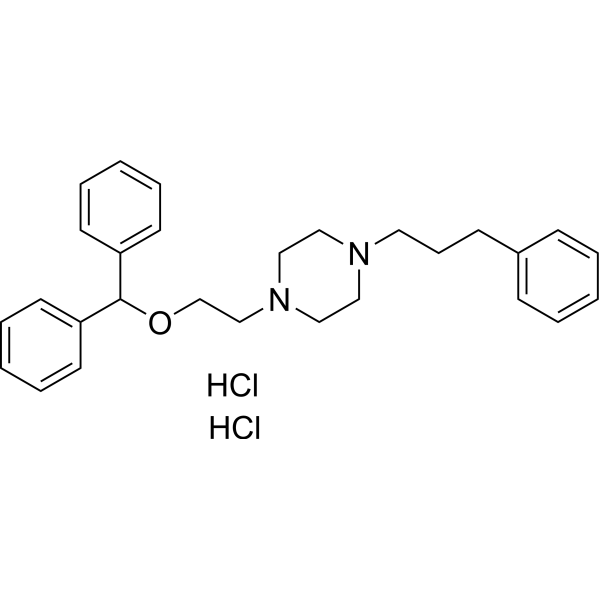
GBR 12935 dihydrochloride is a potent, and selective dopamine reuptake inhibitor, with the binding constant (Kd) of 1.08 nM in COS-7 cells. GBR 12935 dihydrochloride stimulates the locomotion activity in different mice strains but fails to induce stereotypy. Thus, GBR 12935 dihydrochloride also prevents the d-Fenfluramine-induced head-twitch response in mice .
loading...
    loading...
1
1 Cited Publications
Cat. No.: HY-13101
CAS No.: 1108147-88-1
Purity:  99.98%
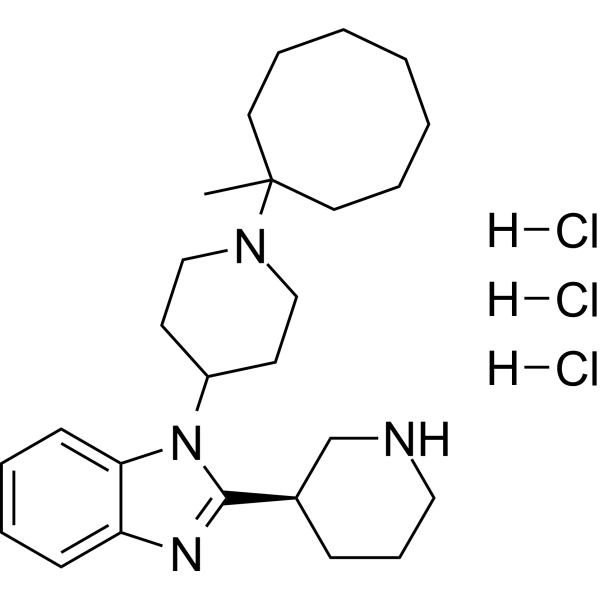
MCOPPB trihydrochloride is a NOP/ORL1 G protein-coupled receptor agonist and autophagy inhibitor that can cross the blood-brain barrier. MCOPPB trihydrochloride clears senescent cells, regulates locomotion, lipid storage and immune responses, and inhibits fibrosis and angiogenesis. MCOPPB trihydrochloride blocks autophagic flux, induces changes in locomotion and lipid storage, and activates the stress-responsive immune transcription network, thereby improving post-infarction cardiac function and exerting anxiolytic effects. MCOPPB trihydrochloride can be applied to research fields such as aging-related diseases and ischemic heart failure .
loading...
    loading...
Cat. No.: HY-107531
CAS No.: 1384424-80-9
Purity:  99.87%
Target:  

GSK-3

Research Areas:  

Neurological Disease Cancer

A 1070722 is a potent and selective glycogen synthase kinase 3 (GSK-3) inhibitor, with a Ki of 0.6 nM for both GSK-3α and GSK-3β. A 1070722 can penetrate the blood-brain barrier (BBB) and accumulates in brain regions, thus potential for PET radiotracer for the quantification of GSK-3 in brain. A 1070722 decreases spontaneous locomotion .
loading...
    loading...
Cat. No.: HY-B1017
CAS No.: 15622-65-8
Synonyms: EN-1733A
Target:  

Dopamine Receptor

Research Areas:  

Neurological Disease

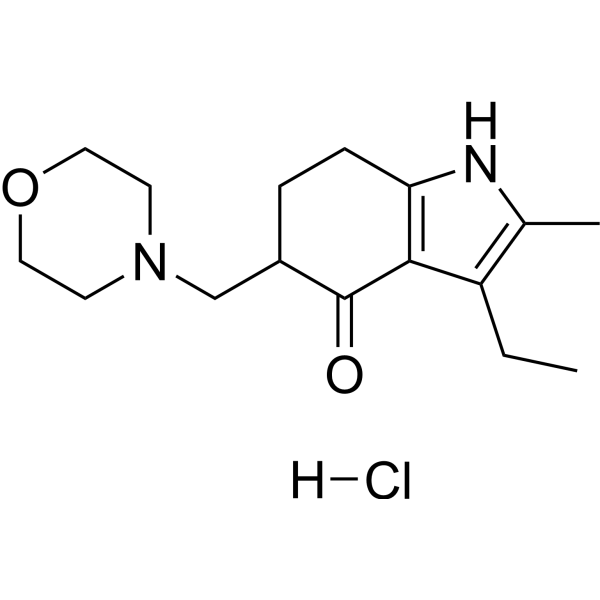
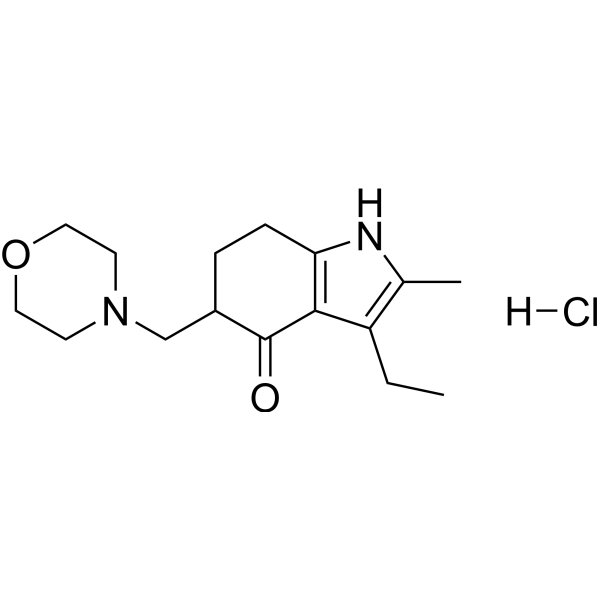
Molindone hydrochloride (EN-1733A) is an orally active and brain-penetrant dopamine D2/D5 receptor antagonist. Molindone hydrochloride shows antipsychotic and antidepressant-like activities. Molindone hydrochloride suppresses spontaneous locomotion, and antagonizes apomorphine-induced emesis. Molindone hydrochloride can be used for the research of neurological disease .
loading...
    loading...
Cat. No.: HY-P1437
CAS No.: 412938-74-0
Research Areas:  

Neurological Disease

Neuropeptide S (mouse) is a bioactive peptide. Neuropeptide S (mouse), as a neurotransmitter/neuromodulator of 20 amino acids, can be used for the research of arousal, anxiety, locomotion, feeding behaviors, memory and agent addiction .
loading...
    loading...
Cat. No.: HY-50733A
CAS No.: 1333382-30-1
Target:  

Casein Kinase

Research Areas:  

Neurological Disease Cancer

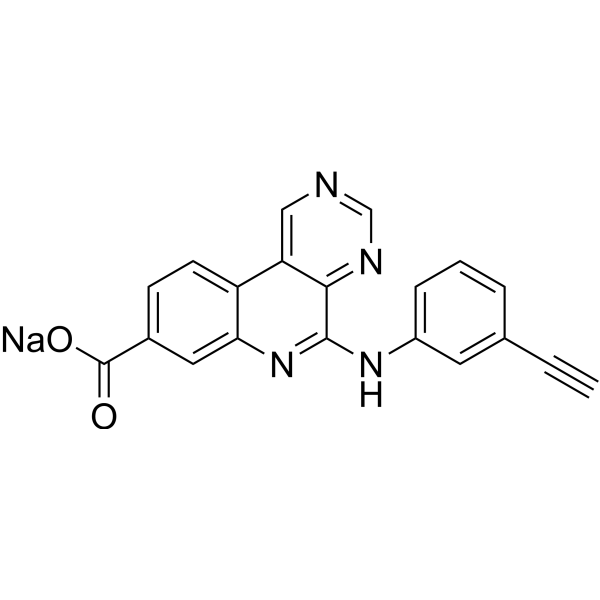
CX-5011 is an ATP-competitive, selective CK2 inhibitor with an IC50 of 0.97 nM for nCK2. CX-5011 reduces Bin1, CKB, Tubb3, and Pxn levels . CX-5011 impairs myogenic differentiation, myotube formation, muscle markers, myofiber growth, and zebrafish muscle development/locomotion. CX-5011 can be used for breast cancer research .
loading...
    loading...
Cat. No.: HY-103408
CAS No.: 675599-62-9
Purity:  99.35%
Target:  

Dopamine Receptor

Research Areas:  

Neurological Disease

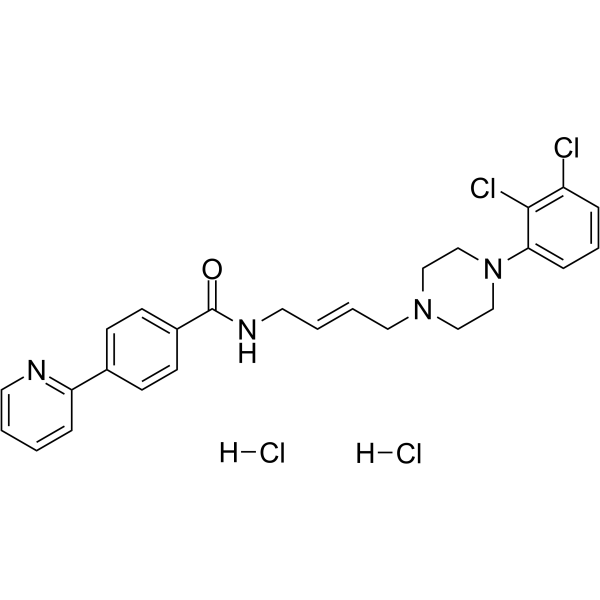
PG01037 dihydrochloride is a blood-brain barrier-penetrant selective dopamine D3 receptor antagonist, and blocks D3R signaling in the nucleus accumbens, with a Ki of 0.7 nM. PG01037 dihydrochloride enhances psychostimulant-induced locomotion, locomotor sensitization, and dopamine release, and promotes excitation of D1-expressing medium spiny neurons through D1-like signaling. PG01037 dihydrochloride attenuates psychostimulant-associated reward and relapse behaviors, and alleviates MPTPp-induced motor impairment and dopaminergic neurodegeneration. PG01037 dihydrochloride can be used in research related to Parkinson's disease, addictive disorders, and cancer .
loading...
    loading...
Cat. No.: HY-120004
CAS No.: 2115022-67-6
Target:  

mAChR

Research Areas:  

Neurological Disease

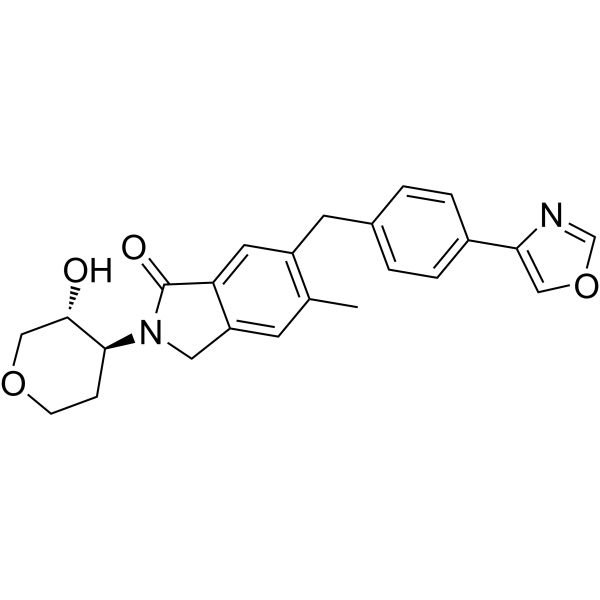
PF-06827443 is an orally active M1 receptor positive allosteric modulator with an EC50 of 47 nM and a Ki of 16 nM, and a PDE11A4 inhibitor with an IC50 of 5.06 μM. PF-06827443 enhances the effects of acetylcholine. PF-06827443 crosses the blood-brain barrier, induces LTD in the prefrontal cortex, increases sEPSC frequency in layer V pyramidal cells, and increases striatal inositol monophosphate accumulation. PF-06827443 induces convulsions, impairs cognition, reduces stimulant-evoked locomotion, reverses Scopolamine (HY-N0296)-induced learning/memory deficits, and causes cholinergic adverse events and convulsions in rats and dogs. PF-06827443 can be used for research on schizophrenia and Alzheimer's disease .
loading...
    loading...
Cat. No.: HY-143264
CAS No.: 2765077-82-3
Target:  

FAAH MAGL

Research Areas:  

Neurological Disease

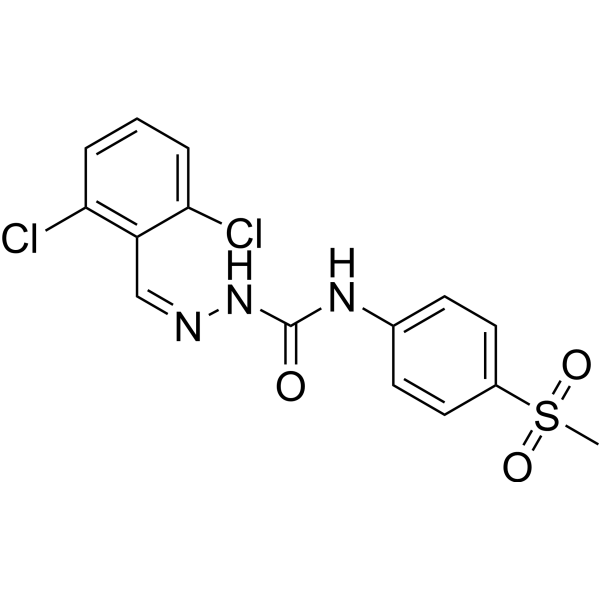
FAAH/MAGL-IN-2 is a potent, reversible, orally active, and cross the blood-brain barrier FAAH and MAGL inhibitor with IC50s of 11 nM and 36 nM (Kis of 28 nM and 60 nM), respectively . FAAH/MAGL-IN-2 has the potential to research neuropathic pain without causing locomotion impairment .
loading...
    loading...
Cat. No.: HY-12242A
CAS No.: 76778-22-8
Target:  

Dopamine Transporter

Research Areas:  

Neurological Disease

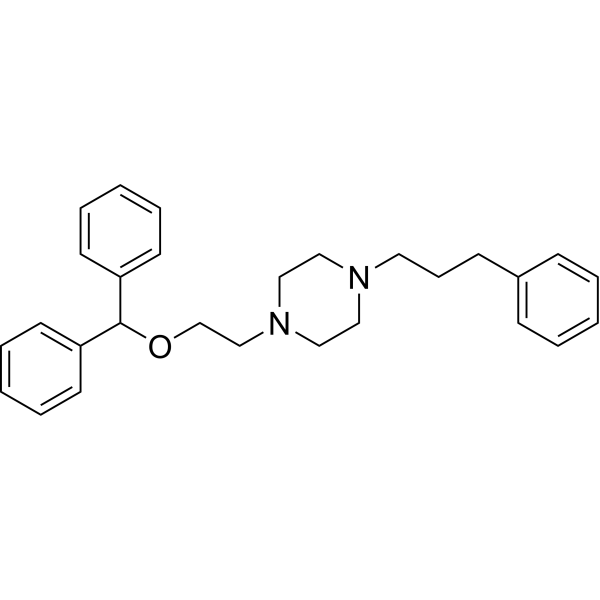
GBR 12935 is a potent, and selective dopamine reuptake inhibitor, with the binding constant (Kd) of 1.08 nM in COS-7 cells. GBR 12935 stimulates the locomotion activity in different mice strains but fails to induce stereotypy. Thus, GBR 12935 also prevents the d-Fenfluramine-induced head-twitch response in mice .
loading...
    loading...
Cat. No.: HY-50733
CAS No.: 1009821-06-0
Target:  

Casein Kinase

CX-5011 free base is an ATP-competitive, selective CK2 inhibitor with an IC50 of 0.97 nM for nCK2. CX-5011 free base reduces Bin1, CKB, Tubb3, and Pxn levels . CX-5011 free base impairs myogenic differentiation, myotube formation, muscle markers, myofiber growth, and zebrafish muscle development/locomotion. CX-5011 free base can be used for breast cancer research .
loading...
    loading...
Cat. No.: HY-P0194
CAS No.: 188119-47-3
Target:  

Inhibitory Antibodies

Research Areas:  

Neurological Disease

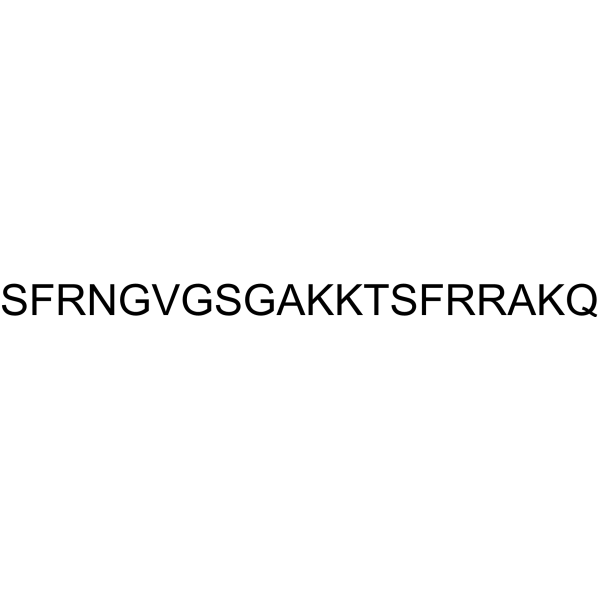
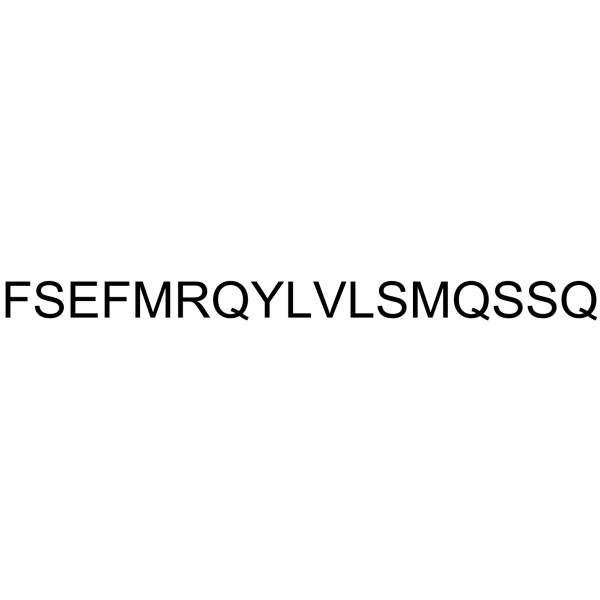
NocII is an orphan neuropeptide which stimulates locomotion in mice .
loading...
    loading...
Cat. No.: HY-P0194A
Target:  

Inhibitory Antibodies

Research Areas:  

Neurological Disease

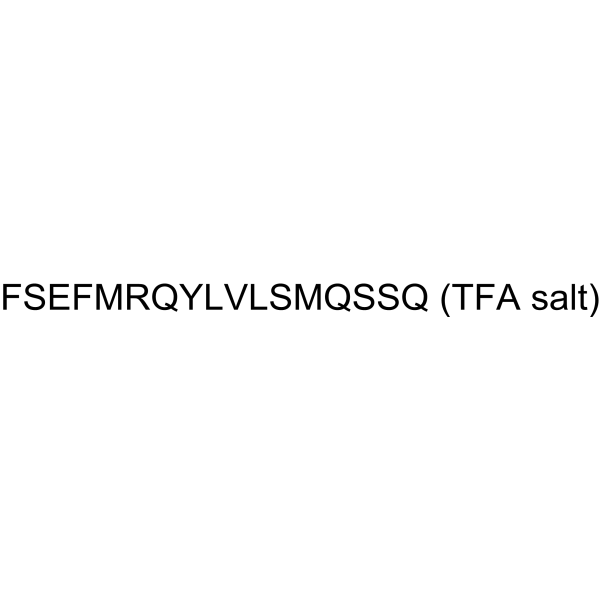
NocII TFA is an orphan neuropeptide which stimulates locomotion in mice .
loading...
    loading...
Cat. No.: HY-N12622
CAS No.: 3032028-08-0
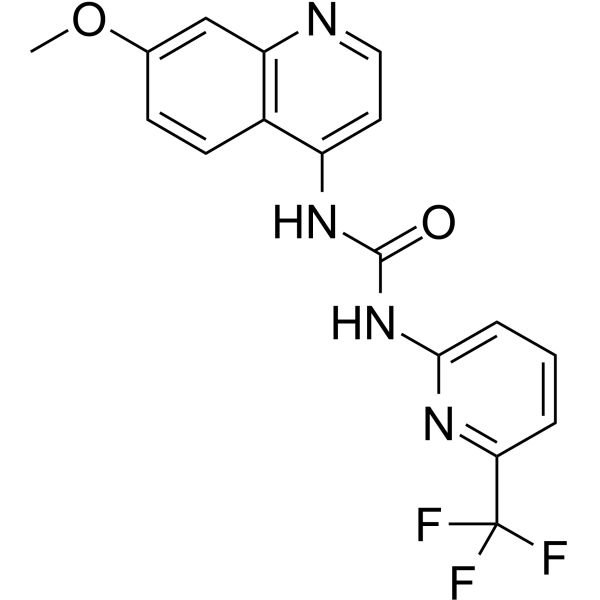
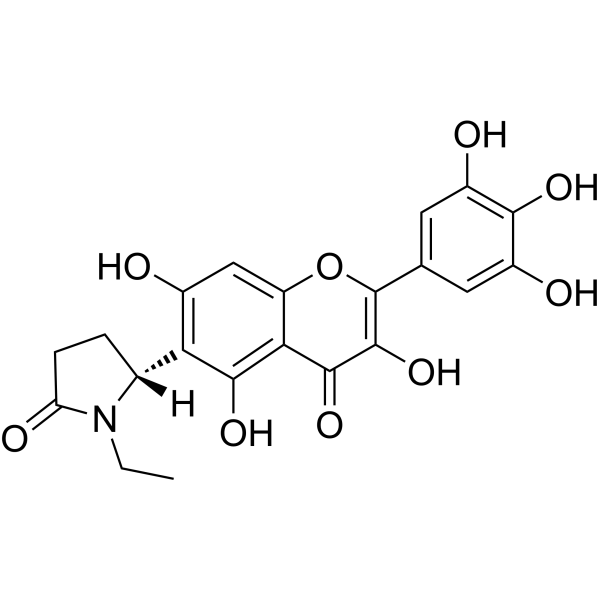
AChE-IN-58 (Compound 3) is an acetylcholinesterase (AChE) inhibitor. AChE-IN-58 can extend the mean lifespan, delay the Aβ1-42-induced paralysis, enhanc the locomotion, and alleviate glutamic acid (Glu)-induced neurotoxicity of CL4176 worms .
loading...
    loading...
Cat. No.: HY-12242B
CAS No.: 1349767-56-1
Target:  

Dopamine Transporter

Research Areas:  

Neurological Disease

GBR 12935 fumarate is a potent, and selective dopamine reuptake inhibitor, with the binding constant (Kd) of 1.08 nM in COS-7 cells. GBR 12935 fumarate stimulates the locomotion activity in different mice strains but fails to induce stereotypy. Thus, GBR 12935 fumarate also prevents the d-Fenfluramine-induced head-twitch response in mice .
loading...
    loading...
Cat. No.: HY-16688B
CAS No.: 66611-27-6
Target:  

5-HT Receptor

Research Areas:  

Neurological Disease

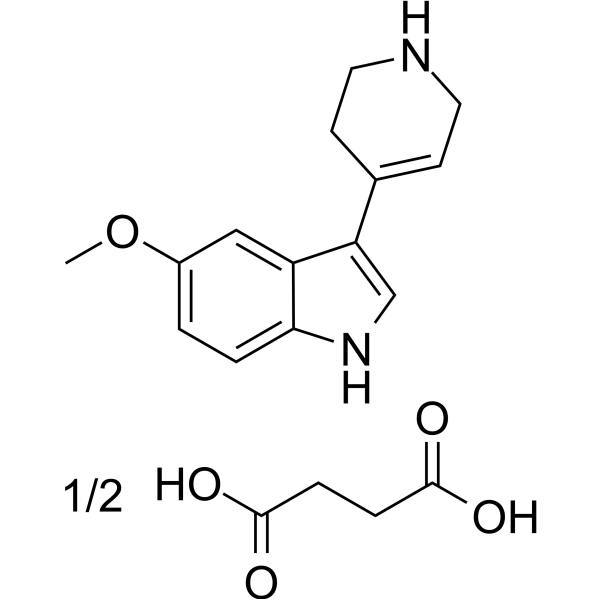
RU 24969 hemisuccinate is a preferential 5-HT1B agonist, with a Ki of 0.38 nM, but also displays appreciable affinity for the 5-HT1A receptor (Ki=2.5 nM), and has low affinity for other receptor sites in the brain. RU 24969 hemisuccinate could decrease fluid consumption and increase forward locomotion .
loading...
    loading...
Cat. No.: HY-12242R
CAS No.: 67469-81-2
Target:  

Dopamine Transporter

Research Areas:  

Neurological Disease

GBR 12935 (dihydrochloride) (Standard) is the analytical standard of GBR 12935 (dihydrochloride). This product is intended for research and analytical applications. GBR 12935 dihydrochloride is a potent, and selective dopamine reuptake inhibitor, with the binding constant (Kd) of 1.08 nM in COS-7 cells. GBR 12935 dihydrochloride stimulates the locomotion activity in different mice strains but fails to induce stereotypy. Thus, GBR 12935 dihydrochloride also prevents the d-Fenfluramine-induced head-twitch response in mice .
loading...
    loading...
Cat. No.: HY-B1017R
CAS No.: 15622-65-8
Synonyms: EN-1733A (Standard)
Molindone hydrochloride (Standard) is the analytical standard of Molindone hydrochloride (HY-B1017). This product is intended for research and analytical applications. Molindone hydrochloride (EN-1733A) is an orally active and brain-penetrant dopamine D2/D5 receptor antagonist. Molindone hydrochloride shows antipsychotic and antidepressant-like activities. Molindone hydrochloride suppresses spontaneous locomotion, and antagonizes apomorphine-induced emesis. Molindone hydrochloride can be used for the research of neurological disease .
loading...
    loading...

