

64 Results for "

RNA chain

" in MedChemExpress (MCE) Product Catalog:
Products (64)

64 Results for "RNA chain" in MCE Product Catalog:

29
29 Publications Verification
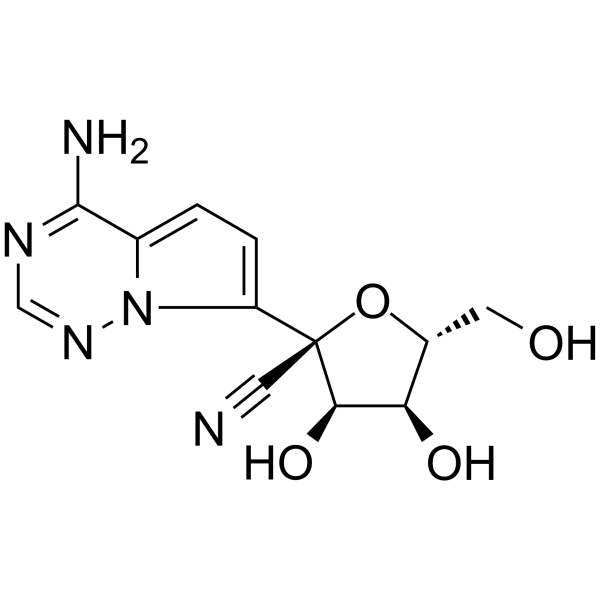
Cat. No.: HY-103586
CAS No.: 1191237-69-0
Purity:  99.89%
Research Areas:  

Infection

GS-441524 is a potent, orally active and CNS-penetrant viral RNA-dependent RNA polymerase inhibitor. GS-441524 competes with natural nucleosides to block viral RNA transcription as an alternative substrate and RNA chain terminator. GS-441524 inhibits the replication of feline infectious peritonitis virus, African swine fever virus, and severe acute respiratory syndrome coronavirus 2. GS-441524 reduces viral RNA levels in cats. GS-441524 can be used in research related to feline infectious peritonitis, African swine fever, and coronavirus disease 2019 (COVID-19) .
loading...
    loading...
29
29 Publications Verification
Cat. No.: HY-103586A
CAS No.: 2378280-82-9
Research Areas:  

Infection

GS-441524 hydrochloride is a potent, orally active and CNS-penetrant viral RNA-dependent RNA polymerase inhibitor. GS-441524 hydrochloride competes with natural nucleosides to block viral RNA transcription as an alternative substrate and RNA chain terminator. GS-441524 hydrochloride inhibits the replication of feline infectious peritonitis virus, African swine fever virus, and severe acute respiratory syndrome coronavirus 2. GS-441524 hydrochloride reduces viral RNA levels in cats. GS-441524 hydrochloride can be used in research related to feline infectious peritonitis, African swine fever, and coronavirus disease 2019 (COVID-19) .
loading...
    loading...
7
7 Cited Publications
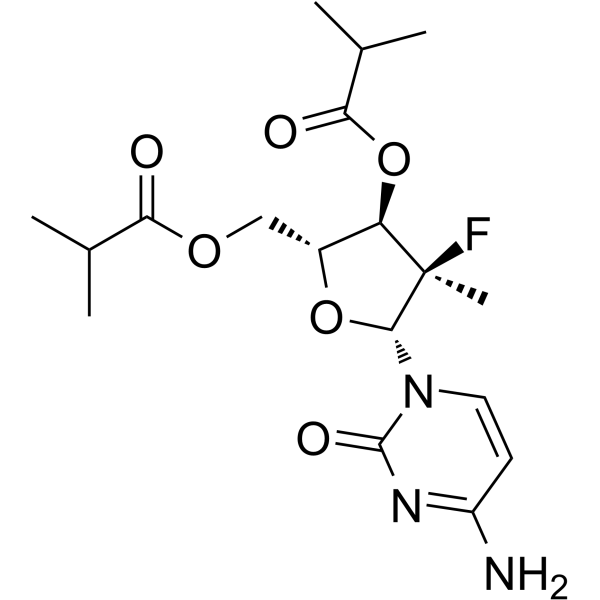
Cat. No.: HY-10240
CAS No.: 940908-79-2
Purity:  99.07%
Synonyms: RG 7128; R-7128; PSI 6130 diisobutyrate
Target:  

HCV

Research Areas:  

Infection

Mericitabine (RG 7128; R-7128) is a nucleoside inhibitor of the HCV NS5B polymerase that acts as an RNA chain terminator and prevents elongation of RNA transcripts during replication.
loading...
    loading...
1
1 Cited Publications
Cat. No.: HY-K2023

MCE In vivo OptiLNP RNA Transfection Reagent (Local Effect) is a ready-to-use transfection reagent based on LNP technology. It is designed for the efficient transfection of mRNA and short-chain RNA in experimental animals. The RNA functions locally.

loading...
    loading...
Cat. No.: HY-P3479
CAS No.: 12584-58-6
Target:  

Insulin Receptor

Research Areas:  

Metabolic Disease

Insulin (swine) is an orally active insulin derived from pigs. Insulin (swine) when administered orally acts as an antigen to reduce the severity of pancreatic lymphocyte infiltration, but has no metabolic effect on blood glucose levels. Insulin (swine) increases glucose oxidation, stimulates lipogenesis, and lowers blood glucose levels. Insulin (swine) can be used in diabetes research .
loading...
    loading...
Cat. No.: HY-129046C
Synonyms: Ribonuclease B, Bovine Pancreas
Research Areas:  

Endocrinology Cancer

RNase A (Bovine pancreatic RNase) is a widely used Endonuclease in DNA purification by specifically hydrolyzing cytosine or uracil residues of RNA. RNase A degrades the RNA in the RNA/DNA duplex. RNase A catalyses the breakdown of 3',5'-phosphodiester linkages of single stranded RNA. RNase A family members in organisms are tightly involved in various physiological and pathological processes including cell growth and development, proliferation, differentiation and migration. Dysregulation of RNase A activity or expression level is closely related to pancreatic, ovarian, bladder and thyroid cancer. RNase A has tumor cell-killing ability. RNase B, Bovine Pancreas (Ribonuclease B, Bovine Pancreas) is the N-glycosylated form of RNase A. RNase B, Bovine Pancreas can promote the folding of polypeptide chains and play a role similar to molecular chaperones .
loading...
    loading...
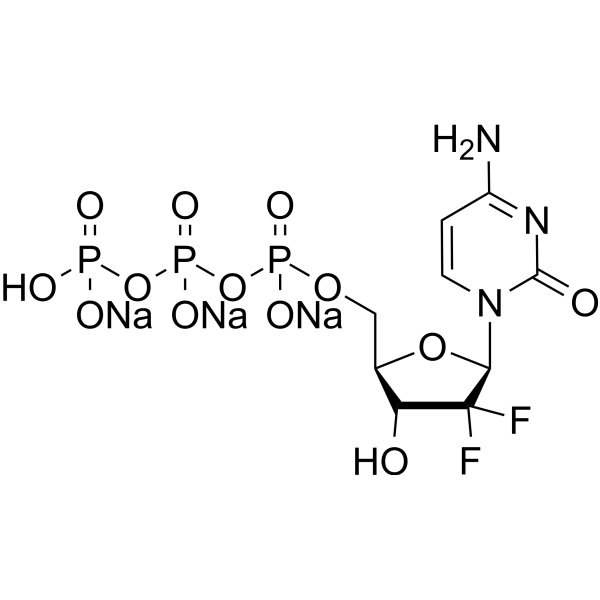
Cat. No.: HY-17026E
Synonyms: dFdCTP trisodium
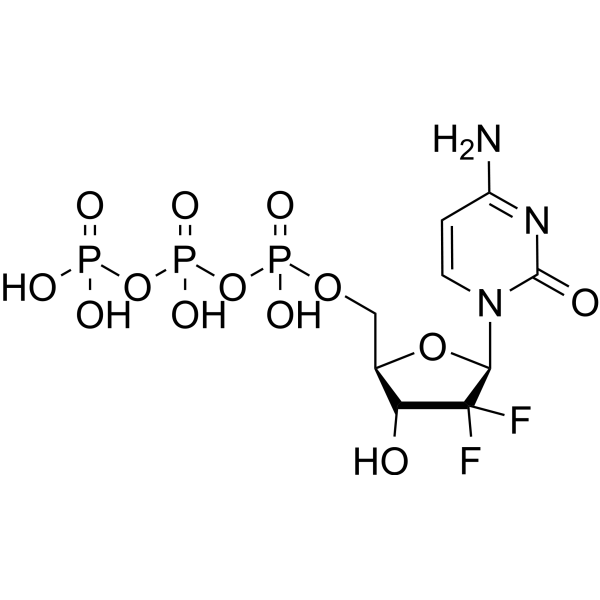
Gemcitabine triphosphate (dFdCTP) trisodium is the active metabolite of Gemcitabine (HY-17026). The mechanism of Gemcitabine triphosphate trisodium cell-killing is its competition with cytidine triphosphate during DNA replication, which results in the inhibition of chain elongation. Gemcitabine triphosphate trisodium shows a Ki of 11.2 μM against DNA polymerase α and 14.4 μM against DNA polymerase ε. Gemcitabine triphosphate trisodium partially inhibits dCMP deaminase and acts as a substrate for DNA synthesis to incorporate into cellular DNA and RNA. Gemcitabine triphosphate trisodium disrupts DNA and RNA synthesis, arrests cell cycle in G0/G1 and S phases, triggers apoptosis, reduces tumor cell proliferation. Gemcitabine triphosphate trisodium can be used for the research of pancreatic cancer and non-small cell lung cancer .
loading...
    loading...
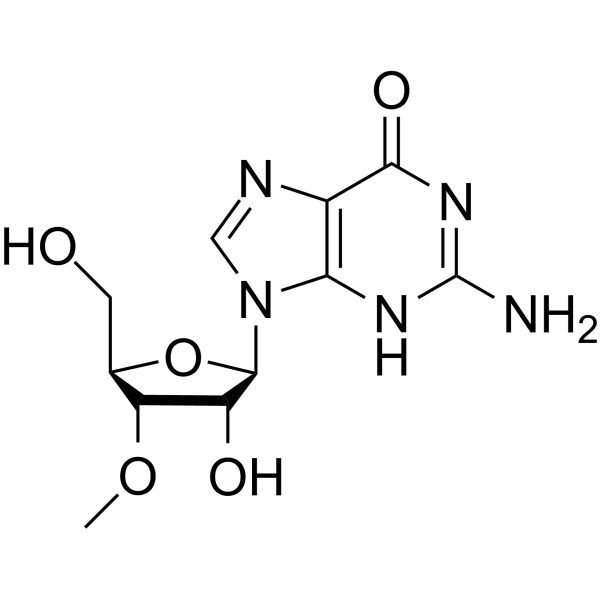
Cat. No.: HY-W091784
CAS No.: 10300-27-3
3'-O-Methylguanosine is a methylated nucleoside analog and RNA chain terminator. 3'-O-Methylguanosine can inhibit the synthesis of early vaccinia virus-specific RNA .
loading...
    loading...
Cat. No.: HY-17026A
CAS No.: 110988-86-8
Synonyms: dFdCTP
Gemcitabine triphosphate (dFdCTP) is the active metabolite of Gemcitabine (HY-17026). The mechanism of Gemcitabine triphosphate cell-killing is its competition with cytidine triphosphate during DNA replication, which results in the inhibition of chain elongation. Gemcitabine triphosphate shows a Ki of 11.2 μM against DNA polymerase α and 14.4 μM against DNA polymerase ε. Gemcitabine triphosphate partially inhibits dCMP deaminase and acts as a substrate for DNA synthesis to incorporate into cellular DNA and RNA. Gemcitabine triphosphate disrupts DNA and RNA synthesis, arrests cell cycle in G0/G1 and S phases, triggers apoptosis, reduces tumor cell proliferation. Gemcitabine triphosphate can be used for the research of pancreatic cancer and non-small cell lung cancer .
loading...
    loading...
Cat. No.: HY-112747
CAS No.: 97281-51-1
Synonyms: LPI; PE (soy)
Target:  

Phospholipase

Research Areas:  

Infection

Soy PE (LPI) is the most abundant phospholipid in prokaryotes and the second most abundant found in the membrane of mammalian, plant, and yeast cells, comprising approximately 25% of total mammalian phospholipids. In the brain, phosphatidylethanolamine comprises almost half of the total phospholipids. It is synthesized mainly through the cytidine diphosphate-ethanolamine and phosphatidylserine decarboxylation pathways, which occur in the endoplasmic reticulum (ER) and mitochondrial membranes, respectively. It is a precursor in the synthesis of phosphatidylcholine and arachidonoyl ethanolamide and is a source of ethanolamine used in various cellular functions. In E.coli, phosphatidylethanolamine deficiency prevents proper assembly of lactose permease, suggesting a role as a lipid chaperone. It is a cofactor in the propagation of prions in vitro and can convert recombinant mammalian proteins into infectious molecules even in the absence of RNA. This product contains phosphatidylethanolamine molecular species with variable fatty acyl chain lengths at the sn-1 and sn-2 positions .
loading...
    loading...
Cat. No.: HY-137697D
Purity:  ≥98.0%
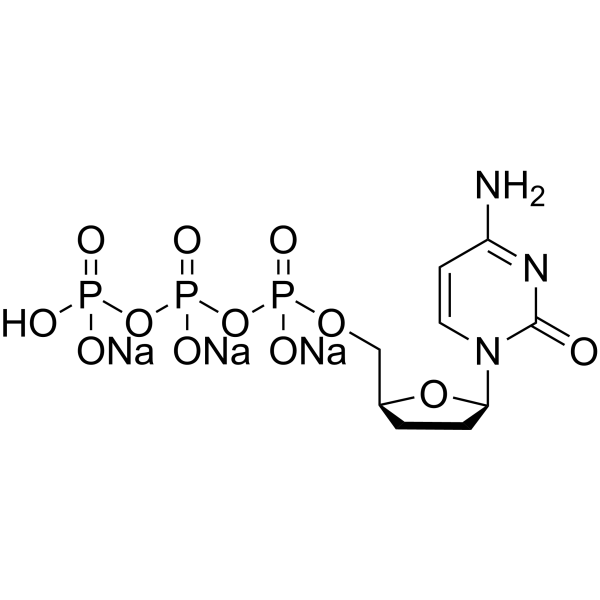
ddCTP trilithium solution (100 mM) is a chain-terminating dideoxynucleotide. ddCTP trilithium is a type of chain-terminating deoxynucleotide. ddCTP trilithium can be incorporated into the extension primer chain that lacks the 3'-hydroxyl group, thereby terminating primer extension, viral genome replication, and DNA synthesis. ddCTP trilithium can distinguish almost identical RNA through distinguishable extension products in primer extension inhibition experiments. ddCTP trilithium is the active metabolite of Zalcitabine (HY-17392), which can competitively inhibit HIV reverse transcriptase, terminate the synthesis of viral DNA chains, and thereby inhibit HIV replication .
loading...
    loading...
Cat. No.: HY-131603
CAS No.: 143188-53-8
Synonyms: 3TCTP
Lamivudine triphosphate (3TCTP) is a phosphorylated Lamivudine (HY-B0250) (a nucleoside analogue). Lamivudine triphosphate inhibits the reverse transcriptase of HIV or HBV viruses to block viral replication by chain termination. Lamivudine triphosphate is also an inhibitor of the RdRp activity of the NS5B subunit of the HCV. Lamivudine triphosphate can be incorporated into the nascent RNA by the SARS-CoV-2 RdRp, thus halting mutations in the nascent SARS-CoV-2 RNA .
loading...
    loading...
Cat. No.: HY-P3432
CAS No.: 2035480-78-3
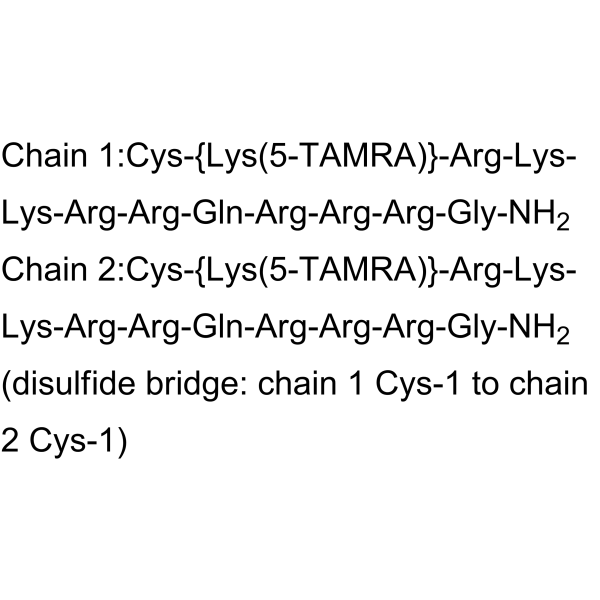
DfTat is a disulfide-linked dimeric cell-penetrating peptide derived from HIV-TAT, and can be used as a delivery enhancer. DfTat is composed of natural amino acids and is rapidly degraded intracellularly. DfTat is taken up via macropinocytosis, accumulates in late endosomes, binds to late endosomal BMP lipids, and co-delivers cell-impermeable drugs into the cytosol of live cells via endocytosis after co-incubation. DfTat can be used in research related to cytosolic drug delivery .
loading...
    loading...
Cat. No.: HY-W020678
CAS No.: 96-17-3
Synonyms: 2-Methylbutyraldehyde
Category:  

Natural Products

2-Methylbutanal (2-Methylbutyraldehyde) is a short-chain aliphatic aldehyde and a characteristic volatile biomarker that can be used to detect the urinary tract pathogen Proteus. 2-Methylbutanal is an orally active CaSR activator and ENO1 inhibitor (Kd = 4.92 μM). 2-Methylbutanal activates oral CaSR to enhance the umami and salty taste of food. 2-Methylbutanal downregulates YAP1 by inhibiting the RNA-binding function of ENO1, thereby upregulating HPGD and reducing PGE2 production, ultimately relieving immunosuppression to promote the infiltration and activation of intratumoral CD8 + T cells. 2-Methylbutanal can be used in research on bacterial infections, colorectal cancer, and food flavor modulation .
loading...
    loading...
Cat. No.: HY-137697
CAS No.: 66004-77-1
ddCTP is a type of chain-terminating deoxynucleotide. ddCTP can be incorporated into the extension primer chain that lacks the 3'-hydroxyl group, thereby terminating primer extension, viral genome replication, and DNA synthesis. ddCTP can distinguish almost identical RNA through distinguishable extension products in primer extension inhibition experiments. ddCTP is the active metabolite of Zalcitabine (HY-17392), which can competitively inhibit HIV reverse transcriptase, terminate the synthesis of viral DNA chains, and thereby inhibit HIV replication .
loading...
    loading...
Cat. No.: HY-W001952
CAS No.: 15231-91-1
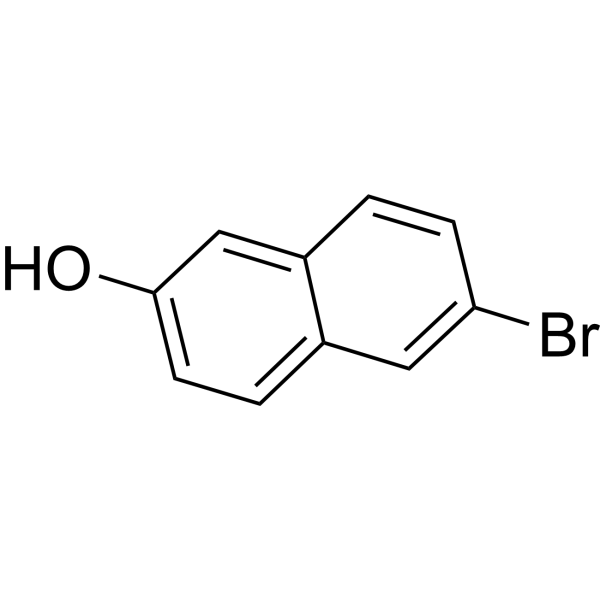
6-Bromo-2-naphthol is an RTP (real-time polymerase chain reaction) probe that forms a 1:1 or 2:1 complex with β-cyclodextrin (β-CD). 6-Bromo-2-naphthol is capable of real-time monitoring of PCR reactions and quantification of specific nucleic acid sequences. RTP probes are a class of small DNA or RNA sequences labeled with fluorescent dyes and quencher molecules, which can be widely used in gene expression analysis, SNP genotyping, and pathogen detection. 6-Bromo-2-naphthol embeds into the cyclodextrin cavity through hydrophobic interactions, inhibits the oxygen quenching effect, and emits a phosphorescent signal at room temperature. 6-Bromo-2-naphthol can also be used as an intermediate for the synthesis of antibacterial azo dyes, and its derivatives show antibacterial activity against Staphylococcus aureus, Escherichia coli and other bacteria .
loading...
    loading...
Cat. No.: HY-P10204
CAS No.: 2416664-25-8
Target:  

Wnt

Research Areas:  

Cancer

FZD7 antagonist 1 (peptide 34) is a dFz7-21 analogue. FZD7 antagonist 1 is an FZD7 antagonist that inhibits the wnt3a with IC50 value of 9.2 nM. FZD7 antagonist 1 blocks TcdB−FZD interaction via targeting FZD receptors .
loading...
    loading...
Cat. No.: HY-P11361
Target:  

Inhibitory Antibodies

Research Areas:  

Metabolic Disease

Des B30 Insulin is a bioactive insulin analogue lacking the B30 amino acid residue. Des B30 Insulin can be used for the study of diabetes .
loading...
    loading...
Cat. No.: HY-P4890
CAS No.: 1158181-62-4
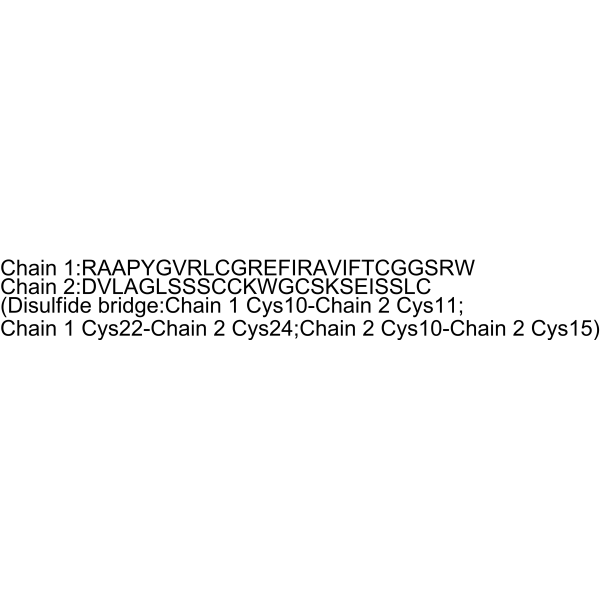
Relaxin H3 (human) is a relaxin peptide with anti-inflammatory, anti-apoptotic, anti-pyroptotic, anti-migratory, protective and anti-fibrotic activities. Relaxin H3 (human) acts on RXFP1 to generate cAMP and reduce the levels of ATP and ROS. Relaxin H3 (human) inhibits renal inflammatory pyroptosis (pyroptosis), NLRP3 inflammasome activation, caspase-1 activation, IL-1β/IL-18 secretion, collagen synthesis, TGF-β1 signaling pathway, Smad2 phosphorylation, myofibroblast differentiation, TIMP expression, and HRMEC migration. Relaxin H3 (human) activates AMPK, upregulates MFN2 expression, improves mitochondrial quality control and membrane potential, inhibits apoptosis (apoptosis) and pyroptosis, restores retinal ultrastructure, and reverses excessive left ventricular collagen expression. Relaxin H3 (human) can be used in studies related to kidney stones, nephrocalcinosis, diabetic cardiomyopathy, fibrotic cardiomyopathy, and diabetic retinopathy .
loading...
    loading...
Cat. No.: HY-P10693
CAS No.: 942626-41-7
Target:  

TNF Receptor Bacterial

Research Areas:  

Infection Inflammation/Immunology

CZEN-002 is a derivative of alpha-melanocyte-stimulating hormone that has anti-inflammatory and antibacterial properties, inhibiting the production of TNF-α .
loading...
    loading...

