47 Results for "

SLC7A11

" in MedChemExpress (MCE) Product Catalog:
Products (47)

47 Results for "SLC7A11" in MCE Product Catalog:

935
935 Publications Verification
Cat. No.: HY-15763
CAS No.: 571203-78-6
Purity:  99.62%
Research Areas:  

Cancer

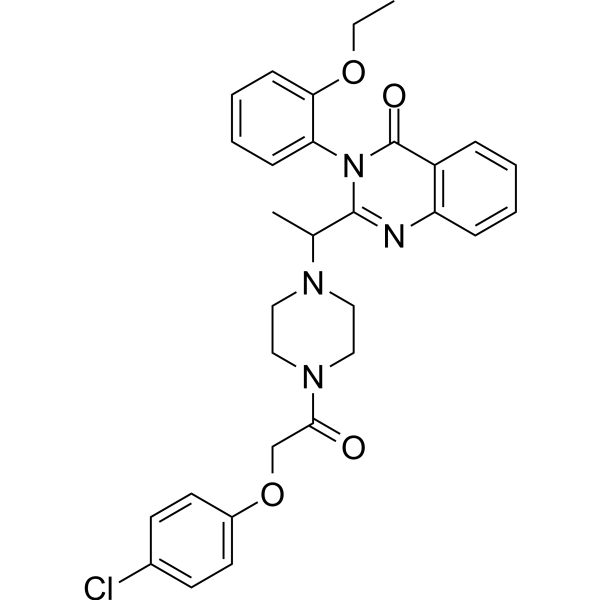
Erastin is a ferroptosis inducer. Erastin exhibits the mechanism of ferroptosis induction related to ROS and iron-dependent signaling. Erastin inhibits voltage-dependent anion channels (VDAC2/VDAC3) and accelerates oxidation, leading to the accumulation of endogenous reactive oxygen species. Erastin also disrupts mitochondrial permeability transition pore (mPTP) with anti-tumor activity. Furthermore, Erastin can block the uptake of cystine mediated by SLC7A11 and also spares UMRC6-EV and -C91A cells from disulfidptosis under glucose starvation .
loading...
    loading...
14
14 Cited Publications
Cat. No.: HY-112005
CAS No.: 4004-05-1
Purity:  98.80%
Synonyms: Dioleoylphosphatidylethanolamine; 1,2-Dioleoyl-sn-glycero-3-phosphoethanolamine
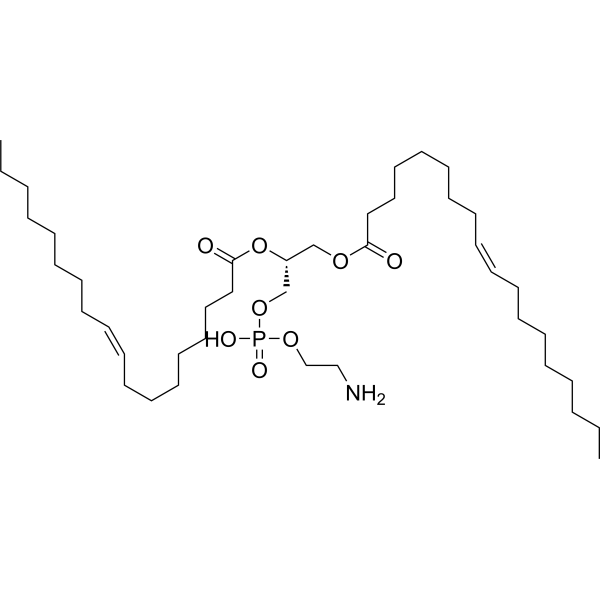
DOPE (Dioleoylphosphatidylethanolamine; 1,2-Dioleoyl-sn-glycero-3-phosphoethanolamine) is an orally active inhibitor of ferroptosis with anti-inflammatory and intestinal barrier maintenance activities. DOPE regulates the expression of ACSL4, SLC7A11 and GPX4 to restore the redox system balance, thereby reducing the levels of lipid peroxides, iron ions and intestinal inflammatory factors (IL-1β and IL-6). DOPE promotes the migration and proliferation of intestinal epithelial cells and increases the level of tight junction proteins; it also destabilizes endosomal membranes, mediates the conjugation of RVG peptides with mesenchymal stem cell-derived exosomes to enhance brain targeting. DOPE can be applied to research related to neonatal necrotizing enterocolitis and Alzheimer's disease .
loading...
    loading...
13
13 Cited Publications
Cat. No.: HY-P80935
Synonyms: CCBR1; Cysteine/glutamate transporter; SLC7A11; solute carrier family 7; xCT

Host:  

Rabbit

Application:  

WB, IP

Reactivity:  

Human, Mouse

loading...
    loading...
5
5 Cited Publications
Cat. No.: HY-N2259
CAS No.: 19431-84-6
Synonyms: (+)-Curcumenol
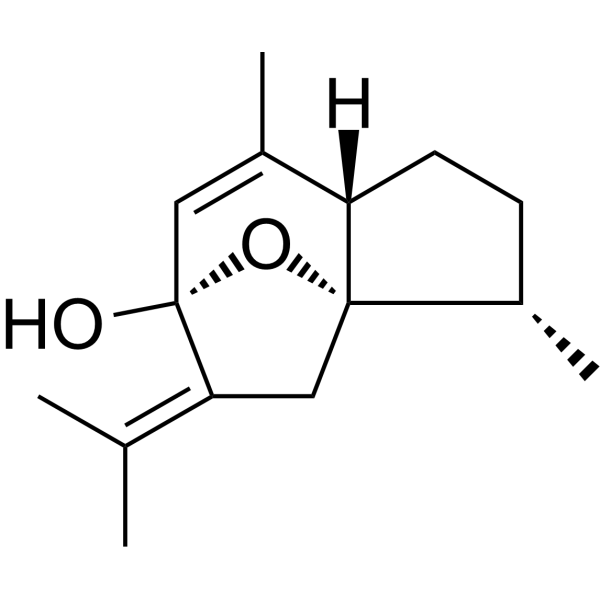
Curcumenol ((+)-Curcumenol) is a natural compound with oral efficacy, exhibiting an IC50 of 12.6 μM and a Ki of 10.8 μM against human CYP3A4. Curcumenol inhibits TNFα-induced phosphorylation/degradation of IκBα, phosphorylation/nuclear translocation of NF-κB p65, as well as the upregulation of MMP3, MMP9, MMP13, TRAF3, IL1RL1, TNFα and IL-1β. Curcumenol suppresses LPS-induced phosphorylation of Akt and p38 MAPK, as well as the production of pro-inflammatory mediators/proteins, and downregulates the SLC7A11/NF-κB/TGF-β pathway. Curcumenol binds to and inhibits the activation of Fyn and Lyn, blocks the function of downstream FcεRI signaling components, and reduces the release of allergic mediators/cytokines. Curcumenol upregulates the expression of KDM6B, and promotes chondrocyte proliferation and cartilage repair. Curcumenol induces ferroptosis and apoptosis, regulates the EMT process, and inhibits tumor growth and metastasis of triple-negative breast cancer. Curcumenol possesses anti-inflammatory, neuroprotective, antioxidant, antitumor, antiviral and hepatoprotective activities. Curcumenol can be used in research related to intervertebral disc degeneration, cancer, inflammation, central nervous system neurodegenerative diseases, allergic reactions and knee osteoarthritis .
loading...
    loading...
2
2 Cited Publications
Cat. No.: HY-W451275
CAS No.: 928712-10-1
Target:  

Apoptosis

Research Areas:  

Cancer

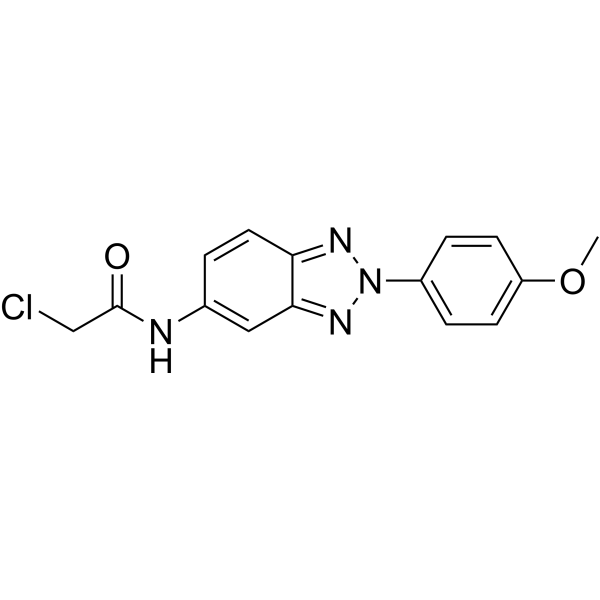
HG106 is an effective SLC7A11 inhibitor. HG106 mediates apoptosis by increasing oxidative stress and endoplasmic reticulum stress, and it has antitumor activity .
loading...
    loading...
2
2 Cited Publications
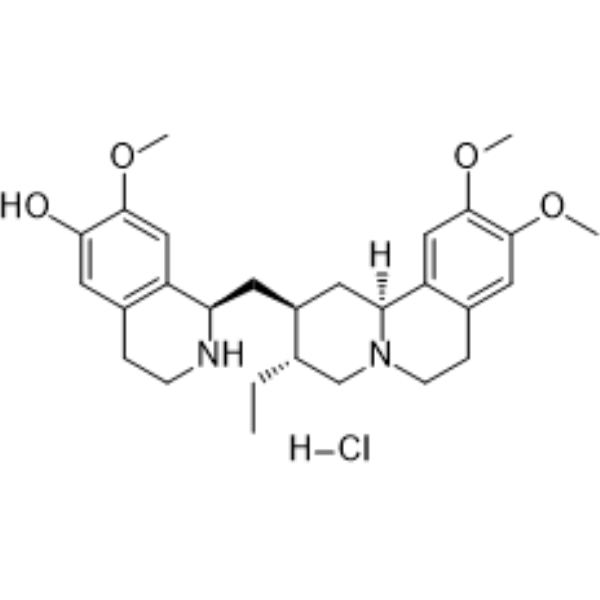
Cat. No.: HY-N4118
CAS No.: 483-17-0
Synonyms: (-)-Cephaeline; NSC 32944 free base
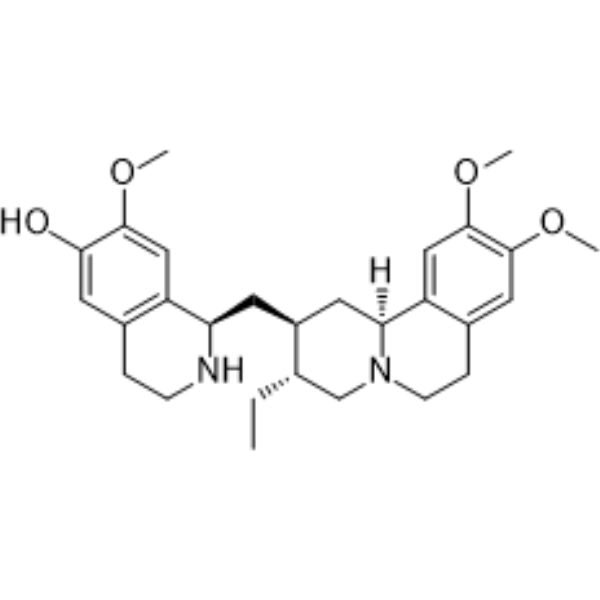
Cephaeline ((-)-Cephaeline; NSC 32944) is a ferroptosis inducer, with broad-spectrum anticancer and antiviral activities. Cephaeline induces ferroptosis (Ferroptosis) by upregulating p53, inhibiting NRF2, activating ULK3, downregulating the expressions of SLC7A11 and GPX4 in a p53-dependent manner, reducing GSH and mitochondrial membrane potential, and increasing lipid peroxidation and iron accumulation. Cephaeline inhibits cancer cell proliferation, migration and tumor growth. Cephaeline inhibits Ebola virus (EBOV) VLP entry and infection, with IC50 values of 3.27 μM and 22.18 μM respectively; it also inhibits Zika virus (ZIKV) NS5 RdRp activity (IC50 = 976 nM), and binds to severe acute respiratory syndrome coronavirus 2 (SARS-CoV-2) RdRp and N protein, with Kd values of 8.9 μM and 53.8 μM respectively. Cephaeline can be used in studies related to breast cancer, lung cancer, COVID-19, EBOV and ZIKV infections .
loading...
    loading...
2
2 Cited Publications
Cat. No.: HY-N10549
CAS No.: 83088-28-2
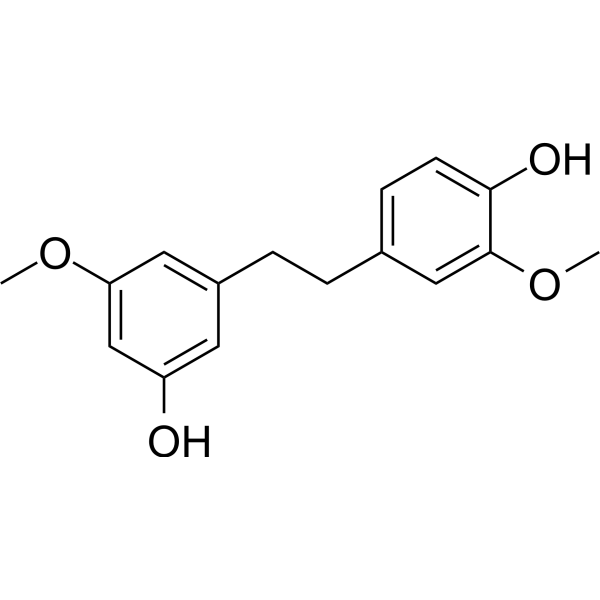
Gigantol is an orally active bibenzyl compound. Gigantol targets MYC to promote its ubiquitin-proteasomal degradation and inhibit the growth of lung cancer cells. Gigantol exerts anti-lung cancer activity by inducing ferroptosis (Ferroptosis) via the SLC7A11-GPX4 axis. Gigantol restores the sensitivity of mcr-harboring multidrug-resistant bacteria to colistin. Gigantol ameliorates carbon tetrachloride-induced liver injury by inhibiting the activation of the JNK/cPLA2/12-LOX inflammatory pathway. Gigantol promotes cholesterol metabolism and progesterone biosynthesis in Leydig cells. Gigantol can be used in studies related to diseases such as lung cancer, multidrug-resistant Gram-negative bacterial infections, and acute liver injury .
loading...
    loading...
2
2 Cited Publications
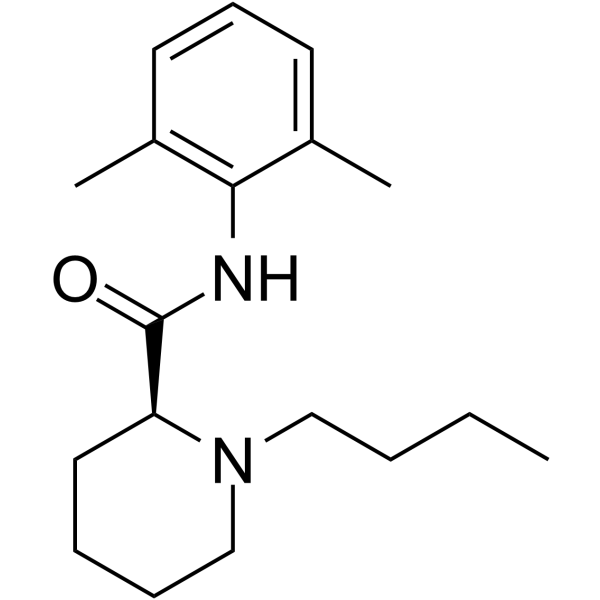
Cat. No.: HY-B0653A
CAS No.: 27262-48-2
Synonyms: (S)-(-)-Bupivacaine monohydrochloride
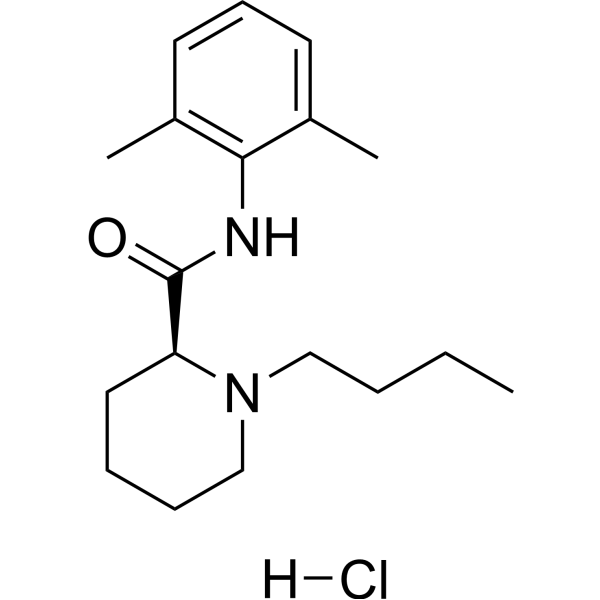
Levobupivacaine hydrochloride ((S)-(-)-Bupivacaine monohydrochloride) is a long-acting amide local agent that can suppress or relieve pain. Levobupivacaine hydrochloride exerts agent that can suppress or relieve pain. and analgesic effects through reversible blockade of neuronal sodium channel. Levobupivacaine hydrochloride can inhibit impulse transmission and conduction in cardiovascular and other tissues, possessing certain cardiac and CNS toxicity. Levobupivacaine hydrochloride is metabolized by hepatic cytochrome P450 (CYP450) enzymes in vivo. Levobupivacaine hydrochloride can also induce ferroptosis by miR-489-3p/SLC7A11 signaling in gastric cancer .
loading...
    loading...
2
2 Cited Publications
Cat. No.: HY-145733
CAS No.: 2247061-09-0
Purity:  99.62%
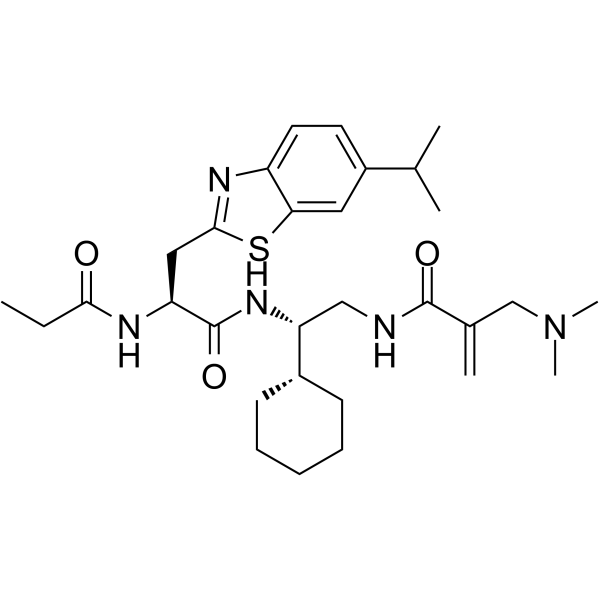
DI-1859 is a DCN1 and cullin 3 inhibitor with a Ki of <1 nM against human DCN1. DI-1859 forms a covalent bond with Cys115 of DCN1, cleaves its dimethylamino group, disrupts the DCN1-UBC12 interaction, and selectively inhibits the neddylation modification of cullin 3 relative to other cullins. DI-1859 inactivates CRL3, promotes the accumulation of NRF2 and SLC7A11, upregulates the expression of HO-1 and NQO1, reduces reactive oxygen species (ROS) levels, enhances insulin signaling, promotes insulin secretion, activates RhoA, regulates the phosphorylation of AKT, without completely blocking the neddylation modification of cullin 3 or restoring the expression of IRS-1. DI-1859 can be used in the research of Acetaminophen (HY-66005)-induced hepatotoxicity, hyperglycemia, metabolic dysfunction-associated steatotic liver disease, insulin resistance, breast cancer and lung cancer .
loading...
    loading...
2
2 Cited Publications
Cat. No.: HY-B0653
CAS No.: 27262-47-1
Synonyms: (S)-(-)-Bupivacaine
Research Areas:  

Neurological Disease Cancer

Levobupivacaine ((S)-(-)-Bupivacaine) is a long-acting amide local agent that can suppress or relieve pain. Levobupivacaine exerts agent that can suppress or relieve pain. and analgesic effects through reversible blockade of neuronal sodium channel. Levobupivacaine can inhibit impulse transmission and conduction in cardiovascular and other tissues, possessing certain cardiac and CNS toxicity. Levobupivacaine is metabolized by hepatic cytochrome P450 (CYP450) enzymes in vivo. Levobupivacaine can also induce ferroptosis by miR-489-3p/SLC7A11 signaling in gastric cancer .
loading...
    loading...
2
2 Cited Publications
Cat. No.: HY-N2076
CAS No.: 3738-70-3
Synonyms: (-)-Cephaeline hydrochloride; NSC 32944 monohydrochloride
Cephaeline hydrochloride ((-)-Cephaeline (hydrochloride); NSC 32944 (monohydrochloride)) is a ferroptosis inducer, with broad-spectrum anticancer and antiviral activities. Cephaeline hydrochloride induces Ferroptosis by upregulating p53, inhibiting NRF2, activating ULK3, downregulating the expressions of SLC7A11 and GPX4 in a p53-dependent manner, reducing GSH and mitochondrial membrane potential, and increasing lipid peroxidation and iron accumulation. Cephaeline hydrochloride inhibits cancer cell proliferation, migration and tumor growth. Cephaeline hydrochloride inhibits Ebola virus (EBOV) VLP entry and infection, with IC50 values of 3.27 μM and 22.18 μM respectively; it also inhibits Zika virus (ZIKV) NS5 RdRp activity (IC50 = 976 nM), and binds to severe acute respiratory syndrome coronavirus 2 (SARS-CoV-2) RdRp and N protein, with Kd values of 8.9 μM and 53.8 μM respectively. Cephaeline hydrochloride can be used in studies related to breast cancer, lung cancer, COVID-19, EBOV and ZIKV infections .
loading...
    loading...
1
1 Cited Publications
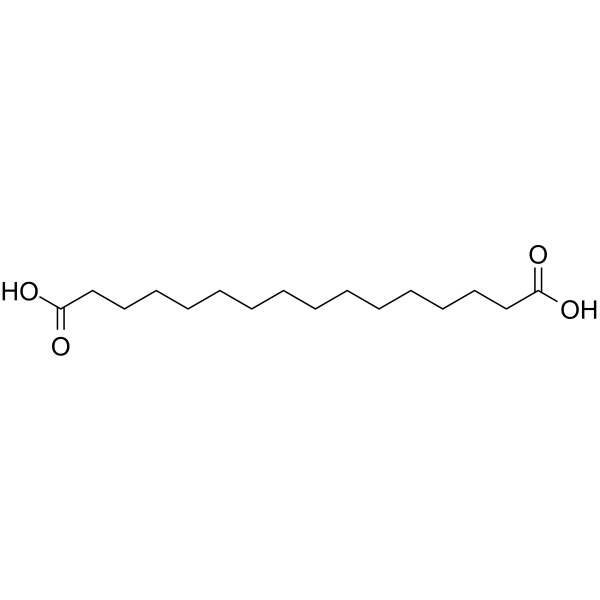
Cat. No.: HY-W018161
CAS No.: 505-54-4
Synonyms: Thapsic acid
Hexadecanedioic acid (Thapsic acid) is an orally active metabolite produced by B. uniformis. Hexadecanedioic acid inhibits IRE1α-XBP1s-mediated flipogenesis and ferroptosis. Hexadecanedioic acid downregulates XBP1 and Hrd1 expression, activates the Nrf2/SLC7A11/GPX4 pathway. Hexadecanedioic acid can be used for the research of metabolic-associated fatty liver disease .
loading...
    loading...
1
1 Cited Publications
Cat. No.: HY-P702444
Purity:  ≥ 90%, as determined by reducing SDS-PAGE.
Synonyms: SLC7A11; Cystine/Glutamate Transporter; Solute Carrier Family 7 Member 11; Solute Carrier Family 7, (Cationic Amino Acid Transporter, Y+ System) Member 11; XCT; Uncharacterized Protein SLC7A11; Solute Carrier Family 7 (Anionic Amino Acid Transporter Light
Species:  
Human
Source:  
E. coli Cell-free
loading...
    loading...
1
1 Cited Publications
Cat. No.: HY-P80523
Synonyms: Cystine/glutamate transporter, Amino acid transport system xc-, Calcium channel blocker resistance protein CCBR1, Solute carrier family 7 member 11, xCT, SLC7A11

Host:  

Mouse

Application:  

WB, IHC-P, ICC/IF, FC

Reactivity:  

Human, Mouse

loading...
    loading...
Cat. No.: HY-175032
CAS No.: 2952703-90-9
ATF3-IN-1 is a ferroptosis and ATF3 inhibitor. ATF3-IN-1 inhibits oxidative stress and ferroptosis through the ATF3/SLC7A11/GPX4 pathway, exerting anti-ischemic stroke effects. ATF3-IN-1 can attenuate ischemia/reperfusion (I/R) injury and improve neuronal survival. ATF3-IN-1 has neuroprotective effects and can be used to study ischemic stroke .
loading...
    loading...
Cat. No.: HY-149979
CAS No.: 3049302-90-8
Purity:  97.06%
Target:  

Apoptosis

Research Areas:  

Cancer

SLC7A11-IN-1 is a potent solute carrier family 7 member 11 (SLC7A11, xCT) inhibitor. SLC7A11-IN-1 shows antiproliferative activity. SLC7A11-IN-1 inhibits cell invasion and metastasis. SLC7A11-IN-1 induces Apoptosis and cell cycle arrest at S-phase. SLC7A11-IN-1 shows anti-tumor activity .
loading...
    loading...
Cat. No.: HY-RS13325
Research Areas:  

Others

SLC7A11 Human Pre-designed siRNA Set A contains three designed siRNAs for SLC7A11 gene (Human), as well as a negative control, a positive control, and a FAM-labeled negative control.

loading...
    loading...
Cat. No.: HY-W402682
CAS No.: 1695562-36-7
Research Areas:  

Neurological Disease Cancer

SXC2023 is a glutamatergic reagent and cystine-glutamate antiporter (System xc −) activator. SXC2023 can affect SLC7A11. SXC2023 is applicable to the research of colorectal cancer and trichotillomania .
loading...
    loading...
Cat. No.: HY-169056
CAS No.: 14668-59-8
Research Areas:  

Cancer

SLC7A11-IN-2 (Compound 1) is an SLC7A11/xCT inhibitor. SLC7A11-IN-2 induces cell death in HeLa cells by lowering intracellular glutathione levels and increasing oxidative stress, thereby disrupting the oxidative balance within the cells, with an IC50 value of 10.23 μM. Molecular dynamics simulation analysis indicates that SLC7A11-IN-2 has a stronger binding affinity to SLC7A11 compared to Erastin (HY-15763). SLC7A11-IN-2 can be utilized in research within the field of cervical cancer .
loading...
    loading...
Cat. No.: HY-161116
CAS No.: 2306525-79-9
AD-5584 is a selective and blood-brain barrier-penetrant ACSS2 inhibitor (IC50 = 0.86 μM). AD-5584 binds to the nucleotide-binding pocket of ACSS2, blocking CoA binding and acetyl transfer through steric hindrance, thereby inhibiting the conversion of acetate to acetyl-CoA. AD-5584 decreases acetyl-CoA levels, lipid droplet content, FASN expression, E2F1, SLC7A11, and GPX4 levels, and reduces E2F1 occupancy at the SLC7A11 promoter. AD-5584 induces ferroptosis, lipid peroxidation, malondialdehyde accumulation, and cell death, and decreases clonogenic survival and proliferative capacity. AD-5584 can be used for research on breast cancer brain metastasis .
loading...
    loading...

