

43 Results for "

T helper

" in MedChemExpress (MCE) Product Catalog:
Products (43)

43 Results for "T helper" in MCE Product Catalog:

6
6 Cited Publications
Cat. No.: HY-N0394
CAS No.: 56-89-3
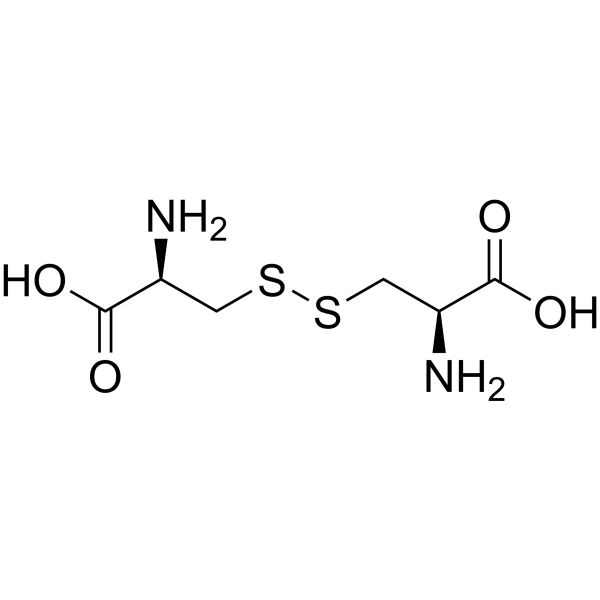
L-Cystine is an orally active extracellular form of L-Cysteine (HY-Y0337), occurring in proteins of plants and animals. L-Cystine elevates Nrf2 protein expression and activates Nrf2 transcription factor. L-cystine reduces ROS generation and protects against oxidant- or Doxorubicin (HY-15142A)-induced apoptosis. L-Cystine combined with L-theanine (HY-15121) enhances the production of antigen-specific IgG by increasing glutathione (GSH) levels and T helper 2 (Th2) mediated responses in mice. L-Cystine is promising for research of cystinuria and kidney stones
loading...
    loading...
6
6 Cited Publications
Cat. No.: HY-W009203
CAS No.: 30925-07-6
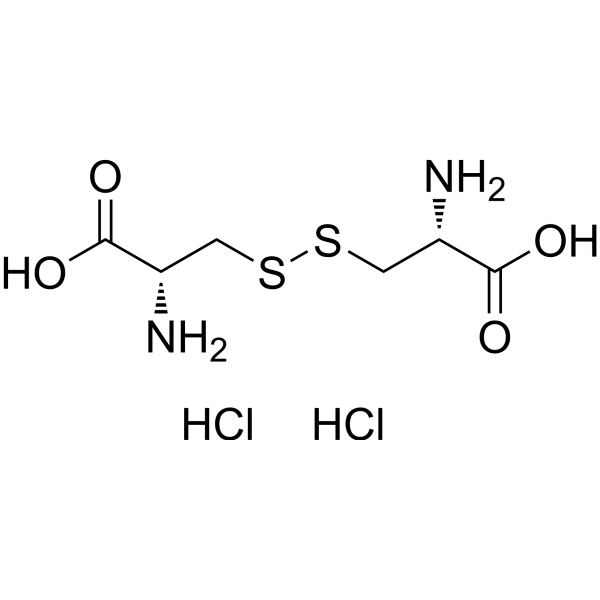
L-Cystine dihydrochloride is the dihydrochloride salt form of L-Cystine (HY-N0394). L-Cystine dihydrochloride elevates Nrf2 protein expression and activates Nrf2 transcription factor. L-cystine dihydrochloride reduces ROS generation and protects against oxidant- or Doxorubicin (HY-15142A)-induced apoptosis. L-Cystine dihydrochloride combined with L-theanine (HY-15121) enhances the production of antigen-specific IgG by increasing glutathione (GSH) levels and T helper 2 (Th2) mediated responses in mice. L-Cystine dihydrochloride is promising for research of cystinuria and kidney stones
loading...
    loading...
3
3 Cited Publications
Cat. No.: HY-138113
CAS No.: 477888-48-5
Purity:  98.61%
Pyrrothiogatain is a transcription factor GATA3 inhibitor with an IC50 of 54.7 μM. Pyrrothiogatain inhibits the DNA-binding activity of GATA3 and inhibits the T helper 2 (Th2) cell differentiation and expression of Th2 cytokines. Pyrrothiogatain shows anti-infection effect by inhibiting ACE2 expression. Pyrrothiogatain can be used for the researches of inflammation, immunology, infection and cancer, such as colon cancer and SARS-CoV-2 infection .
loading...
    loading...
2
2 Cited Publications
Cat. No.: HY-109520
CAS No.: 147245-92-9
Purity:  ≥98.0%
Target:  

MHC

Research Areas:  

Inflammation/Immunology Cancer

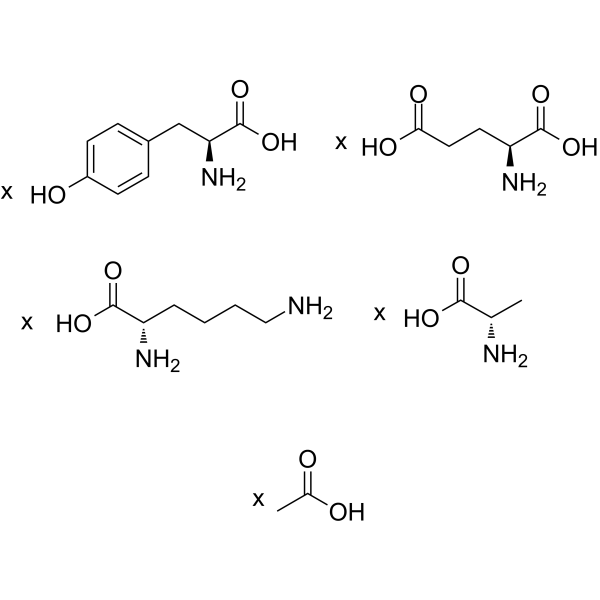
Glatiramer acetate, a synthetic analogue of myelin basic protein and an immunomodulating agent, inhibits Experimental autoimmune encephalomyelitis (EAE), and can be used for the research of multiple sclerosis. Glatiramer acetate exhibits strong and promiscuous binding to MHC molecules and consequent competition with various myelin antigens for their presentation to T cells. A further aspect of its action is potent induction of specific suppressor cells of the T helper 2 (Th2) type that migrate to the brain and lead to in situ bystander suppression .
loading...
    loading...
Cat. No.: HY-172736
CAS No.: 3005272-36-3
Synonyms: BMS-986458
Target:  

PROTACs BCL6 CD20

Research Areas:  

Cancer

Toviblideg (BMS-986458) is a highly selective, orally active cereblon-based BCL6 PROTAC degrader and antitumor agent. Toviblideg selectively degrades BCL6 by binding cereblon to the BTB domain of BCL6, thereby regulating the cell cycle, antiproliferative and interferon signaling pathways, and upregulating the expression and distribution of CD20. Toviblideg modulates the phenotype of follicular helper T cells and reduces circulating tumor DNA levels. The combination of Toviblideg with CD20xCD3 bispecific antibody also enhances the efficiency of T cell tumor infiltration and expansion. Toviblideg induces regression of BCL6-positive tumors and prolongs survival, and it is suitable for research related to B-cell non-Hodgkin lymphoma, diffuse large B-cell lymphoma, follicular lymphoma, and relapsed/refractory lymphoma .
loading...
    loading...
Cat. No.: HY-E70562
Target:  

Bacterial

Research Areas:  

Infection Cancer

Mucinase StcE is a zinc metalloproteinase belonging to the M66 family, which is secreted by enterohemorrhagic Escherichia coli via the type II general secretion pathway. Mucinase StcE specifically recognizes and cleaves the 'T*XT' motif in mucin-type glycoproteins with α-O-glycans (such as MUC2, Mucin 7, Glycoprotein 340, CD45, CD43, C1 Esterase Inhibitor (HY-P991629), etc.). By degrading the mucus layer to reduce its viscosity, inhibiting complement cascade activation, and localizing complement regulatory factors to the cell membrane, Mucinase StcE helps bacteria penetrate the mucosal barrier, adhere to host cells, and evade immune clearance. Mucinase StcE can serve as a mucin-specific proteolytic tool for research on mucinous carcinomas derived from the colon, esophagus, and salivary glands .
loading...
    loading...
Cat. No.: HY-E70094
Target:  

DNA/RNA Synthesis

Research Areas:  

Others

T4 UvsX Recombinase helps initiate DNA replication on a double-stranded DNA template by catalyzing synapsis between the template and a homologous DNA single strand that serves as primer. T4 UvsX Recombinase greatly amplifies the snap-back (hairpin-primed) DNA synthesis that is catalyzed by the T4 DNA polymerase holoenzyme on linear, single-stranded DNA templates .
loading...
    loading...
Cat. No.: HY-101096
CAS No.: 953778-58-0
Purity:  99.96%
Synonyms: MK-8998; CX-8998; JZP385
Target:  

Calcium Channel

Research Areas:  

Neurological Disease Cancer

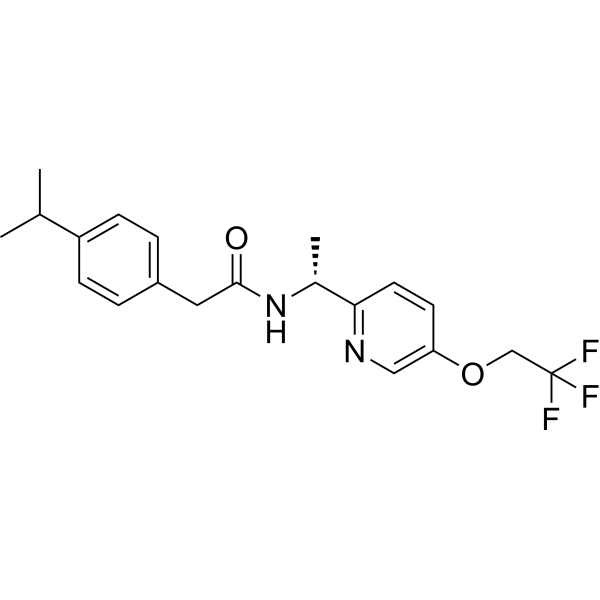
Suvecaltamide (MK-8998) is a selective T-type calcium channel inhibitor with oral efficacy. Suvecaltamide exhibits no cytotoxicity in myeloma cell lines and does not affect the antitumor efficacy of Bortezomib (BTZ). Suvecaltamide reverses BTZ-induced peripheral neuropathy (CIPN) in mouse and rat models, and helps inhibit myeloma growth .
loading...
    loading...
Cat. No.: HY-W099547
CAS No.: 2197-63-9
Target:  

Liposome

Research Areas:  

Others

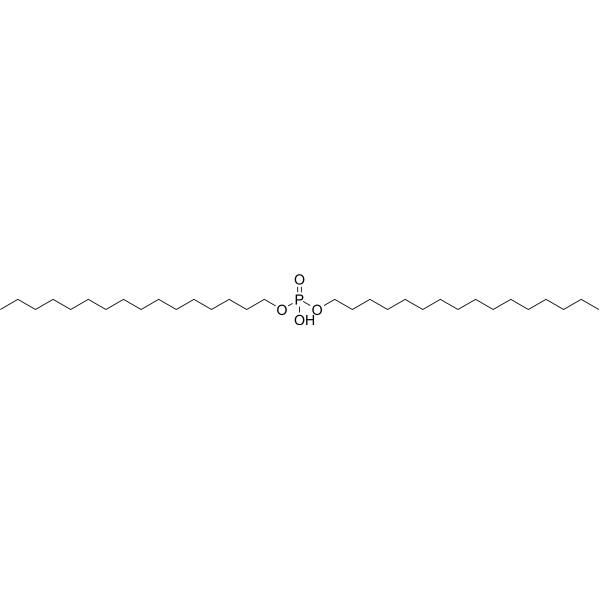
Dihexadecyl hydrogen phosphateIt is an organic compound belonging to phospholipids. It's often used as an emulsifier, which means it helps mix two substances together that don't usually mix well, such as oil and water. Dihexadecyl hydrogen phosphateIt has several applications in the food industry, especially in the production of processed foods where it improves texture and stability. Additionally, it has applications in the pharmaceutical industry where it can be used ain the generation of micelles, liposomes, and other types of artificial membranes.
loading...
    loading...
Cat. No.: HY-P990053
CAS No.: 2645437-82-5
Synonyms: GSK-6097608
Nelistotug (GSK-6097608) is a human IgG1κ antibody targeting CD96. Nelistotug helps T cells and natural killer cells kill cancer cells by blocking CD96 .
loading...
    loading...
Cat. No.: HY-P2514
CAS No.: 410527-75-2
Target:  

MHC

Research Areas:  

Inflammation/Immunology Cancer

TET 830 modified/T-helper epitope from tetanus toxoid is a modified T-helper epitope peptide and an HLA-DR/MHC class II-restricted tetanus helper epitope. TET 830 modified/T-helper epitope from tetanus toxoid is used in the research of melanoma and ovarian cancer .
loading...
    loading...
Cat. No.: HY-B1883
CAS No.: 23950-58-5
Synonyms: Kerb; RH 315
Propyzamide (Kerb) is an orally active inhibitor of β-tubulin and AHR signaling pathways. Propyzamide binds β-tubulin at the intradimer interface, disrupting microtubule assembly, leading to mitotic arrest and multipolar spindle formation. Propyzamide enhances C/EBPβ and NF-κB signaling, promoting colitogenic helper T cell differentiation and interleukin-17/interferon gamma-expressing colonic T cells. Propyzamide can be used in research on colitis, inflammatory bowel disease, and liver cancer .
loading...
    loading...
Cat. No.: HY-161982
CAS No.: 3079468-41-7
Target:  

TNF Receptor

Research Areas:  

Cancer

JNU-0921 is a potent and orally active CD137 agonist. JNU-0921 increases the mRNA expression of IFN-γ and GZMB. JNU-0921 induces luciferase activity with an EC50 value of 64.07 nM.JNU-0921 enhances effector and memory function of cytotoxic CD8 + T cells (CTLs) and alleviates their exhaustion. JNU-0921 also skews polarization of helper T cells toward T helper 1 type and enhances their activity to boost CTL function. JNU-0921 shows anticancer activity .
loading...
    loading...
Cat. No.: HY-163480
CAS No.: 2796997-12-9

Target:  

CXCR

Research Areas:  

Inflammation/Immunology

PF-06835375 is a selective, humanized CXCR5-targeting immunoglobulin G1 antibody. PF-06835375 depletes CXCR5-positive B cells, follicular helper T cells and circulating Tfh-like cells. PF-06835375 is applicable to research related to autoimmune diseases .
loading...
    loading...
Cat. No.: HY-B1044
CAS No.: 20098-14-0
Synonyms: Kemantane; 5-Hydroxy-2-adamantanone
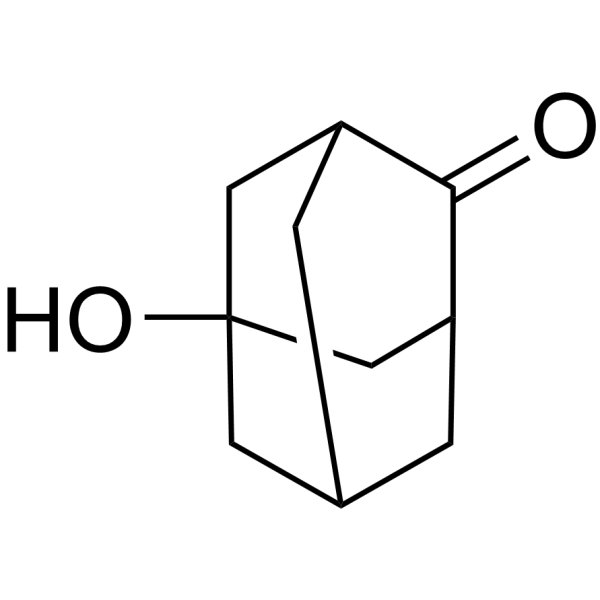
Idramantone (Kemantane, 5-Hydroxy-2-adamantanone) is an adamantane-based immunomodulator. Idramantone increases the activity of T helper cells by 1.5 to 2-fold, but exerts no significant effect on the functional activity, induction or accumulation of antigen-specific T suppressor cells. Idramantone serves as a key intermediate for the synthesis of various adamantane derivatives, and can be produced via the regioselective oxidation of 2-adamantanone catalyzed by P450cam monooxygenase, a process that relies on an NADH regeneration system to provide reducing equivalents. Idramantone can be used in studies related to immunomodulation .
loading...
    loading...
Cat. No.: HY-W009356
CAS No.: 34760-60-6
L-Cystine hydrochloride is an orally active extracellular form of L-Cysteine (HY-Y0337), occurring in proteins of plants and animals. L-Cystine hydrochloride elevates Nrf2 protein expression and activates Nrf2 transcription factor. L-Cystine hydrochloride reduces ROS generation and protects against oxidant- or Doxorubicin (HY-15142A)-induced apoptosis. L-Cystine hydrochloride combined with L-theanine (HY-15121) enhances the production of antigen-specific IgG by increasing glutathione (GSH) levels and T helper 2 (Th2) mediated responses in mice. L-Cystine hydrochloride is promising for research of cystinuria and kidney stones
loading...
    loading...
Cat. No.: HY-N0394R
CAS No.: 56-89-3
L-Cystine (Standard) is the analytical standard of L-Cystine. This product is intended for research and analytical applications. L-Cystine, the extracellular form of L-Cysteine (HY-Y0337), is a nutritionally dispensable semiessential sulfur-containing amino acid, occurring in proteins of plants and animals. L-Cystine induces Nrf2 protein elevation in a Keap1 (HY-P75897)-dependent manner and activates Nrf2 transcription factor. L-cystine can elicit cytoprotection by reducing ROS generation and protecting against oxidant- or doxorubicin-induced apoptosis. The reduced reabsorption of L-Cystine in renal tubules and its poor solubility in urine are the important causes of cystine precipitation and cystine crystal formation eventually leading to kidney stones. L-Cystine combined with L-theanine (HY-15121) enhances the production of antigen-specific IgG by increasing glutathione (GSH) levels and T helper 2 (Th2) mediated responses in mice. L-Cystine is promising for research of cystinuria and cystinosis
loading...
    loading...
Cat. No.: HY-P10424
CAS No.: 2378606-21-2
Target:  

PD-1/PD-L1

Research Areas:  

Cancer

OPBP-1 is a D-peptide obtained by phage display screening, molecular docking and molecular dynamics simulation. OPBP-1 has high stability and strong antitumor and oral activity. OPBP-1 can selectively bind PD-L1 protein, significantly block the interaction between PD-1 and PD-L1, and this blocking effect helps to restore and improve the function of T lymphocytes and reduce the proportion of bone marrow derived suppressor cells (MDSCs) to combat tumor-induced immune escape. OPBP-1 can be used in cancer immunotherapy research .
loading...
    loading...
Cat. No.: HY-174613
Target:  

mRNA

Research Areas:  

Inflammation/Immunology

Human IL27 mRNA encodes the human interleukin 27 (IL27) protein, one of the subunits of a heterodimeric cytokine complex. IL-27 has pro- and anti-inflammatory properties, that can regulate T-helper cell development, suppress T-cell proliferation, stimulate cytotoxic T-cell activity and induce isotype switching in B-cells.
loading...
    loading...
Cat. No.: HY-106755
CAS No.: 84290-27-7
Purity:  98.95%
Synonyms: BWA589C
Target:  

HIV

Research Areas:  

Infection Cancer

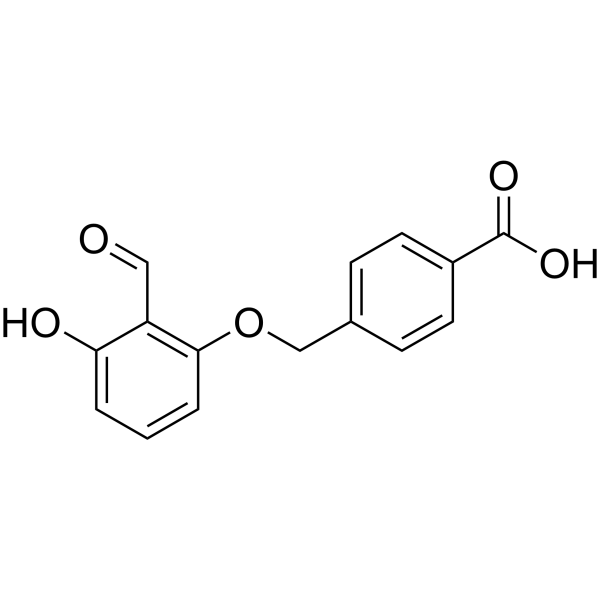
Tucaresol is an orally bioavailable immunopotentiatory drug that show to enhance T-helper-cell activity, with the induction of increased IL-2 and IFN-γ levels in mice and humans. Tucaresol has anti-HIV effect .
loading...
    loading...

