

78 Results for "

alveolar

" in MedChemExpress (MCE) Product Catalog:
Products (78)

78 Results for "alveolar" in MCE Product Catalog:

7
7 Publications Verification
Cat. No.: HY-P7224
Purity:  ≥ 95%, as determined by reducing SDS-PAGE.
Synonyms: CXCL8; Lung Giant Cell Carcinoma-Derived Chemotactic Protein; Prev. IL8; alveolar Macrophage Chemotactic Factor I; MDNCF; Tumor Necrosis Factor-Induced Gene 1; NAP-1; Neutrophil-Activating Peptide 1; MONAP; T-Cell Chemotactic Factor; GCP-1; Interleukin 8; Monocyte-Derived Neutrophil Chemotactic Factor; Interleukin-8; Monocyte-Derived Neutrophil-Activating Peptide; Emoctakin; Granulocyte Chemotactic Protein 1; AMCF-I; Chemokine (C-X-C Motif) Ligand 8; B-ENAP; SCYB8; TSG-1; LYNAP; 3-10C; LUCT; K60; LECT; Small Inducible Cytokine Subfamily B, Member 8; IL-8; Beta-Thromboglobulin-Like Protein; GCP1; Neutrophil-Activating Protein 1; NAP1; C-X-C Motif Chemokine 8; NAF; C-X-C Motif Chemokine; Beta Endothelial Cell-Derived Neutrophil Activating Peptide; Protein 3-10C; C-X-C Motif Chemokine Ligand 8; Lymphocyte Derived Neutrophil Activating Peptide
Species:  
Human
Source:  
E. coli
loading...
    loading...
4
4 Cited Publications
Cat. No.: HY-P70569
Purity:  ≥ 95%, as determined by reducing SDS-PAGE.
Synonyms: CXCL8; Lung Giant Cell Carcinoma-Derived Chemotactic Protein; Prev. IL8; alveolar Macrophage Chemotactic Factor I; MDNCF; Tumor Necrosis Factor-Induced Gene 1; NAP-1; Neutrophil-Activating Peptide 1; MONAP; T-Cell Chemotactic Factor; GCP-1; Interleukin 8; Monocyte-Derived Neutrophil Chemotactic Factor; Interleukin-8; Monocyte-Derived Neutrophil-Activating Peptide; Emoctakin; Granulocyte Chemotactic Protein 1; AMCF-I; Chemokine (C-X-C Motif) Ligand 8; B-ENAP; SCYB8; TSG-1; LYNAP; 3-10C; LUCT; K60; LECT; Small Inducible Cytokine Subfamily B, Member 8; IL-8; Beta-Thromboglobulin-Like Protein; GCP1; Neutrophil-Activating Protein 1; NAP1; C-X-C Motif Chemokine 8; NAF; C-X-C Motif Chemokine; Beta Endothelial Cell-Derived Neutrophil Activating Peptide; Protein 3-10C; C-X-C Motif Chemokine Ligand 8; Lymphocyte Derived Neutrophil Activating Peptide
Species:  
Human
Source:  
HEK293
loading...
    loading...
3
3 Cited Publications
Cat. No.: HY-P7379
Purity:  ≥ 95%, as determined by reducing SDS-PAGE.
Synonyms: CXCL8; Lung Giant Cell Carcinoma-Derived Chemotactic Protein; Prev. IL8; alveolar Macrophage Chemotactic Factor I; MDNCF; Tumor Necrosis Factor-Induced Gene 1; NAP-1; Neutrophil-Activating Peptide 1; MONAP; T-Cell Chemotactic Factor; GCP-1; Interleukin 8
Species:  
Human
Source:  
CHO
loading...
    loading...
2
2 Cited Publications
Cat. No.: HY-146148
CAS No.: 52348-60-4
Purity:  98.99%
Target:  

Histone Demethylase

Research Areas:  

Cancer

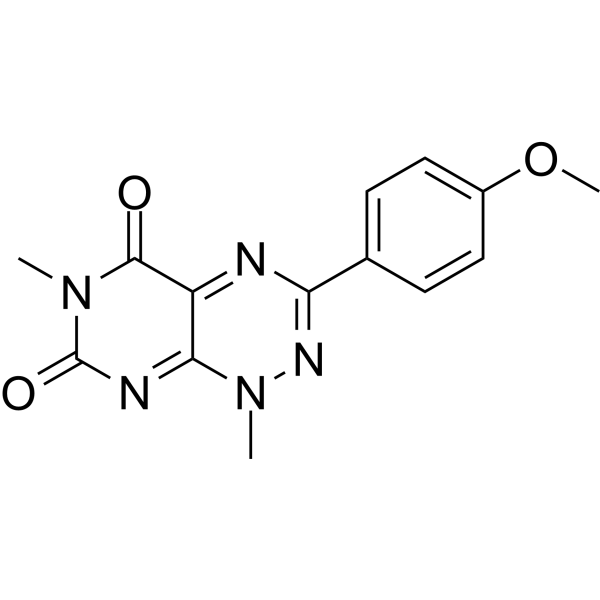
KDM4C-IN-1 is a histone lysine demethylase KDM4C inhibitor with an IC50 of 8 nM. KDM4C-IN-1 inhibits cancer cell proliferation. KDM4C-IN-1 can be used in the research of hepatocellular carcinoma and adenocarcinoma alveolar basal epithelial carcinoma .
loading...
    loading...
2
2 Cited Publications
Cat. No.: HY-19655
CAS No.: 205110-48-1
Synonyms: ABT-773; Abbott-195773; A-195773
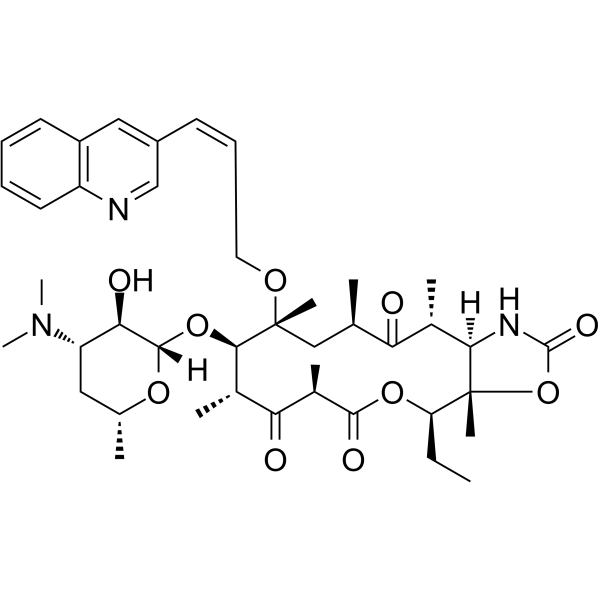
Cethromycin (ABT-773; Abbott-195773) is an orally effective ketolide antibiotic with broad-spectrum antibacterial activity. Cethromycin binds to domains II/V of the 23S rRNA of the 50S subunit, inhibiting bacterial protein synthesis. Cethromycin can accumulate in lung tissue, alveolar macrophages, epithelial lining fluid, and human polymorphonuclear leukocytes. Cethromycin exhibits potent in vitro activity against a variety of respiratory pathogens, including Mycoplasma pneumoniae. Cethromycin exhibits significant intracellular and pulmonary enrichment and anti-inflammatory effects against mycoplasma pneumonia in mouse models, improving airway obstruction and airway hyperresponsiveness. Cethromycin disrupts the apicoplast and reduces liver-stage parasite burden during the liver stage of Plasmodium berghei. Cethromycin can be used in research related to pneumonia, Staphylococcus aureus infection, gonorrhea, and malaria .
loading...
    loading...
1
1 Cited Publications
Cat. No.: HY-N6777
CAS No.: 90-65-3
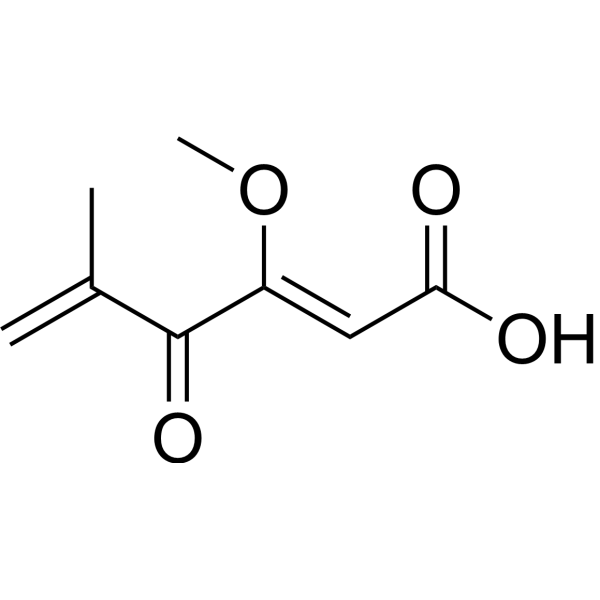
Penicillic acid is a polyketide mycotoxin produced by several species of Aspergillus and Penicillium. Penicillic acid exhibits cytotoxicity in rat alveolar macrophages (AM) in vitro. Penicillic acid inhibits Fas ligand-induced apoptosis by blocking self-processing of caspase-8 .
loading...
    loading...
1
1 Cited Publications
Cat. No.: HY-122308
CAS No.: 58139-23-4
Purity:  99.94%
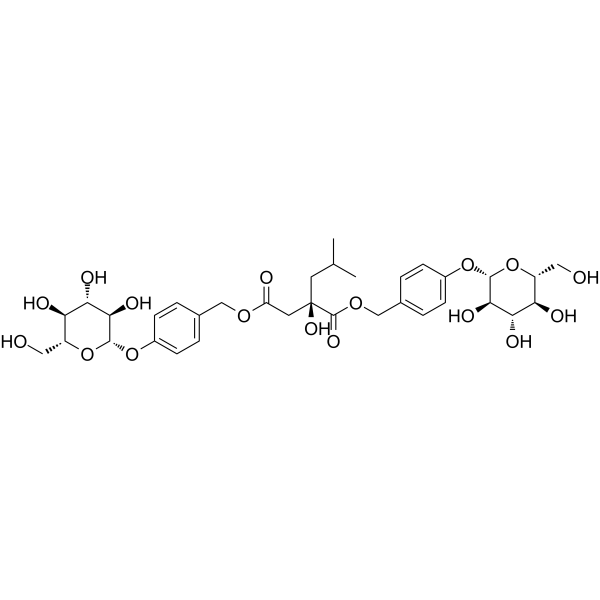
Militarine is a plant growth inhibitor and anti-inflammatory agent. Militarine inhibits the elongation of radicles and hypocotyls in seedlings of lettuce, Italian ryegrass and timothy grass. Militarine alleviates PM2.5-induced inflammatory injury and inhibits cell migration in human alveolar epithelial A549 cells by inhibiting the NF-κB signaling pathway, reducing oxidative stress and the release of inflammatory factors. Militarine can be used in studies related to PM2.5-induced pulmonary diseases .
loading...
    loading...
1
1 Cited Publications
Cat. No.: HY-156562A
CAS No.: 2906227-87-8
Purity:  99.91%
Synonyms: 5-Propargyltryptamide formic
Target:  

Drug Derivative

Research Areas:  

Inflammation/Immunology

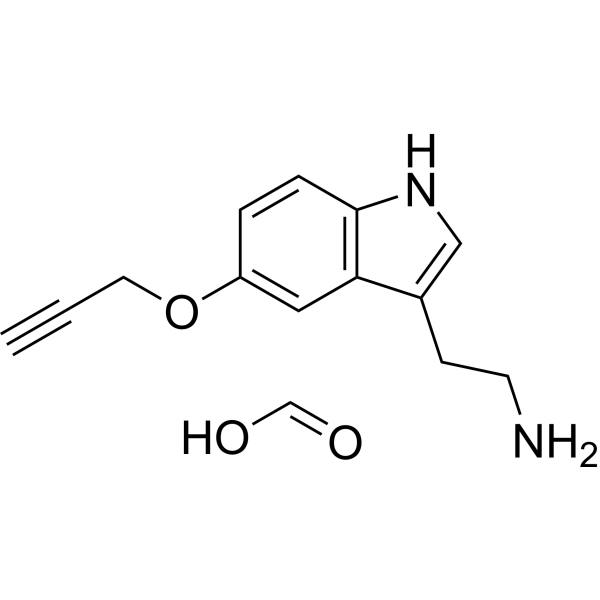
5-PT (5-Propargyltryptamide) formic is an alkyne-functionalized 5-HT (HY-B1473A) derivative and serotonylation substrate, taken up by living cells. 5-PT formic conjugated to a biotin enables identification of serotonylated proteins via copper-click chemistry and mass spectrometry. 5-PT formic labels and isolates serotonylated cells in alveolar epithelial cells for proteomic analysis. 5-PT formic can be used for the research of bronchopulmonary dysplasia .
loading...
    loading...
Cat. No.: HY-113491
CAS No.: 820-11-1
Purity:  99.88%
Synonyms: 3-PGA; 3-Glycerophosphoric acid
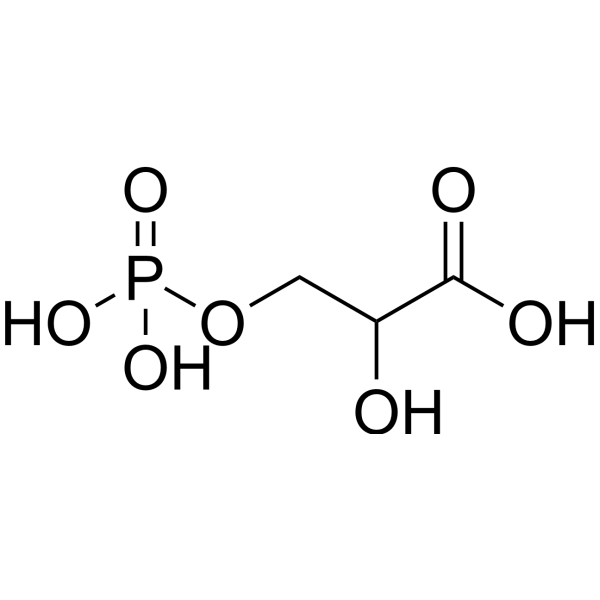
3-Phosphoglyceric acid is a metabolic intermediate in both glycolysis and the Calvin cycle. 3-Phosphoglyceric acid is involved in alveolar macrophage epigenetic regulation.
loading...
    loading...
Cat. No.: HY-P5423
CAS No.: 107658-43-5
Target:  

Exosomes Liposome

Research Areas:  

Cancer

GALA is a pH-responsive amphipathic peptide consisting of 30 amino acids, which acts as a lung endothelium-targeting ligand. GALA undergoes a conformational transition from random coil to α-helix in an acidic environment at pH 5.0, thereby inducing endosomal membrane destabilization and fusion. GALA-modified liposomes traverse lung endothelial cells via clathrin-dependent endocytosis and transcytosis, and specifically accumulate in the lungs after intravenous injection. GALA significantly promotes the cytosolic release of cargos carried by exosomes, plasmids and liposomes, effectively enhances gene transfection efficiency, and drives gene knockdown of functional macromolecules (such as siRNA) in alveolar epithelial cells (with no significant cytotoxicity at effective concentrations). GALA serves as a critical tool for studies on lung cancer metastasis (e.g., melanoma lung metastasis) and lung-targeted drug delivery systems .
loading...
    loading...
Cat. No.: HY-P99244
CAS No.: 1007106-86-6
Synonyms: ILV 094
Fezakinumab (ILV 094) is an anti-IL-22 monoclonal antibody. Fezakinumab inhibits IL-22 signal transduction, and regulates the JAK1/STAT3 pathway as well as apoptotic proteins. Fezakinumab alleviates airway remodeling, alveolar enlargement and inflammatory cell infiltration in lung tissues. Fezakinumab reduces the levels of neutrophils, lymphocytes, eosinophils and macrophages in lung tissues. Fezakinumab can be used in the research of chronic obstructive pulmonary disease and skin diseases .
loading...
    loading...
Cat. No.: HY-P991401

Target:  

TNF Receptor

Research Areas:  

Inflammation/Immunology

GSK2862277 is a human monoclonal antibody (mAb) targeting TNFRSF1A. GSK2862277 increases neutrophil extracellular trap formation and alveolar macrophage phagocytosis. GSK2862277 can be used in Acute lung injury and Acute Respiratory Distress Syndrome (ARDS) research. Recommended isotype control: VHH-hFc .
loading...
    loading...
Cat. No.: HY-115062
CAS No.: 1007476-63-2
Purity:  ≥99.0%
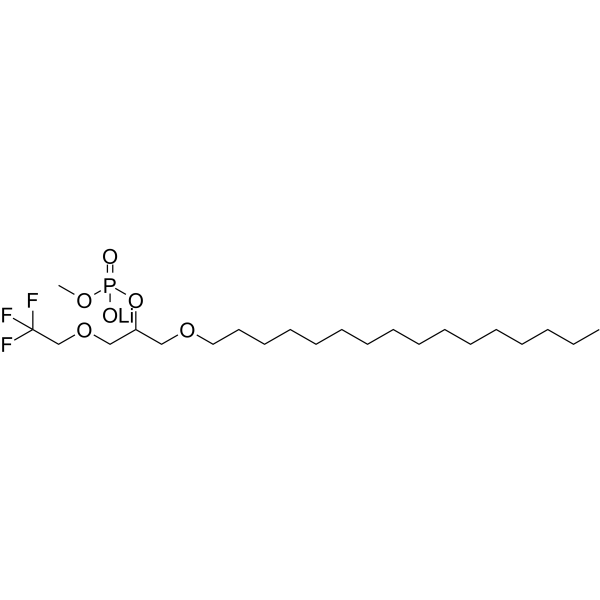
MJ-33 lithium salt is a competitive phospholipase A2 (PLA2) inhibitor with an IC50 of 0.3 μM. MJ-33 lithium salt inhibits NOX2 activation and reduces ROS production by blocking the PLA2 activity of Prdx6. MJ-33 lithium salt effectively inhibits the activity of acidic PLA2 (pH 4.0) and reduces the degradation of alveolar surfactant phosphatidylcholine (PC), but exerts no effect on alkaline PLA2 (pH 8.5). MJ-33 lithium salt significantly alleviates lung oxidative injury induced by ischemia-reperfusion (I/R). MJ-33 lithium salt significantly inhibits the invasion, migration and adhesion abilities of prostate cancer cells by suppressing the MAPK, AKT, NF-κB and AP-1 signaling pathways. MJ-33 lithium salt can be used for the research of ROS-related diseases and prostate cancer .
loading...
    loading...
Cat. No.: HY-156562
CAS No.: 92085-05-7
Synonyms: 5-Propargyltryptamide
Target:  

Drug Derivative

Research Areas:  

Inflammation/Immunology

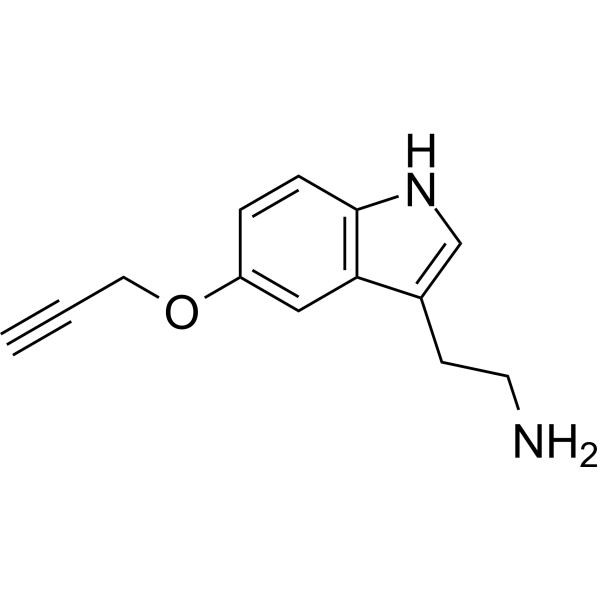
5-PT (5-Propargyltryptamide) is an alkyne-functionalized 5-HT (HY-B1473A) derivative and serotonylation substrate, taken up by living cells. 5-PT conjugated to a biotin enables identification of serotonylated proteins via copper-click chemistry and mass spectrometry. 5-PT labels and isolates serotonylated cells in alveolar epithelial cells for proteomic analysis. 5-PT can be used for the research of bronchopulmonary dysplasia .
loading...
    loading...
Cat. No.: HY-P991083
Synonyms: Arumakimig

Target:  

Interleukin Related

Research Areas:  

Infection Inflammation/Immunology

MAS825 (Arumakimig) is a bispecific monoclonal antibody targeting IL-1β and IL-18. MAS825 reduces inflammatory infiltration and pulmonary alveolar proteinosis, and improves blood oxygen saturation, exercise tolerance and quality of life. MAS825 also promotes viral clearance. MAS825 can be used in research related to systemic juvenile idiopathic arthritis complicated with interstitial lung disease or macrophage activation syndrome, as well as COVID-19 .
loading...
    loading...
Cat. No.: HY-145121
CAS No.: 2871872-79-4
Purity:  99.93%
DS96432529 is an orally active CDK8 inhibitor with an IC50 of 33 nM. DS96432529 enhances ALPase activity, with an EC200 of 63 nM. DS96432529 inhibits TNF-α-induced activation of the RLR signaling pathway, activates mitophagy, accelerates mineralized nodule formation, and suppresses the proliferation of periodontal ligament stem cells. DS96432529 promotes bone formation, alleviates ligation-induced alveolar bone loss, and increases bone mineral density in ovariectomized animal models. DS96432529 can be used in studies related to periodontitis and osteoporosis .
loading...
    loading...
Cat. No.: HY-W001953
CAS No.: 1592-38-7
2-Naphthalenemethanol is the metabolite of environmental pollutant 2-methylnaphthalene. 2-Naphthalenemethanol covalently binds to alveolar protein and induces pulmonary toxicity .
loading...
    loading...
Cat. No.: HY-23499
CAS No.: 193-39-5
Indeno[1,2,3-cd]pyrene is a polycyclic aromatic hydrocarbon with moderate cytotoxicity in human pulmonary alveolar epithelial cells HPAEpiC. Indeno[1,2,3-cd]pyrene enhances allergic lung infammation via aryl hydrocarbon receptor .
loading...
    loading...
Cat. No.: HY-W005379
CAS No.: 162401-62-9
Target:  

TGF-beta/Smad

Research Areas:  

Inflammation/Immunology

DGM is an inhibitor of the TGF-β1/Smad signaling pathway with significant antifibrotic effects. DGM inhibits the epithelial-mesenchymal transition (EMT) process in alveolar epithelial cells and slows the progression of pulmonary fibrosis in vivo by reducing lung inflammation, improving lung function, and decreasing extracellular matrix (ECM) remodeling. DGM can be used in research on idiopathic pulmonary fibrosis (IPF) and EMT-related diseases .
loading...
    loading...
Cat. No.: HY-158315
Purity:  99.43%
Target:  

Dipeptidyl Peptidase

Research Areas:  

Inflammation/Immunology

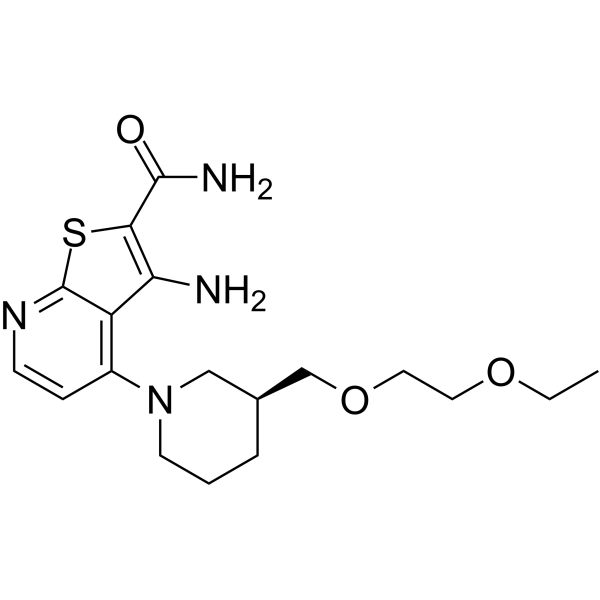
NZ-97 is a locally deliverable, lung-retaining dipeptidyl peptidase 4 (DPP4) inhibitor with an IC50 of 18 nM. It exhibits selectivity for DPP8 and DPP9 (with IC50 values of 1.3 μM and 0.6 μM, respectively). NZ-97 inhibits the DPP4 pool in lung-resident cells and epithelial lining fluid, elevates IL-6 and IGF-1 levels, and induces the expansion of type 2 alveolar epithelial cells (AEC2). NZ-97 reduces protein content in bronchoalveolar lavage fluid (BALF), ameliorates lung injury and alleviates pulmonary fibrosis. NZ-97 shows tolerability in untreated Mus musculus mice after intratracheal administration, and does not alter the proliferation or differentiation of lung fibroblasts. NZ-97 can be used in studies related to idiopathic pulmonary fibrosis, acute lung injury and emphysema .
loading...
    loading...

