18 Results for "

anticancer lead compound

" in MedChemExpress (MCE) Product Catalog:
Products (18)

18 Results for "anticancer lead compound" in MCE Product Catalog:

5
5 Cited Publications
Cat. No.: HY-N0498
CAS No.: 13063-04-2
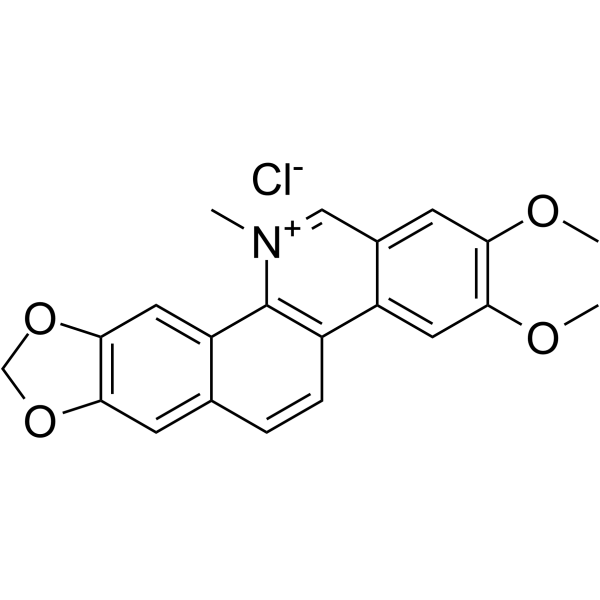
Nitidine chloride, a potential anti-malarial lead compound derived from Zanthoxylum nitidum (Roxb) DC, exerts potent anticancer activity through diverse pathways, including inducing apoptosis, inhibiting STAT3 signaling cascade, DNA topoisomerase 1 and 2A, ERK and c-Src/FAK associated signaling pathway, also has anti-inflammatory activity. Nitidine chloride inhibits LPS-induced inflammatory cytokines production via MAPK and NF-kB pathway .
loading...
    loading...
1
1 Cited Publications
Cat. No.: HY-N2587
CAS No.: 548-76-5
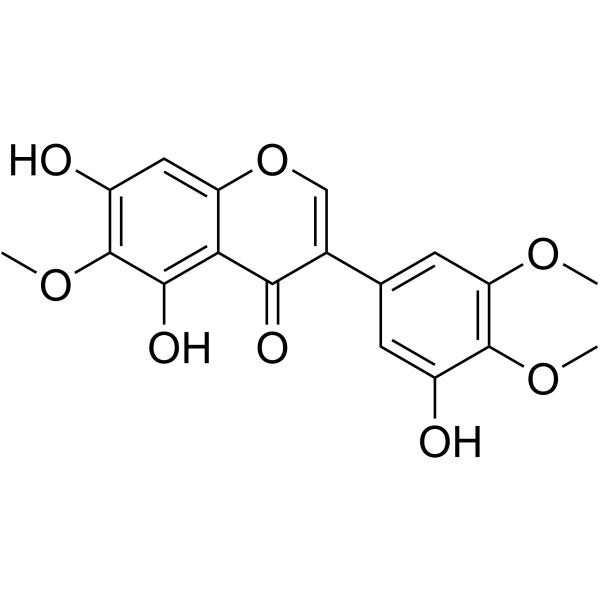
Irigenin is a is a lead compound, and mediates its anti-metastatic effect by specifically and selectively blocking α9β1 and α4β1 integrins binding sites on C-C loop of Extra Domain A (EDA). Irigenin shows anti-cancer properties. It sensitizes TRAIL-induced apoptosis via enhancing pro-apoptotic molecules in gastric cancer cells .
loading...
    loading...
Cat. No.: HY-137466
CAS No.: 2230854-93-8
Purity:  98.08%
Target:  

Topoisomerase

Research Areas:  

Cancer

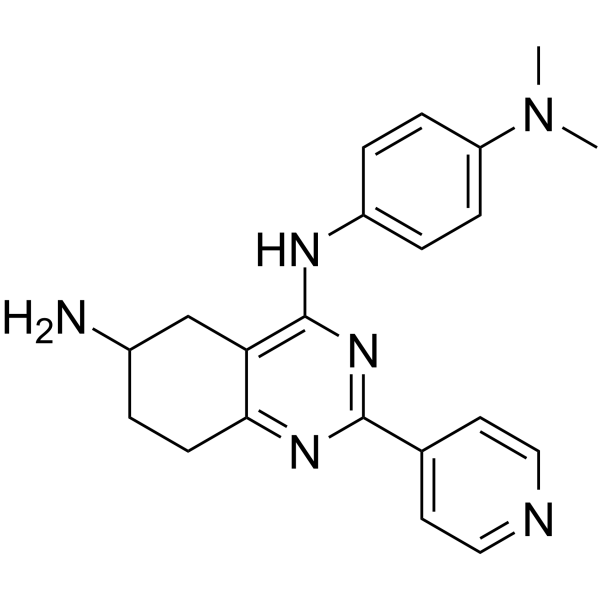
ARN-21934 is a potent, highly selective, blood-brain barrier (BBB) penetrant inhibitor for human topoisomerase II α over β. ARN-21934 inhibits DNA relaxation with an IC50 of 2 μM as compared to the anticancer agent Etoposide (IC50=120 μM). ARN-21934 exhibits a favorable in vivo pharmacokinetic profile and is a promising lead compound for anticancer research .
loading...
    loading...
Cat. No.: HY-157891
CAS No.: 1214531-21-1
Target:  

Apoptosis

Research Areas:  

Cancer

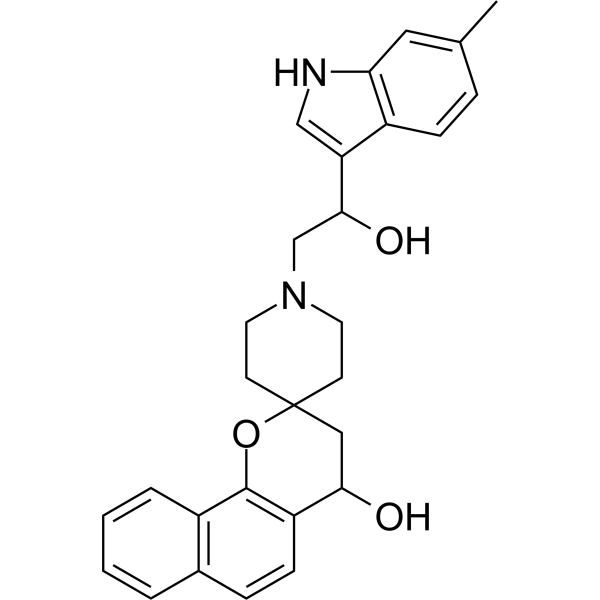
JBC117 is a novel anticancer lead compound targeting Pygo2 PHD. JBC117 can effectively antagonize the cell effect of β-catenin-dependent activity and inhibit the migration and invasion of cancer cells. JBC117 can induce apoptosis .
loading...
    loading...
Cat. No.: HY-D0216
CAS No.: 94-67-7
Research Areas:  

Cancer

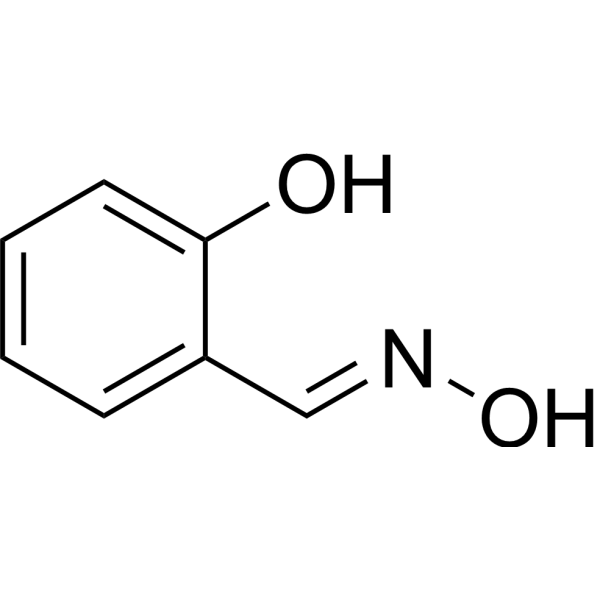
Salicylaldoxime is an organic compound, that has been used as a reagent for the gravimetric determination and separation of Cooper, Nickel, Palladium, Lead, Bismuth and Zine. The copper complex of Salicylaldoxime has anticancer activity .
loading...
    loading...
Cat. No.: HY-N7640
CAS No.: 989-23-1
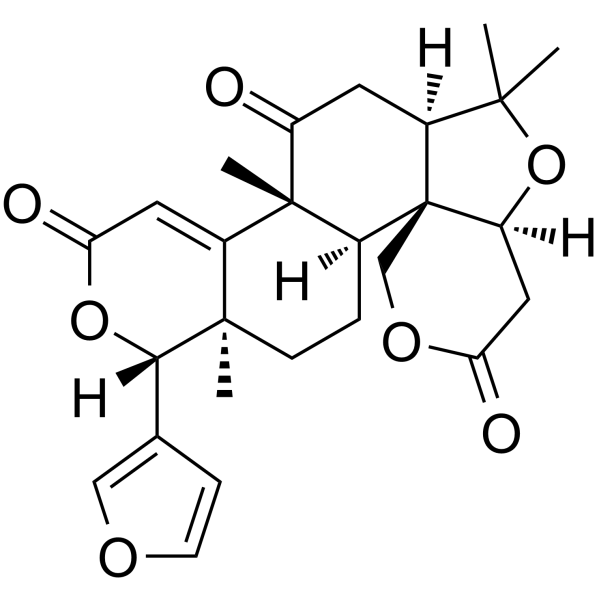
Desoxylimonin is an orally active triterpenoid compound found from grapefruit seed. Desoxylimonin shows anti-proliferative activities to breast cancer cells. Desoxylimonin derivatives shows better anticancer, analgesic and anti-inflammatory activity than the lead compound .
loading...
    loading...
Cat. No.: HY-N12142
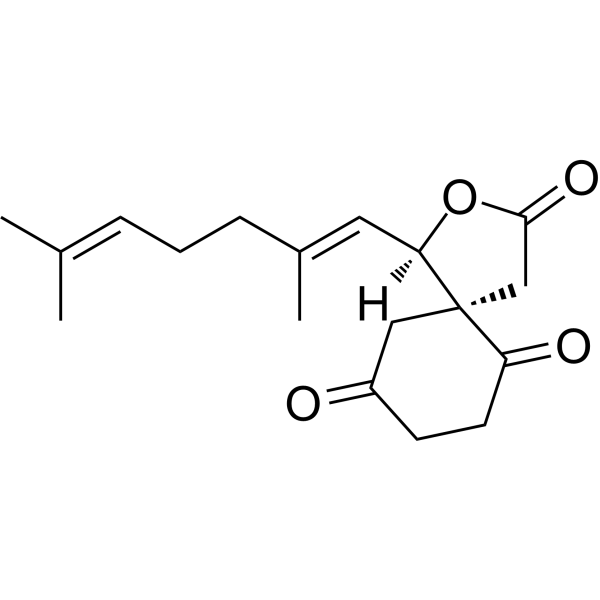
Anticancer agent 156 (compound 11) is a powerful anticancer agent based on Miliusanes (anticancer lead molecule). Anticancer agent 156 effectively inhibits the growth of human cancer cells and shows significant cytotoxicity to gastric cancer cells .
loading...
    loading...
Cat. No.: HY-139828
CAS No.: 2762698-14-4
Target:  

Apoptosis

Research Areas:  

Cancer

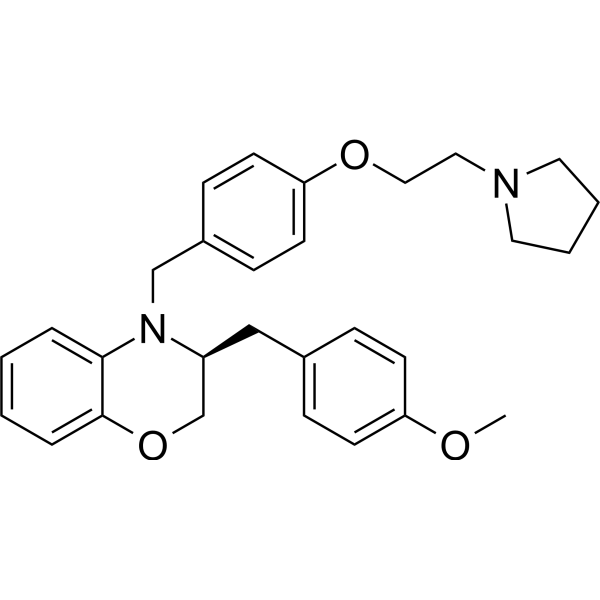
Anticancer agent 14 is a lead compound (IC50: 0.20 to 0.65 μM) that induces apoptosis, cell cycle arrest, and loss of mitochondrial membrane potential in breast cancer cells.
loading...
    loading...
Cat. No.: HY-P10570
CAS No.: 2042178-19-6
Research Areas:  

Cancer

[Nle20] H4 peptide (16−23) is a peptide with strong inhibitory activity against histone methyltransferase SETD8 (Kd=0.14 μM), which inhibits SETD8's methylation of histone H4 by competing with SETD8's substrate binding site. [Nle20] H4 peptide (16−23) can be used as a lead compound for anticancer therapy .
loading...
    loading...
Cat. No.: HY-N2587R
CAS No.: 548-76-5
Irigenin (Standard) is the analytical standard of Irigenin. This product is intended for research and analytical applications. Irigenin is a is a lead compound, and mediates its anti-metastatic effect by specifically and selectively blocking α9β1 and α4β1 integrins binding sites on C-C loop of Extra Domain A (EDA). Irigenin shows anti-cancer properties. It sensitizes TRAIL-induced apoptosis via enhancing pro-apoptotic molecules in gastric cancer cells .
loading...
    loading...
Cat. No.: HY-N0498R
CAS No.: 13063-04-2
Nitidine (chloride) (Standard) is the analytical standard of Nitidine (chloride). This product is intended for research and analytical applications. Nitidine chloride, a potential anti-malarial lead compound derived from Zanthoxylum nitidum (Roxb) DC, exerts potent anticancer activity through diverse pathways, including inducing apoptosis, inhibiting STAT3 signaling cascade, DNA topoisomerase 1 and 2A, ERK and c-Src/FAK associated signaling pathway. Nitidine chloride inhibits LPS-induced inflammatory cytokines production via MAPK and NF-kB pathway .
loading...
    loading...
Cat. No.: HY-145432
CAS No.: 2747100-02-1
Target:  

PI3K

Research Areas:  

Cancer

PI3K-IN-28 (Compound 6c) is a potent inhibitor of PI3K. PI3K-IN-28 displays the most potent activity with lower toxic effects on MCF-10a. PI3K-IN-28 displays half-maximal inhibitory concentration (IC50, μM) values of 5.8, 2.3, and 7.9. PI3K-IN-28 is the most potent one with a selectivity index (SI) of 39 and is considered as a latent lead for further optimization of anticancer agents .
loading...
    loading...
Cat. No.: HY-N7640R
CAS No.: 989-23-1
Deoxylimonin (Standard) is the analytical standard of Deoxylimonin (HY-N7640). This product is intended for research and analytical applications. Desoxylimonin is an orally active triterpenoid compound found from grapefruit seed. Desoxylimonin shows anti-proliferative activities to breast cancer cells. Desoxylimonin derivatives shows better anticancer, analgesic and anti-inflammatory activity than the lead compound .
loading...
    loading...
Cat. No.: HY-181140
CAS No.: 116764-24-0
Target:  

CDK PARP

Research Areas:  

Cancer

UNPD139734 is a CDK-1 inhibitor and PARP-1 inhibitor that forms stable complexes with each target protein. UNPD139734 serves as a lead compound for structural optimization to develop dual-target anticancer agents targeting CDK-1 and PARP-1. UNPD139734 can be used for the research of breast cancer .
loading...
    loading...
Cat. No.: HY-L107
2,049 compounds

With features of enormous scaffold diversity and structural complexity, natural products (NPs) are the main sources of lead compounds and new drugs and play a highly significant role in the drug discovery and development process, especially for cancer and infectious diseases. A large number of natural products have been proven to have potential anti-tumor effects, mainly from plants, animals, Marine organisms and microorganisms. At present, derived than 60% of anti-tumor drugs come from natural sources, and they are widely used in breast, prostate and colon cancers.

MCE offers a unique collection of 2,049 natural products with validated anti-cancer activity. MCE anti-cancer natural product library is a useful tool for anti-tumor drugs screening and other related research.

Cat. No.: HY-181840
CAS No.: 1846587-13-0
Target:  

Endonuclease

Research Areas:  

Cancer

MU262 is a MUS81 inhibitor with an IC50 value of 0.87 μM. MU262 directly inhibits the catalytic activity of MUS81 without interfering with DNA binding, induces genomic instability in tumor cells, and specifically inhibits the HR/BIR repair pathway. The combination of MU262 with Cisplatin (HY-17394) significantly enhances the chemotherapeutic killing effect. MU262 serves as a chemical biology tool for studying MUS81 function, and also acts as a lead compound for the development of anticancer therapies that exploit DNA repair defects in cancer cells .
loading...
    loading...
Cat. No.: HY-L172
152 compounds

Immunity refers to the ability of the body to resist the invasion of pathogenic microorganisms and resist a variety of diseases. Immunocompromised will inevitably lead to a series of diseases. Immunopotentiator are a class of compounds that enhance immune function and induce immune response. Immunopotentiator can activate the proliferation and differentiation of one or more kinds of immune active cells in the body, promote the secretion of lymphocytes, and then enhance the immune function of the body. Immunopotentiator are mainly used in the treatment of tumors, infectious diseases and immunodeficiency diseases. In addition, immunopotentiator are often used as adjuvants in combination with vaccine antigens to enhance the immunogenicity of vaccines.

MCE designs a unique collection of 152 compounds with definite or potential Immunopotentiating effect, mainly targeting the NOD-like Receptor (NLR), Toll-like Receptor (TLR), NF-κB, etc. It is an effective tool for development and research of anti-cancer, anti-infectious diseases and anti-immunodeficiency diseases compounds.

Cat. No.: HY-L148
73 compounds

The TCA cycle (tricarboxylic acid cycle)—is also known as the Krebs cycle or the citric acid cycle (CAC). The TCA cycle is a series of chemical reactions that release stored energy through the oxidation of acetyl-CoA in carbohydrates, fats, and proteins.

For decades, the TCA cycle has been considered as the central pathway for cell oxidative phosphorylation to produce energy and biosynthesis. Research shows that TCA cycle is associated with many diseases, especially cancer. In colon carcinoma, liver cancer and other cancers, there are mutations that lead to the imbalance of TCA cycle metabolites, indicating that TCA cycle may be related to the occurrence of cancer. Understanding the role and molecular mechanism of TCA cycle in inhibiting or promoting cancer progression will promote the development of new metabolite-based cancer treatment methods in the future.

MCE supplies a unique collection of 73 compounds related to the TCA cycle. MCE TCA Cycle Compound Library is a useful tool for the TCA cycle related research and anti-cancer drug development.

  • 1

