24 Results for "

bacterial aggregation

" in MedChemExpress (MCE) Product Catalog:
Products (24)

24 Results for "bacterial aggregation" in MCE Product Catalog:

10
10 Publications Verification
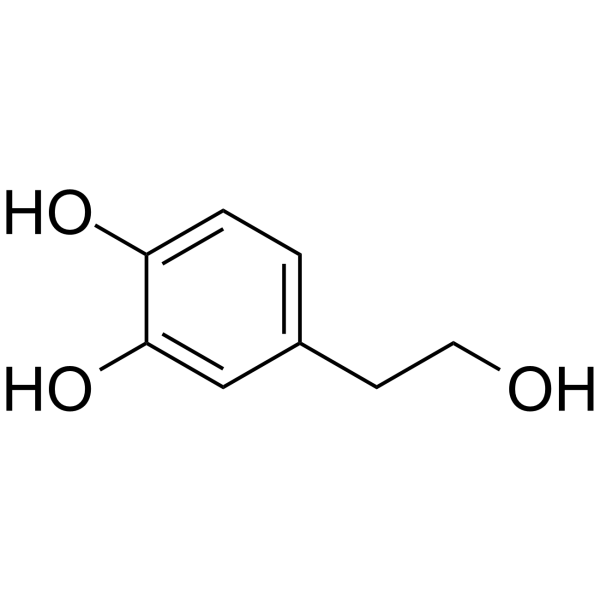
Cat. No.: HY-N0570
CAS No.: 10597-60-1
Synonyms: DOPET; 3,4-Dihydroxyphenethyl alcohol; 3-Hydroxytyrosol
Hydroxytyrosol (DOPET; 3,4-Dihydroxyphenethyl alcohol) is an orally active, blood-brain barrier-permeable multi-active compound with multiple effects including antibacterial, antioxidant, anti-platelet aggregation, and neuroprotective activities. Hydroxytyrosol not only inhibits the growth of Vibrio by increasing bacterial membrane permeability, but also interacts with DNA and mediates supercoiled DNA relaxation. Meanwhile, Hydroxytyrosol effectively reduces thrombosis and inhibits lipid oxidation by inhibiting COX activity and promoting vascular nitric oxide production. In terms of neuroprotection, Hydroxytyrosol significantly alleviates neuronal apoptosis and inflammatory responses by up-regulating the expression level of ERβ, thereby improving cognitive function in Alzheimer's disease models. Hydroxytyrosol has been widely used in scientific research related to Vibrio infection, arterial thrombosis, Alzheimer's disease and other related fields .
loading...
    loading...
4
4 Cited Publications
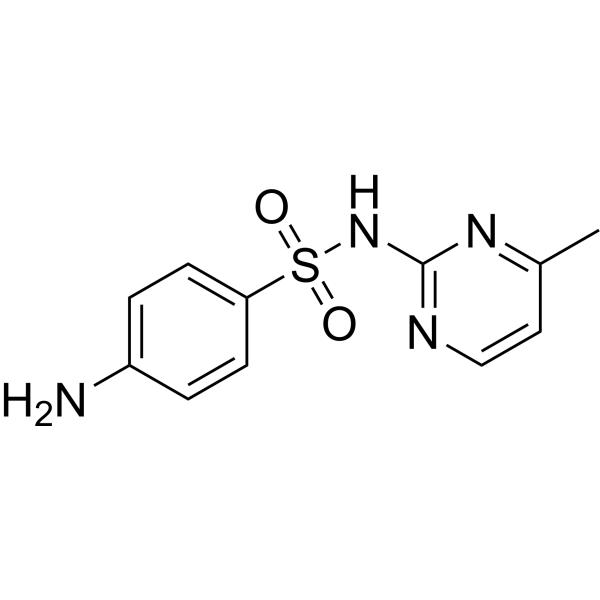
Cat. No.: HY-B0512
CAS No.: 127-79-7
Synonyms: RP2632
Sulfamerazine (RP2632) is a brain-penetrant and orally active sulfonamide antibiotic and α-synuclein inhibitor with human α-synuclein KD of 352 μM. Sulfamerazine inhibits the synthesis of dihydrofolate by bacteria, thereby inhibiting bacterial growth. Sulfamerazine inhibits α-synuclein fibrillation, reduces α-synuclein aggregation-associated toxicity and α-synuclein aggregate accumulation. Sulfamerazine can be used for the research of Parkinson’s disease and bacterial infection .
loading...
    loading...
1
1 Cited Publications
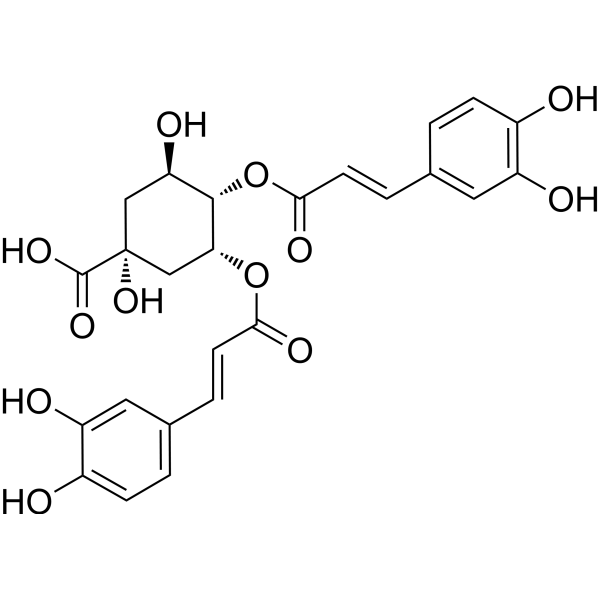
Cat. No.: HY-N11077
CAS No.: 89886-30-6
Synonyms: 4,5-di-O-CQA
4,5-Di-O-caffeoylquinic acid (4,5-di-O-CQA) is a natural product with multiple activities including anti-inflammatory, antioxidant, and antibacterial properties. 4,5-Di-O-caffeoylquinic acid induces intracellular Ca 2+ influx, and inhibits hypoxia-induced COX-2 expression and cell migration via the TRPV1-mediated pathway. 4,5-Di-O-caffeoylquinic acid scavenges DPPH free radicals, inhibits Cu 2+-mediated LDL oxidation, and reduces the production of TBARS. 4,5-Di-O-caffeoylquinic acid promotes intracellular ATP production, inhibits Aβ42 aggregation and β-sheet conversion, and protects neuroblastoma cells. 4,5-Di-O-caffeoylquinic acid inhibits the growth of Bacillus shigae. 4,5-Di-O-caffeoylquinic acid can be used in studies related to atherosclerosis, Alzheimer's disease, and bacterial infections .
loading...
    loading...
Cat. No.: HY-138053
CAS No.: 92989-99-6
Synonyms: Ristomycin III
Target:  

Antibiotic

Research Areas:  

Cardiovascular Disease Infection

Ristocetin A (sulfate) (Ristomycin III) is a glycopeptide antibiotic that binds to von Willebrand factor (VWF) and bacterial cell wall components. Ristocetin A (sulfate) interferes with the biosynthesis of bacterial peptidoglycan by inhibiting transpeptidation. As an inducer of platelet adhesion and aggregation, Ristocetin A (sulfate) drives conformational changes by binding to the A1 domain of VWF, thereby activating downstream signaling pathways and promoting cytoskeletal rearrangement. Ristocetin A (sulfate) not only enhances platelet adhesion and spreading on immobilized VWF, but also induces the formation of asymmetric dimers with anticooperativity between platelets and plasma VWF. Ristocetin A (sulfate) is widely used in studies related to thromboembolic diseases and bacterial infections .
loading...
    loading...
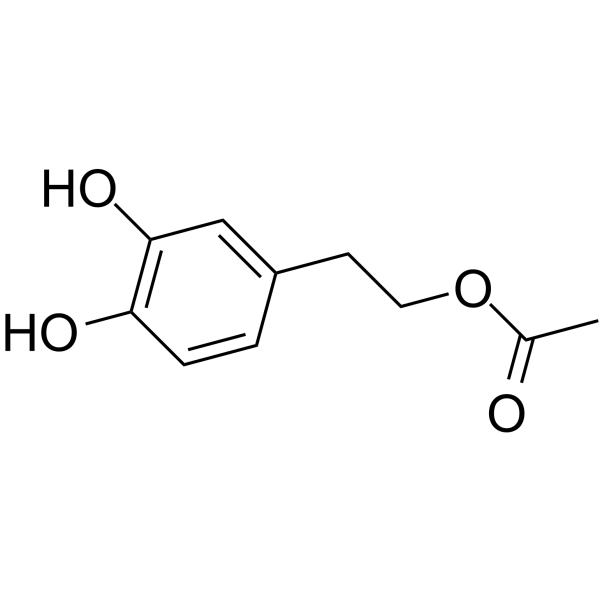
Cat. No.: HY-N6043
CAS No.: 69039-02-7
Hydroxytyrosol acetate is an orally active, blood-brain barrier-permeable multi-active compound with multiple effects including antibacterial, antioxidant, anti-platelet aggregation, and neuroprotective activities. Hydroxytyrosol acetate not only inhibits the growth of Vibrio by increasing bacterial membrane permeability, but also interacts with DNA and mediates supercoiled DNA relaxation. Meanwhile, Hydroxytyrosol acetate effectively reduces thrombosis and inhibits lipid oxidation by inhibiting COX activity and promoting vascular nitric oxide production. In terms of neuroprotection, Hydroxytyrosol acetate significantly alleviates neuronal apoptosis and inflammatory responses by up-regulating the expression level of ERβ, thereby improving cognitive function in Alzheimer's disease models. Hydroxytyrosol acetate has been widely used in scientific research related to Vibrio infection, arterial thrombosis, Alzheimer's disease and other related fields .
loading...
    loading...
Cat. No.: HY-W099729
CAS No.: 70445-33-9
Target:  

Bacterial

Research Areas:  

Infection Inflammation/Immunology

Ethylhexylglycerin is an antibacterial agent. Ethylhexylglycerin can induce allergic contact dermatitis. Ethylhexylglycerin inhibits the growth of various bacteria, disrupts the integrity of bacterial cell membranes, and causes proton leakage, reduced ATP levels, morphological abnormalities, and DNA aggregation. Ethylhexylglycerin serves as a skin conditioning agent, deodorant active ingredient, and preservative synergist. Ethylhexylglycerin is applicable to research related to contact dermatitis and bacterial infections .
loading...
    loading...
Cat. No.: HY-N0570R
CAS No.: 10597-60-1
Synonyms: DOPET (Standard); 3,4-Dihydroxyphenethyl alcohol (Standard); 3-Hydroxytyrosol (Standard)
Hydroxytyrosol (Standard) (DOPET (Standard)) is the analytical standard of Hydroxytyrosol (HY-N0570). This product is intended for research and analytical applications. Hydroxytyrosol is an orally active, blood-brain barrier-permeable multi-active compound with multiple effects including antibacterial, antioxidant, anti-platelet aggregation, and neuroprotective activities. Hydroxytyrosol not only inhibits the growth of Vibrio by increasing bacterial membrane permeability, but also interacts with DNA and mediates supercoiled DNA relaxation. Meanwhile, Hydroxytyrosol effectively reduces thrombosis and inhibits lipid oxidation by inhibiting COX activity and promoting vascular nitric oxide production. In terms of neuroprotection, Hydroxytyrosol significantly alleviates neuronal apoptosis and inflammatory responses by up-regulating the expression level of ERβ, thereby improving cognitive function in Alzheimer's disease models. Hydroxytyrosol has been widely used in scientific research related to Vibrio infection, arterial thrombosis, Alzheimer's disease and other related fields .
loading...
    loading...
Cat. No.: HY-N7653
CAS No.: 529-51-1
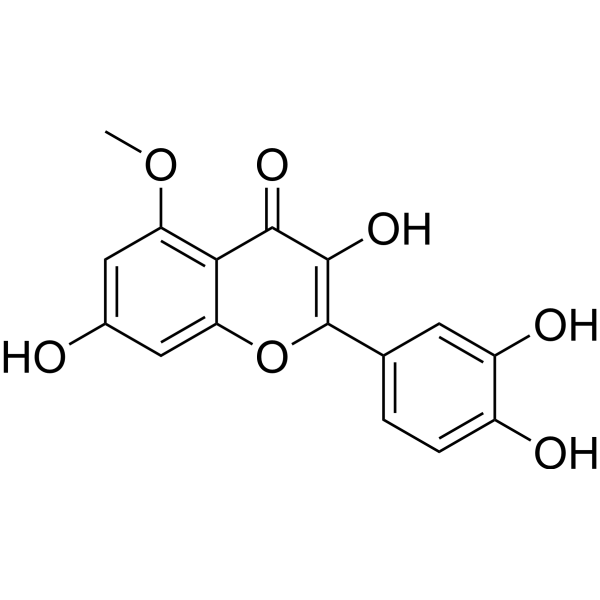
Azaleatin is an orally active inhibitor of hQC, NS2B-NS3 protease and E. coli β-glucuronidase, with IC50 values of 1.1 μM, 38.00 μg/mL and 0.57 μM, respectively. Azaleatin inhibits the activities of NF-κB, MyD88, JAK1, TLR4, STAT3, IL-1β, IL-6, COX-2, TNF-α and β-glucuronidase, blocks pro-inflammatory signaling pathways, reduces the levels of ROS, MDA and uric acid, elevates the levels of GPx, GSR, GST, SOD, CAT, HO-1 and GSH, scavenges free radicals and exerts reducing capacity. Azaleatin inhibits the expression of pro-apoptotic proteins Bax, Caspase-9 and Caspase-3, and upregulates the expression of anti-apoptotic protein Bcl-2. Azaleatin reduces the levels of cardiac injury markers, restores cardiac histological structure, inhibits Aβ aggregation, dengue protease activity, hepatic stellate cell proliferation and cancer cell growth, and also exhibits antibacterial activity. Azaleatin can be used in studies related to subchronic cardiotoxicity, Alzheimer's disease, dengue fever, hyperuricemia, liver fibrosis, gastric cancer and bacterial infections .
loading...
    loading...
Cat. No.: HY-125864A
CAS No.: 9001-32-5
Canine Fibrinogen is a natural fibrinogen derived from canine plasma. Canine Fibrinogen specifically binds to the host SpsL, but shows weak binding affinity to fibrinogen from other mammals including humans. Canine Fibrinogen binds to the N2N3 subdomain of SpsL via the "anchor-lock-latch" model, and interacts with multiple sites in its α-chain C domain. The binding of Canine Fibrinogen to SpsL promotes bacterial aggregation, biofilm formation, and enhances bacterial resistance to neutrophil phagocytosis. Canine Fibrinogen can be used in studies related to canine skin infections .
loading...
    loading...
Cat. No.: HY-P11430
CAS No.: 290360-66-6
Research Areas:  

Infection

UBI (31-38) is a Ubiquicidin-derived octapeptide and anti-bacterial agent. UBI (31-38) selectively interacts with anionic phospholipid membranes and restricts lipid lateral motion. UBI (31-38) induces anionic vesicle aggregation via electrostatic repulsion screening, and undergoes conformational changes in membrane-mimicking environments. UBI (31-38) can be used for the research of infection imaging probes .
loading...
    loading...
Cat. No.: HY-P5694
Research Areas:  

Infection

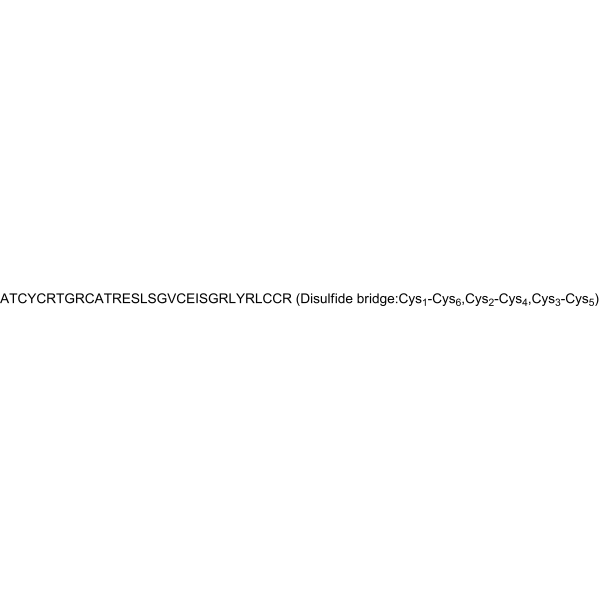
Human α-defensin 5 is an orally active antimicrobial peptide with diverse biological activities including antibacterial, antiviral, and antiparasitic effects. Human α-defensin 5 kills UPEC, inhibits bacterial biofilm formation, and disrupts bacterial outer membrane integrity. Human α-defensin 5 is hijacked by Shigella flexneri, enhancing Shigella adhesion, aggregation, and invasion of host epithelial cells, and aggravating histopathological damage in corneal and colonic tissues as well as fever. Human α-defensin 5 inhibits LPS-induced pro-inflammatory cytokine production and NF-κB signaling pathway activation, upregulates the tight junction proteins ZO-1 and occludin, and maintains intestinal epithelial barrier integrity. Human α-defensin 5 inhibits various non-enveloped viruses and exhibits killing activity against Toxoplasma gondii tachyzoites. Human α-defensin 5 reduces UPEC bacterial load in the bladder and urine and alleviates inflammatory damage in a rat catheter-associated urinary tract infection model. Human α-defensin 5 can be used in research related to bacterial infections, viral infections, parasitic infections, and inflammatory bowel disease .
loading...
    loading...
Cat. No.: HY-N3848
CAS No.: 20869-95-8
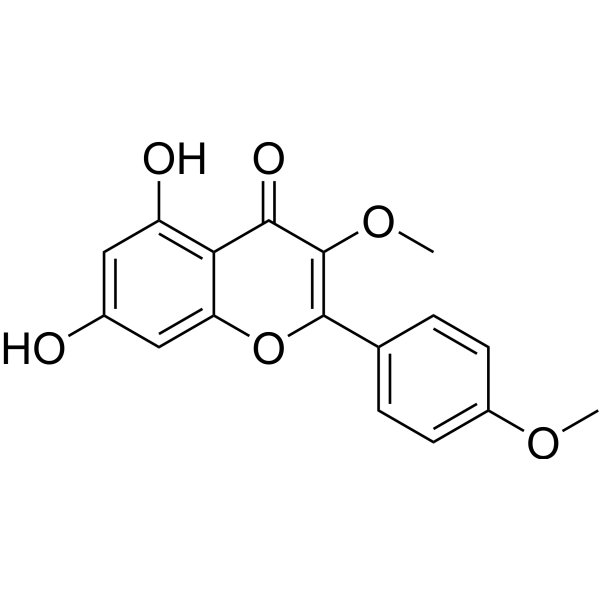
Ermanin is a flavonoid isolated from Tanacetum microphyllum. Ermanin potently inhibits iNOS, COX-2 activities, and inhibits platelet aggregation. Ermanin has anti-inflammatory, anti-tuberculous and anti-viral/bacterial properties .
loading...
    loading...
Cat. No.: HY-125197
CAS No.: 2446154-91-0
Target:  

Autophagy

Research Areas:  

Inflammation/Immunology

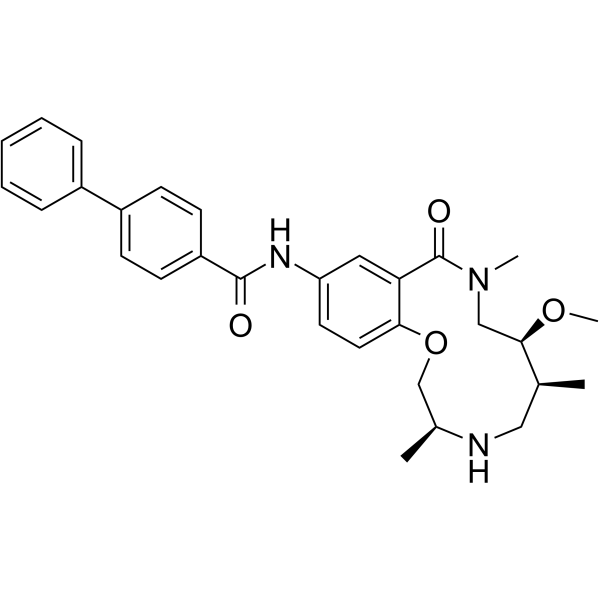
BRD5631 is an autophagy enhancer, enhances autophagy through an mTOR-independent pathway. BRD5631 affects several cellular disease phenotypes previously linked to autophagy, including protein aggregation, cell survival, bacterial replication, and inflammatory cytokine production .
loading...
    loading...
Cat. No.: HY-B0512A
CAS No.: 127-58-2
Synonyms: RP2632 sodium
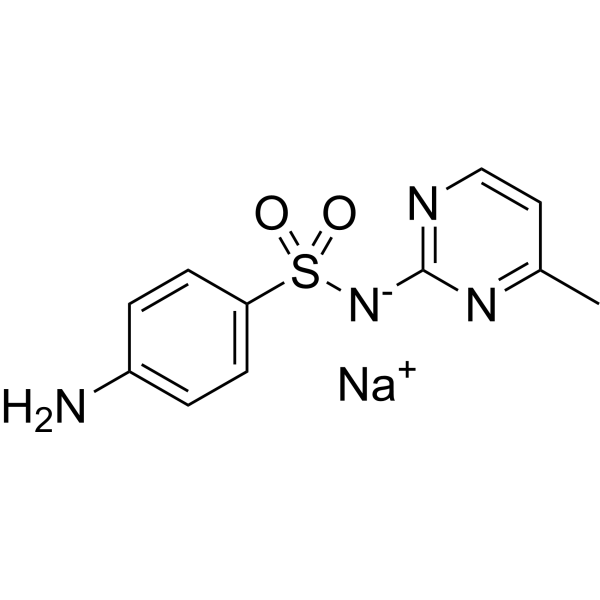
Sulfamerazine (RP2632) sodium is a brain-penetrant and orally active sulfonamide antibiotic and α-synuclein inhibitor with human α-synuclein KD of 352 μM. Sulfamerazine sodium inhibits the synthesis of dihydrofolate by bacteria, thereby inhibiting bacterial growth. Sulfamerazine sodium inhibits α-synuclein fibrillation, reduces α-synuclein aggregation-associated toxicity and α-synuclein aggregate accumulation. Sulfamerazine sodium can be used for the research of Parkinson’s disease and bacterial infection .
loading...
    loading...
Cat. No.: HY-N0570S
CAS No.: 1330260-89-3
Synonyms: DOPET-d4; 3,4-Dihydroxyphenethyl alcohol-d4; 3-Hydroxytyrosol-d4
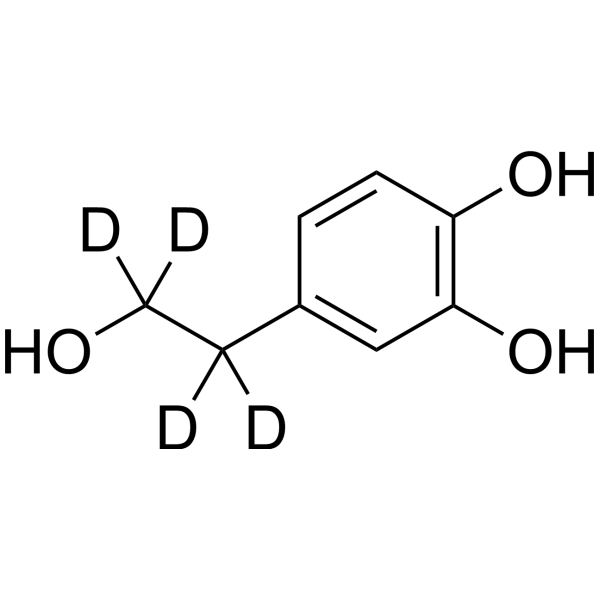
Hydroxytyrosol-d4 (DOPET-d4) is the deuterium labeled Hydroxytyrosol (HY-N0570). Hydroxytyrosol is an orally active, blood-brain barrier-permeable multi-active compound with multiple effects including antibacterial, antioxidant, anti-platelet aggregation, and neuroprotective activities. Hydroxytyrosol not only inhibits the growth of Vibrio by increasing bacterial membrane permeability, but also interacts with DNA and mediates supercoiled DNA relaxation. Meanwhile, Hydroxytyrosol effectively reduces thrombosis and inhibits lipid oxidation by inhibiting COX activity and promoting vascular nitric oxide production. In terms of neuroprotection, Hydroxytyrosol significantly alleviates neuronal apoptosis and inflammatory responses by up-regulating the expression level of ERβ, thereby improving cognitive function in Alzheimer's disease models. Hydroxytyrosol has been widely used in scientific research related to Vibrio infection, arterial thrombosis, Alzheimer's disease and other related fields .
loading...
    loading...
Cat. No.: HY-N0570S1
Synonyms: DOPET-d5; 3,4-Dihydroxyphenethyl alcohol-d5; 3-Hydroxytyrosol-d5
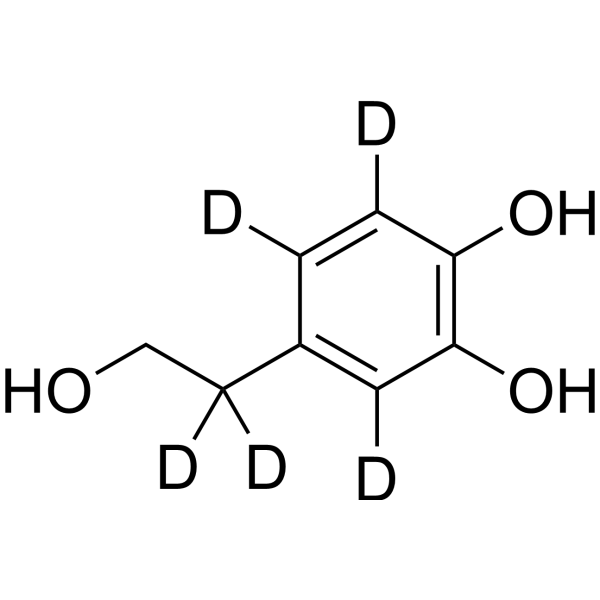
Hydroxytyrosol-d5 (DOPET-d5) is the deuterium labeled Hydroxytyrosol (HY-N0570). Hydroxytyrosol is an orally active, blood-brain barrier-permeable multi-active compound with multiple effects including antibacterial, antioxidant, anti-platelet aggregation, and neuroprotective activities. Hydroxytyrosol not only inhibits the growth of Vibrio by increasing bacterial membrane permeability, but also interacts with DNA and mediates supercoiled DNA relaxation. Meanwhile, Hydroxytyrosol effectively reduces thrombosis and inhibits lipid oxidation by inhibiting COX activity and promoting vascular nitric oxide production. In terms of neuroprotection, Hydroxytyrosol significantly alleviates neuronal apoptosis and inflammatory responses by up-regulating the expression level of ERβ, thereby improving cognitive function in Alzheimer's disease models. Hydroxytyrosol has been widely used in scientific research related to Vibrio infection, arterial thrombosis, Alzheimer's disease and other related fields .
loading...
    loading...
Cat. No.: HY-19126
CAS No.: 140466-18-8
CL-184005 is an antagonist for platelet-activating factor (PAF), that inhibits the PAF-induced platelet aggregation with IC50 of 600 nM and 510 nM, in human and rabbit platelet-rich plasma. CL-184005 protects the rats from endotoxin-induced gastrointestinal damage and hypotension. CL-184005 exhibits potential attenuating Gram-negative bacterial sepsis .
loading...
    loading...
Cat. No.: HY-B0512R
CAS No.: 127-79-7
Synonyms: RP2632 (Standard)
Sulfamerazine (Standard) is the analytical standard of Sulfamerazine. This product is intended for research and analytical applications. Sulfamerazine (RP2632) is a brain-penetrant and orally active sulfonamide antibiotic and α-synuclein inhibitor with human α-synuclein KD of 352 μM. Sulfamerazine inhibits the synthesis of dihydrofolate by bacteria, thereby inhibiting bacterial growth. Sulfamerazine inhibits α-synuclein fibrillation, reduces α-synuclein aggregation-associated toxicity and α-synuclein aggregate accumulation. Sulfamerazine can be used for the research of Parkinson’s disease and bacterial infection .
loading...
    loading...
Cat. No.: HY-B0512S
CAS No.: 1020719-84-9
Synonyms: RP2632-d4
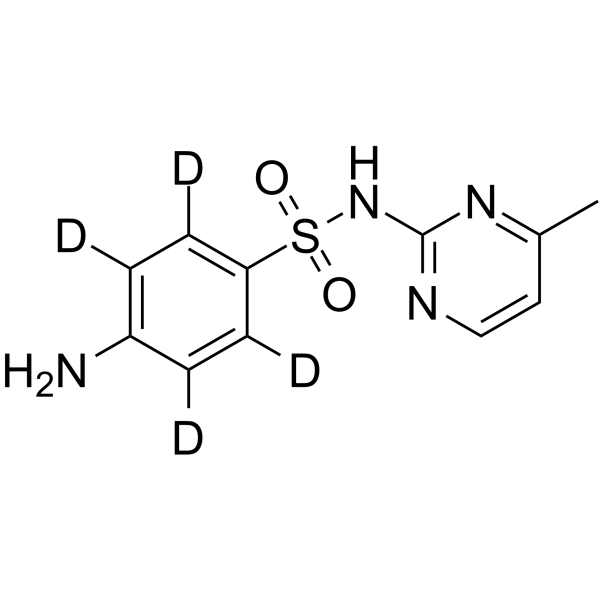
Sulfamerazine-d4 is a deuterium labeled Sulfamerazine. Sulfamerazine (RP2632) is a brain-penetrant and orally active sulfonamide antibiotic and α-synuclein inhibitor with human α-synuclein KD of 352 μM. Sulfamerazine inhibits the synthesis of dihydrofolate by bacteria, thereby inhibiting bacterial growth. Sulfamerazine inhibits α-synuclein fibrillation, reduces α-synuclein aggregation-associated toxicity and α-synuclein aggregate accumulation. Sulfamerazine can be used for the research of Parkinson’s disease and bacterial infection .
loading...
    loading...
Cat. No.: HY-B0512S1
CAS No.: 1196157-80-8
Synonyms: RP2632-13C6
Sulfamerazine- 13C6 (RP2632- 13C6) is 13C labeled Sulfamerazine (HY-B0512). Sulfamerazine (RP2632) is a brain-penetrant and orally active sulfonamide antibiotic and α-synuclein inhibitor with human α-synuclein KD of 352 μM. Sulfamerazine inhibits the synthesis of dihydrofolate by bacteria, thereby inhibiting bacterial growth. Sulfamerazine inhibits α-synuclein fibrillation, reduces α-synuclein aggregation-associated toxicity and α-synuclein aggregate accumulation. Sulfamerazine can be used for the research of Parkinson’s disease and bacterial infection .
loading...
    loading...

