

54 Results for "

brain plaques

" in MedChemExpress (MCE) Product Catalog:
Products (54)

54 Results for "brain plaques" in MCE Product Catalog:

11
11 Cited Publications
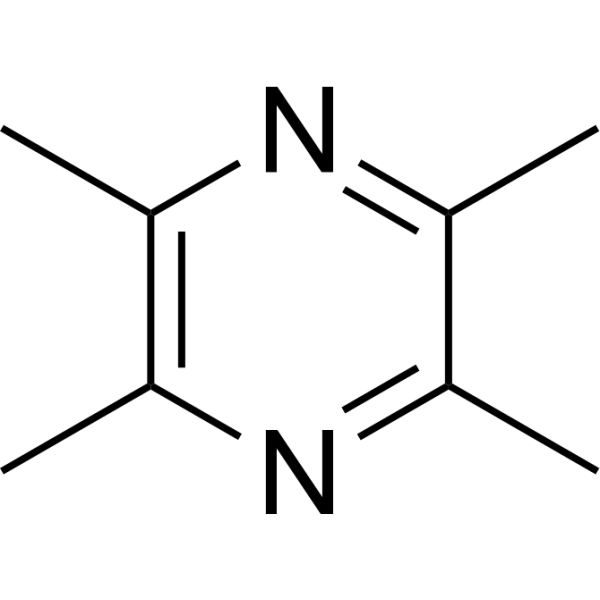
Cat. No.: HY-N0264
CAS No.: 1124-11-4
Synonyms: Chuanxiongzine; Tetramethylpyrazine
Ligustrazine (Chuanxiongzine) is an orally active, blood-brain barrier-permeable alkaloid. It can be isolated from Ligusticum striatum DC. Ligustrazine reduces ROS, upregulates the levels of p-Akt/Akt and p-eNOS/eNOS, and decreases ALT and AST. It inhibits glutamate excitotoxicity, calcium overload, oxidative stress, ischemia-reperfusion injury and atherosclerotic plaque progression, enhances synaptic plasticity, and improves neurological function, cerebral infarct volume and brain water content. Ligustrazine possesses anti-inflammatory, antioxidant, lipid-lowering, endothelial protective and hepatoprotective activities. It can be used in studies related to ischemic stroke, cerebral ischemia-reperfusion injury and atherosclerosis .
loading...
    loading...
11
11 Cited Publications
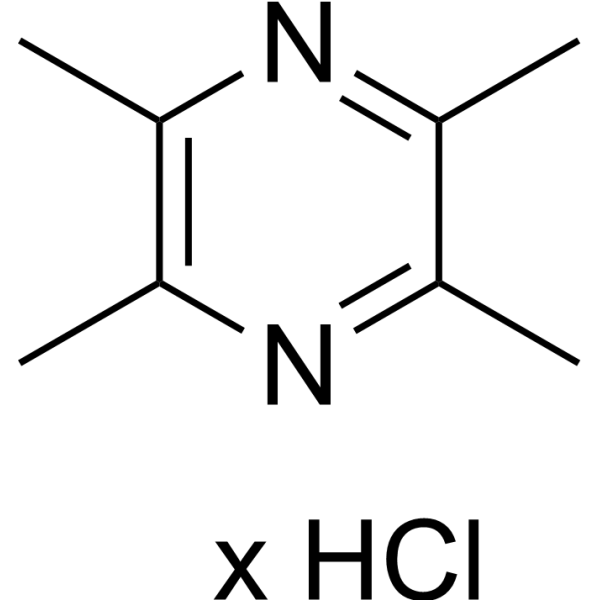
Cat. No.: HY-N0935
CAS No.: 76494-51-4
Synonyms: Chuanxiongzine hydrochloride; Tetramethylpyrazine hydrochloride
Ligustrazine hydrochloride (Chuanxiongzine hydrochloride) is an orally active, blood-brain barrier-permeable alkaloid. It can be isolated from Ligusticum striatum DC. Ligustrazine hydrochloride reduces ROS, upregulates the levels of p-Akt/Akt and p-eNOS/eNOS, and decreases ALT and AST. It inhibits glutamate excitotoxicity, calcium overload, oxidative stress, ischemia-reperfusion injury and atherosclerotic plaque progression, enhances synaptic plasticity, and improves neurological function, cerebral infarct volume and brain water content. Ligustrazine hydrochloride possesses anti-inflammatory, antioxidant, lipid-lowering, endothelial protective and hepatoprotective activities. It can be used in studies related to ischemic stroke, cerebral ischemia-reperfusion injury and atherosclerosis .
loading...
    loading...
7
7 Cited Publications
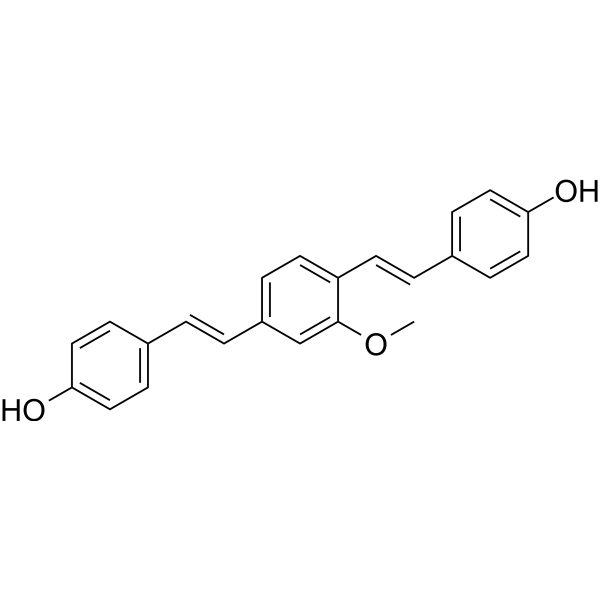
Cat. No.: HY-103240
CAS No.: 863918-78-9
Purity:  98.47%
Methoxy-X04 is a fluorescent dye that crosses the blood-brain barrier and selectively binds to beta-pleated sheets found in dense core amyloid Aβ plaques. Methoxy-X04 retains in vitro binding affinity for amyloid b (Ab) fibrils (Ki= 26.8 nM). Methoxy-X04 is fluorescent and stains plaques, tangles, and cerebrovascular amyloid in postmortem sections of AD brain with good specificity .
loading...
    loading...
6
6 Cited Publications
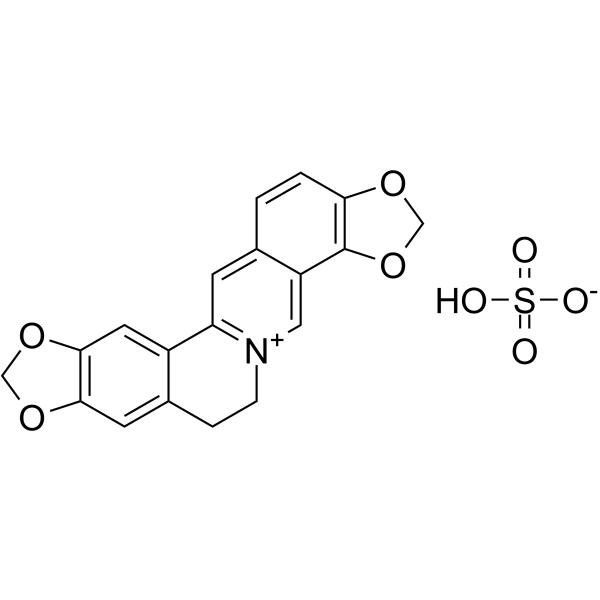
Cat. No.: HY-N0430A
CAS No.: 1198398-71-8
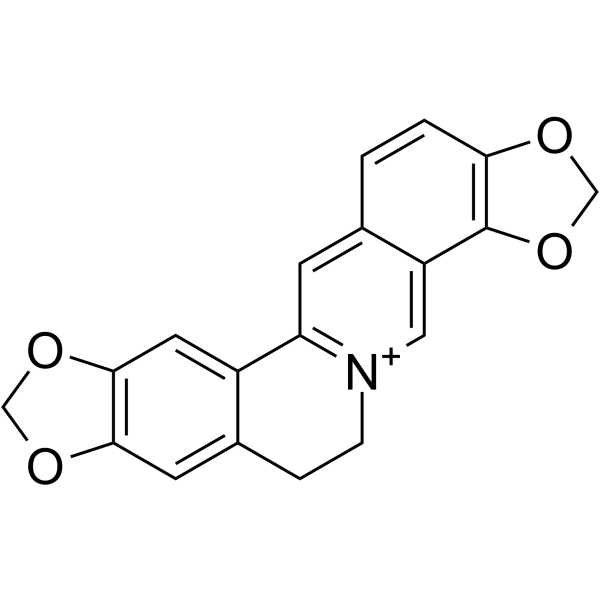
Coptisine Sulfate is an orally active and brain-penetrant alkaloid found in Coptis chinensis. Coptisine Sulfate is a reversible, uncompetitive IDO inhibitor with a Ki of 5.8 μM and an IC50 of 6.3 μM. Coptisine Sulfate suppresses neuroinflammation, reduces Aβ plaque burden and shows neuroprotective activity. Coptisine Sulfate shows anti-inflammation activity by blocking NF-κB, MAPK, and PI3K/Akt activation. Coptisine Sulfate inhibits cancer cells proliferation, induces DNA damage, G2/M phase cell cycle arrest, apoptosis, ROS production and mitochondrial dysfunction. Coptisine Sulfate inhibits Rho/ROCK pathway activation, reduces arrhythmia, limits cardiac injury marker release, reduces infarct size, and preserves cardiac function in rat myocardial ischemia/reperfusion models. Coptisine Sulfate downregulates HMGCR and upregulates LDLR and CYP7A1 to modulate cholesterol metabolism, reduces abnormal serum lipid levels, and promotes fecal bile acid excretion. Coptisine Sulfate be used for the research of cancer, hypercholesterolemia, Alzheimer’s disease, inflammatory disorders and cardiovascular disease .
loading...
    loading...
2
2 Cited Publications
Cat. No.: HY-13769A
CAS No.: 2076-91-7
Purity:  ≥98.0%
Synonyms: NSC55712; TPU-260 Dihydrochloride
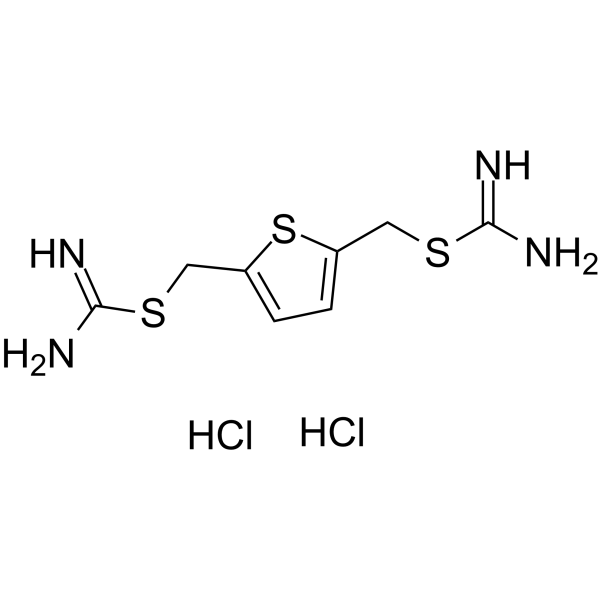
TPT-260 Dihydrochloride (NSC55712), a thiophene thiourea derivative, is a retromer complex stabilizer against thermal denaturation (Kd = ~5 µM). TPT-260 Dihydrochloride increases the levels of retromer proteins, shifts amyloid-precursor protein (APP) away from the endosome, and decreases the pathogenic processing of APP. TPT-260 Dihydrochloride inhibits TLR4 upregulation, IKKβ phosphorylation, NF-κB p65 nuclear translocation, and NLRP3 inflammasome formation. TPT-260 Dihydrochloride improves retromer-mediated cargo trafficking, reduces brain infarct area, and decreases amyloid plaque deposition. TPT-260 Dihydrochloride exhibits minimal cytotoxicity to primary microglia at tested concentrations. TPT-260 Dihydrochloride can be used for the research of inflammatory bowel disease, ischemic stroke and Alzheimer's disease .
loading...
    loading...
1
1 Cited Publications
Cat. No.: HY-W017540
CAS No.: 35404-50-3
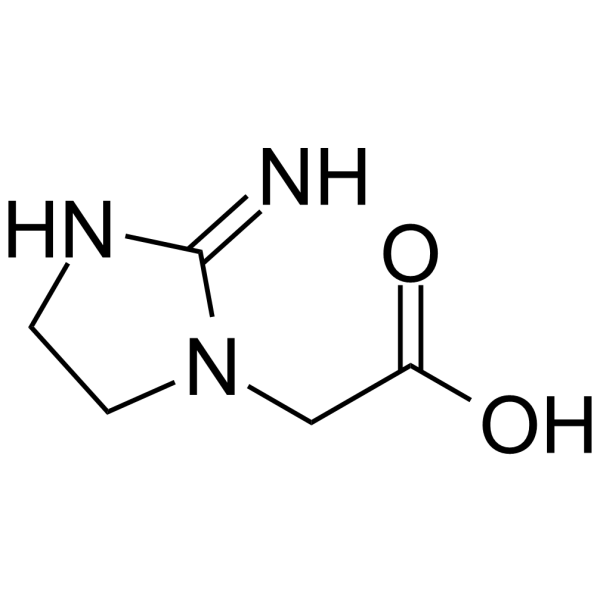
Cyclocreatine, a creatine analogue, acts as a brain-penetrant and potent bioenergetic protective agent by providing high levels of ATP. Cyclocreatine can be phosphorylated and dephosphorylated by creatine kinases. Cyclocreatine suppresses creatine metabolism ameliorating the cognitive, autistic and epileptic phenotype in a mouse model of creatine transporter defciency. Cyclocreatine protects against ischemic injury and enhances cardiac recovery during early reperfusion in dogs and rats. Cyclocreatine decreases plaque-adjacent neuronal dystrophy in TREM2-deficient mice with amyloid-β pathology. Cyclocreatine is proming for research of ischemic heart disease, cardiovascular diseases, Alzheimer’s disease and other neurodegenerative diseases associated with microglial dysfunction, prostate cancer .
loading...
    loading...
1
1 Cited Publications
Cat. No.: HY-119689
CAS No.: 1387560-01-1
Purity:  99.81%
Synonyms: CNP520
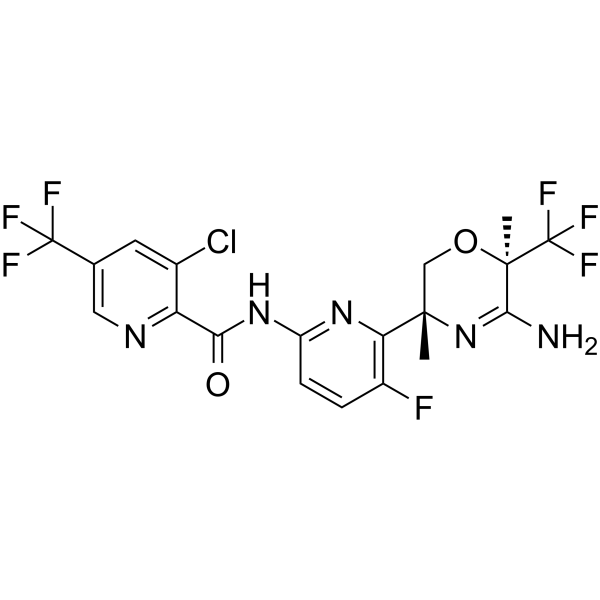
Umibecestat (CNP520) is a selective, orally active BACE inhibitor, with an IC50 of 11 nM for hBACE-1, 10 nM for mouse BACE-1, and 30 nM for hBACE-2. Umibecestat reduces β-Amyloid levels in the brain and cerebrospinal fluid, decreases β-amyloid plaque deposition, and inhibits plaque-associated neuroinflammation. Umibecestat is used in research related to Alzheimer's disease .
loading...
    loading...
Cat. No.: HY-P9999
CAS No.: 2568868-35-7
Synonyms: RG6102; RO-7126209

Target:  

Amyloid-β

Research Areas:  

Neurological Disease

Trontinemab (RG6102) is a brain-penetrant, anti-amyloid, bispecific and humanizedized IgG1-κ antibody, targeting to Aβ plaques and transferrin receptor 1 (TFR1). Trontinemab binds to fibrillar Aβ as well as Aβ plaques triggering plaque clearance by engaging immune cells on Alzheimer disease (AD) brain sections. Trontinemab also shows specific affinity to cynomolgus and human TFR1 .
loading...
    loading...
Cat. No.: HY-103242
CAS No.: 1193447-34-5
Purity:  ≥98.0%
Target:  

Amyloid-β

Research Areas:  

Neurological Disease

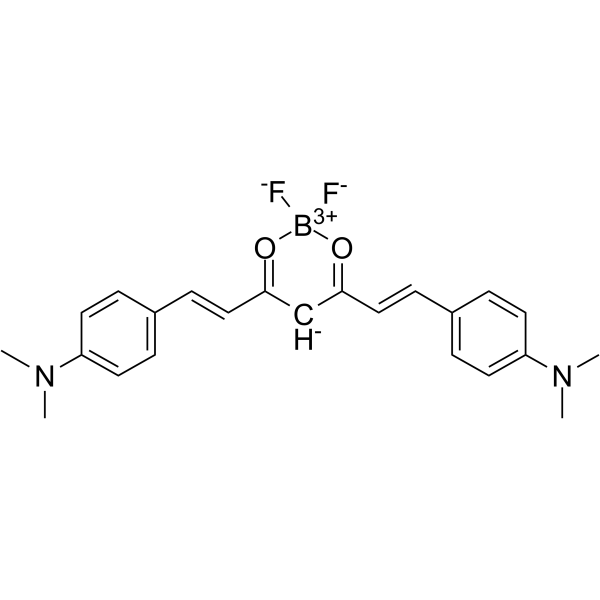
CRANAD-2 is a specific near-infrared (NIR) fluorescent probe for detecting Aβ plaques (unbound to Aβ: Ex=640 nm; Em=805 nm; after binding: Em=715 nm). CRANAD-2 penetrates the blood-brain barrier and has high affinity for Aβ aggregates, with a Kd value of 38 nM. CRANAD-2 is applicable to research related to Alzheimer's disease and neurodegenerative diseases .
loading...
    loading...
Cat. No.: HY-N0430
CAS No.: 3486-66-6
Synonyms: Coptisin
Coptisine is an orally active and brain-penetrant alkaloid found in Coptis chinensis. Coptisine is a reversible, uncompetitive IDO inhibitor with a Ki of 5.8 μM and an IC50 of 6.3 μM. Coptisine suppresses neuroinflammation, reduces Aβ plaque burden and shows neuroprotective activity. Coptisine shows anti-inflammation activity by blocking NF-κB, MAPK, and PI3K/Akt activation. Coptisine inhibits cancer cells proliferation, induces DNA damage, G2/M phase cell cycle arrest, apoptosis, ROS production and mitochondrial dysfunction. Coptisine inhibits Rho/ROCK pathway activation, reduces arrhythmia, limits cardiac injury marker release, reduces infarct size, and preserves cardiac function in rat myocardial ischemia/reperfusion models. Coptisine downregulates HMGCR and upregulates LDLR and CYP7A1 to modulate cholesterol metabolism, reduces abnormal serum lipid levels, and promotes fecal bile acid excretion. Coptisine can be used for the research of cancer, hypercholesterolemia, Alzheimer’s disease, inflammatory disorders and cardiovascular disease .
loading...
    loading...
Cat. No.: HY-125962
CAS No.: 215294-98-7
Purity:  96.2%
Research Areas:  

Neurological Disease

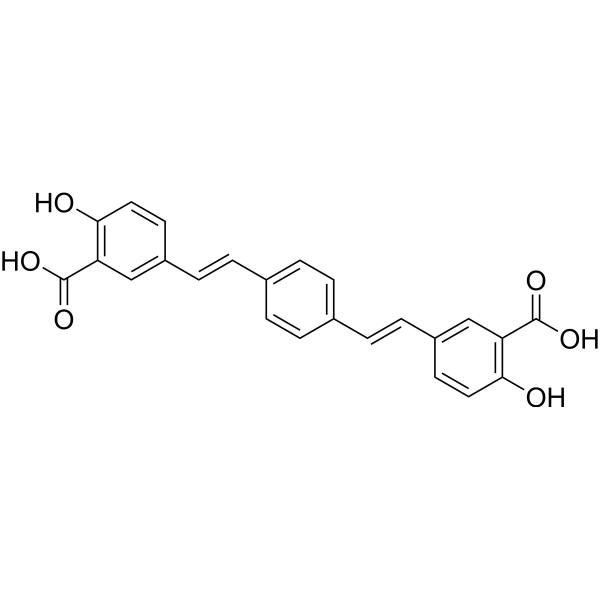
X-34 is a lipophilic and bright yellow-green fluorescent derivative of Congo red (HY-D0236). X-34 can be used to stain neuritic and diffuse plaques, neurofibrillary tangles (NFTs), neuropil threads, and cerebrovascular amyloid in the brain. X-34 can be used for research of Alzheimer’s disease .
loading...
    loading...
Cat. No.: HY-P990078
CAS No.: 2571940-41-3
Synonyms: LY3372993

Target:  

Amyloid-β

Research Areas:  

Neurological Disease

Remternetug (LY3372993) is a monoclonal antibody that targets pyroglutamylated amyloid β fibrils (N3pG-Aβ). Remternetug specifically binds to N3pG-Aβ, thereby clearing amyloid plaques in the brain and reducing amyloid burden. Remternetug can be used in research related to Alzheimer's disease .
loading...
    loading...
Cat. No.: HY-P1047
CAS No.: 182912-74-9
Synonyms: [Pro18, Asp21] β-Amyloid (17-21)
Target:  

Amyloid-β

Research Areas:  

Neurological Disease

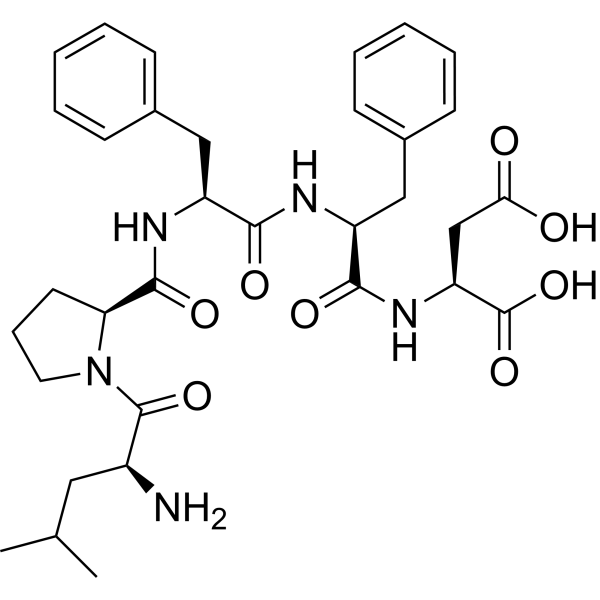
β-Sheet Breaker Peptide iAβ5 ([Pro18, Asp21] β-Amyloid (17-21)) is an amyloid fibril disaggregation inducer. β-Sheet Breaker Peptide iAβ5 inhibits fibril formation and disaggregates preformed fibrils by binding to the central hydrophobic region of Aβ (LVFFA) and disrupting the interactions between Aβ monomers/oligomers. β-Sheet Breaker Peptide iAβ5 reproducibly induces the disaggregation of fibrillar amyloid deposits in rat brain. β-Sheet Breaker Peptide iAβ5 prevents and reverses Aβ-induced neuronal shrinkage, reduces IL-1β-positive microglia surrounding Aβ deposits, and decreases the size of cerebral amyloid plaques. β-Sheet Breaker Peptide iAβ5 labeled with HBA enables blue quantitative detection under acidic conditions. β-Sheet Breaker Peptide iAβ5 is used in research related to Alzheimer's disease .
loading...
    loading...
Cat. No.: HY-DY1045
CAS No.: 863918-78-9
Methoxy-X04 (solution) is a fluorescent dye that crosses the blood-brain barrier and selectively binds to beta-pleated sheets found in dense core amyloid Aβ plaques. Methoxy-X04 retains in vitro binding affinity for amyloid b (Ab) fibrils (Ki= 26.8 nM). Methoxy-X04 is fluorescent and stains plaques, tangles, and cerebrovascular amyloid in postmortem sections of AD brain with good specificity .
Solvent and concentration: DMSO: 5 mg/mL
loading...
    loading...
Cat. No.: HY-P11321A
Synonyms: acyl-GIP hydrochloride
Target:  

GLP Receptor

Research Areas:  

Metabolic Disease

IUB0271 hydrochloride (acyl-GIP hydrochloride) is a glucose-dependent insulinotropic polypeptide receptor (GIPR) agonist with blood-brain barrier permeability. IUB0271 hydrochloride activates the GIPR signaling pathway, inhibits food intake and weight gain, and induces cFos neuron activation in the area postrema. IUB0271 hydrochloride enhances lipid clearance and induces systemic fatty acid oxidation. IUB0271 hydrochloride improves dyslipidemia, reduces atherosclerotic plaque formation and decreases adipocyte volume. IUB0271 hydrochloride can be used in studies related to obesity, dyslipidemia and atherosclerosis .
loading...
    loading...
Cat. No.: HY-P11321
Synonyms: acyl-GIP
Target:  

GLP Receptor

Research Areas:  

Metabolic Disease

IUB0271 (acyl-GIP) is a glucose-dependent insulinotropic polypeptide receptor (GIPR) agonist with blood-brain barrier permeability. IUB0271 activates the GIPR signaling pathway, inhibits food intake and weight gain, and induces cFos neuron activation in the area postrema. IUB0271 enhances lipid clearance and induces systemic fatty acid oxidation. IUB0271 improves dyslipidemia, reduces atherosclerotic plaque formation and decreases adipocyte volume. IUB0271 can be used in studies related to obesity, dyslipidemia and atherosclerosis .
loading...
    loading...
Cat. No.: HY-N0264R
CAS No.: 1124-11-4
Synonyms: Chuanxiongzine (Standard); Tetramethylpyrazine (Standard)
Ligustrazine (Standard) (Chuanxiongzine (Standard)) is the analytical standard of Ligustrazine (HY-N0264). This product is intended for research and analytical applications. Ligustrazine (Chuanxiongzine) is an orally active, blood-brain barrier-permeable alkaloid. It can be isolated from Ligusticum striatum DC. Ligustrazine reduces ROS, upregulates the levels of p-Akt/Akt and p-eNOS/eNOS, and decreases ALT and AST. It inhibits glutamate excitotoxicity, calcium overload, oxidative stress, ischemia-reperfusion injury and atherosclerotic plaque progression, enhances synaptic plasticity, and improves neurological function, cerebral infarct volume and brain water content. Ligustrazine possesses anti-inflammatory, antioxidant, lipid-lowering, endothelial protective and hepatoprotective activities. It can be used in studies related to ischemic stroke, cerebral ischemia-reperfusion injury and atherosclerosis .
loading...
    loading...
Cat. No.: HY-170409
CAS No.: 1195795-81-3
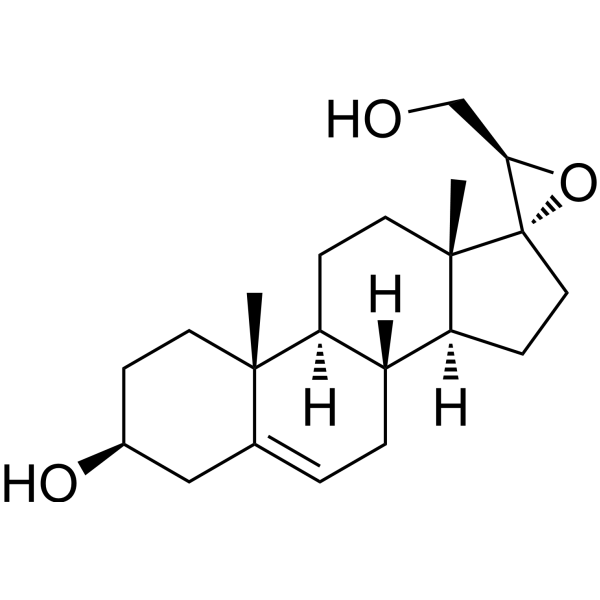
BNN27 is a blood-brain barrier-penetrant, selective NGF receptor (TrkA and p75NTR) activator. BNN27 activates ERK1/2/AKT. BNN27 enhances NGF-induced differentiation/axonal growth and inhibits JNK after NGF withdrawal. BNN27 reduces Amyloid-β plaques, gliosis, and pro-inflammatory cytokines, and rescues synaptic/cholinergic deficits, neurogenesis, and working memory. BNN27 can be used in research on Alzheimer's disease, amyotrophic lateral sclerosis, diabetic retinopathy, inflammatory hyperalgesia, anxiety disorders, and multiple sclerosis .
loading...
    loading...
Cat. No.: HY-176036
CAS No.: 3070323-06-4
MS1262 is a blood-brain barrier-permeable, selective inhibitor of histone methyltransferases G9a (EHMT2) and GLP (EHMT1), with an IC50 of 19 nM and a Kd of 74 nM against G9a, and an IC50 of 6 nM and a Kd of 19 nM against GLP. MS1262 reduces the dimethylation level of histone H3 lysine 9 and decreases the size of Aβ plaques. MS1262 restores hippocampal long-term potentiation (LTP) and miniature excitatory postsynaptic current (sEPSC) frequency, ameliorates spatial memory deficits, and reverses anxiety-like and depression-like behaviors in AD model mice. MS1262 reverses the expression/phosphorylation levels of early AD biomarkers, providing support for stage-specific diagnosis of AD. MS1262 reduces the risk of thrombus rupture. MS1262 can be used in research related to Alzheimer's disease, colorectal cancer, and triple-negative breast cancer .
loading...
    loading...
Cat. No.: HY-156842
CAS No.: 1625629-51-7
Purity:  96.12%
Target:  

Amyloid-β

Research Areas:  

Neurological Disease

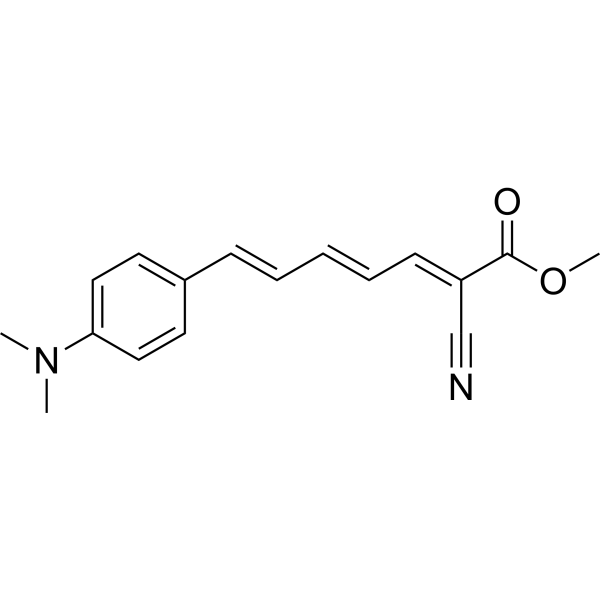
MCAAD-3 is a near-infrared Aβ imaging probe with blood-brain barrier penetrability. MCAAD-3 has a strong affinity for Aβ polymers (Ki >106 nM) and can label Aβ plaques in the brains of transgenic mice .
loading...
    loading...

