79 Results for "

cell contraction

" in MedChemExpress (MCE) Product Catalog:
Products (79)

79 Results for "cell contraction" in MCE Product Catalog:

4
4 Cited Publications
Cat. No.: HY-16346
CAS No.: 290297-26-6
Synonyms: CID 6451149
Target:  

Neurokinin Receptor

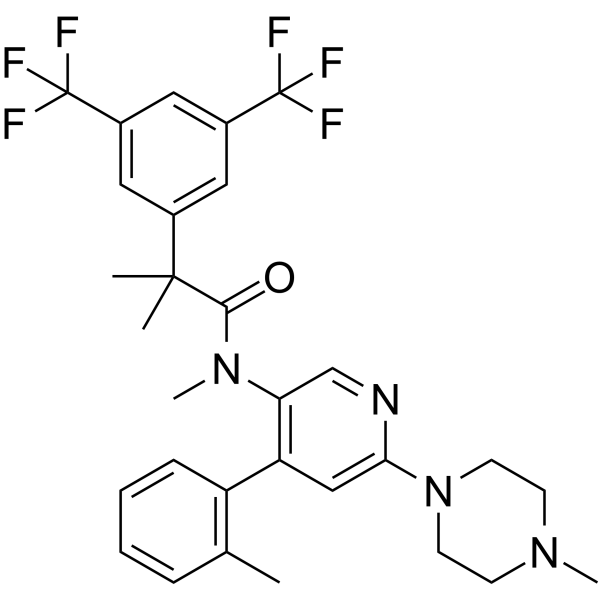
Netupitant (CID 6451149) is a blood-brain barrier penetrable, orally active NK1 receptor inhibitor with a Ki of 0.95 nM (CHO cells) against the human receptor. Netupitant antagonizes the effects induced by Substance P, inhibits the maximal response of Substance P with a long-lasting action, and suppresses NK1 agonist-induced behaviors in mice and gerbils. Netupitant reduces the frequency of bladder contractions, prolongs contraction intervals, decreases basal pressure at high doses, and acts on the afferent branch of the micturition reflex. Netupitant can be used in research related to overactive bladder, chemotherapy-induced nausea and vomiting, post-operative nausea and vomiting, anxiety disorders, and depression .
loading...
    loading...
4
4 Cited Publications
Cat. No.: HY-101396
CAS No.: 582323-16-8
Purity:  99.20%
Target:  

Potassium Channel

Research Areas:  

Neurological Disease

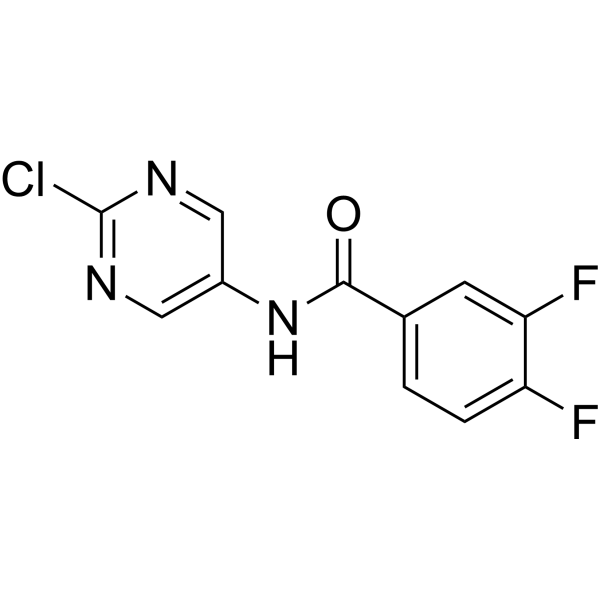
ICA-069673 is a KCNQ2/Q3 potassium channel activator. ICA-069673 demonstrates greater selectivity for KV7.2/7.3 over KV7.3/KV7.5, with EC50s of 0.69 μM and 14.3 μM, respectively. ICA-069673 inhibits spontaneous phasic and nerve-evoked contractions in guinea pig detrusor smooth muscle (DSM). ICA-069673 also decreases the global intracellular Ca(2+) concentration in DSM cells .
loading...
    loading...
1
1 Cited Publications
Cat. No.: HY-W023323
CAS No.: 925704-45-6
Target:  

Endogenous Metabolite

Research Areas:  

Metabolic Disease

(S)-β-Aminoisobutyric acid hydrochloride is a cytoprotective agent, which is a non-proteinogenic amino acid enantiomer derived from valine metabolism in skeletal muscle mitochondria. The plasma level of (S)-β-Aminoisobutyric acid hydrochloride increases significantly after acute aerobic exercise (and is not affected by the AGXT2 rs37369 genotype), and it is secreted by mouse extensor digitorum longus and soleus muscles in ex vivo contraction assays. (S)-β-Aminoisobutyric acid hydrochloride specifically protects osteocytes from oxidative stress-induced cell death .
loading...
    loading...
Cat. No.: HY-W017277
CAS No.: 15356-60-2
Synonyms: D-Menthol
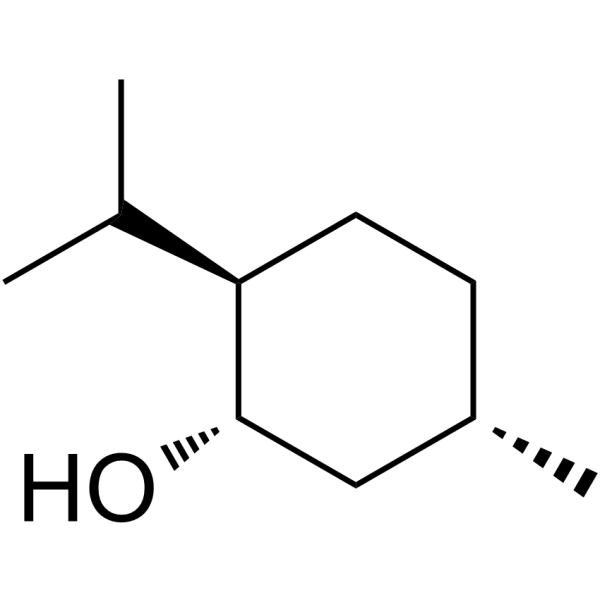
(+)-Menthol (D-Menthol) is one of the optical isomers of Menthol. (+)-Menthol can reduce the electrically evoked contractions of rat phrenic hemidiaphragm in vitro. Local anaesthetic activity. (+)-Menthol inhibits fungal growth and sporulation. (+)-Menthol can also inhibit the growth of Microcystis aeruginosa cells .
loading...
    loading...
Cat. No.: HY-P2168
CAS No.: 113-78-0
Research Areas:  

Metabolic Disease

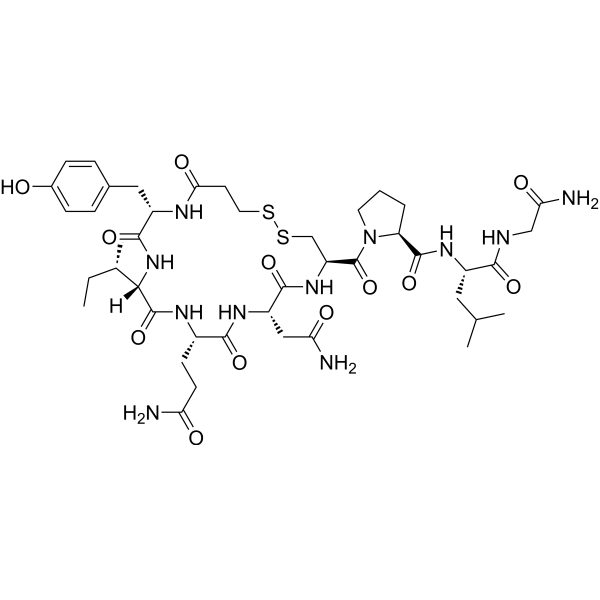
Demoxytocin is a heterologous cyclic peptide and an analog of Oxytocin (HY-17571). Demoxytocin affects the permeability of cell membranes and increases calcium ion levels in smooth muscle cells, thereby enhancing the contraction of smooth muscle cells. Demoxytocin also stimulates the contraction of uterine smooth muscle. Demoxytocin possesses the functions of oxytocin. Demoxytocin can be used to study labor stimulation in preterm premature rupture of membranes .
loading...
    loading...
Cat. No.: HY-W133891
CAS No.: 91079-46-8
Synonyms: Peptones, soybean
Peptone from soy (peptones, soybean) is a peptone. Peptone from soy provides nitrogen and carbon sources, as well as other nutrients. Peptone from soy can stimulate/regulate the biosynthesis of cyclic eicosanoids. Peptone from soy induces dose-dependent contraction of guinea pig lung parenchyma. Peptone from soy can be used in microbial and cell culture .
loading...
    loading...
Cat. No.: HY-A0066A
CAS No.: 59-97-2
Synonyms: Imidaline hydrochloride; NSC35110 hydrochloride
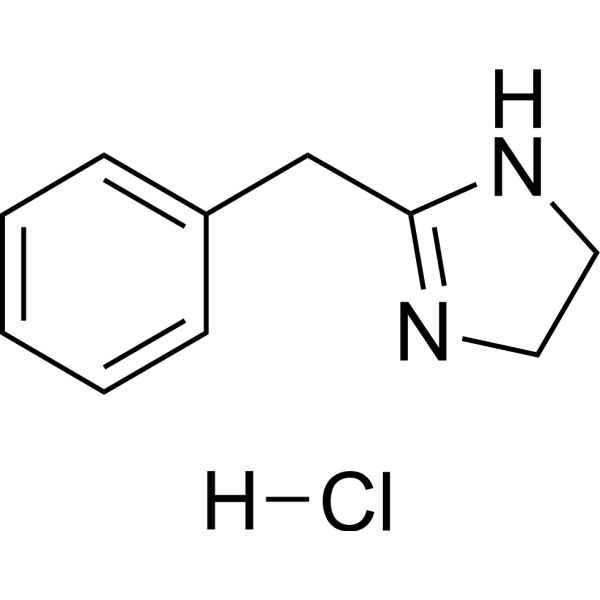
Tolazoline hydrochloride (Imidaline hydrochloride) is an α-adrenergic receptor antagonist. Tolazoline hydrochloride inhibits Noradrenaline (HY-13715)-induced cell contraction, modulates vascular resistance, increases arterial pressure, and reverses bradycardia and tachypnea. Tolazoline hydrochloride can be used to study erectile dysfunction, α2-adrenergic receptor agonist-related poisoning, and skin vascular disease research .
loading...
    loading...
Cat. No.: HY-P1636
CAS No.: 113274-56-9
Research Areas:  

Metabolic Disease

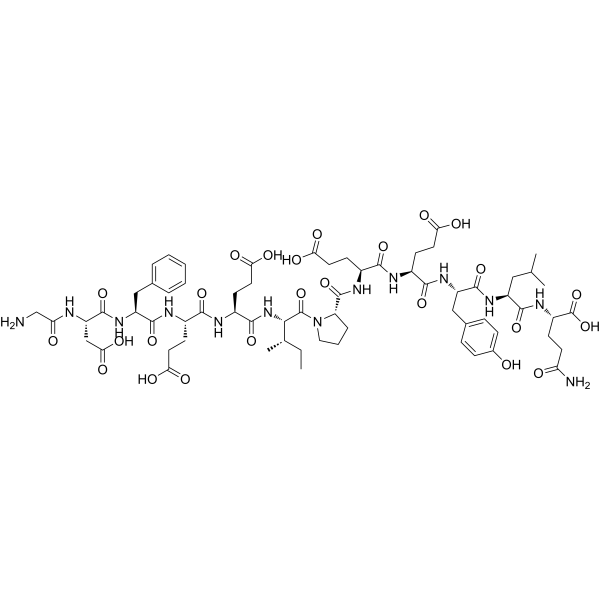
Hirudin (54-65) is a thrombin antagonist and YAP suppressor with anticoagulatory properties.Hirudin (54-65) blocks thrombin's anion binding site, acts on soluble and thrombus-bound thrombin.Hirudin (54-65) suppresses thrombin-induced profibrotic YAP activity, reduces YAP expression, nuclear translocation, and downstream effector signaling in vascular endothelial cells.Hirudin (54-65) ameliorates obstructive cholestasis, attenuates liver fibrosis symptoms, fibrosis-associated angiogenesis, and endothelial-to-mesenchymal transition.Hirudin (54-65) reduces liver inflammation and tissue hypoxia.Hirudin (54-65) promotes extracellular calcium influx through L-type calcium channels in canine coronary artery smooth muscle, mediates contraction.Hirudin (54-65) induces endothelium-independent contraction of canine coronary arterial segments; this response is not affected by indomethacin pretreatment.Hirudin (54-65) can be used for the research of liver obstructive cholestasis, liver fibrosis .
loading...
    loading...
Cat. No.: HY-NP175
CAS No.: 9064-67-9
Collagen (bovine skin) is a three-dimensional cell culture matrix and morphoregulator extracted from bovine skin, which binds to integrins (such as α1β1, α2β1, α11β1) and discoidin domain receptors (DDR1 and DDR2). Collagen (bovine skin) can be reconstituted into a three-dimensional fibrous network to mimic the in vivo tissue environment. It can not only be modified through cross-linking or concentration adjustment, but also interact with fibronectin to enhance matrix-associated cellular activities. Collagen (bovine skin) mediates the proliferation, aggregation, durotactic migration and differentiation of fibroblasts, regulates the synthesis, remodeling and contraction of extracellular matrix, and modulates the expression, activation of MMP as well as cell apoptosis, etc. Collagen (bovine skin) can be used in studies related to the mechanisms of cancer occurrence and development .
loading...
    loading...
Cat. No.: HY-B0380
CAS No.: 39133-31-8
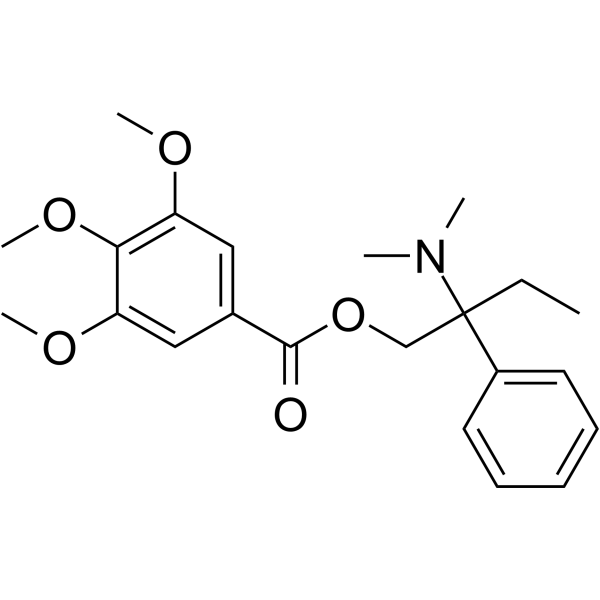
Trimebutine is a multi-target inhibitor and opioid receptor agonist with antimuscarinic activity. Trimebutine inhibits L-type Ca 2+ channels and large-conductance calcium-activated potassium channels (BKCa channels), thereby inhibiting extracellular calcium influx and potassium ion efflux. Trimebutine also targets Toll-like receptors, inhibits Toll-like receptor 2/4/7/8/9 signals, and inhibits LPS-induced IRAK1 activation, as well as ERK1/2, JNK and NF-κB activation, thereby exerting anti-inflammatory effects. Trimebutine also induces tumor cell apoptosis by inhibiting the AKT/ERK pathway. Trimebutine also inhibits excessive contraction of smooth muscle and can be used in the study of gastrointestinal disorders such as irritable bowel syndrome (IBS) .
loading...
    loading...
Cat. No.: HY-B0380A
CAS No.: 34140-59-5
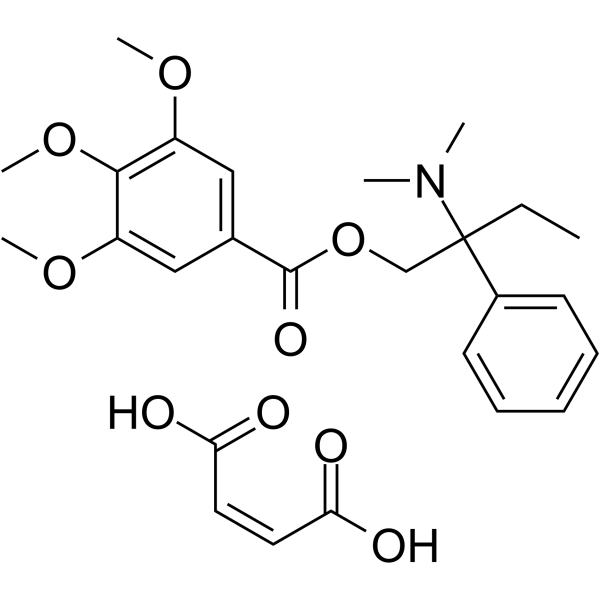
Trimebutine maleate is a multi-target inhibitor and opioid receptor agonist with antimuscarinic activity. Trimebutine maleate inhibits L-type Ca 2+ channels and large-conductance calcium-activated potassium channels (BKCa channels), thereby inhibiting extracellular calcium influx and potassium ion efflux. Trimebutine maleate also targets Toll-like receptors, inhibits Toll-like receptor 2/4/7/8/9 signals, and inhibits LPS-induced IRAK1 activation, as well as ERK1/2, JNK and NF-κB activation, thereby exerting anti-inflammatory effects. Trimebutine maleate also induces tumor cell apoptosis by inhibiting the AKT/ERK pathway. Trimebutine maleate also inhibits excessive contraction of smooth muscle and can be used in the study of gastrointestinal disorders such as irritable bowel syndrome (IBS) .
loading...
    loading...
Cat. No.: HY-128878
CAS No.: 119817-90-2
Purity:  98.25%
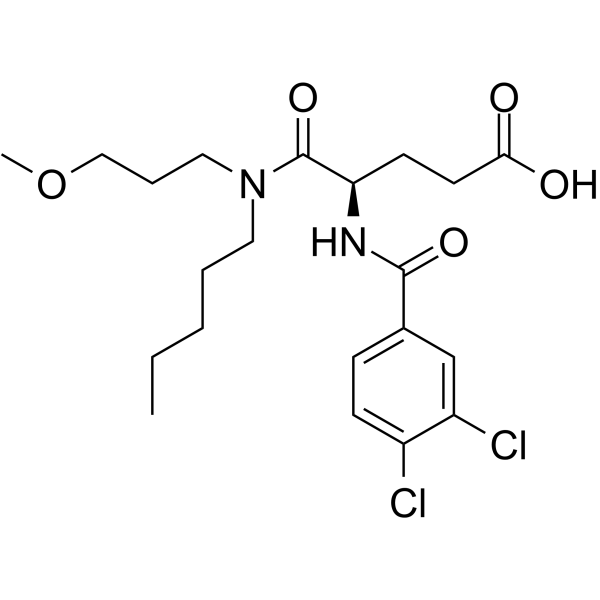
Dexloxiglumide is an orally active and selective cholecystokinin type A (CCKA) receptor antagonist. Dexloxiglumide is the active enantiomer of Loxiglumide, inhibits smooth muscle cell contractions induced by cholecystokinin-octapeptide (CCK-8). Dexloxiglumide exhibits moderate Caco-2 permeability that is polarized, concentration dependent, and pH dependent. Dexloxiglumide increases MRP1-substrate fluorescein uptake. Dexloxiglumide can be studied in research for gastrointestinal diseases and tumors .
loading...
    loading...
Cat. No.: HY-A0066
CAS No.: 59-98-3
Synonyms: Imidaline; NSC35110
Target:  

Adrenergic Receptor

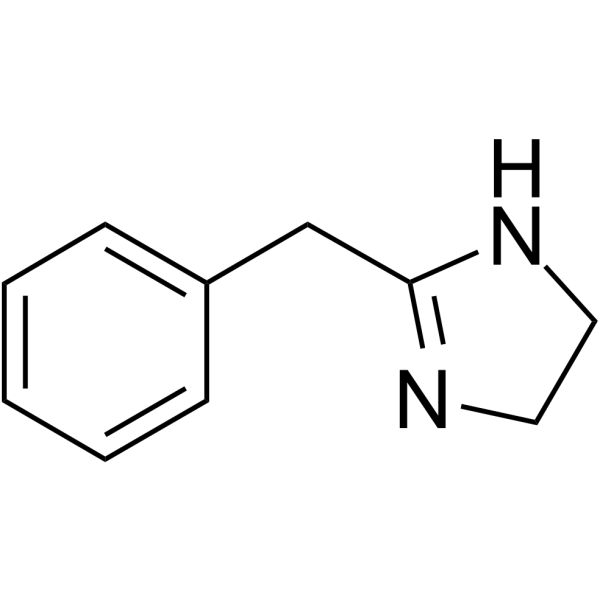
Tolazoline (Imidaline) is an α-adrenergic receptor antagonist. Tolazoline inhibits Noradrenaline (HY-13715)-induced cell contraction, modulates vascular resistance, increases arterial pressure, and reverses bradycardia and tachypnea. Tolazoline can be used to study erectile dysfunction, α2-adrenergic receptor agonist-related poisoning, and skin vascular disease research .
loading...
    loading...
Cat. No.: HY-N3320
CAS No.: 14957-38-1
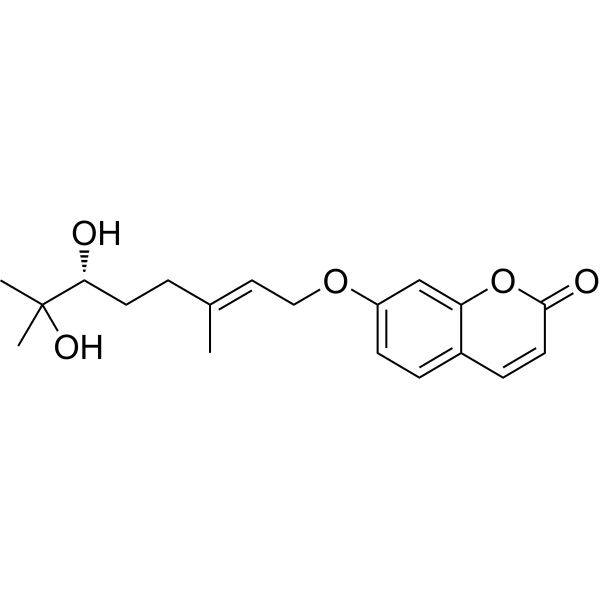
Marmin is a histamine receptor inhibitor and tracheal smooth muscle relaxant. Marmin antagonizes histamine- and methacholine-induced contraction of tracheal smooth muscle. Marmin inhibits histamine release from mast cells, and also blocks extracellular calcium influx via voltage-dependent calcium channels as well as calcium release from intracellular calcium stores, thereby effectively inhibiting calcium-mediated smooth muscle contraction. Marmin slightly enhances the relaxant effect of isoprenaline, and induces epithelial-dependent tracheal smooth muscle relaxation independent of nitric oxide, cGMP or β2-adrenergic pathways through the release of prostaglandin E2 .
loading...
    loading...
Cat. No.: HY-176446
CAS No.: 2641397-91-1
PSB-172656 is a selective MRGPRX2 antagonist with a Ki of 0.142 nM. PSB-172656 competitively blocks receptor activation by multiple agonists, inhibits Gαq/Gαi dissociation and β-arrestin recruitment, and blocks CXCL14-induced MRGPRX2 calcium mobilization and MRGPRB2 activation. PSB-172656 blocks signaling of the mouse ortholog and mast cell activation, and prevents agonist-induced tracheal contraction, hind paw edema, and systemic anaphylactic symptoms. PSB-172656 can be used for research on mast cell-mediated hypersensitivity and chronic inflammatory diseases .
loading...
    loading...
Cat. No.: HY-W100287
CAS No.: 4532-33-6
Murrayafoline A is a carbazole alkaloid that can be extracted from Murraya tetramera. Murrayafoline A directly targets Specificity protein 1 (Sp1), thereby inhibiting NF-κB and MAPK signaling pathways. Murrayafoline a induces a G0/G1-phase arrest in platelet-derived growth factor (PDGF)-stimulated vascular smooth muscle cells. Murrayafoline A attenuates the Wnt/β-catenin pathway by promoting the degradation of intracellular β-catenin proteins. Murrayafoline A enhances the contraction of rat ventricular myocytes and L-type calcium current by activating protein kinase C. Murrayafoline A inhibits LPS (HY-D1056)-induced neuroinflammation in vivo. Murrayafoline A can be used for the study of inflammation, vascular complications and colon cancer .
loading...
    loading...
Cat. No.: HY-108482
CAS No.: 132746-60-2
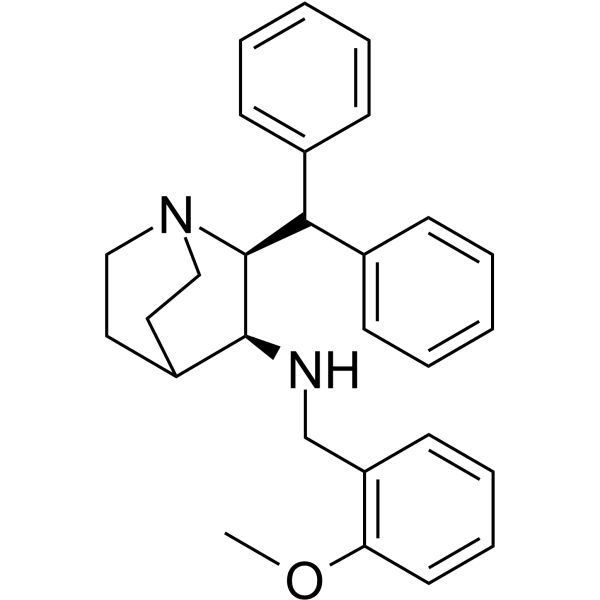
CP-96,345 is a non-peptide selective NK-1 receptor antagonist (Ki = 0.31 nM). CP-96,345 inhibits cell rolling, adhesion, and plasma extravasation, and inhibits degranulation and pancreatic MPO activity. CP-96,345 attenuates neurogenic inflammation, edema, and adhesion molecule expression. CP-96,345 attenuates static contraction- and muscle stretch-evoked pressor reflexes through blockade of NK-1 receptors in the dorsal horn. CP-96,345 impairs post-ischemic recovery of LVDevP, HR, and CF in isolated hearts and increases reperfusion fibrillation. CP-96,345 can be used for research on chronic colitis, myocardial ischemia-reperfusion injury, smoke inhalation and burn injury, acute pancreatitis, oxazolone colitis, and neurogenic inflammation .
loading...
    loading...
Cat. No.: HY-P1564A
CAS No.: 2918768-31-5
Target:  

Angiotensin Receptor

Research Areas:  

Others

[Sar1, Ile8]-Angiotensin II (TFA) is a peptide that has multiple effects on vascular smooth muscle, including contraction of normal arteries and hypertrophy or hyperplasia of cultured cells or diseased vessels.
loading...
    loading...
Cat. No.: HY-B1735
CAS No.: 32828-81-2
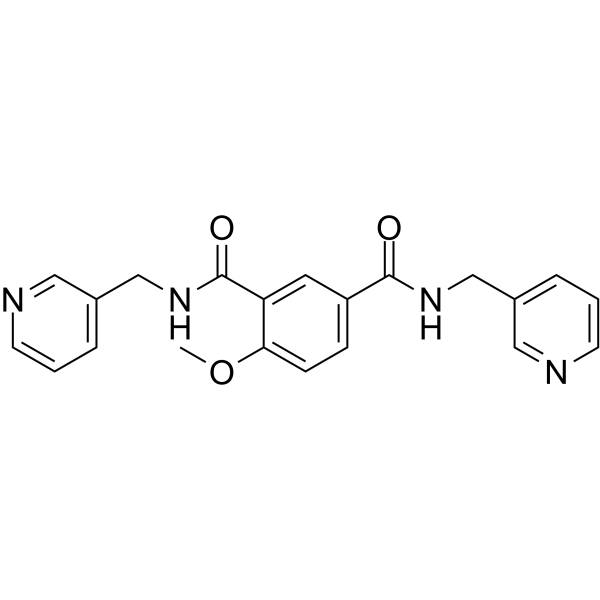
Picotamide is an orally active TXA2 receptor and TXA2 synthase inhibitor. Picotamide inhibits ADP (HY-W010918)-, Arachidonic acid (HY-109590)-, and Collagen (HY-NP003)-induced platelet aggregation, reduces TXA2 production during coagulation, and does not inhibit PGI2 synthesis in endothelial cells. Picotamide inhibits contractions induced by α1-adrenergic receptor agonism, TXA2 mediation, and neurogenic (electrical field stimulation-induced) factors in human prostatic smooth muscle, and broadly inhibits agonist-induced contractions of porcine interlobar renal and coronary arteries. Picotamide can be used in research related to thromboembolic diseases, atherosclerosis, and lower urinary tract symptoms .
loading...
    loading...
Cat. No.: HY-P5360
CAS No.: 244095-36-1
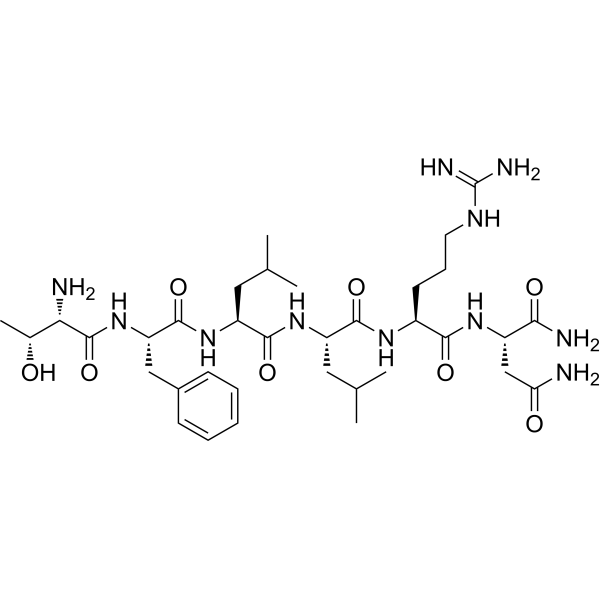
TFLLRN-NH2 is a PAR-1 peptide-selective agonist. TFLLRN-NH2 induces AMPK phosphorylation and attenuates LPS-induced osteoclastogenesis, NFATc1 expression, NF-κB activation, and IκBα degradation. TFLLRN-NH2 stimulates MAPK phosphorylation in hepatocellular carcinoma cells. TFLLRN-NH2 induces concentration-dependent contraction of isolated human renal artery rings, stimulates IL-6 release from human T cells, and also evokes intracellular Ca 2+ mobilization in primary human renal tubular epithelial cells. TFLLRN-NH2 can be used in research related to hepatocellular carcinoma and acute lung injury .
loading...
    loading...

