9370 Results for "

cellular uptake

" in MedChemExpress (MCE) Product Catalog:
Products (9370)

9370 Results for "cellular uptake" in MCE Product Catalog:

21
21 Publications Verification
Cat. No.: HY-138300
CAS No.: 1849616-42-7
Purity:  99.93%
Research Areas:  

Others

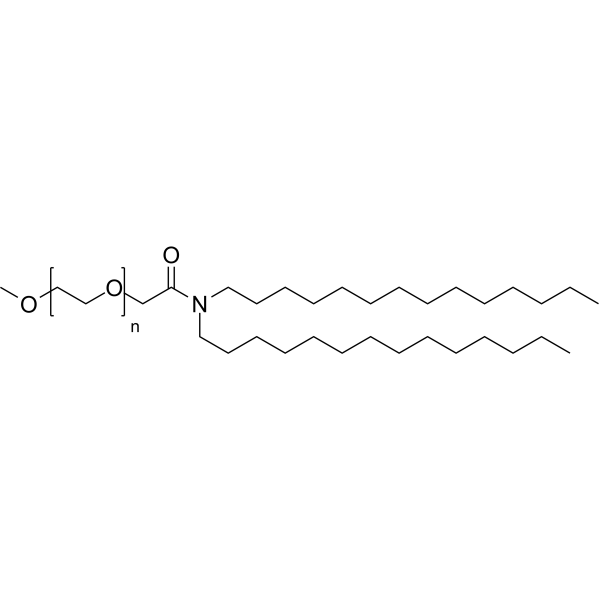
ALC-0159 presents highly mobile surface PEG chains in a dense brush-like conformation, which can form a hydrophilic barrier, reduce non-specific protein adsorption and macrophage uptake, improve colloidal stability, prolong in vivo circulation time, and affect the cellular uptake of LNPs. ALC-0159 dissociates from the surface of mRNA-LNPs under long-term mechanical oscillation stress, thereby reducing steric hindrance, inducing mRNA-LNP fusion, increasing particle size, and releasing unencapsulated mRNA .
loading...
    loading...
12
12 Cited Publications
Cat. No.: HY-108540
CAS No.: 20448-79-7
Purity:  99.13%
Synonyms: 2-Amino-2-norbornanecarboxylic acid; LAT1-IN-1
Target:  

Apoptosis

Research Areas:  

Cancer

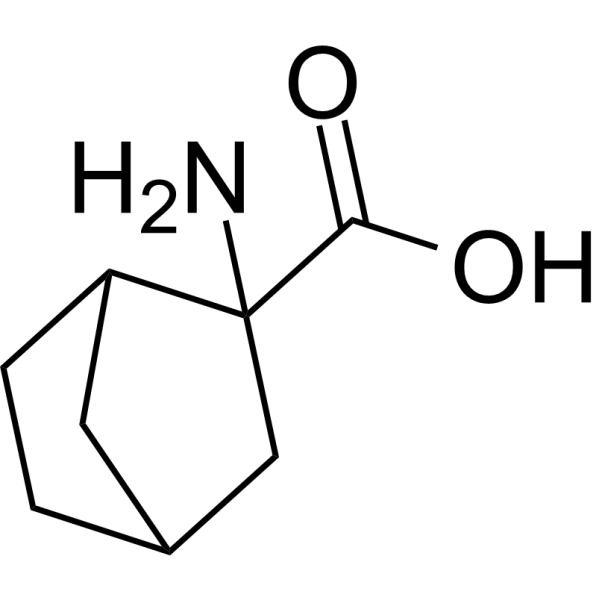
BCH (2-Amino-2-norbornanecarboxylic acid) is a selective and competitive inhibitor of large neutral amino acid transporter 1 (LAT1) significantly inhibit cellular uptake of amino acids and mTOR phosphorylation, which induces the suppression of cancer growth and apoptosis .
loading...
    loading...
12
12 Cited Publications
Cat. No.: HY-10446
CAS No.: 146464-95-1
Purity:  99.22%
Target:  

Antifolate Apoptosis

Research Areas:  

Cancer

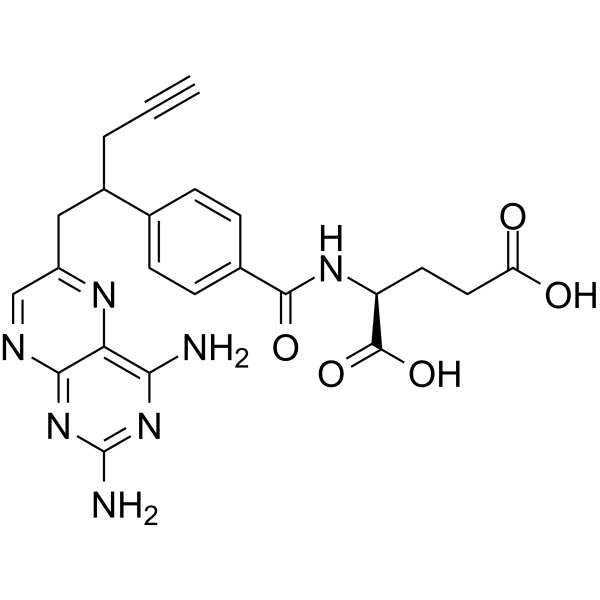
Pralatrexate is an antifolate and is a potent dihydrofolate reductasean (DHFR) inhibitor with a Ki of 13.4 pM. Pralatrexate is a substrate for folylpolyglutamate synthetase with improved cellular uptake and retention. Pralatrexate has antitumor activities and has the potential for relapsed/refractory T-cell lymphoma treatment . Pralatrexate is a click chemistry reagent, it contains an Alkyne group and can undergo copper-catalyzed azide-alkyne cycloaddition (CuAAc) with molecules containing Azide groups.
loading...
    loading...
6
6 Cited Publications
Cat. No.: HY-P5321
CAS No.: 152051-61-1
Target:  

FGFR

Research Areas:  

Cancer

bFGF (119-126) is a ligand of bFGF. The complex formed by bFGF (119-126) and bFGF can bind to FGFR1, while inhibiting the bFGF-FGFR1 interaction, FGFR1 phosphorylation and downstream signaling pathways. Therefore, bFGF (119-126) induces cell apoptosis and inhibits cell proliferation, migration, angiogenesis and metastasis. When conjugated with a carrier, bFGF (119-126) enhances cellular uptake via FGFR-mediated endocytosis and serves as an effective FGFR-targeted ligand. When used in combination with ultrasound and Doxorubicin (HY-15142A), bFGF (119-126) significantly enhances the inhibitory effect on tumors. bFGF (119-126) is applicable to research related to lung cancer, breast cancer, glioblastoma and ovarian cancer .
loading...
    loading...
3
3 Cited Publications
Cat. No.: HY-23999
CAS No.: 4929-23-1
Target:  

LOX-1

Research Areas:  

Cardiovascular Disease

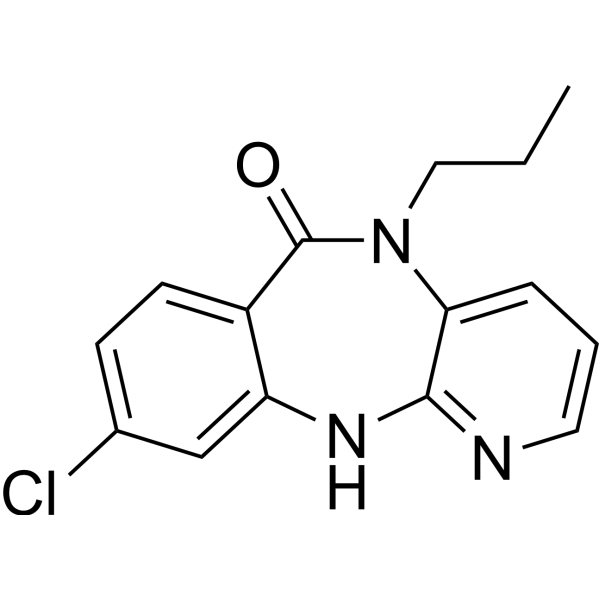
BI-0115 is a selective inhibitor of LOX-1 (IC50=5.4 μM) that blocks cellular uptake of oxLDL. BI-0115 binding triggers receptor inhibition by formation of dimers of the homodimeric ligand binding domain .
loading...
    loading...
3
3 Cited Publications
Cat. No.: HY-RI00449A
Target:  

MicroRNA

Research Areas:  

Cancer

hsa-miR-21-5p antagomirs are chemically-modified oligonucleotides that hybridize with mature miRNAs. The miRNA antagomirs have 2 phosphorothioates at the 5' end, 4 phosphorothioates at the 3' end, 1 cholesterol group at the 3' end, and full-length nucleotide 2'-methoxy modification. The miRNA antagomirs strongly compete with mature miRNAs to prevent the complementary pairing of miRNAs and their target genes, thereby inhibiting miRNAs from functioning. Stability of miRNA antagomirs appears to be significantly higher than miRNA inhibitors, they exhibits enhanced cellular uptake, stability and regulatory activity in vivo.
loading...
    loading...
2
2 Cited Publications
Cat. No.: HY-W176629
CAS No.: 550-10-7
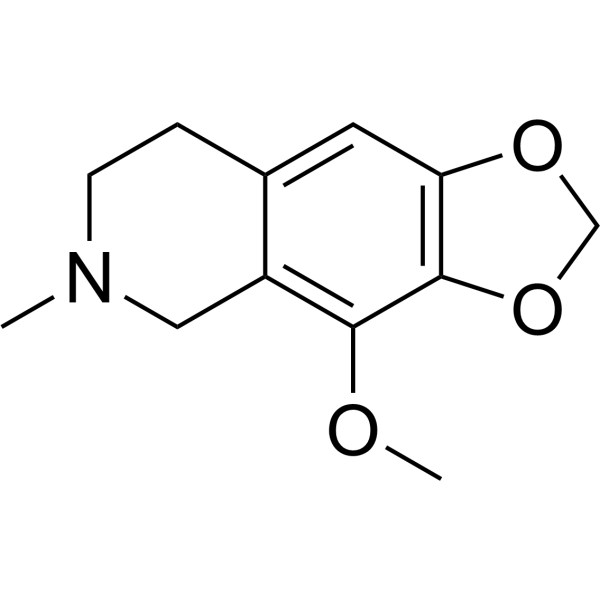
Hydrocotarnine is a Cbl inhibitor, and results in inflammasome-mediated IL-18 secretion in colitis. Hydrocotarnine increases expression of GLUT1 and cellular glucose uptake in glycolytic metabolism. Hydrocotarnine acts as an agent that provides analgesic effect in cancer research .
loading...
    loading...
1
1 Cited Publications
Cat. No.: HY-114334
CAS No.: 2247127-79-1
Purity:  98.09%
Synonyms: CB839 derivative
Target:  

Glutaminase

Research Areas:  

Cancer

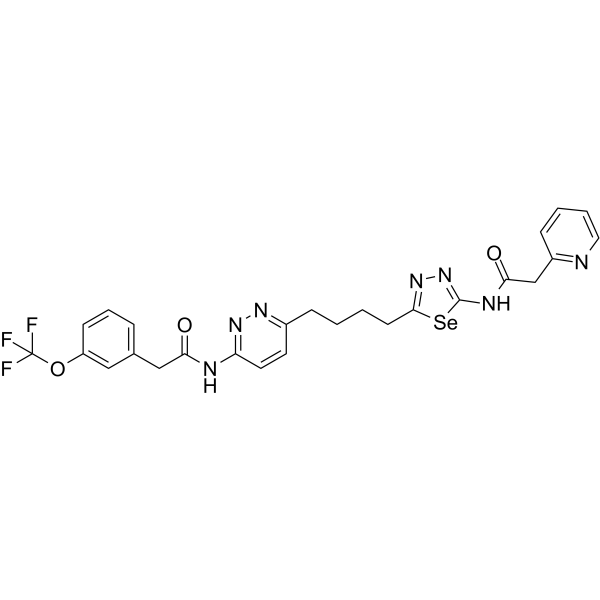
Glutaminase-IN-1 (CB839 derivative), a CB839 derivative, is an allosteric inhibitor of 1,3,4-selenadiazole-containing kidney-type glutaminase (KGA), with an IC50 of 1 nM. Glutaminase-IN-1 (CB839 derivative) shows improved cellular uptake and antitumor activity.
loading...
    loading...
1
1 Cited Publications
Cat. No.: HY-146245F
Purity:  98.03%
Research Areas:  

Inflammation/Immunology Cancer

FAM-labeled ODN 1826 sodium, a class B CpG ODN (oligodeoxynucleotide), is a TLR9 agonist. FAM-labeled ODN 1826 sodium can be used to evaluate CpG ODN cellular uptake and localization by confocal laser-scanning microscopy or flow cytometry.
loading...
    loading...
1
1 Cited Publications
Cat. No.: HY-161766
CAS No.: 2776151-36-9
Research Areas:  

Cancer

L687 is an activator of TRPC3, TRPC6, and TRPC7 cation channels and induces calcium influx. L687 induces macropinocytosis and endocytosis. L687 enhances cellular uptake and knockdown activity of antisense oligonucleotides. L687 alone does not alter SRRM4 expression. L687 can be used for research on small cell lung cancer .
loading...
    loading...
1
1 Cited Publications
Cat. No.: HY-124452
CAS No.: 26605-16-3
Purity:  95.00%
Synonyms: Desferrioxamine E; Nocardamin
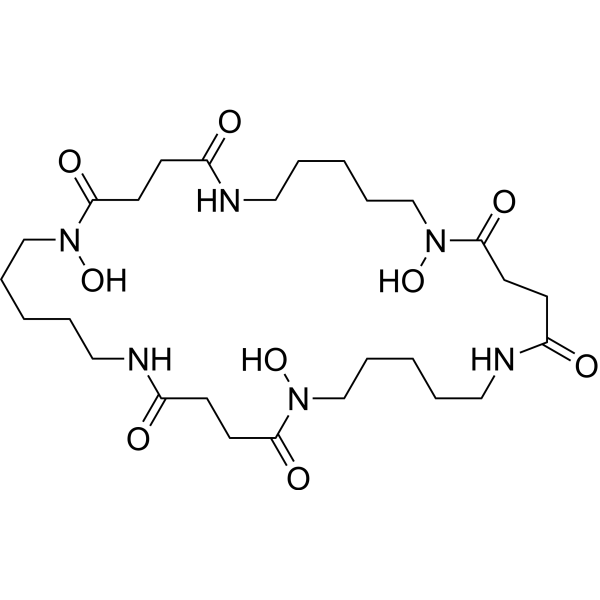
Nocardamine (Desferrioxamine E; Nocardamin) is a cyclic trihydroxamate siderophore with iron ion chelation, antioxidant, antibacterial and other activities. Nocardamine is synthesized by Pseudomonas stutzeri under iron-deficient conditions, and excessive iron ions significantly inhibit its biosynthesis process. Nocardamine increases the level of phosphorylated ERK protein, promotes nuclear translocation of β-catenin, and restores the downregulated expression of SIRT1 protein. Nocardamine alleviates cellular oxidative stress, reduces ROS content, and simultaneously repairs the ability to form mineralized nodules and the expression of osteogenic markers. Nocardamine induces FoxA gene transcription and protein expression to assist Pseudomonas aeruginosa in iron ion uptake; it also selectively inhibits the proliferation of mycobacteria. Nocardamine induces spindle-shaped morphological changes in BM-N4 insect cells, and sufficient iron ions inhibit this cellular morphological change. Nocardamine is suitable for research related to bacterial infections .
loading...
    loading...
1
1 Cited Publications
Cat. No.: HY-157624
CAS No.: 96998-01-5
Purity:  ≥99.0%
Synonyms: 18:0-22:6 PE
Target:  

Liposome

Research Areas:  

Others

1-Stearoyl-2-docosahexaenoyl-sn-glycero-3-phosphoethanolamine (18:0-22:6 PE) is a lipid compound that can be used for liposome preparation. Liposomes are the main component of vesicles with concentric phospholipid bilayer membranes, which can be used to construct drug delivery systems for anti-cancer and anti-infection fields. Highly polar water-soluble loads can be captured in the internal aqueous space of liposomes, while lipophilic loads can be distributed into the lipid bilayer and become part of the lipid bilayer. Especially for the delivery of antisense oligonucleotides, it can overcome the problems of inefficient cellular uptake and rapid loss in the body.
loading...
    loading...
1
1 Cited Publications
Cat. No.: HY-N2421
CAS No.: 523-92-2
Synonyms: 5-O-Methyl-myo-inositol
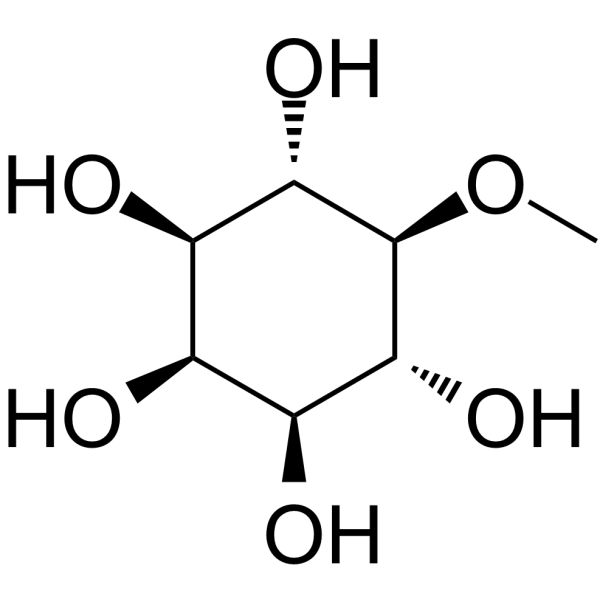
Sequoyitol (5-O-Methyl-myo-inositol) is an orally active hypoglycemic agent and antioxidant. Sequoyitol can be isolated from herbaceous plants. Sequoyitol downregulates the expression of NF-κB and TGF-β1, reduces ROS production and malondialdehyde levels, and enhances total antioxidant capacity. Sequoyitol activates the insulin signaling pathway, including the phosphorylation of IR, IRS1 and Akt. Sequoyitol increases serum insulin levels, inhibits hepatic glucose production, and promotes cellular glucose uptake. Sequoyitol antagonizes TNFα-induced inhibition of the insulin signaling pathway, and decreases blood urea nitrogen and serum creatinine levels. Sequoyitol elicits potential peaks in the chemosensors of adult and larval Atrophaneura alcinous, and acts as an oviposition stimulant for female Atrophaneura alcinous. Sequoyitol can be used in research related to type 2 diabetes, insulin resistance, hyperglycemia, impaired glucose tolerance and diabetic nephropathy .
loading...
    loading...
Cat. No.: HY-P4108
CAS No.: 923954-79-4
Target:  

Influenza Virus

Research Areas:  

Infection

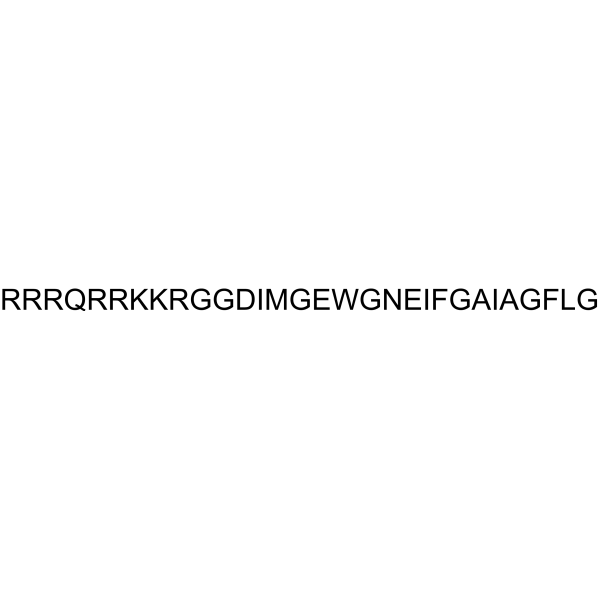
TAT-HA2 Fusion Peptide is a peptide-based delivery agent that combines the pH-sensitive HA2 fusion peptide from Influenza and the cell-penetrating peptide TAT from HIV. TAT-HA2 Fusion Peptide is a transactivator of transcription and hemaglutanin for endosomal release. TAT-HA2 Fusion Peptide enhances cellular uptake of macromolecules .
loading...
    loading...
Cat. No.: HY-172279A
Target:  

Liposome

Research Areas:  

Cancer

DSPE-PEG2000-TAT is a cell-penetrating peptide-modified PEGylated phospholipid conjugate and cellular uptake enhancer. DSPE-PEG2000-TAT forms via conjugation of Cys-TAT to DSPE-PEG2000-Mal. DSPE-PEG2000-TAT enhances liposomal cellular uptake and siRNA transfection efficiency in glomerular mesangial and macrophage cells. DSPE-PEG2000-TAT can be used for drug delivery .
loading...
    loading...
Cat. No.: HY-P5287
CAS No.: 393781-65-2
Research Areas:  

Cancer

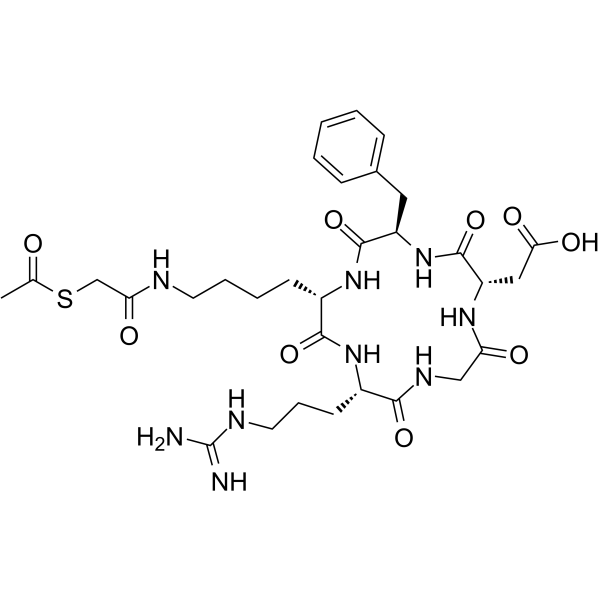
cRGDfK-thioacetyl ester is a selective αvβ3 integrin-binding peptide that mediates cellular uptake through integrins overexpressed on tumor cells. cRGDfK-thioacetyl ester is conjugated to maleimide-functionalized PLGA nanoparticles, which enhances nanoparticle uptake and improves accumulation and retention. cRGDfK-thioacetyl ester can be used in research related to tumor-targeted nanodelivery and cancer-targeted imaging .
loading...
    loading...
Cat. No.: HY-148327
CAS No.: 378775-98-5
Purity:  99.95%
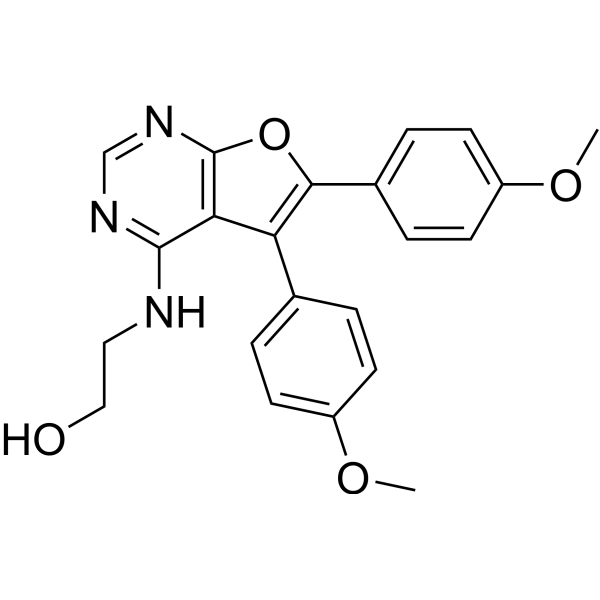
AK-IN-1 is a competitive inhibitor of adenosine kinase (AK) with respect to adenosine (Ado) and uncompetitive with respect to ATP. AK-IN-1 inhibits cellular adenosine uptake and adenosine incorporation into macromolecules. AK-IN-1 can be used for research on ischemia, inflammation, and epilepsy .
loading...
    loading...
Cat. No.: HY-41877
CAS No.: 123-56-8
Succinimide is a modifying agent. Binding of Succinimide to the 5-HT7 receptor induces clathrin-mediated endocytosis. Succinimide-modified liposomes exhibit high cellular uptake. Succinimide can be used in the study of glioblastoma .
loading...
    loading...
Cat. No.: HY-147102
CAS No.: 3062597-46-7
Purity:  99.40%
Target:  

LYTACs

Research Areas:  

Metabolic Disease

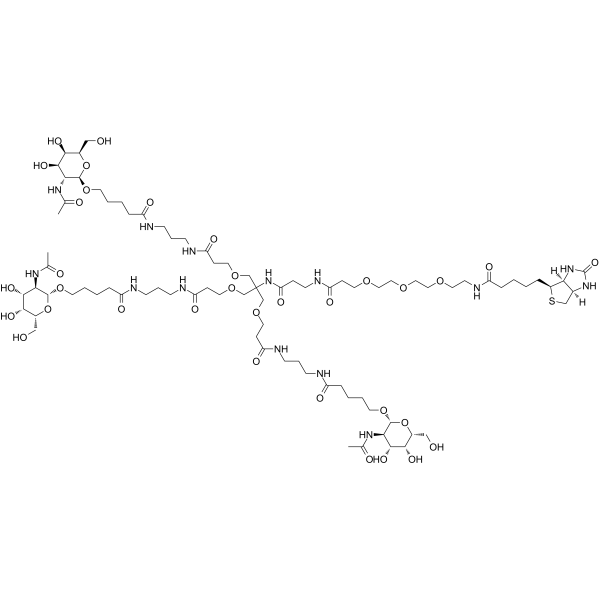
tri-GalNAc biotin is a biotinylated ASGPR (Asialoglycoprotein receptor) ligand. tri-GalNAc biotin promotes cellular uptake of neutravidin (NA) via ASGPR. tri-GalNAc biotin delivers neutravidin to lysosomes for degradation. tri-GalNAc biotin can be used for research of LYsosome TArgeting Chimera (LYTAC) .
loading...
    loading...
Cat. No.: HY-150743A
Purity:  93.84%
Research Areas:  

Inflammation/Immunology

Biotin-labeled ODN 2395 (sodium), a C class oligodeoxynucleotide, is a TLR9 agonist. Biotin-labeled ODN 2395 (sodium) can be used to evaluate CpG ODN cellular uptake and localization using a biotin detection system and light microscopy.
loading...
    loading...

