
27 Results for "

cheese

" in MedChemExpress (MCE) Product Catalog:
Products (27)

27 Results for "cheese" in MCE Product Catalog:

9
9 Cited Publications
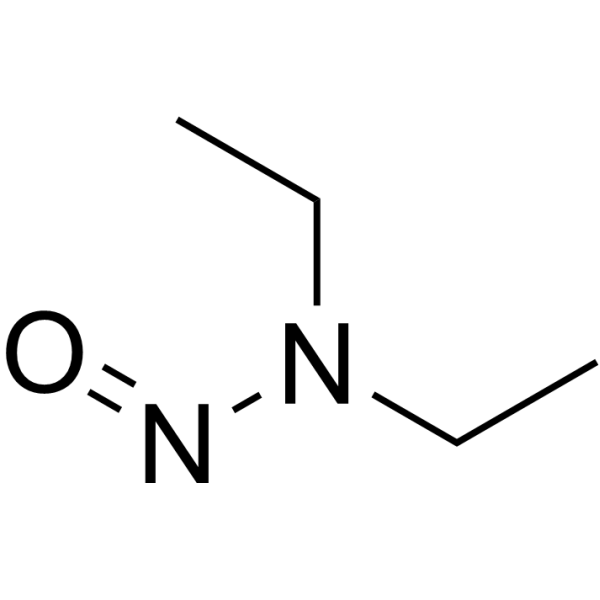
Cat. No.: HY-N7434
CAS No.: 55-18-5
Synonyms: Diethylnitrosamine; DEN; DENA
N-Nitrosodiethylamine (Diethylnitrosamine) is a potent hepatocarcinogenic dialkylnitrosoamine. N-Nitrosodiethylamine is mainly present in tobacco smoke, water, cheddar cheese, cured, fried meals and many alcoholic beverages. N-Nitrosodiethylamine is responsible for the changes in the nuclear enzymes associated with DNA repair/replication. N-Nitrosodiethylamine results in various tumors in all animal species. The main target organs are the nasal cavity, trachea, lung, esophagus and liver.
loading...
    loading...
Cat. No.: HY-P2810
CAS No.: 9001-98-3
Synonyms: EC 3.4.23.4
Research Areas:  

Metabolic Disease

Rennin, also known as Chymosin, is a pepsin-related proteolytic enzyme synthesized by cells in the stomach of certain animals that efficiently converts liquid milk into a semi-solid, allowing it to remain in the stomach for longer. The natural substrate of Rennin is K-casein, which is specifically cleaved at the peptide bond between amino acid residues 105 and 106, phenylalanine and methionine, and is widely used in cheese production .
loading...
    loading...
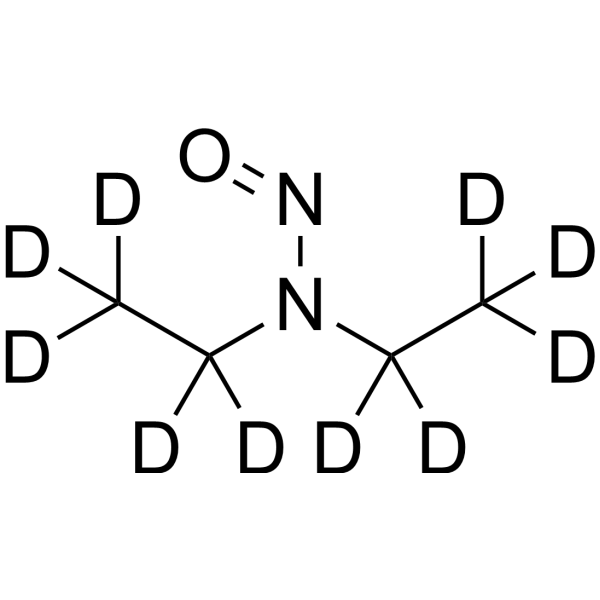
Cat. No.: HY-N7434S1
CAS No.: 1219794-54-3
Synonyms: Diethylnitrosamine-d10; DEN-d10; DENA-d10
N-Nitrosodiethylamine-d10 is the deuterium labeled N-Nitrosodiethylamine . N-Nitrosodiethylamine (Diethylnitrosamine) is a potent hepatocarcinogenic dialkylnitrosoamine. N-Nitrosodiethylamine is mainly present in tobacco smoke, water, cheddar cheese, cured, fried meals and many alcoholic beverages. N-Nitrosodiethylamine is responsible for the changes in the nuclear enzymes associated with DNA repair/replication. N-Nitrosodiethylamine results in various tumors in all animal species. The main target organs are the nasal cavity, trachea, lung, esophagus and liver.
loading...
    loading...
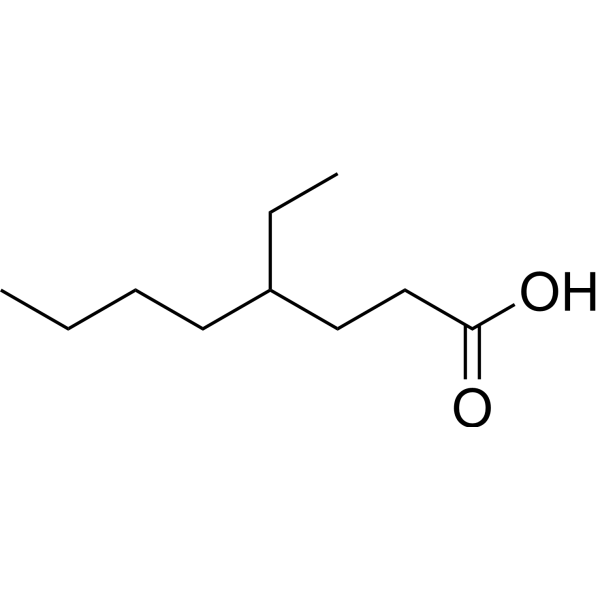
Cat. No.: HY-W015307
CAS No.: 16493-80-4
4-Ethyloctanoic acid is a branched chain aliphatic carboxylic acid that can be found in blue cheeses, various cheese types, and lamb/mutton. 4-Ethyloctanoic acid is a fragrance ingredient .
loading...
    loading...
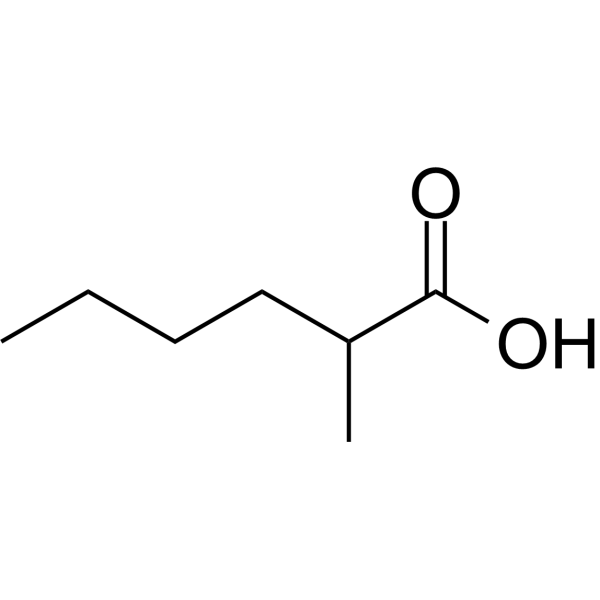
Cat. No.: HY-128371
CAS No.: 4536-23-6
Purity:  ≥98.0%
Research Areas:  

Others

2-Methylhexanoic acid is a saturated branched-chain carboxylic acid with a strong "fatty" or "oily" odor. At high concentrations, it is often described as having the smell of lard, chicken fat or sweat; when diluted, it exhibits a dairy, cream or cheese aroma. Therefore, it is commonly used in the formulation of milk, meat (pork/chicken) and baked food flavors. 2-Methylhexanoic acid occurs naturally in fresh apples, cheese, grape brandy, lamb, potatoes and tea .
loading...
    loading...
Cat. No.: HY-W012998
CAS No.: 600-14-6
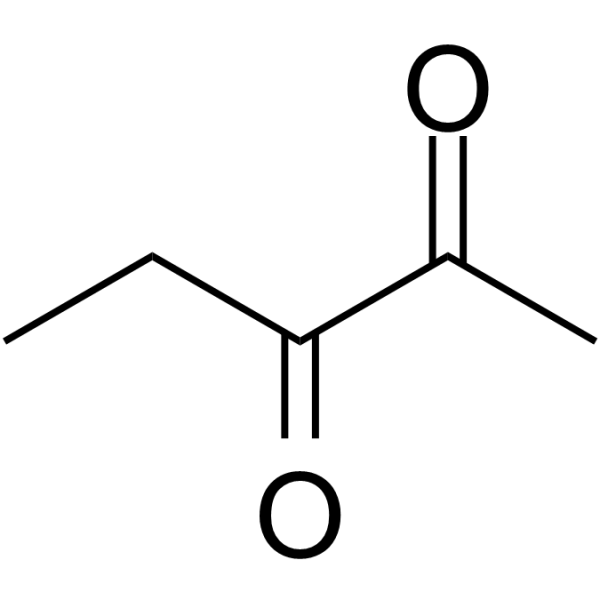
2,3-Pentanedione is a common constituent of synthetic flavorings and is used to impart a butter, strawberry, caramel, fruit, rum, or cheese flavor in beverages, ice cream, candy, baked goods, gelatins, and puddings. 2,3-Pentanedione also occurs naturally as a fermentation product in beer, wine, and yogurt and is releasedduring roasting of coffee beans .
loading...
    loading...
Cat. No.: HY-W038287
CAS No.: 95-21-6
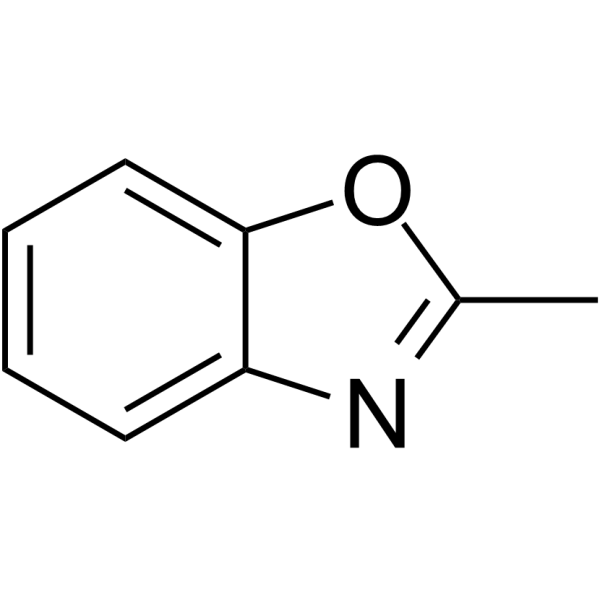
2-Methylbenzoxazole is a benzoxazole-type food flavor. 2-Methylbenzoxazole has phenolic, sweet, tobacco, and roasted meat aroma characteristics. 2-Methylbenzoxazole can be isolated from coffee, candy, cheese, and milk. 2-Methylbenzoxazole acts as a monodentate O-bonded ligand through the oxygen atom in Pd (II) and Pt (II) complexes .
loading...
    loading...
Cat. No.: HY-W674245
CAS No.: 23048-75-1
10-Hydroxyhexadecanoic acid is a hydroxy fatty acid found in Camembert cheese. 10-Hydroxyhexadecanoic acid can promote cholesterol efflux from ABCA1 and ABCG1, preventing the accumulation of excess cholesterol in cells. 10-Hydroxyhexadecanoic acid can be used in anti-atherosclerosis research .
loading...
    loading...
Cat. No.: HY-W040216
CAS No.: 85261-19-4
Synonyms: N-Nonanoyl-N-methylglucamine
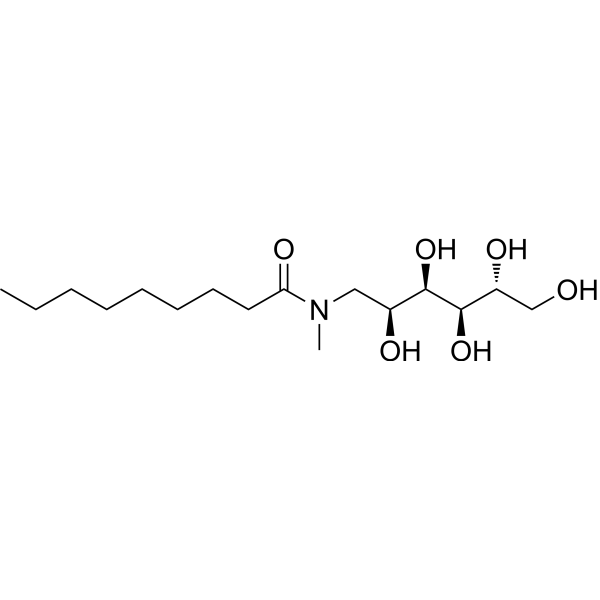
MEGA-9 (N-Nonanoyl-N-methylglucamine) is a green, biodegradable glycosyl nonionic surfactant and micelle-forming agent. MEGA-9 acts as a membrane solubilizer, forms vesicles, solubilizes milk fat, eliminates non-specific reactions of test strips, and restores antigen-antibody reactions in cheddar cheese homogenates for the detection of staphylococcal enterotoxin B (SEB) .
loading...
    loading...
Cat. No.: HY-N7434S
CAS No.: 1346603-41-5
Synonyms: Diethylnitrosamine-d4; DEN-d4; DENA-d4
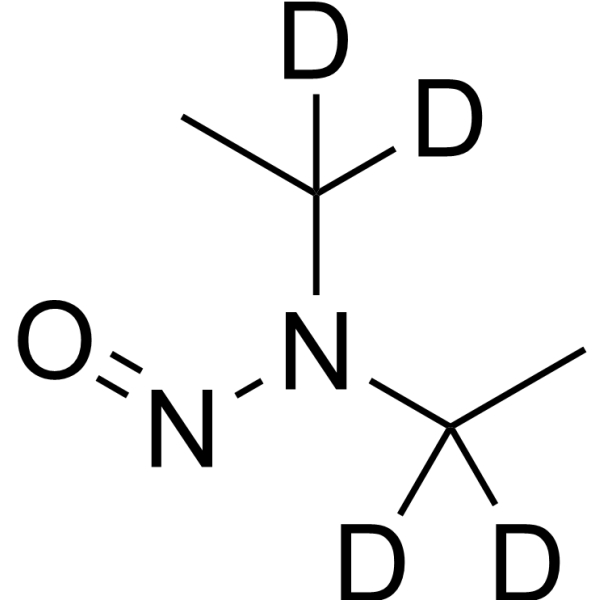
N-Nitrosodiethylamine-d4 is the deuterium labeled N-Nitrosodiethylamine . N-Nitrosodiethylamine (Diethylnitrosamine) is a potent hepatocarcinogenic dialkylnitrosoamine. N-Nitrosodiethylamine is mainly present in tobacco smoke, water, cheddar cheese, cured, fried meals and many alcoholic beverages. N-Nitrosodiethylamine is responsible for the changes in the nuclear enzymes associated with DNA repair/replication. N-Nitrosodiethylamine results in various tumors in all animal species. The main target organs are the nasal cavity, trachea, lung, esophagus and liver.
loading...
    loading...
Cat. No.: HY-W012998R
CAS No.: 600-14-6
2,3-Pentanedione (Standard) is the analytical standard of 2,3-Pentanedione. This product is intended for research and analytical applications. 2,3-Pentanedione is a common constituent of synthetic flavorings and is used to impart a butter, strawberry, caramel, fruit, rum, or cheese flavor in beverages, ice cream, candy, baked goods, gelatins, and puddings. 2,3-Pentanedione also occurs naturally as a fermentation product in beer, wine, and yogurt and is releasedduring roasting of coffee beans .
loading...
    loading...
Cat. No.: HY-W106629
CAS No.: 1577-19-1
Research Areas:  

Others

Oct-3-enoic acid is an organic compound that belongs to the class of unsaturated fatty acids. It has a strong, pungent smell and is commonly found in a variety of foods, such as cheese, butter, and nuts. Oct-3-enoic acid has various applications in the food and fragrance industry, especially as a flavoring and fragrance agent in products such as perfume, cologne and baked goods. In addition, it has potential use in inhibiting inflammatory diseases and cancer.
loading...
    loading...
Cat. No.: HY-W127524
CAS No.: 5963-14-4
Research Areas:  

Others

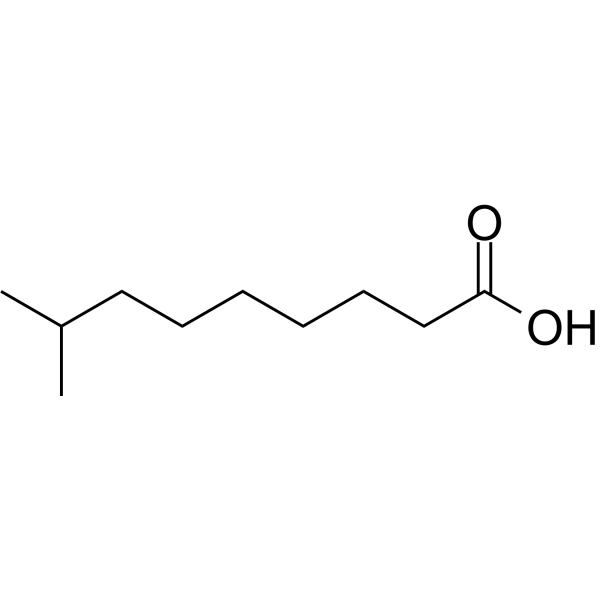
8-Methylnonanoic acidIt is an organic compound belonging to fatty acids. It has a faint waxy smell and is commonly found in a variety of foods, such as cheese and butter. 8-Methylnonanoic acidIt has various applications in the chemical and pharmaceutical industries, especially as an intermediate in the synthesis of various chemicals and pharmaceuticals. In addition, it can also be used as a flavoring agent in food.
loading...
    loading...
Cat. No.: HY-W127468
CAS No.: 3760-11-0
Research Areas:  

Others

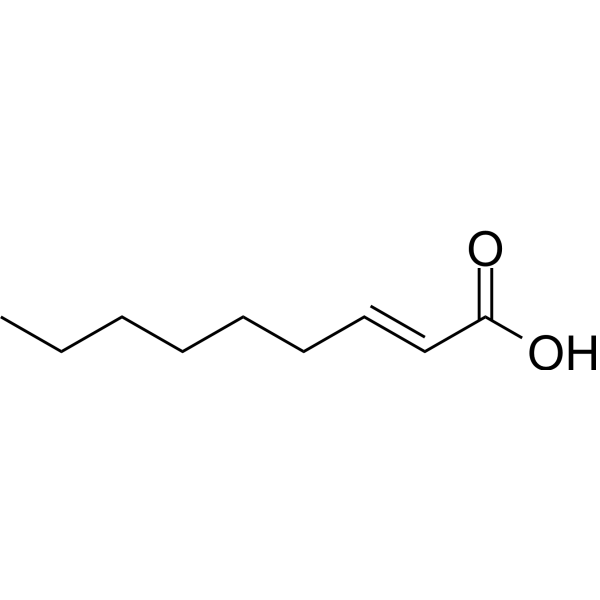
2-Nonenoic AcidIt is an organic compound belonging to the class of unsaturated fatty acids. It is a colorless liquid with a pungent smell and is commonly found in various foods such as cheese and fish.2-Nonanoic acid has various applications in the chemical and pharmaceutical industries, especially as an intermediate in the synthesis of various chemicals and pharmaceuticals. In addition, it can also be used as a flavoring agent in food.
loading...
    loading...
Cat. No.: HY-N7434R
CAS No.: 55-18-5
Synonyms: Diethylnitrosamine (Standard); DEN (Standard); DENA (Standard)
N-Nitrosodiethylamine (Standard) is the analytical standard of N-Nitrosodiethylamine. This product is intended for research and analytical applications. N-Nitrosodiethylamine (Diethylnitrosamine) is a potent hepatocarcinogenic dialkylnitrosoamine. N-Nitrosodiethylamine is mainly present in tobacco smoke, water, cheddar cheese, cured, fried meals and many alcoholic beverages. N-Nitrosodiethylamine is responsible for the changes in the nuclear enzymes associated with DNA repair/replication. N-Nitrosodiethylamine results in various tumors in all animal species. The main target organs are the nasal cavity, trachea, lung, esophagus and liver.
loading...
    loading...
Cat. No.: HY-N7402
CAS No.: 6378-65-0
Target:  

Others

Hexyl hexanoate is a fruit aroma component with potential food and beverage additive activity. Hexyl hexanoate is found in alcoholic beverages and is used to blend fruit flavors. Hexyl hexanoate is present in many fruits, Parmesan cheese, alcoholic beverages, and black tea. Hexyl hexanoate is a volatile component produced as a result of fruit ripening. Toxicity assessments of hexyl hexanoate showed that it is not mutagenic and that exposure is below safety thresholds for repeated dose, reproduction, and local respiratory toxicity. Hexyl hexanoate is also below thresholds in skin sensitization assessments, and for phototoxicity and photosensitization, the results showed that it does not present a relevant risk. Hexyl hexanoate is considered non-persistent, non-bioaccumulative, and non-toxic according to the environmental criteria of the International Fragrance Association .
loading...
    loading...
Cat. No.: HY-W015307S
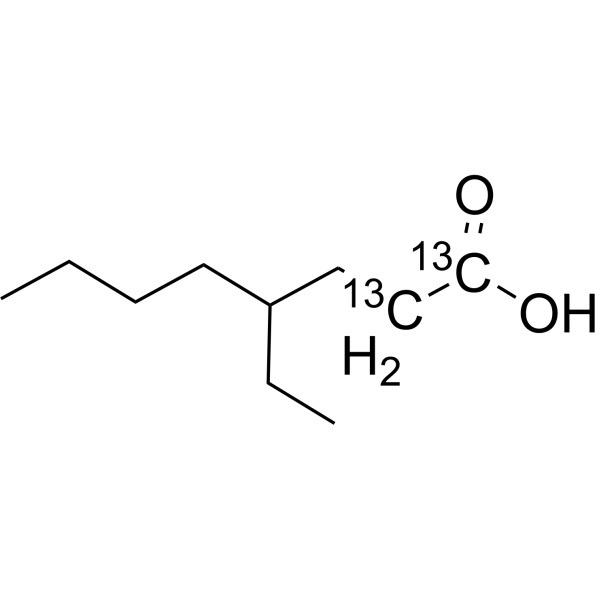
4-Ethyloctanoic acid- 13C2 is 13C labeled 4-Ethyloctanoic acid (HY-W015307). 4-Ethyloctanoic acid is a branched chain aliphatic carboxylic acid that can be found in blue cheeses, various cheese types, and lamb/mutton. 4-Ethyloctanoic acid is a fragrance ingredient .
loading...
    loading...
Cat. No.: HY-128371R
CAS No.: 4536-23-6
Research Areas:  

Others

2-Methylhexanoic acid (Standard) is the analytical standard of 2-Methylhexanoic acid (HY-128371). This product is intended for research and analytical applications. 2-Methylhexanoic acid is a saturated branched-chain carboxylic acid with a strong "fatty" or "oily" odor. At high concentrations, it is often described as having the smell of lard, chicken fat or sweat; when diluted, it exhibits a dairy, cream or cheese aroma. Therefore, it is commonly used in the formulation of milk, meat (pork/chicken) and baked food flavors. 2-Methylhexanoic acid occurs naturally in fresh apples, cheese, grape brandy, lamb, potatoes and tea .
loading...
    loading...
Cat. No.: HY-174290
CAS No.: 1226899-66-6
Target:  

Endogenous Metabolite

Research Areas:  

Others

Lactoyl-L-tyrosine is an endogenous N-lactoyl-amino acid formed from L-lactic acid and L-tyrosine. Lactoyl-L-tyrosine can be used to study flavor development during cheese ripening or as a natural flavor enhancer in the food industry .
loading...
    loading...
Cat. No.: HY-W127476
CAS No.: 4124-88-3
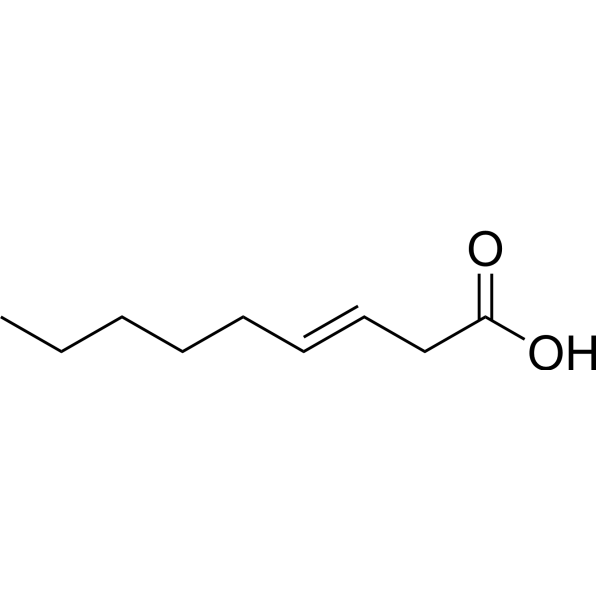
3-Nonenoic AcidIt is an organic compound belonging to the class of unsaturated fatty acids. It is a colorless liquid with a pungent smell and is commonly found in various foods such as cheese and butter. 3-Nonenoic AcidIt has various applications in the chemical and pharmaceutical industries, especially as an intermediate in the synthesis of various chemicals and drugs. In addition, it can also be used as a flavoring agent in food.
loading...
    loading...

