211 Results for "

ciliary beat frequency

" in MedChemExpress (MCE) Product Catalog:
Products (211)

211 Results for "ciliary beat frequency" in MCE Product Catalog:
202
202 Publications Verification
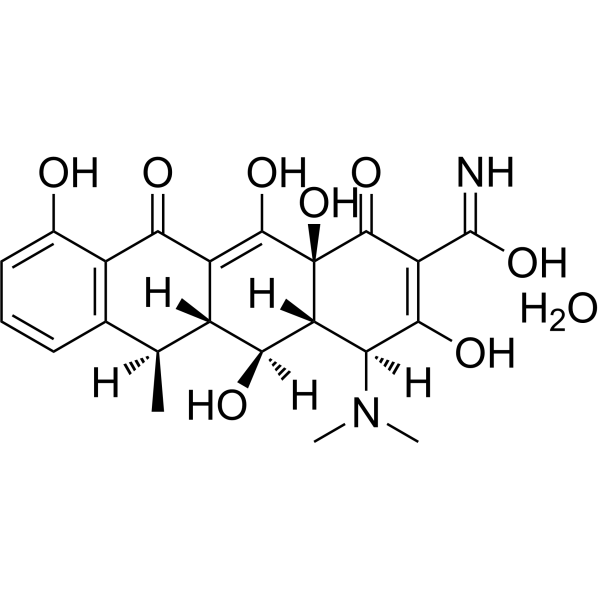
Cat. No.: HY-W008923
CAS No.: 17086-28-1
Doxycycline monohydrate is an orally active highly lipophilic, tissue-permeable MMP inhibitor with broad-spectrum antibacterial activity. Doxycycline monohydrate is also a semi-synthetic antibiotic with chelating properties, which blocks bacterial protein synthesis and inhibits extracellular matrix degradation through interactions with zinc and calcium atoms. Doxycycline monohydrate also inhibits mitochondrial biogenesis, translation, and the expression of respiratory chain proteins. Doxycycline monohydrate induces apoptosis, inhibits autophagy and EMT, downregulates stem cell markers, and activates the PI3K-AKT pathway, thereby effectively inhibiting the viability and proliferation of cancer cells such as breast cancer cells. Doxycycline monohydrate also promotes the survival and self-renewal of embryonic stem cells and neural stem cells, and reduces the frequency of medium changes in culture. Doxycycline monohydrate has been applied in studies related to breast cancer, prostate cancer, bladder cancer, and other cancers .
loading...
    loading...
23
23 Cited Publications
Cat. No.: HY-16997
CAS No.: 1334298-90-6
Synonyms: INCB039110
Target:  

JAK STAT

Research Areas:  

Inflammation/Immunology Cancer
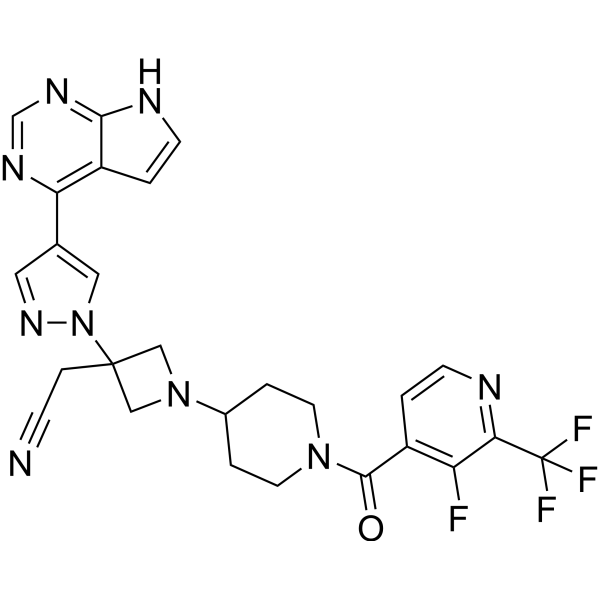
Itacitinib (INCB039110) is an orally active selective inhibitor of JAK1 with an IC50 value of 2 nM for human JAK1. Itacitinib inhibits IFN-γ-mediated phosphorylation of STAT1 and downstream pro-inflammatory signaling pathways. Itacitinib reduces the frequency and number of splenic neutrophils in mouse models, downregulates the levels of pro-inflammatory cytokines and chemokines, and inhibits pro-inflammatory gene expression pathways. Itacitinib improves survival rate and clinical scores in mouse models of hemophagocytic lymphohistiocytosis (HLH), and also suppresses metastasis in NSCLC models with high Rab1A expression. Itacitinib can be used for research on hemophagocytic lymphohistiocytosis and non-small cell lung cancer .
loading...
    loading...
23
23 Cited Publications
Cat. No.: HY-16997A
CAS No.: 1334302-63-4
Synonyms: INCB039110 adipate
Target:  

JAK STAT

Research Areas:  

Inflammation/Immunology Cancer
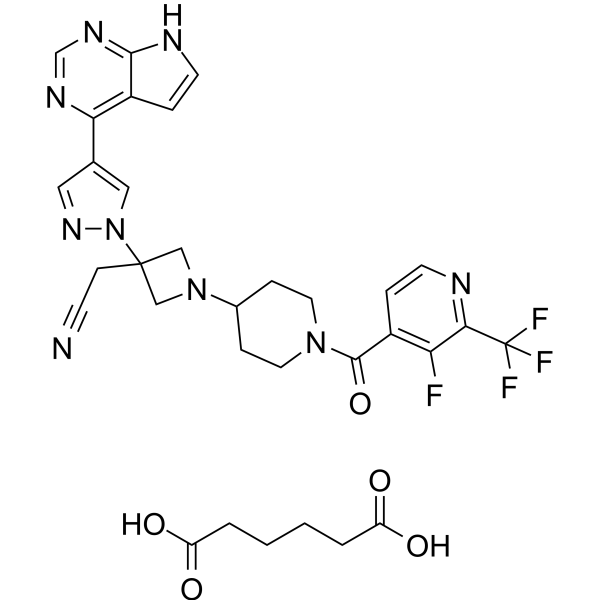
Itacitinib adipate (INCB039110 adipate) is an orally active JAK1-selective inhibitor. Itacitinib adipate inhibits IFN-γ-mediated phosphorylation of STAT1 and downstream pro-inflammatory signaling pathways. Itacitinib adipate reduces the frequency and number of splenic neutrophils in mouse models, downregulates the levels of pro-inflammatory cytokines and chemokines, and inhibits pro-inflammatory gene expression pathways. Itacitinib adipate improves survival rate and clinical scores in mouse models of hemophagocytic lymphohistiocytosis (HLH), and also suppresses metastasis in NSCLC models with high Rab1A expression. Itacitinib adipate can be used for research on hemophagocytic lymphohistiocytosis and non-small cell lung cancer .
loading...
    loading...
7
7 Cited Publications
Cat. No.: HY-B0588
CAS No.: 138890-62-7
Synonyms: AL-4862
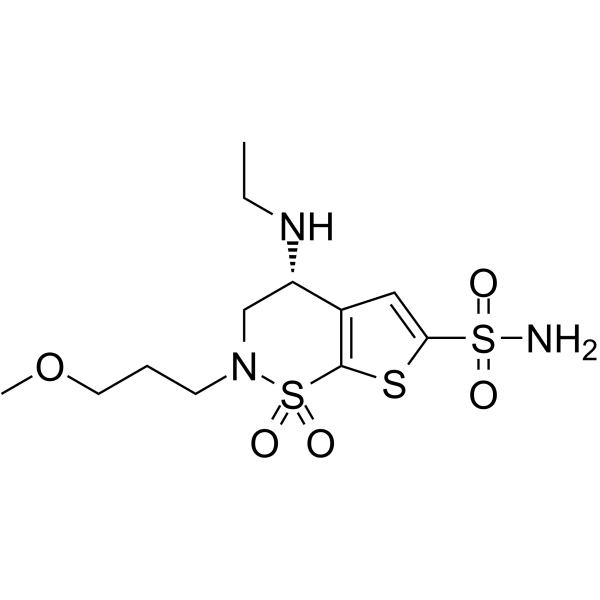
Brinzolamide (AL-4862) is a selective carbonic anhydrase II inhibitor with anIC50 value of 3.2 nM. Brinzolamide hydrochloride reduces intraocular pressure (IOP) by inhibiting ciliary CA-II and decreasing atrial fluid secretion. Brinzolamide can be used in glaucoma disease research .
loading...
    loading...
6
6 Cited Publications
Cat. No.: HY-B1337
CAS No.: 67-48-1
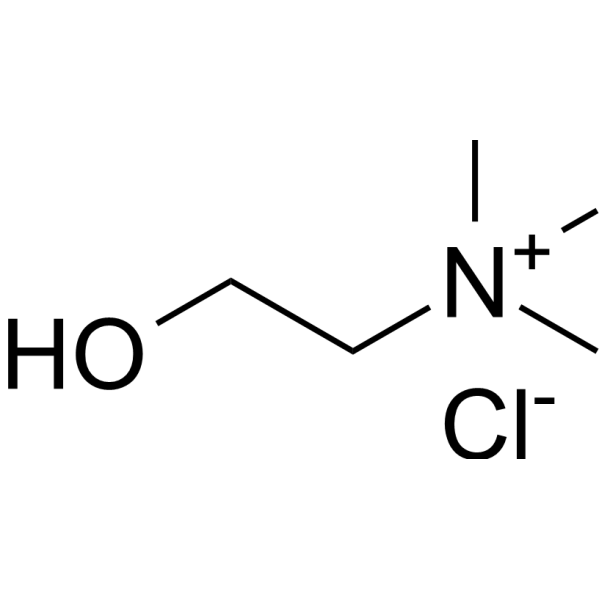
Choline chloride is an orally active methylxanthine derivative. Choline chloride exhibits weak antihistaminic and anticholinergic activities and potentiates the effects of histamine and acetylcholine. Choline chloride relaxes bronchial smooth muscle, dilates coronary and peripheral blood vessels, increases urine output and electrolyte excretion, stimulates locomotor activity in the central nervous system, and induces transient hypotension following a pressor phase. Choline chloride modulates sleep architecture by increasing wakefulness time and reducing slow-wave sleep, without altering the frequency or severity of nocturnal hypoxemia, apnea, or hypopnea events. Choline chloride is used in studies of bronchospasm, nocturnal asthma, and chronic asthma .
loading...
    loading...
6
6 Cited Publications
Cat. No.: HY-B1718
CAS No.: 4499-40-5
Synonyms: Oxtriphylline
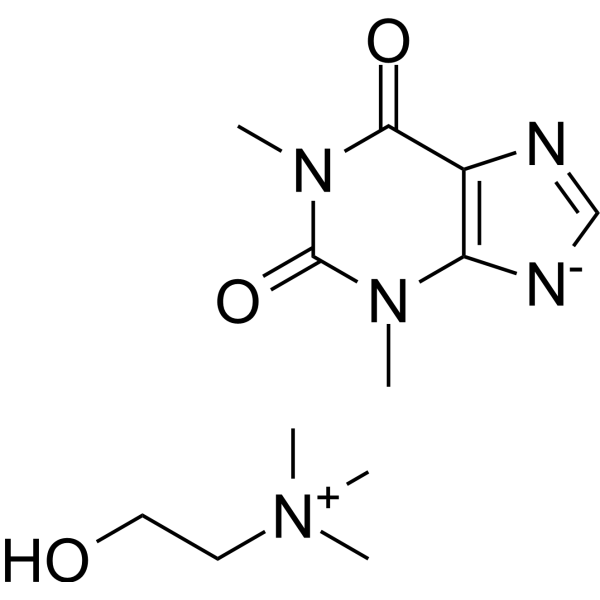
Choline theophyllinate (Oxtriphylline) is an orally active methylxanthine derivative. Choline theophyllinate exhibits weak antihistaminic and anticholinergic activities and potentiates the effects of histamine and acetylcholine. Choline theophyllinate relaxes bronchial smooth muscle, dilates coronary and peripheral blood vessels, increases urine output and electrolyte excretion, stimulates locomotor activity in the central nervous system, and induces transient hypotension following a pressor phase. It modulates sleep architecture by increasing wakefulness time and reducing slow-wave sleep, without altering the frequency or severity of nocturnal hypoxemia, apnea, or hypopnea events. Choline theophyllinate is used in studies of bronchospasm, nocturnal asthma, and chronic asthma .
loading...
    loading...
6
6 Cited Publications
Cat. No.: HY-101036
CAS No.: 87-67-2
Purity:  ≥98.0%
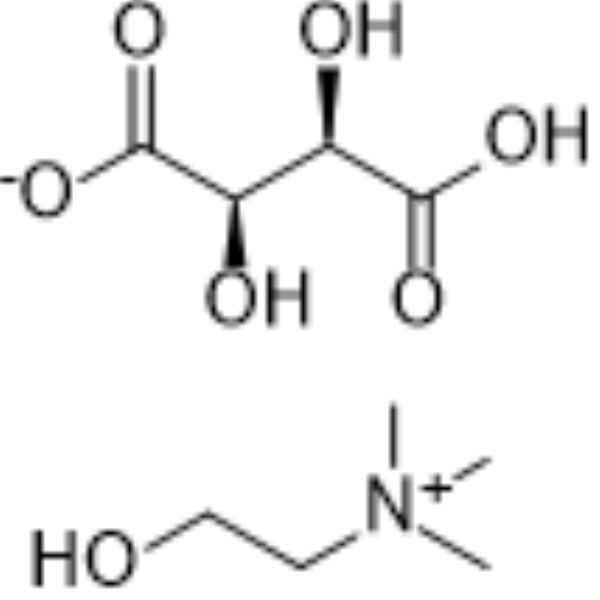
Choline bitartrate (Oxtriphylline) is an orally active methylxanthine-derived choline salt of theophylline. Choline bitartrate exhibits weak antihistaminic and anticholinergic activities and can enhance the effects of histamine and acetylcholine. Choline bitartrate relaxes bronchial smooth muscle, dilates coronary and peripheral blood vessels, increases urine output and electrolyte excretion, stimulates central nervous system motor activity, and induces transient hypotension following a pressor phase. Choline bitartrate modulates sleep architecture by increasing wakefulness time and reducing slow-wave sleep, without altering the frequency or severity of nocturnal hypoxemia, apnea, or hypopnea events. Choline bitartrate is used in studies of bronchospasm, nocturnal asthma, and chronic asthma .
loading...
    loading...
5
5 Cited Publications
Cat. No.: HY-10199A
CAS No.: 159634-47-6
Purity:  98.52%
Synonyms: MK-677 free base; MK-0677 free base
Ibutamoren (MK-677 free base; MK-0677 free base) is an orally active non-peptide growth hormone secretagogue receptor agonist. Ibutamoren activates signal cascades by mimicking endogenous ligands, triggers pulsatile release of growth hormone from the pituitary gland, and increases serum levels of IGF-1 and insulin-like growth factor-binding protein 3. Ibutamoren not only increases the frequency of growth hormone pulses in male individuals, but also promotes elevated bone formation markers in female individuals with postmenopausal osteoporosis. The combination of Ibutamoren with Alendronate sodium hydrate (HY-11101) significantly increases bone mineral density at the femoral neck. However, Ibutamoren may cause mild, reversible adverse reactions such as increased appetite, fluid retention, and elevated fasting blood glucose. Ibutamoren has been widely used in studies related to idiopathic growth hormone deficiency, sarcopenia, Alzheimer's disease, and osteoporosis .
loading...
    loading...
4
4 Cited Publications
Cat. No.: HY-16346
CAS No.: 290297-26-6
Synonyms: CID 6451149
Target:  

Neurokinin Receptor

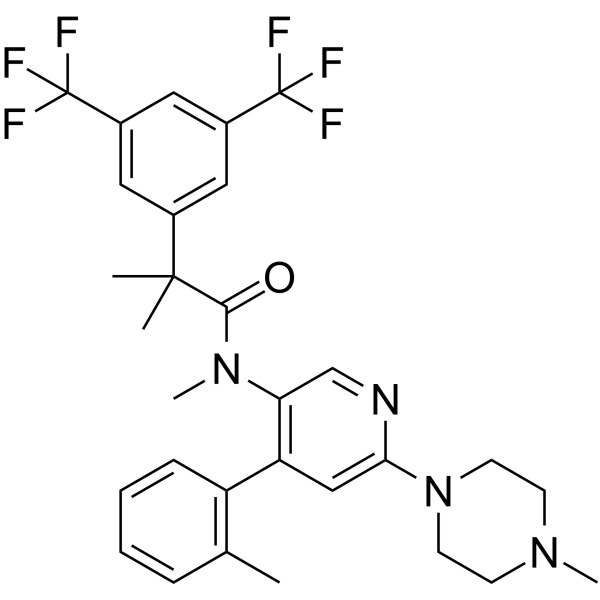
Netupitant (CID 6451149) is a blood-brain barrier penetrable, orally active NK1 receptor inhibitor with a Ki of 0.95 nM (CHO cells) against the human receptor. Netupitant antagonizes the effects induced by Substance P, inhibits the maximal response of Substance P with a long-lasting action, and suppresses NK1 agonist-induced behaviors in mice and gerbils. Netupitant reduces the frequency of bladder contractions, prolongs contraction intervals, decreases basal pressure at high doses, and acts on the afferent branch of the micturition reflex. Netupitant can be used in research related to overactive bladder, chemotherapy-induced nausea and vomiting, post-operative nausea and vomiting, anxiety disorders, and depression .
loading...
    loading...
3
3 Cited Publications
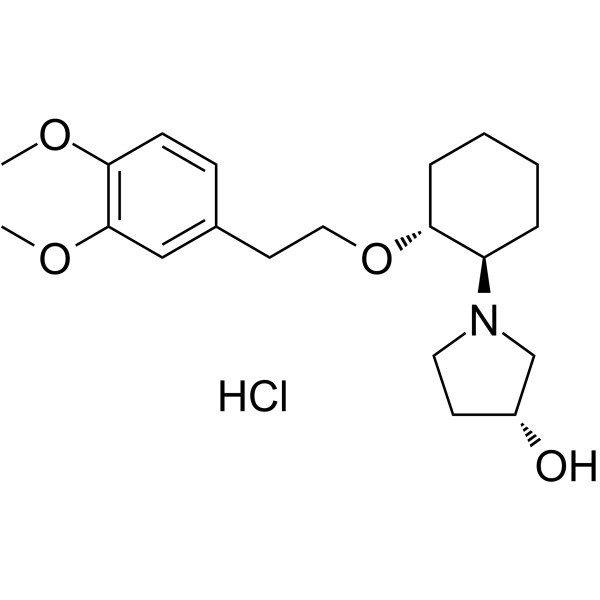
Cat. No.: HY-14183
CAS No.: 748810-28-8
Purity:  99.33%
Synonyms: RSD1235 hydrochloride
Target:  

Potassium Channel

Research Areas:  

Cardiovascular Disease

Vernakalant hydrochloride is a mixed voltage- and frequency-dependent Na + and atria-preferred K + channel blocker. IC50 for block by Vernakalant of wild-type and mutant Kv1.5 channels Fractional block is 13.35±0.93 μM, 0.61±0.03 μM, and 1.63±0.09 μM for Kv1.5 channel wt, Kv1.5 channel I508F, Kv1.5 channel T479A, respectively.
loading...
    loading...
3
3 Cited Publications
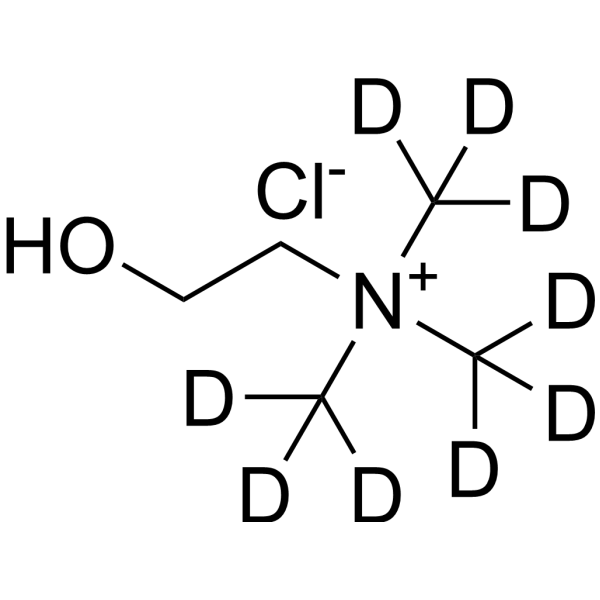
Cat. No.: HY-B1337S1
CAS No.: 61037-86-3
Choline-d9 chloride is the d9-labeled Choline chloride (HY-B1337). Choline chloride is an orally active methylxanthine derivative. Choline chloride exhibits weak antihistaminic and anticholinergic activities and potentiates the effects of histamine and acetylcholine. Choline chloride relaxes bronchial smooth muscle, dilates coronary and peripheral blood vessels, increases urine output and electrolyte excretion, stimulates locomotor activity in the central nervous system, and induces transient hypotension following a pressor phase. Choline chloride modulates sleep architecture by increasing wakefulness time and reducing slow-wave sleep, without altering the frequency or severity of nocturnal hypoxemia, apnea, or hypopnea events. Choline chloride is used in studies of bronchospasm, nocturnal asthma, and chronic asthma .
loading...
    loading...
2
2 Cited Publications
Cat. No.: HY-B0432A
CAS No.: 34183-22-7
Synonyms: SA-79 hydrochloride
Target:  

Sodium Channel

Research Areas:  

Cardiovascular Disease

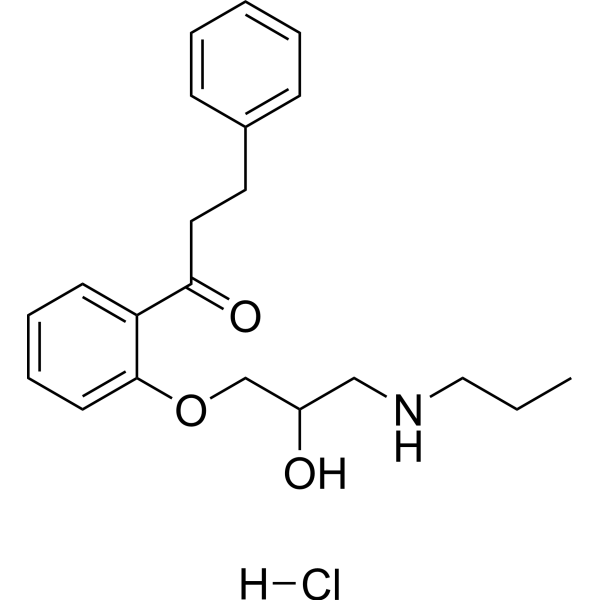
Propafenone (hydrochloride) (SA-79 (hydrochloride)) is a class of anti-arrhythmic medication, which treats illnesses associated with rapid heart beats such as atrial and ventricular arrhythmias.
loading...
    loading...
2
2 Cited Publications
Cat. No.: HY-B1810
CAS No.: 41570-61-0
Synonyms: C-78 free base
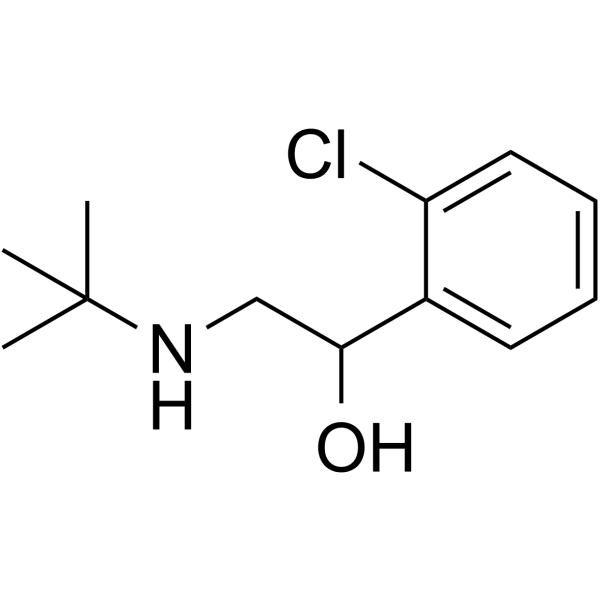
Tulobuterol (C-78 free base) is a long-acting β2-adrenoceptor agonist, which reduces the frequency of exacerbations of chronic obstructive pulmonary disease and bronchial asthma. Tulobuterol is also a sympathomimetic agent used as a transdermal patch, and increases normal diaphragm muscle strength .
loading...
    loading...
2
2 Cited Publications
Cat. No.: HY-16738A
CAS No.: 1448754-43-5
Synonyms: GS 6615 hydrochloride
Research Areas:  

Cardiovascular Disease

Eleclazine (GS 6615) hydrochloride is a selective cardiac late sodium current inhibitor and a weak inhibitor of potassium current with IC50 value of <1 μM and approximately 14.2 μM, respectively. Eleclazine hydrochloride shows concurrent protection against autonomically induced atrial premature beats, repolarization alternans and heterogeneity, and atrial fibrillation in porcine model. Eleclazine hydrochloride can be used to research cardiac arrhythmias .
loading...
    loading...
2
2 Cited Publications
Cat. No.: HY-W011733
CAS No.: 56776-01-3
Synonyms: C-78
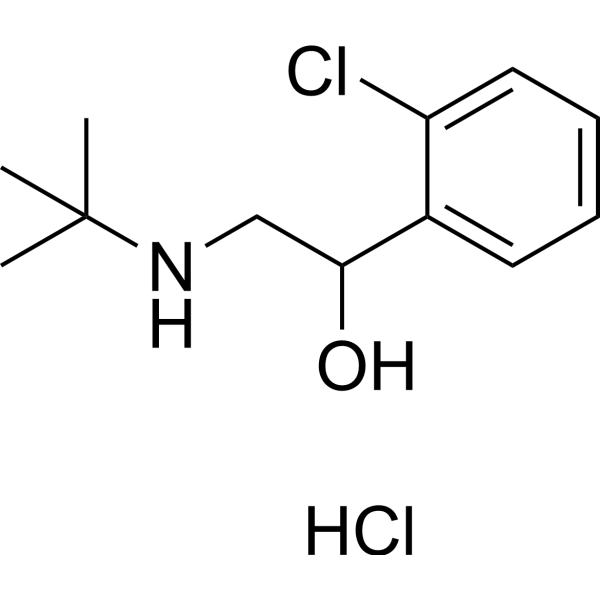
Tulobuterol hydrochloride (C-78) is a long-acting β2-adrenoceptor agonist, which reduces the frequency of exacerbations of chronic obstructive pulmonary disease and bronchial asthma. Tulobuterol hydrochloride is also a sympathomimetic agent used as a transdermal patch, increases normal diaphragm muscle strength . Tulobuterol hydrochloride inhibit rhinovirus replication and modulate airway inflammation .
loading...
    loading...
2
2 Cited Publications
Cat. No.: HY-16738
CAS No.: 1443211-72-0
Synonyms: GS-6615
Research Areas:  

Cardiovascular Disease

Eleclazine (GS 6615) is a selective cardiac late sodium current inhibitor and a weak inhibitor of potassium current with IC50 of <1 μM and approximately 14.2 μM, respectively. Eleclazine shows concurrent protection against autonomically induced atrial premature beats, repolarization alternans and heterogeneity, and atrial fibrillation in porcine model. Eleclazine can be used to research cardiac arrhythmias .
loading...
    loading...
2
2 Cited Publications
Cat. No.: HY-P7146
Purity:  ≥ 95%, as determined by reducing SDS-PAGE.
Synonyms: CNTF; HCNTF; ciliary Neurotrophic Factor; ciliary Neuronotrophic Factor
Species:  
Human
Source:  
E. coli
loading...
    loading...
2
2 Cited Publications
Cat. No.: HY-P7145
Purity:  ≥ 95%, as determined by reducing SDS-PAGE.
Synonyms: CNTF; HCNTF; ciliary Neurotrophic Factor; ciliary Neuronotrophic Factor
Species:  
Human
Source:  
HEK293
loading...
    loading...
2
2 Cited Publications
Cat. No.: HY-B1337S4
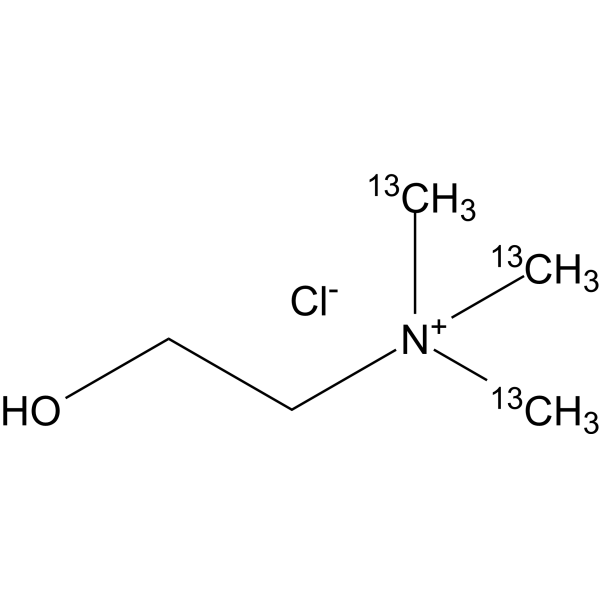
Choline Chloride- 13C3 is the 13C-labeled Choline chloride (HY-B1337). Choline chloride is an orally active methylxanthine derivative. Choline chloride exhibits weak antihistaminic and anticholinergic activities and potentiates the effects of histamine and acetylcholine. Choline chloride relaxes bronchial smooth muscle, dilates coronary and peripheral blood vessels, increases urine output and electrolyte excretion, stimulates locomotor activity in the central nervous system, and induces transient hypotension following a pressor phase. Choline chloride modulates sleep architecture by increasing wakefulness time and reducing slow-wave sleep, without altering the frequency or severity of nocturnal hypoxemia, apnea, or hypopnea events. Choline chloride is used in studies of bronchospasm, nocturnal asthma, and chronic asthma .
loading...
    loading...
1
1 Cited Publications
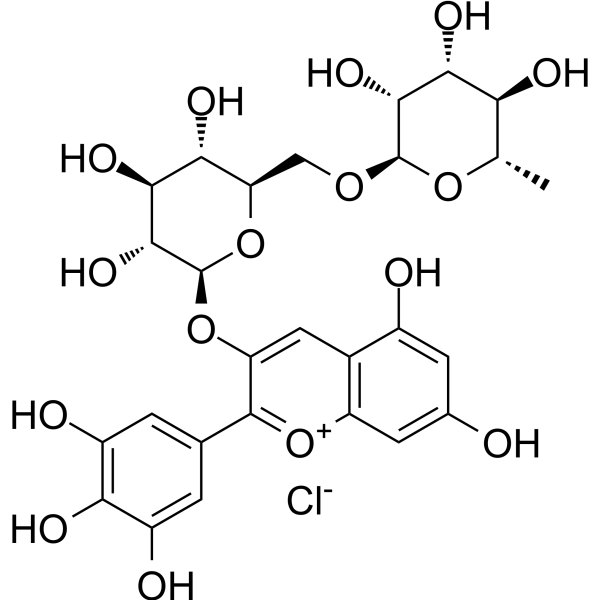
Cat. No.: HY-114367
CAS No.: 15674-58-5
Purity:  98.83%
Synonyms: Delphinidin 3-O-rutinoside chloride
Category:  

Anthocyans Flavonoids 500 - Internal Server Error | MedChemExpress

Oops!

Sorry, Something went wrong on our server.
Our team has been notified and is working to fix the issue.