18 Results for "

colloidal CuNP

" in MedChemExpress (MCE) Product Catalog:
Products (18)

18 Results for "colloidal CuNP" in MCE Product Catalog:

21
21 Publications Verification
Cat. No.: HY-138300
CAS No.: 1849616-42-7
Purity:  99.93%
Research Areas:  

Others

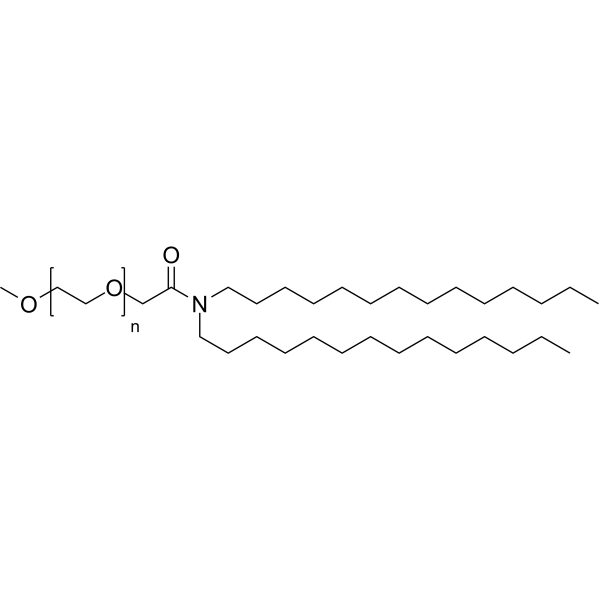
ALC-0159 presents highly mobile surface PEG chains in a dense brush-like conformation, which can form a hydrophilic barrier, reduce non-specific protein adsorption and macrophage uptake, improve colloidal stability, prolong in vivo circulation time, and affect the cellular uptake of LNPs. ALC-0159 dissociates from the surface of mRNA-LNPs under long-term mechanical oscillation stress, thereby reducing steric hindrance, inducing mRNA-LNP fusion, increasing particle size, and releasing unencapsulated mRNA .
loading...
    loading...
1
1 Cited Publications
Cat. No.: HY-W014130
CAS No.: 155-84-0
Synonyms: Ac-Arg-OH
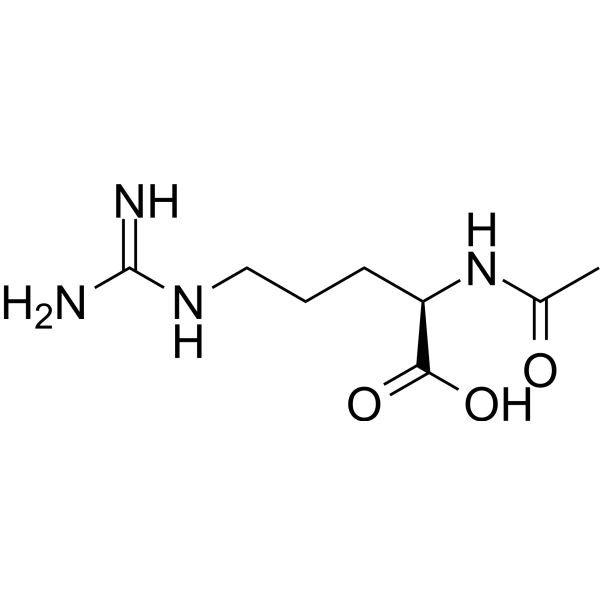
N-Acetyl-L-arginine (Ac-Arg-OH) is one of the guanidino compounds found elevated in the serum of a hemodialyzed renal insufficient (uremic) pediatric population. N-Acetyl-L-arginine shows synergistic activity with glycine buffer. N-Acetyl-L-arginine suppresses the aggregation of intravenous immunoglobulins with a minimum decrease in transition temperature. N-Acetyl-L-arginine dramatically reduces IL-1 expression in the presence of silicone oil. N-Acetyl-L-arginine also demonstrates colloidal stability .
loading...
    loading...
1
1 Cited Publications
Cat. No.: HY-P10128
CAS No.: 875142-25-9
Research Areas:  

Inflammation/Immunology

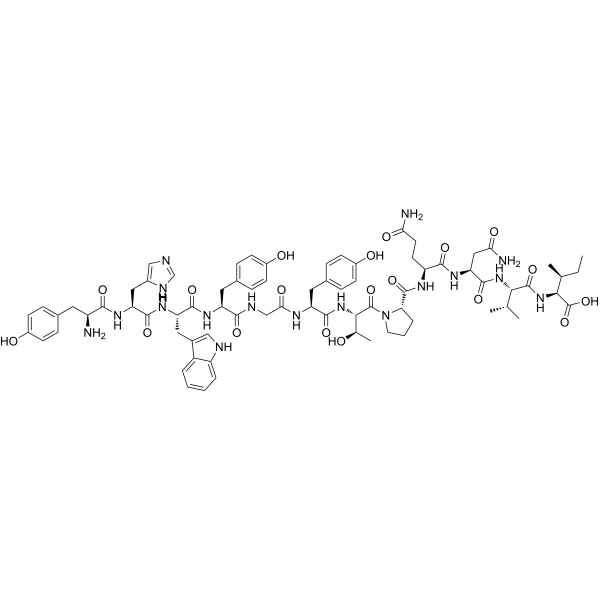
GE11 is a active peptide and combines with colloidal drug delivery systems as smart carriers for antitumor drugs and can be used for cancer study .
loading...
    loading...
Cat. No.: HY-112624B
CAS No.: 9004-54-0
Synonyms: Dextran 70; Dextran D70; Dextran T70(MW 64000-76000)
Dextran 70,000 is a high molecular weight polysaccharide formed by glucose linked by α-(1→6) glycosidic bonds. Dextran 70,000 can expand blood volume through colloidal osmotic pressure effect and inhibit cell adhesion and platelet aggregation through steric hindrance. At the same time, Dextran 70,000 can be used as a drug carrier to achieve targeted delivery through endocytosis. Dextran 70,000 is biologically inert and has low immunogenicity. It can be used for clinical blood volume expansion, anti-thrombotic research, and evaluation of vascular permeability in in vitro experiments. It can also be combined with fluorescent dyes for cell tracking and drug delivery research. The Dextran series of compounds are also natural polysaccharide drug carriers that can be connected to drugs through covalent bonding methods such as ester bonds, amide bonds or click chemistry, or self-assembled to form carriers such as nanoparticles and hydrogels. Dextran is biodegradable and biocompatible, and can achieve targeted delivery and controlled release of drugs. Dextran derivatives can prolong the half-life of drugs, increase local concentrations, and reduce the activity of immune clearance.
loading...
    loading...
Cat. No.: HY-W011696
CAS No.: 112-90-3
Synonyms: cis-1-Amino-9-octadecene, 80-90%
Oleylamine, 80-90% (cis-1-Amino-9-octadecene, 80-90%) is a multifunctional reagent used for metal ion coordination and nanoparticle surface modification, and acts as a solvent, surfactant and reducing agent in the synthesis of metal oxide nanoparticles. Oleylamine, 80-90% regulates nanoparticle morphology, magnetization intensity and water proton relaxation rate via thiol-ene "click" reaction, and enhances the colloidal stability of nanoparticles in organic reagents. Oleylamine, 80-90% is mainly used in research and applications in fields such as nanomaterial synthesis, biomedical imaging (MRI contrast agents, fluorescent probes), cancer cell targeting and drug delivery .
loading...
    loading...
Cat. No.: HY-W800703
CAS No.: 1872449-19-8
Target:  

Fluorescent Dye

Research Areas:  

Others

Alexa Fluor 594 azide is an azide-modified fluorescent dye and also a FRET acceptor reactant. Owing to its negligible direct absorption under 488 nm excitation light, excellent photostability, and the ability of its azide group to participate in the CuAAC reaction, Alexa Fluor 594 azide can be paired with a donor dye for single-molecule imaging via TIRFM, thereby enabling the visual monitoring of CuNP-catalyzed click reactions .
loading...
    loading...
Cat. No.: HY-144012
CAS No.: 474922-84-4
Purity:  99.83%
Synonyms: 16:0 PEG2000 PE ammonium; 1,2-Dipalmitoyl-sn-glycero-3-phosphoethanolamine-N-[methoxy(polyethylene glycol)-2000] ammonium
Target:  

Liposome

Research Areas:  

Others

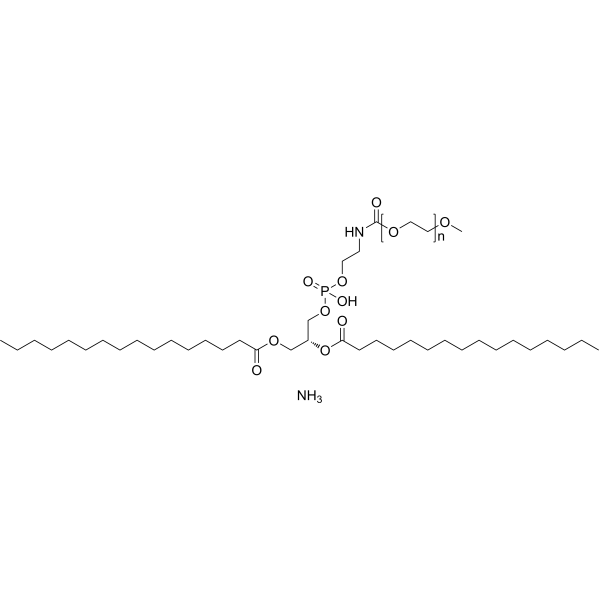
DPPE-PEG2000 ammonium (16:0 PEG5000 PE) is a polymer-lipid conjugate and LipoParticle stabilizer with a PEG chain of 5,000 g/mol molecular weight attached to its polar head, and it can be internalized by biological membranes. DPPE-PEG2000 ammonium enables LipoParticle to maintain colloidal stability after 20-fold dilution in PBS or cell culture medium, and prevents aggregate formation during lyophilization and rehydration. DPPE-PEG2000 ammonium helps enhance the non-cytotoxic property of LipoParticle formulations against human osteoblasts. DPPE-PEG2000 ammonium serves as a PEG lipid functional end group for synthesizing liposomes (LPs), is used in the design of conjugated polymer nanoparticles, and applies to research related to bone and joint infections .
loading...
    loading...
Cat. No.: HY-D0068
CAS No.: 139346-57-9
Synonyms: 7-Diethylaminocoumarin-3-carboxylic acid, SE
Target:  

Fluorescent Dye

Research Areas:  

Others

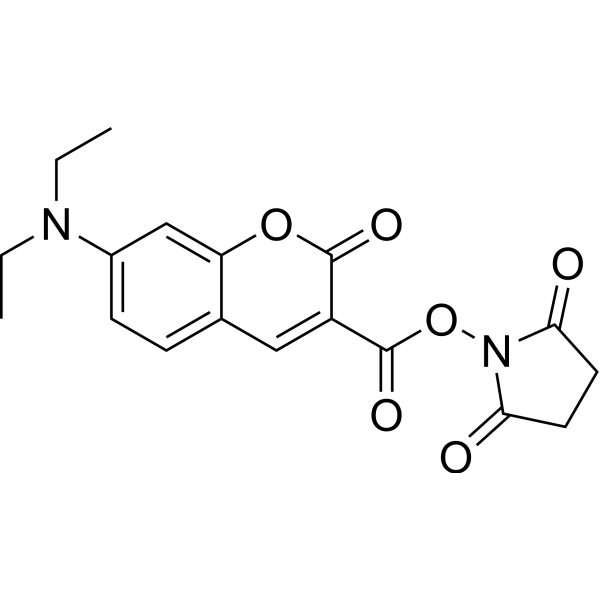
DEAC, SE (7-Diethylaminocoumarin-3-carboxy acid, SE) is an amine-reactive fluorescent succinimidyl ester (NHS ester) dye that is excitable by a 405 nm laser and emits blue fluorescence. DEAC, SE covalently couples with APTES, incorporates into organosilica colloids through co-condensation with TPM or other silane coupling agents, and can also be used for post-synthetic infiltration labeling of porous titanium dioxide protrusions and covalent binding with surface hydroxyl groups. DEAC, SE is used for fluorescent labeling of colloidal particles and confocal microscopy imaging studies .
loading...
    loading...
Cat. No.: HY-158082B
Synonyms: Tetramethyl rhodamine isothiocyanate glucan, MW 40000
Target:  

Fluorescent Dye

Research Areas:  

Others

TRITC-dextran (Tetramethyl rhodamine isothiocyanate glucan), MW 40000 is a TRITC (HY-D0791)-labeled neutral 40 kDa fluorescent polysaccharide probe. TRITC-dextran, MW 40000 forms a membrane layer on the surface of protocells composed of protamine/folate condensates, and is used to assess membrane fluidity via fluorescence recovery after photobleaching. TRITC-dextran, MW 40000 can also be used to evaluate the anti-bacterial invasion ability and colloidal stability of coated condensates, as well as analyze the permeability of vascular and lymphatic endothelial cell layers .
loading...
    loading...
Cat. No.: HY-144012H
CAS No.: 474922-84-4
Synonyms: 16:0 PEG5000 PE; 1,2-Dipalmitoyl-sn-glycero-3-phosphoethanolamine-N-[methoxy(polyethylene glycol)-5000] ammonium
Target:  

Liposome

Research Areas:  

Others

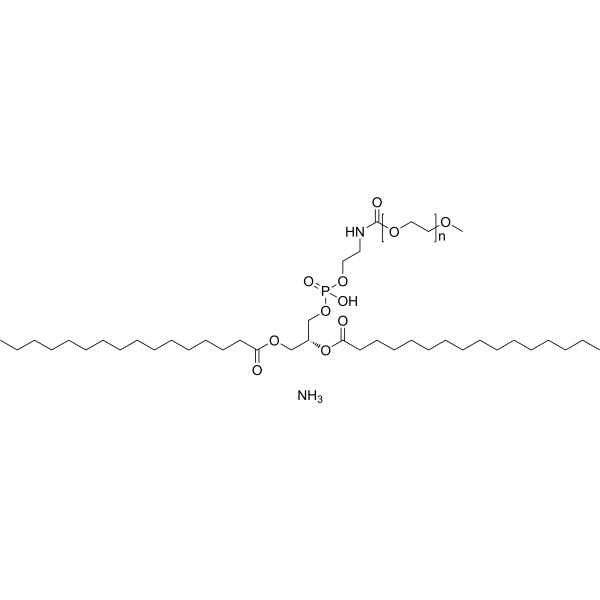
DPPE-PEG5000 (16:0 PEG5000 PE) is a polymer-lipid conjugate and LipoParticle stabilizer with a PEG chain of 5,000 g/mol molecular weight attached to its polar head, and it can be internalized by biological membranes. DPPE-PEG5000 enables LipoParticle to maintain colloidal stability after 20-fold dilution in PBS or cell culture medium, and prevents aggregate formation during lyophilization and rehydration. DPPE-PEG5000 helps enhance the non-cytotoxic property of LipoParticle formulations against human osteoblasts. DPPE-PEG5000 serves as a PEG lipid functional end group for synthesizing liposomes (LPs), is used in the design of conjugated polymer nanoparticles, and applies to research related to bone and joint infections .
loading...
    loading...
Cat. No.: HY-W134328E
CAS No.: 87915-38-6
Synonyms: Dextran blue (MW 70000)
Research Areas:  

Others

Blue dextran (Dextran blue) (MW 70000) is a high-molecular-weight dextran dye and colloidal marker. Blue dextran (MW 70000) exhibits molecular sieve exclusion effects, affinity binding capacity, and biocompatibility and stability. Blue dextran (MW 70000) can be used in research such as human serum protein purification .
loading...
    loading...
Cat. No.: HY-138822
CAS No.: 102783-53-9
Purity:  ≥95.0%
Synonyms: 2,3-DPG pentasodium salt
Target:  

Endogenous Metabolite

Research Areas:  

Cardiovascular Disease

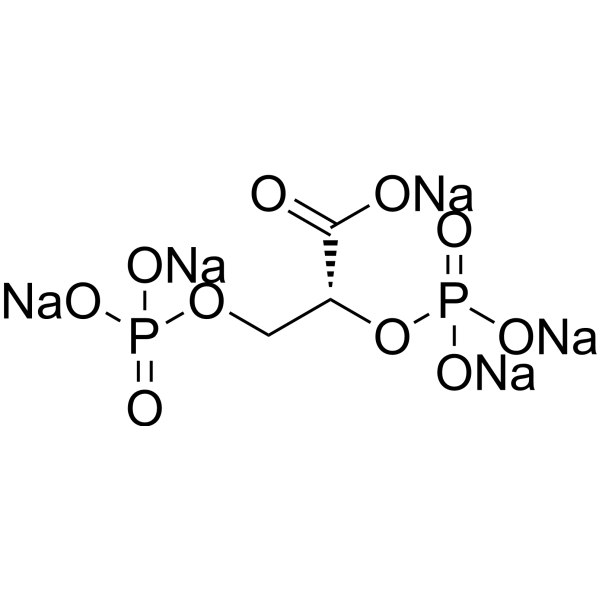
2,3-Diphospho-D-glyceric acid (2,3-DPG) pentasodium salt is a hemoglobin binder and vascular calcification inhibitor that reduces the oxygen affinity of hemoglobin. 2,3-Diphospho-D-glyceric acid pentasodium salt also specifically delays the transformation of colloidal calciprotein particles into crystalline forms, thereby effectively inhibiting vascular smooth muscle cell calcification without affecting the normal formation of osteoid nodules in osteoblast-like cells. 2,3-Diphospho-D-glyceric acid pentasodium salt shows no cytotoxicity to tested cell lines and only weakly interferes with β-hematin formation mediated by glyceryl monopalmitate. 2,3-Diphospho-D-glyceric acid pentasodium salt can be used to study the pathological mechanisms of vascular calcification and malaria-related conditions .
loading...
    loading...
Cat. No.: HY-W014130R
CAS No.: 155-84-0
Synonyms: Ac-Arg-OH (Standard)
N-Acetyl-L-arginine (Ac-Arg-OH) is one of the guanidino compounds found elevated in the serum of a hemodialyzed renal insufficient (uremic) pediatric population. N-Acetyl-L-arginine shows synergistic activity with glycine buffer. N-Acetyl-L-arginine suppresses the aggregation of intravenous immunoglobulins with a minimum decrease in transition temperature. N-Acetyl-L-arginine dramatically reduces IL-1 expression in the presence of silicone oil. N-Acetyl-L-arginine also demonstrates colloidal stability .
loading...
    loading...
Cat. No.: HY-139671
CAS No.: 2738334-37-5
Research Areas:  

Others

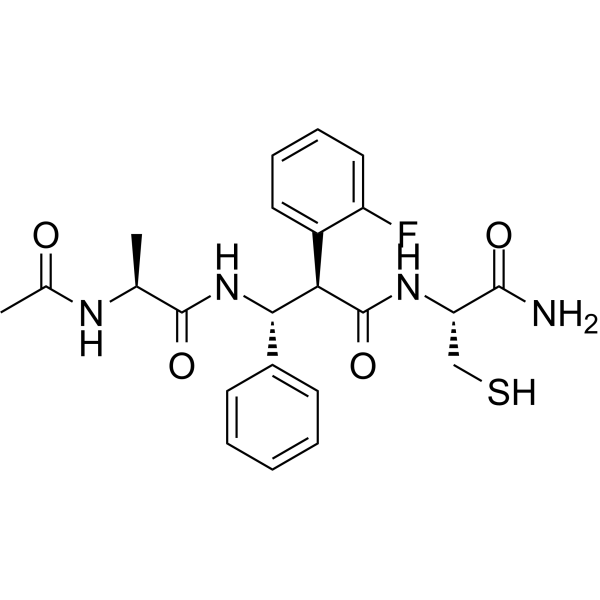
Ultrashort α,β-Peptide is found to be able to stabilize colloidal gold nanoparticles in physiological media over 3 months.
loading...
    loading...
Cat. No.: HY-184648
Gold nanoparticles, also known as gold nanoparticle colloids, are colloidal systems formed by dispersing gold nanoparticles in a solution. Common methods for preparing gold nanoparticle colloids include the sodium citrate reduction of chloroauric acid method, also called the seed growth method or electrochemical synthesis method. The color of gold nanoparticle colloids changes with the size of the gold nanoparticles. Generally, the larger the diameter of the gold nanoparticles, the more the wavelength of light absorbed by the solution shifts towards longer wavelengths, and the particles will exhibit the complementary color of the absorbed light.
loading...
    loading...
Cat. No.: HY-187961
CAS No.: 2757286-41-0
Target:  

SARS-CoV Virus Protease

Research Areas:  

Infection

SARS-CoV-2-IN-123 is a selective SARS-CoV-2 main protease (Mpro) inhibitor with an IC50 of 77 nM and a Kd of 38 nM. SARS-CoV-2-IN-123 exerts its inhibitory effect by blocking the polyprotein processing required for coronavirus replication, and its mechanism of action is independent of covalent cysteine modification or colloidal aggregation. SARS-CoV-2-IN-123 shows broad-spectrum antiviral activity in infected cells, along with favorable metabolic stability, plasma protein binding, and high Caco-2 permeability. SARS-CoV-2-IN-123 can be used for research related to coronavirus infection .
loading...
    loading...
  • 1

