74 Results for "

dental

" in MedChemExpress (MCE) Product Catalog:
Products (74)

74 Results for "dental" in MCE Product Catalog:

60
60 Publications Verification
Cat. No.: HY-B0356B
CAS No.: 86393-32-0
Synonyms: Bay-09867 hydrochloride monohydrate
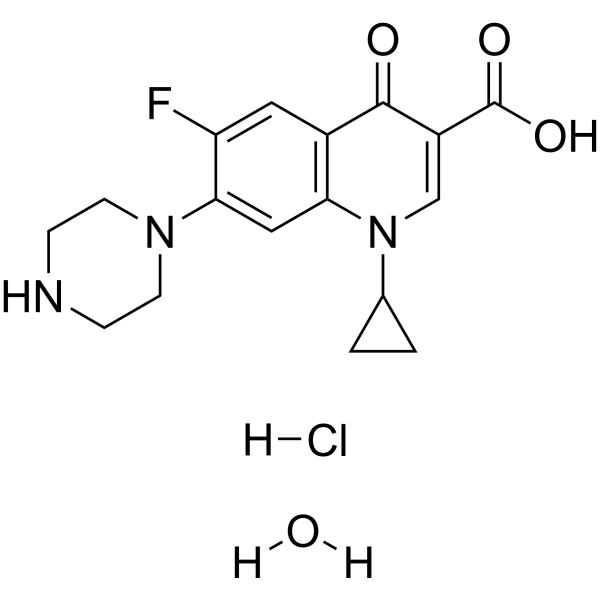
Ciprofloxacin (Bay-09867) hydrochloride monohydrate is an orally active, blood-brain barrier permeable fluoroquinolone antibacterial agent. Ciprofloxacin hydrochloride monohydrate exerts bactericidal effects primarily by inhibiting topoisomerase II and IV. Ciprofloxacin hydrochloride monohydrate inhibits the proliferation of human dental pulp stem cells and chondrocytes from young rats, and also activates the Akt signaling pathway and upregulates markers such as β-catenin and Nanog to maintain the morphological characteristics of stem cells. Ciprofloxacin hydrochloride monohydrate induces significant neurotoxicity and tissue damage, including reducing serotonin and glutathione levels in the brain, inducing oxidative stress and depression-like behaviors, and causing articular cartilage damage. Ciprofloxacin hydrochloride monohydrate can be applied to research related to infections of necrotic young permanent teeth and neurotoxicity .
loading...
    loading...
60
60 Publications Verification
Cat. No.: HY-B0356A
CAS No.: 93107-08-5
Synonyms: Bay-09867 monohydrochloride
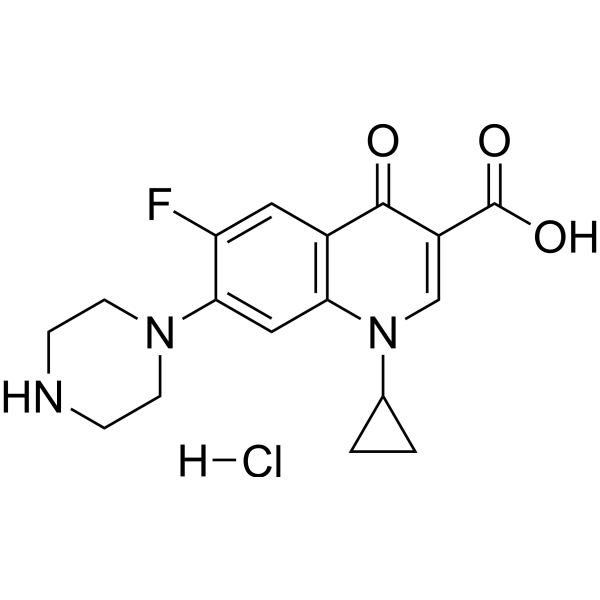
Ciprofloxacin (Bay-09867) monohydrochloride is an orally active, blood-brain barrier permeable fluoroquinolone antibacterial agent. Ciprofloxacin monohydrochloride exerts bactericidal effects primarily by inhibiting topoisomerase II and IV. Ciprofloxacin monohydrochloride inhibits the proliferation of human dental pulp stem cells and chondrocytes from young rats, and also activates the Akt signaling pathway and upregulates markers such as β-catenin and Nanog to maintain the morphological characteristics of stem cells. Ciprofloxacin monohydrochloride induces significant neurotoxicity and tissue damage, including reducing serotonin and glutathione levels in the brain, inducing oxidative stress and depression-like behaviors, and causing articular cartilage damage. Ciprofloxacin monohydrochloride can be applied to research related to infections of necrotic young permanent teeth and neurotoxicity .
loading...
    loading...
60
60 Publications Verification
Cat. No.: HY-B0356C
CAS No.: 86483-48-9
Synonyms: Bay-09867 hydrochloride
Ciprofloxacin hydrochloride (Bay-09867 hydrochloride) is an orally active, blood-brain barrier permeable fluoroquinolone antibacterial agent. Ciprofloxacin hydrochloride exerts bactericidal effects primarily by inhibiting topoisomerase II and IV. Ciprofloxacin hydrochloride inhibits the proliferation of human dental pulp stem cells and chondrocytes from young rats, and also activates the Akt signaling pathway and upregulates markers such as β-catenin and Nanog to maintain the morphological characteristics of stem cells. Ciprofloxacin hydrochloride induces significant neurotoxicity and tissue damage, including reducing serotonin and glutathione levels in the brain, inducing oxidative stress and depression-like behaviors, and causing articular cartilage damage. Ciprofloxacin hydrochloride can be applied to research related to infections of necrotic young permanent teeth and neurotoxicity .
loading...
    loading...
3
3 Cited Publications
Cat. No.: HY-A0182
CAS No.: 56-59-7
Synonyms: PLV-2
Target:  

Vasopressin Receptor

Research Areas:  

Cardiovascular Disease

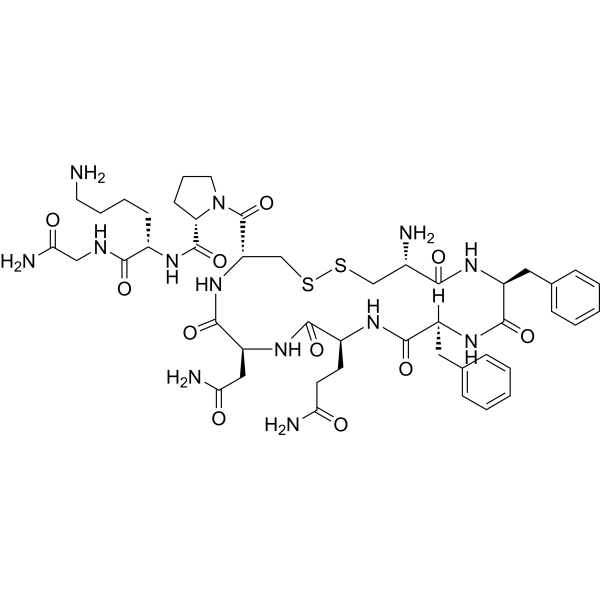
Felypressin (PLV-2) is a non-catecholamine vasoconstrictor and a vasopressin 1 agonist. Felypressin is widely used in dental procedures .
loading...
    loading...
3
3 Cited Publications
Cat. No.: HY-A0182A
CAS No.: 914453-97-7
Synonyms: PLV-2 acetate
Target:  

Vasopressin Receptor

Research Areas:  

Cardiovascular Disease

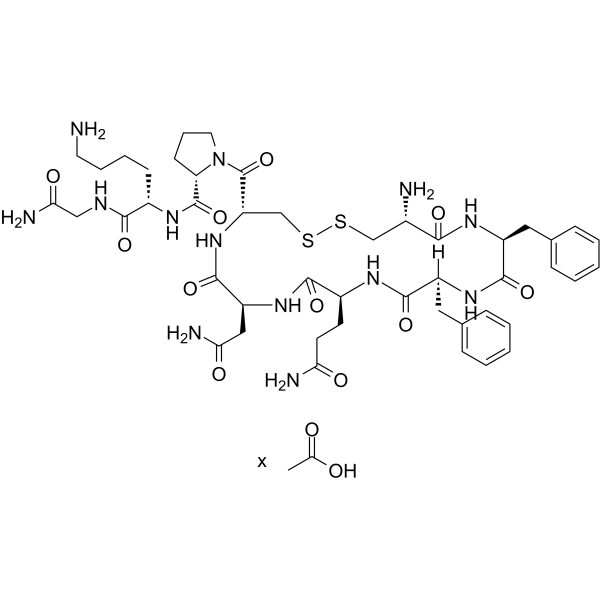
Felypressin acetate (PLV-2 acetate) is a non-catecholamine vasoconstrictor and a vasopressin 1 agonist. Felypressin acetate is widely used in dental procedures .
loading...
    loading...
2
2 Cited Publications
Cat. No.: HY-P4911A
SDF-1α (human) TFA is an endogenous CXC chemokine and the primary natural ligand of CXCR4 . SDF-1α (human) TFA activates Gαi, MAP kinase, β-arrestin, and JAK/STAT signaling pathways, promoting chemotaxis of CXCR4-positive cells. SDF-1α (human) TFA induces receptor internalization and promotes cancer cell migration and invasion. SDF-1α (human) TFA promotes dental pulp cell migration and is required for osteogenesis, angiogenesis, and neurogenesis of dental pulp cells. SDF-1α (human) TFA is used in research on CXCR4-mediated diseases, such as cancer and cardiovascular diseases .
loading...
    loading...
1
1 Cited Publications
Cat. No.: HY-113440
CAS No.: 712-09-4
Purity:  99.95%
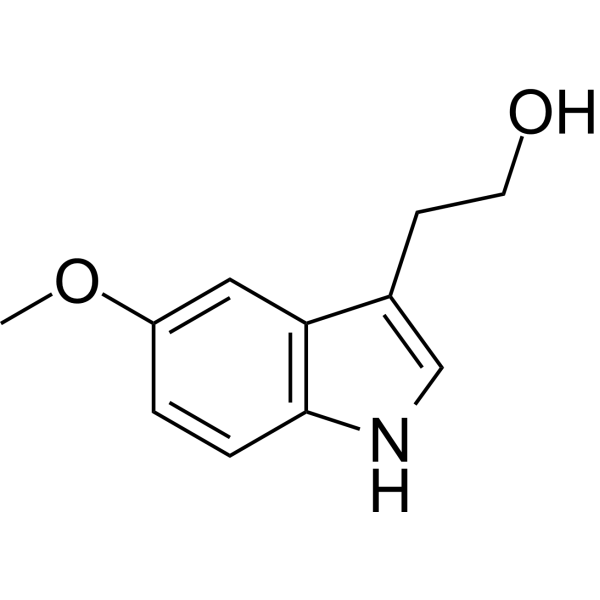
5-Methoxytryptophol is a 5-methoxyindole alcohol structurally homologous to Melatonin (HY-B0075). It is secreted by the mammalian pineal gland and exhibits an inverse circadian rhythm. 5-Methoxytryptophol regulates bone metabolism by activating the ERK1/2 pathway. It reduces the levels of pro-inflammatory cytokines TNF-α and IL-1β, as well as proteolytic enzymes MMP-1 and MMP-2, in serum and dental pulp tissues, thereby ameliorating acute pulpitis. 5-Methoxytryptophol induces rapid sleep in mice, while high doses cause respiratory depression and death. 5-Methoxytryptophol. 5-Methoxytryptophol can be used in studies related to acute pulpitis, hypnosis, and bone metabolism .
loading...
    loading...
1
1 Cited Publications
Cat. No.: HY-N7435
CAS No.: 54814-64-1
Synonyms: (±)-Massoia lactone
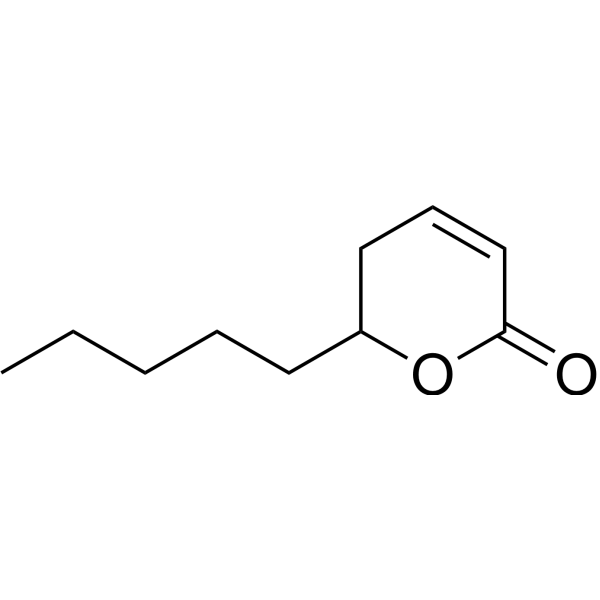
Massoia lactone ((±)-Massoia lactone) is a natural lactone-based biosurfactant with antifungal (fungal), antibiofilm, and cytotoxic activities. Massoia lactone inhibits fungal hyphal growth and spore germination, and induces fungal cell necrosis by forming membrane pores, reducing ergosterol, elevating ROS, and causing leakage of intracellular components. Massoia lactone inhibits the viability and proliferation of tumor cells. Massoia lactone degrades the extracellular polymeric substances of polymicrobial biofilms, penetrates the biofilm matrix, inhibits the growth of planktonic oral bacteria (bacterial), and reduces surface tension through its amphiphilic properties. Massoia lactone is a low-toxicity, biodegradable food additive with a coconut cream aroma, which can be used for flavor improvement and also serves as a quality control marker for Cs-4 mycelium. Massoia lactone can be used for research on Fusarium head blight, malignant tumors, and oral polymicrobial biofilm-associated dental diseases .
loading...
    loading...
Cat. No.: HY-W110551
CAS No.: 67881-98-5
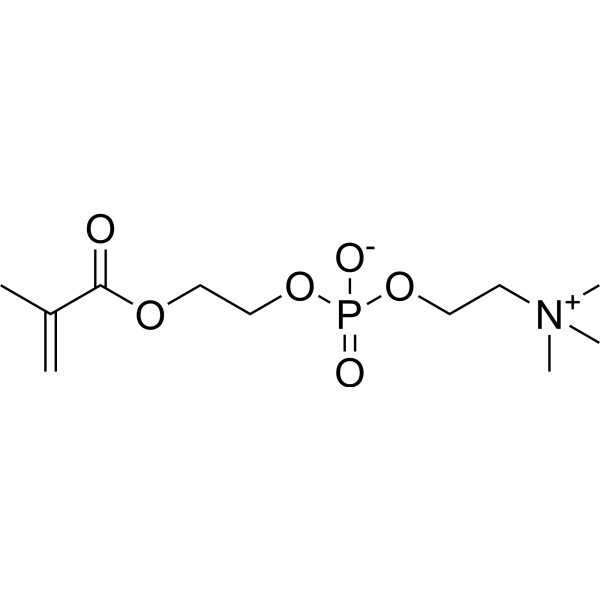
2-Methacryloyloxyethyl phosphorylcholine is a polymer monomer containing a phospholipid polar group. 2-Methacryloyloxyethyl phosphorylcholine polymers modify the surface properties of materials and reduce protein-surface interactions, reduce IL-8 production, inhibit cell, Staphylococcus aureus, and Porphyromonas gingivalis adhesion. 2-Methacryloyloxyethyl phosphorylcholine is used in the study of medical device-associated infections, periodontitis, and dental caries .
loading...
    loading...
Cat. No.: HY-Y0332B
CAS No.: 7778-77-0
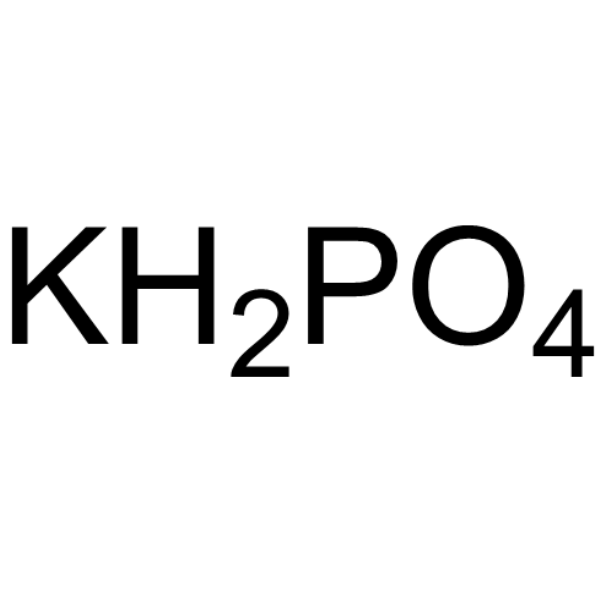
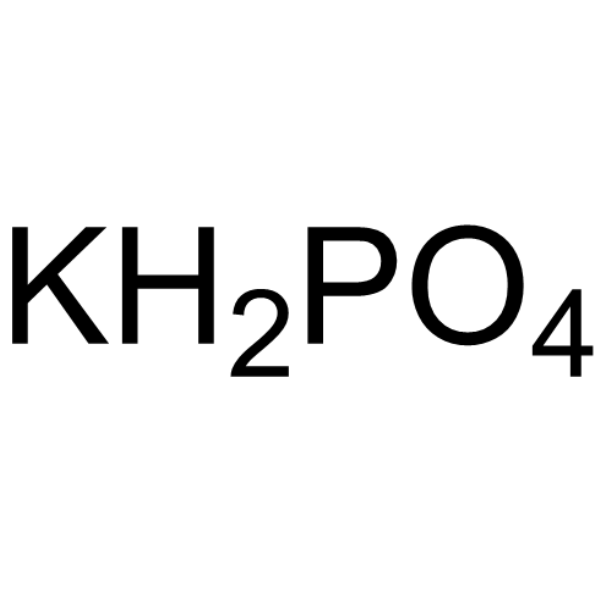
Potassium dihydrogen phosphate, AR,99.5% is a potassium salt. Potassium dihydrogen phosphate, AR,99.5% activates NF-κB. Potassium dihydrogen phosphate, AR,99.5% upregulates the expression of dental/osteogenic markers (OCN, DSP/DSPP, OSX, RUNX2, ALP) and enhances the mineralization capacity of human periodontal ligament stem cells. Potassium dihydrogen phosphate, AR,99.5% promotes the proliferation of human periodontal ligament stem cells in logarithmic growth phase. Potassium dihydrogen phosphate, AR,99.5% promotes the growth of somatic embryos of Dendrobium Sonia, increases leaf number, leaf length and fresh weight of tissue-cultured seedlings. Potassium dihydrogen phosphate, AR,99.5% is applicable to periodontal disease-related research .
loading...
    loading...
Cat. No.: HY-Y0332K
CAS No.: 7778-77-0
Synonyms: Potassium phosphate monobasic, for cell culture
Potassium dihydrogen phosphate, for cell culture (Potassium phosphate monobasic, for cell culture) is a cell culture reagent. Potassium dihydrogen phosphate, for cell culture activates NF-κB. Potassium dihydrogen phosphate, for cell culture upregulates the expression of dental/osteogenic markers (OCN, DSP/DSPP, OSX, RUNX2, ALP) and enhances the mineralization capacity of human periodontal ligament stem cells. Potassium dihydrogen phosphate, for cell culture promotes the proliferation of human periodontal ligament stem cells in logarithmic growth phase. Potassium dihydrogen phosphate, for cell culture promotes the growth of somatic embryos of Dendrobium Sonia, increases leaf number, leaf length and fresh weight of tissue-cultured seedlings. Potassium dihydrogen phosphate, for cell culture is applicable to periodontal disease-related research .
loading...
    loading...
Cat. No.: HY-42680
CAS No.: 87-81-0
Synonyms: D-(-)-Tagatose
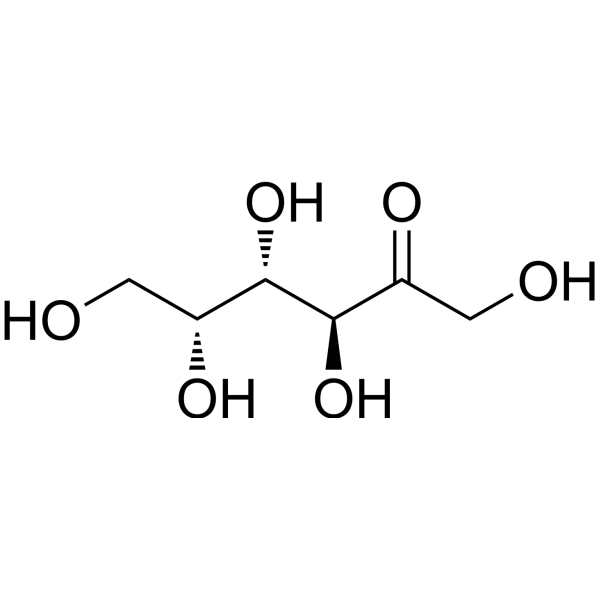
D-Tagatose (D-(-)-Tagatose) is a natural low-calorie rare sugar. D-Tagatose inhibits the activities of sucrase, maltase and intestinal disaccharidases, reduces the digestion of sucrose and starch, and blocks the absorption of sucrose, maltose and glucose. D-Tagatose promotes glucokinase activity and inhibits glycogen phosphorylase activity via tagatose-1-phosphate, regulates the synthesis and decomposition of hepatic glycogen, reduces postprandial and fasting blood glucose levels, and improves hyperinsulinemia. D-Tagatose regulates lipid profiles, stimulates GLP-1 secretion, and exhibits prebiotic effects. D-Tagatose is a bulking sweetener. D-Tagatose can be used in research related to diabetes, hyperlipidemia, dental caries, atherosclerosis and type 2 diabetes .
loading...
    loading...
Cat. No.: HY-W012723
CAS No.: 868-77-9
Research Areas:  

Others

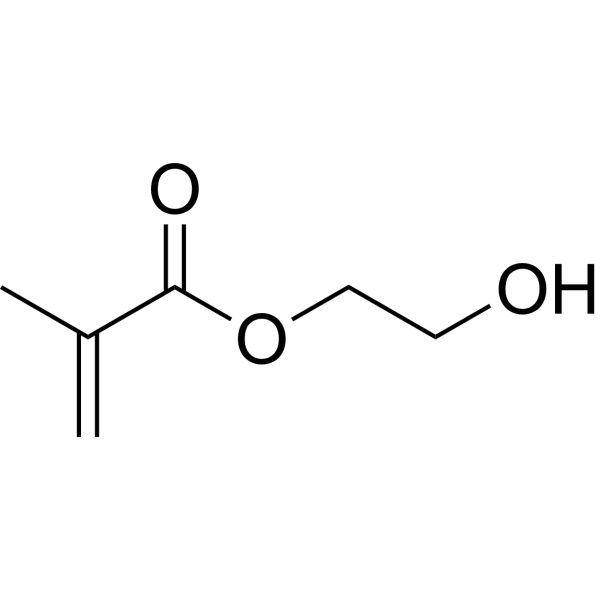
2-Hydroxyethyl methacrylate (HEMA) is a monomer used in the synthesis of various polymers, and the polymer PHEMA of 2-Hydroxyethyl methacrylate is widely used in the synthesis of dental composite materials .
loading...
    loading...
Cat. No.: HY-B0516
CAS No.: 23964-57-0
Synonyms: Hoe-045
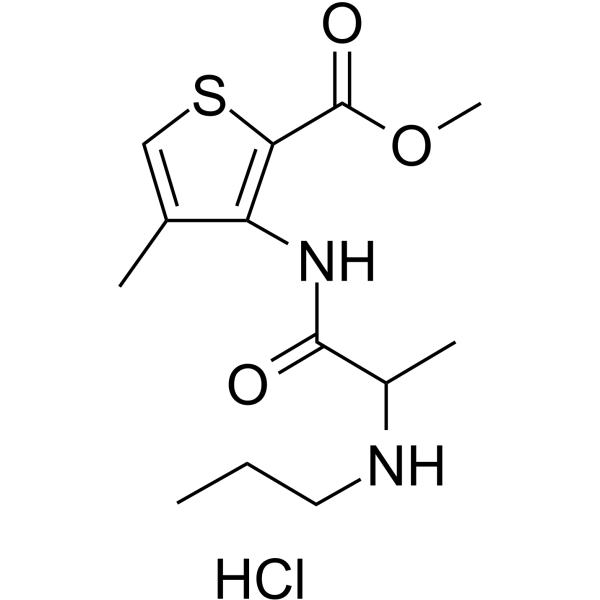
Articaine (Hoe-045) hydrochloride is a selective inhibitor of voltage-gated sodium channels (such as rNav1.4, hNav1.7, and rNav1.8), with an IC50 of 15.8 μM for open-state Na + channels, and IC50 of 40.6 μM and 378 μM for inactivated and resting-state Na + channels, respectively. Articaine hydrochloride exerts local anesthetic activity by inhibiting Na + influx to block nerve impulse conduction, and can also inhibit NF-κB activation and NLRP3 inflammasome pathways, exhibiting anti-inflammatory function. Articaine hydrochloride can be used in the study of dental local anesthesia and inflammatory-related diseases (such as acute kidney injury) .
loading...
    loading...
Cat. No.: HY-P990795

Target:  

Osteopontin

Research Areas:  

Inflammation/Immunology Cancer

Anti-Mouse osteopontin/SPP1 Antibody (100D3) is an anti-mouse osteopontin/SPP1 IgG2c monoclonal antibody. Anti-Mouse osteopontin/SPP1 Antibody (100D3) can reverse the inhibition of osteopontin (OPN) on T cells and enhance cytotoxic T lymphocyte (CTL) killing ability. Anti-Mouse osteopontin/SPP1 Antibody (100D3) can improve dentin density. Anti-Mouse osteopontin/SPP1 Antibody (100D3) can be used for researches on cancer and dental related conditions such as colon cancer. The recommend isotype control of Anti-Mouse osteopontin/SPP1 Antibody (100D3): Mouse IgG2c kappa, Isotype Control (HY-P99981) .
loading...
    loading...
Cat. No.: HY-P2840
CAS No.: 9025-70-1
Target:  

Glycosidase

Research Areas:  

Metabolic Disease

Dextranase, Trichoderma reesei belongs to glycoside hydrolase family 49. It catalyzes the hydrolysis of α-1,6-glycosidic linkages in dextran via a single-displacement reaction, ultimately releasing shorter isomaltooligosaccharides. Dextranase, Trichoderma reesei reduces the molecular size of dextran, inhibits the formation of insoluble dextran and dental plaque, and decreases the viscosity of dextran-contaminated sugar juice. Dextranase, Trichoderma reesei can be used in relevant research in fields such as chemical production, including beer manufacturing, feed additives, and toothpaste formulations .
loading...
    loading...
Cat. No.: HY-B2091
CAS No.: 17243-38-8
Target:  

Antibiotic Bacterial

Research Areas:  

Infection

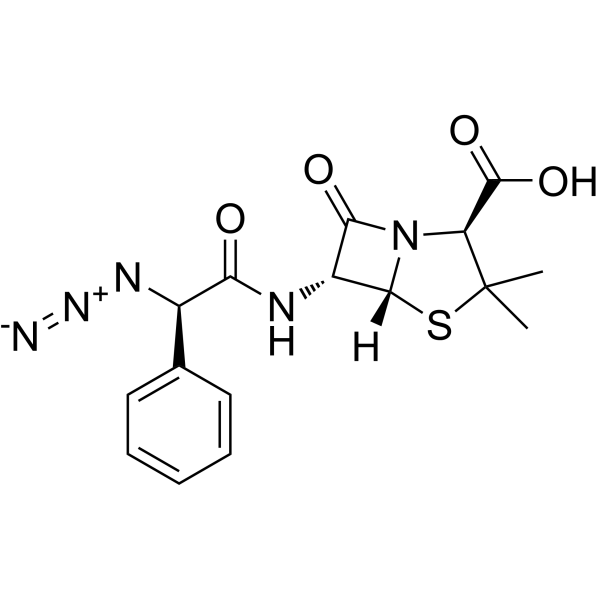
Azidocillin, a semi-synthetic Penicillin, is an orally active β-lactam antibiotic. Azidocillin bears an azide functionality and retains on-target activity within bacteria. Azidocillin can be used to research osteitis caused by dental surgery, otitis media, enterococcal septicemia and other bacterial infectious diseases . Azidocillin is a click chemistry reagent, it contains an Azide group and can undergo copper-catalyzed azide-alkyne cycloaddition reaction (CuAAc) with molecules containing Alkyne groups. It can also undergo strain-promoted alkyne-azide cycloaddition (SPAAC) reactions with molecules containing DBCO or BCN groups.
loading...
    loading...
Cat. No.: HY-P5763
CAS No.: 1415039-77-8
Synonyms: PNX-20
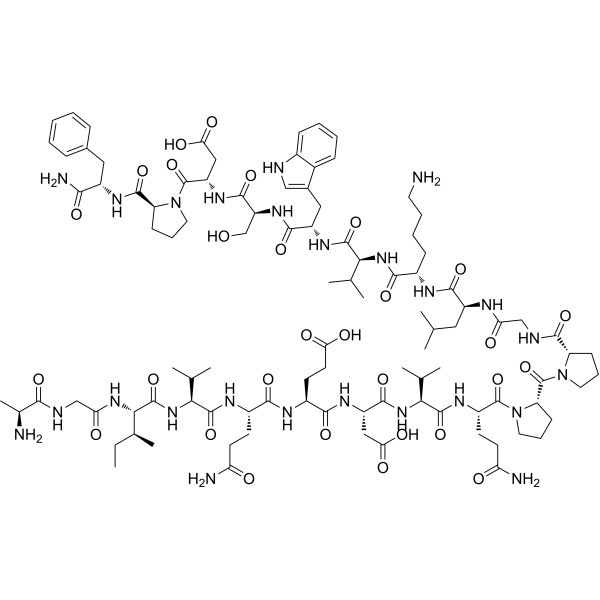
Phoenixin-20 (PNX-20) is a neuropeptide that activates GPR173. Phoenixin-20 inhibits LPS-induced TLR-4/MyD88/NF-κB signaling, pro-inflammatory cytokines, adhesion molecules, MMPs, and cytotoxicity. Phoenixin-20 increases SIRT1 and inhibits NLRP3/ASC/caspase-1, oxidative stress, and IL-1β/IL-18. Phoenixin-20 alleviates ox-LDL-induced endothelial dysfunction, monocyte adhesion, adhesion molecules, cytokines, NADPH oxidase/NOX-4, and ROS. Phoenixin-20 promotes GPR173/STAT6-mediated anti-inflammatory polarization of microglia and neuroprotection. Phoenixin-20 can be used in research on dental pulp infection, pulmonary arterial hypertension, atherosclerosis, neuroinflammation, anxiety, and neurodegenerative diseases .
loading...
    loading...
Cat. No.: HY-W019901B
CAS No.: 7778-18-9
Synonyms: Gypsum ustum (97%)
Anhydrous calcium sulfate (97%) serves as an oil-based drilling fluid additive and an osteogenic material. Anhydrous calcium sulfate (97%) increases the plastic viscosity, yield point, apparent viscosity and gel strength of oil-based drilling fluids. Anhydrous calcium sulfate (97%) upregulates the expression of bone-related genes FOSL1, RUNX2 and SPP1. Anhydrous calcium sulfate (97%) significantly affects the behavior of dental pulp stem cells, enhancing their proliferation, differentiation and matrix deposition .
loading...
    loading...
Cat. No.: HY-W391506
CAS No.: 9011-14-7
Synonyms: Poly(methyl methacrylate), beads; PMMA
Research Areas:  

Others

Poly (methyl methacrylate) (Poly(methyl methacrylate), beads; PMMA) is an amorphous glassy acrylic thermoplastic polymer belonging to the acrylate family, synthesized from methyl methacrylate monomers. Poly (methyl methacrylate) drives biochemical processes including free volume expansion induced by inelastic deformation, yield stress and strain softening regulated by physical aging, acid hydrolysis to polymethacrylic acid, multi-stage combustion, oxygen-dependent thermal decomposition, primary amine-mediated polypentanimide formation, and grafting/crosslinking-based copolymer and composite formation. Poly (methyl methacrylate) exhibits histocompatibility, low toxicity, low inflammatory potential, and fracture resistance; it can form functional blends and composites for biomedical and dental applications; it also allows performance-enhancing chemical and mechanical modifications. Poly (methyl methacrylate) is applicable to studies related to cranial repair .
loading...
    loading...

