
20 Results for "

detoxification enzyme

" in MedChemExpress (MCE) Product Catalog:
Products (20)

20 Results for "detoxification enzyme" in MCE Product Catalog:

2
2 Cited Publications
Cat. No.: HY-N0548
CAS No.: 591-12-8
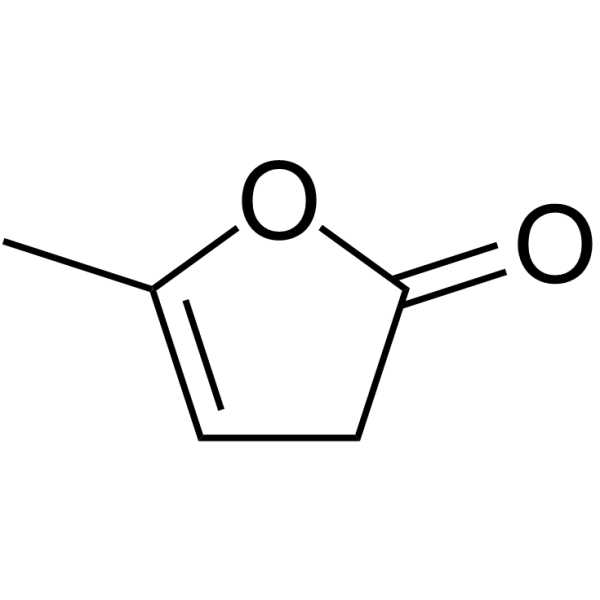
α-Angelica lactone is a naturally occurring anticarcinogen and an vinylogous nucleophile. α-Angelica lactone can give the chiral δ-amino γ,γ-disubstituted butenolide carbonyl derivatives and exhibitselectrophilic trapping at the γ-carbon. α-Angelica lactone exerts strong chemoprotective effects by selective enhancement of glutathione-S-thansferase (GST) and UDP-glucononosyltransferase (UGT) detoxification enzymes .
loading...
    loading...
Cat. No.: HY-Y1683
CAS No.: 89-78-1
Synonyms: Racementhol
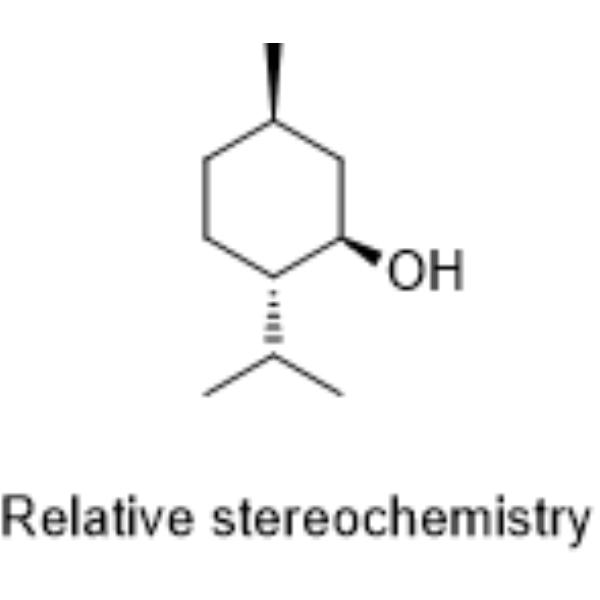
DL-Menthol (Racementhol) is an orally active, GABAaR positive allosteric modulator and UDP-glucuronosyltransferase (UGT) inhibitor that can cross the blood-brain barrier. DL-Menthol binds to GABAAR and exhibits an allosteric activation effect, enhancing GABA-mediated chloride influx and inhibiting neuronal excitability. DL-Menthol can induce surgical anesthesia in fish and inhibit the metabolic detoxification of tobacco carcinogens by human liver and intestinal UGT enzymes, resulting in reduced NNAL-N-Gluc production .
loading...
    loading...
Cat. No.: HY-150097
Purity:  ≥99.0%
Recombinant Human Serum Albumin (rHSA) is a non-glycosylated monomeric plasma protein that acts as a core factor for maintaining plasma colloid osmotic pressure. Recombinant Human Serum Albumin (rHSA) possesses multiple physiological functions including carrier, metabolic regulation, detoxification, antioxidation and enzyme mimicking. Recombinant Human Serum Albumin (rHSA) not only scavenges reactive oxygen and nitrogen species via specific residues and binds a variety of endogenous and exogenous compounds to maintain redox homeostasis, but also serves as a biomarker for multiple diseases such as cancer and inflammation. Recombinant Human Serum Albumin (rHSA) broadly supports the development of implantable materials, surgical adhesives and ligand capture, and can be used for research on critical illnesses including hypovolemia, liver failure, severe sepsis and various types of trauma resuscitation .
loading...
    loading...
Cat. No.: HY-W075903
CAS No.: 10534-89-1
Synonyms: Cobalt hexammine trichloride; Hexaamminecobalt trichloride
Hexaamminecobalt (III) chloride is an orally active cobalt coordination compound. Hexaamminecobalt (III) chloride restores the activities of liver antioxidant enzymes (SOD, Catalase) and detoxification enzyme GST. Hexaamminecobalt (III) chloride restores GSH content and reduces DAG. Hexaamminecobalt (III) chloride impairs renal function. Hexaamminecobalt (III) chloride exerts anti-carcinogenic effects in Diethylnitrosamine (HY-N7434)-induced hepatocarcinoma .
loading...
    loading...
Cat. No.: HY-P2740
CAS No.: 9031-72-5
Synonyms: EC 1.1.1.1
Research Areas:  

Metabolic Disease

Alcohol dehydrogenase, Saccharomyces cerevisiae is a dimeric protein in the cytosol of cells. Alcohol dehydrogenase, the key enzyme for alcohol consumption in the body, is the highest expressed in the liver and participates in the detoxification mechanism of environmental alcohol .
loading...
    loading...
Cat. No.: HY-P2961
CAS No.: 50812-37-8
Research Areas:  

Cancer

Glutathione S-transferase is a phase II metabolic enzyme composed of three superfamilies: cytosolic, mitochondrial, and microsomal. Glutathione S-transferase possesses multiple catalytic activities, including catalytic detoxification and thiol transfer, as well as molecular chaperone functions. The Glutathione S-transferase isoform GSTP1 is highly expressed in malignant tumors and serves as a tumor biomarker .
loading...
    loading...
Cat. No.: HY-167920
CAS No.: 1637-70-3
Synonyms: S-Sulfoglutathione
Target:  

Endogenous Metabolite

Research Areas:  

Cancer

Glutathione sulfonate (S-Sulfoglutathione) is a multifunctional bioactive compound that inhibits angiogenesis and tumor growth. Glutathione sulfonate is a competitive inhibitor of glutathione S-transferase and is involved in the detoxification process and the binding of a variety of exogenous and endogenous compounds. Glutathione sulfonate acts in the substrate binding site of Escherichia coli glutathione S-transferase, affecting the catalytic mechanism. The structural characteristics of Glutathione sulfonate contribute to its inhibitory effect by hydrogen bonding in the active center of the enzyme .
loading...
    loading...
Cat. No.: HY-P2960
CAS No.: 9012-37-7
Synonyms: Acylase I
Research Areas:  

Others

Aminoacylase (Acylase I) is a long acyl-chain metal-dependent hydrolase and N-acyltransferase. Aminoacylase catalyzes the hydrolysis of the amide bond of N-acyl-L-amino acids as well as the N-acylation of L-amino acids with fatty acids. Mammalian Aminoacylase is involved in the catabolism of acetylated peptides or acetylated amino acids and in the detoxification of xenobiotics. Aminoacylase is also an enzyme with industrial application value, and can be used for the hydrolysis and synthesis of N-acyl amino acids .
loading...
    loading...
Cat. No.: HY-P2774
CAS No.: 9033-12-9
Synonyms: Glo-I
Target:  

Glycosidase

Research Areas:  

Inflammation/Immunology Cancer

Glyoxalase I (Glo-I) is a glycosidase and a methylglyoxal (MOG) detoxification enzyme. Glyoxalase I can be used for the research of inflammation and cancer .
loading...
    loading...
Cat. No.: HY-E70418
CAS No.: 9048-63-9
Epoxide hydrolase is an enzyme responsible for catalyzing the reaction between epoxides and water, converting epoxide groups into diols. Epoxide hydrolase plays a key role in the metabolism of environmental pollutants and lipids, contributing to detoxification, inflammation responses, and the regulation of cardiovascular system health. Additionally, epoxide hydrolase can be used in asymmetric catalytic reactions, such as the asymmetric ring-opening of epoxides, to produce chiral drug molecules .
loading...
    loading...
Cat. No.: HY-115772
CAS No.: 20525-20-6
Target:  

Quinone Reductase

Research Areas:  

Cancer

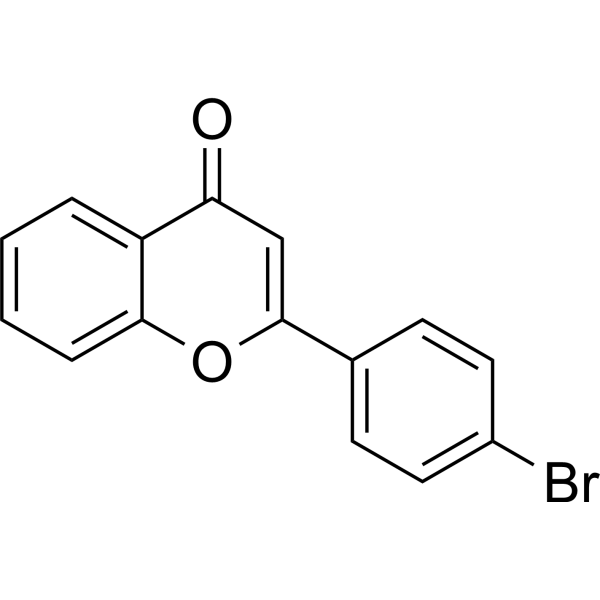
4′-Bromoflavone, a cancer chemopreventive agent, is a potent phase II detoxification enzymes inducer .
loading...
    loading...
Cat. No.: HY-W099540
CAS No.: 5538-95-4
Target:  

Bacterial

Research Areas:  

Infection

OES2-0017 shows potent synergy with polyamines and growth-inhibitory effects at the low micromolar range. OES2-0017 inhibits spermine/spermidine acetyltransferase (SpeG) (IC50: 34.82 μM ) and other polyamine detoxification enzymes in low concentrations, perturbed the bacterial membrane in higher concentrations .
loading...
    loading...
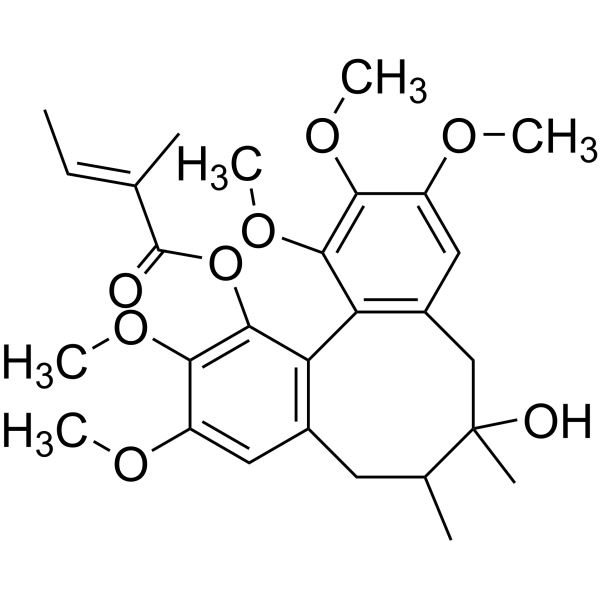
Cat. No.: HY-N6802
CAS No.: 66069-55-4
Tigloylgomisin H is a lignan isolated from the fruits of S. chinensis, can induce quinone reductase (QR) activity in Hepa1c1c7 mouse hepatocarcinoma cells. Tigloylgomisin H functions as a monofunctional inducer that specifically upregulates phase II detoxification enzyme NQO1 through the NF-E2-related factor 2 (Nrf2)-ARE pathway, thus represents a potential liver cancer prevention agent .
loading...
    loading...
Cat. No.: HY-N0548R
CAS No.: 591-12-8
α-Angelica lactone (Standard) is the analytical standard of α-Angelica lactone. This product is intended for research and analytical applications. α-Angelica lactone is a naturally occurring anticarcinogen and an vinylogous nucleophile. α-Angelica lactone can give the chiral δ-amino γ,γ-disubstituted butenolide carbonyl derivatives and exhibitselectrophilic trapping at the γ-carbon. α-Angelica lactone exerts strong chemoprotective effects by selective enhancement of glutathione-S-thansferase (GST) and UDP-glucononosyltransferase (UGT) detoxification enzymes .
loading...
    loading...
Cat. No.: HY-132178
CAS No.: 9035-51-2
Cytochrome P450 is a family of monooxygenase enzymes that catalyzes the conversion of fatty acids to terminal alkenes using hydrogen peroxide as a cosubstrate. Cytochrome P450 as membrane-bound hemoproteins, plays important roles in the detoxification of drugs, cellular metabolism, and homeostasis .
loading...
    loading...
Cat. No.: HY-N17272
CAS No.: 66167-89-3
Cholic acid 3-sulfate is the sulfated metabolite of Cholic acid (HY-N0324), produced by liver enzyme sulfotransferase-2A1. Cholic acid 3-sulfate is less toxic than the parent compound, thus serving as a detoxification pathway for bile acids. Cholic acid 3-sulfate does not have the effect of stimulating intestinal secretion .
loading...
    loading...
Cat. No.: HY-P2864
CAS No.: 9026-04-4
Research Areas:  

Metabolic Disease

Rhodanese is the detoxification enzyme in sulfur metabolism for cyanide detoxification. Rhodanese is a mitochondrial protein .
loading...
    loading...
Cat. No.: HY-189054
CAS No.: 3132207-16-7
Herbicide safener-6 is a herbicide safener that competitively binds to the target HPPD. By competing with herbicides for binding to the HPPD target, Herbicide safener-6 stimulates endogenous GSH synthesis in rice and enhances the activities of multiple detoxification enzymes, thereby promoting the metabolic detoxification of herbicides and alleviating oxidative stress damage. Herbicide safener-6 can be used in studies related to Benzobicyclon-induced phytotoxicity in indica rice .
loading...
    loading...
Cat. No.: HY-P2961A
Research Areas:  

Cancer

Glutathione-S-Transferase, Rat is a glutathione S-transferase derived from the rat. Glutathione-S-Transferase, Rat is a phase II metabolic enzyme composed of three superfamilies: cytosolic, mitochondrial, and microsomal. Glutathione-S-Transferase, Rat possesses multiple catalytic activities, including catalytic detoxification and thiol transfer, as well as molecular chaperone functions. The Glutathione-S-Transferase, Rat isoform GSTP1 is highly expressed in malignant tumors and serves as a tumor biomarker .
loading...
    loading...
Cat. No.: HY-P2961B
Research Areas:  

Cancer

Glutathione S-Transferase, E.coli is a glutathione S-transferase derived from Escherichia coli. Glutathione S-Transferase, E.coli is a phase II metabolic enzyme composed of three superfamilies: cytosolic, mitochondrial, and microsomal. Glutathione S-Transferase, E.coli possesses multiple catalytic activities, including catalytic detoxification and thiol transfer, as well as molecular chaperone functions. The Glutathione S-Transferase, E.coli isoform GSTP1 is highly expressed in malignant tumors and serves as a tumor biomarker .
loading...
    loading...
  • 1

