138 Results for "

glucose tolerance

" in MedChemExpress (MCE) Product Catalog:
Products (138)

138 Results for "glucose tolerance" in MCE Product Catalog:

35
35 Cited Publications
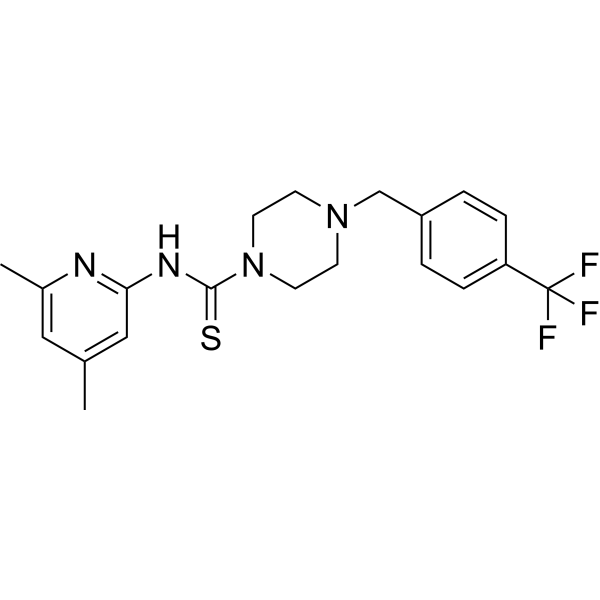
Cat. No.: HY-101966
CAS No.: 1916571-90-8
Purity:  99.69%
NCT-503 is a blood-brain barrier-permeable, non-competitive PHGDH inhibitor with an IC50 of 2.5 μM against human PHGDH. NCT-503 reduces glucose-derived serine production and the incorporation of one-carbon units into nucleotides without decreasing PHGDH protein expression. NCT-503 prevents high selenium-induced insulin resistance in mice by regulating blood glucose and insulin levels and improving glucose tolerance, and also inhibits the growth of tumors overexpressing PHGDH. NCT-503 can be used in research related to insulin resistance and breast cancer .
loading...
    loading...
14
14 Cited Publications
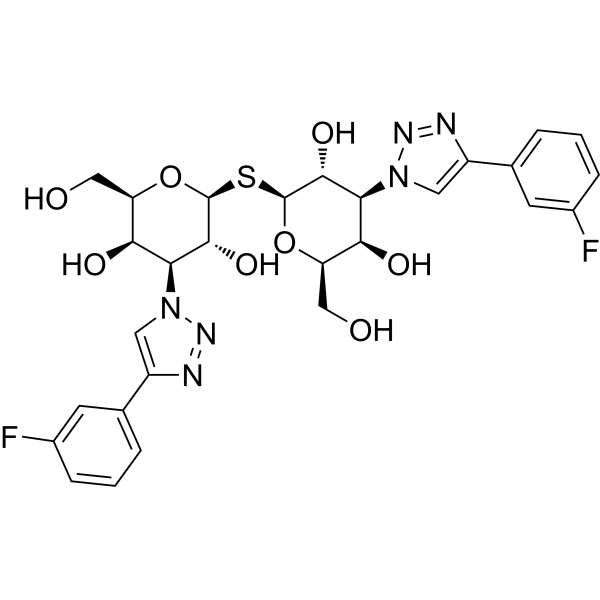
Cat. No.: HY-19940
CAS No.: 1450824-22-2
Synonyms: TD139; GB0139
Olitigaltin (TD139) is a high-affinity Galectin-3 inhibitor with a Kd value of 14 nM. Olitigaltin inhibits the activity of the AKT/β-catenin pathway, induces Apoptosis, and downregulates SREBP1 expression. Olitigaltin enhances the phosphorylation level of ERK. Olitigaltin alleviates bleomycin (HY-17565A)-induced advanced pulmonary fibrosis in mice. Olitigaltin delays the onset of diabetes, and improves glucose tolerance and serum insulin levels. Olitigaltin alleviates liver injury. Olitigaltin maintains the structure of hippocampal excitatory synapses, restores γ-wave power in the hippocampal CA1 region, inhibits hippocampal neuroinflammation, and improves cognitive function in neuroinflammation models. Olitigaltin can be used in research related to thyroid cancer, idiopathic pulmonary fibrosis, type 1 diabetes, hepatitis, and cognitive dysfunction induced by neuroinflammation .
loading...
    loading...
8
8 Cited Publications
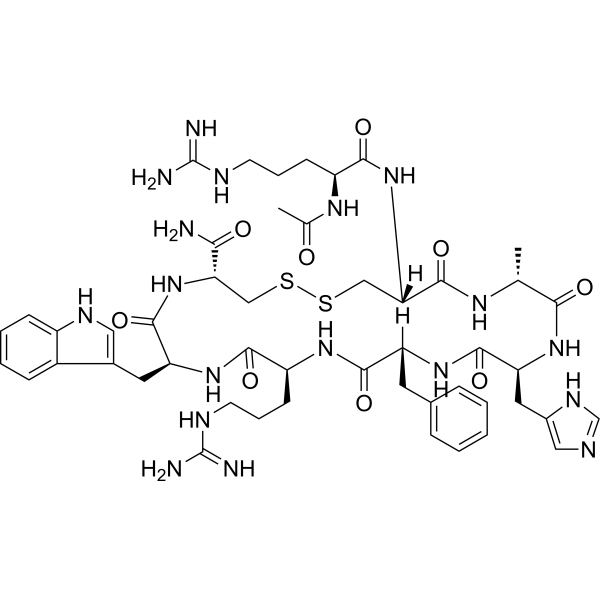
Cat. No.: HY-19870
CAS No.: 920014-72-8
Synonyms: RM-493; BIM-22493; IRC-022493
Setmelanotide (RM-493) is a blood-brain barrier-permeable, selective MC4R agonist with a Ki value of 2.1 nM for hMC4R. Setmelanotide activates the CaMKK2/AMPK signaling pathway. Setmelanotide mediates body weight homeostasis, feeding regulation and energy expenditure modulation; it reduces food intake, induces weight loss, decreases obesity severity, increases daytime activity and energy expenditure, lowers levels of leptin, triglycerides, fasting insulin and diastolic blood pressure, improves insulin sensitivity, glucose tolerance and fatty liver condition, and reverses respiratory depression. Setmelanotide is applicable to research related to obesity, hyperinsulinemia, fatty liver and respiratory depression .
loading...
    loading...
8
8 Cited Publications
Cat. No.: HY-19870C
CAS No.: 2759937-80-7
Synonyms: RM-493 monoacetate; BIM-22493 monoacetate; IRC-022493 monoacetate
Setmelanotide monoacetate (RM-493 monoacetate) is a blood-brain barrier-permeable, selective MC4R agonist with a Ki value of 2.1 nM for hMC4R. Setmelanotide monoacetate activates the CaMKK2/AMPK signaling pathway. Setmelanotide monoacetate mediates body weight homeostasis, feeding regulation and energy expenditure modulation; it reduces food intake, induces weight loss, decreases obesity severity, increases daytime activity and energy expenditure, lowers levels of leptin, triglycerides, fasting insulin and diastolic blood pressure, improves insulin sensitivity, glucose tolerance and fatty liver condition, and reverses respiratory depression. Setmelanotide monoacetate is applicable to research related to obesity, hyperinsulinemia, fatty liver and respiratory depression .
loading...
    loading...
6
6 Cited Publications
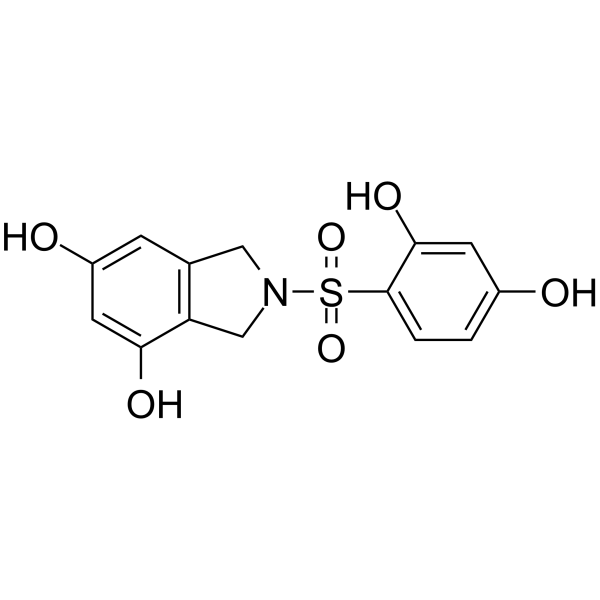
Cat. No.: HY-121744
CAS No.: 1564265-82-2
Purity:  98.51%
Target:  

PDHK

Research Areas:  

Inflammation/Immunology

PS10 is a novel, potent and ATP-competitive pan-PDK inhibitor, inhibits all PDK isoforms with IC50 of 0.8 μM, 0.76 μM, 2.1 μM and 21.3 μM for PDK2, PDK4, PDK1, and PDK3, respectively. PS10 shows high affinity for PDK2 (Kd= 239 nM) than for Hsp90 (Kd= 47 μM) . PS10 improves glucose tolerance, stimulates myocardial carbohydrate oxidation in diet-induced obesity. PS10 has the potential for the investigation of diabetic cardiomyopathy .PDK: pyruvate dehydrogenase kinase
loading...
    loading...
5
5 Cited Publications
Cat. No.: HY-N2593
CAS No.: 32507-66-7
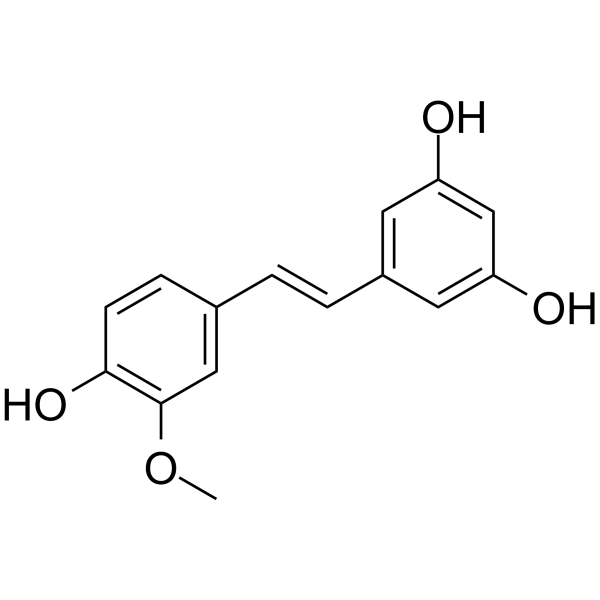
Isorhapontigenin is an orally active dietary polyphenol. Isorhapontigenin acts as a potent antioxidant that reduces the production of reactive oxygen species (ROS). Isorhapontigenin promotes the binding of JUN to the AP-1 site on the SESN2 promoter, induces SESN2 transcription, triggers MAPK8-dependent JUN activation, and upregulates the expression of PPAR-α, PGC-1α and CPT-1A to facilitate fatty acid oxidation. Isorhapontigenin induces autophagy, apoptosis and preadipocyte differentiation; it inhibits tumor growth, cell invasion, NF-κB transcriptional activity, the PI3K/Akt signaling pathway, STAT1 phosphorylation and MMP-2 expression. Isorhapontigenin alleviates oxidative stress, inflammatory cytokine release and triglyceride accumulation; it increases intracellular ATP levels and promotes Nrf2 nuclear translocation. Isorhapontigenin improves insulin sensitivity in adipose tissue and glucose tolerance, and reduces postprandial blood glucose, insulin and free fatty acid levels. Isorhapontigenin is applicable to research on bladder cancer, liver injury, chronic obstructive pulmonary disease, acute lung injury and type 2 diabetes .
loading...
    loading...
4
4 Cited Publications
Cat. No.: HY-150012
CAS No.: 183241-73-8
Purity:  99.94%
Synonyms: Lac-Phe
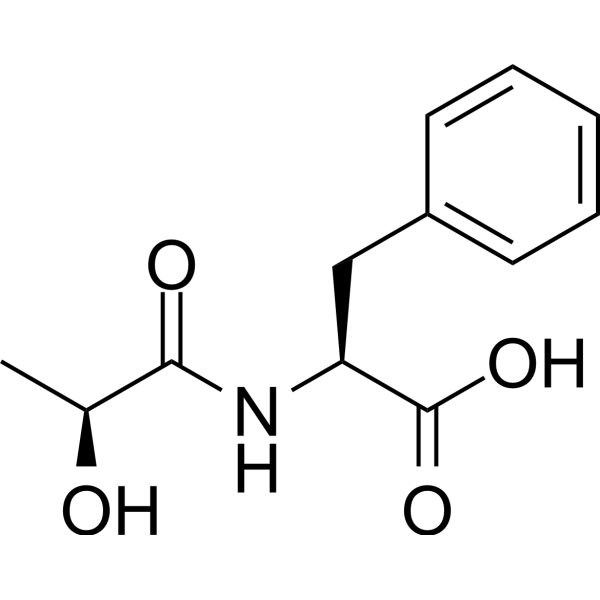
N-Lactoyl-phenylalanine, a N-lactoyl-amino acid, is a blood-derived signaling metabolite that can be induced by exercise. N-Lactoyl-phenylalanine can reduce obesity and improve glucose tolerance .
loading...
    loading...
3
3 Cited Publications
Cat. No.: HY-N8518
CAS No.: 63335-25-1
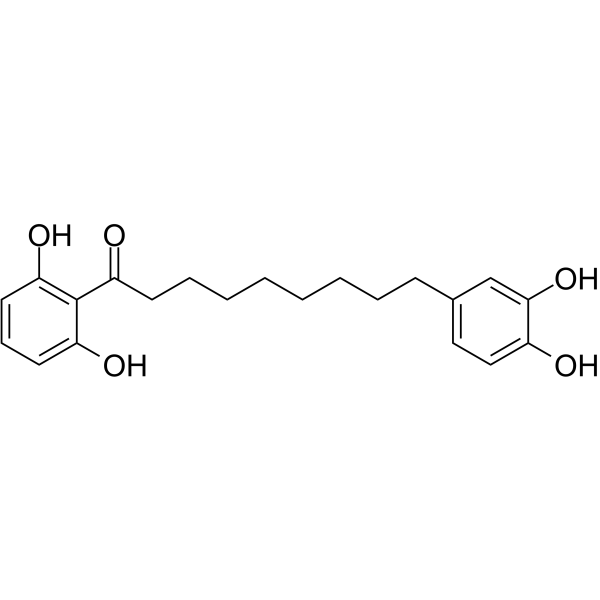
Malabaricone C is an orally active and noncompetitive sphingomyelin synthase (SMS) inhibitor with IC50 values of 3 μM and 1.5 μM for SMS 1 and SMS 2, respectively. Malabaricone C reduces body weight gain, improves glucose tolerance, and decreases lipid accumulation in the liver, showing significant prevention of high fat diet-induced fatty liver in mice. Malabaricone C has anti-inflammatory effects, which is found in the fruits of Myristica cinnamomea King. Malabaricone C is promising for research of obesity and immunological disorders caused due to hyper-activation of T-cells .
loading...
    loading...
2
2 Cited Publications
Cat. No.: HY-N9410
CAS No.: 22252-07-9
Synonyms: 1-Linoleoyl-2-Hydroxy-sn-glycero-3-PC; LPC(18:2/0:0); LysoPC(18:2)
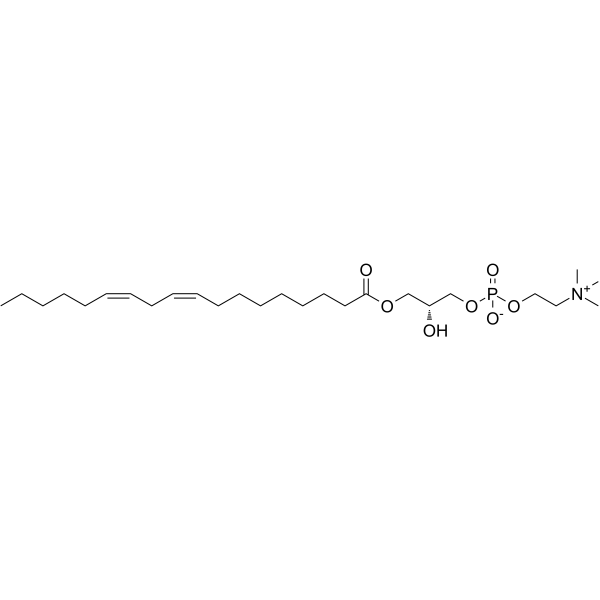
Lysophosphatidylcholine 18:2 (1-Linoleoyl-2-Hydroxy-sn-glycero-3-PC), a lysophospholipid, is a potential biomarker identified from insulin resistance (IR) polycystic ovary syndrome (PCOS). Low plasma Lysophosphatidylcholine 18:2 also has been shown to predict impaired glucose tolerance, insulin resistance, type 2 diabetes, coronary artery disease, and memory impairment .
loading...
    loading...
2
2 Cited Publications
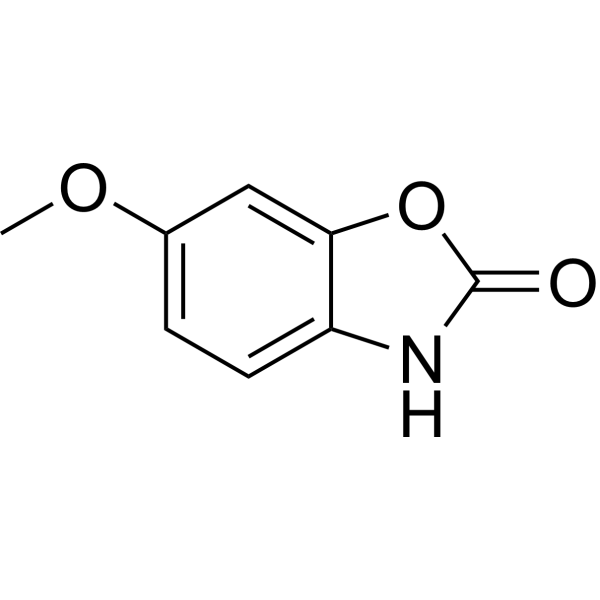
Cat. No.: HY-N0936
CAS No.: 532-91-2
Synonyms: 6-Methoxy-2-benzoxazolinone; 6-MBOA
Coixol (6-Methoxy-2-benzoxazolinone; 6-MBOA) is a potent and orally active anti-inflammatory agent. Coixol decreases the iNOS protein expression. Coixol inhibits the production of TNF-α, IL-6, and IL-1β. Coixol improves glucose tolerance and plasma insulin. Coixol decreases the blood glucose level .
loading...
    loading...
2
2 Cited Publications
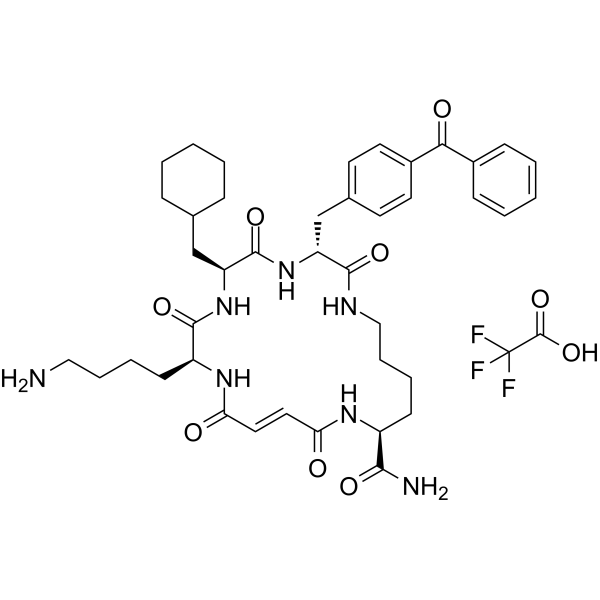
Cat. No.: HY-110197
CAS No.: 1774353-12-6
Purity:  99.35%
Target:  

IDE

Research Areas:  

Metabolic Disease

6bK TFA is a selective insulin-degrading enzyme (IDE) inhibitor with an IC50 of 50 nM. 6bK TFA binds to the distal pocket of IDE, thereby blocking substrate binding, peptide unfolding and cleavage processes, and reducing the degradation of insulin, glucagon and amylin. 6bK TFA improves oral glucose tolerance but impairs intraperitoneal glucose tolerance. 6bK TFA can be used in research related to type 2 diabetes .
loading...
    loading...
2
2 Cited Publications
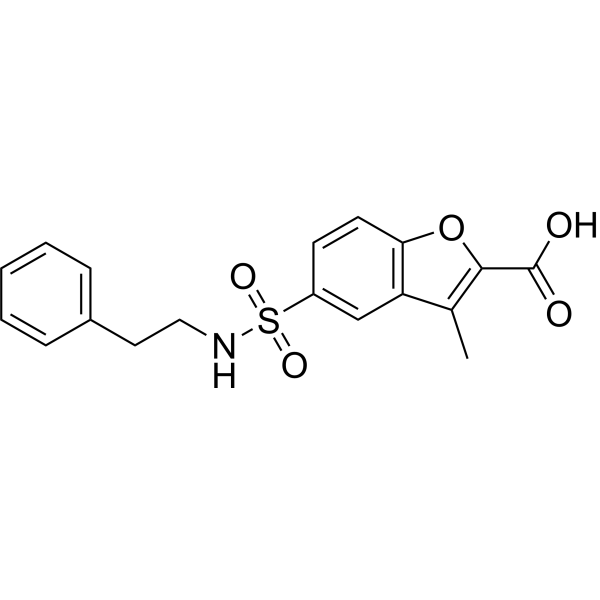
Cat. No.: HY-157189
CAS No.: 898211-21-7
Purity:  99.72%
Synonyms: GPR132 antagonist 1
Target:  

G2A (GPR132)

Research Areas:  

Metabolic Disease

NOX-6-18 (GPR132 antagonist 1) is a GPR132 antagonist with an IC50 of 15.17 nM against the human target. NOX-6-18 inhibits GPR132 activation via interaction with non-conserved residues, blocks activities induced by endogenous agonists and 9 (S)-HODE, and exhibits selectivity for other fatty acid-binding GPCRs. NOX-6-18 regulates macrophage reprogramming, alleviates inflammatory responses, downregulates inflammatory markers and signaling pathways, and reduces the degree of hepatic steatosis and hepatic triglyceride levels. NOX-6-18 regulates metabolic homeostasis, reduces weight gain, enhances glucose metabolism, improves glucose tolerance, decreases fasting blood glucose and insulin levels, and partially reverses reductions in energy expenditure and respiratory quotient. NOX-6-18 can be used in the research of type 2 diabetes .
loading...
    loading...
2
2 Cited Publications
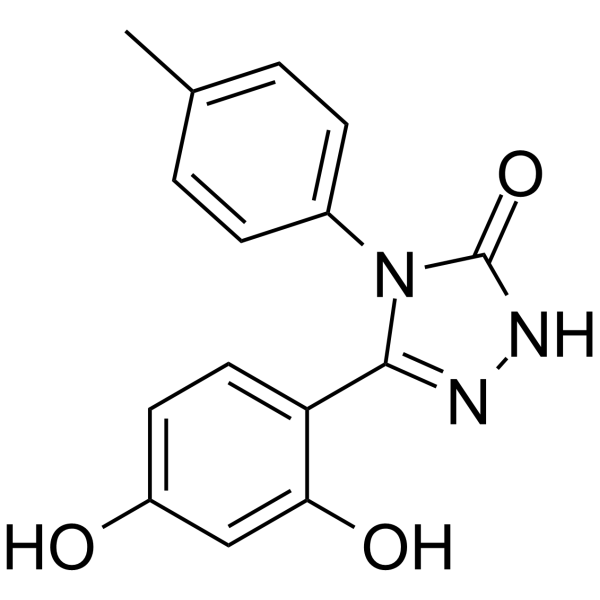
Cat. No.: HY-128578
CAS No.: 906669-07-6
Purity:  99.86%
KPLH1130 is a pyruvate dehydrogenase kinase (PDK) inhibitor. KPLH1130 potently inhibits M1 macrophage polarization by reducing the expression of pro-inflammatory cytokines, decreasing the levels of M1 phenotype markers (HIF-1α, iNOS) and nitric oxide (NO) production. KPLH1130 prevents the reduction of mitochondrial oxygen consumption rate (OCR) induced by inflammatory stimuli (LPS ((HY-D1056) + IFN-γ) in various macrophage types. KPLH1130 improves glucose tolerance in HFD-fed mice. KPLH1130 can be used for the study of obesity-associated metabolic disorders and other inflammatory conditions .
loading...
    loading...
2
2 Cited Publications
Cat. No.: HY-P3247
CAS No.: 444073-04-5
Target:  

Insulin Receptor

[D-Ala2]-GIP (human) is a GIP receptor agonist (EC50 = 630 pM). [D-Ala2]-GIP (human) improves glucose tolerance. [D-Ala2]-GIP (human) shows neuroprotective activity in MPTP (HY-W114750)-induced Parkinson's disease model. [D-Ala2]-GIP (human) also improves cognitive function and hippocampal synaptic plasticity in obese diabetic rats. [D-Ala2]-GIP (human) can be used for research of type 2 diabetes, Parkinson's disease, etc
loading...
    loading...
2
2 Cited Publications
Cat. No.: HY-B0279
CAS No.: 87333-19-5
Synonyms: HOE-498
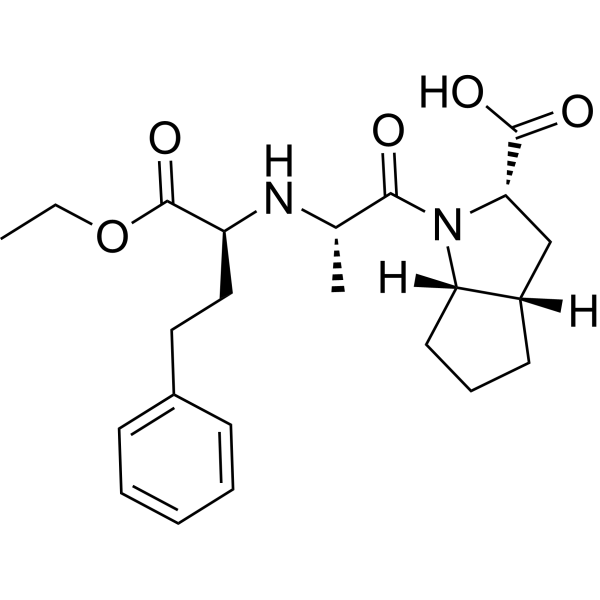
Ramipril (HOE-498) is an orally active angiotensin-converting enzyme (ACE) inhibitor with blood-brain barrier permeability, and it is metabolized in vivo to the active metabolite Ramiprilat (HY-A0115). Ramipril has antioxidant, vasoprotective, and anti-atherosclerotic effects. Ramipril reduces the degradation of angiotensin II and bradykinin, downregulates TGF-beta/CTGF/fibronectin/α-SMA, and inhibits pancreatic/cardiac fibrosis. Ramipril improves glucose tolerance and insulin secretion, and reduces weight gain/appetite. Ramipril sensitizes mast cells, enhances FcεRI histamine release/degranulation, aggravates IgE allergic reactions, and downregulates the bradykinin receptor. Ramipril improves vascular endothelial relaxation function in spontaneously hypertensive rats. Ramipril alleviates Oxaliplatin (HY-17371)-induced acute hyperalgesia in mice. Ramipril can be used in research related to diseases such as type 2 diabetes, rheumatoid arthritis, allergy, and hypertension .
loading...
    loading...
1
1 Cited Publications
Cat. No.: HY-N2486
CAS No.: 30197-14-9
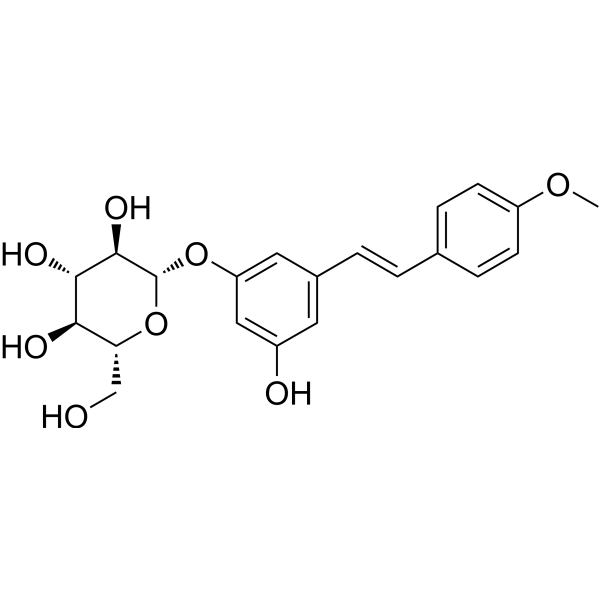
Desoxyrhaponticin is a kind of oral drug that inhibits effective fatty acid synthesis (FASN), and has a fatal effect on cancer cells. Desoxyrhaponticin has the ability to inhibit glucose uptake, improve oral glucose tolerance as a diabetic agent, and possess anti-diabetic effects.
loading...
    loading...
1
1 Cited Publications
Cat. No.: HY-164781
CAS No.: 1788963-83-6
Synonyms: MBE1
Research Areas:  

Metabolic Disease

KOTX1 is an orally active and selective ALDH1A3 inhibitor. KOTX1 improves glucose tolerance, insulin secretion and blood sugar levels in diabetic mouse models .
loading...
    loading...
1
1 Cited Publications
Cat. No.: HY-108448
CAS No.: 105955-11-1
Purity:  99.47%
Synonyms: OLDA
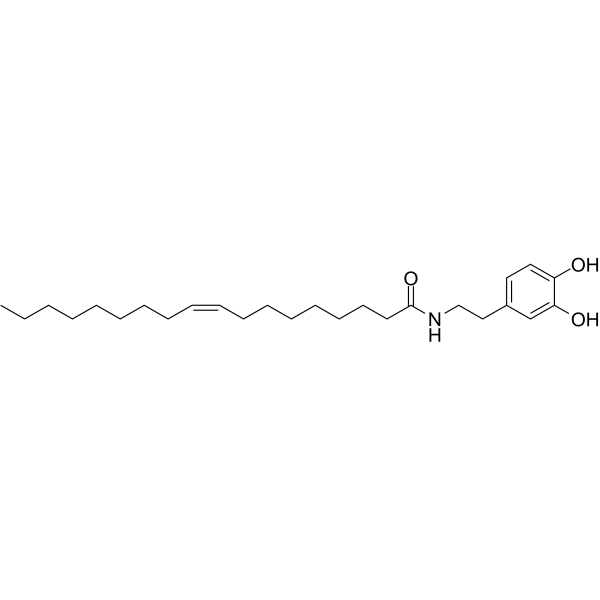
N-Oleoyldopamine (OLDA) is an orally active TRPV1 activator and 5-LOX inhibitor with blood-brain barrier permeability. N-Oleoyldopamine excites histaminergic neurons in the tuberomammillary nucleus via a dopamine receptor mechanism, a process independent of TRPV1 and cannabinoid receptors. On one hand, N-Oleoyldopamine promotes the release of insulin and glucose-dependent insulinotropic polypeptide through a GPR119-dependent pathway to improve glucose tolerance; on the other hand, N-Oleoyldopamine improves left ventricular function and reduces myocardial infarction size by triggering the release of substance P and calcitonin gene-related peptide. N-Oleoyldopamine is used in studies related to glycemic abnormalities and myocardial ischemia-reperfusion injury .
loading...
    loading...
1
1 Cited Publications
Cat. No.: HY-12528
CAS No.: 1186426-66-3
Purity:  98.75%
Research Areas:  

Metabolic Disease

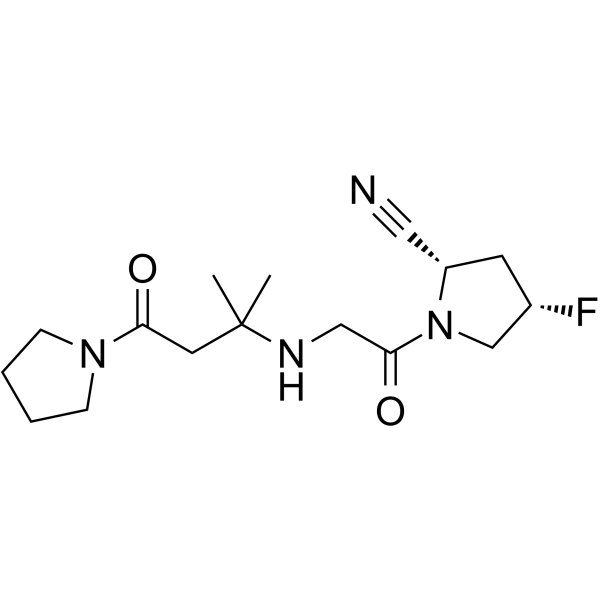
DBPR108 is an orally active, selective dipeptidyl peptidase-4 (DPP-4) inhibitor with an IC50 of 15 nM. DBPR108 reduces glycated hemoglobin, fasting plasma glucose and postprandial plasma glucose levels, increases serum active GLP-1 and insulin levels, and improves glucose tolerance. DBPR108 can be used in research related to type 2 diabetes .
loading...
    loading...
1
1 Cited Publications
Cat. No.: HY-P10341
CAS No.: 1345835-12-2
Research Areas:  

Metabolic Disease

ZP3022 is a dual GLP-1R/CCK-2R agonist. ZP3022 enhances insulin secretion, improves glycemic control and glucose tolerance, lowers blood glucose and HbA1c levels, reduces food intake and body weight, and inhibits gastric emptying. ZP3022 does not activate CCK-1R. ZP3022 can be used in research on diabetes and obesity .
loading...
    loading...

