58 Results for "

hydrogen-bonding interactions

" in MedChemExpress (MCE) Product Catalog:
Products (58)

58 Results for "hydrogen-bonding interactions" in MCE Product Catalog:

4
4 Cited Publications
Cat. No.: HY-107207
CAS No.: 32602-81-6
Purity:  99.68%
Synonyms: Kaempferol 3-O-neohesperidoside
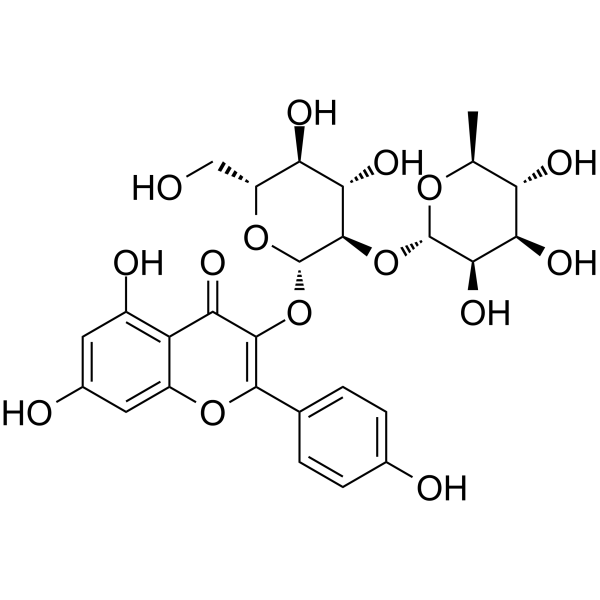
Kaempferol 3-neohesperidoside (Kaempferol 3-O-neohesperidoside) is a flavonoid. Kaempferol 3-neohesperidoside mimics insulin action via the PI3K/PKC pathway, significantly promoting glucose uptake and increasing muscle glycogen content in rat soleus muscles. Kaempferol 3-neohesperidoside also exhibits anti-glycation activity. Kaempferol 3-neohesperidoside binds to albumin through hydrogen bonding and hydrophobic interactions, and inhibits the formation of advanced glycation end products. Kaempferol 3-neohesperidoside can be used in studies of diabetes and its related complications .
loading...
    loading...
1
1 Cited Publications
Cat. No.: HY-151108
CAS No.: 461424-21-5
Purity:  99.74%
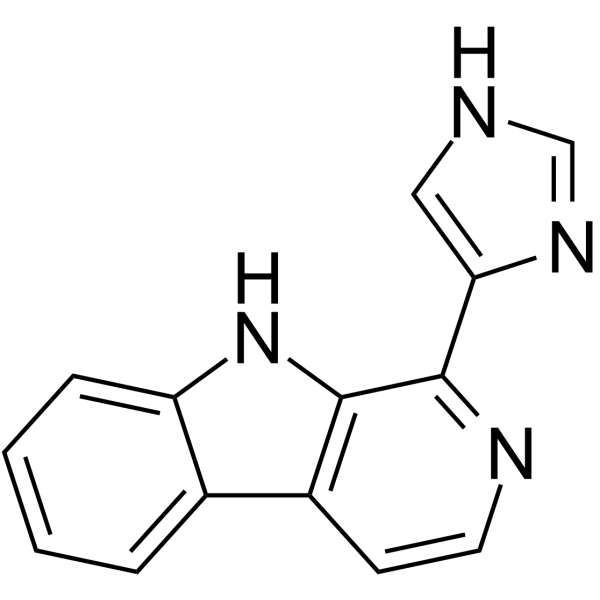
IDO1/TDO-IN-4 is a potent IDO1/TDO dual inhibitor, with IC50 values of 3.53 μM (IDO1) and 1.15 μM (TDO). IDO1/TDO-IN-4 forms hydrogen bond with IDO1, and π−π stacking interaction with TDO. IDO1/TDO-IN-4 can be used in the research of depression, and depression-induced infectious, metabolic, and autoimmune disorders .
loading...
    loading...
1
1 Cited Publications
Cat. No.: HY-N6845
CAS No.: 19275-46-8
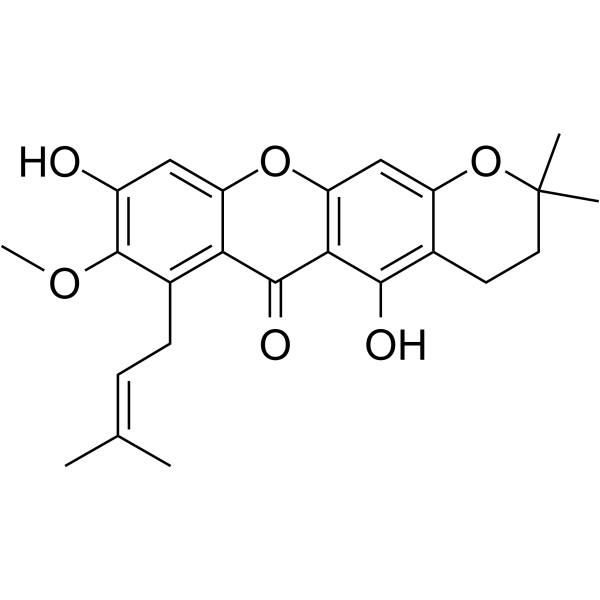
3-Isomangostin is a flavonoid compound that acts as an inhibitor of MTH1 and acetylcholinesterase, with an IC50 of 52 nM against MTH1 and IC50 values of 5.75 μM and 12.96 μM against AChE and BChE, respectively. 3-Isomangostin also inhibits human aldose reductase and CDK4/Cyclin D1 with IC50 values of 3.48 μM and 15.6 μM, respectively. 3-Isomangostin inhibits polyol pathway flux, competes with 8-oxo-dGTP for binding to the MTH1 active site through hydrogen bonding and hydrophobic xanthone interactions, blocks cell cycle progression, reduces cancer cell viability, and exhibits growth inhibitory effects against both normal and penicillin-resistant Staphylococcus aureus. 3-Isomangostin is used in research on Alzheimer's disease, diabetic complications, Staphylococcus aureus infections, and colon cancer .
loading...
    loading...
Cat. No.: HY-121930
CAS No.: 58336-35-9
Purity:  99.63%
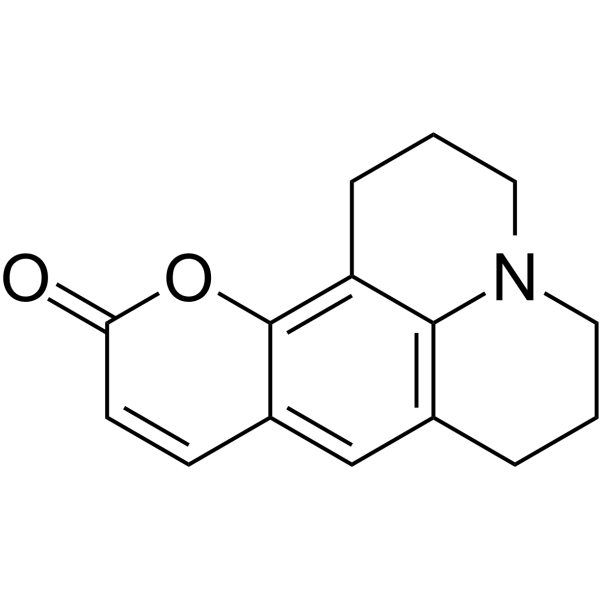
Coumarin 6H, a Coumarin (HY-N0709) derivative, is a laser dye. The fluorescence emission of Coumarin 6H can be enhanced by hydrogen bonding interactions .
loading...
    loading...
Cat. No.: HY-177063
CAS No.: 296790-70-0
Target:  

Interleukin Related

Research Areas:  

Infection Inflammation/Immunology

IL-6-IN-2 is an interleukin-6 (IL-6) inhibitor. IL-6-IN-2 binds to IL-6 at Lys66, Phe74, Gln175, Ser176, and Arg179 via π-π, π-alkyl, hydrogen bond, and hydrophobic interactions to block IL-6/IL-6R heterocomplex formation. IL-6-IN-2 exhibits low gastrointestinal absorption rate. IL-6-IN-2 can be used for the research of cytokine release syndrome, covid-19 .
loading...
    loading...
Cat. No.: HY-172997
CAS No.: 1147526-22-4
Target:  

iGluR

Research Areas:  

Neurological Disease

GluN1/3A-IN-1 (Compound GM-10) is a GluN1/GluN3A NMDA receptor inhibitor. GluN1/3A-IN-1 exhibits potent inhibitory activity against GluN1/GluN3A (IC50: 0.98 µM). GluN1/3A-IN-1 exerts its inhibitory effect by targeting the pre-M1 region and forming hydrogen bond interactions with key residues. GluN1/3A-IN-1 can be used to study GluN1/GluN3A-related neurological diseases .
loading...
    loading...
Cat. No.: HY-N1915
CAS No.: 2478-35-5
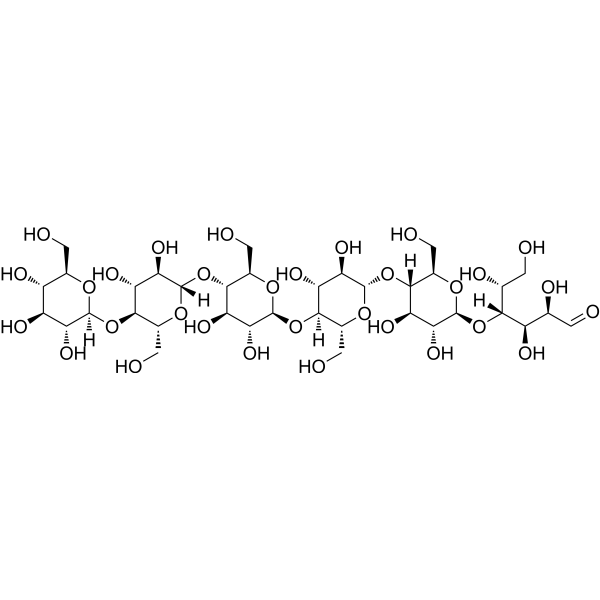
Cellohexaose is a YKL-40 carbohydrate-binding ligand that occupies the primary carbohydrate-binding cleft through carbohydrate-π stacking and hydrogen-bonding interactions, and can serve as a bioinert spacer for hybrid glyco-nanolayers, modulating the surface density of bioactive shell hexaose to enhance TLR2-mediated responses. Cellohexaose is used in research on chronic inflammatory diseases and cancer .
loading...
    loading...
Cat. No.: HY-N4031
CAS No.: 82375-29-9
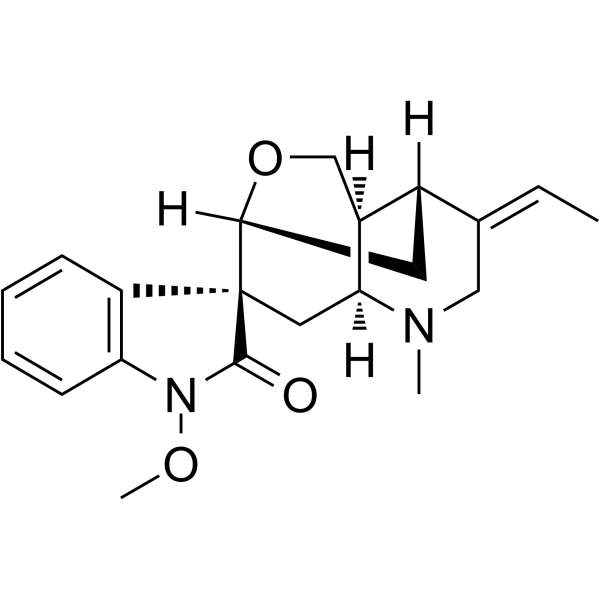
Humantenine is a highly toxic indole alkaloid from Gelsemium elegans (Gardn. & Champ.) Benth. that binds to RNA m6A modification regulatory proteins (ALKBH5, METTL). Humantenine stably binds via hydrogen bonding and hydrophobic interactions and disrupts the m6A methylation level of target genes, thereby impairing the expression of intestinal epithelial cell tight junction and cytoskeleton-related genes, causing intestinal barrier dysfunction and significant intestinal cytotoxicity. The intraperitoneal injection LD50 values of Humantenine are <1 mg/kg in mice, 1.2 mg/kg in male rats and 1.5 mg/kg in female rats, respectively. Species differences exist in the metabolism of Humantenine in human, porcine, goat and rat liver microsomes, and demethylation, dehydrogenation and oxidation occur in liver microsomes .
loading...
    loading...
Cat. No.: HY-W013396
CAS No.: 619-58-9
Research Areas:  

Others

4-Iodobenzoic acid is a 4-iodobenzoic acid that crystallizes as a dimer in the monoclinic space group P21/n, with a phase transition center temperature of 230.77 K, and exhibits intermolecular iodine-iodine van der Waals interactions. 4-Iodobenzoic acid can be used in studies of hydrogen bonding, crystal packing and solid-state phase transitions .
loading...
    loading...
Cat. No.: HY-N3057
CAS No.: 18956-15-5
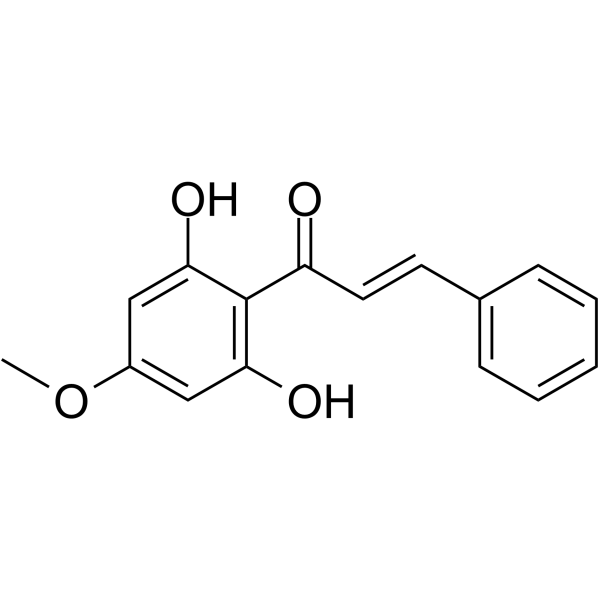
Pinostrobin chalcone is a chalcone found in Boesenbergia rotunda and Alpinia mutica. Pinostrobin chalcone exhibits cytotoxicity against various cancer cells. Pinostrobin chalcone is predicted to bind to the JAK active site, forming a hydrogen bond with Asn859 and hydrophobic interactions with aromatic residues. Pinostrobin chalcone can be used in research related to breast cancer, colon cancer, cervical cancer, and epidermoid carcinoma .
loading...
    loading...
Cat. No.: HY-175453
CAS No.: 3050683-03-6
Target:  

Molecular Glues

Research Areas:  

Cancer

MRT-23227 is a CRBN-recruiting molecular glue degrader targeting VAV1. MRT-23227 binds to the tryptophan triad pocket of CRBN, forms a ternary complex with the SH3c domain of VAV1, and induces proteasomal degradation of VAV1 through hydrogen-bond interactions between CRBN residues and the RT loop and side chains of VAV1. MRT-23227 can be used in the research of T-cell leukemia and lymphoma .
loading...
    loading...
Cat. No.: HY-149826
MTHFD2-IN-2 is a selective MTHFD2 inhibitor with poor binding to MTHFD1. MTHFD2-IN-2 binds to the MTHFD2 substrate binding site, forming π-π stacking with Tyr84, hydrogen bond/salt-bridge contacts with Arg43 and Asn87, and lipophilic interactions with Ile276. MTHFD2-IN-2 exhibits predicted anticancer activity. MTHFD2-IN-2 can be used for the research of cancer .
loading...
    loading...
Cat. No.: HY-Y1725
CAS No.: 81-04-9
Synonyms: Armstrong's acid
Research Areas:  

Cancer

1,5-Naphthalenedisulfonic acid (Armstrong's acid) is an aromatic disulfonic acid compound commonly used as an intermediate in the dye industry and organic synthesis. 1,5-Naphthalenedisulfonic acid is a pharmaceutical co-former that significantly improves the solubility and thermodynamic stability of poorly soluble drugs. 1,5-Naphthalenedisulfonic acid constructs a stable supramolecular network through coordination, hydrogen bonding, and electrostatic interactions, thereby effectively preventing drug crystallization. 1,5-Naphthalenedisulfonic acid exhibits certain cytotoxicity and antitumor activity in some human hepatoma cells. 1,5-Naphthalenedisulfonic acid can be used for research on human hepatoma .
loading...
    loading...
Cat. No.: HY-W009708
CAS No.: 28588-75-2
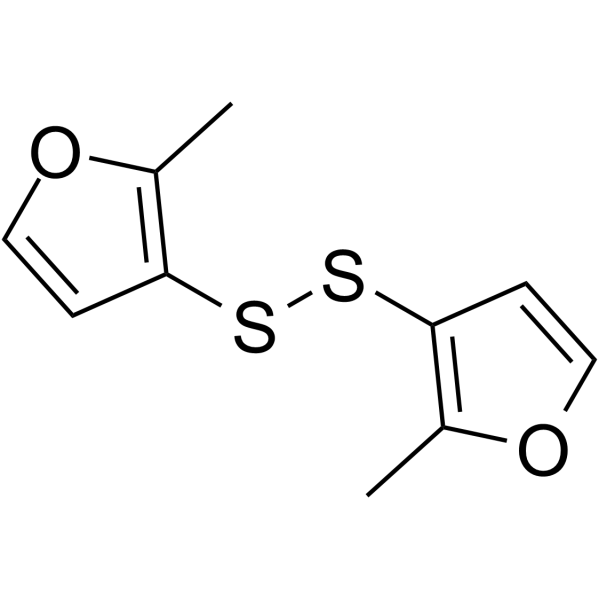
Bis (2-methyl-3-furyl) disulfide is a meat-characteristic aroma compound that binds to oral mucins. Bis (2-methyl-3-furyl) disulfide interacts with oral mucins via hydrogen bonding, hydrophobic interactions and van der Waals forces to form stable spontaneous 1:1 complexes, and the interaction strength varies with pH. Bis (2-methyl-3-furyl) disulfide contributes to the production of unique meat aroma and flavor, and its binding to oral mucins alters aroma perception .
loading...
    loading...
Cat. No.: HY-N10219
CAS No.: 887751-89-5
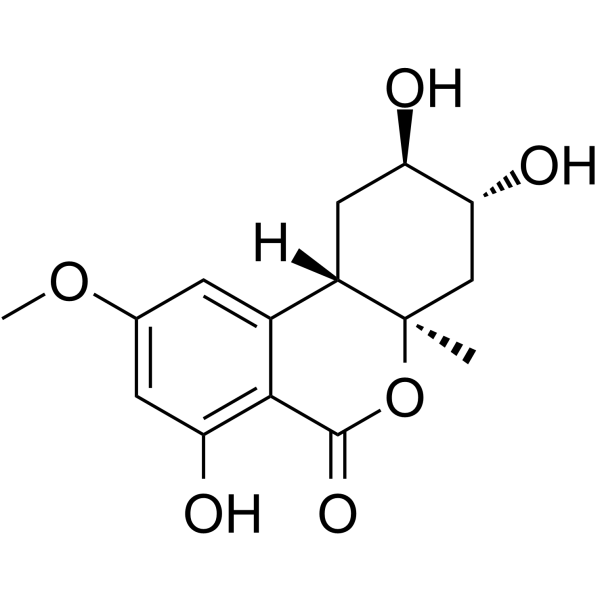
Dihydroaltenuene B is a potent mushroom tyrosinase inhibitor with an IC50 of 38.33 µM. Dihydroaltenuene B shows the hydrogen bonding interactions between the 3-OH and 4’-OH and the His244, Met280 and Gly281 residues of tyrosinase .
loading...
    loading...
Cat. No.: HY-121125
CAS No.: 64274-28-8
Aucubigenin, the aglycone of the iridoid glycoside aucubin, has been characterized through X-ray diffraction analysis. Its crystal structure reveals monoclinic symmetry with specific conformations adopted by its cyclopentane and pyran rings. The study also determined the absolute configurations of both aucubin and aucubigenin. Significant O-H O hydrogen bonding interactions were observed in the crystal lattices of both compounds, highlighting their structural stability and potential for intermolecular interactions .
loading...
    loading...
Cat. No.: HY-150579
CAS No.: 2456294-92-9
Purity:  96.77%
Target:  

Keap1-Nrf2

Research Areas:  

Inflammation/Immunology Cancer

Keap1-Nrf2-IN-13 is a Keap1-Nrf2 protein–protein interaction (PPI) inhibitor with an IC50 value of 0.15 μM. Keap1-Nrf2-IN-13 has strong binding affinities to the Keap1 protein by forming hydrogen bond with the key polar residues (Asn414, Arg415, Arg483, Gln530). Keap1-Nrf2-IN-13 can be used in the research of oxidative stress-related and inflammatory diseases, including pulmonary fibrosis, chronic obstructive pulmonary disorder (COPD) and cancers .
loading...
    loading...
Cat. No.: HY-W009071
CAS No.: 211366-30-2
Research Areas:  

Cancer

1,5-Naphthalenedisulfonic acid tetrahydrate is an aromatic disulfonic acid compound commonly used as an intermediate in the dye industry and organic synthesis. 1,5-Naphthalenedisulfonic acid tetrahydrate is a pharmaceutical co-former that significantly improves the solubility and thermodynamic stability of poorly soluble drugs. 1,5-Naphthalenedisulfonic acid tetrahydrate constructs a stable supramolecular network through coordination, hydrogen bonding, and electrostatic interactions, thereby effectively preventing drug crystallization. 1,5-Naphthalenedisulfonic acid tetrahydrate exhibits certain cytotoxicity and antitumor activity in some human hepatoma cells. 1,5-Naphthalenedisulfonic acid tetrahydrate can be used for research on human hepatoma .
loading...
    loading...
Cat. No.: HY-156405
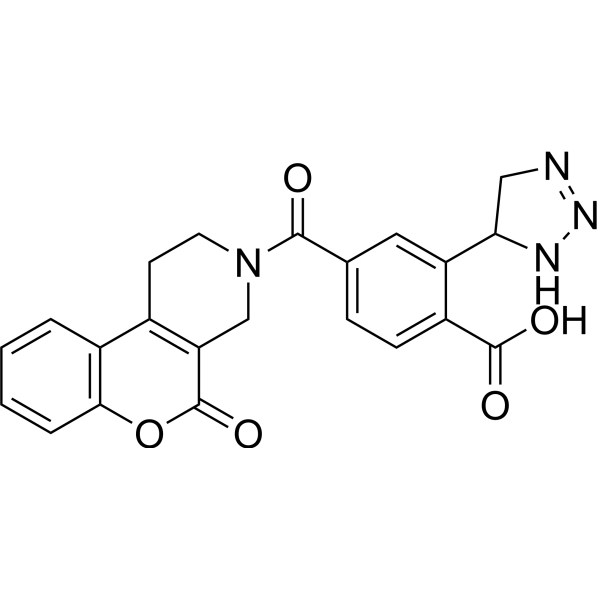
FTO-IN-10 (compound 7) is a potent human demethylase FTO (the fat mass and obesity-associated protein) inhibitor with an IC50 of 4.5 μM. FTO-IN-10 enters the FTO’s structural domain II binding pocket through hydrophobic and hydrogen bonding interactions. FTO-IN-10 induces DNA damage and autophagic cell death in A549 cells .
loading...
    loading...
Cat. No.: HY-150772
CAS No.: 2413587-26-3
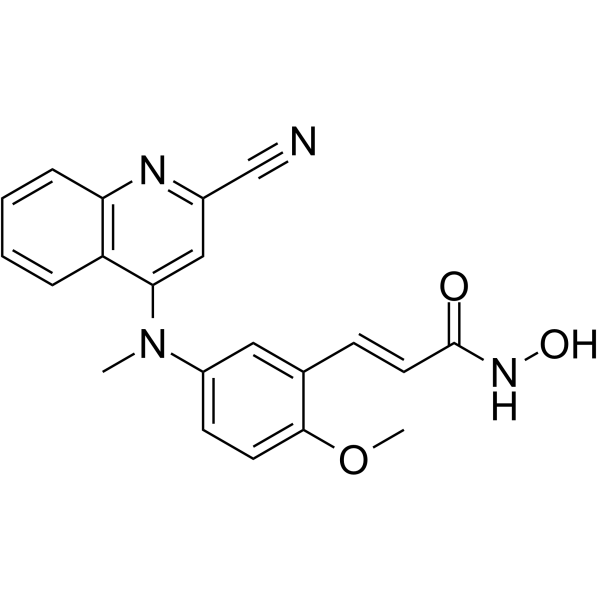
Tubulin/HDAC-IN-1 is a dual tubulin and HDAC-IN-1 inhibitor through CH/π interaction with tubulin and hydrogen bond interaction with HDAC8. Tubulin/HDAC-IN-1 inhibits tubulin polymerization and selectively inhibits HDAC8 (IC50: 150 nM). Tubulin/HDAC-IN-1 has cytotoxicity against various human cancer cells, also arrests cell cycle in the G2/M phase and induces cell apoptosis. Tubulin/HDAC-IN-1 can be used in the research of hematologic and solid tumors such as neuroblastoma, leukemia .
loading...
    loading...

