
169 Results for "

keratinocyte

" in MedChemExpress (MCE) Product Catalog:
Products (169)

169 Results for "keratinocyte" in MCE Product Catalog:

8
8 Publications Verification
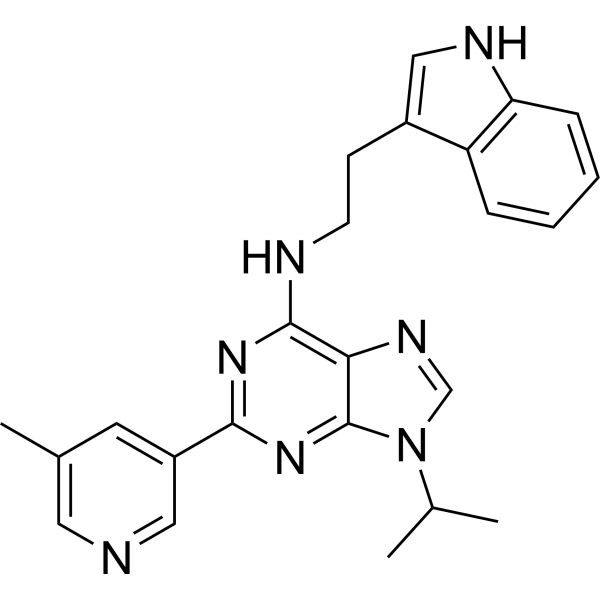
Cat. No.: HY-102023
CAS No.: 1227634-69-6
Purity:  99.87%
Research Areas:  

Others

GNF351 is a full aryl hydrocarbon receptor (AHR) antagonist. GNF351 competes with a photoaffinity AHR ligand for binding to the AHR with an IC50 of 62 nM. GNF351 is minimal toxicity in mouse or human keratinocytes .
loading...
    loading...
8
8 Publications Verification
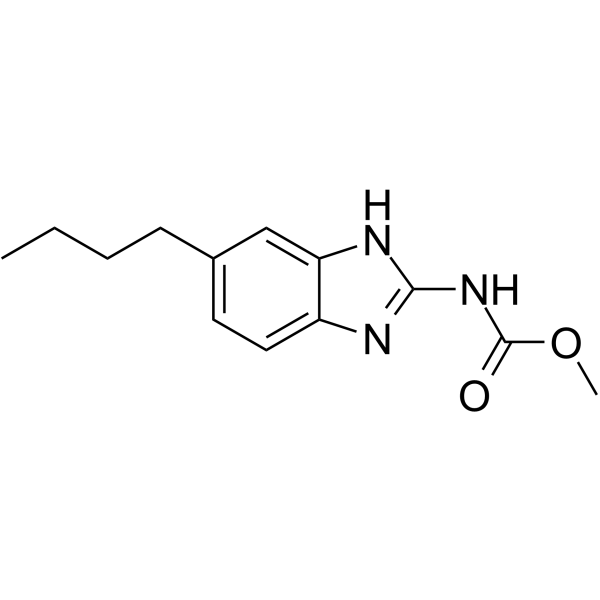
Cat. No.: HY-115364
CAS No.: 14255-87-9
Purity:  99.87%
Synonyms: SKF 29044
Parbendazole (SKF‑29044) is an orally active benzimidazole carbamate compound with multiple biological activities. Parbendazole binds to free tubulin and inhibits microtubule polymerization; it also activates the JNK/c‑Jun signaling axis and upregulates the expression of the downstream axonal repulsion factor Sema3A. Parbendazole upregulates KAL-1 mRNA expression, reduces nerve growth factor levels, and promotes the terminal differentiation of normal human epidermal keratinocytes. Parbendazole induces apoptosis in differentiated acute myeloid leukemia monocytes and exerts antileukemic activity in a mouse xenograft model of acute myeloid leukemia. Parbendazole exhibits broad-spectrum anthelmintic activity against various animal nematodes. Parbendazole is used in research related to acute myeloid leukemia and parasitic infections .
loading...
    loading...
5
5 Cited Publications
Cat. No.: HY-P70597
Purity:  ≥ 95%, as determined by reducing SDS-PAGE.
Synonyms: FGF7; HBGF-7; Fibroblast Growth Factor 7; FGF-7; KGF; Fibroblast Growth Factor 7 (keratinocyte Growth Factor); keratinocyte Growth Factor; Fibroblast Growth Factor; Heparin-Binding Growth Factor 7; FGF
Species:  
Human
Source:  
E. coli
loading...
    loading...
5
5 Cited Publications
Cat. No.: HY-P7170
Purity:  ≥ 95%, as determined by reducing SDS-PAGE.
Synonyms: FGF10; Produced By Fibroblasts Of Urinary Bladder Lamina Propria; Fibroblast Growth Factor 10; Fibroblast Growth Factor; keratinocyte Growth Factor 2; LADD3; FGF-10; FGF
Species:  
Mouse
Source:  
E. coli
loading...
    loading...
4
4 Cited Publications
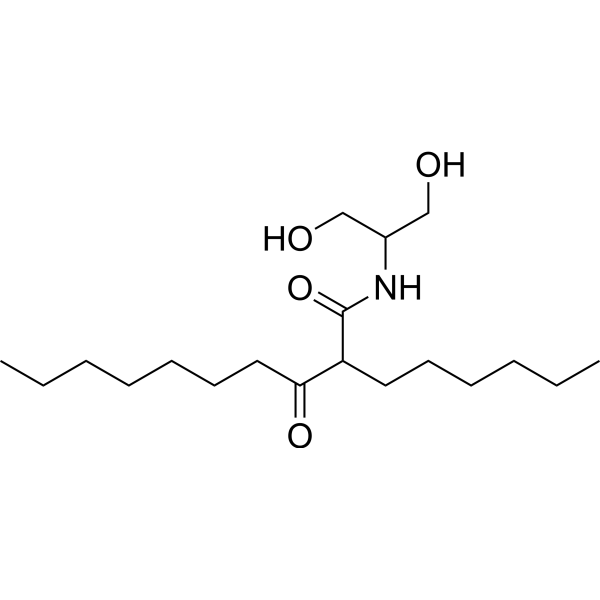
Cat. No.: HY-124042
CAS No.: 756875-51-1
Purity:  99.27%
K6PC-5, a ceramide derivative, is a sphingosine kinase 1(SPHK1) activator and elicites a rapid transient increase in intracellular calcium levels. K6PC-5 has the potential for skin diseases involving abnormal keratinocyte, and neurodegeneration and virus infection research .
loading...
    loading...
3
3 Cited Publications
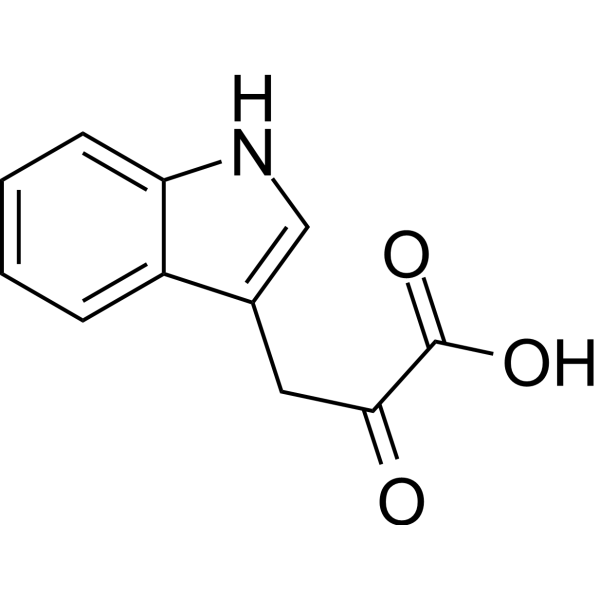
Cat. No.: HY-W028393
CAS No.: 392-12-1
Indole-3-pyruvic acid is an orally active ketone analog of tryptophan, and is an aryl hydrocarbon receptor (AHR) agonist. Indole-3-pyruvic acid inhibits p38/MAPK phosphorylation, regulates the tryptophan metabolic pathway, and also possesses protective activities against skin photodamage, as well as anti-inflammatory and anti-anxiety bioactivities in the gut. Indole-3-pyruvic acid can downregulate the expression of IL-1β, IL-6, Cox-2, and Bax to alleviate UVB-induced keratinocyte toxicity. Indole-3-pyruvic acid can activate AHR to promote Tr1 cell differentiation, increase IL-10, and inhibit Th1 cytokine production. Indole-3-pyruvic acid can alter the levels of kynurenine metabolites in the brain, mediating central nervous system-related effects. Indole-3-pyruvic acid can be used in research on skin lesions, colitis, and anxiety .
loading...
    loading...
2
2 Cited Publications
Cat. No.: HY-W050154
CAS No.: 501-30-4
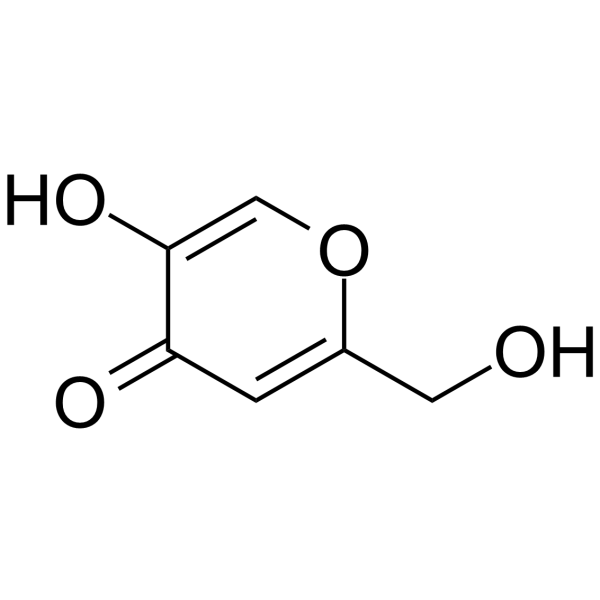
Kojic acid is a substance produced by Aspergillus oryzae that is orally effective and can also be absorbed transdermally. Kojic acid exhibits various biological activities, including anti-aging, anti-nematode, antimicrobial, antioxidant, and anti-inflammatory effects. Kojic acid is a Tyrosinase inhibitor with an Mushroom Tyrosinase IC50 of 182.7 μM. Kojic acid prevents melanin production by capturing copper ions that bind to the tyrosinase active site, thus inhibiting its activation. Kojic acid also suppresses the NF-κB and p21 signaling pathways in human keratinocytes. Kojic acid derivatives have anticancer activity .
loading...
    loading...
2
2 Cited Publications
Cat. No.: HY-113509
CAS No.: 89663-86-5
Purity:  98.0%
Synonyms: LXA4
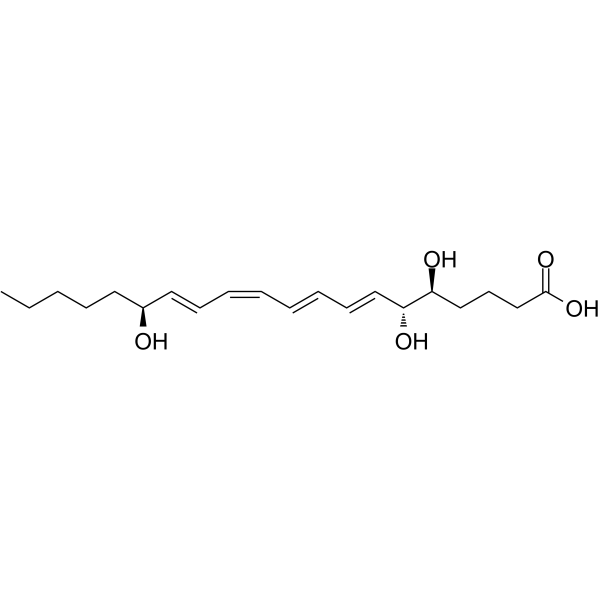
Lipoxin A4 (LXA4), an endogenous lipoxygenase-derived eicosanoid mediator, has potent dual pro-resolving and anti-inflammatory properties . Lipoxin A4 inhibits proliferation and inflammatory cytokine/chemokine production of human epidermal keratinocytes (NHEKs) associated with the ERK1/2 and NF-kB pathways . Lipoxin A4 inhibits serum amyloid A (SAA)-mediated IL-8 release with an IC50 value of 25.74 nM .
loading...
    loading...
2
2 Cited Publications
Cat. No.: HY-P7048
Purity:  ≥ 95%, as determined by reducing SDS-PAGE.
Synonyms: FGF10; Produced By Fibroblasts Of Urinary Bladder Lamina Propria; Fibroblast Growth Factor 10; Fibroblast Growth Factor; keratinocyte Growth Factor 2; LADD3; FGF-10; FGF
Species:  
Human
Source:  
E. coli
loading...
    loading...
1
1 Cited Publications
Cat. No.: HY-P0170
CAS No.: 885340-08-9
Research Areas:  

Inflammation/Immunology

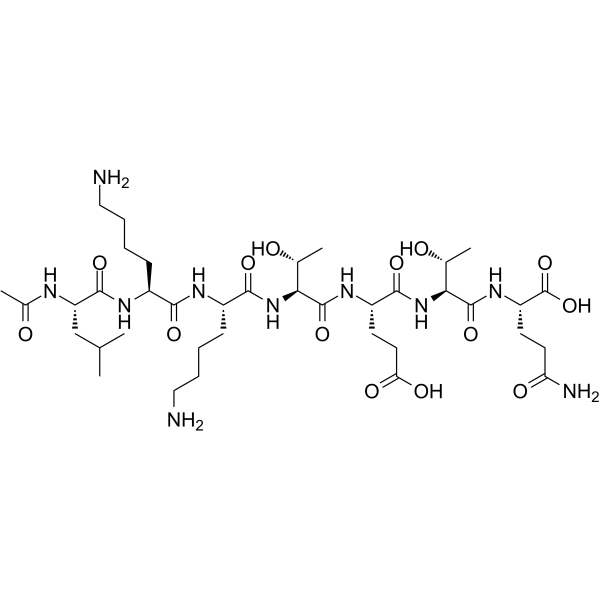
TB500 is a synthetic version of an active region of thymosin β4. TB500 exhibits anti-fibrotic and wound healing activities by inhibiting the Akt signaling pathway and binding to actin. TB500 is claimed to promote endothelial cell differentiation, angiogenesis in dermal tissues, keratinocyte migration, collagen deposition and decrease inflammation .
loading...
    loading...
1
1 Cited Publications
Cat. No.: HY-124379
CAS No.: 402-71-1
Purity:  98.05%
Synonyms: L-1-Tosylamido-2-phenylethyl chloromethyl ketone; L-TPCK
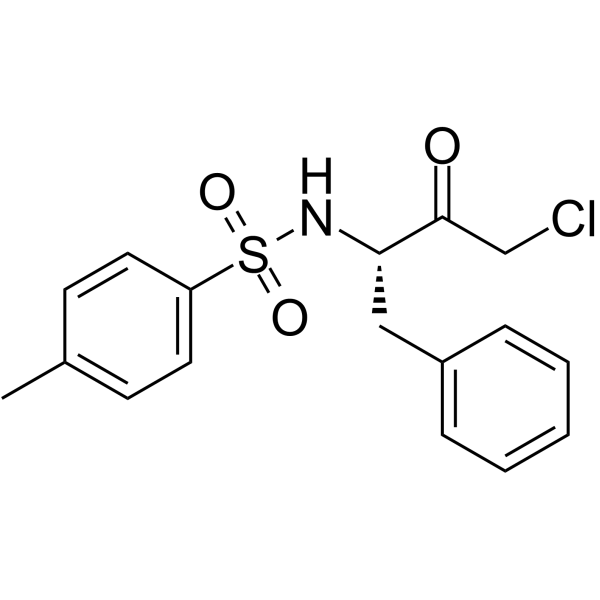
TPCK (L-1-Tosylamido-2-phenylethyl chloromethyl ketone; L-TPCK) is an effective serine protease inhibitor and also a blocker of the PDK1/Akt pathway. TPCK can modify the E7 protein in actively keratinocyte cells. TPCK can induce cellular apoptosis, suppress tumor growth, reduce hypoxic-ischemic brain injury in rat pups, and affect vascular permeability in inflamed rats .
loading...
    loading...
1
1 Cited Publications
Cat. No.: HY-P9947
CAS No.: 214745-43-4

Target:  

Integrin

Research Areas:  

Others

Efalizumab is a targeted T cell modulator, and is a humanized monoclonal antibody of CD11a, the α subunit of LFA-1. Efalizumab inhibits T cell activation, cutaneous T cell trafficking, and T cell adhesion to keratinocytes, can be used for plaque psoriasis research .
loading...
    loading...
1
1 Cited Publications
Cat. No.: HY-NP199
Bovine pituitary extract is a bovine pituitary extract that can be used as a mitogenic supplement in serum-free growth media. Bovine pituitary extract is rich in growth factors. Bovine pituitary extract not only promotes the proliferation of corneal keratinocytes and maintains their phenotype, but also exerts significant antioxidant stress protective effects on human prostate epithelial cells .
loading...
    loading...
1
1 Cited Publications
Cat. No.: HY-B1239
CAS No.: 548-66-3
Synonyms: Hexahydroadiphenine hydrochloride
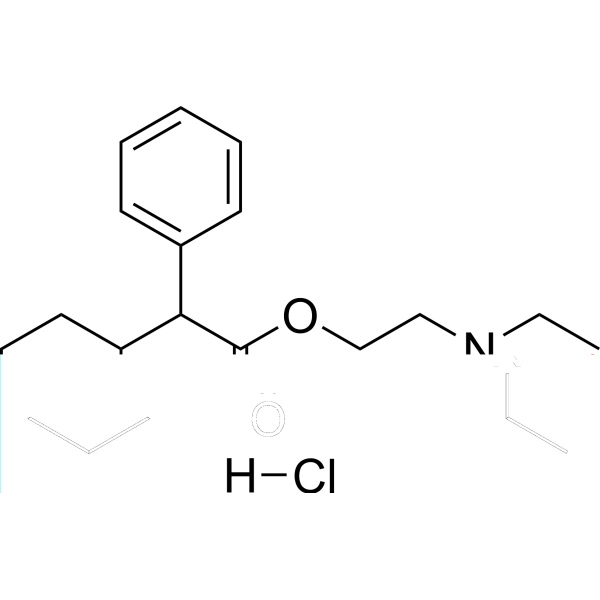
Drofenine (Cycloadiphene; Hexahydroadiphenine) hydrochloride is an brain-penetrant antispasmodic agent. Drofenine hydrochloride is a Kv2.1 channel inhibitor with human IC50 of 9.53 μM. Drofenine hydrochloride is a butyrylcholinesterase (BChE) inhibitor with Ki of 0.003 mM, and is a TRPV3 activator. Drofenine hydrochloride blocks Kv2.1-dependent potassium efflux, inhibits Kv2.1/JNK/NF-κB and IkBa/NF-kB signaling, suppresses Kv2.1 mRNA/protein expression. Drofenine suppresses oligomeric Aβ-induced microglial NLRP3 inflammasome activation and neuronal Tau hyperphosphorylation, improves cognitive impairment, promotes neurite outgrowth. Drofenine hydrochloride induces calcium influx in keratinocytes and exert cytotoxicity against keratinocytes. Drofenine hydrochloride ameliorates diabetic peripheral neuropathy -like pathology. Drofenine hydrochloride can be used for the researches of Alzheimer's disease, diabetic peripheral neuropathy and smooth muscle spasm .
loading...
    loading...
1
1 Cited Publications
Cat. No.: HY-N9366
CAS No.: 508-24-7
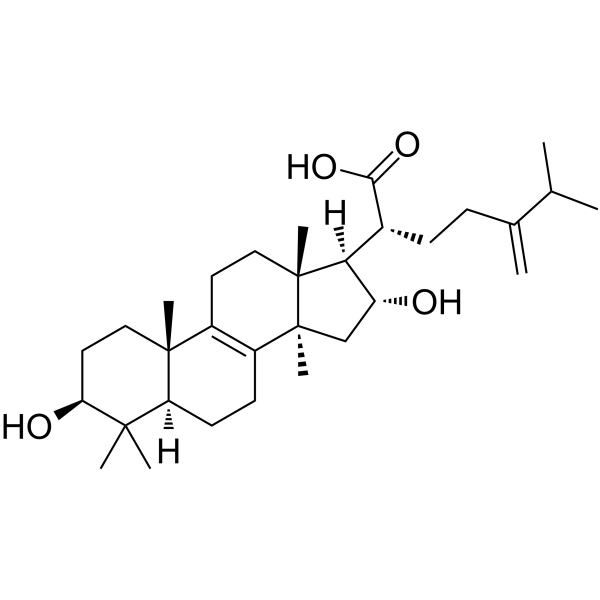
Tumulosic acid, a triterpenoid, inhibits KLK5 protease activity (IC50= 14.84 μM). Tumulosic acid suppresses the proteolytic processing of LL-37 in keratinocytes at ≤10 μM .
loading...
    loading...
1
1 Cited Publications
Cat. No.: HY-113330
CAS No.: 54397-84-1
Purity:  98.40%
Synonyms: 12(S)-HHTrE
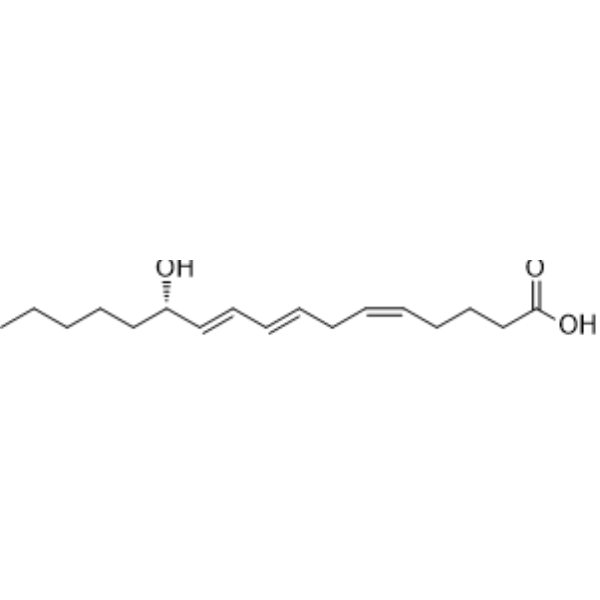
12S-HHT (12(S)-HHTrE) is an enzymatic product of prostaglandin H2 (PGH2) derived from cyclooxygenase (COX)-mediated arachidonic acid metabolism. 12S-HHT is an endogenous ligand for BLT2 that fully activates BLT2 in vivo. 12S-HHT suppresses UV-induced IL-6 synthesis in keratinocytes, exerting an anti-inflammatory activity .
loading...
    loading...
1
1 Cited Publications
Cat. No.: HY-P7176
Purity:  ≥ 95%, as determined by reducing SDS-PAGE.
Synonyms: FGF7; HBGF-7; Fibroblast Growth Factor 7; FGF-7; KGF; Fibroblast Growth Factor 7 (keratinocyte Growth Factor); keratinocyte Growth Factor; Fibroblast Growth Factor; Heparin-Binding Growth Factor 7; FGF
Species:  
Mouse
Source:  
E. coli
loading...
    loading...
1
1 Cited Publications
Cat. No.: HY-P70673
Purity:  ≥ 90%, as determined by reducing SDS-PAGE.
Synonyms: FGF7; HBGF-7; Fibroblast Growth Factor 7; FGF-7; KGF; Fibroblast Growth Factor 7 (keratinocyte Growth Factor); keratinocyte Growth Factor; Fibroblast Growth Factor; Heparin-Binding Growth Factor 7; FGF
Species:  
Human
Source:  
HEK293
loading...
    loading...
1
1 Cited Publications
Cat. No.: HY-P700279
Purity:  ≥ 95%, as determined by reducing SDS-PAGE.
Synonyms: FGF10; Produced By Fibroblasts Of Urinary Bladder Lamina Propria; Fibroblast Growth Factor 10; Fibroblast Growth Factor; keratinocyte Growth Factor 2; LADD3; FGF-10; FGF
Species:  
Human
Source:  
E. coli
loading...
    loading...
1
1 Cited Publications
Cat. No.: HY-P7342AF
Purity:  ≥ 95%, as determined by reducing SDS-PAGE.
Synonyms: FGF10; Produced By Fibroblasts Of Urinary Bladder Lamina Propria; Fibroblast Growth Factor 10; Fibroblast Growth Factor; keratinocyte Growth Factor 2; LADD3; FGF-10; FGF
Species:  
Human
Source:  
E. coli
loading...
    loading...

