18 Results for "

microsomal oxidation

" in MedChemExpress (MCE) Product Catalog:
Products (18)

18 Results for "microsomal oxidation" in MCE Product Catalog:

8
8 Publications Verification
Cat. No.: HY-14668
CAS No.: 202914-84-9
Purity:  99.57%
Synonyms: AEGR-733 mesylate; BMS-201038 mesylate
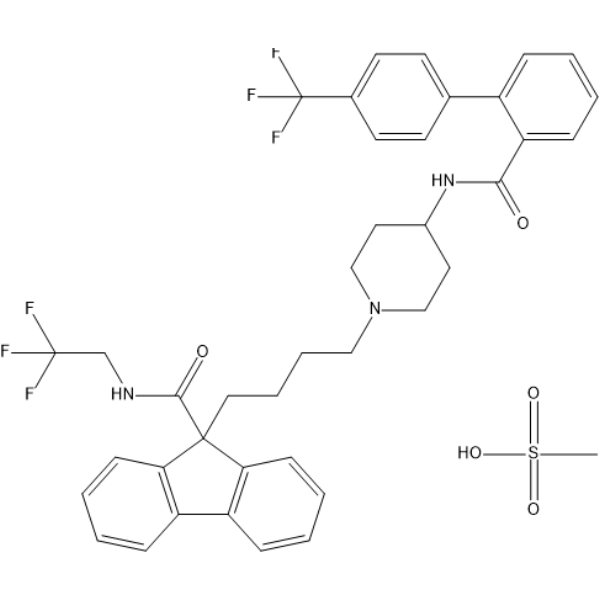
Lomitapide (AEGR-733; BMS-201038) mesylate is an orally active microsomal triglyceride transfer protein (MTP) inhibitor and a selective mTORC1 inhibitor with lipid-lowering activity and BBB permeability. Lomitapide mesylate significantly reduces plasma LDL levels by blocking the assembly and secretion of very-low-density lipoprotein (VLDL). Lomitapide mesylate inhibits mTORC1 in an ATP-dependent manner, thereby inducing AMPK-independent autophagic cell death and suppressing cancer cell growth and apoptosis. Lomitapide mesylate also enhances tumor infiltration of CD8 + T cells. In addition, Lomitapide mesylate inhibits HDAC, improves endothelial function, effectively alleviates vascular inflammation and oxidative stress, and exerts neuroprotective effects in a cerebral ischemia/reperfusion injury model. Lomitapide mesylate can be used in research on related diseases such as colorectal cancer, breast cancer, melanoma, ischemic stroke, and familial hypercholesterolemia .
loading...
    loading...
5
5 Cited Publications
Cat. No.: HY-Y0698
CAS No.: 62-55-5
Synonyms: Acetothioamide; TAA; Thiacetamide
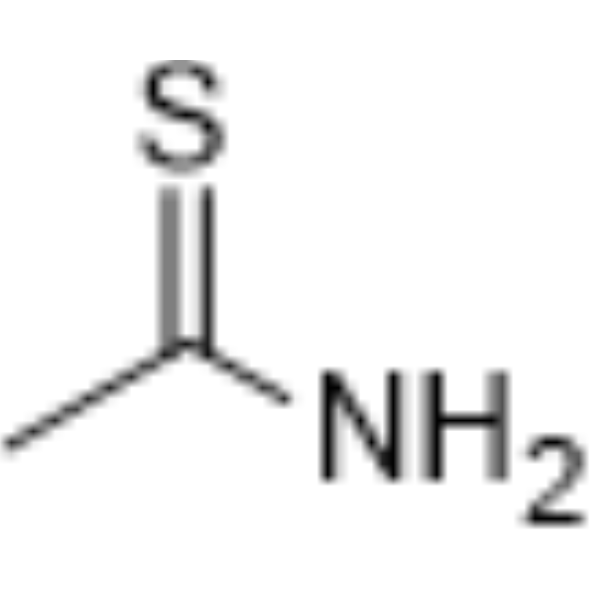
Thioacetamide (TAA) is an indirect hepatotoxin and causes parenchymal cell necrosis. Thioacetamide requires metabolic activation by microsomal CYP2E1 to thioacetamide-S-oxide initially and then to thioacetamide-S-dioxide, which is a highly reactive metabolite, and its reactive metabolites covalently bind to proteins and lipids thereby causing oxidative stress and centrilobular necrosis. Thioacetamide can induce chronic liver fibrosis, encephalopathy and other events model .
loading...
    loading...
2
2 Cited Publications
Cat. No.: HY-125365
CAS No.: 13553-79-2
Purity:  98.82%
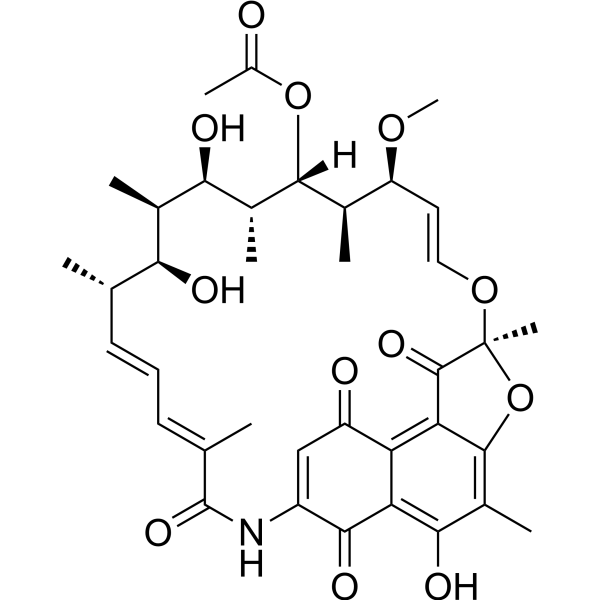
Rifamycin S, a quinone, is an antibiotic against Gram-positive bacteria (including MRSA). Rifamycin S is the oxidized forms of a reversible oxidation-reduction system involving two electrons. Rifamycin S generates reactive oxygen species (ROS) and inhibits microsomal lipid peroxidation. Rifamycin S can be used for tuberculosis and leprosy .
loading...
    loading...
Cat. No.: HY-157959
CAS No.: 83-98-7
Synonyms: (±)-Orphenadrine
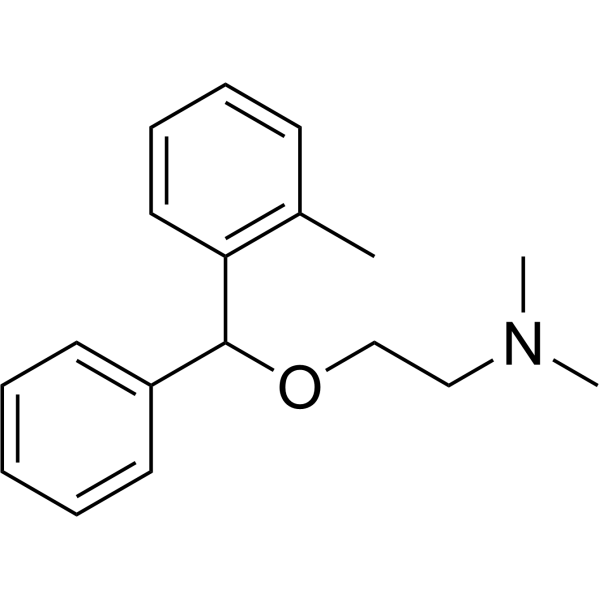
Orphenadrine ((±)-Orphenadrine) is a skeletal muscle relaxant and NMDA antagonist that also has antiparkinsonian, antihistamine, antitremor, antispasmodic, and analgesic effects. Orphenadrine inhibits the binding of [3H]MK-801 to the phencyclidine (PCP) binding site of the NMDA receptor. Orphenadrine is also an anticholinergic and CYP2B inducer. Orphenadrine may exert pro-tumor effects, causing CAR nuclear translocation, resulting in microsomal reactive oxygen species (ROS) production and oxidative stress. Orphenadrine also exerts neuronal protection, protecting rat cerebellar granule cells (CGC) from 3-NPA-induced death and has inhibitory potential against neurodegenerative diseases mediated by NMDA receptor overactivation .
loading...
    loading...
Cat. No.: HY-115354
CAS No.: 30896-57-2
Target:  

Drug Metabolite

Research Areas:  

Neurological Disease

4-Hydroxy alprazolam is a metabolite of Alprazolam. Alprazolam is metabolized primarily by hepatic microsomal oxidation, yielding 4-Hydroxy alprazolam .
loading...
    loading...
Cat. No.: HY-133798
CAS No.: 583840-03-3
Research Areas:  

Cancer

Sorafenib N-oxide is an active metabolite of sorafenib (HY-10201). Sorafenib N-oxide is a linear-mixed inhibitor of microsomal CYP3A4, with a Ki of 15 μM .
loading...
    loading...
Cat. No.: HY-131905S
CAS No.: 1606150-08-6
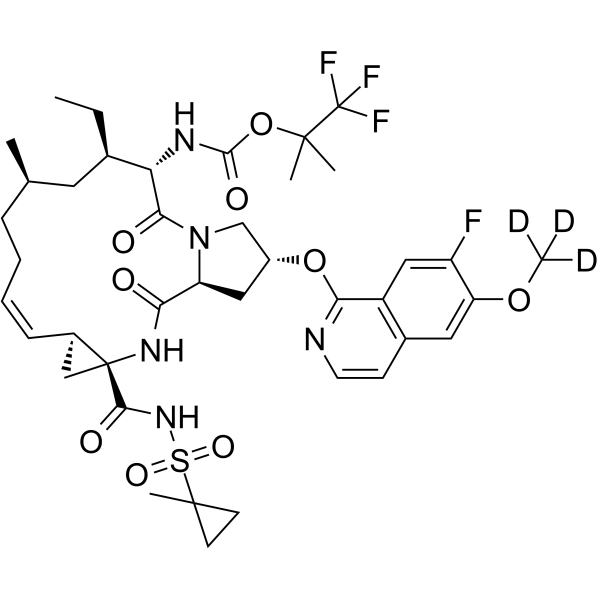
BMS-986144 is an orally active inhibitor of HCV NS3/4A protease. BMS-986144 binds to the active site of HCV NS3/4A protease and induces conformational changes in the protease. BMS-986144 reduces time-dependent CYP3A4 inhibition, exhibits hepatic microsomal metabolic stability, and undergoes oxidation of the macrocyclic linker chain. BMS-986144 can be used in studies related to hepatitis C virus infection .
loading...
    loading...
Cat. No.: HY-N9814
CAS No.: 208106-53-0
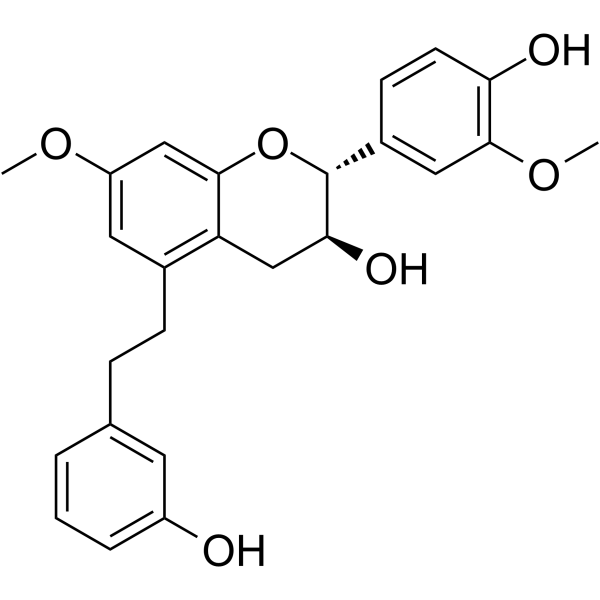
Shanciol B, isolated from the ethyl acetate extract of the air-dried whole plant of Pholidota imbricate Hook, inhibits nitric oxide (NO) production and 1,1-diphenyl-2-picrylhydrazil (DPPH) radical scavenging activity . Shanciol B is a microsomal prostaglandin E synthase-1 (mPGES-1) inhibitor with anti-inflammatory activity .
loading...
    loading...
Cat. No.: HY-137547
CAS No.: 57930-92-4
Research Areas:  

Metabolic Disease

20-hydroxy Prostaglandin F2α (20-hydroxy PGF2α) is the ω-oxidation product of PGF2α. Cultured type II alveolar cells from pregnant rabbits metabolize exogenous PGF2α via microsomal cytochrome P450 ω-oxidation, producing 20-hydroxy PGF2α and its 15-hydroxy PGDH metabolites. Cells from male rabbits exhibit only the 15-hydroxy PGDH pathway.
loading...
    loading...
Cat. No.: HY-Y0698R
CAS No.: 62-55-5
Synonyms: Acetothioamide (Standard); TAA (Standard); Thiacetamide (Standard)
Research Areas:  

Inflammation/Immunology

Thioacetamide (Standard) is the analytical standard of Thioacetamide (HY-Y0698). This product is intended for research and analytical applications. Thioacetamide (TAA) is an indirect hepatotoxin and causes parenchymal cell necrosis. Thioacetamide requires metabolic activation by microsomal CYP2E1 to thioacetamide-S-oxide initially and then to thioacetamide-S-dioxide, which is a highly reactive metabolite, and its reactive metabolites covalently bind to proteins and lipids thereby causing oxidative stress and centrilobular necrosis. Thioacetamide can induce chronic liver fibrosis, encephalopathy and other events model .
loading...
    loading...
Cat. No.: HY-125365R
CAS No.: 13553-79-2
Rifamycin S (Standard) is the analytical standard of Rifamycin S. This product is intended for research and analytical applications. Rifamycin S, a quinone, is an antibiotic against Gram-positive bacteria (including MRSA). Rifamycin S is the oxidized forms of a reversible oxidation-reduction system involving two electrons. Rifamycin S generates reactive oxygen species (ROS) and inhibits microsomal lipid peroxidation. Rifamycin S can be used for tuberculosis and leprosy .
loading...
    loading...
Cat. No.: HY-131310
CAS No.: 111004-08-1
Target:  

Endogenous Metabolite

Research Areas:  

Metabolic Disease

9(S)-HpOTrE is a monohydroperoxy polyunsaturated fatty acid produced by the action of 5-lipoxygenase (5-LO) on α-linolenic acid. It can be further metabolized to colnelenic acid by a divinyl ether synthase activity found in garlic and potato microsomal fractions. 9(S)-HpOTrE also serves as a substrate for further oxidation by both soybean and potato LOs, resulting in the formation of 9,16-dihydroperoxy acid.The suicide inactivation of LOs when 9(S)-HpOTrE is used as a substrate is thought to occur via formation of an unstable epoxide.
loading...
    loading...
Cat. No.: HY-170887
CAS No.: 3094045-97-0
Research Areas:  

Inflammation/Immunology

MAO-B-IN-39 (compound11) is a selective monoamine oxidase B (MAO-B) inhibitor. MAO-B-IN-39 inhibits MAO-Bwith an IC50 of 3.61 μM. MAO-B-IN-39 demonstrates a potent NRF2 induction capacity. MAO-B-IN-39 exhibits potent anti-inflammatory and neuroprotective activity in OS (oxidative stress)-related in vitro models. MAO-B-IN-39 demonstrates high liver microsomal stability and favorable pharmacokinetics in mice. MAO-B-IN-39 is potential for Parkinson’s disease (PD) research .
loading...
    loading...
Cat. No.: HY-W331198
CAS No.: 122454-29-9
Target:  

Insecticide Ferroptosis

Research Areas:  

Infection

Tralopyril is an orally active, blood-brain barrier-penetrating antifouling insecticide and endocrine disruptor. By interfering with the thyroid hormone system and mitochondrial oxidative phosphorylation, Tralopyril downregulates the transcription of genes such as TRHR, Nkx2.1, TRα and induces ferroptosis. Tralopyril disrupts amino acid, energy and lipid metabolism, exhibits significant skeletal and reproductive toxicity, and causes developmental damage. Tralopyril has a long half-life in vivo and wide tissue distribution, posing potential risks to aquatic organisms and human health. Tralopyril shows species specificity in in vitro liver microsomal metabolism, exerts lethal effects on target insects and laboratory animals, and is commonly used in studies of chlorfenapyr poisoning and related toxic mechanisms .
loading...
    loading...
Cat. No.: HY-180434
CAS No.: 2077238-49-2
Target:  

Bombesin Receptor

Research Areas:  

Cancer

GRPR antagonist-3 (compound (S)-1m) is a potent GRPR antagonist with an IC50 of 121 nM. GRPR antagonist-3 is stable in rat plasma and towards microsomal oxidative metabolism in vitro. GRPR antagonist-3 can be radiolabeled with fluorine-18 for PET imaging .
loading...
    loading...
Cat. No.: HY-W237019
CAS No.: 55836-69-6
Target:  

Bacterial

Research Areas:  

Infection

3-Ethoxybenzamide is an alkoxybenzamide compound with antibacterial activity and a FtsZ inhibitor that can cross the blood-brain barrier. 3-Ethoxybenzamide distributes widely and rapidly in vivo, rapidly reaches equilibrium between various tissues and blood, and is linearly taken up by hepatocytes. 3-Ethoxybenzamide is completely dependent on hepatic microsomal oxidation for clearance, with salicylamide as its major metabolite. 3-Ethoxybenzamide can be used for the study of bacterial infections .
loading...
    loading...
Cat. No.: HY-184880
CAS No.: 1410114-25-8
Target:  

HCV Protease HCV

Research Areas:  

Infection

BMS-986144 non-deuterated is the non-tritium form of BMS-986144 (HY-131905S). BMS-986144 is an orally active inhibitor of HCV NS3/4A protease. BMS-986144 binds to the active site of HCV NS3/4A protease and induces conformational changes in the protease. BMS-986144 reduces time-dependent CYP3A4 inhibition, exhibits hepatic microsomal metabolic stability, and undergoes oxidation of the macrocyclic linker chain. BMS-986144 can be used in studies related to hepatitis C virus infection .
loading...
    loading...
Cat. No.: HY-128795
CAS No.: 2095304-61-1
KH176m is the major active metabolite of KH176 (HY-121577). KH176m is a microsomal prostaglandin E synthase-1 (mPGES-1) inhibitor that can cross the blood-brain barrier, with an IC50 of 0.16 µM against mouse mPGES-1 and 1.51 µM against human mPGES-1. KH176m blocks LPS- or IL-1β-induced PGE2 production, scavenges ROS, inhibits lipid peroxidation, accelerates NADPH consumption, suppresses the growth of prostate cancer spheroids, reduces the CD44 + CD24 − prostate cancer stem cell population, and protects fibroblasts with oxidative phosphorylation defects from redox stress-induced death. KH176m can be used in research related to mitochondrial diseases, inflammatory pain, inflammatory neurological diseases, inflammatory cancers, and prostate cancer .
loading...
    loading...
  • 1

