259 Results for "

mitochondrial damage

" in MedChemExpress (MCE) Product Catalog:
Products (259)

259 Results for "mitochondrial damage" in MCE Product Catalog:

168
168 Publications Verification
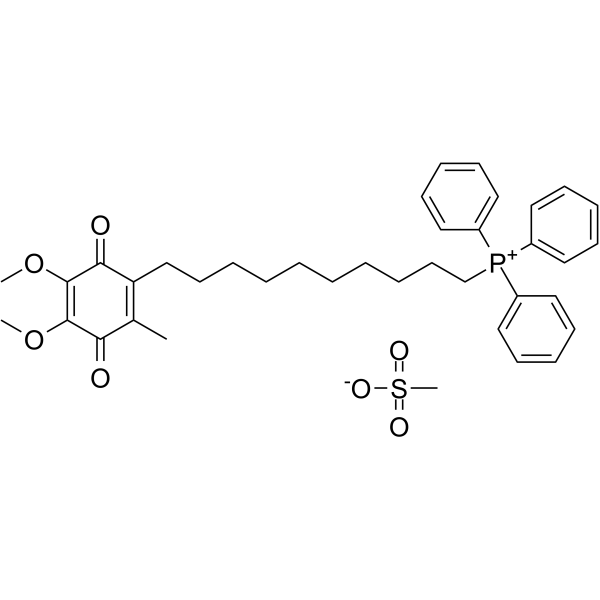
Cat. No.: HY-100116A
CAS No.: 845959-50-4
Purity:  99.09%
Synonyms: MitoQ mesylate; MitoQ10 mesylate
Research Areas:  

Metabolic Disease Cancer

Mitoquinone mesylate is a TPP-based, mitochondrially targeted antioxidant in order to protect against oxidative damage .
loading...
    loading...
61
61 Cited Publications
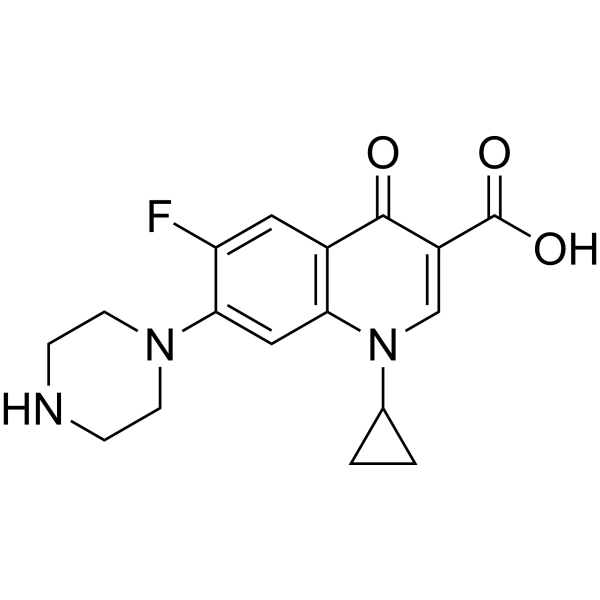
Cat. No.: HY-B0356
CAS No.: 85721-33-1
Synonyms: Bay-09867
Ciprofloxacin (Bay-09867) is a potent, orally active topoisomerase IV inhibitor. Ciprofloxacin induces mitochondrial DNA and nuclear DNA damage and lead to mitochondrial dysfunction, ROS production. Ciprofloxacin has anti-proliferative activity and induces apoptosis. Ciprofloxacin is a fluoroquinolone antibiotic, exhibiting potent antibacterial activity .
loading...
    loading...
55
55 Cited Publications
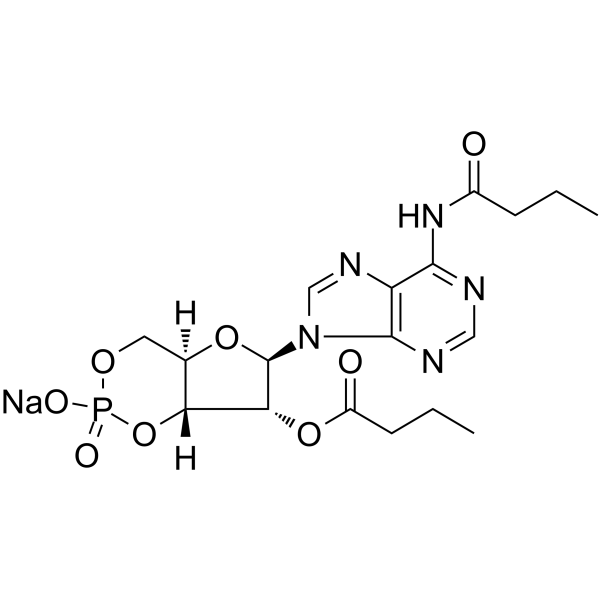
Cat. No.: HY-B0764
CAS No.: 16980-89-5
Synonyms: Dibutyryl cAMP sodium; DBcAMP sodium
Bucladesine (Dibutyryl cAMP; DBcAMP) sodium is a membrane-permeable 3′, 5′-cyclic adenosine monophosphate (cAMP) analog. Bucladesine selectively activates cAMP dependent protein kinase (PKA) by increasing the intracellular level of cAMP. Bucladesine significantly attenuates MDMA-induced increases in hippocampal mitochondrial ROS formation, mitochondrial outer membrane damage, cytochrome c release, and hippocampal ADP/ATP ratio, thereby improving spatial learning and memory impairments. Bucladesine exhibit anti-nociceptive and anti-inflammation effect. Bucladesine can inhibit cancer cells proliferation, induce apoptosis. Bucladesine can be used for the researches of neurological disease, cancer, inflammation .
loading...
    loading...
55
55 Cited Publications
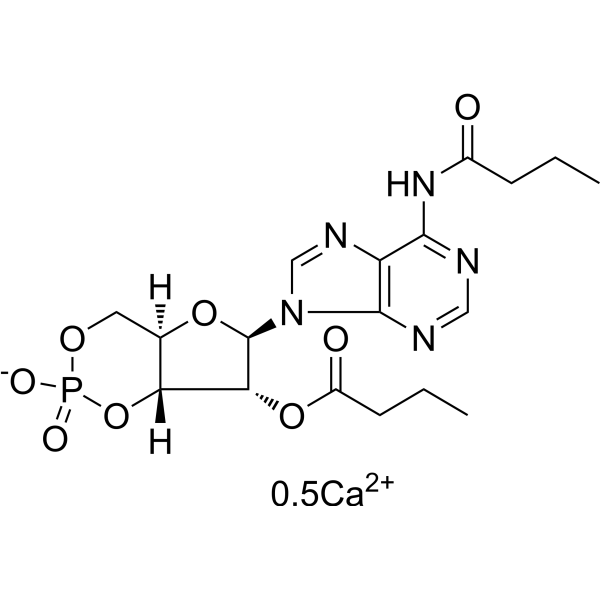
Cat. No.: HY-B0764A
CAS No.: 938448-87-4
Synonyms: Dibutyryl cAMP hemicalcium; DBcAMP hemicalcium
Bucladesine (Dibutyryl cAMP; DBcAMP) hemicalcium is a membrane-permeable 3′, 5′-cyclic adenosine monophosphate (cAMP) analog. Bucladesine selectively activates cAMP dependent protein kinase (PKA) by increasing the intracellular level of cAMP. Bucladesine significantly attenuates MDMA-induced increases in hippocampal mitochondrial ROS formation, mitochondrial outer membrane damage, cytochrome c release, and hippocampal ADP/ATP ratio, thereby improving spatial learning and memory impairments. Bucladesine exhibit anti-nociceptive and anti-inflammation effect. Bucladesine can inhibit cancer cells proliferation, induce apoptosis. Bucladesine can be used for the researches of neurological disease, cancer, inflammation .
loading...
    loading...
37
37 Cited Publications
Cat. No.: HY-16954
CAS No.: 1818885-28-7
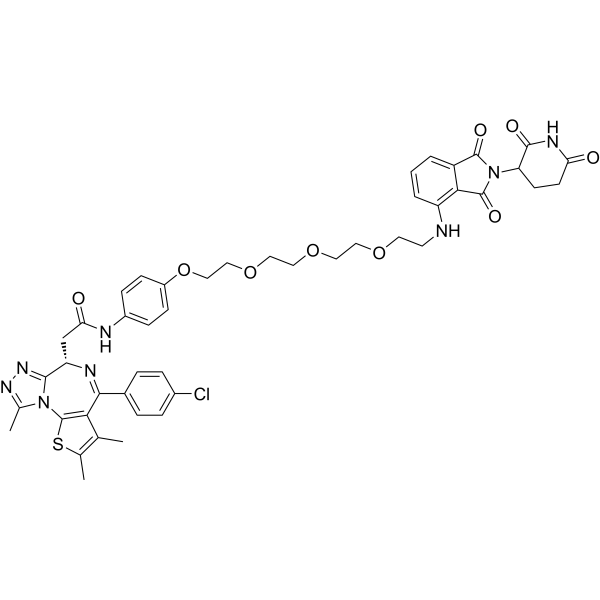
ARV-825 is a BET protein PROTAC degrader that recruits cereblon, and it targets BRD2, BRD3, and BRD4 for degradation via the ubiquitin-proteasome pathway. ARV-825 downregulates c-MYC, PLK1, MYCN, CDK4/6, JAK2, pSTAT3/5, PIM1, and Bcl-xL, upregulates p21 and p27, and modulates H3K27Ac-mediated transcription, the G2/M checkpoint, the Wnt/β-catenin pathway, and amino acid transport pathways. ARV-825 induces G1 phase cell cycle arrest, caspase 3/PARP-mediated apoptosis, DNA damage, and reactive oxygen species (ROS) production, reduces mitochondrial respiration, and simultaneously inhibits cell proliferation, clonogenic growth, and cell migration. ARV-825 is used in research on gastric cancer, leukemia, neuroblastoma, and cholangiocarcinoma .
loading...
    loading...
13
13 Cited Publications
Cat. No.: HY-109566
CAS No.: 2089288-03-7
Purity:  99.22%
Synonyms: AZD1390
Research Areas:  

Cancer

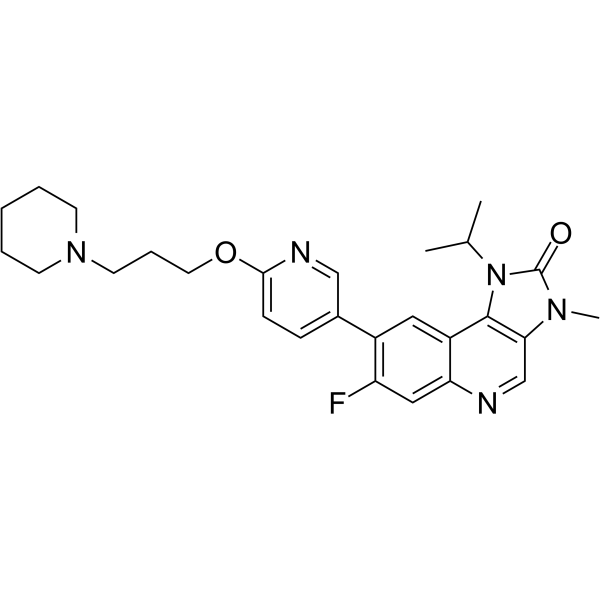
Elrelesertib (AZD1390) is an orally active, brain-penetrant ATM kinase inhibitor with IC50 values of 0.78 nM. Elrelesertib blocks ATM-dependent DNA damage response, inhibits ATM autophosphorylation and downstream Chk2, Rad50 phosphorylation, and accumulates at DNA breaks. Elrelesertib acts as a radiosensitizer, induces apoptosis, genomic instability, G2-M cell cycle arrest, ROS elevation, and mitochondrial membrane potential alteration. Elrelesertib has low efflux liability against P-gp and BCRP. Elrelesertib can be used for the research of central nervous system malignancies, glioblastoma multiforme, glioma, lung cancer brain metastases, and breast cancer .
loading...
    loading...
12
12 Cited Publications
Cat. No.: HY-153169
CAS No.: 2754428-18-5
Purity:  99.30%
Synonyms: 6PPD-Quinone
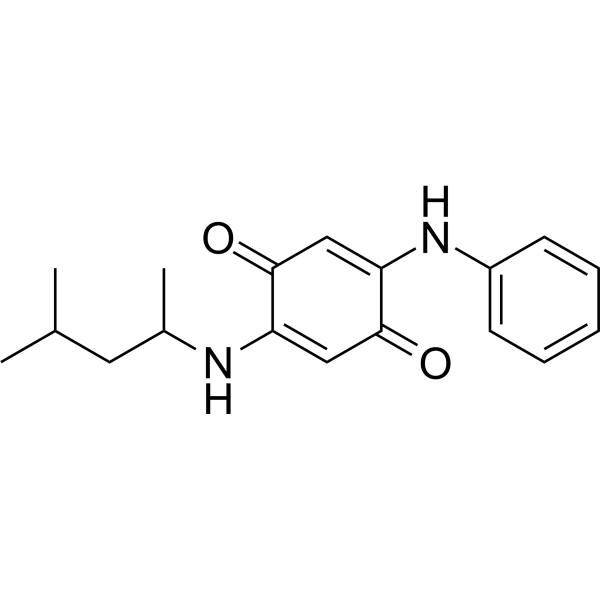
6PPD-Q (6PPD-Quinone) is an environmental pollutant that can be detected in human urine and is widely present in the environment. 6PPD-Q targets and binds to CNR2, CNR1, AA2AR, LCAT, and TRPA1, with CNR2 exhibiting the highest binding affinity, potentially acting as a CNR2 receptor agonist to activate cannabinoid receptors. 6PPD-Q induces intestinal inflammation and barrier damage by disrupting mitochondrial function, reducing neuronal glycolysis metabolites and TCA cycle intermediates, and exacerbating α-synuclein (α-syn) aggregation. 6PPD-Q is applicable in research on environmental toxicology, neurodegenerative diseases, and inflammation-related disorders .
loading...
    loading...
11
11 Cited Publications
Cat. No.: HY-N0124
CAS No.: 19057-60-4
Synonyms: Collettiside III; CCRIS 4123
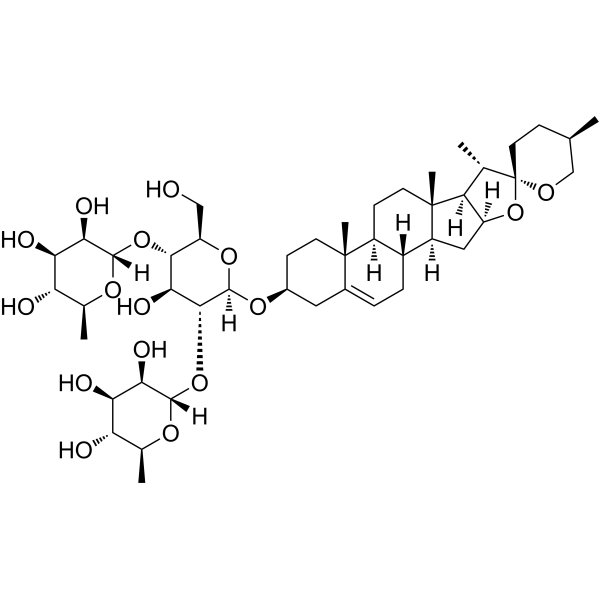
Dioscin (CCRIS 4123; Collettiside III) is a natural plant-derived steroidal saponin that has good anti-cancer activity against a variety of cancer cells. Dioscin causes DNA damage and induces apoptosis in HeLa and SiHa cells. Dioscin regulates ROS-mediated DNA damage and mitochondrial signaling pathways, exerting anticancer activity .
loading...
    loading...
10
10 Cited Publications
Cat. No.: HY-B1142
CAS No.: 940-69-2
Synonyms: (±)-α-Lipoamide; DL-Lipoamide; DL-6,8-Thioctamide
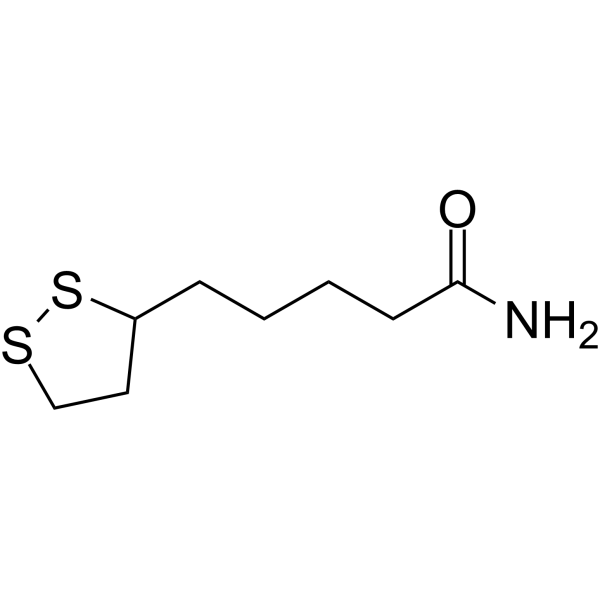
Lipoamide ((±)-α-Lipoamide) is a monocarboxylic acid derivative of a neutral amide, formed by the condensation of the carboxyl group of lipoic acid and ammonia. Lipoamide protects against oxidative stress-mediated neuronal cell damage and also acts as a coenzyme to transfer acetyl groups and hydrogen during pyruvate deacylation. Lipoamide also stimulates mitochondrial biogenesis in adipocytes through the endothelial NO synthase-cGMP-protein kinase G signaling pathway .
loading...
    loading...
8
8 Cited Publications
Cat. No.: HY-N1441
CAS No.: 482-39-3
Synonyms: Kaempferol-3-O-rhamnoside
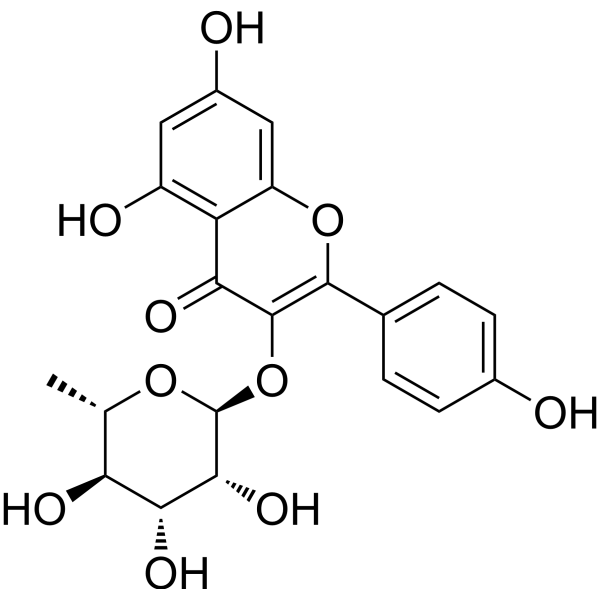
Afzelin (Kaempferol-3-O-rhamnoside)It is a flavonol glycoside that has anti-inflammatory, anti-oxidative stress response, anti-apoptotic, and anti-cardiac cytotoxic effects. AfzelinIt can reduce mitochondrial damage, enhance mitochondrial biosynthesis, and reduce mitochondria-related proteins. Parkinand PTENinduced putative kinase 1 (putative kinase 1)s level. AfzelinCan be improved D-galactosamine(GalN)/LPSSurvival rate of mice treated with doxorubicin prophylaxis (HY-15142A)Induced cardiotoxicity and scopolamine (HY-N0296)-induced neurological injury. AfzelinAlso inhibits asthma and allergies caused by ovalbumin .
loading...
    loading...
8
8 Cited Publications
Cat. No.: HY-13409
CAS No.: 181632-25-7
Purity:  99.96%
Target:  

5-HT Receptor

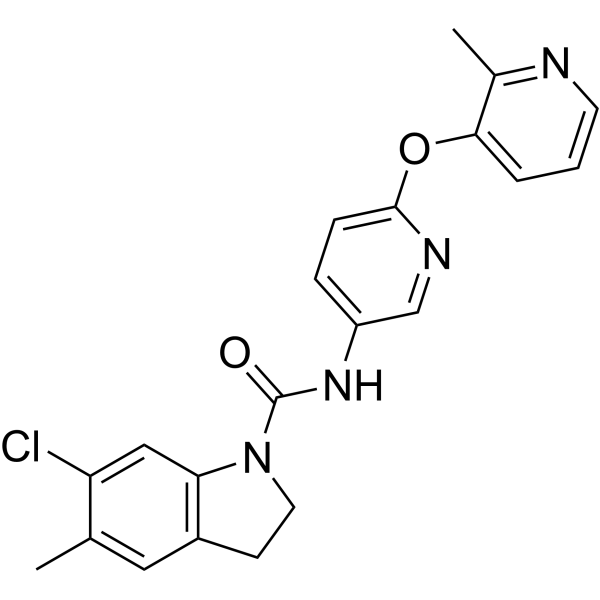
SB 242084 is a selective, competitive and high-affinity (pKi=9.0) 5-HT2C receptor antagonist (crosses the blood-brain barrier). SB 242084 increases basal activity of dopaminergic neurons in the ventral tegmental area (VTA) of the midbrain and dopamine release in the vomeronasal nucleus. SB 242084 also increases mitochondrial gene expression and oxidative metabolism via 5-HT2A receptor. SB 242084 has good research potential in the negative symptoms of anxiety, depression and schizophrenia, as well as in acute organ damage .
loading...
    loading...
8
8 Cited Publications
Cat. No.: HY-13409A
CAS No.: 1049747-87-6
Purity:  98.12%
Target:  

5-HT Receptor

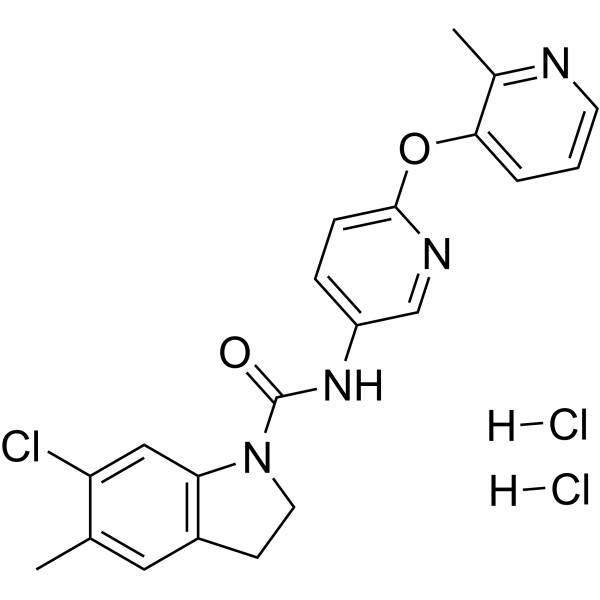
SB 242084 dihydrochloride is a selective, competitive and high-affinity (pKi=9.0) 5-HT2C receptor antagonist (crosses the blood-brain barrier). SB 242084 dihydrochloride increases basal activity of dopaminergic neurons in the ventral tegmental area (VTA) of the midbrain and dopamine release in the vomeronasal nucleus. SB 242084 dihydrochloride also increases mitochondrial gene expression and oxidative metabolism via 5-HT2A receptor. SB 242084 dihydrochloride has good research potential in the negative symptoms of anxiety, depression and schizophrenia, as well as in acute organ damage .
loading...
    loading...
6
6 Cited Publications
Cat. No.: HY-107859
CAS No.: 115-96-8
Purity:  95.12%
Synonyms: TCEP
Tris(2-chloroethyl) phosphate (TCEP) is a widely used organic phosphorus flame retardant, mainly used as a plasticizer. Tris(2-chloroethyl) phosphate has orally active hepatotoxicity, inducing an increase in reactive oxygen species (ROS) and calcium ions (Ca 2+) influx, a decrease in mitochondrial membrane potential (△Ψm), and causing DNA damage and cell apoptosis. Tris(2-chloroethyl) phosphate directly binds to FXR, inducing obesity and the formation of fatty liver in mice. Chloroethyl) phosphate activates the TLR4/NF-κB pathway, triggering liver inflammation .
loading...
    loading...
6
6 Cited Publications
Cat. No.: HY-N0762
CAS No.: 31524-62-6
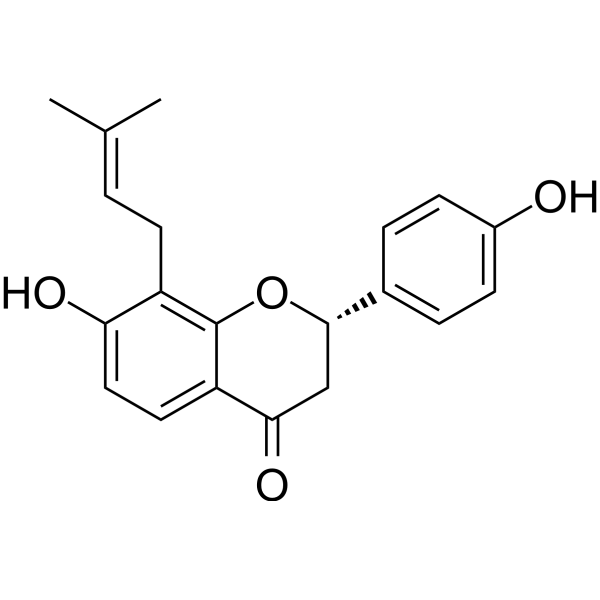
Isobavachin is an orally active, blood-brain barrier-penetrating prenylated flavonoid present in Psoralea corylifolia. Isobavachin inhibits human CYP2B6, CYP2C9, CYP2C19, UGT1A1, UGT1A9, and UGT2B7. Isobavachin suppresses MAPK activation, NF-κB nuclear translocation, overexpression of iNOS/COX-2, FcεRI-mediated signaling pathways, and RANKL-induced osteoclastogenesis. Isobavachin induces autophagy, cytotoxicity, neuronal differentiation, and NRF2 activation; it alleviates oxidative damage, inflammatory responses, apoptosis, iron accumulation, mitochondrial biogenesis, and mast cell degranulation. Isobavachin is applicable to research related to liver injury, inflammatory diseases, osteoporosis, liver cancer, prostate cancer, glioma, periodontitis-induced bone loss, and Alzheimer's disease .
loading...
    loading...
6
6 Cited Publications
Cat. No.: HY-N0430A
CAS No.: 1198398-71-8
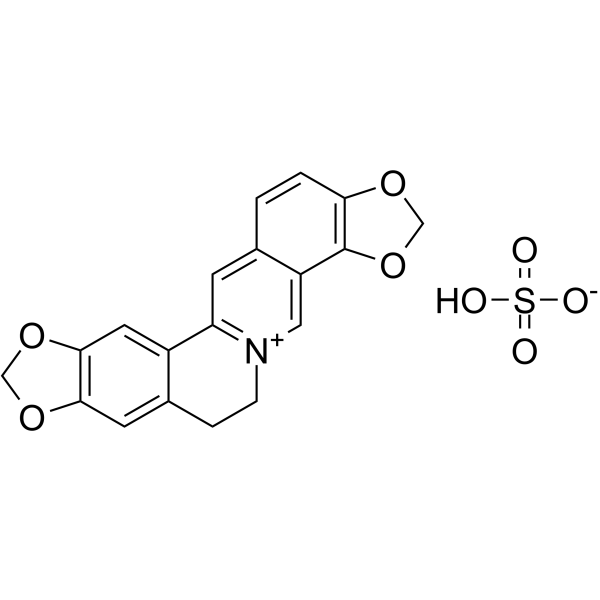
Coptisine Sulfate is an orally active and brain-penetrant alkaloid found in Coptis chinensis. Coptisine Sulfate is a reversible, uncompetitive IDO inhibitor with a Ki of 5.8 μM and an IC50 of 6.3 μM. Coptisine Sulfate suppresses neuroinflammation, reduces Aβ plaque burden and shows neuroprotective activity. Coptisine Sulfate shows anti-inflammation activity by blocking NF-κB, MAPK, and PI3K/Akt activation. Coptisine Sulfate inhibits cancer cells proliferation, induces DNA damage, G2/M phase cell cycle arrest, apoptosis, ROS production and mitochondrial dysfunction. Coptisine Sulfate inhibits Rho/ROCK pathway activation, reduces arrhythmia, limits cardiac injury marker release, reduces infarct size, and preserves cardiac function in rat myocardial ischemia/reperfusion models. Coptisine Sulfate downregulates HMGCR and upregulates LDLR and CYP7A1 to modulate cholesterol metabolism, reduces abnormal serum lipid levels, and promotes fecal bile acid excretion. Coptisine Sulfate be used for the research of cancer, hypercholesterolemia, Alzheimer’s disease, inflammatory disorders and cardiovascular disease .
loading...
    loading...
5
5 Cited Publications
Cat. No.: HY-111536
CAS No.: 1354707-41-7
Purity:  99.60%
Synonyms: MA-5
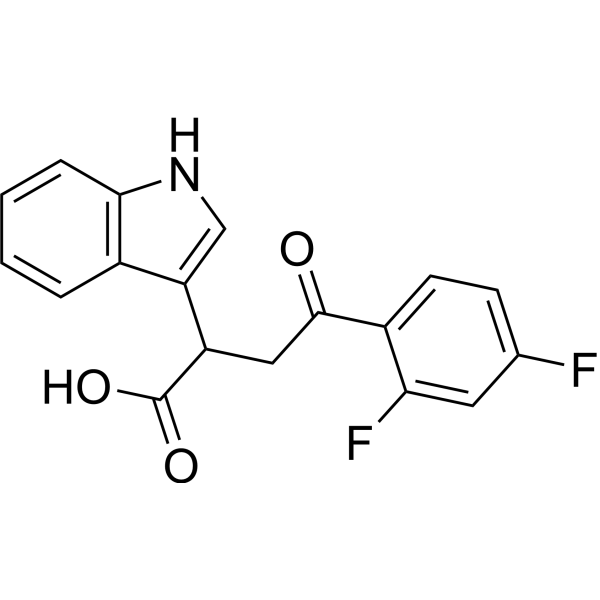
Mitochonic acid 5 binds mitochondria and ameliorates renal tubular and cardiac myocyte damage. Mitochonic acid 5 modulates mitochondrial ATP synthesis.
loading...
    loading...
5
5 Cited Publications
Cat. No.: HY-44134
CAS No.: 13192-04-6
Synonyms: Dimethyl α-ketoglutarate
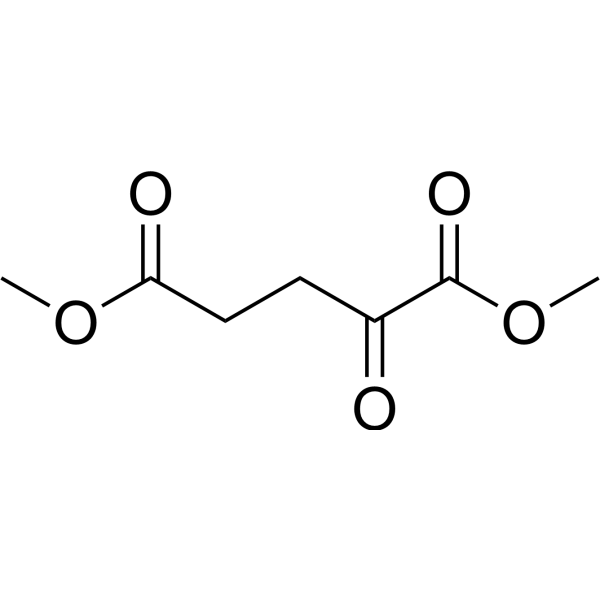
Dimethyl 2-oxoglutarate (Dimethyl α-ketoglutarate) is a cell-permeable derivative of 2-oxoglutarate and tricarboxylic acid cycle metabolite with antioxidant properties. Dimethyl 2-oxoglutarate inhibits Autophagy. Dimethyl 2-oxoglutarate prevents mitochondrial damage and reduces ROS production. Dimethyl 2-oxoglutarate alleviates Carbon tetrachloride (HY-Y0298)-induced liver fibrosis. Dimethyl-2-oxoglutaric acid can be used in the research of diseases such as Alzheimer's disease, diabetes, and cardiomyopathy .
loading...
    loading...
4
4 Cited Publications
Cat. No.: HY-N6779
CAS No.: 149-29-1
Synonyms: Terinin
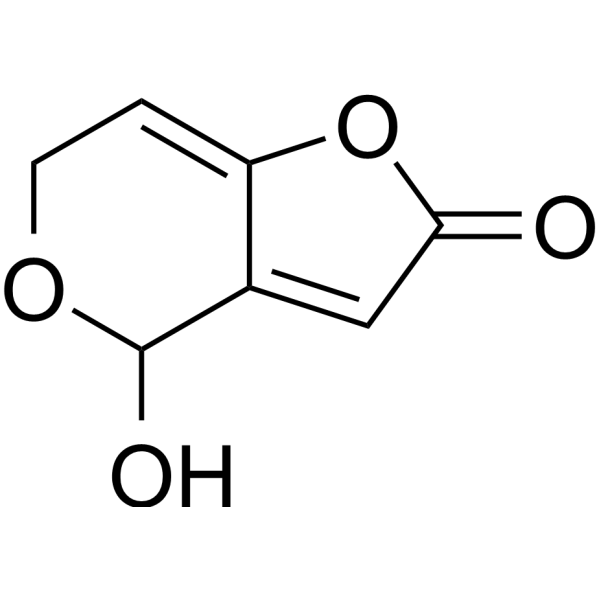
Patulin (Terinin) is a mycotoxin produced by fungi including the Aspergillus, Penicillium, and Byssochlamys species, causes chromosome breakage, mutation, teratogenic and cytotoxic. Patulin induces autophagy-dependent apoptosis through lysosomal-mitochondrial axis, and causes DNA damage .
loading...
    loading...
3
3 Cited Publications
Cat. No.: HY-33354
CAS No.: 56-57-5
Synonyms: 4-NQO
Research Areas:  

Inflammation/Immunology Cancer

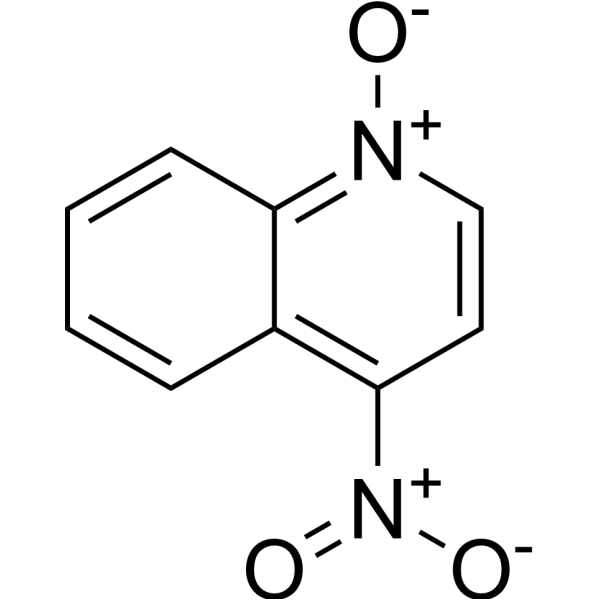
Nitrochin (4-NQO) is a chemical carcinogen. Nitrochin induces oncostatin-M (OSM) in esophageal cells. Nitrochin induces DNA damage, and induces apoptosis via a p53-dependent mitochondrial signaling pathway .
loading...
    loading...
3
3 Cited Publications
Cat. No.: HY-N6626
CAS No.: 175013-18-0
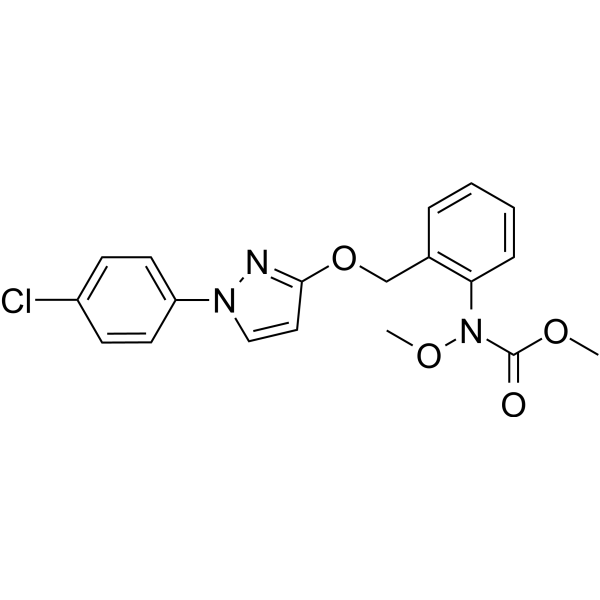
Pyraclostrobin is a highly effective and broad-spectrum strobilurin fungicide. Pyraclostrobin can induce oxidative DNA damage, mitochondrial dysfunction and autophagy through the activation of AMPK/mTOR signaling. Pyraclostrobin can be used to control crop diseases .
loading...
    loading...

