128 Results for "

mouse infection model

" in MedChemExpress (MCE) Product Catalog:
Products (128)

128 Results for "mouse infection model" in MCE Product Catalog:

12
12 Cited Publications
Cat. No.: HY-16911
CAS No.: 620175-39-5
Synonyms: API-1252; Debio 1452
Target:  

Bacterial Antibiotic

Research Areas:  

Infection

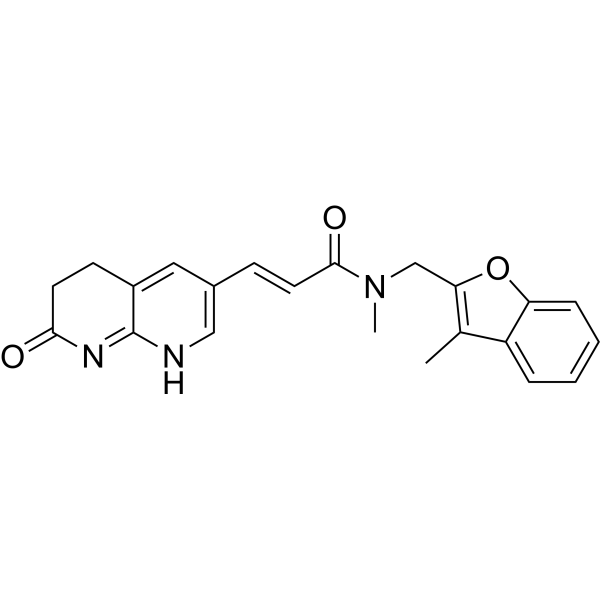
AFN-1252 is an orally active and selective inhibitor of FabI, an essential enzyme in fatty acid biosynthesis in Staphylococcus spp. AFN-1252 exhibits exquisite and highly selective activity against Staphylococcus spp. AFN-1252 exhibits typical MIC90 values of ⩽0.015 μg/ml against diverse clinical isolates of S. aureus. AFN-1252 is efficacious in a mouse model of septicemia providing 100% protection from an otherwise lethal peritoneal infection of S. aureus Smith .
loading...
    loading...
8
8 Cited Publications
Cat. No.: HY-115364
CAS No.: 14255-87-9
Purity:  99.87%
Synonyms: SKF 29044
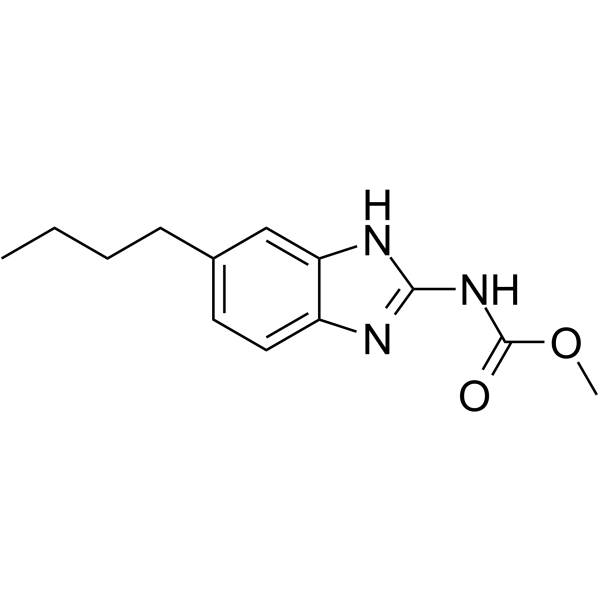
Parbendazole (SKF‑29044) is an orally active benzimidazole carbamate compound with multiple biological activities. Parbendazole binds to free tubulin and inhibits microtubule polymerization; it also activates the JNK/c‑Jun signaling axis and upregulates the expression of the downstream axonal repulsion factor Sema3A. Parbendazole upregulates KAL-1 mRNA expression, reduces nerve growth factor levels, and promotes the terminal differentiation of normal human epidermal keratinocytes. Parbendazole induces apoptosis in differentiated acute myeloid leukemia monocytes and exerts antileukemic activity in a mouse xenograft model of acute myeloid leukemia. Parbendazole exhibits broad-spectrum anthelmintic activity against various animal nematodes. Parbendazole is used in research related to acute myeloid leukemia and parasitic infections .
loading...
    loading...
6
6 Cited Publications
Cat. No.: HY-17035
CAS No.: 117704-25-3
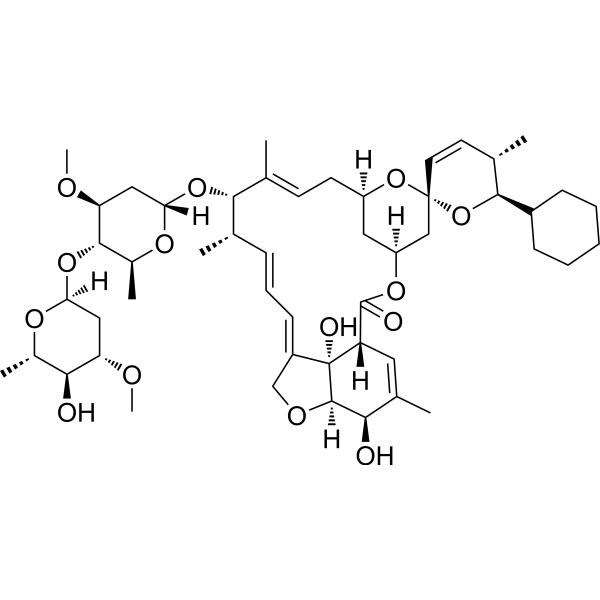
Doramectin is a derivative of Ivermectin (HY-15310). Doramectin is a potent antiparasitic antibiotic. Doramectin is an active compound against S.mansoni in an NMRI mouse infection model .
loading...
    loading...
2
2 Cited Publications
Cat. No.: HY-139602
CAS No.: 2135640-93-4
Purity:  98.46%
Research Areas:  

Infection

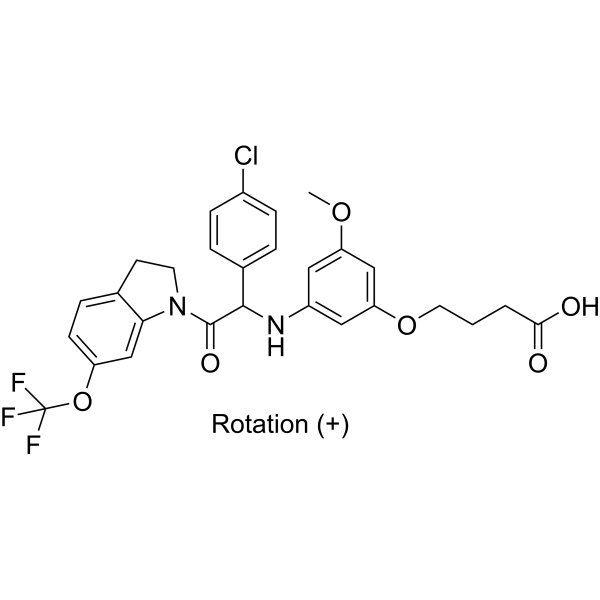
(+)-JNJ-A07 is a highly potent, orally active pan-serotype dengue virus inhibitor targeting the NS3-NS4B interaction. (+)-JNJ-A07 exerts nanomolar to picomolar activity against a panel of 21 clinical isolates. (+)-JNJ-A07 has a favourable pharmacokinetic profile that results in outstanding efficacy against dengue virus infection in mouse infection models .
loading...
    loading...
2
2 Cited Publications
Cat. No.: HY-19655
CAS No.: 205110-48-1
Synonyms: ABT-773; Abbott-195773; A-195773
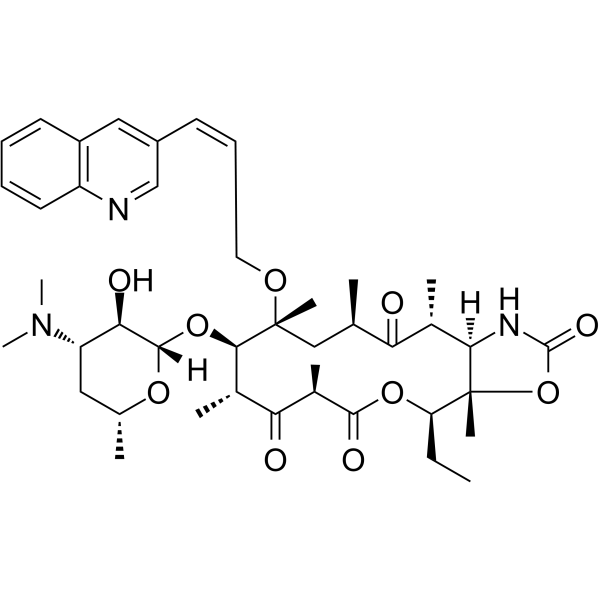
Cethromycin (ABT-773; Abbott-195773) is an orally effective ketolide antibiotic with broad-spectrum antibacterial activity. Cethromycin binds to domains II/V of the 23S rRNA of the 50S subunit, inhibiting bacterial protein synthesis. Cethromycin can accumulate in lung tissue, alveolar macrophages, epithelial lining fluid, and human polymorphonuclear leukocytes. Cethromycin exhibits potent in vitro activity against a variety of respiratory pathogens, including Mycoplasma pneumoniae. Cethromycin exhibits significant intracellular and pulmonary enrichment and anti-inflammatory effects against mycoplasma pneumonia in mouse models, improving airway obstruction and airway hyperresponsiveness. Cethromycin disrupts the apicoplast and reduces liver-stage parasite burden during the liver stage of Plasmodium berghei. Cethromycin can be used in research related to pneumonia, Staphylococcus aureus infection, gonorrhea, and malaria .
loading...
    loading...
1
1 Cited Publications
Cat. No.: HY-P99604
CAS No.: 2420563-99-9
Synonyms: AZD-1061; COV2-2130

Target:  

SARS-CoV

Research Areas:  

Infection

Cilgavimab (AZD-1061; COV2-2130) is a human SARS-CoV-2-neutralizing monoclonal antibody, can compose monoclonal-antibody combination AZD7442 with Tixagevimab (HY-P99556). Cilgavimab shows protective action on mouse models of SARS-CoV-2 infection .
loading...
    loading...
1
1 Cited Publications
Cat. No.: HY-139398
CAS No.: 2071265-08-0
Purity:  99.73%
Target:  

Antibiotic Bacterial

Research Areas:  

Infection

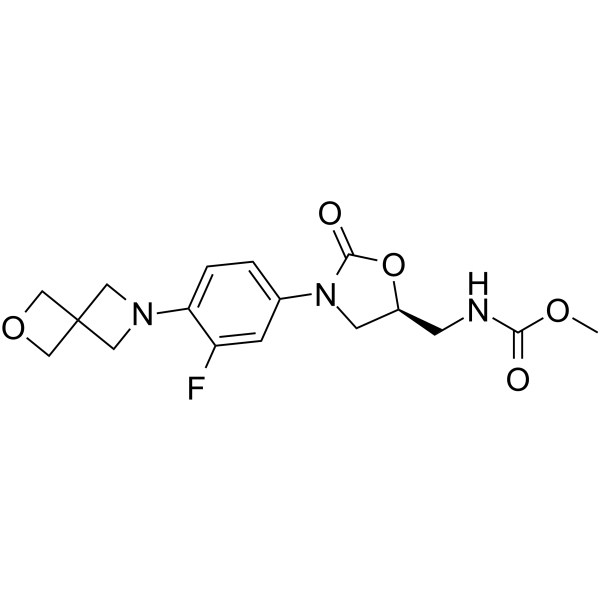
TBI-223 is an orally active oxazolidinone antibiotic and an antimicrobial. TBI-223 shows activity against Mycobacterium tuberculosis (Mtb). TBI-223 exhibits an IC50 of 68 μg/mL for inhibiting mitochondrial protein synthesis (MPS) in HepG2 cells. TBI-223 is effective in three mouse models (bloodstream infection, skin infection, and bone infection) of methicillin-resistant staphylococcus aureus infection. TBI-223 can be used for the study of tuberculosis .
loading...
    loading...
1
1 Cited Publications
Cat. No.: HY-115574
CAS No.: 851658-10-1
Purity:  98.09%
Target:  

RSV

Research Areas:  

Infection

RSV L-protein-IN-1 (compound D) is a potent inhibitor of Respiratory syncytial virus (RSV) (EC50=0.021 μM). RSV L-protein-IN-1 inhibits Polymerase (IC50=0.089 μM),and blocks RSV mRNA synthesis by inhibiting guanylation of viral transcripts. RSV L-protein-IN-1 shows moderate cytotoxicity (CC50=8.4 μM,HEp-2),also exhibits activity and lowers virus titers in mouse models of RSV infection .
loading...
    loading...
1
1 Cited Publications
Cat. No.: HY-163727
CAS No.: 2065197-82-0
Target:  

Aminopeptidase Parasite

Research Areas:  

Infection

MMV1557817 is an orally active dual aminopeptidase (Aminopeptidase) inhibitor. MMV1557817 targets multiple parasite life cycle stages by inhibiting M1 alanyl aminopeptidase and M17 leucyl aminopeptidase involved in terminal Hemoglobin (HY-P2995) digestion (PfA-M1 Ki = 269 nM; PfA-M17 Ki = 101 nM), exhibits broad cross-species antiplasmodial activity, and clears P. berghei infection in a mouse model. MMV1557817 can be used for research on malaria .
loading...
    loading...
1
1 Cited Publications
Cat. No.: HY-148775B
Purity:  ≥95.0%
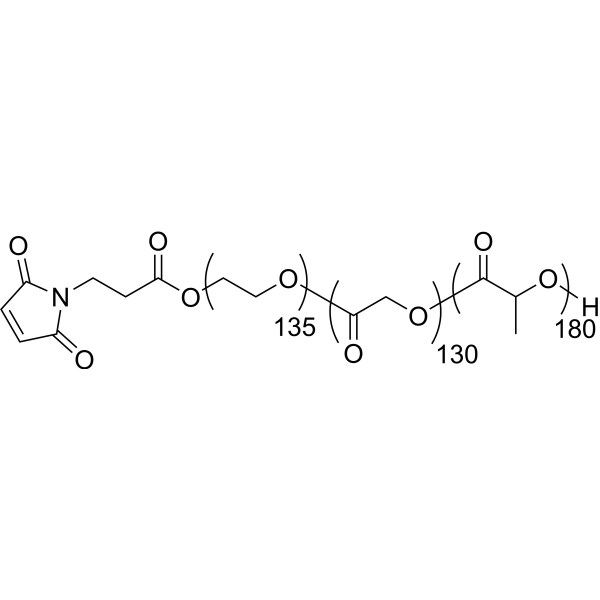
PLGA-PEG-MAL (20KDA-5.0KDA, LA:GA RATIO 40:60) is a biodegradable amphipathic polymeric nanocarrier of poly (lactic-co-glycolic acid)-block-poly (ethylene glycol) (PLGA-PEG-Mal) that allows covalent modification of functional molecules. PLGA-PEG-MAL (20KDA-5.0KDA, LA:GA RATIO 40:60) modified with Angiopep-2 can cross the blood-brain barrier and exhibits targeting selectivity for glioblastoma cells. PLGA-PEG-MAL (20KDA-5.0KDA, LA:GA RATIO 40:60) can capture tumor-derived protein antigens, and exerts immunomodulatory effects when conjugated with anti-OX40 antibody; when used in combination with A2-CL/Dbait nanoparticles and radiotherapy, it prolongs survival time and reduces tumor volume in glioblastoma mouse models. PLGA-PEG-MAL (20KDA-5.0KDA, LA:GA RATIO 40:60) can be used for studies related to bacterial wound infections and glioblastoma .
loading...
    loading...
Cat. No.: HY-147429
CAS No.: 2379336-76-0
Purity:  99.09%
Synonyms: Abx MCP; RG6006
Target:  

Bacterial Liposome

Research Areas:  

Infection

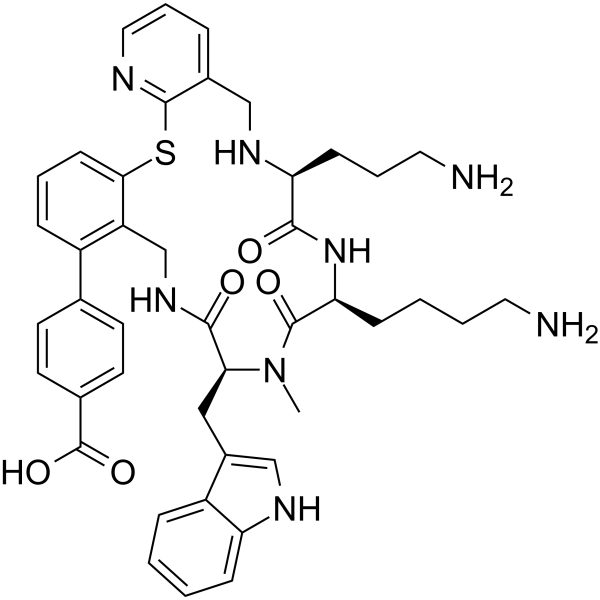
Zosurabalpin (Abx MCP; RG6006) is a lipopolysaccharide (LPS) transport inhibitor that targets the LptB2FGC complex. Zosurabalpin blocks the transport of LPS from the inner membrane to the outer membrane, leading to intracellular toxic accumulation of LPS and bacterial death. Zosurabalpin exhibits potent antibacterial activity against carbapenem-resistant Acinetobacter baumannii (CRAB) and shows in vivo efficacy in mouse infection models. Zosurabalpin can be used for research on CRAB infections, including pneumonia and sepsis .
loading...
    loading...
Cat. No.: HY-113365
CAS No.: 601-57-0
Purity:  99.81%
Synonyms: 4-Cholesten-3-one
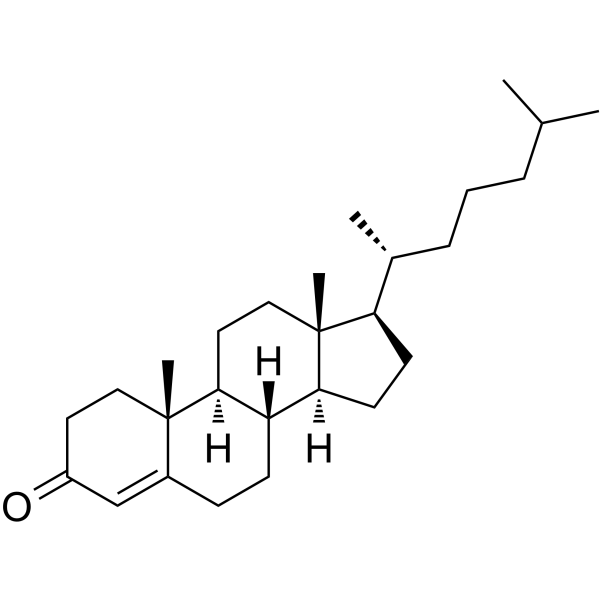
Cholestenone (4-cholesten-3-one) is an orally available antimicrobial agent that is metabolized primarily in the liver as an intermediate oxidation product of cholesterol. Cholestenone inhibits human dermal fibroblast migration and fights Helicobacter pylori infection in vitro and in mouse models by inhibiting cholesterol-α-D-glucopyranoside (CGL). Cholestenone also alleviates metabolic disorders caused by obesity in db/db mice .
loading...
    loading...
Cat. No.: HY-W025784
CAS No.: 143-66-8
Synonyms: Sodium tetraphenylborate; Tetraphenylboron sodium
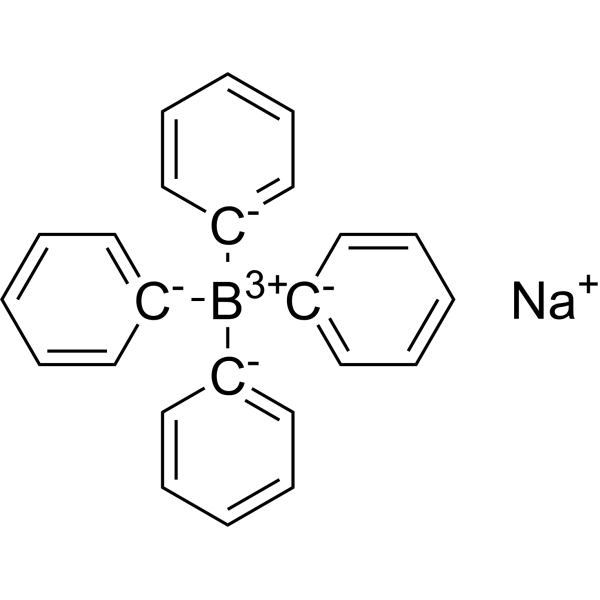
Kalibor (Sodium tetraphenylborate; Tetraphenylboron sodium) is a boron-based salt and antibacterial agent. Kalibor exerts activity against Neisseria meningitidis and Neisseria gonorrhoeae. Kalibor facilitates boron uptake by Neisseria meningitidis cells. Kalibor reduces bacterial burden in a mouse model of Neisseria meningitidis bacteremia. Kalibor can be used for the research of bacterial infection, such as meningococcal bacteremia .
loading...
    loading...
Cat. No.: HY-19487
CAS No.: 1381289-58-2
Target:  

Bacterial

Research Areas:  

Infection

Ribocil is a selective inhibitor targeting the bacterial FMN riboswitch, regulating the bacterial riboflavin riboswitch. Ribocil competitively binds to the FMN binding site, mimicking the natural ligand FMN to induce conformational changes in the riboswitch, inhibiting ribB gene expression, reducing riboflavin synthesis, and thus inhibiting bacterial growth. Ribocil strongly inhibits GFP expression (EC50=0.3 μM). Ribocil exhibits in vivo antibacterial activity in a mouse model and can be used to study antibacterial drugs related to drug-resistant bacterial infections and bacterial riboflavin metabolic pathways[1][2].
loading...
    loading...
Cat. No.: HY-157536
CAS No.: 2862851-15-6
Purity:  98.47%
Target:  

Bacterial

Research Areas:  

Infection Inflammation/Immunology

SMT-738 is a bacterial bactericide. SMT-738 targets the small molecules responsible for lipoprotein transport in Enterobacteriaceae, causing abnormal lipoprotein localization and bacterial cell death. SMT-738 inhibits the growth of E. coli and K. pneumoniae. SMT-738 reduces bacterial loads in mouse models of urinary tract infection, bloodstream infection, and pulmonary infection caused by Enterobacterales. SMT-738 can be used in the research of Enterobacteriaceae infections, urinary tract infections, bloodstream infections, and pneumonia .
loading...
    loading...
Cat. No.: HY-W722277A
LCC-12 formate is a mitochondria-targeted Copper 2+ -selective binder and metabolic/epigenetic reprogramming agent. LCC-12 formate inhibits NAD (H) redox cycling and reduces the NAD (H) pool. LCC-12 formate downregulates the expression of inflammatory genes and improves outcomes in mouse models of bacterial sepsis, endotoxemia, and SARS-CoV-2 infection. LCC-12 formate can be used in research related to acute inflammation, endotoxemia, sepsis, and SARS-CoV-2 infection .
loading...
    loading...
Cat. No.: HY-156597
CAS No.: 1998705-63-7
Purity:  99.88%
Synonyms: AT-752 free base
Research Areas:  

Infection

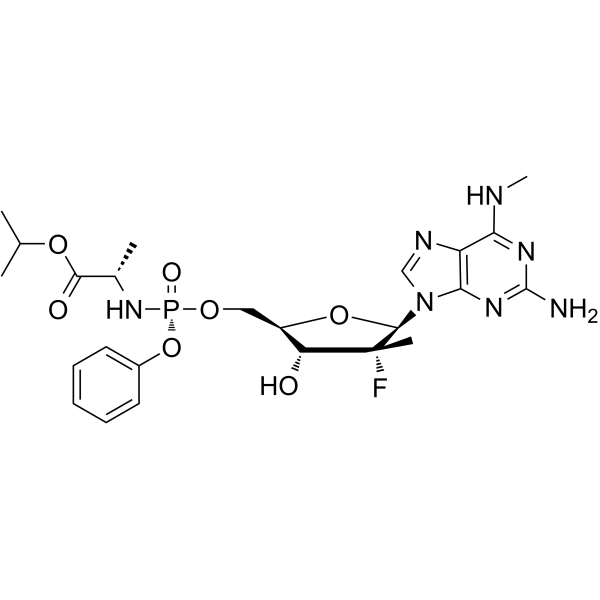
Arbemnifosbuvir (AT-752 free base) is an orally active inhibitor of DENV NS5 RdRp and MTase, and is also a guanosine nucleotide analog prodrug. Arbemnifosbuvir forms the active triphosphate metabolite AT‑9010 (HY-139165) in peripheral blood mononuclear cells, which competes with GTP to terminate RNA synthesis and binds to the GTP/RNA-cap site to inhibit 2'-O-methylation. Arbemnifosbuvir reduces viremia, improves survival, prevents weight loss, and decreases viral load in a mouse model of dengue virus. Arbemnifosbuvir can be used for research related to viral infections .
loading...
    loading...
Cat. No.: HY-167935
CAS No.: 3029253-76-4
Target:  

Bacterial

LCC-12 formic is a dimer of metformin that targets mitochondrial copper(II), leading to a decrease in the NAD(H) pool and modulation of inflammatory responses. LCC-12 formic reduces inflammation in mouse models of bacterial and viral infections. LCC-12 formic also serves as a tool for investigating metabolic diseases through its effects on cell plasticity and epigenetic programming.
loading...
    loading...
Cat. No.: HY-175741
CAS No.: 3094992-69-2
Target:  

Topoisomerase Parasite

Research Areas:  

Infection

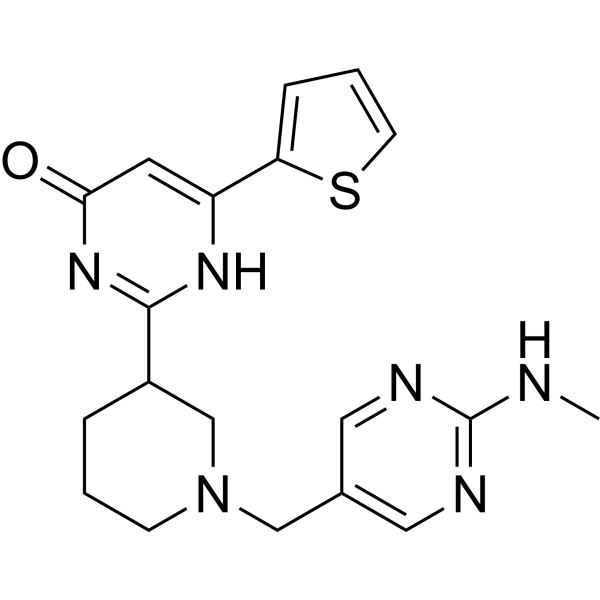
IID432 is a potent, orally active, and covalent inhibitor of Trypanosoma cruzi topoisomerase II. IID432 shows an EC50 of 8 nM against T. cruzi intracellular amastigotes, exhibits excellent oral bioavailability (52% in rats), favorable ADME properties, and no S1P pathway modulation. IID432 achieves relapse-free cure in a chronic T. cruzi infection mouse model, can be used for the study of Chagas disease .
loading...
    loading...
Cat. No.: HY-134090
CAS No.: 51867-94-8
Synonyms: Antibiotic TS 885; NSC 248958
Target:  

Bacterial VSV

Research Areas:  

Infection

9-Methylstreptimidone is a microbial metabolite originally isolated from Streptomyces sp. S-885 that has antifungal and antiviral activities. It is active against several fungi, including S. sake, S. fragilis, R. rubra, T. rubra, and C. albidus (MICs=4-20 μg/mL) and has antiviral activity against poliovirus, vesicular stomatitis virus (VSV), and Newcastle disease virus (NDV) in vitro (MIC=0.02 μg/mL for all). 9-Methylstreptimidone increases survival in mouse models of infection with influenza A2 (H2N2) or C. albicans when administered prior to infection.
loading...
    loading...

