100 Results for "

mucosa

" in MedChemExpress (MCE) Product Catalog:
Products (100)

100 Results for "mucosa" in MCE Product Catalog:

  • Categories Recommended:
    More
21
21 Publications Verification
Cat. No.: HY-N6684
CAS No.: 51481-10-8
Synonyms: Vomitoxin
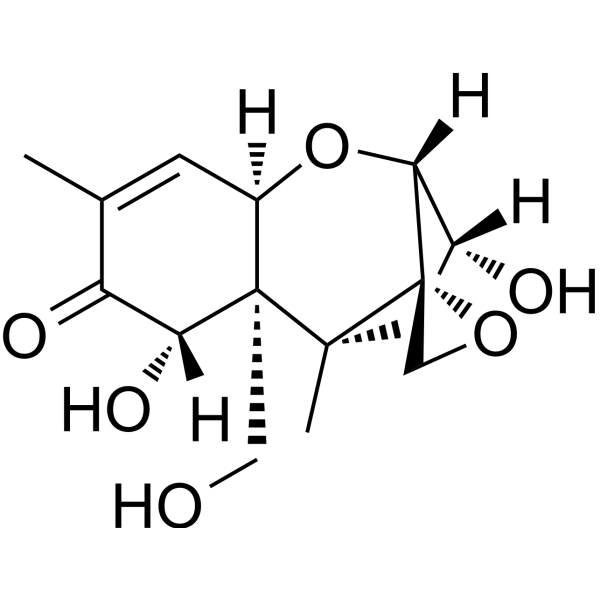
Deoxynivalenol, an orally active mycotoxin of the trichothecenes family, crosses the intestinal mucosa by a paracellular pathway through the tight junctions. The Deoxynivalenol transport is not affected by P-glycoprotein (PgP) or multidrug resistance-associated proteins (MRPs) inhibitors .
loading...
    loading...
11
11 Cited Publications
Cat. No.: HY-B0113
CAS No.: 73590-58-6
Synonyms: H 16868
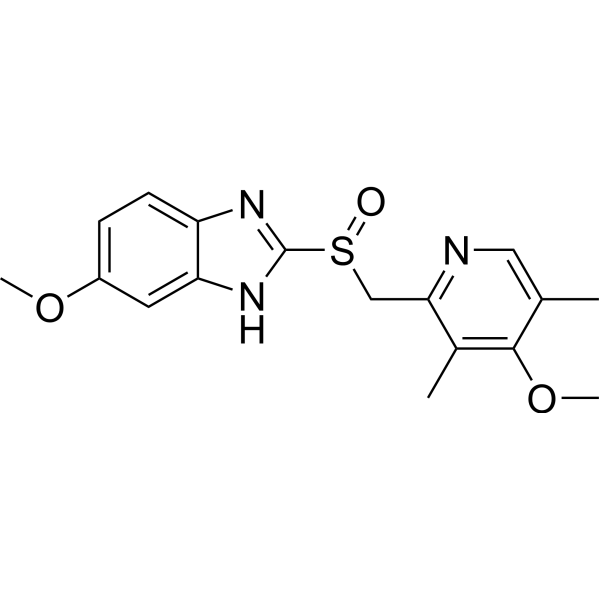
Omeprazole (H 16868) is an orally active H +,K +-ATPase inhibitor and a proton pump inhibitor. Omeprazole competitively inhibits CYP2C19, CYP3A4, and CYP2C9 activity. Omeprazole inhibits gastric acid secretion and can be used for acid-related gastrointestinal disorders. Omeprazole inhibits pancreatic cancer cell proliferation, induces apoptosis, autophagosome accumulation (elevated LC3-I and LC3-II levels), oxidative stress, and cytogenetic imbalance, modulates lysosomal transport, reduces inflammatory cytokines. Omeprazole alters small intestinal morphology and magnesium absorption, and induces gastric mucosa morphologic changes. Omeprazole also has neuroprotective and antibacterial effects .
loading...
    loading...
11
11 Cited Publications
Cat. No.: HY-B0113A
CAS No.: 95510-70-6
Synonyms: H 16868 sodium
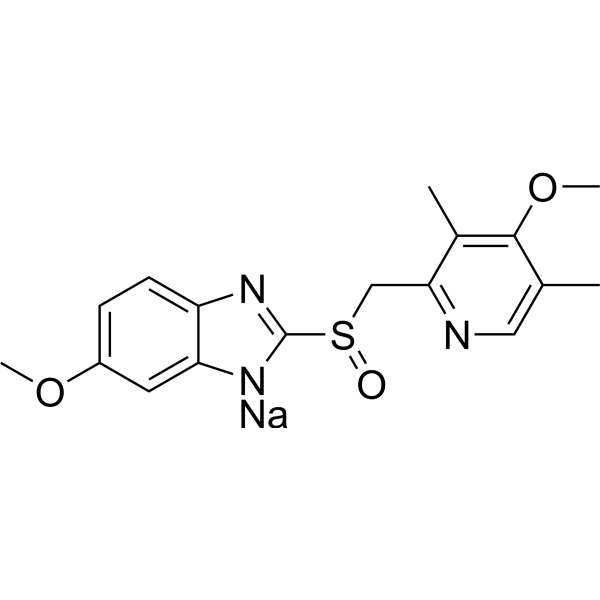
Omeprazole (H 16868) sodium is an orally active H +,K +-ATPase inhibitor and a proton pump inhibitor. Omeprazole sodium competitively inhibits CYP2C19, CYP3A4, and CYP2C9 activity. Omeprazole sodium inhibits gastric acid secretion and can be used for acid-related gastrointestinal disorders. Omeprazole sodium inhibits pancreatic cancer cell proliferation, induces apoptosis, autophagosome accumulation (elevated LC3-I and LC3-II levels), oxidative stress, and cytogenetic imbalance, modulates lysosomal transport, reduces inflammatory cytokines. Omeprazole sodium alters small intestinal morphology and magnesium absorption, and induces gastric mucosa morphologic changes. Omeprazole sodium also has neuroprotective and antibacterial effects .
loading...
    loading...
6
6 Cited Publications
Cat. No.: HY-B0360
CAS No.: 90098-04-7
Synonyms: OPC12759; Proamipide
Target:  

COX

Research Areas:  

Inflammation/Immunology Cancer

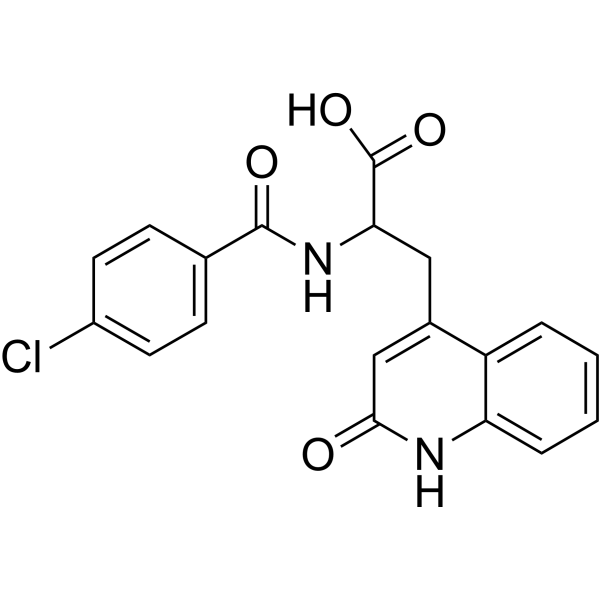
Rebamipide (OPC12759) is an orally active gastroprotective agent that enhances the production of endogenous PGs (especially intragastric PGE2) by inducing COX-2 expression, thereby protecting the gastric mucosa from injury. Rebamipide exerts anti-proliferative activity against gastric cancer cells. Rebamipide can be used in studies of mucosal protection, gastroduodenal ulcer, gastritis and gastric cancer .
loading...
    loading...
4
4 Cited Publications
Cat. No.: HY-W033577
CAS No.: 22594-69-0
Synonyms: CORM-2
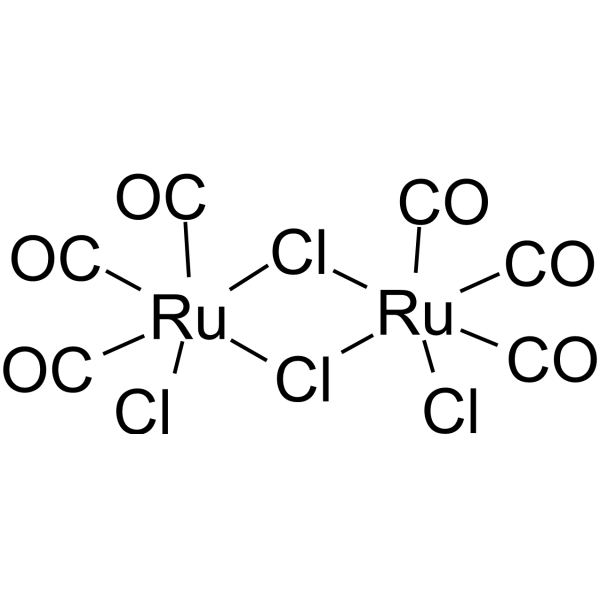
Tricarbonyldichlororuthenium(II) dimer (CORM-2) is a CO-releasing molecule. Tricarbonyldichlororuthenium(II) dimer exhibits anti-inflammatory, antioxidant, and gastric mucosa-protective activities. Additionally, Tricarbonyldichlororuthenium(II) dimer has CO-independent functional effects on multiple potassium channels .
loading...
    loading...
3
3 Cited Publications
Cat. No.: HY-32350
CAS No.: 60133-18-8
Synonyms: 1α,25-Dihydroxy Vitamin D2
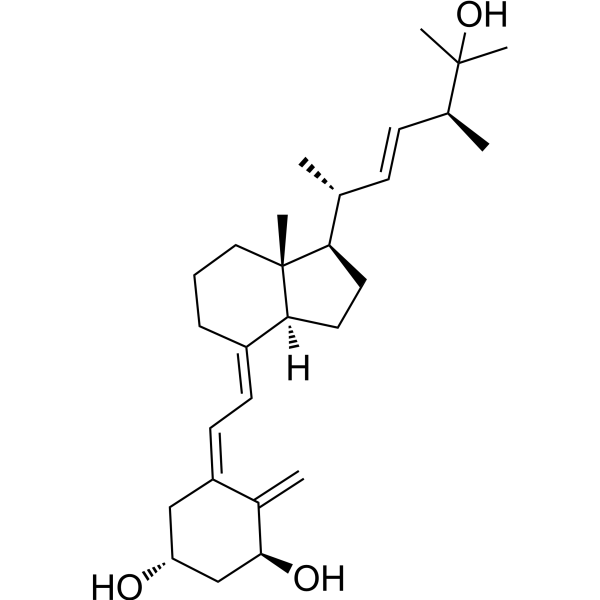
Ercalcitriol (1α,25-Dihydroxy Vitamin D2) is a vitamin D receptor (VDR) agonist with high binding affinity. After binding to VDR, Ercalcitriol forms a complex with retinoid X receptor (RXR) to regulate target gene transcription. For example, Ercalcitriol induces human gingival/oral epithelial cells to produce human cat antimicrobial peptide (hCAP-18/LL-37), which has antimicrobial activity against periodontal pathogens such as Porphyromonas gingivalis. Ercalcitriol enhances the innate immune defense of the oral mucosa by promoting the expression of antimicrobial peptides, and is mainly used in the study of periodontal diseases and immune-related oral diseases .
loading...
    loading...
2
2 Cited Publications
Cat. No.: HY-P1014
CAS No.: 119911-68-1
Synonyms: Human α-CGRP (8-37)
Target:  

CGRP Receptor

Research Areas:  

Cardiovascular Disease

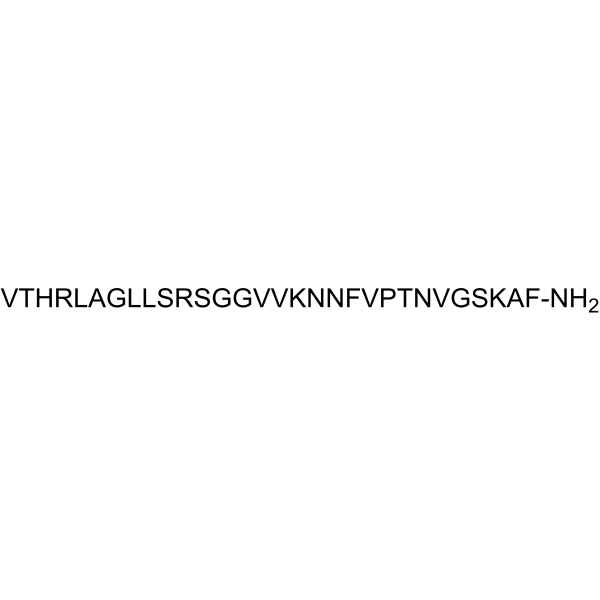
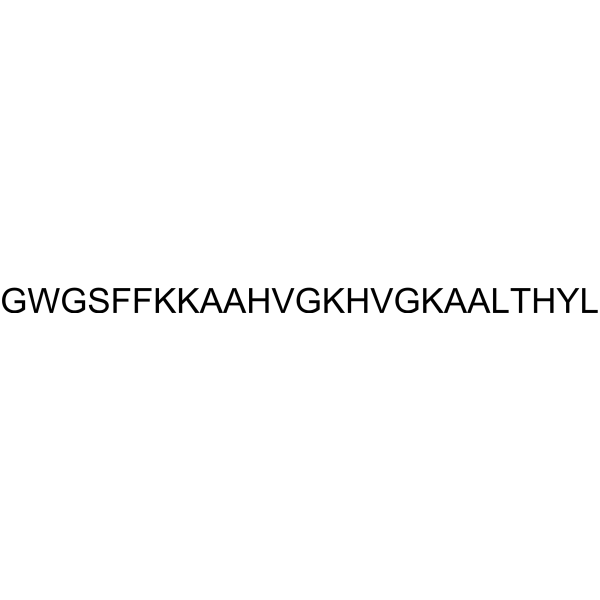
HCGRP-(8-37) (Human α-CGRP (8-37)) is a fragment of human calcitonin gene-related peptide (hCGRP) and an antagonist of the CGRP receptor, with an IC50 of 32.1 pM against the CGRP receptor. HCGRP-(8-37) blocks adenylate cyclase activation induced by CGRP receptor ligands and attenuates vascular responses triggered by CGRP. HCGRP-(8-37) reduces capsaicin-induced vasodilation in porcine nasal mucosa and superficial skin. HCGRP-(8-37) serves as a research tool to distinguish effects mediated by CGRP or calcitonin receptors, and to investigate CGRP-induced vascular effects .
loading...
    loading...
2
2 Cited Publications
Cat. No.: HY-N7067
CAS No.: 178307-42-1
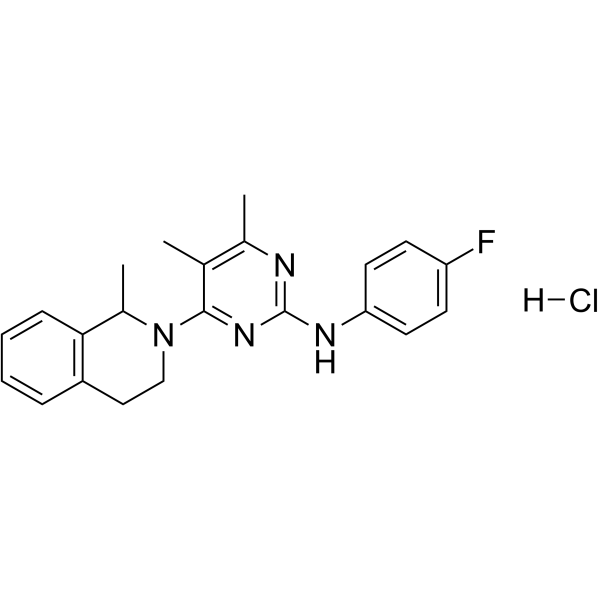
Revaprazan hydrochloride is reversible proton pump inhibitor. Revaprazan hydrochloride can inhibit gastric acid secretion and protect gastric mucosa. Revaprazan hydrochloride can inhibit IkappaB-alpha degradation as well as Akt inactivation, resulting in attenuation of H. pylori-induced COX-2 expression. Revaprazan hydrochloride can be used for the researches of infection and inflammmation, such as H. pylori-infected gastric inflammation and gastric ulcer .
loading...
    loading...
2
2 Cited Publications
Cat. No.: HY-P5641
CAS No.: 190324-47-1
Pleurocidin is an Antimicrobial peptide. Pleurocidin is derived from the skin mucosa or intestinal secretions of Pseudopleuronectes americanus. Pleurocidin inhibits the expression of key proteins in the MAPK and NF-κB inflammatory signaling pathways. Pleurocidin alters serum inflammatory and immune cytokine levels, regulates the down-regulation of tight junction proteins, and modulates the intestinal flora. Pleurocidin exerts antibacterial activity by inducing bacterial membrane damage, hydroxyl radical formation, and NADH depletion, and also produces a synergistic effect with Antibiotics. Pleurocidin alleviates DSS-induced ulcerative colitis. Pleurocidin can be used for research on ulcerative colitis, bacterial infections, and bacterial biofilm-related infections .
loading...
    loading...
1
1 Cited Publications
Cat. No.: HY-A0261
CAS No.: 5534-95-2
Synonyms: ICI-50123
Research Areas:  

Metabolic Disease Cancer

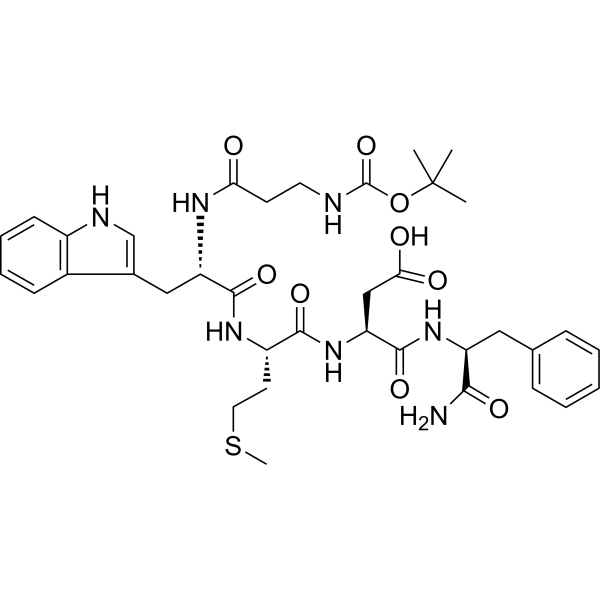
Pentagastrin (ICI-50123) is a potent, selective Cholecystokinin B (CCKB) receptor agonist with an EC50 value of 11 nM. Pentagastrin enhances gastric mucosal defense mechanisms against acid and protects the gastric mucosa from experimental injury .
loading...
    loading...
1
1 Cited Publications
Cat. No.: HY-B1330
CAS No.: 6620-60-6
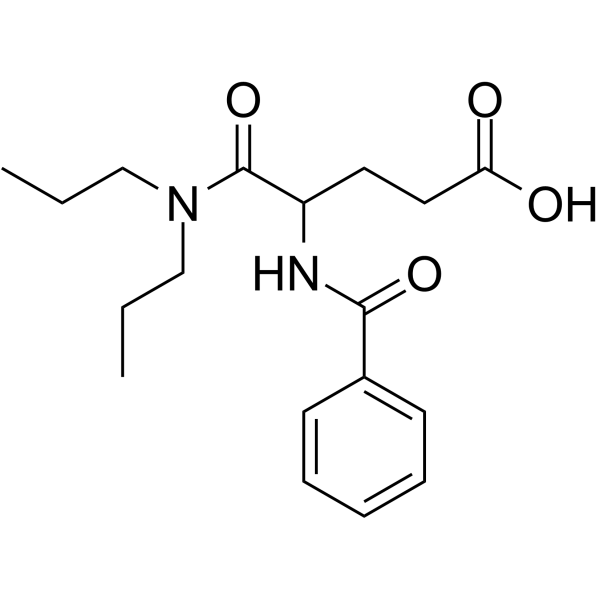
Proglumide is a nonpeptide and orally active cholecystokinin (CCK)-A/B receptors antagonist. Proglumide selective blocks CCK’s effects in the central nervous system (CNS). Proglumide has ability to inhibit gastric secretion and to protect the gastroduodenal mucosa. Proglumide also has antiepileptic and antioxidant activities .
loading...
    loading...
1
1 Cited Publications
Cat. No.: HY-W103183
CAS No.: 547-91-1
Synonyms: 8-Hydroxy-7-iodo-5-quinolinesulfonic acid
Target:  

Fungal Parasite

Research Areas:  

Infection

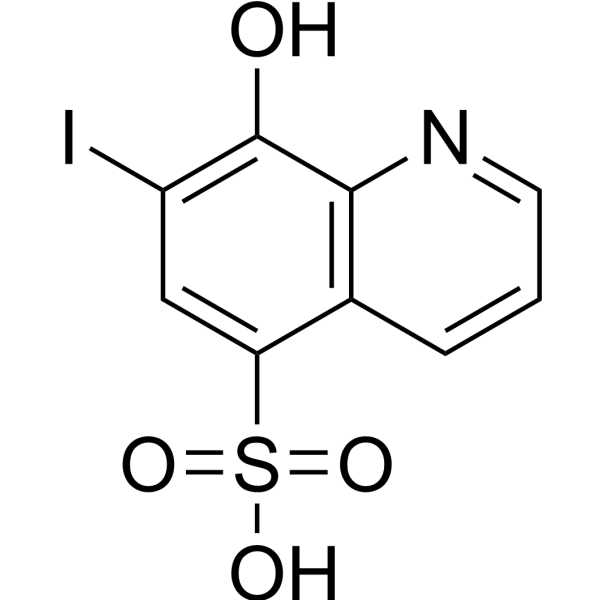
Ferron (8-Hydroxy-7-iodo-5-quinolinesulfonic acid) has antiseptic and antifungal activity. Ferron can prevent skin and mucosa bacterial irritations and inflammations .
loading...
    loading...
1
1 Cited Publications
Cat. No.: HY-130187A
CAS No.: 217477-25-3
Purity:  ≥98.0%
Target:  

Bacterial

Research Areas:  

Infection

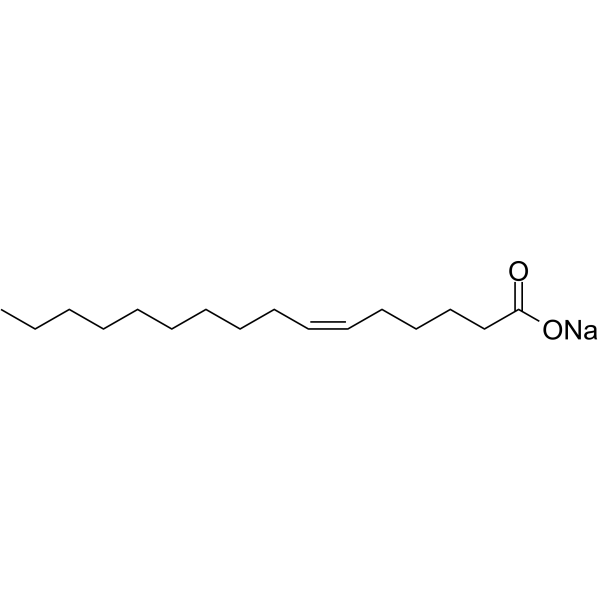
Sapienic acid sodium is a fatty acid commonly found on the skin and in mucosa. Sapienic acid sodium has variable antimicrobial activities against Gram-positive and Gram-negative bacteria found on the skin and in the oral cavity. Sapienic acid sodium is active against Streptococcus sanguinis, Streptococcus mitis and Fusobacterium nucleatum with MBC values of 31.3 μg/mL, 375.0 μg/mL and 93.8 μg/mL, respectively .
loading...
    loading...
1
1 Cited Publications
Cat. No.: HY-103354
CAS No.: 99247-33-3
Purity:  99.85%
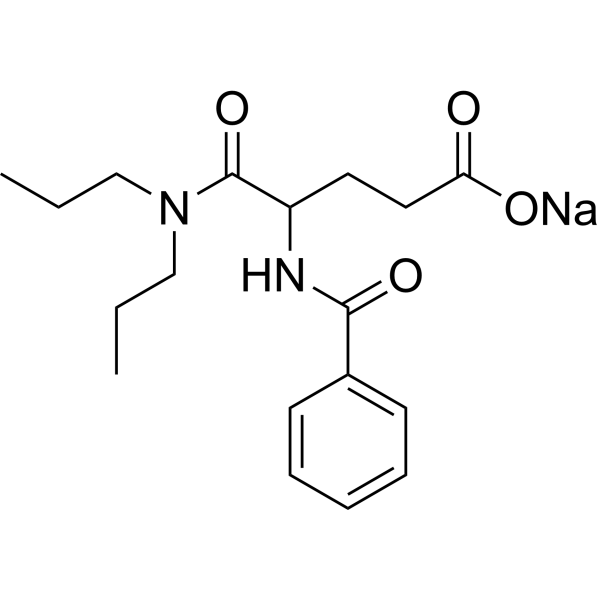
Proglumide sodium is a nonpeptide and orally active cholecystokinin (CCK)-A/B receptors antagonist. Proglumide sodium selective blocks CCK’s effects in the central nervous system (CNS). Proglumide sodium has ability to inhibit gastric secretion and to protect the gastroduodenal mucosa. Proglumide sodium also has antiepileptic and antioxidant activities .
loading...
    loading...
1
1 Cited Publications
Cat. No.: HY-109538
CAS No.: 17034-35-4
Purity:  99.16%
Target:  

Secretin Receptor

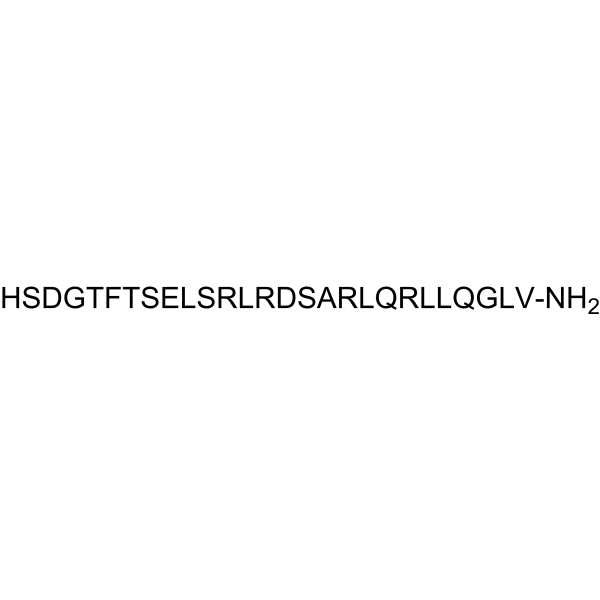
Secretin (swine), a neuroendocrine hormone, is the first hormone to be identifie and is secreted by S cells that are localized primarily in the mucosa of the duodenum. Secretin also is a 27-amino acid peptide, which acts on secretin receptors. Secretin is expressed by cells in all mature enteroendocrine cell subsets and can be prompted by fatty acids. Secretin stimulates the secretion of pancreatic water and bicarbonate. Secretin exerts various effects in organs, can be used for the research of digestive system, central nervous system and energy metabolism .
loading...
    loading...
1
1 Cited Publications
Cat. No.: HY-B0113S
CAS No.: 922731-01-9
Synonyms: H 16868-d3
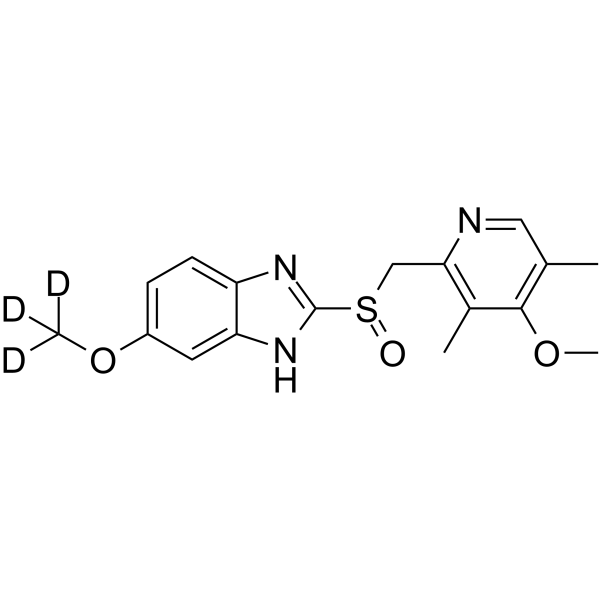
Omeprazole-d3 (H 16868-d3) is deuterium labeled Omeprazole. Omeprazole (H 16868) is an orally active H +,K +-ATPase inhibitor and a proton pump inhibitor. Omeprazole competitively inhibits CYP2C19, CYP3A4, and CYP2C9 activity. Omeprazole inhibits gastric acid secretion and can be used for acid-related gastrointestinal disorders. Omeprazole inhibits pancreatic cancer cell proliferation, induces apoptosis, autophagosome accumulation (elevated LC3-I and LC3-II levels), oxidative stress, and cytogenetic imbalance, modulates lysosomal transport, reduces inflammatory cytokines. Omeprazole alters small intestinal morphology and magnesium absorption, and induces gastric mucosa morphologic changes. Omeprazole also has neuroprotective and antibacterial effects .
loading...
    loading...
1
1 Cited Publications
Cat. No.: HY-130187
CAS No.: 17004-51-2
Target:  

Bacterial

Research Areas:  

Infection

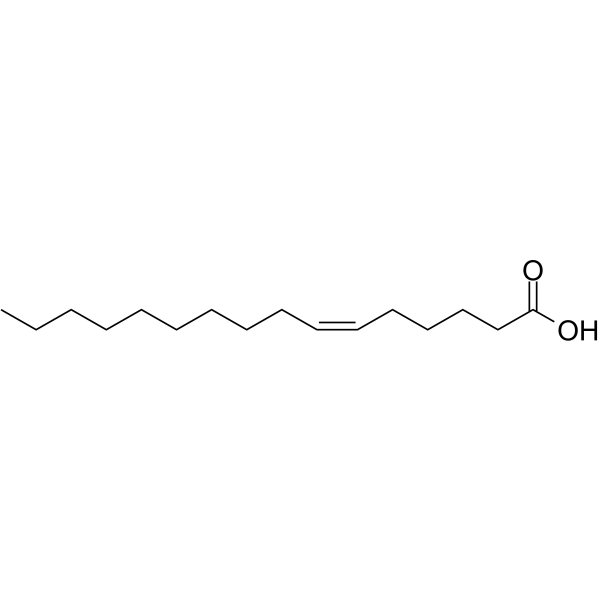
Sapienic acid is a fatty acid commonly found on the skin and in mucosa. Sapienic acid has variable antimicrobial activities against Gram-positive and Gram-negative bacteria found on the skin and in the oral cavity. Sapienic acid is active against Streptococcus sanguinis, Streptococcus mitis and Fusobacterium nucleatum with MBC values of 31.3 μg/mL, 375.0 μg/mL and 93.8 μg/mL, respectively .
loading...
    loading...
Cat. No.: HY-105174
CAS No.: 137525-51-0
Purity:  99.78%
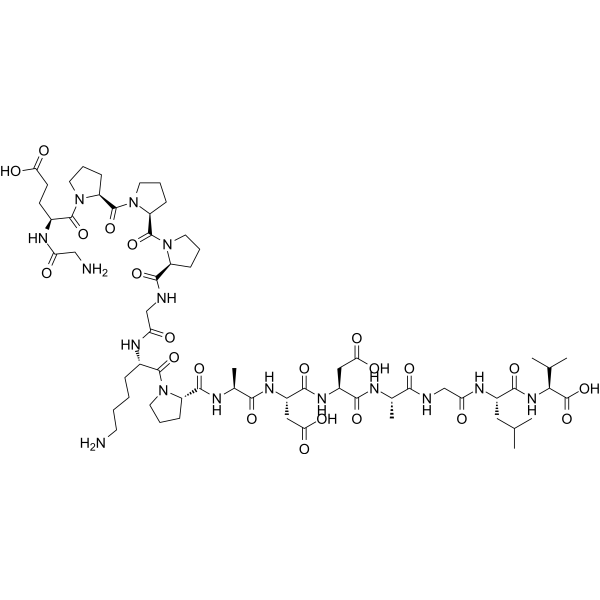
BPC 157 is the 15-amino acide fragment of gastric peptide BPC. BPC 157 exhibits wound healing promoting and neuroprotective activity. BPC 157 maintains the integrity of the gastrointestinal mucosa without significant toxicity. BPC 157 acetate counteracts NSAIDs/insulin overdose/copper-induced toxicity. BPC 157 ameliorates specific (over)stimulated/damaged neurotransmitter systems-induced behavioral disorders through serotonergic and dopaminergic systems .
loading...
    loading...
Cat. No.: HY-A0269
CAS No.: 32887-01-7
Synonyms: Amdinocillin; FL 1060
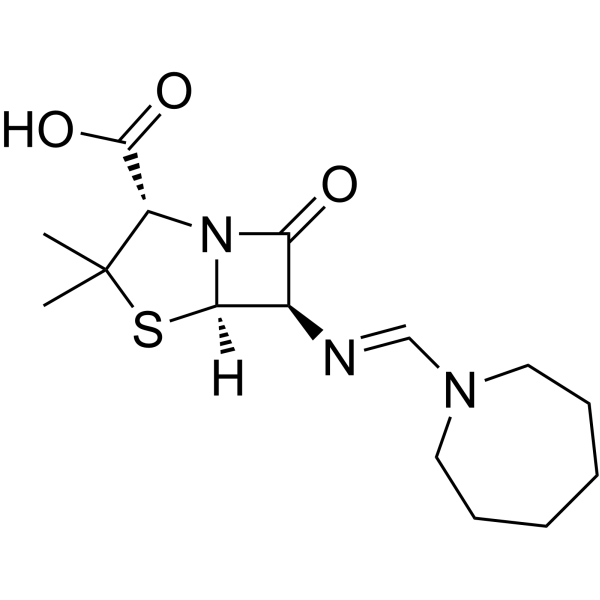
Mecillinam (Amdinocillin) is a β-lactam Antibiotic. Mecillinam inhibits PBP2. Mecillinam exhibits activity against Gram-negative Enterobacteriaceae, and NDM-/OXA-producing E. coli and K. pneumoniae, and can eradicate catheter/bladder mucosa biofilms and clear planktonic bacteria in urine. Mecillinam acts synergistically with β-lactams and Avibactam (HY-14879), enhancing the activity of β-lactams against E. coli in vitro/in vivo. Mecillinam can be used in research on catheter-associated bacteriuria, chlamydial infection and peritonitis/sepsis .
loading...
    loading...
Cat. No.: HY-W145518
CAS No.: 9000-69-5
Pectin is a heteropolysaccharide, derived from the cell wall of higher plants. Pectin involves in the formation of nanoparticles as a delivery vehicle of agents. Pectin is also an adsorbent, a broad-spectrum antimicrobial agent that binds to bacteria toxins and other irritants in the intestinal mucosa, relieves irritated mucosa .
loading...
    loading...

