62 Results for "

olfactory

" in MedChemExpress (MCE) Product Catalog:
Products (62)

62 Results for "olfactory" in MCE Product Catalog:

3
3 Cited Publications
Cat. No.: HY-116144
CAS No.: 119515-38-7
Purity:  98.00%
Synonyms: Lcaridin
Research Areas:  

Infection

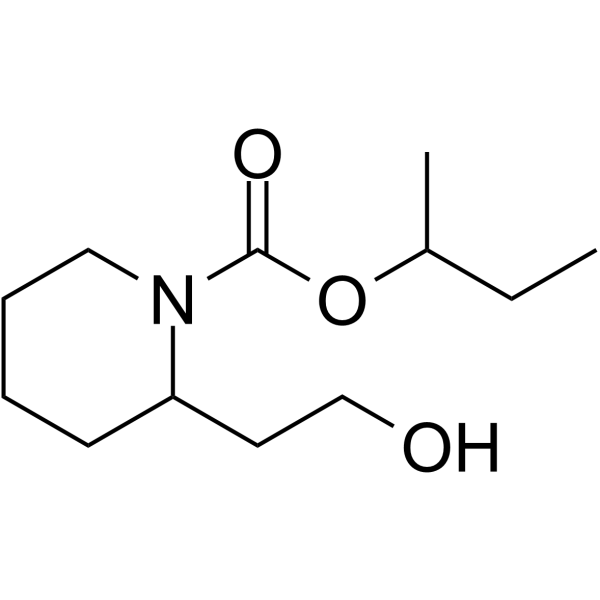
Picaridin (Lcaridin) is a broad spectrum arthropod repellent. Picaridin interacts with mosquito and tick olfactory receptor proteins. Picaridin repels Aedes aegypti. Picaridin exhibits considerable antibacterial, anticandidal and antifungal properties .
loading...
    loading...
2
2 Cited Publications
Cat. No.: HY-135190
CAS No.: 469-61-4
Purity:  ≥98.0%
Synonyms: α-cedrene
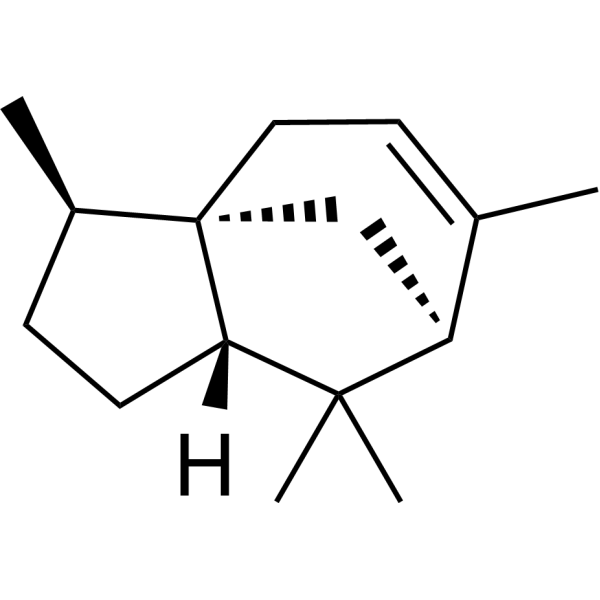
(-)-Cedrene (α-cedrene) is a major constituent that can be found in essential oils. (-)-Cedrene (α-cedrene) is a natural, orally active ligand of mouse olfactory receptor 23, which induces skeletal muscle hypertrophy in mice. (-)-Cedrene exhibits trypanocidal (Trypanosoma b. brucei) (IC50 = 4.07 μg/mL). (-)-Cedrene is antileukemic in vitro (IC50 = 22.2 μg/mL). (-)-Cedrene has antimicrobial activity against anaerobic bacteria and yeast. (-)-Cedrene exhibits anti-obesity activity .
loading...
    loading...
1
1 Cited Publications
Cat. No.: HY-N2085
CAS No.: 18031-40-8
Synonyms: (S)-(-)-Perillaldehyde; (S)-Perillaldehyde
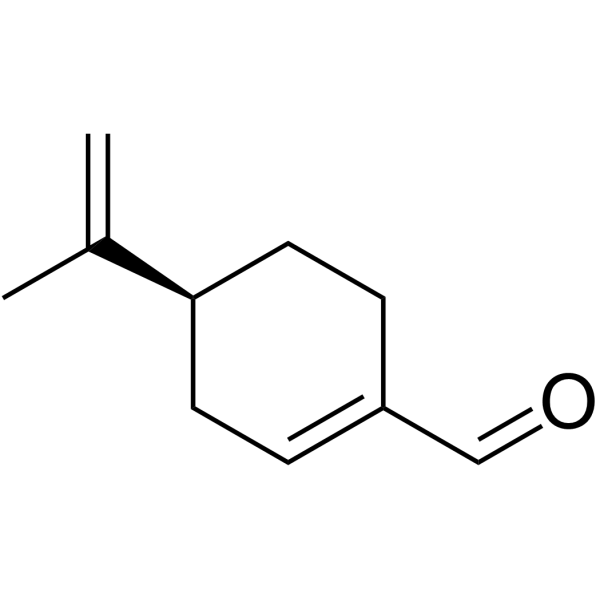
L-Perillaldehyde is a major component in the essential oil containing in Perillae Herba. Inhalation of L-Perillaldehyde shows antidepressant-like activity through the olfactory nervous function .
loading...
    loading...
1
1 Cited Publications
Cat. No.: HY-125751
CAS No.: 1434515-70-4
Purity:  99.53%
Target:  

Dopamine Receptor

Research Areas:  

Neurological Disease

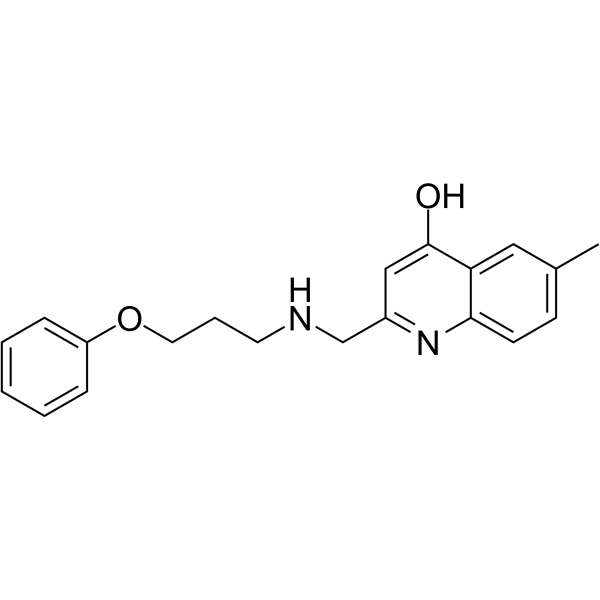
UCSF924, a chemical probe, is a potent and specific dopamine D4 receptor (DRD4) partial agonist with a EC50 of 4.2 nM. UCSF924 has no off-target effects on more than 320 non-olfactory GPCRs. UCSF924 can be used for research in the field of neuropsychiatric diseases .
loading...
    loading...
1
1 Cited Publications
Cat. No.: HY-137016A
CAS No.: 51239-26-0
Purity:  ≥99.0%
Target:  

HCN Channel

Research Areas:  

Neurological Disease

8-Pcpt-cGMP sodium is the sodium salt form of 8-Pcpt-cGMP (HY-137016). 8-Pcpt-cGMP sodium is an agonist for cyclic nucleotide-gated (CNG) channel with an EC50 of 0.5 μM. 8-Pcpt-cGMP sodium exhibits good membrane permeability. 8-Pcpt-cGMP sodium can be used in studies about the function of CNG channels in visual signal transduction and olfactory transduction .
loading...
    loading...
Cat. No.: HY-P990774
CAS No.: 2768386-15-6
Synonyms: ASP-7266; TRAB-1; UPB-101

Target:  

Interleukin Related

Research Areas:  

Inflammation/Immunology

Verekitug (ASP-7266; TRAB-1; UPB-101) is a human monoclonal antibody targeting the thymic stromal lymphopoietin receptor (TSLPR), with a mean half-life of approximately 20 days. At doses of Verekitug ≥100 mg, complete and sustained TSLPR-specific occupancy is achieved, and the antibody does not bind to IL-7Rα. By inhibiting TSLP-driven inflammatory responses, Verekitug blocks TSLP-induced cell proliferation and TARC expression, while reducing fractional exhaled NO levels, blood eosinophil counts, and levels of IL-5 and IgE. Verekitug significantly improves scores for nasal polyps, nasal congestion and olfactory dysfunction, with favorable safety and good tolerability; potential adverse reactions include headache, upper respiratory tract infection, sinusitis and nasopharyngitis. Verekitug is used in relevant studies on asthma, chronic rhinosinusitis with nasal polyps and chronic obstructive pulmonary disease .
loading...
    loading...
Cat. No.: HY-125934
CAS No.: 2464-18-8
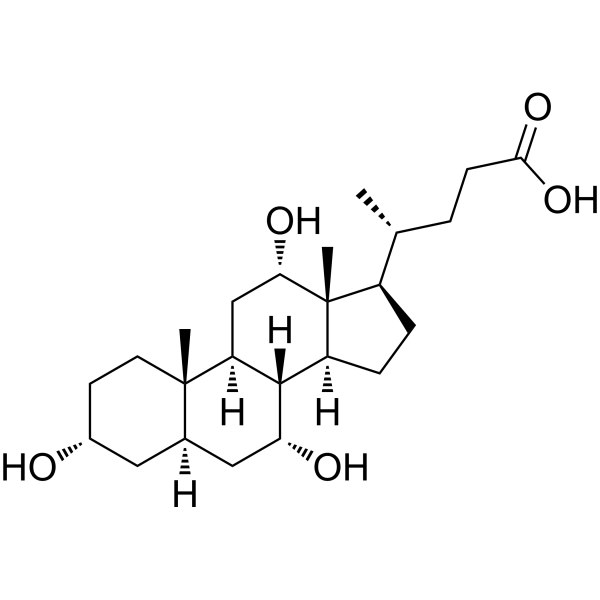
Allocholic acid is a typically fetal bile acid found in vertebrates and reappears during liver regeneration and carcinogenesis, besides it is also a conjugate acid of allocholate and an isomer of cholic acid. Allocholic acid is a potent and specific stimulant of the adult olfactory system, it has a role as a marine metabolite, a rat metabolite and a human metabolite .
loading...
    loading...
Cat. No.: HY-145567
CAS No.: 23062-06-8
Purity:  99.81%
Synonyms: PH94B
Target:  

Calcium Channel

Research Areas:  

Neurological Disease

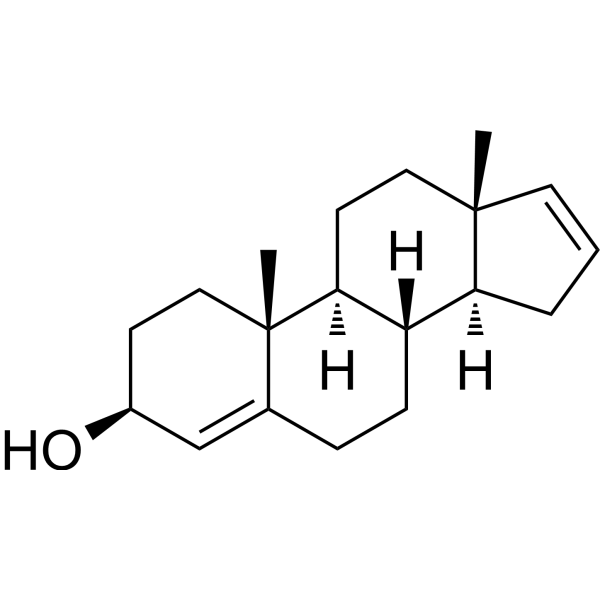
Fasedienol (PH94B) is a neurochemical stimulator of the vomeronasal organ (VON). Fasedienol significantly increases Ca ++. Fasedienol modulates the olfactory amygdala circuitry of fear and anxiety to alleviate symptoms of PMS and anxiety .
loading...
    loading...
Cat. No.: HY-N8847
CAS No.: 127-41-3
Synonyms: alpha-Ionone
α-Ionone (alpha-Ionone) is an activator of the olfactory receptor OR10A6. α-Ionone induces apoptosis by activating OR10A6 and increasing the phosphorylation of the LATS-YAP-TAZ signaling axis in the Hippo pathway. α-Ionone can inhibit tumor formation both in vivo and in vitro .
loading...
    loading...
Cat. No.: HY-128900
CAS No.: 6186-98-7
Purity:  98.9%
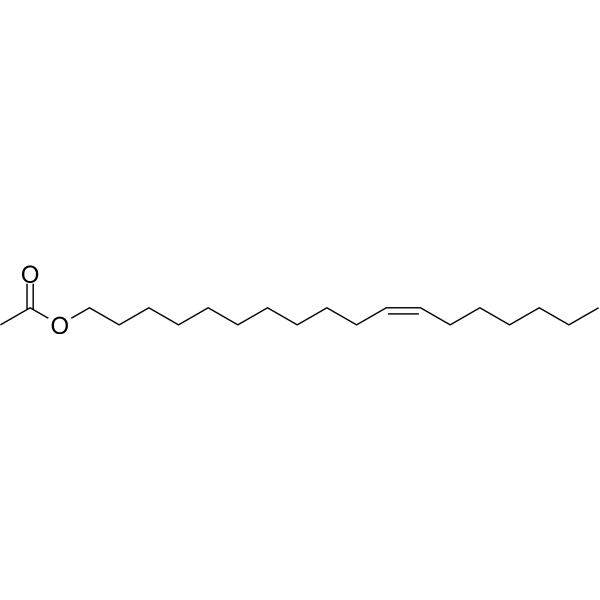
11-cis-Vaccenyl acetate is male-specific lipid that mediates aggregation behavior in both male and female flies, which activates a few dozen olfactory neurons located in T1 sensilla on the antenna of both male and female flies .
loading...
    loading...
Cat. No.: HY-120597
CAS No.: 1256269-87-0
Purity:  99.80%
Target:  

Calcium Channel

Research Areas:  

Neurological Disease

SAK3 is a potent T-type voltage-gated Ca 2+ channels (T-VGCCs) enhancer. SAK3 enhances Cav3.1 and Cav3.3 T-type Ca 2+ channel currents. Acute SAK3 administration improves memory deficits in olfactory-bulbectomized mice . SAK3 inhibits amyloid β plaque formation in APP-KI mice by activating the proteasome activity .
loading...
    loading...
Cat. No.: HY-125982
CAS No.: 525582-84-7
Purity:  ≥98.0%
Target:  

Insecticide

Research Areas:  

Others

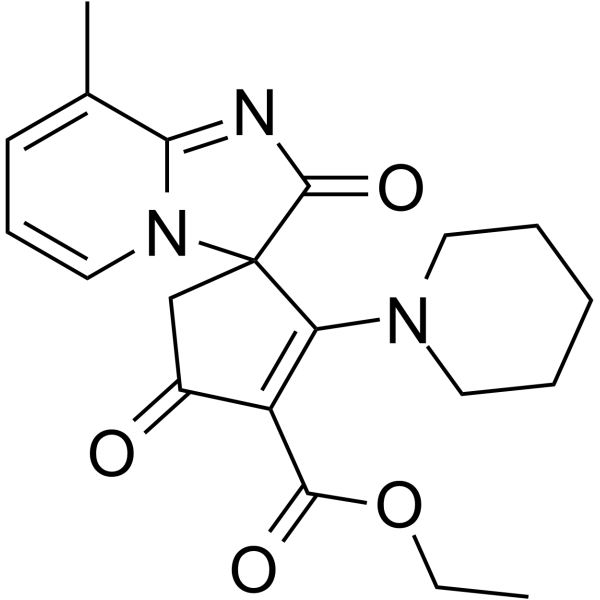
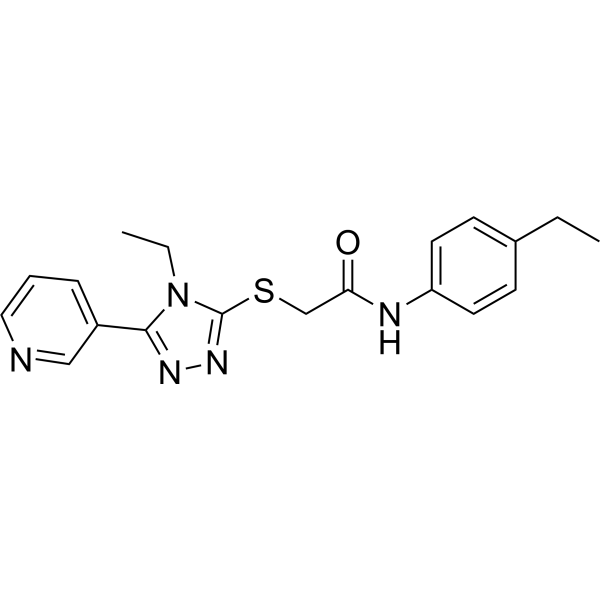
VUAA1 is an insect odorant co-receptor (Orco) agonist. VUAA1 activates both heteromeric and homomeric Orco-containing channels. VUAA1 can disrupt the destructive behaviors of nuisance insects. VUAA1 can be used for insect olfactory research .
loading...
    loading...
Cat. No.: HY-139783
CAS No.: 65113-99-7
Purity:  ≥98.0%
Research Areas:  

Others

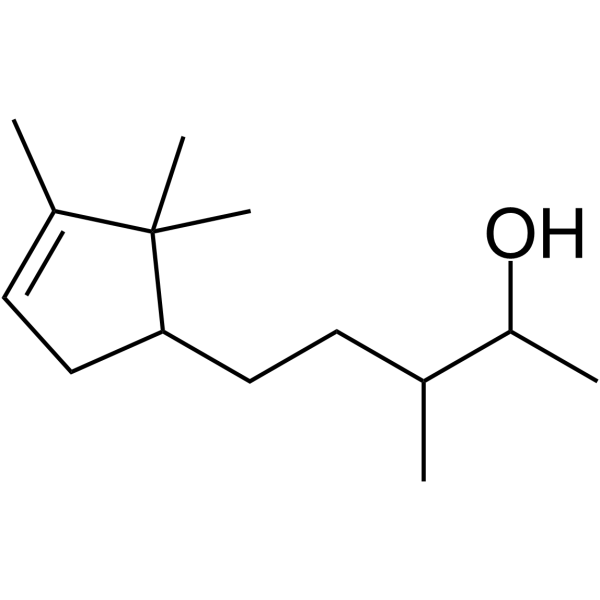
3-Campholenyl-2-butanol, a synthetic sandalwood odorant, is a selective olfactory receptor OR2AT4 agonist. 3-Campholenyl-2-butanol prolongs human hair growth ex vivo by decreasing apoptosis and increasing production of the anagen-prolonging growth factor IGF-1 in the outer root sheath (ORS) .
loading...
    loading...
Cat. No.: HY-W074514
CAS No.: 3333-13-9
Target:  

Insecticide

Research Areas:  

Others

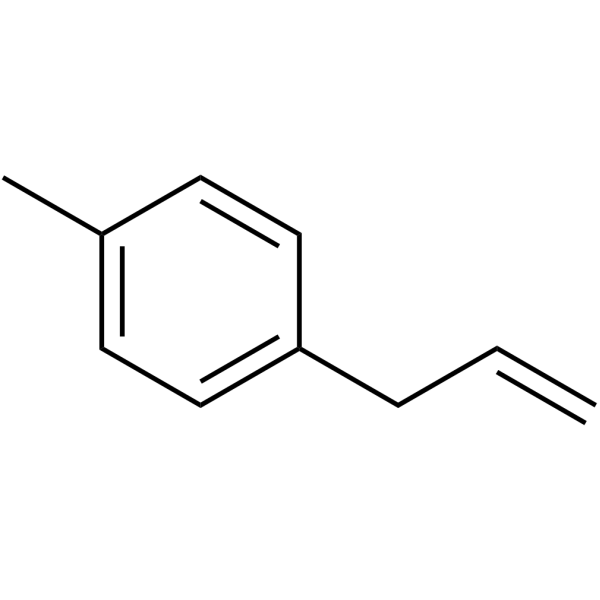
4-Allyltoluene, an aromatic compound, can elicite antennal olfactory response of Mediterranean fruit fly measured by electroantennography (EAG) .
loading...
    loading...
Cat. No.: HY-N7707
CAS No.: 28219-61-6
Research Areas:  

Cancer

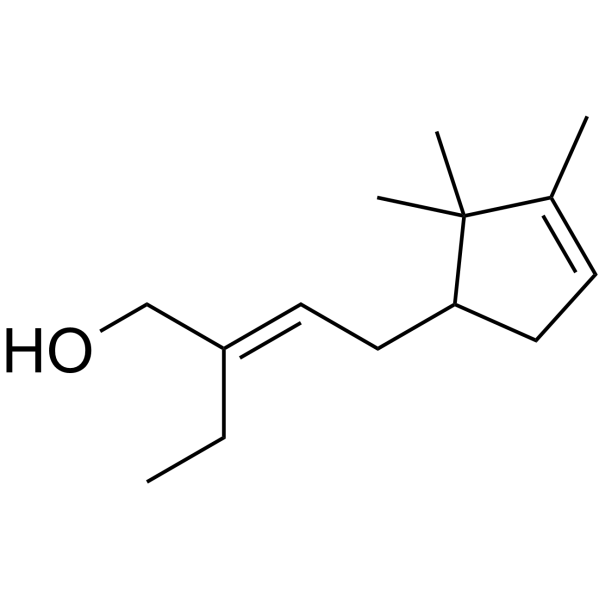
Sandacanol is a specific agonist of olfactory receptor (OR10H1). Sandacanol induces cell cycle arrest and some apoptosis in bladder cancer cells .
loading...
    loading...
Cat. No.: HY-116144R
CAS No.: 119515-38-7
Synonyms: Lcaridin (Standard)
Research Areas:  

Infection

Picaridin (Standard) is the analytical standard of Picaridin. This product is intended for research and analytical applications. Picaridin (Lcaridin) is a broad spectrum arthropod repellent. The repellent and deterrent activities of Picaridin involve olfactory sensing in mosquitoes, and ticks, via their interactions with odorant receptor proteins .
loading...
    loading...
Cat. No.: HY-W753791
CAS No.: 2111-75-3
(±)-Perillaldehyde has an antidepressant effect by modulating the olfactory nervous system in a mouse model of stress-induced depression. (±)-Perillaldehyde also has anti-inflammatory activity, inducing JNK activation in RAW264.7 cells and inhibiting the expression of TNF-α, with an IC50 of 171.7 μM .
loading...
    loading...
Cat. No.: HY-118967
CAS No.: 663212-40-6
Synonyms: VU0183254
Target:  

HCN Channel

Research Areas:  

Others

VUANT1 (VU0183254) is an allosteric antagonist of insect odorant receptor ion channels, which has the activity of inhibiting insect odorant receptor signaling. VUANT1 can inhibit the activation of insect odorant receptors through allosteric regulation, which is important for the study of the molecular mechanism of insect olfactory signaling. Although it may be of limited use in insect control programs, it can be used as a pharmacological tool to study related mechanisms.
loading...
    loading...
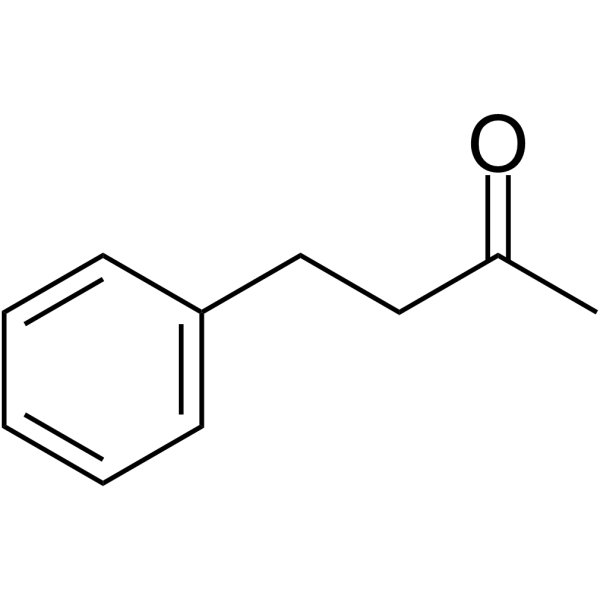
Cat. No.: HY-W015616
CAS No.: 2550-26-7
Synonyms: 4-Penylbutan-2-one
Benzylacetone (4-Penylbutan-2-one) is an aromatic compound. Benzylacetone is a mushroom tyrosinase inhibitor with an IC50 of 2.8 mM, a Ki of 1.25 mM for monophenolase and an IC50 of 0.6 mM, a Ki of 0.39 mM for diphenolase. Benzylacetone inhibits free mushroom tyrosinase and enzyme-substrate complex. Benzylacetone acts as an appetite enhancer via olfactory stimulation, reduces spontaneous locomotor activity, induces weight gain. Benzylacetone exhibits repellent, fumigant, and contact toxicity against Tribolium castaneum adults .
loading...
    loading...
Cat. No.: HY-113302
CAS No.: 510-64-5
Purity:  99.11%
19-Hydroxyandrost-4-ene-3,17-dione is an endogenous adrenal C19 steroid and also an agonist of the olfactory receptor OR51E2, with an EC50 of 0.15 nM. 19-Hydroxyandrost-4-ene-3,17-dione activates G protein-coupled receptor signaling pathways, drives neuroendocrine transdifferentiation, induces G0/G1 cell cycle arrest, reduces apoptosis and anabolic signaling, decreases cell viability, and reprograms cell metabolic profiles. 19-Hydroxyandrost-4-ene-3,17-dione induces sodium retention and hypertension, and its secretion is regulated by ACTH and the renin-angiotensin system. 19-Hydroxyandrost-4-ene-3,17-dione can be used in research related to prostate cancer, metastatic breast cancer, and hypertension .
loading...
    loading...

