7 Results for "

oligomer stabilization

" in MedChemExpress (MCE) Product Catalog:
Products (7)

7 Results for "oligomer stabilization" in MCE Product Catalog:

Cat. No.: HY-N12060
CAS No.: 90045-36-6
Ginkgo biloba extract is a natural product that can be isolated from Ginkgo biloba leaves . Ginkgo biloba extract alleviates oxidative stress-induced neuronal apoptosis (Apoptosis) by stabilizing mitochondrial function, regulating Bcl-2 family proteins and inhibiting caspase activation. Ginkgo biloba extract alleviates testicular injury by upregulating SKP2 and inhibiting Beclin1-independent autophagy (Autophagy) . Ginkgo biloba extract alleviates various types of neuronal damage in animal models. Ginkgo biloba extract reduces behavioral sensitization in rats. Ginkgo biloba extract counteracts Aβ-induced neurotoxicity by blocking a series of Aβ-triggered events, including glucose uptake, ROS accumulation, AKT activation, mitochondrial dysfunction, JNK and ERK 1/2 pathways, and apoptosis, and also interferes with the formation of Aβ oligomers. Ginkgo biloba extract is applicable to research related to cerebral hypoperfusion, testicular injury, Alzheimer's disease, Parkinson's disease, multi-infarct dementia, stroke, traumatic brain injury and amyotrophic lateral sclerosis .
loading...
    loading...
Cat. No.: HY-W010041
CAS No.: 488-59-5
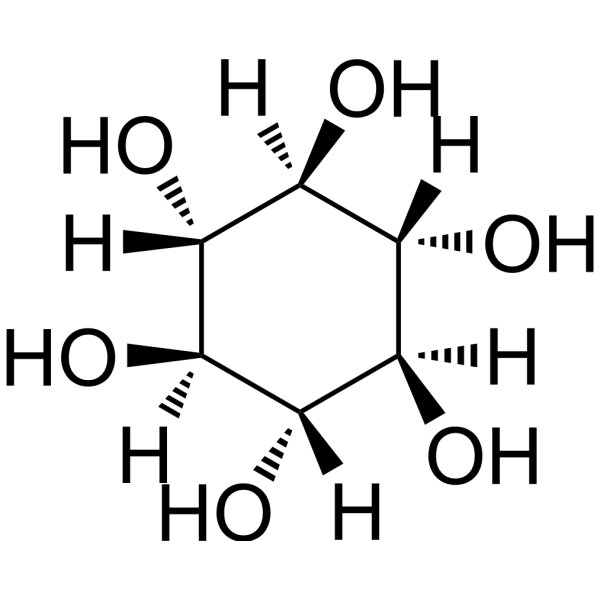
Scyllo-Inositol is an inhibitor that targets the aggregation of misfolded proteins (such as α-synuclein and Amyloid-β), is orally effective, and can cross the blood-brain barrier. Scyllo-Inositol can selectively bind to and stabilize non-toxic oligomers, preventing them from converting into toxic fibers, exerting protein homeostasis regulation and neuroprotective activity. Scyllo-Inositol binds to the hydrophobic region of pathogenic proteins, inhibits protein aggregation, and promotes lysosome- and proteasome-mediated degradation pathways, thereby reducing neurotoxicity. Scyllo-Inositol can be used in the study of neurodegenerative diseases such as Parkinson's disease, Alzheimer's disease, and Huntington's disease .
loading...
    loading...
Cat. No.: HY-13325
CAS No.: 71939-12-3
Research Areas:  

Neurological Disease

Aβ aggregation modulator-1 is a stimulator of amyloid-β (Aβ) fibrillogenesis. Aβ aggregation modulator-1 binds hydrophobic residues in Aβ peptides and stabilizes β-sheet-rich protofibrils and fibrils. Aβ aggregation modulator-1 accelerates Aβ polymerization and reduces concentrations of small, toxic Aβ oligomers in heterogeneous aggregation reactions. Aβ aggregation modulator-1 suppresses long-term potentiation (LTP) inhibition by Aβ oligomers in hippocampal brain slices. Aβ aggregation modulator-1 can be used for the study of Alzheimer's disease (AD) .
loading...
    loading...
Cat. No.: HY-W010041R
CAS No.: 488-59-5
Scyllo-Inositol is an inhibitor that targets the aggregation of misfolded proteins (such as α-synuclein and Amyloid-β), is orally effective, and can cross the blood-brain barrier. Scyllo-Inositol can selectively bind to and stabilize non-toxic oligomers, preventing them from converting into toxic fibers, exerting protein homeostasis regulation and neuroprotective activity. Scyllo-Inositol binds to the hydrophobic region of pathogenic proteins, inhibits protein aggregation, and promotes lysosome- and proteasome-mediated degradation pathways, thereby reducing neurotoxicity. Scyllo-Inositol can be used in the study of neurodegenerative diseases such as Parkinson's disease, Alzheimer's disease, and Huntington's disease .
loading...
    loading...
Cat. No.: HY-W707693
CAS No.: 115268-26-3
Scyllo-Inositol-d6 is the deuterium labeled Scyllo-Inositol (HY-W010041). Scyllo-Inositol is an inhibitor that targets the aggregation of misfolded proteins (such as α-synuclein and Amyloid-β), is orally effective, and can cross the blood-brain barrier. Scyllo-Inositol can selectively bind to and stabilize non-toxic oligomers, preventing them from converting into toxic fibers, exerting protein homeostasis regulation and neuroprotective activity. Scyllo-Inositol binds to the hydrophobic region of pathogenic proteins, inhibits protein aggregation, and promotes lysosome- and proteasome-mediated degradation pathways, thereby reducing neurotoxicity. Scyllo-Inositol can be used in the study of neurodegenerative diseases such as Parkinson's disease, Alzheimer's disease, and Huntington's disease .
loading...
    loading...
Cat. No.: HY-D3573
Research Areas:  

Others

AF488 C5 Maleimide is a thiol-reactive Fluorescent dye used to label target proteins and bacterial structures. AF488 C5 Maleimide irreversibly forms covalent thioether conjugates with cysteine ​​thiol groups. AF488 C5 Maleimide stabilizes pre-formed globular low-molecular-weight Tau protein oligomers by blocking cysteine-dependent tau protein aggregation, allowing observation of the internalization process of tau protein oligomers into neuronal cells via confocal microscopy. AF488 C5 Maleimide can label cysteine-modified pili; the outer membrane permeability varies among different bacterial species, allowing imaging via epifluorescence microscopy using a FITC filter set .
loading...
    loading...
Cat. No.: HY-190530
CAS No.: 2891801-74-2
Target:  

HDAC NF-κB

Research Areas:  

Neurological Disease

HDAC6-IN-88 is a selective HDAC6 inhibitor with an IC50 of 28 nM. HDAC6-IN-88 directly binds to HDAC6 and prevents the deacetylation of α-tubulin (α-tubulin) and Hsp90. HDAC6-IN-88 enhances microglial phagocytosis, promotes microtubule stabilization, and inhibits NF-κB pathway activation. DAC6-IN-88 ameliorates cognitive deficits in Aβ1-42 oligomer-induced mice, reverses HDAC6-related changes in hippocampal biomarkers, and exhibits good biosafety. HDAC6-IN-88 can be used for research related to Alzheimer's disease .
loading...
    loading...

