692 Results for "

parasite killing kinetics

" in MedChemExpress (MCE) Product Catalog:
Products (692)

692 Results for "parasite killing kinetics" in MCE Product Catalog:

51
51 Publications Verification
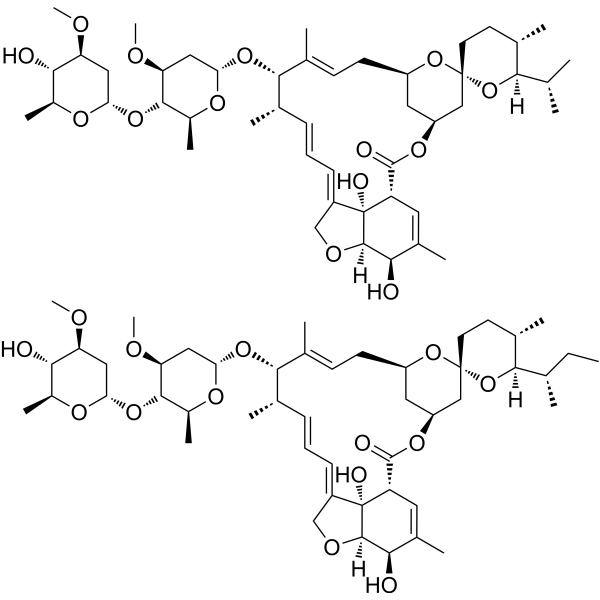
Cat. No.: HY-15310
CAS No.: 70288-86-7
Purity:  98.28%
Synonyms: MK-933; CD-5024; K-237
Ivermectin (MK-933) is a broad-spectrum anti-parasite agent. Ivermectin (MK-933) is a specific inhibitor of Impα/β1-mediated nuclear import and has potent antiviral activity towards both HIV-1 and dengue virus. It is a positive allosteric effector of P2X4 and the α7 neuronal nicotinic acetylcholine receptor (nAChRs). Ivermectin also inhibits bovine herpesvirus1 (BoHV-1) replication and inhibits BoHV-1 DNA polymerase nuclear import . Ivermectin is a candidate therapeutic against SARS-CoV-2/COVID-19 .
loading...
    loading...
44
44 Cited Publications
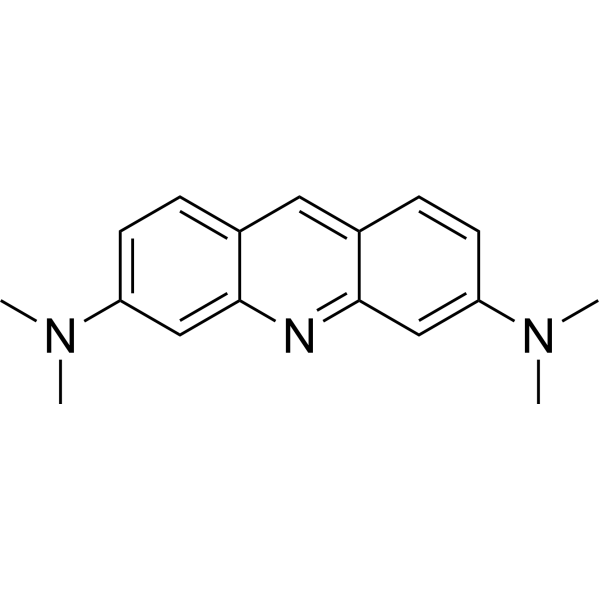
Cat. No.: HY-D0952
CAS No.: 494-38-2
Acridine Orange base is a cell-permeable fluorescent dye that stains organisms (bacteria, parasites, viruses, etc.) bright orange and, when used under appropriate conditions (pH=3.5, Ex=460 nm), distinguishes human cells in green for detection by fluorescence microscopy. Acridine Orange base fluoresces green when bound to dsDNA (Ex=488, Em=520-524) and red when bound to ssDNA (Ex=457, Em=630-644) or ssRNA (Ex=457, Em=630-644), also can be used in cell cycle assays .
loading...
    loading...
25
25 Cited Publications
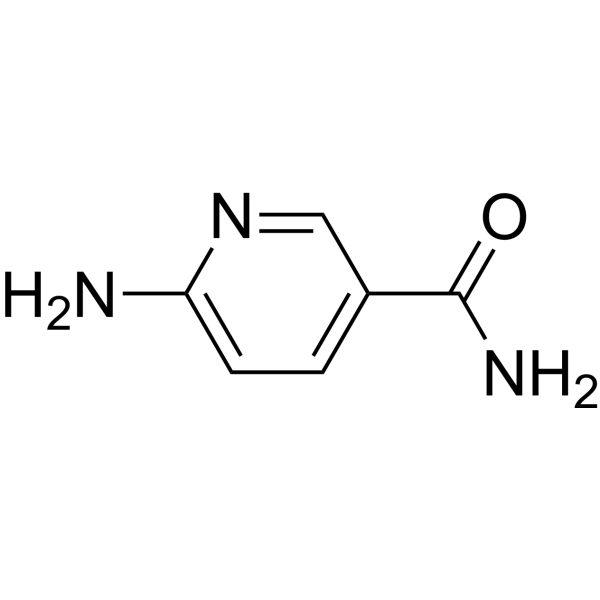
Cat. No.: HY-W010342
CAS No.: 329-89-5
Target:  

NADPH Oxidase

Research Areas:  

Cancer

6-Aminonicotinamide, a potent antimetabolite of nicotinamide, is competitive NADP +-dependent enzyme glucose-6-phosphate dehydrogenase (G6PD) inhibitor (Ki=0.46 μM). 6-Aminonicotinamide resultis ATP depletion and synergizes with DNA-crosslinking chemotherapy agents, such as Cisplatin (HY-17394), in killing cancer cells .
loading...
    loading...
23
23 Cited Publications
Cat. No.: HY-W099571
CAS No.: 4485-12-5
Synonyms: Stearic acid lithium; Lithium octadecanoate
Lithium stearate (Stearic acid (lithium)) is a compound that forms vesicles in reaction with silver nitrate, thereby changing the reaction kinetics of the nucleation and self-assembly process of silver stearate. It has the activity that even in the presence of excess silver nitrate, only about 80% can be converted into silver stearate and the residual lithium stearate will inhibit the growth process of silver stearate crystals, thereby producing silver stearate crystals that are much smaller than those obtained from sodium stearate, providing an opportunity to further control the self-assembly and crystal growth of silver stearate.
loading...
    loading...
22
22 Cited Publications
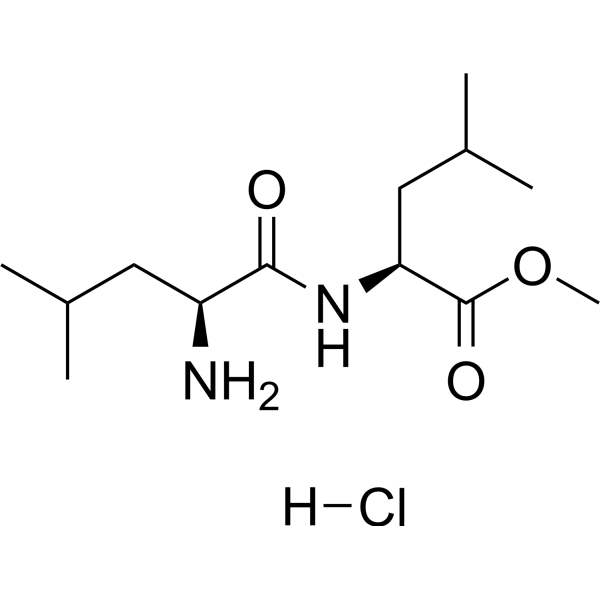
Cat. No.: HY-129905
CAS No.: 6491-83-4
Purity:  98.92%
Synonyms: LLOMe hydrochloride; Leu-Leu methyl ester hydrochloride; H-Leu-Leu-OMe hydrochloride
L-Leucyl-L-Leucine methyl ester (LLOMe; Leu-Leu methyl ester; H-Leu-Leu-OMe) hydrochloride is a lysosomal disrupting agent and apoptosis inducer that, through receptor-mediated endocytosis and lysosomal dipeptidyl peptidase I conversion, induces caspase activation, lysosomal membrane permeabilization, and DNA fragmentation, and requires cathepsin C to exert membrane-lytic activity, thereby selectively killing natural killer cells. L-Leucyl-L-Leucine methyl ester hydrochloride can be used for research related to lysosomal function and apoptosis .
loading...
    loading...
22
22 Cited Publications
Cat. No.: HY-129905A
CAS No.: 16689-14-8
Purity:  99.69%
Synonyms: LLOMe hydrobromide; Leu-Leu methyl ester hydrobromide; H-Leu-Leu-OMe hydrobromide
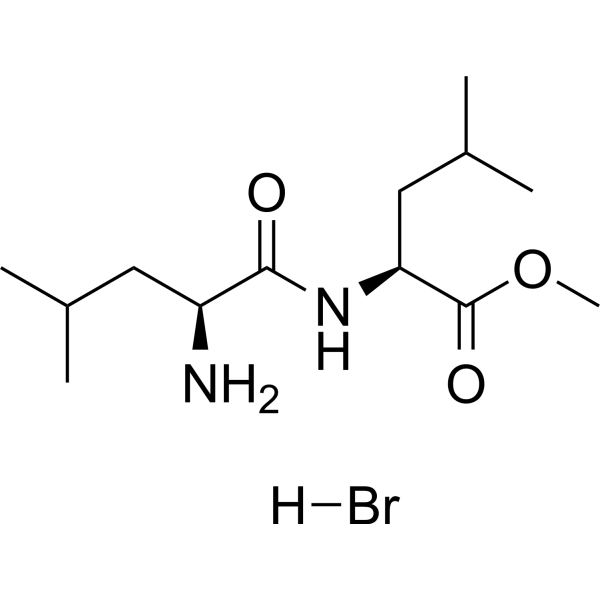
L-Leucyl-L-Leucine methyl ester (LLOMe; Leu-Leu methyl ester; H-Leu-Leu-OMe) hydrobromide is a lysosomal disrupting agent and apoptosis inducer that, through receptor-mediated endocytosis and lysosomal dipeptidyl peptidase I conversion, induces caspase activation, lysosomal membrane permeabilization, and DNA fragmentation, and requires cathepsin C to exert membrane-lytic activity, thereby selectively killing natural killer cells. L-Leucyl-L-Leucine methyl ester hydrobromide can be used for research related to lysosomal function and apoptosis .
loading...
    loading...
18
18 Cited Publications
Cat. No.: HY-143218
CAS No.: 1245606-71-6
Purity:  98.05%
Synonyms: Tetraphenylethene maleimide
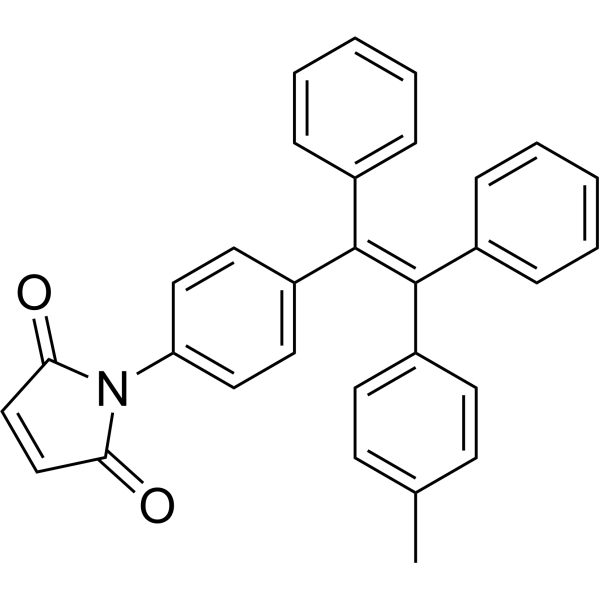
TPE-MI (Tetraphenylethene maleimide) is a thiol probe for measuring unfolded protein load and proteostasis in cells (the excitation wavelength is 350 nm and the emission wavelength is 470 nm). TPE-MI can report imbalances in proteostasis in induced pluripotent stem cell models of Huntington disease, as well as cells transfected with mutant Huntington exon 1 before the formation of visible aggregates. TPE-MI also detects protein damage following dihydroartemisinin research of the malaria parasites Plasmodium falciparum .
loading...
    loading...
14
14 Cited Publications
Cat. No.: HY-18062
CAS No.: 58-14-0
Synonyms: Pirimecidan; Pirimetamin; RP 4753
Target:  

Antifolate Parasite

Research Areas:  

Infection Cancer

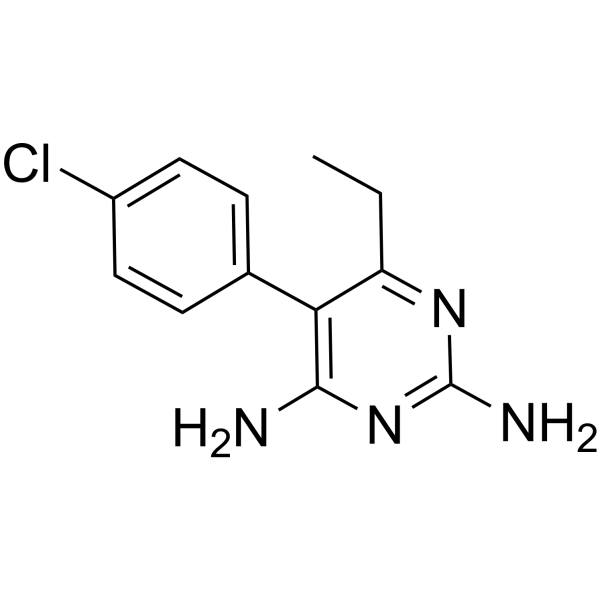
Pyrimethamine (Pirimecidan) is a potent, orally active dihydrofolate reductase (DHFR) inhibitor. Pyrimethamine is an antimalarial agent. Pyrimethamine affects the nucleoprotein metabolism of malarial parasites by interference in the folic–folinic acid systems and affects cell division by inhibiting the conversion of dihydrofolate to tetrahydrofolate .
loading...
    loading...
11
11 Cited Publications
Cat. No.: HY-134582
CAS No.: 2484739-25-3
Purity:  99.37%
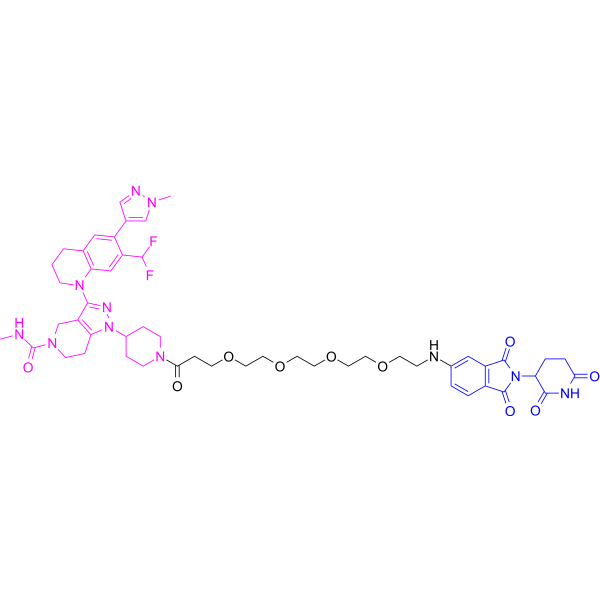
dCBP-1 is a potent and selective heterobifunctional degrader of p300/CBP based on Cereblon ligand. dCBP-1 is exceptionally potent at killing multiple myeloma cells and ablates oncogenic enhancer activity driving MYC expression .
loading...
    loading...
10
10 Cited Publications
Cat. No.: HY-B0537
CAS No.: 100-33-4
Synonyms: MP-601205
Research Areas:  

Infection Cancer

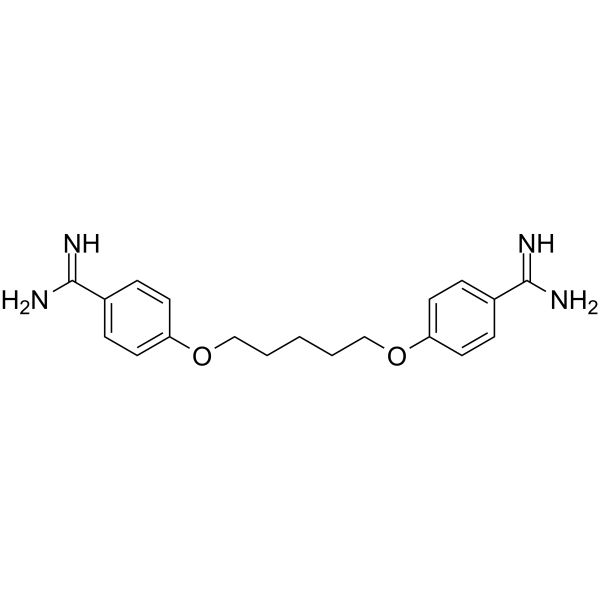
Pentamidine (MP-601205) is an antimicrobial agent and interferes with DNA biosynthetics. Pentamidine inhibits parasite Leishmania infantum with an IC50 of 2.5 μM. Pentamidine is a potent and selective protein tyrosine phosphatases (PTPases) and phosphatase of regenerating liver (PRL) inhibitor. Pentamidine has the potential for Gambian trypanosomiasis, antimony-resistant leishmaniasis, and Pneumocystis carinii pneumonia treatment. Antitumor and antibacterial activities .
loading...
    loading...
10
10 Cited Publications
Cat. No.: HY-B0537B
CAS No.: 140-64-7
Synonyms: MP-601205 isethionate
Research Areas:  

Infection Cancer

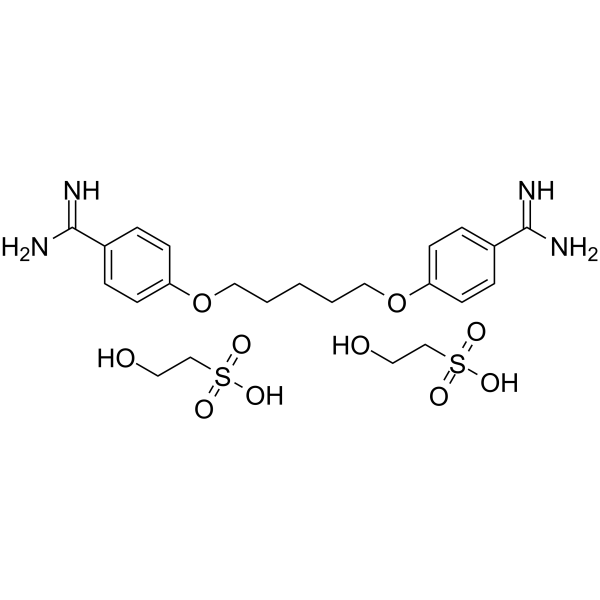
Pentamidine isethionate (MP-601205 isethionate) is an antimicrobial agent and interferes with DNA biosynthetics. Pentamidine isethionate inhibits parasite Leishmania infantum with an IC50 of 2.5 μM. Pentamidine isethionate is a potent and selective protein tyrosine phosphatases (PTPases) and phosphatase of regenerating liver (PRL) inhibitor. Pentamidine isethionate has the potential for Gambian trypanosomiasis, antimony-resistant leishmaniasis, and Pneumocystis carinii pneumonia treatment. Antitumor and antibacterial activities .
loading...
    loading...
10
10 Cited Publications
Cat. No.: HY-N0281
CAS No.: 486-35-1
Synonyms: 7,8-Dihydroxycoumarin
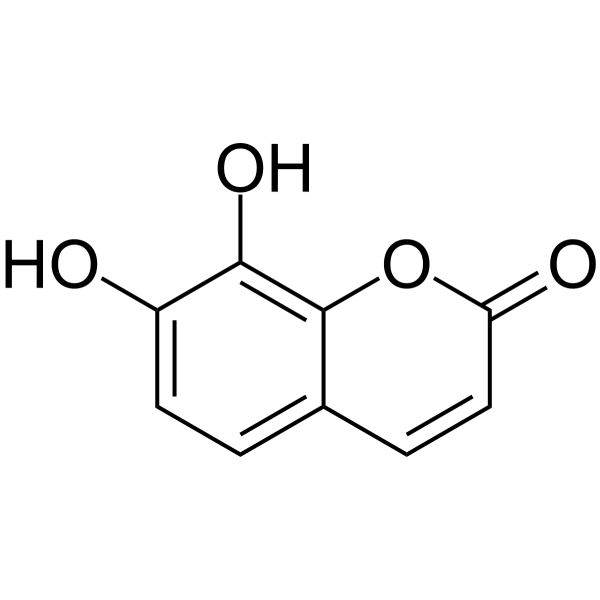
Daphnetin (7,8-dihydroxycoumarin), one coumarin derivative can be found in plants of the Genus Daphne, is a potent, oral active protein kinase inhibitor, with IC50s of 7.67 μM, 9.33 μM and 25.01 μM for EGFR, PKA and PKC in vitro, respectively. Daphnetin triggers ROS-induced cell apoptosis and induces cytoprotective autophagy by modulating the AMPK/Akt/mTOR pathway. Daphnetin has anti-inflammation activitity and inhibits TNF-α, IL-1β, ROS, and MDA production. Daphnetin has schizontocidal activity against malaria parasites. Daphnetin can be used for rheumatoid arthritis , cancer and anti-malarian research .
loading...
    loading...
8
8 Cited Publications
Cat. No.: HY-B0223
CAS No.: 54965-21-8
Synonyms: SKF-62979
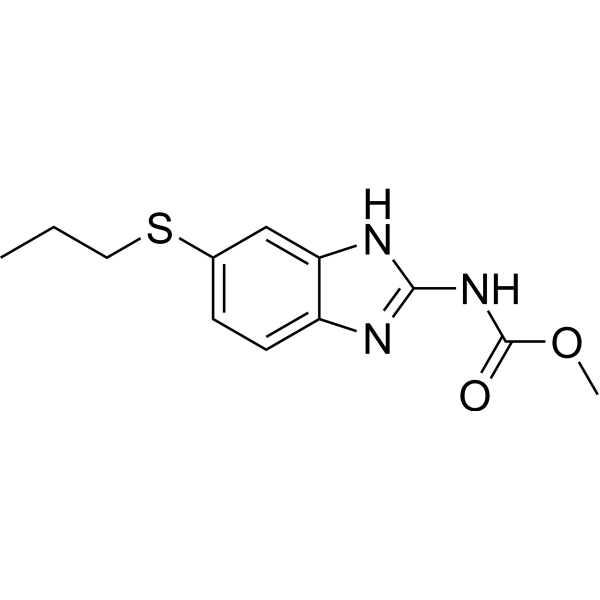
Albendazole (SKF-62979) is an orally active and broad-spectrum parasiticide with high effectiveness and low host toxicity, is used for the research of gastrointestinal parasites in humans and animals. Albendazole induces apoptosis and autophagy in cancer cells. Albendazole also inhibits tubulin polymerization and HIF-1α, VEGF expression, has antioxidant activity, and inhibits the glycolytic process in cancer cells .
loading...
    loading...
8
8 Cited Publications
Cat. No.: HY-100903
CAS No.: 113158-34-2
Purity:  98.91%
Synonyms: nor-Binaltorphimine dihydrochloride; nor-BNI dihydrochloride
Target:  

Opioid Receptor

Research Areas:  

Neurological Disease

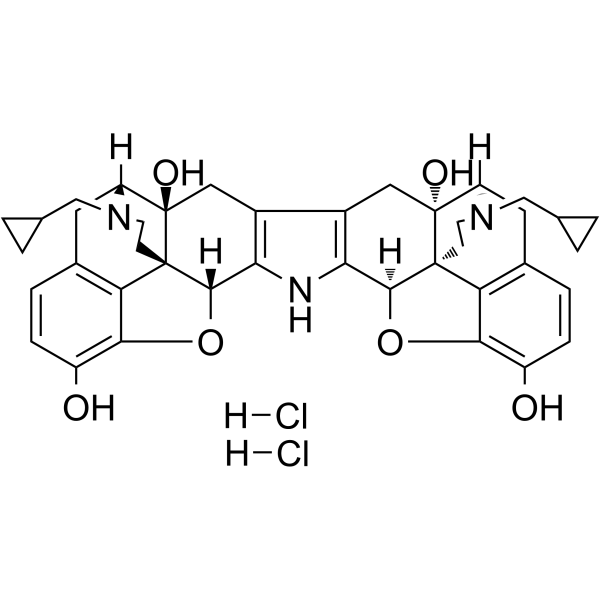
Norbinaltorphimine dihydrochloride (nor-Binaltorphimine dihydrochloride; nor-BNI dihydrochloride) is a selective, long-acting competitive antagonist of the κ-opioid receptor. Norbinaltorphimine dihydrochloride blocks κ-opioid receptor-mediated analgesic effects, and inhibits butorphanol-induced changes in κ-opioid receptor binding kinetics, desensitization and down-regulation. Norbinaltorphimine dihydrochloride suppresses specific opioid withdrawal symptoms, precipitates withdrawal behaviors in butorphanol-dependent rats, and serves as a molecular probe for studying κ-opioid receptor-agonist interactions. Norbinaltorphimine dihydrochloride is applicable to research related to neurological disorders such as pain .
loading...
    loading...
8
8 Cited Publications
Cat. No.: HY-117040
CAS No.: 105618-26-6
Purity:  98.70%
Synonyms: Norbinaltorphimine; NorBNI
Target:  

Opioid Receptor

Research Areas:  

Neurological Disease

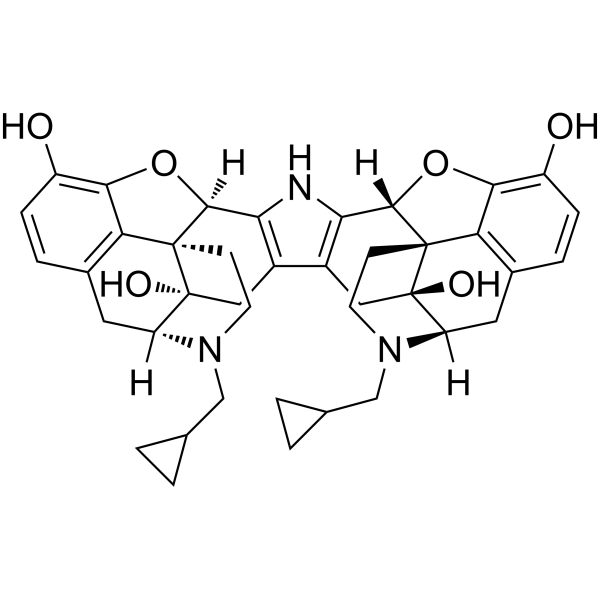
nor-Binaltorphimine (Norbinaltorphimine; NorBNI) is a selective, long-acting competitive antagonist of the κ-opioid receptor. nor-Binaltorphimine blocks κ-opioid receptor-mediated analgesic effects, and inhibits butorphanol-induced changes in κ-opioid receptor binding kinetics, desensitization and down-regulation. nor-Binaltorphimine suppresses specific opioid withdrawal symptoms, precipitates withdrawal behaviors in butorphanol-dependent rats, and serves as a molecular probe for studying κ-opioid receptor-agonist interactions. nor-Binaltorphimine is applicable to research related to neurological disorders such as pain .
loading...
    loading...
7
7 Cited Publications
Cat. No.: HY-B0294
CAS No.: 31430-15-6
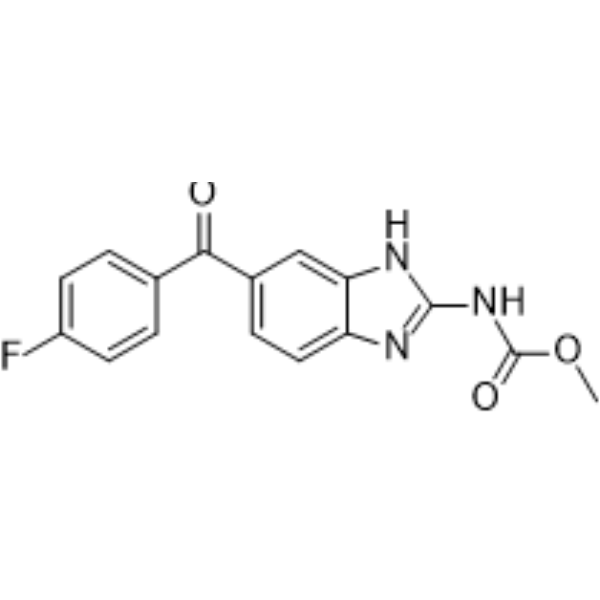
Flubendazole is an anthelmintic drug based on altering microtubule structure, inhibition of tubulin polymerization and disruption of microtubule function. Flubendazole induces apoptosis in human colorectal cancer (CRC) by blocking the STAT3 signaling axis and activation of autophagy. Flubendazole induces P53 expression and reduced Cyclin B1 and p-cdc2 expression. Flubendazole is an antitumor agent. Flubendazole can be used for worm and intestinal parasites .
loading...
    loading...
7
7 Cited Publications
Cat. No.: HY-129046
CAS No.: 9001-99-4
Synonyms: Ribonuclease A; EC 4.6.1.18; RNase A
Research Areas:  

Others

RNase A (Bovine pancreatic RNase) is a widely used Endonuclease in DNA purification by specifically hydrolyzing cytosine or uracil residues of RNA. RNase A degrades the RNA in the RNA/DNA duplex. RNase A catalyses the breakdown of 3',5'-phosphodiester linkages of single stranded RNA. RNase A family members in organisms are tightly involved in various physiological and pathological processes including cell growth and development, proliferation, differentiation and migration. Dysregulation of RNase A activity or expression level is closely related to pancreatic, ovarian, bladder and thyroid cancer. RNase A has tumor cell-killing ability .
loading...
    loading...
6
6 Cited Publications
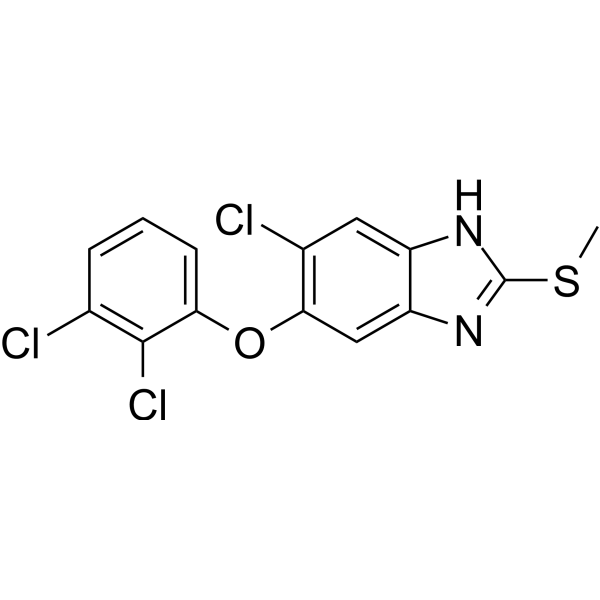
Cat. No.: HY-B0621
CAS No.: 68786-66-3
Synonyms: CGA89317
Research Areas:  

Infection

Triclabendazole is an orally active parasite inhibitor. Triclabendazole has anti-Leishmania activity and induces gasdermin E (GSDME)-dependent pyroptosis by caspase-3 activation. Triclabendazole can be used for the research of fasciola hepatica .
loading...
    loading...
6
6 Cited Publications
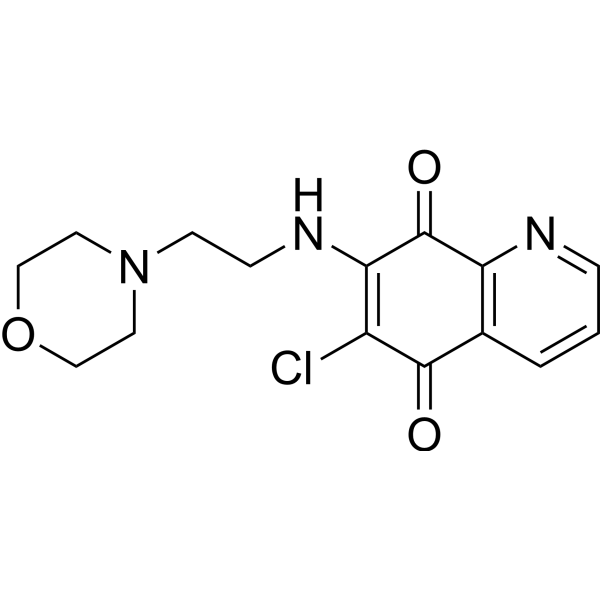
Cat. No.: HY-100034
CAS No.: 383907-43-5
Purity:  99.29%
Synonyms: DA-3003-1
Research Areas:  

Cancer

NSC 663284 (DA-3003-1) is a potent, cell-permeable, and irreversible Cdc25 dual specificity phosphatase inhibitor, has an IC50 for Cdc25B2 of 0.21 μM. NSC 663284 exhibits mixed competitive kinetics against Cdc25A, Cdc25B(2), and Cdc25C with Ki values of 29, 95, and 89 nM, respectively . NSC 663284 inhibits NSD2 (IC50 of 170 nM) through a direct interaction with the catalytic SET domain (Kd of 370 nM) .
loading...
    loading...
6
6 Cited Publications
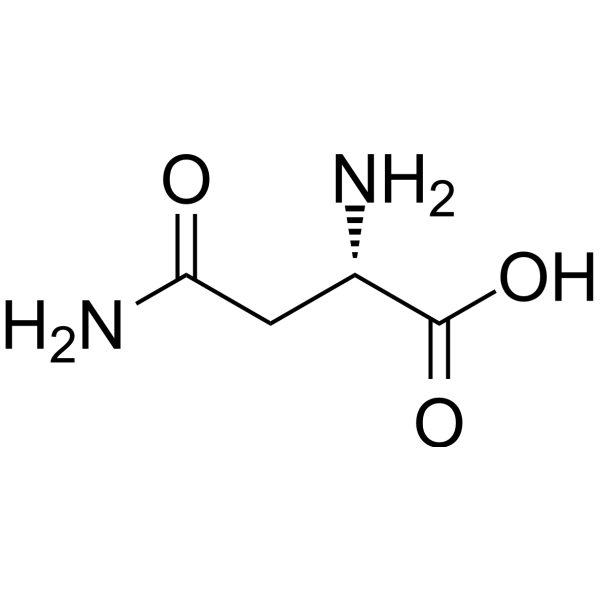
Cat. No.: HY-N0667
CAS No.: 70-47-3
Synonyms: (-)-Asparagine; Asn; Asparamide
L-Asparagine is an essential amino acid for leukemic cells and a substrate for L-Asparaginase. L-Asparaginase is a potent anti-leukemic enzyme that promotes asparagine (Asn) and glutamine (Gln) depletion and inhibits protein biosynthesis in lymphoblasts. Removal of L-asparagine from plasma by L-Asparaginase results in inhibition of RNA and DNA synthesis and subsequent apoptosis. L-Asparaginase has cell-killing ability in vitro and in vivo, and selectively inhibits the growth of cancer cells with low asparagine synthetase (AASNS) expression. L-Asparagine can be used as a biomarker and sensor for the study of childhood acute lymphoblastic leukemia .
loading...
    loading...

