25 Results for "

pore formation

" in MedChemExpress (MCE) Product Catalog:
Products (25)

25 Results for "pore formation" in MCE Product Catalog:

530
530 Publications Verification
Cat. No.: HY-13453
CAS No.: 19542-67-7
Purity:  99.98%
Synonyms: BAY 11-7821
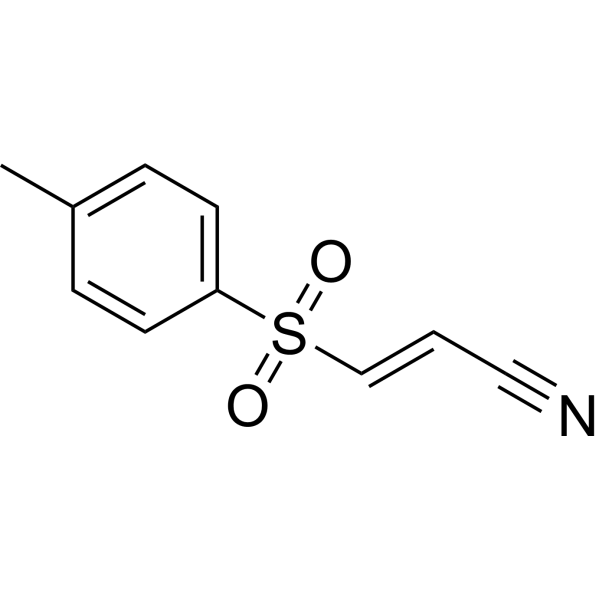
BAY 11-7082 is an IκBα phosphorylation and NF-κB inhibitor. BAY 11-7082 selectively and irreversibly inhibits the TNF-α-induced phosphorylation of IκB-α, and decreases NF-κB and expression of adhesion molecules. BAY 11-7082 inhibits ubiquitin-specific protease USP7 and USP21 (IC50=0.19, 0.96 μM, respectively). BAY 11-7082 inhibits gasdermin D (GSDMD) pore formation in liposomes and inflammasome-mediated pyroptosis and IL-1β secretion in human and mouse cells .
loading...
    loading...
170
170 Cited Publications
Cat. No.: HY-B0240
CAS No.: 97-77-8
Synonyms: Tetraethylthiuram disulfide; TETD
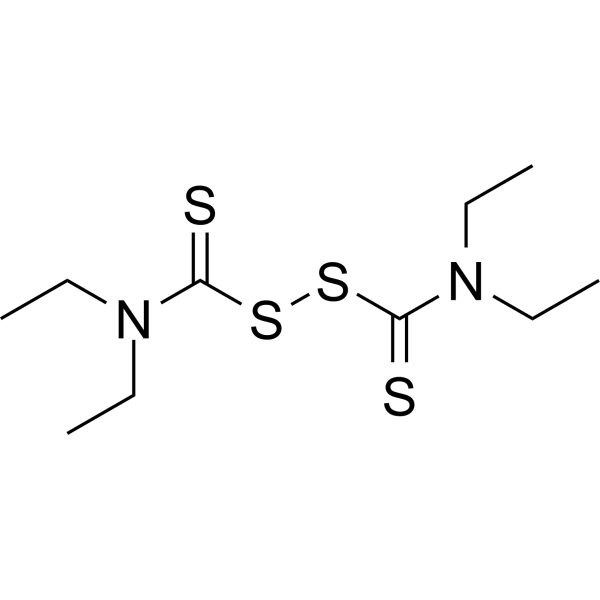
Disulfiram (Tetraethylthiuram disulfide) is a specific inhibitor of aldehyde-dehydrogenase (ALDH1), used for the treatment of chronic alcoholism by producing an acute sensitivity to alcohol. Disulfiram inhibits gasdermin D (GSDMD) pore formation in liposomes and inflammasome-mediated pyroptosis and IL-1β secretion in human and mouse cells. Disulfiram, a copper ion carrier, with Cu 2+ increases intracellular ROS levels and induces cuproptosis .
loading...
    loading...
1
1 Cited Publications
Cat. No.: HY-B1228
CAS No.: 53797-35-6
Synonyms: Vistamycin sulfate
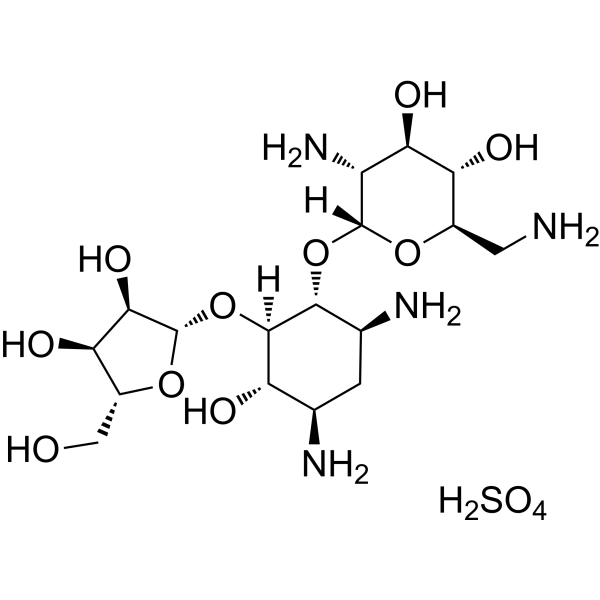
Ribostamycin sulfate (Vistamycin sulfate) is a broad-spectrum aminoglycoside Antibiotic with bactericidal activity against Gram-positive cocci, Gram-negative cocci, bacilli, and drug-resistant strains. Ribostamycin sulfate also acts as an inhibitor of protein disulfide isomerase (PDI), with a binding constant KD of 319 μM for bovine PDI. Ribostamycin sulfate targets bacterial 16S ribosomal RNA and the 30S ribosomal subunit, causing translational misreading and thereby inhibiting bacterial protein synthesis. Ribostamycin sulfate disrupts the integrity of bacterial cell membranes, induces membrane pore formation, and leads to bacterial death. Ribostamycin sulfate can be used in studies related to bacterial infections .
loading...
    loading...
Cat. No.: HY-B0240R
CAS No.: 97-77-8
Synonyms: Tetraethylthiuram disulfide (Standard); TETD (Standard)
Disulfiram (Standard) is the analytical standard of Disulfiram. This product is intended for research and analytical applications. Disulfiram (Tetraethylthiuram disulfide) is a specific inhibitor of aldehyde-dehydrogenase (ALDH1), used for the treatment of chronic alcoholism by producing an acute sensitivity to alcohol. Disulfiram inhibits gasdermin D (GSDMD) pore formation in liposomes and inflammasome-mediated pyroptosis and IL-1β secretion in human and mouse cells. Disulfiram + Cu 2+ increases intracellular ROS levels triggering apoptosis of ovarian cancer stem cells [1-6].
loading...
    loading...
Cat. No.: HY-18711A
CAS No.: 1174161-86-4
Synonyms: Metatinib anhydrous; c-Met inhibitor 2
Research Areas:  

Cancer

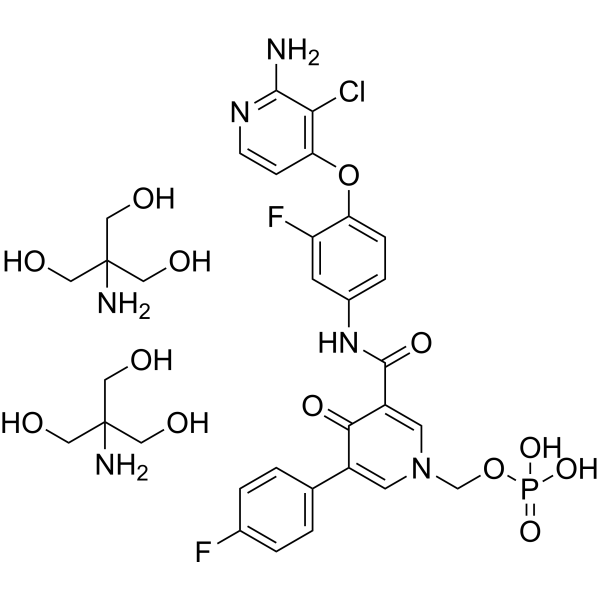
SCR-1481B1 (Metatinib anhydrous; c-Met inhibitor 2) is an inhibitor of the N-terminal fragment of Gasdermin D (GSDMD), with an IC50 of 1.04 μM and a Ka of 0.42 μM in mice. SCR-1481B1 effectively blocks GSDMD-NT oligomerization and pore formation, inhibits GSDMD-mediated pyroptosis (Pyroptosis), preserves mitochondrial integrity, and reduces proinflammatory cytokine secretion. SCR-1481B1 also inhibits angiogenesis, exerts GSDMD-independent antitumor effects, and enhances the infiltration of antitumor immune cells. SCR-1481B1 is also an inhibitor targeting to c-MET and VEGFR2, can be used in studies related to melanoma and sepsis .
loading...
    loading...
Cat. No.: HY-P3508
CAS No.: 1159861-00-3
Target:  

MDM-2/p53

Research Areas:  

Cancer

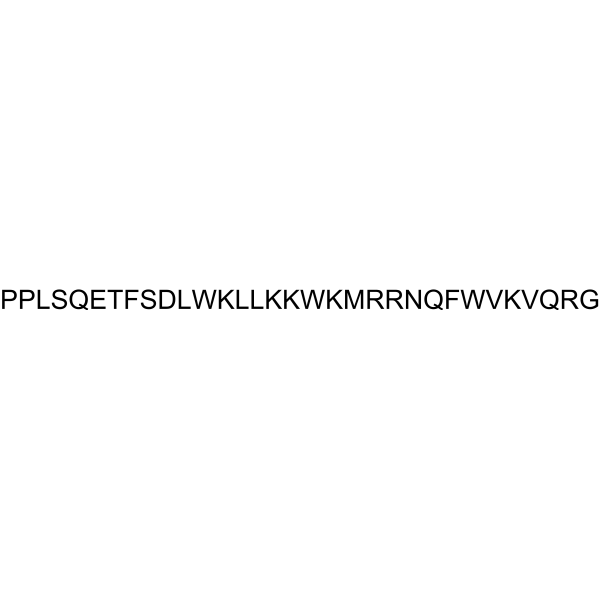
PNC-27, a chimeric p53-penetratin peptide binds to HDM-2 in a p53 peptide-like structure, induces selective membrane-pore formation and leads to cancer cell lysis. PNC-27 is an anticancer peptide. PNC-27 can be used in acute myeloid leukemia research .
loading...
    loading...
Cat. No.: HY-P4809
CAS No.: 872043-01-1
Target:  

Bacterial Fungal

Research Areas:  

Infection Cancer

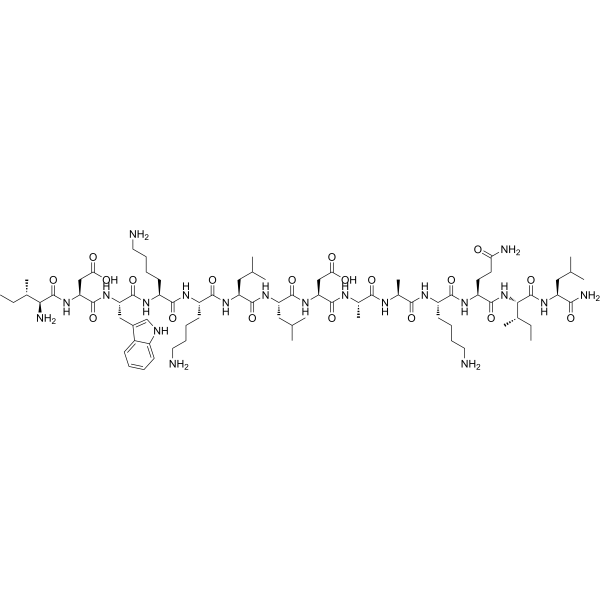
Polybia-MP1 is an antimicrobial peptide with antibacterial, antifungal and anticancer activities. Polybia-MP1 selectively targets cancer cells by interacting with PS and PE in the outer leaflet of cell membranes, and induces necrosis via pore formation. Polybia-MP1 exhibits antibacterial activity against Pseudomonas aeruginosa. Polybia-MP1 can be used in research related to bacterial infections, fungal infections and cancers .
loading...
    loading...
Cat. No.: HY-109106A
CAS No.: 2052969-18-1
Purity:  99.91%
Synonyms: SK-1403; AJT240; PLS240
Target:  

CaSR

Research Areas:  

Endocrinology

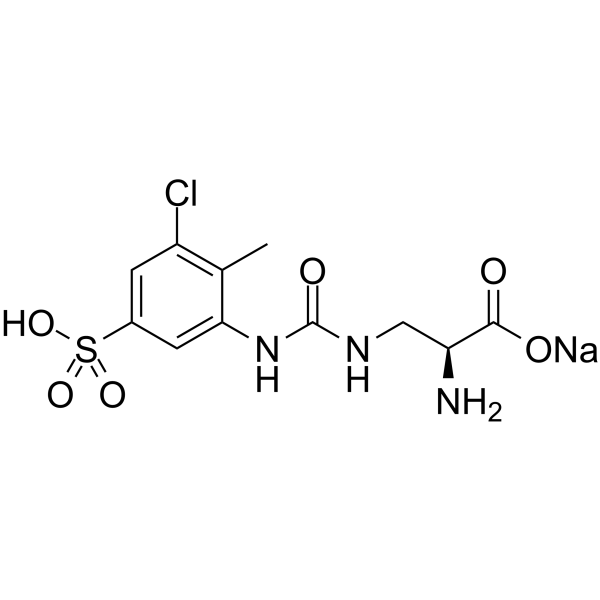
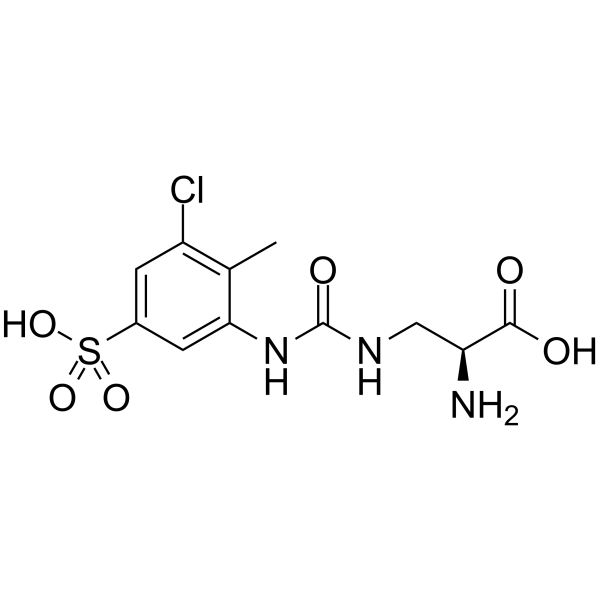
Upacicalcet sodium is a non-peptide calcimimetic that acts as a CaSR agonist (EC50 = 10.8 nM). Upacicalcet sodium reduces serum intact parathyroid hormone (iPTH) and serum Ca 2+ levels, reducing hypocalcemia and gastrointestinal complications. Upacicalcet sodium sodium improves vascular calcification and bone disorders in the Adenine (HY-B0152)-induced secondary hyperparathyroidism (SHPT) rat model. Upacicalcet sodium sodium inhibits cortical pore formation and reduces bone fibrosis in rats with chronic kidney disease (CKD). Upacicalcet sodium is useful for studying SHPT .
loading...
    loading...
Cat. No.: HY-P3508A
Target:  

MDM-2/p53

Research Areas:  

Cancer

PNC-27 acetate, a chimeric p53-penetratin peptide binds to HDM-2 in a p53 peptide-like structure, induces selective membrane-pore formation and leads to cancer cell lysis. PNC-27 acetate is an anticancer peptide. PNC-27 acetate can be used in acute myeloid leukemia research .
loading...
    loading...
Cat. No.: HY-P2302
CAS No.: 136661-76-2
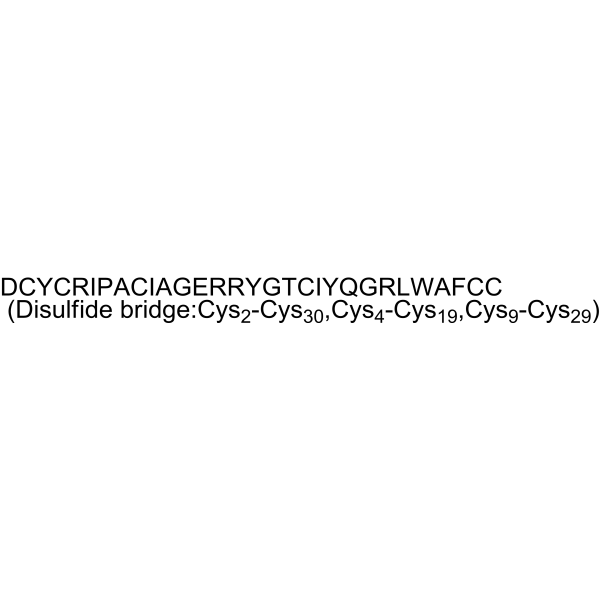
Defensin HNP-3 human is an α-defensin stored in the azurophilic granules of human neutrophils. Defensin HNP-3 human exerts broad-spectrum bactericidal, antifungal and antiviral activities mainly by forming bacterial membrane pores, and acts as a chemoattractant for monocytes and T cells. Defensin HNP-3 human maintains epithelial integrity to support periodontal tissue homeostasis, and exerts concentration-dependent effects on epithelial cell proliferation, adhesion and bacterial adhesion. Defensin HNP-3 human targets solid tumors and leukemia by inducing single-strand DNA breaks and membrane permeabilization in tumor cells via electrostatic binding and pore formation. Defensin HNP-3 human is abundant in human tongue squamous cell carcinoma and neutrophils infiltrating oral squamous cell carcinoma. Defensin HNP-3 human can be applied to research related to periodontitis and human tongue squamous cell carcinoma .
loading...
    loading...
Cat. No.: HY-P3095
CAS No.: 65988-34-3
Synonyms: α-LTX
Target:  

Endogenous Metabolite

Research Areas:  

Neurological Disease

α‑Latrotoxin (α-LTX) is a neurotoxin found in the genus Latrodectus. α-Latrotoxin binds to presynaptic receptors such as neurexin and latrophilin-1, inserts into the cell membrane to form non-selective cation channels, and induces massive exocytosis of neurotransmitters and hormones through dual mechanisms of receptor dependence and pore formation, triggering calcium signaling disturbances and electrophysiological alterations. α-Latrotoxin can be used in research related to synaptic vesicle exocytosis and neurotransmitter release .
loading...
    loading...
Cat. No.: HY-173234
CAS No.: 1008710-58-4
Research Areas:  

Cardiovascular Disease

GI-Y2 is an orally active, selective Gasdermin D (GSDMD) inhibitor (Kd = 36.0 μM) with anti-pyroptosis activity. GI-Y2 targets GSDMD, impairs membrane anchoring of GSDMD-NT, and blocks GSDMD‑dependent lipid binding and pore formation. GI-Y2 suppresses GSDMD‑dependent pyroptosis and inflammation, mitigates atherosclerosis and cardiac injury, boosts cell survival, and reduces IL‑1β/IL‑18 secretion. GI-Y2 can be used for the research of atherosclerosis and septic myocardial injury .
loading...
    loading...
Cat. No.: HY-18711
CAS No.: 1174161-69-3
Synonyms: Metatinib free base; c-Met inhibitor 2 free base
Research Areas:  

Cancer

SCR-1481B1 (Metatinib anhydrous; c-Met inhibitor 2) is an inhibitor of the N-terminal fragment of Gasdermin D (GSDMD), with an IC50 of 1.04 μM and a Ka of 0.42 μM in mice. SCR-1481B1 effectively blocks GSDMD-NT oligomerization and pore formation, inhibits GSDMD-mediated pyroptosis (Pyroptosis), preserves mitochondrial integrity, and reduces proinflammatory cytokine secretion. SCR-1481B1 also inhibits angiogenesis, exerts GSDMD-independent antitumor effects, and enhances the infiltration of antitumor immune cells. SCR-1481B1 is also an inhibitor targeting to c-MET and VEGFR2, can be used in studies related to melanoma and sepsis .
loading...
    loading...
Cat. No.: HY-P10564
CAS No.: 134940-98-0
Target:  

Bacterial

Research Areas:  

Infection

Pardaxin P 4 is an antimicrobial peptide found in the secretions of Red Sea Moses sole. Pardaxin P 4 acts as a biomembrane perforator that can interact with phospholipid bilayers of different compositions and induce cytotoxicity and pore formation. Pardaxin P 4 can be used in the research of antimicrobial drugs .
loading...
    loading...
Cat. No.: HY-109106
CAS No.: 1333218-50-0
Synonyms: SK-1403 free acid; AJT240 free acid; PLS240 free acid
Target:  

CaSR

Research Areas:  

Endocrinology

Upacicalcet is a non-peptide calcimimetic that acts as a CaSR agonist (EC50 = 10.8 nM). Upacicalcet reduces serum intact parathyroid hormone (iPTH) and serum Ca2+ levels, reducing hypocalcemia and gastrointestinal complications. Upacicalcet improves vascular calcification and bone disorders in the Adenine (HY-B0152)-induced secondary hyperparathyroidism (SHPT) rat model. Upacicalcet inhibits cortical pore formation and reduces bone fibrosis in rats with chronic kidney disease (CKD). Upacicalcet is useful for studying SHPT .
loading...
    loading...
Cat. No.: HY-177849
Synonyms: Amphotericin B liposome
Research Areas:  

Infection

Liposomal Amphotericin B (Amphotericin B liposome) is a liposomal formulation of Amphotericin B (HY-B0221) that can cross the blood-brain barrier. Liposomal Amphotericin B binds to fungal cell walls and releases Amphotericin B to bind Ergosterol (HY-N0181), inducing pore formation, ion leakage, and fungal cell death. Liposomal Amphotericin B exhibits fungicidal activity against a broad spectrum of fungal pathogens, also shows activity against Leishmania, and the liposomal formulation has lower acute and chronic toxicity as well as a lower risk of fungal resistance .
loading...
    loading...
Cat. No.: HY-136804
CAS No.: 1115335-95-9
Target:  

Cyclophilin

Research Areas:  

Neurological Disease

CypD-IN-29 (compound 29) is an inhibitor of the Alzheimer's disease target CypD (KD=88.2 nM). CypD is a mitochondrial-specific cyclophilin that can bind to β-amyloid protein in brain mitochondria and promote the formation of mitochondrial permeability transition pore (mPTP).
loading...
    loading...
Cat. No.: HY-109106B
CAS No.: 2649575-19-7
Purity:  ≥95.0%
Synonyms: (Rac)-SK-1403 free acid; (Rac)-AJT240 free acid; (Rac)-PLS240 free acid
Target:  

CaSR

Research Areas:  

Endocrinology

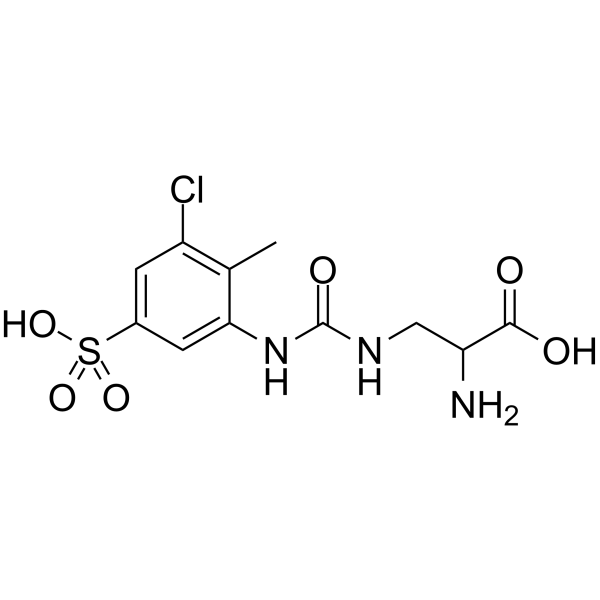
(Rac)-Upacicalcet is the racemate of Upacicalcet (HY-109106). Upacicalcet is a non-peptide calcimimetic that acts as a CaSR agonist (EC50 = 10.8 nM). Upacicalcet reduces serum intact parathyroid hormone (iPTH) and serum Ca2+ levels, reducing hypocalcemia and gastrointestinal complications. Upacicalcet improves vascular calcification and bone disorders in the Adenine (HY-B0152)-induced secondary hyperparathyroidism (SHPT) rat model. Upacicalcet inhibits cortical pore formation and reduces bone fibrosis in rats with chronic kidney disease (CKD). Upacicalcet is useful for studying SHPT .
loading...
    loading...
Cat. No.: HY-P12375
CAS No.: 3027663-77-7
Research Areas:  

Cancer

B18 peptide is a cationic amphipathic α-helical peptidomimetic that binds to the BST-2 extracellular domain and forms a stable complex through intermolecular hydrogen bonds near the N-terminus. B18 peptide competitively inhibits the binding of BST-2 to the extracellular matrix via its extracellular domain, reducing migrasome formation. B18 peptide induces membrane lysis through the formation of pores/water channels and annular pores, impairing membrane integrity. B18 peptide exhibits anticancer activity against breast cancer. B18 peptide can be used for research on breast cancer .
loading...
    loading...
Cat. No.: HY-W989139
CAS No.: 178970-88-2
Target:  

Apoptosis

Research Areas:  

Inflammation/Immunology Cancer

Perforin-IN-3 is a specific perforin inhibitor that blocks perforin-mediated lytic pore formation and subsequent cell lysis. Perforin-IN-3 potently inhibits the killing effect of NK cells on target cells such as leukemia cells, without interfering with FasL- or TRAIL-mediated cell death pathways. Perforin-IN-3 has no effect on pneumolysin and can be used to study autoimmune diseases, allograft rejection, graft-versus-host disease, and familial hemophagocytic lymphohistiocytosis .
loading...
    loading...

