50 Results for "

substrate efflux

" in MedChemExpress (MCE) Product Catalog:
Products (50)

50 Results for "substrate efflux" in MCE Product Catalog:

  • Categories Recommended:
    More
25
25 Publications Verification
Cat. No.: HY-B1302
CAS No.: 6151-40-2
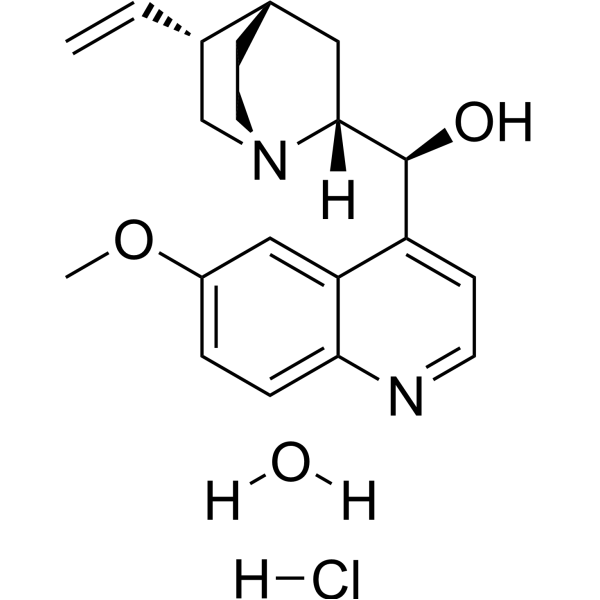
Quinidine hydrochloride monohydrate is an orally active antiarrhythmic agent. Quinidine hydrochloride monohydrate reduces the expression level of P-gp, inhibits P-gp-mediated efflux, increases the intracellular accumulation of P-gp substrates, induces PARP cleavage and Caspase-3 activation, and elevates the proportion of Apoptotic cells at the sub-G1 phase. Quinidine hydrochloride monohydrate exerts sustained block and open-channel block effects on IK(f). Quinidine hydrochloride monohydrate alters the urinary metabolic ratio of Amphetamine, modulates the Pentylenetetrazol-induced seizure threshold, and regulates the anticonvulsant effect of Dextromethorphan. Quinidine hydrochloride monohydrate can be used in studies related to uterine sarcoma and seizures .
loading...
    loading...
24
24 Cited Publications
Cat. No.: HY-B1751
CAS No.: 56-54-2
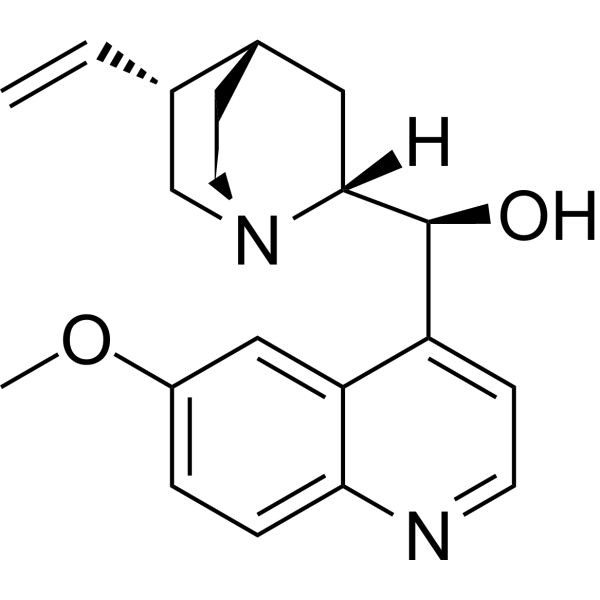
Quinidine (15% dihydroquinidine) is an orally active antiarrhythmic agent. Quinidine (15% dihydroquinidine) reduces the expression level of P-gp, inhibits P-gp-mediated efflux, increases the intracellular accumulation of P-gp substrates, induces PARP cleavage and Caspase-3 activation, and elevates the proportion of Apoptotic cells at the sub-G1 phase. Quinidine (15% dihydroquinidine) exerts sustained block and open-channel block effects on IK(f). Quinidine (15% dihydroquinidine) alters the urinary metabolic ratio of Amphetamine, modulates the Pentylenetetrazol-induced seizure threshold, and regulates the anticonvulsant effect of Dextromethorphan. Quinidine (15% dihydroquinidine) can be used in studies related to uterine sarcoma and seizures .
loading...
    loading...
1
1 Cited Publications
Cat. No.: HY-B0777
CAS No.: 113507-06-5
Synonyms: CL301423
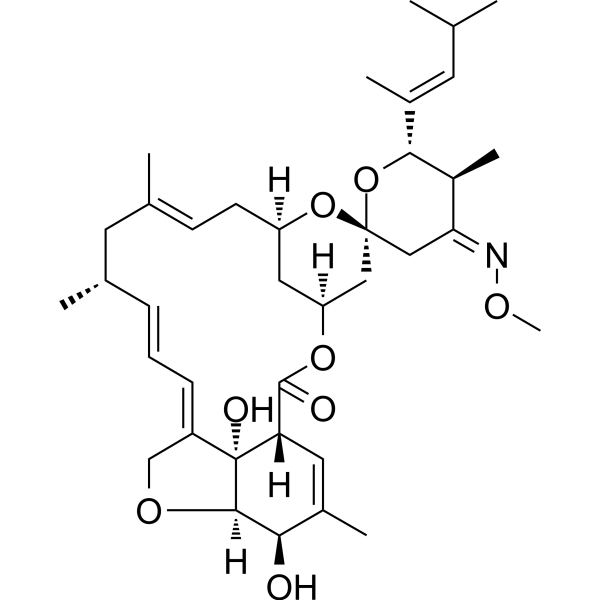
Moxidectin (CL301423) is an orally active and brain-penetrant macrolide (ML) anthelmintic for the prevention and control of heartworms and roundworms. Moxidectin is also a substrate of BCRP and P-glycoprotein (P-gp) in vivo, and is secreted into breast milk and effluxed from the host and parasite mediated by Bcrp1 and P-gp. This may be related to the presence of chemical residues in milk .
loading...
    loading...
1
1 Cited Publications
Cat. No.: HY-D0194
CAS No.: 111843-78-8
Research Areas:  

Others

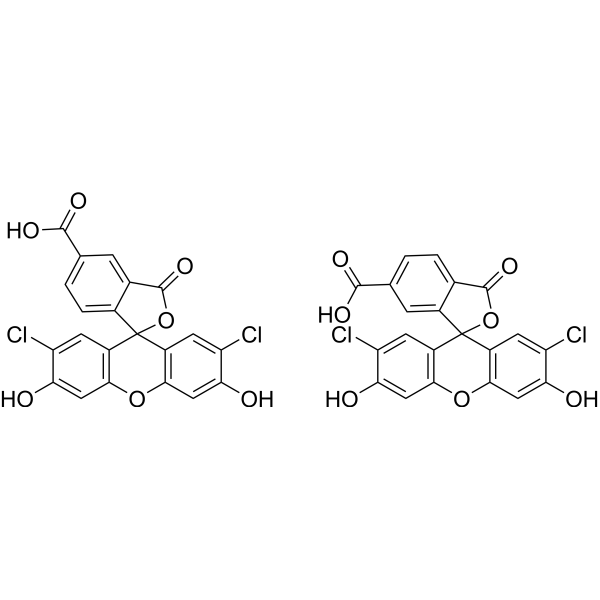
5 (6)-Carboxy-2',7'-dichlorofluorescein is a fluorescent probe substrate that acts on MRP1 and MRP3/Mrp3, passively diffuses across cell membranes, and is actively effluxed by MRP1 in MRP1-positive cells. 5 (6)-Carboxy-2',7'-dichlorofluorescein is transported across membranes in an ATP-dependent manner, but does not stimulate ATPase activity .
loading...
    loading...
1
1 Cited Publications
Cat. No.: HY-N7755
CAS No.: 14982-12-8
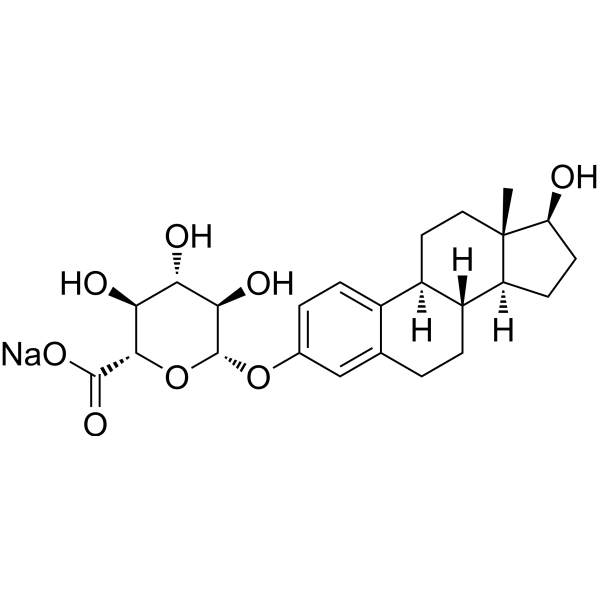
Estradiol 3-glucuronide sodium is an estrogen metabolite, which is a glucuronide conjugate formed by the catalysis of uridine diphosphate glucuronosyltransferase in tissues such as the liver from Estradiol (HY-B0141). Estradiol 3-glucuronide sodium is a potent substrate of Mrp2, with an S50 of 55.7 μM. Estradiol 3-glucuronide sodium achieves hepatobiliary transport in hepatocytes through basolateral uptake via OATP1B1, OATP1B3 and OATP2B1, as well as apical efflux via MRP2 and BCRP .
loading...
    loading...
1
1 Cited Publications
Cat. No.: HY-W585842
CAS No.: 15270-30-1
Estradiol 3-glucuronide is an estrogen metabolite, which is a glucuronide conjugate formed from Estradiol (HY-B0141) via catalysis by uridine diphosphate glucuronosyltransferases in tissues such as the liver. Estradiol 3-glucuronide is a potent substrate of Mrp2, with an S50 value of 55.7 μM. Estradiol 3-glucuronide achieves hepatobiliary transport in hepatocytes through basolateral uptake via OATP1B1, OATP1B3 and OATP2B1, as well as apical efflux via MRP2 and BCRP .
loading...
    loading...
Cat. No.: HY-D0180
CAS No.: 17455-13-9
Synonyms: 18C6; 1,4,7,10,13,16-Hexaoxacyclooctadecane
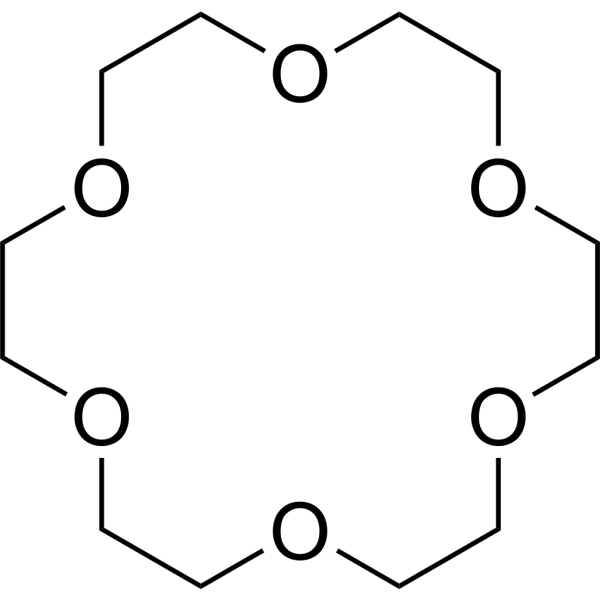
18-Crown-6-ether is a type of crown ether compound and a specific structure dissociating agent. 18-Crown-6-ether can compete with K + for binding to G-quadruplexes, disrupting their stable structure to regulate the functions of related systems. 18-Crown-6-ether combines with K + and other metal ions to achieve precise ion transmembrane transport. 18-Crown-6-ether can act as an "susceptibility substrate" for the multi-drug efflux pump EmrE (a bacterial multidrug resistance transporter), ultimately inhibiting bacterial growth. 18-Crown-6-ether can be used in microcapsule controlled release and the research on developing antibacterial enhancers .
loading...
    loading...
Cat. No.: HY-B0501
CAS No.: 119478-55-6
Synonyms: CP 76136-27
Research Areas:  

Infection

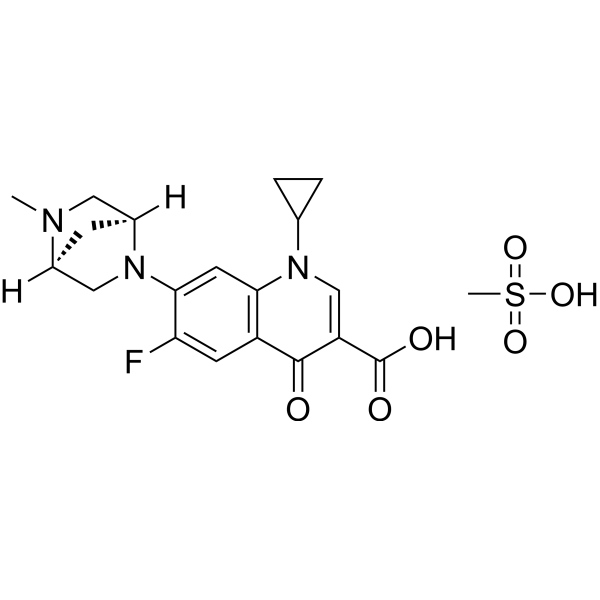
Danofloxacin mesylate (CP 76136-27) is a fluoroquinolone used as a veterinary drug. Danofloxacin mesylate has a broad spectrum of bactericidal activity, mainly inhibiting the DNA cycloenzyme of the bacteria. In addition, Danofloxacin mesylate is a substrate for ATP-dependent efflux transporters (P-gp and MRP2) .
loading...
    loading...
Cat. No.: HY-W014118
CAS No.: 101-86-0
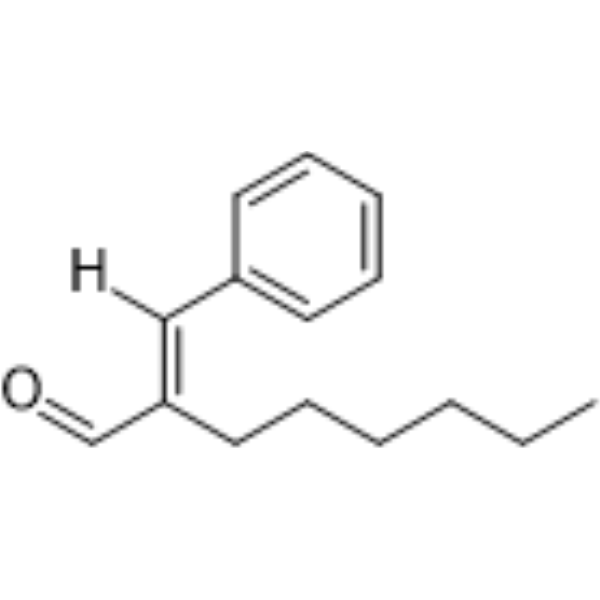
α-Hexylcinnamaldehyde is an O-acetyltransferase (OAT) inhibitor. α-Hexylcinnamaldehyde inhibits OAT-mediated bioactivation of nitroarene mutagens, exerts antimutagenic activity through demutagenic and bioantimutagenic mechanisms, and interferes with ATP-binding cassette (ABC) transporter function to reduce substrate efflux. α-Hexylcinnamaldehyde alters membrane permeability, fluidizes phospholipid membranes, exerts antioxidant effects, and enhances the antiproliferative effect of Doxorubicin on human cancer cells. α-Hexylcinnamaldehyde can be used in the research of colorectal adenocarcinoma, T-cell leukemia, and multidrug-resistant cancers .
loading...
    loading...
Cat. No.: HY-N0406
CAS No.: 861691-37-4
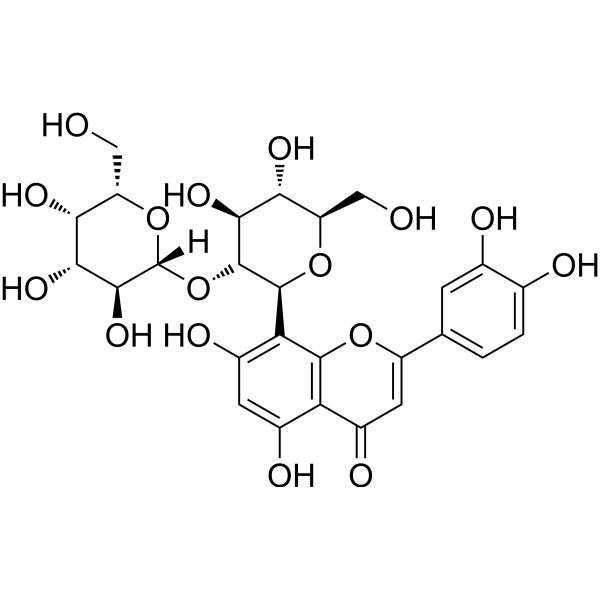
2"-O-beta-L-galactopyranosylorientin is extracted from the flowers of Trollius ledebouri. 2"-O-beta-L-galactopyranosylorientin involves transporter mediated efflux in addition to passive diffusion and is the substrate of multidrug resistance protein 2 (MRP2). Anti-inflammatory effect .
loading...
    loading...
Cat. No.: HY-B0777S
Synonyms: CL-301423-d3
Moxidectin-d3 (CL-301423-d3) is deuterium labeled Moxidectin. Moxidectin (CL301423) is an orally active macrolide (ML) anthelmintic for the prevention and control of heartworms and roundworms. Moxidectin is also a substrate of BCRP and P-glycoprotein (P-gp) in vivo, and is secreted into breast milk and effluxed from the host and parasite mediated by Bcrp1 and P-gp. This may be related to the presence of chemical residues in milk .
loading...
    loading...
Cat. No.: HY-173162
CAS No.: 86383-89-3
GPV0057 (Compound 5d) is a selective and potent P-glycoprotein (P-gp) inhibitor. GPV0057 is also a selective potassium channel Kir2.1 activator. GPV0057 competitively binds to the substrate-binding site of P-gp, inhibiting ATP-dependent drug efflux to reverse multidrug resistance in tumor cells. GPV0057 can also stabilizes the open state of Kir2.1 and promotes potassium ion influx. GPV0057 is promising for research of tumors with high P-gp expression, Kir2.1-deficient diseases such as heart failure and Andersen-Tawil Syndrome .
loading...
    loading...
Cat. No.: HY-B1751S
CAS No.: 1267657-68-0
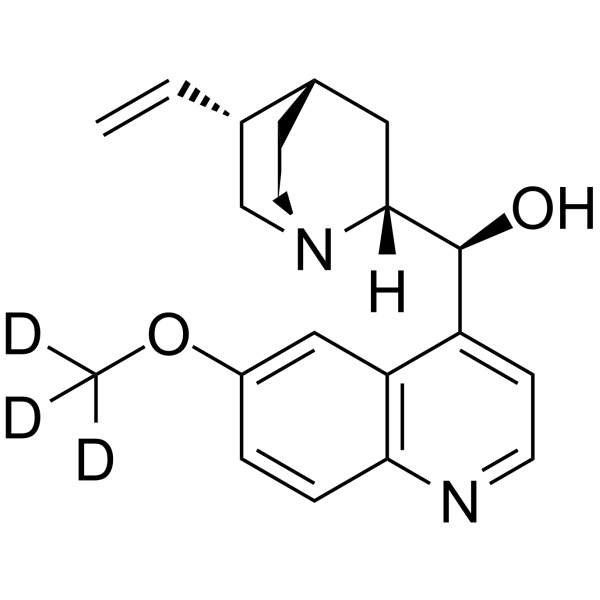
Quinidine-d3 is the d3-labeled Quinidine (15% dihydroquinidine) (HY-B1751). Quinidine (15% dihydroquinidine) is an orally active antiarrhythmic agent. Quinidine (15% dihydroquinidine) reduces the expression level of P-gp, inhibits P-gp-mediated efflux, increases the intracellular accumulation of P-gp substrates, induces PARP cleavage and Caspase-3 activation, and elevates the proportion of Apoptotic cells at the sub-G1 phase. Quinidine (15% dihydroquinidine) exerts sustained block and open-channel block effects on IK(f). Quinidine (15% dihydroquinidine) alters the urinary metabolic ratio of Amphetamine, modulates the Pentylenetetrazol-induced seizure threshold, and regulates the anticonvulsant effect of Dextromethorphan. Quinidine (15% dihydroquinidine) can be used in studies related to uterine sarcoma and seizures .
loading...
    loading...
Cat. No.: HY-128038
CAS No.: 66164-07-6
Target:  

Opioid Receptor

Research Areas:  

Neurological Disease

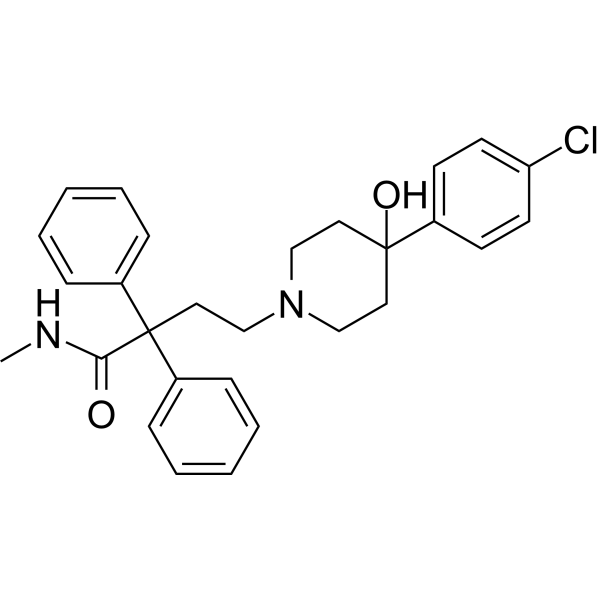
N-Desmethyl-loperamide is a major metabolite of loperamide, a drug that selectively activates peripheral μopioid receptors with a Ki value of 0.16 nM. N-Desmethyl-loperamide is a substrate of the ATP-dependent efflux transporter P-glycoprotein .
loading...
    loading...
Cat. No.: HY-161246
CAS No.: 2323525-19-3
Target:  

5-HT Receptor

Research Areas:  

Neurological Disease

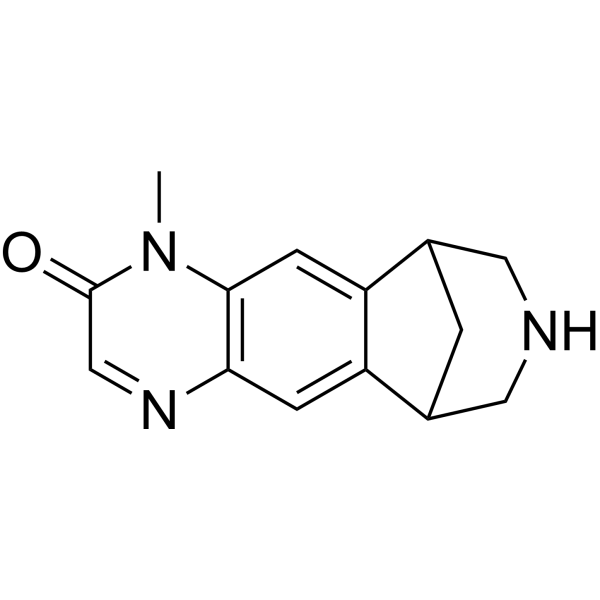
uPSEM792 is a pharmacologically selective effector molecules (PSEM) agonist for PSAM 4-GlyR, with an affinity of Ki of 0.7 nM. uPSEM792 is a substrate for efflux transporters in brains of wild type and dual P-gp and BCRP knockout mice. uPSEM7952 is a possible lead for developing the PET radioligand for PSAM 4-GlyR .
loading...
    loading...
Cat. No.: HY-B1751D
CAS No.: 6591-63-5
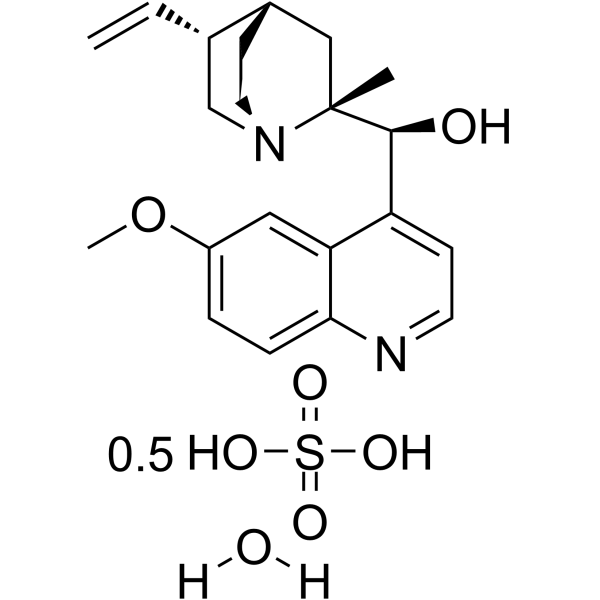
Quinidine sulfate dihydrate is an orally active antiarrhythmic agent. Quinidine sulfate dihydrate reduces the expression level of P-gp, inhibits P-gp-mediated efflux, increases the intracellular accumulation of P-gp substrates, induces PARP cleavage and Caspase-3 activation, and elevates the proportion of Apoptotic cells at the sub-G1 phase. Quinidine sulfate dihydrate exerts sustained block and open-channel block effects on IK(f). Quinidine sulfate dihydrate alters the urinary metabolic ratio of Amphetamine, modulates the Pentylenetetrazol-induced seizure threshold, and regulates the anticonvulsant effect of Dextromethorphan. Quinidine sulfate dihydrate can be used in studies related to uterine sarcoma and seizures .
loading...
    loading...
Cat. No.: HY-119172
CAS No.: 70-09-7
Purity:  99.84%
Target:  

Bacterial

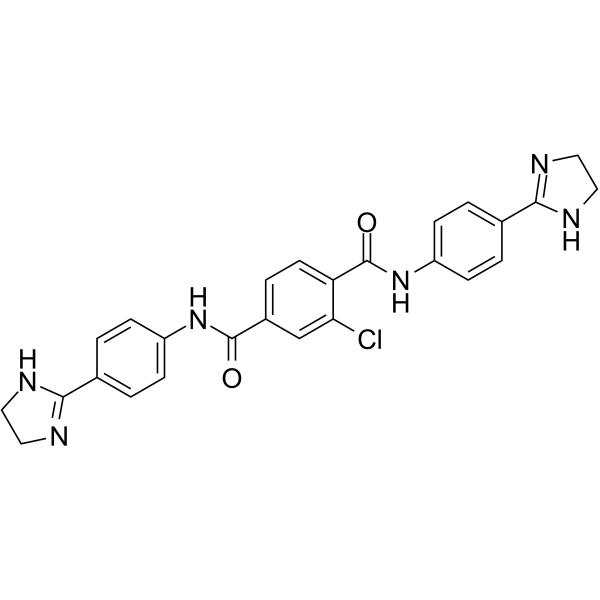
NSC-60339, an efflux pump inhibitor and a substrate of AcrAB-TolC, is a polybasic terephthalic acid derivative studied as a potential cancer chemotherapeutic agent .
loading...
    loading...
Cat. No.: HY-185057
CAS No.: 41656-56-8
Synonyms: S-Lactylglutathione; (R)-S-Lactoylglutathione
S-D-Lactoylglutathione (S-Lactylglutathione; (R)-S-Lactoylglutathione) is a multifunctional metabolic intermediate of the glyoxalase system. S-D-Lactoylglutathione activates K + efflux in bacteria by displacing inhibitory glutathione from KefGB channels, thereby acidifying the cytoplasm. In eukaryotic cells, S-D-Lactoylglutathione mediates S-glutathionylation as a substrate of glyoxalase 2. S-D-Lactoylglutathione serves as a sensitive metabolic biomarker for neodymium nitrate neurotoxicity; when used in combination with MSCs-exo, it upregulates glutathione levels, downregulates lactate dehydrogenase and Glo2 levels, and inhibits cellular inflammatory responses and pyroptosis. S-D-Lactoylglutathione can be used in research related to prostate cancer, breast cancer, non-small cell lung cancer, sepsis-associated encephalopathy, and neurotoxicity .
loading...
    loading...
Cat. No.: HY-B1751R
CAS No.: 56-54-2
Quinidine (15% dihydroquinidine) (Standard) is the analytical standard of Quinidine (15% dihydroquinidine) (HY-B1751). This product is intended for research and analytical applications. Quinidine (15% dihydroquinidine) is an orally active antiarrhythmic agent. Quinidine (15% dihydroquinidine) reduces the expression level of P-gp, inhibits P-gp-mediated efflux, increases the intracellular accumulation of P-gp substrates, induces PARP cleavage and Caspase-3 activation, and elevates the proportion of Apoptotic cells at the sub-G1 phase. Quinidine (15% dihydroquinidine) exerts sustained block and open-channel block effects on IK(f). Quinidine (15% dihydroquinidine) alters the urinary metabolic ratio of Amphetamine, modulates the Pentylenetetrazol-induced seizure threshold, and regulates the anticonvulsant effect of Dextromethorphan. Quinidine (15% dihydroquinidine) can be used in studies related to uterine sarcoma and seizures .
loading...
    loading...
Cat. No.: HY-149812
CAS No.: 2890177-95-2
Target:  

Bacterial Parasite

Research Areas:  

Infection

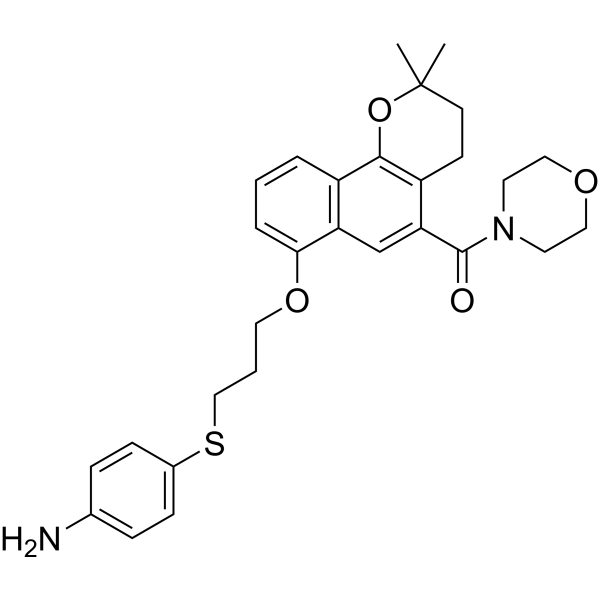
Efflux pump-IN-4 is an AcrB efflux pump inhibitor, with ability to potentiate the effect of antibiotics. Efflux pump-IN-4 inhibits Nile Red (a known substrate of AcrB) efflux. Efflux pump-IN-4 does not disrupts the bacterial outer membrane nor display toxicity in a nematode model .
loading...
    loading...

