35 Results for "

whole-cell

" in MedChemExpress (MCE) Product Catalog:
Products (35)

35 Results for "whole-cell" in MCE Product Catalog:

5
5 Cited Publications
Cat. No.: HY-B0753
CAS No.: 21187-98-4
Synonyms: S1702; SE1702
Target:  

Potassium Channel

Research Areas:  

Cardiovascular Disease

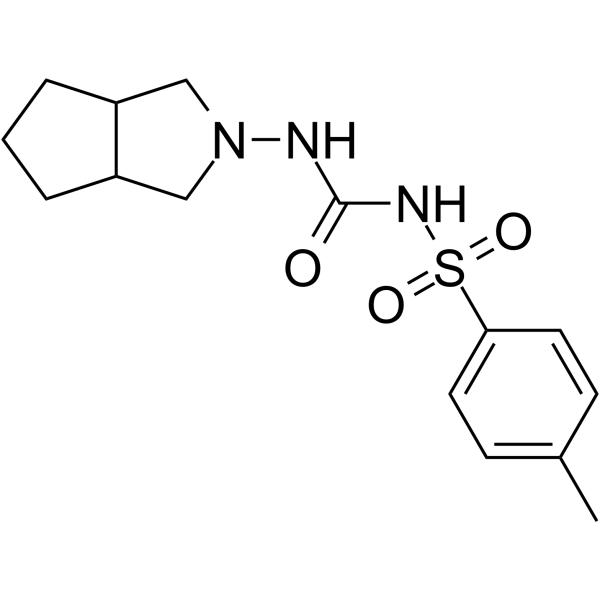
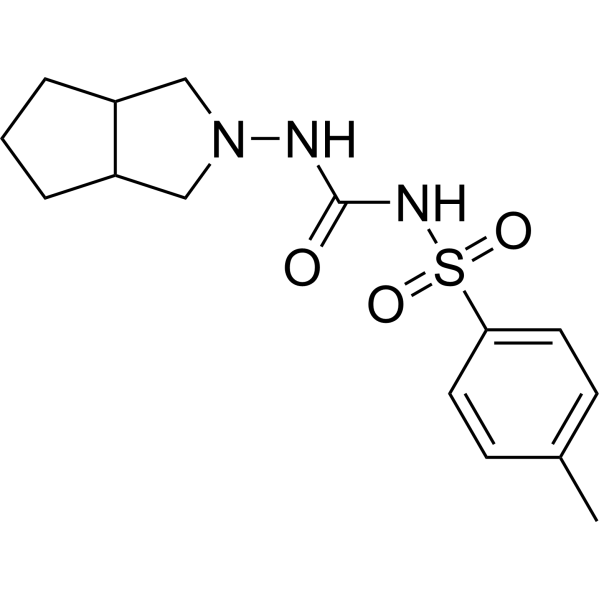
Gliclazide (S1702) is a whole-cell beta-cell ATP-sensitive potassium currents blocker with an IC50 of 184 nM. Gliclazide is used as an antidiabetic .
loading...
    loading...
2
2 Cited Publications
Cat. No.: HY-W134422
CAS No.: 9036-19-5
Synonyms: Polyoxyethylene octylphenol ether
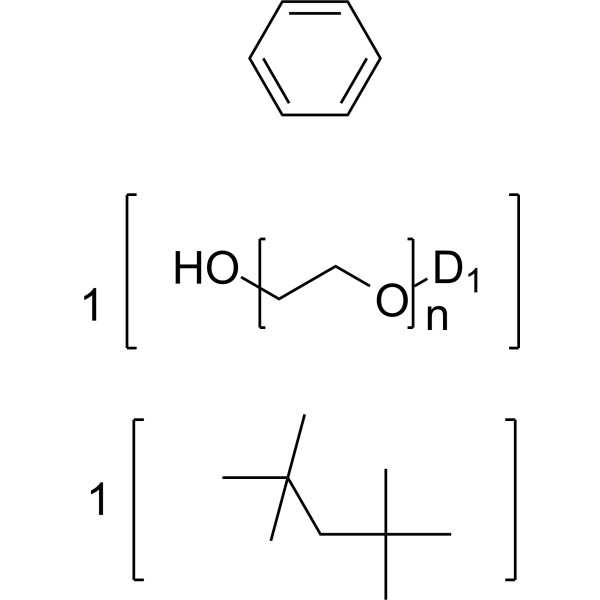
(1,1,3,3-Tetramethylbutyl)phenyl-polyethylene glycol X-114 is a surfactant. (1,1,3,3-Tetramethylbutyl)phenyl-polyethylene glycol X-114 is used to solubilize membranes and whole cells. A solution of (1,1,3,3-Tetramethylbutyl)phenyl-polyethylene glycol X-114 is homogeneous at 0 degrees C but separates in an aqueous phase and a detergent phase above 20 degrees C. (1,1,3,3-Tetramethylbutyl)phenyl-polyethylene glycol X-114 can be used in phase separation studies .
loading...
    loading...
1
1 Cited Publications
Cat. No.: HY-B0952
CAS No.: 123-82-0
Synonyms: Tuaminoheptane
Target:  

Adrenergic Receptor

Research Areas:  

Neurological Disease

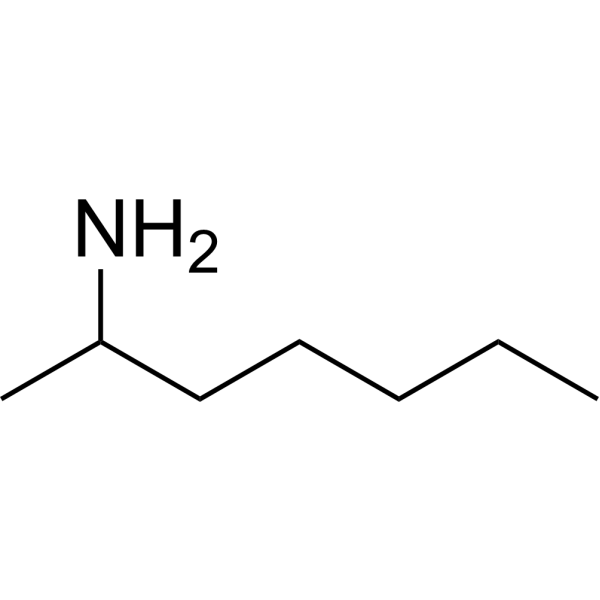
2-Aminoheptane (Tuaminoheptane) is a norepinephrine transporter inhibitor. 2-Aminoheptane binds to norepinephrine transporter via ionic and hydrophobic interactions to block norepinephrine uptake. 2-Aminoheptane deactivates ω-TAmla enzyme, reduces recombinant whole cell stability, and acts as an amino group donor substrate for ω-TA and ω-TAmla enzymes. 2-Aminoheptane can be used in research on depression and Alzheimer's disease .
loading...
    loading...
1
1 Cited Publications
Cat. No.: HY-109066
CAS No.: 1628732-62-6
Purity:  98.44%
Synonyms: IW-1701
Target:  

Guanylate Cyclase

Research Areas:  

Cardiovascular Disease

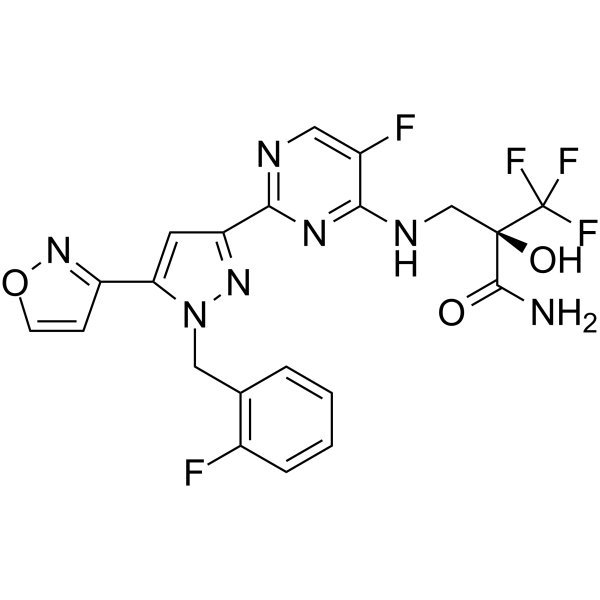
Olinciguat (IW-1701) is an oral guanylate cyclase (sGC) stimulator with concentration-dependent stimulation of sGC in purified rat and human enzyme assays and a whole cell assay .
loading...
    loading...
1
1 Cited Publications
Cat. No.: HY-10615
CAS No.: 272769-49-0
Target:  

PARP

Research Areas:  

Cancer

A-620223 is a PARP-1 inhibitor with a Ki of 8 nM against PARP-1 and EC50 of 3 nM in a whole cell assay. A-620223 demonstrates good in vivo efficacy in a B16F10 subcutaneous murine melanoma model in combination with Temozolomide (TMZ) (HY-17364) and in an MX-1 breast xenograph model in combination with Cisplatin (HY-17394). A-620223 can be used for the studies of melanoma and breast cancer .
loading...
    loading...
Cat. No.: HY-146248B
Purity:  98.02%
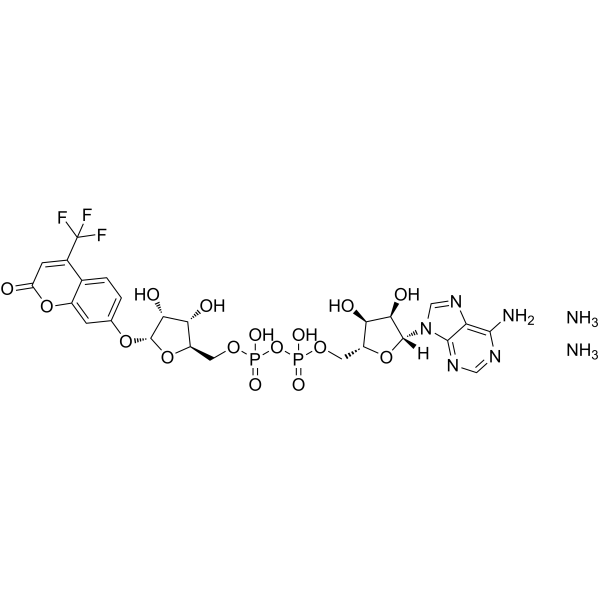
TFMU-ADPr diammonium is a selective reporter substrate of SARS-CoV-2 Macro1 (IC50=0.59 μM), with an excitation wavelength (λEx) of 385 nm, and an emission wavelength (λEm) of 502 nm (or 495 nm). TFMU-ADPr diammonium can also undergo enzymatic hydrolysis with Poly(ADP-ribose) Glycohydrolase (PARG) sourced from human, Tetrahymena thermophila and ADP-ribosylhydrolase 3 from human to release fluorophores, thereby directly reporting total poly (ADP-ribose) hydrolase activity. TFMU-ADPr diammonium binds to the ADPr-binding site of SARS-CoV-2 Macro1, and its TFMU moiety inserts into the narrow hydrophobic groove of this protein. TFMU-ADPr diammonium can thus be used to evaluate small-molecule inhibitors targeting PAR hydrolases under in vitro conditions, to investigate the regulatory mechanisms of ADP-ribosyl catabolic enzymes, or to detect PAR hydrolase activity in whole-cell lysate assays. TFMU-ADPr diammonium is also applicable to COVID-19-related research .
loading...
    loading...
Cat. No.: HY-70068
CAS No.: 288150-92-5
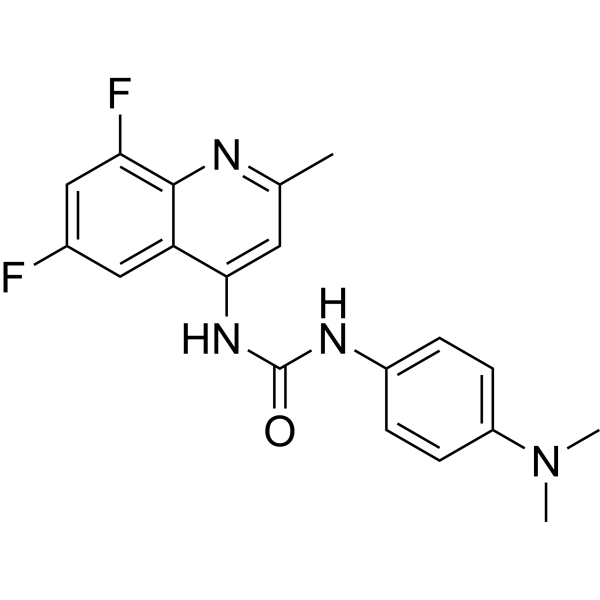
SB-408124 is a non-peptide OX1 receptor antagonist with Kis of 57 nM and 27 nM in whole cell and membrane, respectively. SB-408124 exhibits 50-fold selectivity over OX2 receptor .
loading...
    loading...
Cat. No.: HY-145301
CAS No.: 65840-95-1
Target:  

Bacterial

Research Areas:  

Infection

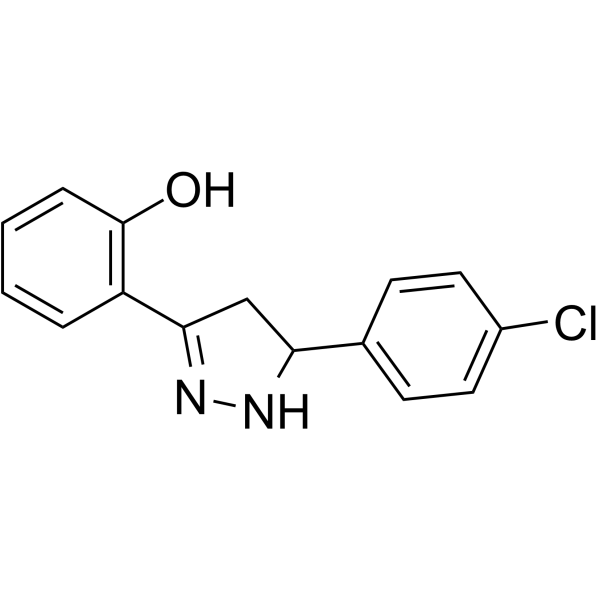
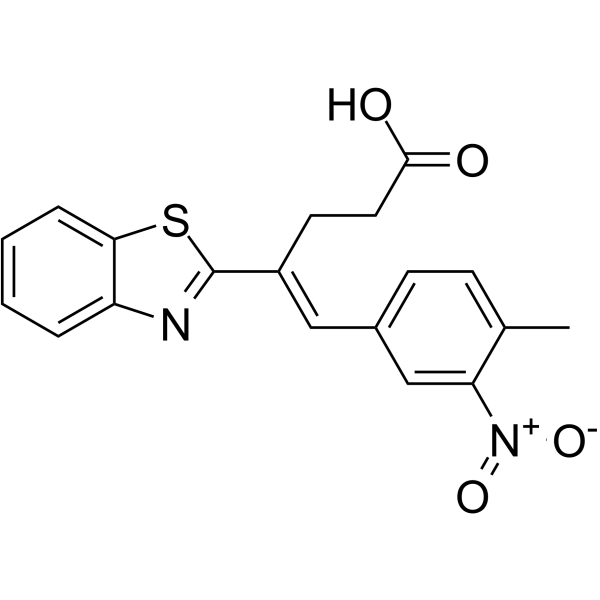
Mycobactin-IN-1, a pyrazoline analogue, is a mycobactin biosynthesis inhibitor against mycobacteria. Mycobactin-IN-1 binds to salicyl-AMP ligase (MbtA), a key enzyme in the mycobactin biosynthetic pathway. Mycobactin-IN-1 inhibits whole-cell drug efflux pumps in M. smegmatis. Mycobactin-IN-1 eradicates intracellularly surviving mycobacteria. Mycobactin-IN-1 shows an excellent in vivo pharmacokinetic profile. Mycobactin-IN-1 can be used for the research of tuberculosis .
loading...
    loading...
Cat. No.: HY-146248
CAS No.: 2412923-11-4
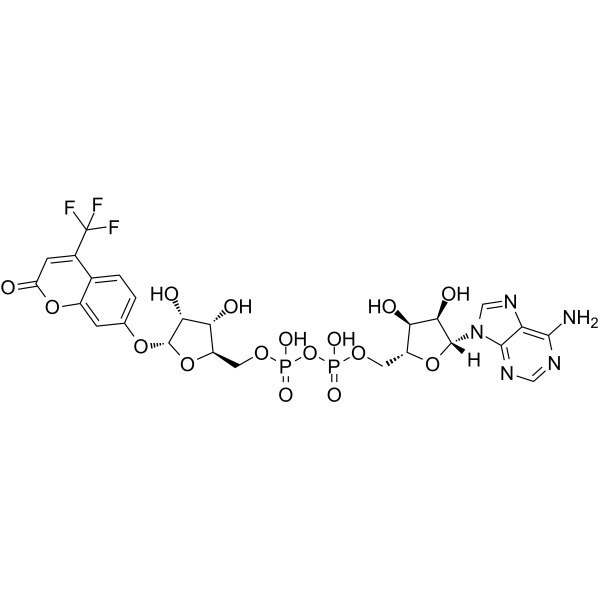
TFMU-ADPr is a selective reporter substrate of SARS-CoV-2 Macro1 (IC50=0.59 μM), with an excitation wavelength (λEx) of 385 nm, and an emission wavelength (λEm) of 502 nm (or 495 nm). TFMU-ADPr can also undergo enzymatic hydrolysis with Poly(ADP-ribose) Glycohydrolase (PARG) sourced from human, Tetrahymena thermophila and ADP-ribosylhydrolase 3 from human to release fluorophores, thereby directly reporting total poly (ADP-ribose) hydrolase activity. TFMU-ADPr binds to the ADPr-binding site of SARS-CoV-2 Macro1, and its TFMU moiety inserts into the narrow hydrophobic groove of this protein. TFMU-ADPr can thus be used to evaluate small-molecule inhibitors targeting PAR hydrolases under in vitro conditions, to investigate the regulatory mechanisms of ADP-ribosyl catabolic enzymes, or to detect PAR hydrolase activity in whole-cell lysate assays. TFMU-ADPr is also applicable to COVID-19-related research .
loading...
    loading...
Cat. No.: HY-137896
CAS No.: 51023-76-8
Purity:  94.37%
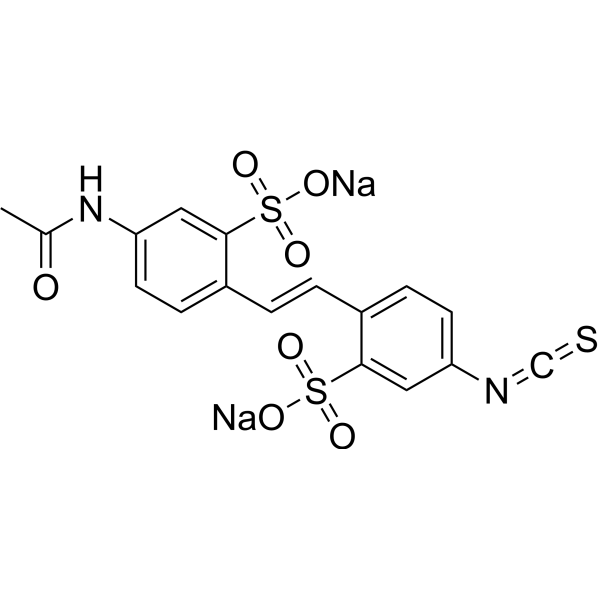
4-Acetamido-4'-isothiocyanatostilbene-2,2'-disulfonic acid disodium is a fluorescent dye. 4-Acetamido-4'-isothiocyanatostilbene-2,2'-disulfonic acid disodium can be used to demonstrate retrograde axonal transport to label secondary antibodies and as a fluorescent whole cell stain .
loading...
    loading...
Cat. No.: HY-108585A
CAS No.: 1222810-74-3
Purity:  98.81%
Target:  

Potassium Channel

Research Areas:  

Neurological Disease

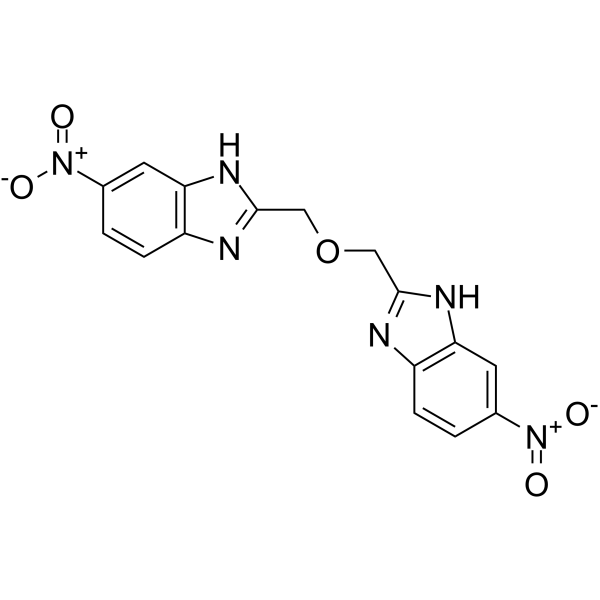
VU591 is a selective inhibitor of the renal outer medullary potassium channel (ROMK, Kir1.1). VU591 inhibits ROMK via binding to the intracellular pore region near residues Val168 and Asn171, with IC50 of 240 nM in Tl + flux assay and 300 nM in whole cell patch clamp electrophysiology, suppresses native ROMK mediated K + secretion in isolated perfused rat collecting ducts, and exerts antidepressive effects in the mouse tail suspension test (TST). VU591 can be used for the study of ROMK channel function, renal potassium handling, antidepressant mechanisms, and diuretic drug discovery .
loading...
    loading...
Cat. No.: HY-B0753R
CAS No.: 21187-98-4
Synonyms: S1702 (Standard); SE1702 (Standard)
Gliclazide (Standard) is the analytical standard of Gliclazide. This product is intended for research and analytical applications. Gliclazide (S1702) is a whole-cell beta-cell ATP-sensitive potassium currents blocker with an IC50 of 184 nM. Gliclazide is used as an antidiabetic .
loading...
    loading...
Cat. No.: HY-117931
CAS No.: 141797-92-4
Purity:  99.67%
Target:  

Potassium Channel

Research Areas:  

Neurological Disease

NS004 is a potassium (BK) channel activator that increases Iberiotoxin (HY-P0190) or Tetraethylammonium (HY-B1793)-sensitive whole-cell efflux currents. NS004 also significantly increased the activity of individual GH3 cell BK channels and rat brain BK channels reorganized into planar lipid bilayers, causing an increase in channel mean open time, a decrease in intermittent time, and an increase in channel voltage/calcium sensitivity .
loading...
    loading...
Cat. No.: HY-108585
CAS No.: 1315380-70-1
Purity:  98.02%
Target:  

Potassium Channel

Research Areas:  

Neurological Disease

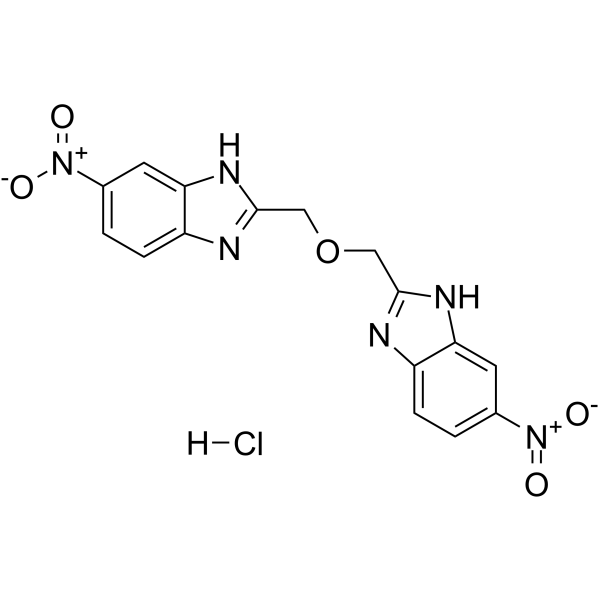
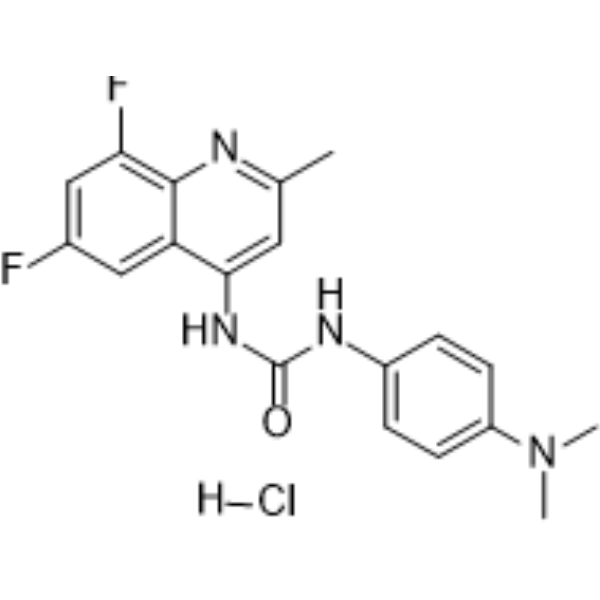
VU591 hydrochloride is a selective inhibitor of the renal outer medullary potassium channel (ROMK, Kir1.1). VU591 hydrochloride inhibits ROMK via binding to the intracellular pore region near residues Val168 and Asn171, with IC50 of 240 nM in Tl + flux assay and 300 nM in whole cell patch clamp electrophysiology, suppresses native ROMK mediated K + secretion in isolated perfused rat collecting ducts, and exerts antidepressive effects in the mouse tail suspension test (TST). VU591 hydrochloride can be used for the study of ROMK channel function, renal potassium handling, antidepressant mechanisms, and diuretic drug discovery .
loading...
    loading...
Cat. No.: HY-B0753S
CAS No.: 1185039-30-8
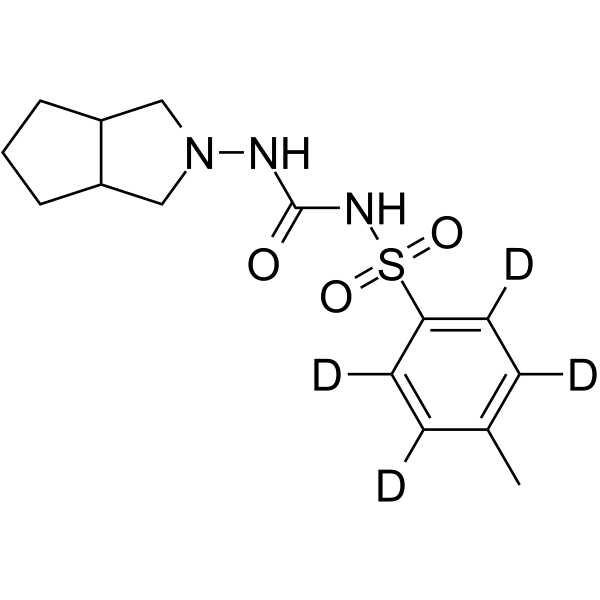
Gliclazide-d4 (S1702 D4) is the deuterium labeled Gliclazide. Gliclazide (S1702) is a whole-cell beta-cell ATP-sensitive potassium currents blocker with an IC50 of 184 nM. Gliclazide is used as an antidiabetic .
loading...
    loading...
Cat. No.: HY-137704
CAS No.: 111864-49-4
2′-Deoxy-ADPR is an endogenous TRPM2 agonist that activates Ca 2+-permeable cation channels. 2′-Deoxy-ADPR activates the Ca 2+ sensitivity of TRPM2, increasing whole-cell currents by slowing inactivation and increasing open probability. 2′-Deoxy-ADPR can be used in research related to TRPM2 channel-mediated diseases, such as inflammation and immune-related diseases .
loading...
    loading...
Cat. No.: HY-146248A
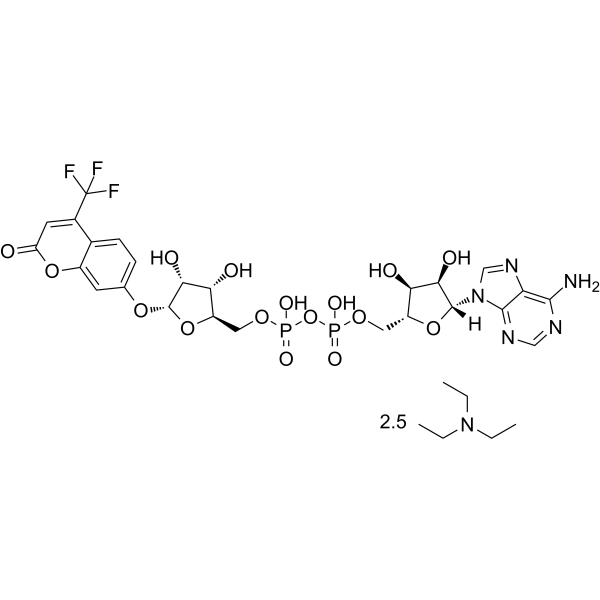
TFMU-ADPr triethylamine is a selective reporter substrate of SARS-CoV-2 Macro1 (IC50=0.59 μM), with an excitation wavelength (λEx) of 385 nm, and an emission wavelength (λEm) of 502 nm (or 495 nm). TFMU-ADPr triethylamine can also undergo enzymatic hydrolysis with Poly(ADP-ribose) Glycohydrolase (PARG) sourced from human, Tetrahymena thermophila and ADP-ribosylhydrolase 3 from human to release fluorophores, thereby directly reporting total poly (ADP-ribose) hydrolase activity. TFMU-ADPr triethylamine binds to the ADPr-binding site of SARS-CoV-2 Macro1, and its TFMU moiety inserts into the narrow hydrophobic groove of this protein. TFMU-ADPr triethylamine can thus be used to evaluate small-molecule inhibitors targeting PAR hydrolases under in vitro conditions, to investigate the regulatory mechanisms of ADP-ribosyl catabolic enzymes, or to detect PAR hydrolase activity in whole-cell lysate assays. TFMU-ADPr triethylamine is also applicable to COVID-19-related research .
loading...
    loading...
Cat. No.: HY-125965
CAS No.: 1164475-61-9
Target:  

Bacterial

Research Areas:  

Infection

BioA-IN-13 is a potent, cell permeable and whole-cell active inhibitor of Mycobacterium tuberculosis BioA enzyme .
loading...
    loading...
Cat. No.: HY-100841A
CAS No.: 71301-82-1
Synonyms: (S)-3HPG
Target:  

mGluR iGluR

Research Areas:  

Neurological Disease

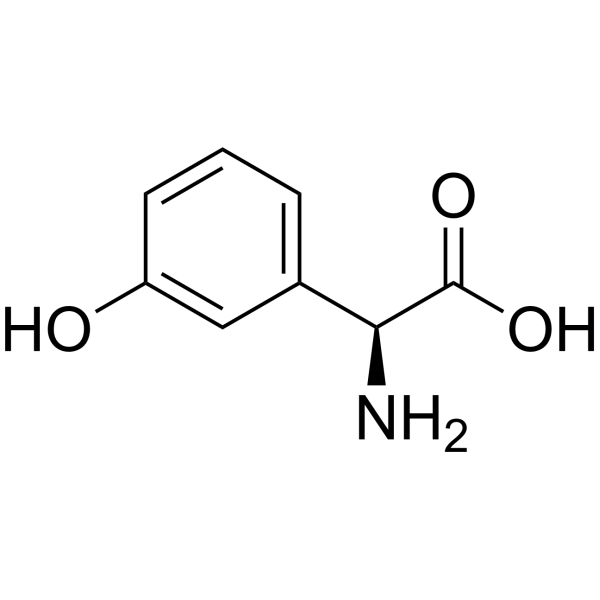
(S)-3-Hydroxyphenylglycine ((S)-3HPG) is a metabotropic glutamate receptor (mGluR) agonist with an EC50 of 98 μM in rats. (S)-3-Hydroxyphenylglycine stimulates phosphoinositide hydrolysis, inhibits ACPD-induced depolarization, and exerts weak agonistic and inhibitory effects on mGluR1-mediated signal transduction. (S)-3-Hydroxyphenylglycine selectively activates mGluR1/5, downregulates NMDA receptor channels, reduces NMDA whole-cell currents and intracellular Ca 2+ accumulation, and induces rapid intracellular Ca 2+ oscillations in cortical neurons .
loading...
    loading...
Cat. No.: HY-76612
CAS No.: 1431697-90-3
SB-408124 Hydrochloride is a selective non-peptide orexin receptor 1 (OX1) receptor antagonist with Kis of 57 nM and 27 nM in whole cell and membrane, respectively. SB-408124 Hydrochloride exhibits 50-fold selectivity over OX2 receptor .
loading...
    loading...

