51 Results for "

Microbiome preservation

" in MedChemExpress (MCE) Product Catalog:
Products (51)

51 Results for "Microbiome preservation" in MCE Product Catalog:

5
5 Cited Publications
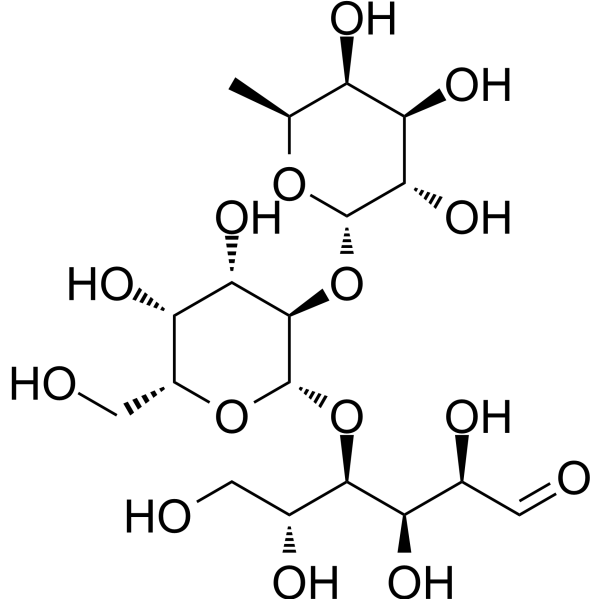
Cat. No.: HY-N9965
CAS No.: 41263-94-9
Synonyms: 2'-FL
2'-Fucosyllactose (2'-FL) is an oligosaccharide that could be derived from human milk. 2'-Fucosyllactose regulates the expression of CD14, alleviates colitis and regulates the gut microbiome. 2'-Fucosyllactose stimulates T cells to increase IFN-γ production and decreases IL-6, IL-17, and TNF-α production of cytokines .
loading...
    loading...
4
4 Cited Publications
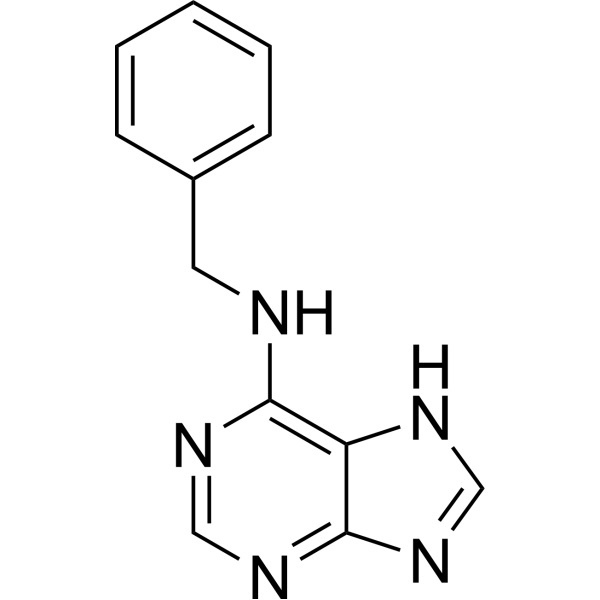
Cat. No.: HY-B0941
CAS No.: 1214-39-7
Synonyms: Benzyladenine; 6-BAP; N6-Benzyladenine
6-Benzylaminopurine (Benzyladenine) is a cytokinin that causes plant growth and development by stimulating cell division and inhibiting respiratory kinases, thereby prolonging the preservation of green vegetables .
loading...
    loading...
1
1 Cited Publications
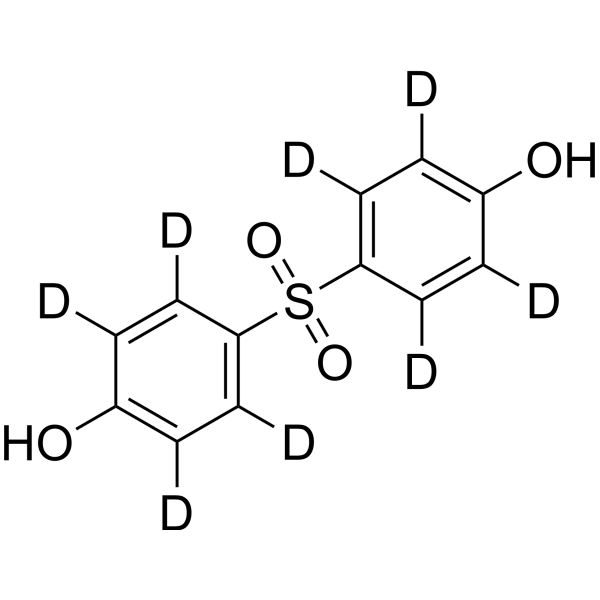
Cat. No.: HY-W011927S
CAS No.: 2483831-28-1
Synonyms: Bisphenol S (4,4'-Sulfonyldiphenol)-d8
4,4'-Sulfonyldiphenol-d8 (Bisphenol S (4,4'-Sulfonyldiphenol)-d8) is the deuterium labeled 4,4'-Sulfonyldiphenol (HY-W011927).4,4'-Sulfonyldiphenol (Bisphenol S; Bis(4-hydroxyphenyl) sulfone), a substitute for Bisphenol A (HY-18260), is widely used in industrial and consumer products. 4,4'-Sulfonyldiphenol is an estrogen receptor (ER) agonist and can competitively bind to thyroid hormone receptors (TR) with IC50 values for TRα and TRβ are 2650 μM and 2294 μM respectively, thereby affecting breast development and reducing the expression of androgen receptor (AR) in fetal testes. 4,4'-Sulfonyldiphenol promotes the progression of glioblastoma by upregulating the EZH2 mediated PI3K/AKT/mTOR pathway. Under chronic exposure, 4,4'-Sulfonyldiphenol can cause significant lipid deposition and dyslipidemia in the mouse liver by upregulating JunB and Atf3, and has a role in causing obesity at low doses. 4,4'-Sulfonyldiphenol induces intestinal inflammation by altering the intestinal microbiome. 4,4'-Sulfonyldiphenol accelerates the progression of atherosclerosis in zebrafish embryo larvae.
loading...
    loading...
1
1 Cited Publications
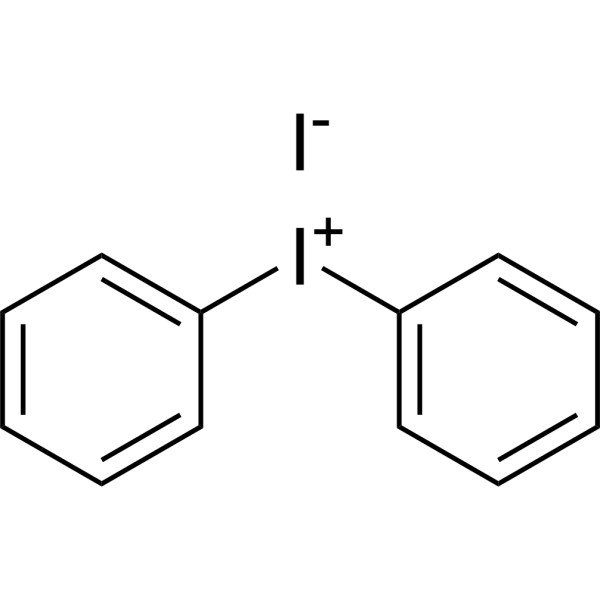
Cat. No.: HY-W250307
CAS No.: 2217-79-0
Diphenyliodonium iodide is an inhibitor of reactive oxygen species (ROS). Diphenyliodonium iodide can inhibit the accumulation of bisdemethoxycurcumin in fresh-cut yam by inhibiting the phenylpropanoid pathway and the biosynthesis of bisdemethoxycurcumin, thereby preventing the yellowing of fresh-cut yam. Diphenyliodonium iodide can be used in medicine and fruit preservation .
loading...
    loading...
Cat. No.: HY-131925
CAS No.: 372965-00-9
Purity:  ≥98.0%
Synonyms: DEA NONOate diethylamine
Target:  

Bacterial

Research Areas:  

Infection

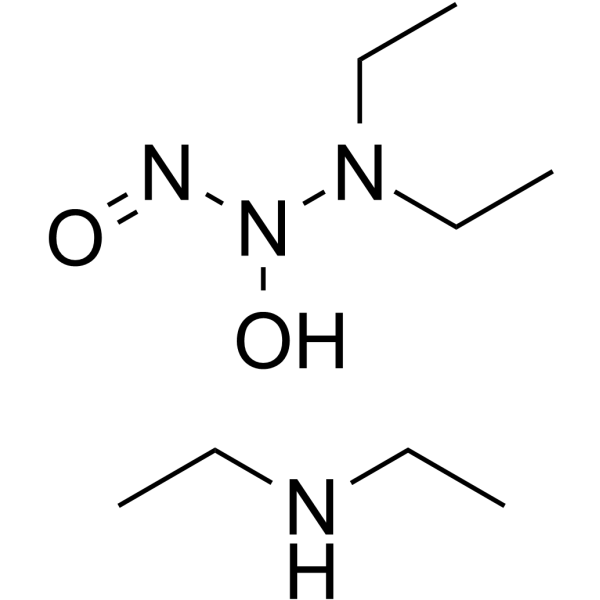
Diethylamine NONOate (DEA NONOate, diethylammonium salt) is a nitric oxide donor. Diethylamine NONOate is a potent antimicrobial agent, which can inhibit Escherichia coli growth. Diethylamine NONOate also can enhance preservation of the donor rat heart .
loading...
    loading...
Cat. No.: HY-P10745
CAS No.: 2766385-23-1
Synonyms: ZP8396
Target:  

Amylin Receptor

Research Areas:  

Metabolic Disease

Petrelintide (ZP8396) is a dual amylin and calcitonin receptor agonist (DACRA) Petrelintide elicits a selective reduction in high-fat diet intake in diet-induced obese (DIO) rats, which is accompanied by a loss of fat mass and preservation of lean mass during weight reduction. Petrelintide can be utilized in diabetes research .
loading...
    loading...
Cat. No.: HY-Y1310A
CAS No.: 9005-38-3
Sodium alginate is an anionic straight chain polysaccharide. Sodium alginate can be obtained from different species of algae. Sodium alginate has different properties, such as pH-sensitivity, nontoxicity, nonimmunogenicity. Sodium alginate has weak gelation, viscosity, and film-forming properties. Sodium alginate can be utilized to prepare gels and film materials for food preservation. Sodium alginate is a versatile functional biomaterial for viscosity enhancement, stabilizer, matrixing agent, encapsulation polymer, bioadhesive and film former .
loading...
    loading...
Cat. No.: HY-Y0272
CAS No.: 81-07-2
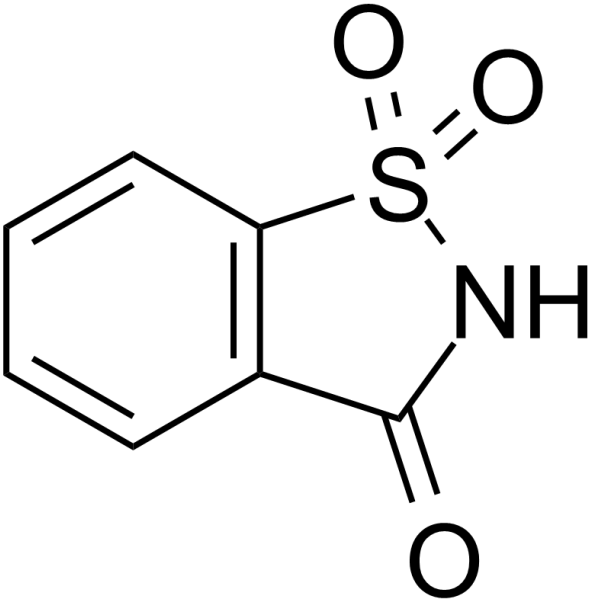
Saccharin is an orally active, non-caloric artificial sweeteners (NAS). Saccharin has bacteriostatic and microbiome-modulating properties .
loading...
    loading...
Cat. No.: HY-P10745A
Synonyms: ZP8396 acetate
Target:  

Amylin Receptor

Research Areas:  

Metabolic Disease

Perelintide (ZP8396) acetate is a dual amylin and calcitonin receptor agonist (DACRA). Perelintide acetate elicits a selective reduction in high-fat diet intake in diet-induced obese (DIO) rats, which is accompanied by a loss of fat mass and preservation of lean mass during weight reduction. Perelintide acetate can be utilized in diabetes research .
loading...
    loading...
Cat. No.: HY-Y0079
CAS No.: 673-06-3
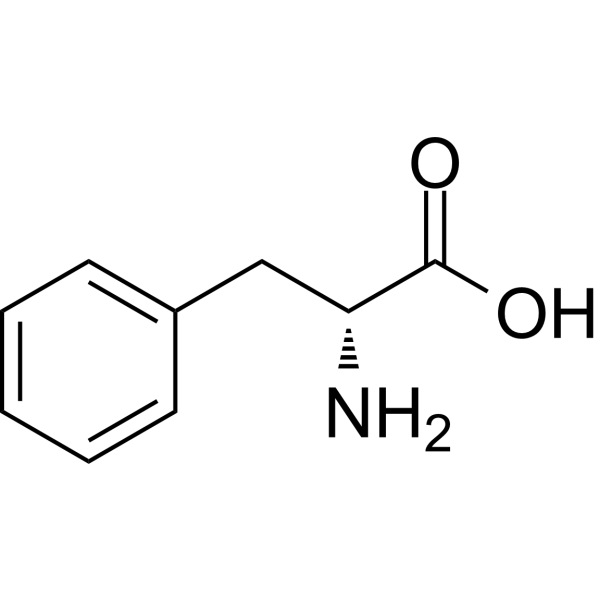
D-Phenylalanine is an atypical D-amino acid and an inhibitor of bacterial biofilm formation. D-Phenylalanine mainly replaces D-alanine (D-Ala) by incorporating into the fourth and fifth positions of bacterial peptidoglycan (PG), changing the cell wall structure, enhancing bacterial acid resistance and affecting biofilm formation. D-Phenylalanine may promote the secretion of peptide tyrosine tyrosine (PYY) in mammals by activating the intestinal GPR109B receptor. D-Phenylalanine can inhibit the maturation of microbial biofilms and promote the release of specific hormones. It can be used for antibacterial preservation, improving the yield of probiotics in the food industry, and studying appetite regulation and blood sugar control in metabolic diseases such as diabetes .
loading...
    loading...
Cat. No.: HY-W011927
CAS No.: 80-09-1
Synonyms: Bisphenol S; Bis(4-hydroxyphenyl) sulfone
4,4'-Sulfonyldiphenol (Bisphenol S; Bis(4-hydroxyphenyl) sulfone), a substitute for Bisphenol A (HY-18260), is widely used in industrial and consumer products. 4,4'-Sulfonyldiphenol is an oally ative estrogen receptor (ER) agonist and can competitively bind to thyroid hormone receptors (TR) with IC50 values for TRα and TRβ are 2650 μM and 2294 μM respectively, thereby affecting breast development and reducing the expression of androgen receptor (AR) in fetal testes. 4,4'-Sulfonyldiphenol promotes the progression of glioblastoma by upregulating the EZH2 mediated PI3K/AKT/mTOR pathway. Under chronic exposure, 4,4'-Sulfonyldiphenol can cause significant lipid deposition and dyslipidemia in the mouse liver by upregulating JunB and Atf3, and has a role in causing obesity at low doses. 4,4'-Sulfonyldiphenol induces intestinal inflammation by altering the intestinal microbiome. 4,4'-Sulfonyldiphenol accelerates the progression of atherosclerosis in zebrafish embryo larvae .
loading...
    loading...
Cat. No.: HY-W007087
CAS No.: 6106-41-8
Target:  

GABA Receptor

Research Areas:  

Metabolic Disease

Valerate sodium is the sodium salt of valeric acid, a short-chain fatty acid, and exhibits oral activity. Valerate sodium reduces binge ethanol intake and decreases blood ethanol concentration in mice, while also exerting anxiolytic effects. Valerate sodium increases GABA levels, regulates epigenetics and alters gut microbiome function. Valerate sodium can be used in research related to excessive alcohol consumption .
loading...
    loading...
Cat. No.: HY-Y1219H
CAS No.: 112926-00-8
Silica gel, high-purity grade, 200-400 mesh is a low-density, high-surface-area, high-purity inert additive that can be used to prepare chromatographic column sieve plates based on the sol-gel method. Silica gel, high-purity grade prevents DNA degradation by absorbing water from plant leaves, and is suitable for the preservation of field-collected samples for subsequent DNA extraction, restriction endonuclease digestion, PCR amplification and gene sequencing. It can also be reused after being saturated with water. Silica gel, high-purity grade can provide a non-toxic, inert aquatic environment for embedded cells, allowing nutrients, oxygen and metabolic waste to diffuse freely and blocking external pollution, thereby maintaining the activity of fibroblasts and epithelial cells .
loading...
    loading...
Cat. No.: HY-B1390B
CAS No.: 82385-42-0
Target:  

Bacterial

Research Areas:  

Inflammation/Immunology

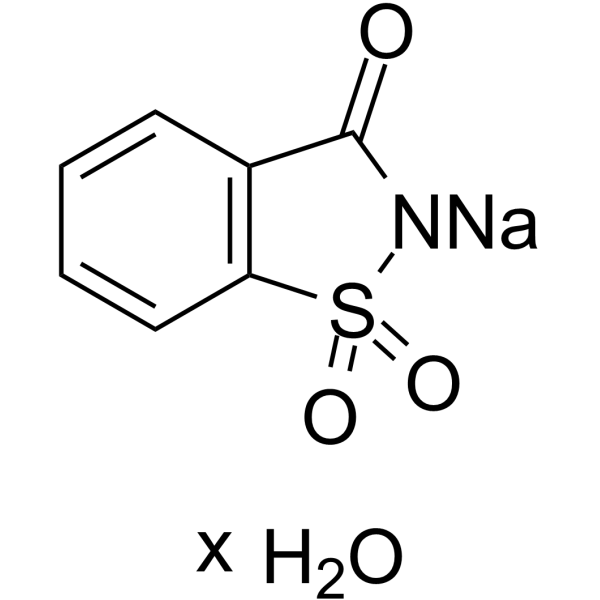
Saccharin sodium hydrate is an orally active, non-caloric artificial sweeteners (NAS). Saccharin sodium hydrate has bacteriostatic and microbiome-modulating properties .
loading...
    loading...
Cat. No.: HY-N3103
CAS No.: 7362-39-2
Synonyms: Ethyl (E)-p-hydroxycinnamate; Ethyl trans-4-hydroxycinnamate
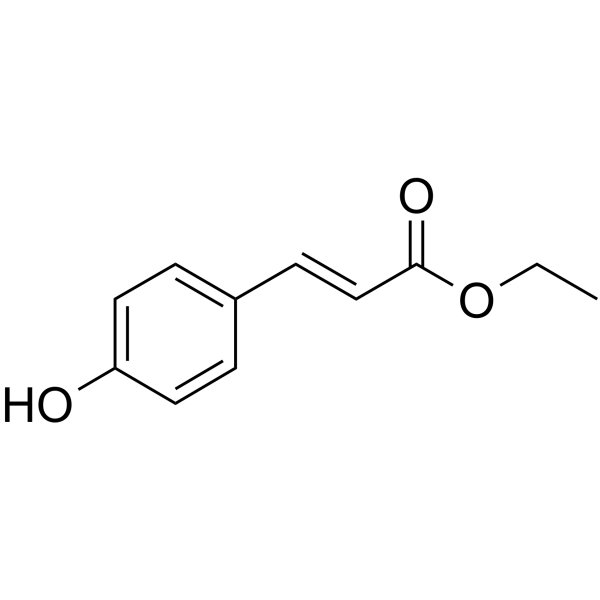
p-Coumaric Acid Ethyl Ester (Ethyl (E)-p-hydroxycinnamate; Ethyl trans-4-hydroxycinnamate) is a tyrosinase (Tyrosinase) inhibitor (IC50 = 4.89 μg/mL; Ki = 1.83 μg/mL). p-Coumaric Acid Ethyl Ester exhibits antitumor, antifungal, anti-inflammatory, and antioxidant activities. p-Coumaric Acid Ethyl Ester inhibits melanoma proliferation by inducing cell cycle arrest, and inhibits melanin synthesis by non-competitively altering tyrosinase conformation to hinder substrate binding. p-Coumaric Acid Ethyl Ester can be used in research on melanoma, whitening cosmetics, and fruit preservation .
loading...
    loading...
Cat. No.: HY-128467
CAS No.: 4418-26-2
Purity:  99.87%
Synonyms: Sodium dehydroacetate
Target:  

Bacterial Fungal

Research Areas:  

Infection

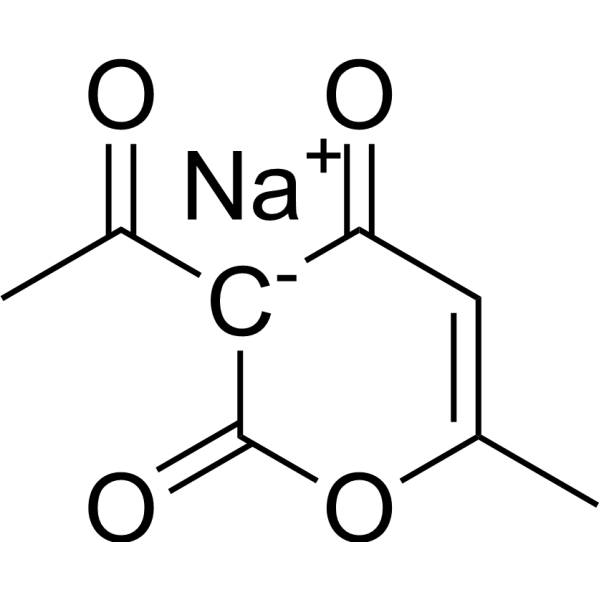
Dehydroacetic acid sodium (Biocide 470F sodium) is a pyrone derivative. Dehydroacetic acid sodium has antibacterial, antifungal and phytotoxic activities. Dehydroacetic acid sodium can be added to cosmetics, food and beverages for preservation and other purposes. Dehydroacetic acid sodium can also be used to synthesize various heterocycles and cycloaddition products .
loading...
    loading...
Cat. No.: HY-B1211
CAS No.: 520-45-6
Synonyms: Biocide 470F
Target:  

Bacterial Fungal

Research Areas:  

Infection

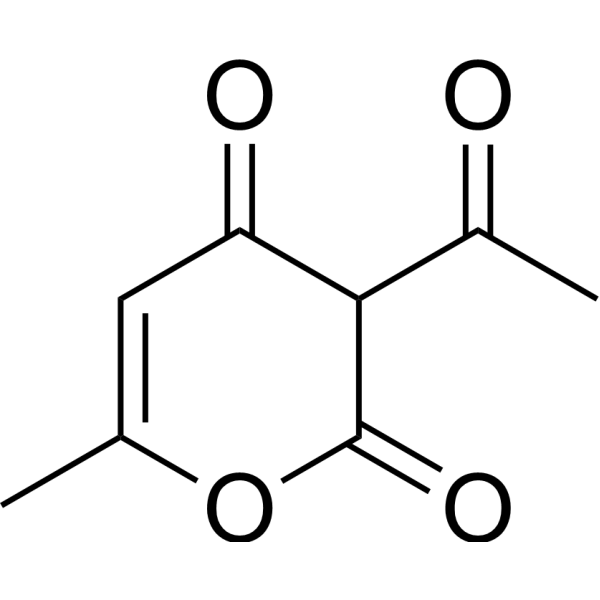
Dehydroacetic acid (Biocide 470F) is a pyrone derivative. Dehydroacetic acid has antibacterial, antifungal and phytotoxic activities. Dehydroacetic acid can be added to cosmetics, food and beverages for preservation and other purposes. Dehydroacetic acid can also be used to synthesize various heterocycles and cycloaddition products .
loading...
    loading...
Cat. No.: HY-B1390A
CAS No.: 128-44-9
Research Areas:  

Infection

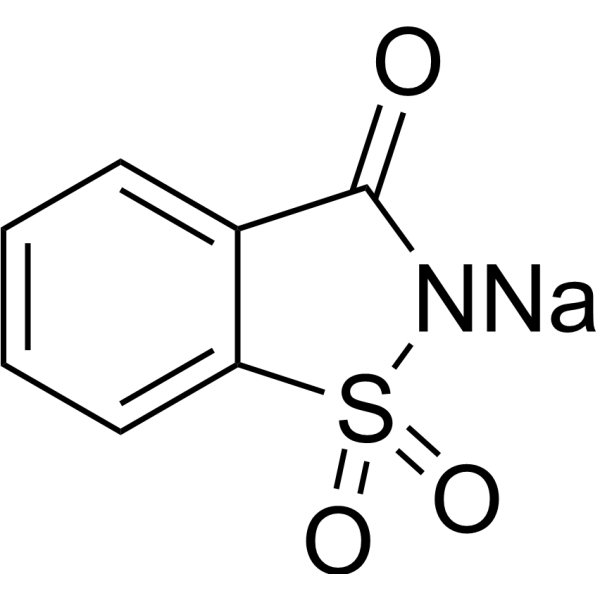
Saccharin sodium is an orally active, non-caloric artificial sweetener (NAS). Saccharin sodium has bacteriostatic and microbiome-modulating properties. Saccharin binds to and signals via specific taste receptors, not only in the oral cavity but also alongside the gastrointestinal tract. Saccharin has been reported to bind the human and rodent heteromeric guanine nucleotide-binding protein (G protein) coupled sweet taste receptors T1R2/T2R3 as well as the human bitter taste receptor T2R43 and T2R44. Saccharin can inhibit bacterial growth in vitro .
loading...
    loading...
Cat. No.: HY-N1953
CAS No.: 8000-34-8
Synonyms: Clove leaf oil,rectified
Target:  

Bacterial

Research Areas:  

Infection Inflammation/Immunology

Clove oil (Clove leaf oil,rectified) is a volatile aromatic essential oil with antibacterial, anti-inflammatory and antioxidant activities. Clove oil disrupts the integrity of bacterial cell membranes, releases intracellular nucleic acids and proteins, and inhibits bacterial growth and reproduction. Clove oil scavenges DPPH, ABTS, superoxide anions, hydrogen peroxide and hydroxyl radicals. Clove oil reduces Fe 3+ to Fe 2+, chelates Fe 2+ and iron ions, and inhibits lipid peroxidation in linoleic acid emulsions. Clove oil acts as a natural preservative to reduce the loss of oxidation products. Clove oil can be isolated from the flowers, stems and leaves of Eugenia aromatica and Eugenia caryophyllus, which belong to the Myrtaceae family. Clove oil can be used in studies related to bacterial infection, antioxidation and preservation .
loading...
    loading...
Cat. No.: HY-Y1219E
CAS No.: 112926-00-8
Silica gel, high-purity grade, 130-270 mesh is a low-density, high-surface-area, high-purity inert additive that can be used to prepare chromatographic column sieve plates based on the sol-gel method. Silica gel, high-purity grade prevents DNA degradation by absorbing water from plant leaves, and is suitable for the preservation of field-collected samples for subsequent DNA extraction, restriction endonuclease digestion, PCR amplification and gene sequencing. It can also be reused after being saturated with water. Silica gel, high-purity grade can provide a non-toxic, inert aquatic environment for embedded cells, allowing nutrients, oxygen and metabolic waste to diffuse freely and blocking external pollution, thereby maintaining the activity of fibroblasts and epithelial cells .
loading...
    loading...

