54 Results for "

Toxicology

" in MedChemExpress (MCE) Product Catalog:
Products (54)

54 Results for "Toxicology" in MCE Product Catalog:

26
26 Publications Verification
Cat. No.: HY-126793
CAS No.: 2044-85-1
Purity:  98.95%
Synonyms: DCFH2-DA
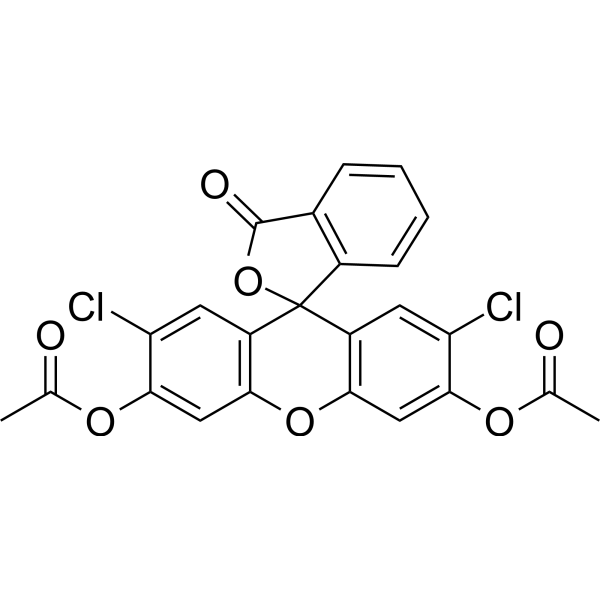
2′,7′-Dichlorofluorescein diacetate (DCFH2-DA) is a cell-permeable fluorescent probe. 2′,7′-Dichlorofluorescein diacetate can be used to detect the generation of reactive oxygen intermediates and for assessing the overall oxidative stress in toxicological phenomenon .
loading...
    loading...
12
12 Cited Publications
Cat. No.: HY-153169
CAS No.: 2754428-18-5
Purity:  99.30%
Synonyms: 6PPD-Quinone
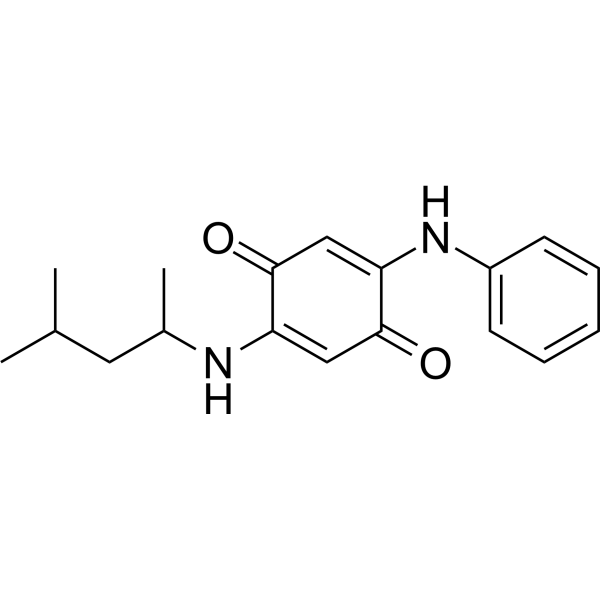
6PPD-Q (6PPD-Quinone) is an environmental pollutant that can be detected in human urine and is widely present in the environment. 6PPD-Q targets and binds to CNR2, CNR1, AA2AR, LCAT, and TRPA1, with CNR2 exhibiting the highest binding affinity, potentially acting as a CNR2 receptor agonist to activate cannabinoid receptors. 6PPD-Q induces intestinal inflammation and barrier damage by disrupting mitochondrial function, reducing neuronal glycolysis metabolites and TCA cycle intermediates, and exacerbating α-synuclein (α-syn) aggregation. 6PPD-Q is applicable in research on environmental toxicology, neurodegenerative diseases, and inflammation-related disorders .
loading...
    loading...
4
4 Cited Publications
Cat. No.: HY-138800
CAS No.: 168316-95-8
Purity:  96.19%
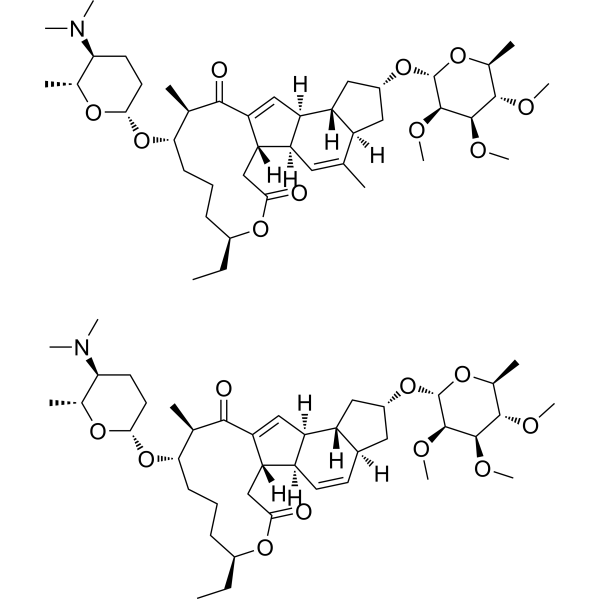
Spinosad, a mixture of spinosyns A and D known as fermentation products of a soil actinomycete (Saccharopolyspora spinosa), is a biological neurotoxic insecticide with a broader action spectrum. Spinosad targets the nicotinic acetylcholine receptor (nAChRs) of the insect nervous system. Spinosad has an excellent environmental and mammalian toxicological profile. Larvicidal activity .
loading...
    loading...
4
4 Cited Publications
Cat. No.: HY-B0827
CAS No.: 165252-70-0
Synonyms: MTI-446
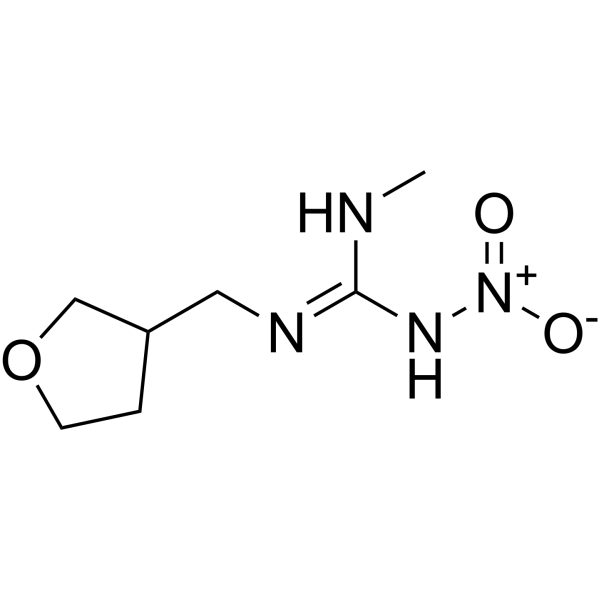
Dinotefuran is an orally active and competitive inhibitor and insecticide targeting insect nicotinic acetylcholine receptors (nAChRs). Dinotefuran blocks neural signaling and induces neural dysfunction in insects. Dinotefuran binds to [ 3H]epibatidine in the neural cord membrane of American cockroach with an IC50 of 890 nM and to [ 3H]α-bungarotoxin with an IC50 of 36.1 μM. Dinotefuran exhibits knockdown activity (KD50=0.351 nmol/g) and lethal activity (LD50=0.173 nmol/g) against German cockroach. Dinotefuran is mainly used for agricultural pest control, such as field control of piercing-sucking and chewing insects (e.g., aphids, planthoppers), while its environmental toxicological effects (e.g., oxidative stress and reproductive neurotoxicity on earthworms) are also a research focus to assess ecological risks .
loading...
    loading...
2
2 Cited Publications
Cat. No.: HY-D0256
CAS No.: 1937-37-7
Synonyms: Chlorazol Black E; Ferristatin II disodium; C.I. 30235
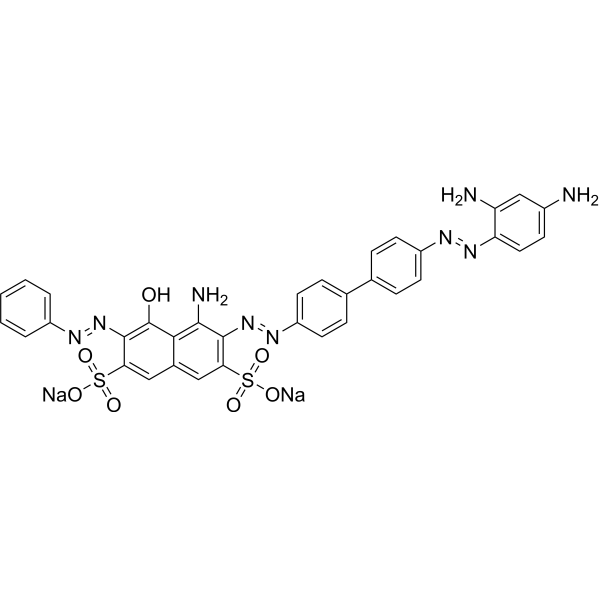
Direct Black 38 (Chlorazol Black E) is a benzidine-based azo dye, a substrate of Enterococcus gallinarum, and is mainly used for textile dyeing. Direct Black 38 is biodegradable after being reduced by microbial enzymes (such as Enterococcus gallinarum azoreductase), breaking the azo bonds and releasing benzidine and 4-aminobiphenyl. Direct Black 38 can be used in environmental toxicology, wastewater treatment and carcinogenicity studies, but its metabolite benzidine is listed as a human carcinogen .
loading...
    loading...
2
2 Cited Publications
Cat. No.: HY-B1885
CAS No.: 122-14-5
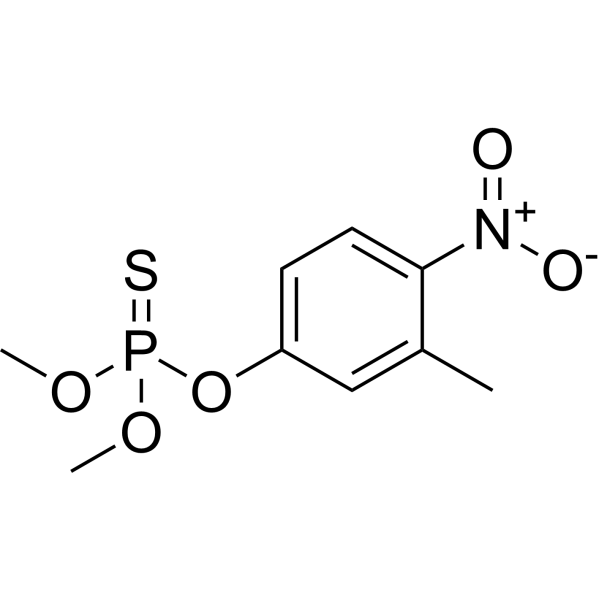
Fenitrothion is a broad-spectrum and orally active insecticide/acaricide. Fenitrothion inhibits cholinesterase, AMPKα and IRS1/PI3K/AKT. Fenitrothion causes Apoptosis, reduces SOD activity. Fenitrothion shows insecticidal effect against Rhyzopertha dominica and Tribolium castaneum adults. Fenitrothion is widely used in cotton crops, vegetable crops, fruit crops and field crops, especially rice. Fenitrothion can be used for brain and spleen toxicology studies .
loading...
    loading...
1
1 Cited Publications
Cat. No.: HY-109521A
CAS No.: 13446-34-9
Purity:  99.08%
Synonyms: Manganese(Ⅱ) chloride tetrahydrate, molecular biology grade,≥99.0% (KT)
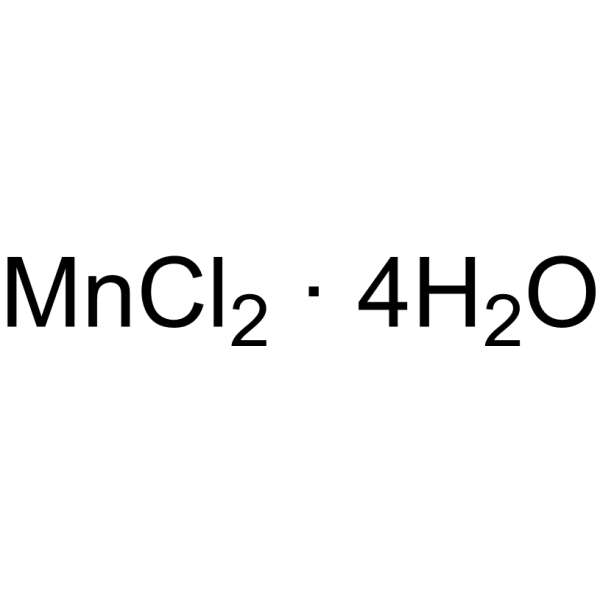
Manganese chloride (tetrahydrate), molecular biology grade,≥99.0% (KT) is an orally active and a blood-brain barrier penetrant compound. It affects the activities of multiple enzymes in cells, such as regulating the activities of histone acetyltransferase (HAT) and histone deacetylase (HDAC), thereby affecting gene expression. It has multiple activities such as neurotoxicity, embryotoxicity, and reproductive toxicity. It is currently mainly used in neurodegenerative diseases and toxicology research.
loading...
    loading...
1
1 Cited Publications
Cat. No.: HY-118504
CAS No.: 946578-00-3
Purity:  99.92%
Research Areas:  

Neurological Disease

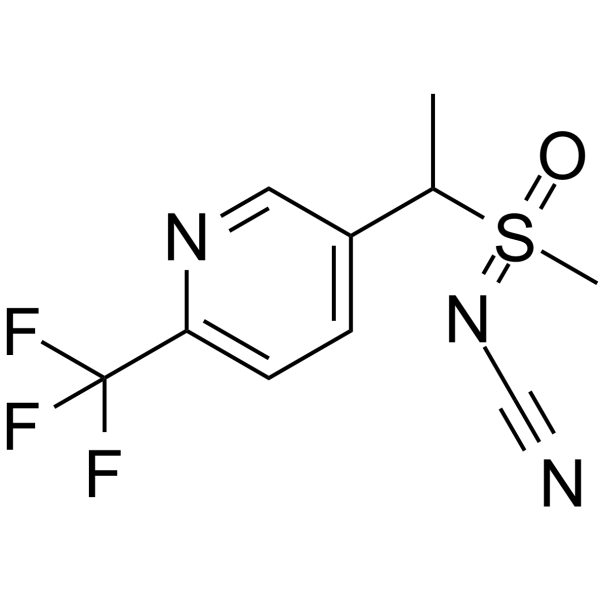
Sulfoxaflor is an orally active full agonist of insect nicotinic acetylcholine receptors (nAChRs), targeting the α-bungarotoxin-insensitive nAChR1 and nAChR2 subtypes. Sulfoxaflor binding to nACh is not inhibited by d-Tubocurarine (HY-125901), but is partially inhibited by Mecamylamine (HY-B1395A). Sulfoxaflor induces inward currents by activating nAChRs, leading to insect neurotoxicity. Sulfoxaflor can be used in the research of agricultural pest control, pesticide toxicology, insect neural receptor pharmacology, etc .
loading...
    loading...
1
1 Cited Publications
Cat. No.: HY-21191
CAS No.: 375-73-5
Synonyms: PFBS
Perfluorobutanesulfonic acid (PFBS) is a short-chain perfluoroalkyl substance and the main replacement for perfluorooctanesulfonic acid. Perfluorobutanesulfonic acid induces fat accumulation in human HepG2 hepatoma cells. Perfluorobutanesulfonic acid promotes lipid accumulation by activating PPARγ pathway and triggering oxidative stress, endoplasmic reticulum stress and calcium dyshomeostasis. Perfluorobutanesulfonic acid impairs reproduction and causes developmental disorders in offspring of Caenorhabditis elegans. Perfluorobutanesulfonic acid disrupts pancreatic organogenesis and lipid homeostasis in zebrafish embryos. Perfluorobutanesulfonic acid can be used in environmental toxicology, lipid metabolism and developmental toxicity studies .
loading...
    loading...
1
1 Cited Publications
Cat. No.: HY-W041171
CAS No.: 7423-93-0
Synonyms: 3-Chlorotyrosine
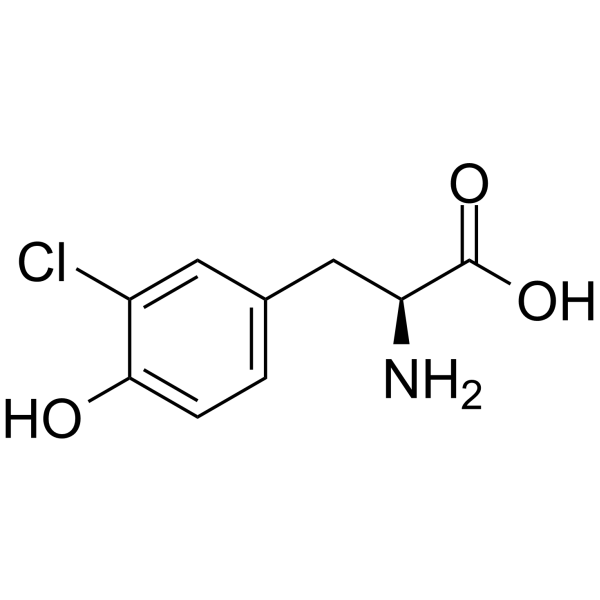
3-Chloro-L-tyrosine is a specific biomarker in myeloperoxidase-catalyzed oxidation. 3-Chloro-L-tyrosine can be used as a molecular marker for oxidative stress and inflammation to determine whether myeloperoxidase-mediated tyrosine chlorination occurs. 3-Chloro-L-tyrosine is therefore used in the diagnosis of chlorine poisoning in forensic toxicology and in the auxiliary diagnosis of inflammation such as colorectal cancer .
loading...
    loading...
Cat. No.: HY-W015854
CAS No.: 62-50-0
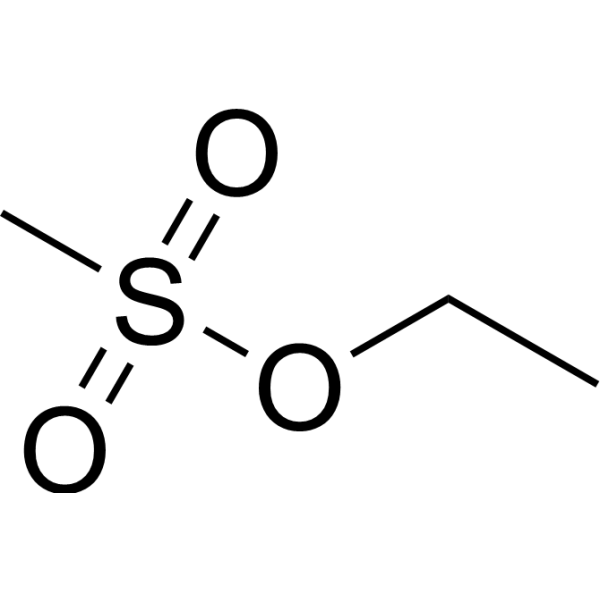
Ethyl methanesulfonate is an orally active biochemical agent. Ethyl methanesulfonate induces Apoptosis. Ethyl methanesulfonate acts on DNA, alkylating it and causing changes in DNA structure, which in turn triggers a series of biological effects such as mutation and cell death. Ethyl methanesulfonate induces kidney and nervous system tumors. Ethyl methanesulfonate is widely used in the field of genetic toxicology research and is often used to induce gene mutations in organisms to study gene function, the mechanism of genetic diseases, and the effects of environmental mutagenic factors, etc .
loading...
    loading...
Cat. No.: HY-139838
CAS No.: 353292-31-6
Target:  

Herbicide

Research Areas:  

Others Cancer

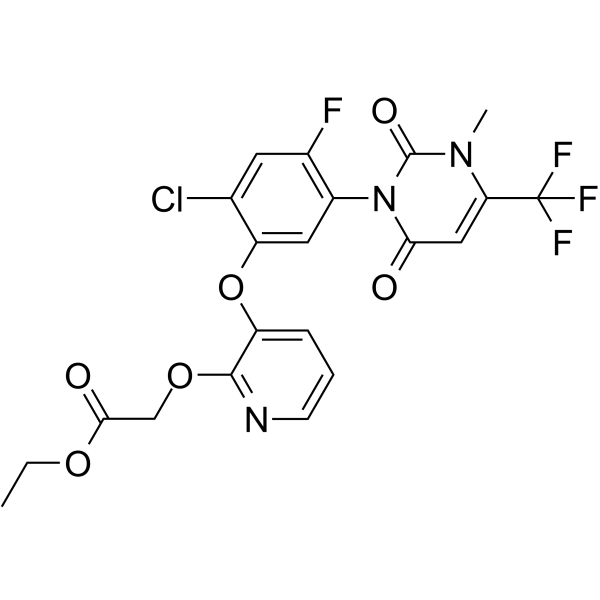
Epyrifenacil is a protoporphyrinogen oxidase (PPO) inhibiting herbicide, potently targeting the PPO2 isoform from weeds such as Amaranthus palmeri with an IC50 of 0.637 nM. Epyrifenacil also inhibits liver mitochondrial PPO across species, with IC50 values of 2.2 nM (mouse), 2.6 nM (rat), 12.1 nM (rabbit), 7.6 nM (dog), and 10.2 nM (human). Epyrifenacil induces liver tumor development in mice. Epyrifenacil can be used for weed control, and also used as a tool compound in toxicological research to study the mechanism of PPO inhibition, chemical-induced hepatotoxicity, and the mode of action of non-genotoxic carcinogens in rodents [3].
loading...
    loading...
Cat. No.: HY-W013058
CAS No.: 84852-53-9
Synonyms: DBDPE; 1,2-Bis(perbromophenyl)ethane
Research Areas:  

Cancer

Decabromodiphenyl ethane (DBDPE) is a brominated flame retardant. Decabromodiphenyl ethane induces ROS-related cytotoxicity and apoptosis in human hepatoma cells, causes hepatocyte damage through oxidative stress, endoplasmic reticulum stress and decreased CYP3A expression, and accumulates and undergoes biotransformation in animal tissues. Decabromodiphenyl ethane can be used to study the environmental toxicology and biological effects of brominated flame retardants .
loading...
    loading...
Cat. No.: HY-W041308
CAS No.: 64359-81-5
Synonyms: Kathon 930
Research Areas:  

Endocrinology

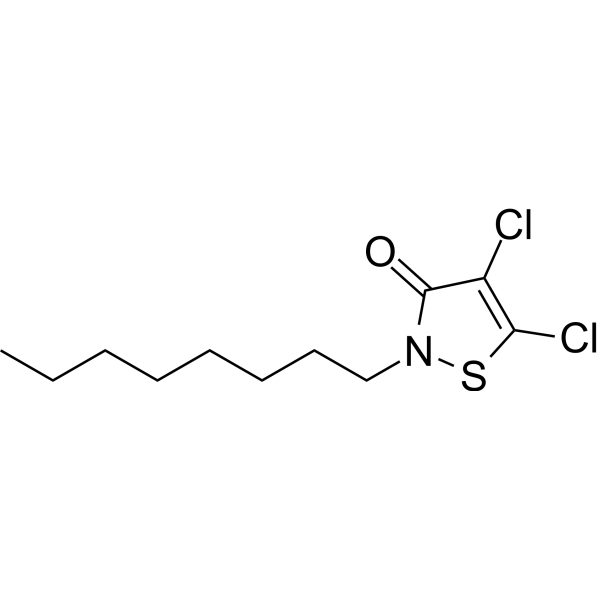
DCOIT (Kathon 930) is an isothiazolinone biocide and environmental pollutant that directly binds to G protein α subunits, with KD values of 0.92 mM and 0.4 mM for Gαs and Gαi, respectively. Binding of DCOIT to Gαi enhances the interaction between Gαi and mitochondrial calcium uniporter (MCU), alters the subcellular distribution of intracellular Ca 2+, and activates PKC/MEK/ERK signaling. DCOIT upregulates CYP19a transcription and aromatase activity, thereby disrupting steroid hormone homeostasis. DCOIT is used in studies of reproductive endocrine disruption and environmental toxicology .
loading...
    loading...
Cat. No.: HY-18298
CAS No.: 185039-99-0
Target:  

EGFR

Research Areas:  

Cancer

PD 173955 analog 1 (Compound 26) is an analog of PD 173955 (HY-10395). PD 173955 analog 1 is an inhibitor for EGFR kinase, which exhibits antitumor and toxicological properties. PD 173955 analog 1 exhibits an in silico IC50 of 0.19 μM .
loading...
    loading...
Cat. No.: HY-W088320
CAS No.: 122-37-2
Synonyms: p-Anilinophenol; 4-Hydroxy-DPA; 4-HDPA
Target:  

Drug Intermediate

Research Areas:  

Inflammation/Immunology

4-Hydroxydiphenylamine (p-Anilinophenol; 4-Hydroxy-DPA; 4-HDPA) is an aromatic amine organic compound. 4-Hydroxydiphenylamine exhibits antioxidant activity, and also acts as a catalyst or intermediate in certain chemical reactions to participate in the synthesis of other compounds. 4-Hydroxydiphenylamine can be used in research in the fields of environmental science and toxicology .
loading...
    loading...
Cat. No.: HY-DY1058
CAS No.: 2044-85-1
2′,7′-Dichlorofluorescein diacetate (DCFH2-DA) (solution) is a cell-permeable fluorescent probe. 2′,7′-Dichlorofluorescein diacetate can be used to detect the generation of reactive oxygen intermediates and for assessing the overall oxidative stress in toxicological phenomenon .
Solvent and concentration: DMSO: 10 mM
The 1 mL volume is defined as the base specification. All larger sizes correspond to incremental volumes of this base.
loading...
    loading...
Cat. No.: HY-W012278
CAS No.: 56-55-3
Synonyms: Tetraphene
Benz[a]anthracene (Tetraphene) is a polycyclic aromatic hydrocarbon pollutant and also a ligand of aryl hydrocarbon receptor 2 (AHR2), with a pIC50 of 7.319. Benz[a]anthracene can be detected in spruce needles near aluminum smelters. Exposure to Benz[a]anthracene during zebrafish embryonic stage activates the AHR-CYP1A signaling pathway and induces AHR2 expression, leading to social behavioral deficits that persist into adulthood, accompanied by impaired neuro-immune interaction, while anxiety levels remain unaffected. Benz[a]anthracene can be used in studies related to PAH environmental toxicology, developmental neurotoxicity and biodegradation .
loading...
    loading...
Cat. No.: HY-W585831
CAS No.: 72236-72-7
Synonyms: BDCPP
Research Areas:  

Others

Bis(1,3-dichloro-2-propyl) phosphate (BDCPP) is a metabolite of the flame retardant TDCPP (HY-108712) and has endocrine disrupting properties. Bis(1,3-dichloro-2-propyl) phosphate can be used in environmental monitoring, toxicology, and exposure assessment studies .
loading...
    loading...
Cat. No.: HY-167822
CAS No.: 1531600-36-8
Target:  

iGluR GABA Receptor

Research Areas:  

Neurological Disease

Caramboxin is a phenylalanine-like α-amino acid neurotoxin found in star fruit (Averrhoa carambola) with glutamatergic ionotropic action. Caramboxin activates NMDA, AMPA, and kainate receptors while inhibiting GABA binding to synaptic membranes, shifting the CNS toward an excitatory state and exerting neurotoxic effects linked to star fruit ingestion. Caramboxin can be used for research on neurotoxicity and as a reference standard for toxicological studies .
loading...
    loading...

