
78 Results for "

allergic mediators

" in MedChemExpress (MCE) Product Catalog:
Products (78)

78 Results for "allergic mediators" in MCE Product Catalog:

18
18 Publications Verification
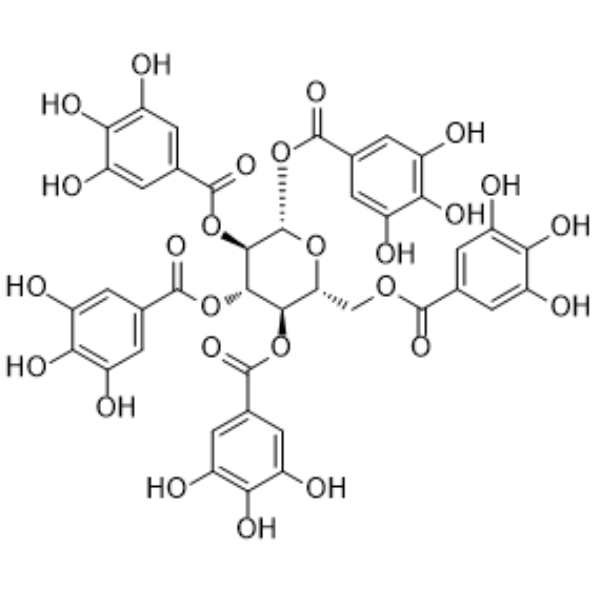
Cat. No.: HY-N0527
CAS No.: 14937-32-7
Synonyms: Penta-O-galloyl-β-D-glucose; 1,2,3,4,6-Pentagalloyl glucose
Pentagalloylglucose (Penta-O-galloyl-β-D-glucose) is an orally active gallic tannin compound and an inducer of apoptosis and autophagy. Pentagalloglucose induces cell apoptosis and autophagy through the GSK3β/β-catenin pathway. Pentagalloylglucose inhibits UBE2T-mediated p53 ubiquitination, upregulates p53, downregulates RRM1/RRM2 in pancreatic cancer organoids. Pentagalloglucose has antioxidant, anti mutagenic, anti-inflammatory, anticonvulsant, cardioprotective, anti allergic, cholesterol lowering, and anti-tumor activities .
loading...
    loading...
11
11 Cited Publications
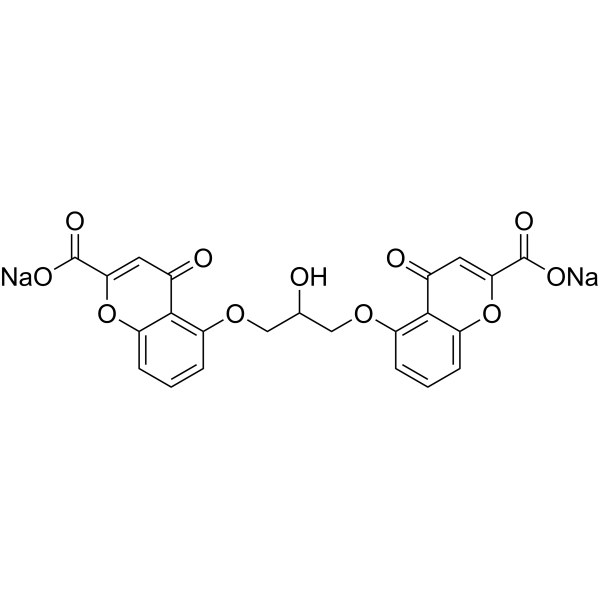
Cat. No.: HY-B0320A
CAS No.: 15826-37-6
Synonyms: Cromoglycate disodium; Cromoglicic acid disodium; FPL-670
Cromolyn (Cromoglycate) disodium is an orally active GSK-3β inhibitor with an IC50 of 2.0 μM. Cromolyn disodium is also a mast cell stabilizer that can inhibit the release of mediators from mast cells, regulate reflex bronchoconstriction, and reduce non-specific bronchial hyperreactivity, and Cromolyn disodium can be used in the research of bronchial asthma. In addition, Cromolyn disodium has multiple activities such as anti-inflammatory, anti-allergic, anti-histamine, anti-cancer, and neuroprotective effects .
loading...
    loading...
11
11 Cited Publications
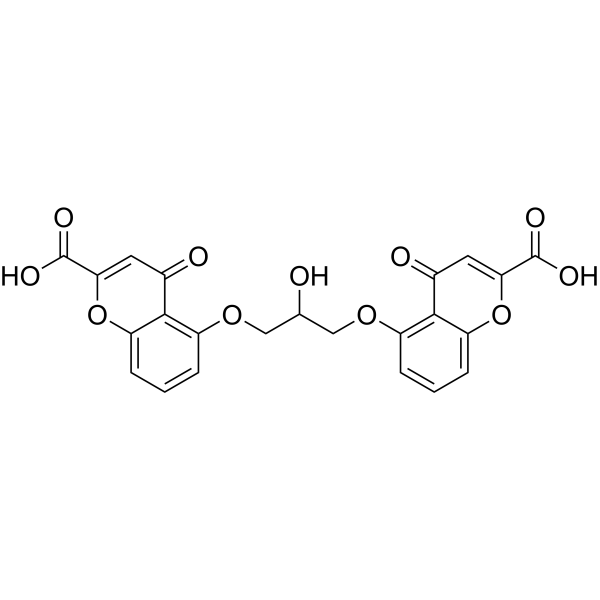
Cat. No.: HY-B1619
CAS No.: 16110-51-3
Synonyms: Cromoglycate; Cromoglicic acid; FPL-670 free acid
Cromolyn (Cromoglycate) is an orally active GSK-3β inhibitor with an IC50 of 2.0 μM. Cromolyn is also a mast cell stabilizer that can inhibit the release of mediators from mast cells, regulate reflex bronchoconstriction, and reduce non-specific bronchial hyperreactivity, and Cromolyn can be used in the research of bronchial asthma. In addition, Cromolyn has multiple activities such as anti-inflammatory, anti-allergic, anti-histamine, anti-cancer, and neuroprotective effects .
loading...
    loading...
7
7 Cited Publications
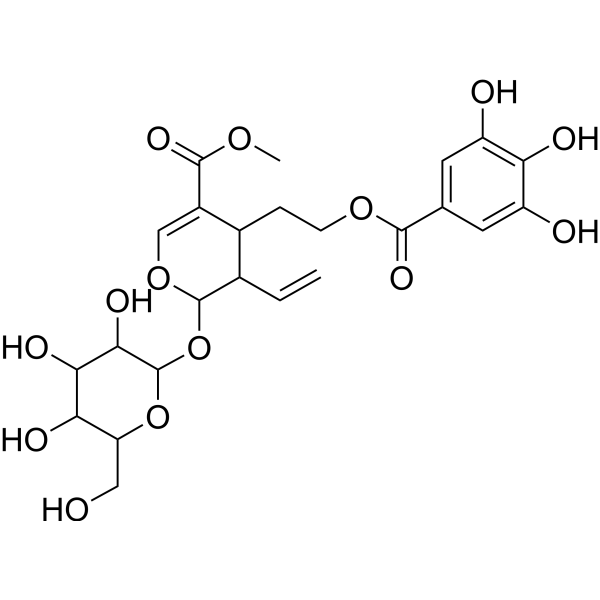
Cat. No.: HY-N0631
CAS No.: 131189-57-6
Cornuside is an iridoid glycoside with anti-allergic, anti-inflammatory, and neuroprotective activities. Cornuside exerts anti-allergic activity by downregulating the p38 MAPK, JNK, and NF-κB signaling pathways, and inhibits IgE-mediated histamine release from mast cells. Cornuside improves cognitive impairment in mice by inhibiting BACE1 activity (IC50 = 55.84 μg/mL) and enhancing ChAT activity. Cornuside inhibits LPS (HY-D1056)-induced inflammatory mediators, including iNOS, COX-2, PGE2, TNF-α, IL-6, and IL-1β, by suppressing NF-κB activation .
loading...
    loading...
5
5 Cited Publications
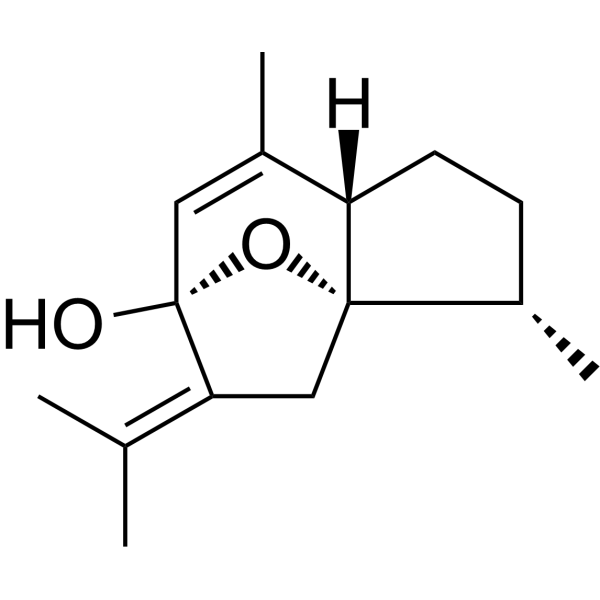
Cat. No.: HY-N2259
CAS No.: 19431-84-6
Synonyms: (+)-Curcumenol
Curcumenol ((+)-Curcumenol) is a natural compound with oral efficacy, exhibiting an IC50 of 12.6 μM and a Ki of 10.8 μM against human CYP3A4. Curcumenol inhibits TNFα-induced phosphorylation/degradation of IκBα, phosphorylation/nuclear translocation of NF-κB p65, as well as the upregulation of MMP3, MMP9, MMP13, TRAF3, IL1RL1, TNFα and IL-1β. Curcumenol suppresses LPS-induced phosphorylation of Akt and p38 MAPK, as well as the production of pro-inflammatory mediators/proteins, and downregulates the SLC7A11/NF-κB/TGF-β pathway. Curcumenol binds to and inhibits the activation of Fyn and Lyn, blocks the function of downstream FcεRI signaling components, and reduces the release of allergic mediators/cytokines. Curcumenol upregulates the expression of KDM6B, and promotes chondrocyte proliferation and cartilage repair. Curcumenol induces ferroptosis and apoptosis, regulates the EMT process, and inhibits tumor growth and metastasis of triple-negative breast cancer. Curcumenol possesses anti-inflammatory, neuroprotective, antioxidant, antitumor, antiviral and hepatoprotective activities. Curcumenol can be used in research related to intervertebral disc degeneration, cancer, inflammation, central nervous system neurodegenerative diseases, allergic reactions and knee osteoarthritis .
loading...
    loading...
4
4 Cited Publications
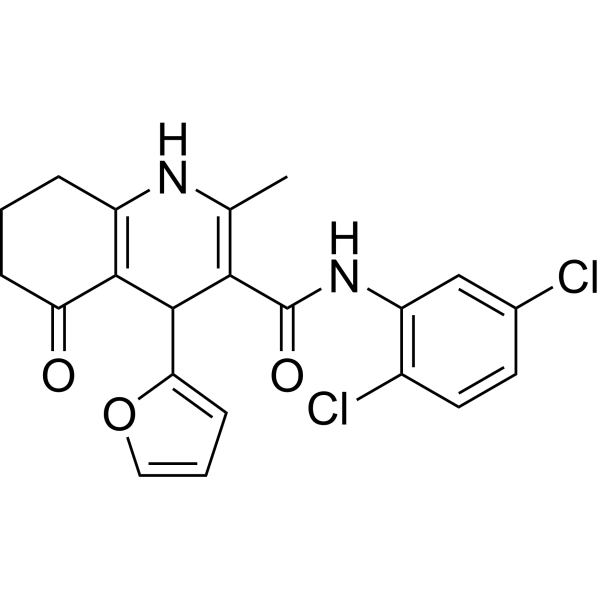
Cat. No.: HY-116522
CAS No.: 1798310-55-0
Purity:  98.29%
AR420626 is a selective agonist of free fatty acid receptor 3 (FFAR3) (IC50=117 nM). AR420626 has anti-inflammatory, anticancer and antidiabetic activities. AR420626 improves neurogenic diarrhea by inhibiting nAChR mediated neural pathways. AR420626 inhibits the growth of HepG2 xenografts and inhibits the proliferation of hepatoma cells by inducing apoptosis. AR420626 also suppresses allergic asthma and eczema and has the ability to activate GPR41 to increase Ca 2+ signal-mediated glucose uptake and improve diabetes .
loading...
    loading...
3
3 Cited Publications
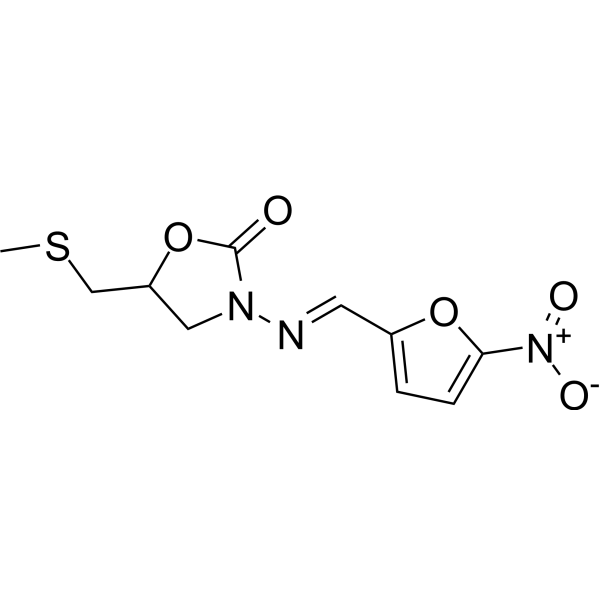
Cat. No.: HY-A0059
CAS No.: 4936-47-4
Synonyms: NF 113; SAP 113; Methylmercadone
Nifuratel (NF 113) is an orally active broad-spectrum antibiotic with antiprotozoal, antibacterial, anticancer and anti-inflammatory activities, and has good inhibitory effects on Candida and Trichomonas. Nifuratel is also a STAT3 inhibitor, which significantly inhibits the growth and proliferation of human gastric cancer cells and induces apoptosis. In addition, Nifuratel also inhibits mast cell-mediated antigen hypersensitivity reactions and can be used in the study of IgE-mediated allergic diseases .
loading...
    loading...
2
2 Cited Publications
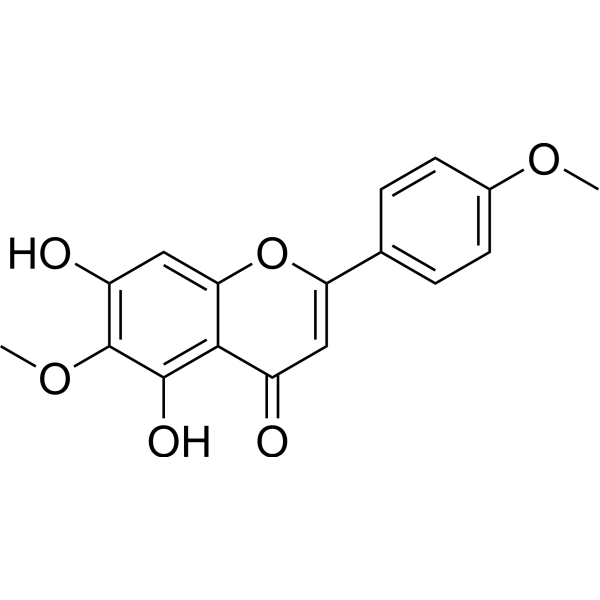
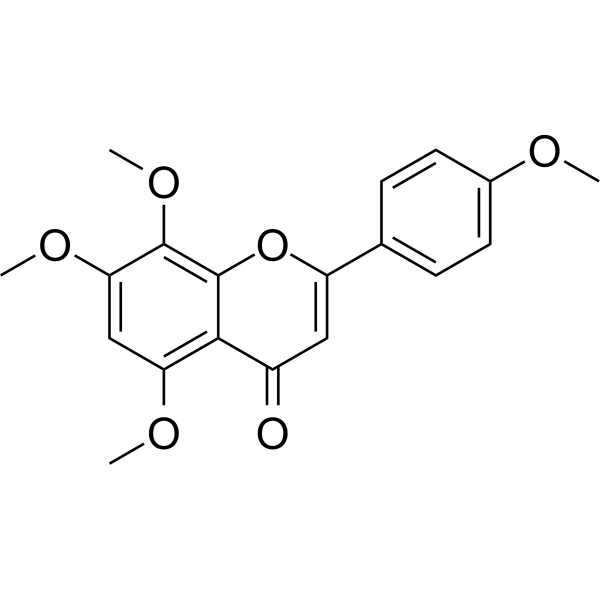
Cat. No.: HY-N0493
CAS No.: 520-12-7
Pectolinarigenin is an orally active dual inhibitor of COX-2/5-LOX with anti-inflammatory, antioxidant, antitumor and neuroprotective activities. Pectolinarigenin exerts neuroprotective and anti-inflammatory effects on astrocyte inflammation via the NFκB and MAPK pathways. Pectolinarigenin inhibits LPS-induced phosphorylation of ERK1/2, N-FκB and p38MAPK, directly inhibits the enzymatic activity or binding of COX-2, 5-LOX and HIF-1α, and reduces the level of XIAP. Pectolinarigenin modifies Keap1 to promote nuclear accumulation of Nrf2, induces ARE-mediated antioxidant enzyme expression, and possesses direct free radical scavenging activity. Pectolinarigenin reduces the release of NO, proinflammatory mediators and leukotrienes, and increases the level of IL-10. Pectolinarigenin induces G2/M cell cycle arrest, apoptosis (Apoptosis) and autophagy (Autophagy) via the PI3K/AKT/mTOR signaling pathway. Pectolinarigenin reduces renal crystal deposition and inhibits melanin synthesis. Pectolinarigenin inhibits inflammation and alleviates allergy in mouse models of inflammation. Pectolinarigenin alleviates renal injury, inflammation and oxidative stress in mice by inhibiting HIF-1α activity. Pectolinarigenin can be used for the research of neurodegenerative diseases, inflammatory/allergic diseases, calcium oxalate nephrocalcinosis, gastric cancer, melasma, post-inflammatory diseases and chloasma .
loading...
    loading...
2
2 Cited Publications
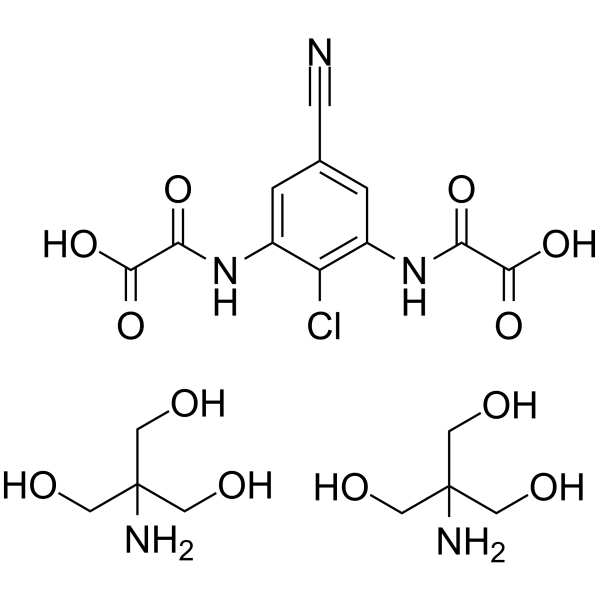
Cat. No.: HY-16289
CAS No.: 63610-09-3
Synonyms: U-42585E
Target:  

Histamine Receptor

Lodoxamide tromethamine (U-42585E) is a medication for the treatment of prophylaxis of mast cell-mediated allergic disease.
loading...
    loading...
1
1 Cited Publications
Cat. No.: HY-N4126
CAS No.: 6601-66-7
6-Demethoxytangeretin is a flavonoid compound that can be isolated from Citrus reticulata. 6-Demethoxytangeretin has anti-inflammatory and anti-allergic activities and can inhibit the production of IL-6 and the expression of related genes in human mast cells through the ALK and MAPK pathways. 6-Demethoxytangeretin can promote CRE-mediated transcription in hippocampal neurons .
loading...
    loading...
1
1 Cited Publications
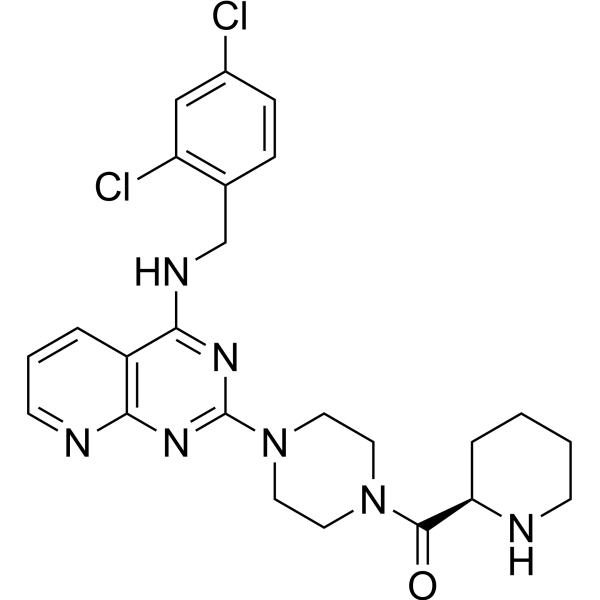
Cat. No.: HY-157453
CAS No.: 668980-17-4
Purity:  99.72%
Target:  

CCR

Research Areas:  

Inflammation/Immunology

CCR4 antagonist 4 (compound 22) is a selective and potent antagonist of the CC chemokine receptor-4 (CCR4), with an IC50 of 0.02 μM. CCR4 antagonist 4 also blocks MDC-mediated chemotaxis (IC50: 0.007 μM) and Ca 2+ mobilization (IC50: 0.003 μM). CCR4 antagonist 4 can be used for allergic inflammation research .
loading...
    loading...
1
1 Cited Publications
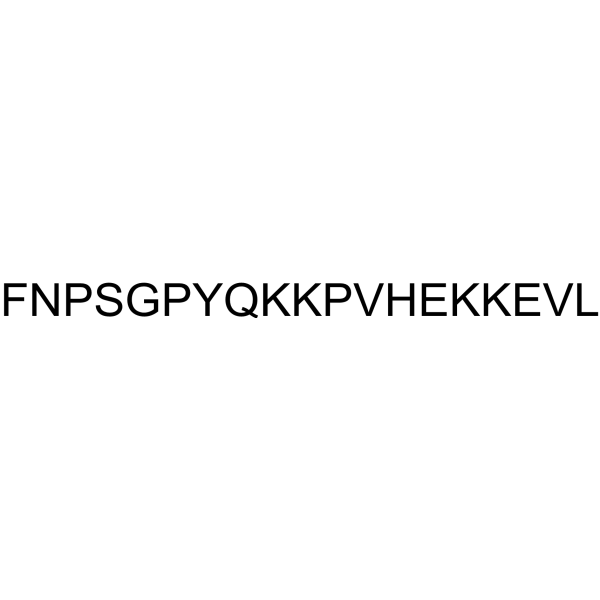
Cat. No.: HY-P3982
CAS No.: 960358-79-6
Target:  

CCR

Research Areas:  

Inflammation/Immunology

CKLF1-C19 is the C-terminal peptide of human chemokine-like factor 1 (CKLF1). CKLF1-C19 interacts with CCR4, and inhibits chemotaxis induced by both CKLF1 and CCL17. CKLF1-C19 can suppress allergic lung inflammation via inhibiting chemotaxis mediated by CCR3 and CCR4 .
loading...
    loading...
1
1 Cited Publications
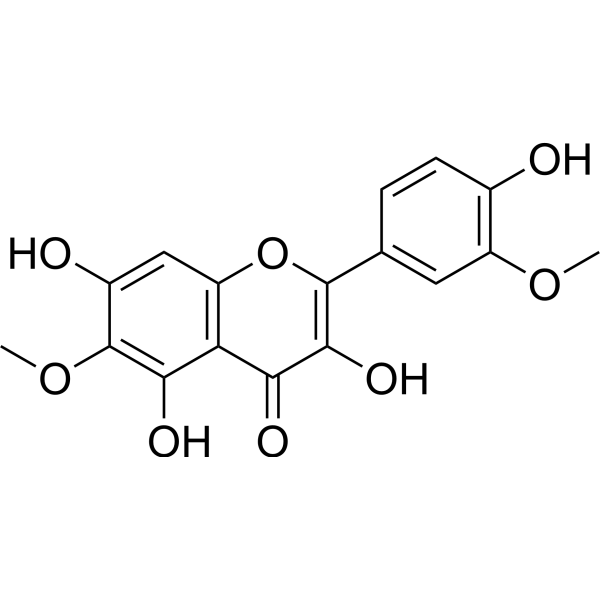
Cat. No.: HY-N10182
CAS No.: 3153-83-1
Spinacetin is an orally active flavonoid glycoside found in Inula japonica, with antioxidant and anti-inflammatory activities. Spinacetin inhibits major inflammatory signaling pathways such as Syk, MAPK, and NF-κB, and reduces Ca 2+-dependent release of allergic mediators. Spinacetin induces protective autophagy and enhances antioxidant defense by upregulating SIRT3/SIRT1/PGC-1α, activating AMPK, and inhibiting mTOR and NF-κB, thereby exerting anti-apoptotic, cardioprotective, bladder-protective, and hepatoprotective effects. Spinacetin alleviates Doxorubicin (HY-15142A)-induced cardiotoxicity and reduces Cyclophosphamide (HY-17420)-induced hemorrhagic cystitis. Spinacetin can be used in research on allergic reactions, cardiotoxicity, cystitis, and cadmium-aggravated hepatic ischemia .
loading...
    loading...
1
1 Cited Publications
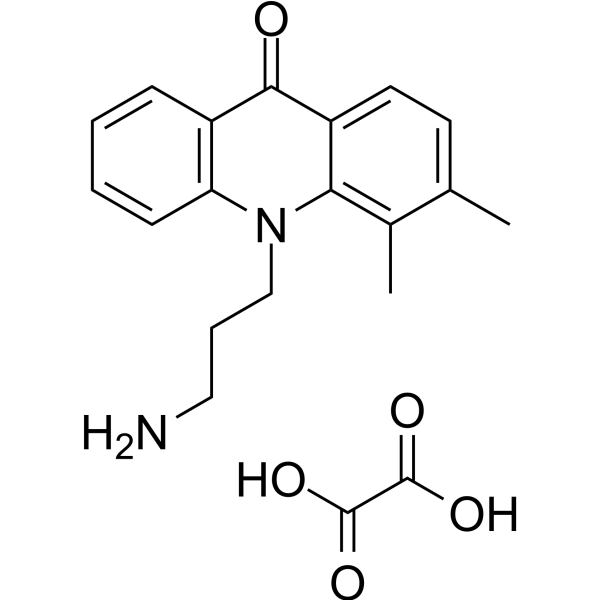
Cat. No.: HY-138961
CAS No.: 201010-95-9
Purity:  98.66%
Target:  

Syk

Research Areas:  

Inflammation/Immunology

ER-27319, an acridone derivative, is a potent and selective SYK inhibitor, and inhibits the tyrosine phosphorylation of SYK and its activity. ER-27319 inhibits the release of antigen-induced allergic mediators from human and rat mast cells with an IC50 of 10 μM and can be used for study in allergic diseases .
loading...
    loading...
1
1 Cited Publications
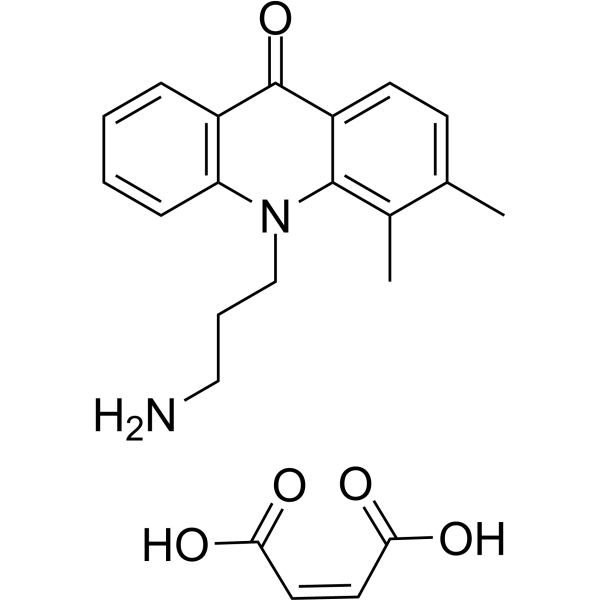
Cat. No.: HY-108489
CAS No.: 1204480-26-1
Purity:  ≥99.4%
Target:  

Syk

Research Areas:  

Inflammation/Immunology

ER-27319 (maleate), an acridone derivative, is a potent and selective SKY inhibitor, and inhibits the tyrosine phosphorylation of SYK and its activity. ER-27319 (maleate) inhibits the release of antigen-induced allergic mediators from human and rat mast cells with an IC50 of 10 μM and can be used for study in allergic diseases [1] [2] .
loading...
    loading...
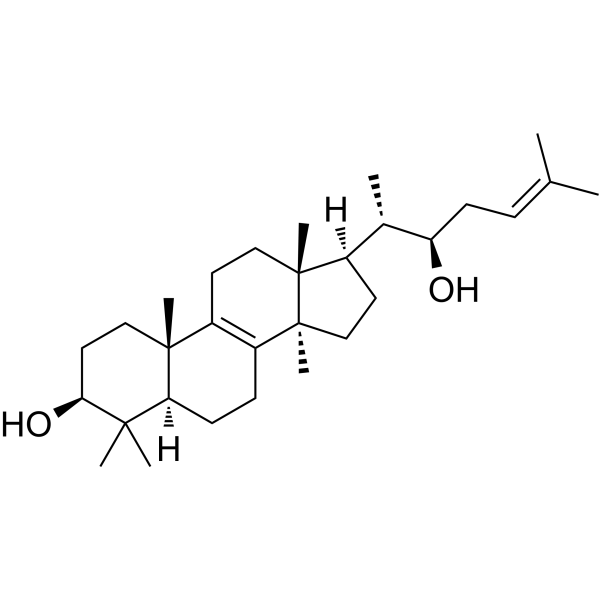
Cat. No.: HY-120149
CAS No.: 35963-37-2
Purity:  98.29%
Inotodiol activates p53 signaling pathway, inhibits MMP-2/9, and exhibits antitumor activity in cancer cell HeLa. Inotodiol inhibits the generation of ROS and exhibits antioxidant and neuroprotective effects. Inotodiol inhibits the activation of MAPK and NF-κB signaling pathway, and exhibits anti-inflammatory activity. Inotodiol inhibits TLR-4 mediated TNF-α production (IC50s in BMMC and BMDM is 0.7 μM and 3.0 μM), inhibits the degranulation in mast cell, exhibits anti-allergic activity. Inotodiol is orally active .
loading...
    loading...
Cat. No.: HY-P99313
CAS No.: 1228538-47-3
Synonyms: Anti-Human IGHE Recombinant Antibody; 47H4; MEMP1972A
Quilizumab (Anti-Human IGHE Recombinant Antibody; 47H4; MEMP1972A) is a monoclonal antibody that targets FcγRIIIa and the M1 prime segment of human membrane-bound IgE. Quilizumab has enhanced FcγRIIIa binding affinity and activity against IgE class-switched B cells, and reduces serum IgE levels by inducing antibody-dependent cell-mediated cytotoxicity and apoptosis through cross-linking of membrane-bound IgE receptors. Quilizumab depletes IgE-producing cells; it also directly binds the membrane-bound M1 prime domain on IgE class-switched cells to inhibit IgE production. Quilizumab is used in research on allergic asthma and allergic diseases (asthma, allergic rhinitis) .
loading...
    loading...
Cat. No.: HY-P991266

Research Areas:  

Inflammation/Immunology

SM-17 is a human monoclonal antibody targeting IL-17RB. SM-17 binds to human IL-17RB, inhibits the dimerization of IL-17RA/IL-17RB, blocks IL-25-induced phosphorylation of ERK1/2 and STAT5, and suppresses Th2-mediated inflammatory responses. SM-17 inhibits the secretion of IL-5, IL-9, IL-13 and IL-4, impairs the proliferation/expansion of ILC2 and Th2 cells, and restores filaggrin expression. SM-17 reduces immune cell infiltration, epidermal hyperplasia, goblet cell hyperplasia, collagen deposition, ear swelling and scratching behavior in animal models. SM-17 can be used in research related to atopic dermatitis and allergic asthma .
loading...
    loading...
Cat. No.: HY-B0426A
CAS No.: 140462-76-6
Synonyms: ALO4943A; KW4679
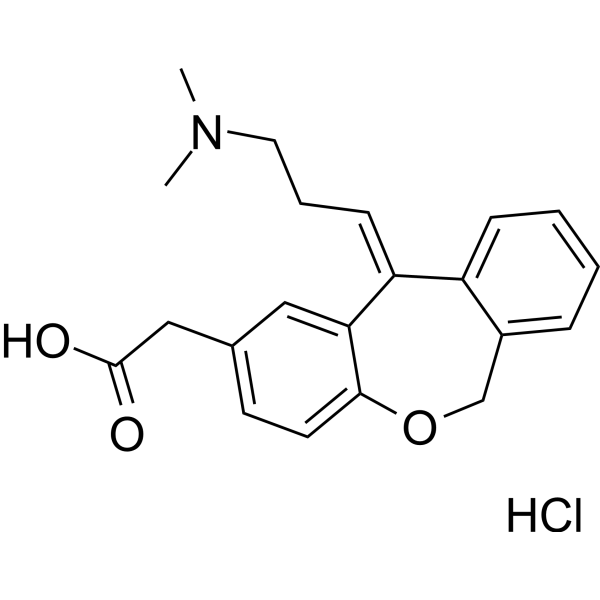
Olopatadine hydrochloride (ALO4943A; KW4679) is an orally active histamine H1 receptor antagonist and mast cell stabilizer. Olopatadine hydrochloride exerts antiallergic effects by blocking histamine H1 receptor-mediated activities. Olopatadine hydrochloride inhibits exocytosis, chemokine release, F-actin polymerization, CXCL10-induced calcium influx, and T cell chemotactic activity. Olopatadine hydrochloride also reduces the expression levels of CXCR3 on the surface of CD4 + and CD8 + T cells. Olopatadine hydrochloride inhibits scratching behavior, improves dermatitis scores, and suppresses intraepidermal neurite outgrowth. Olopatadine hydrochloride simultaneously decreases the levels of inflammatory markers, growth factors, histamine, and specific IgE, while increasing the expression of ErbB3A/HER3A. Olopatadine hydrochloride can be used in research related to seasonal pollinosis, chronic rhinitis, urticaria, allergic conjunctivitis, alopecia areata, and atopic dermatitis .
loading...
    loading...
Cat. No.: HY-Y0047
CAS No.: 3731-52-0
Synonyms: Picolamine; 3-Pyridinemethanamine; Pyridin-3-ylmethanamine
Research Areas:  

Inflammation/Immunology

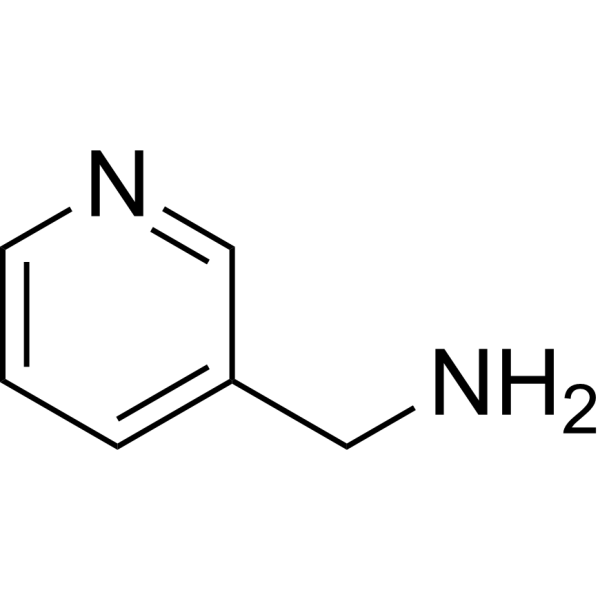
3-Picolylamine is a primary amine compound containing a pyridine ring structure. 3-Picolylamine inhibits histaminase (diamine oxidase) activity in pig kidneys. 3-Picolylamine significantly enhances the contractile response of isolated guinea pig ileum to Histamine (HY-B1204). 3-Picolylamine can be used to study histamine-related physiological mechanisms or allergic diseases (such as histamine-mediated inflammatory responses) .
loading...
    loading...

