
68 Results for "

cell chemotaxis

" in MedChemExpress (MCE) Product Catalog:
Products (68)

68 Results for "cell chemotaxis" in MCE Product Catalog:

5
5 Cited Publications
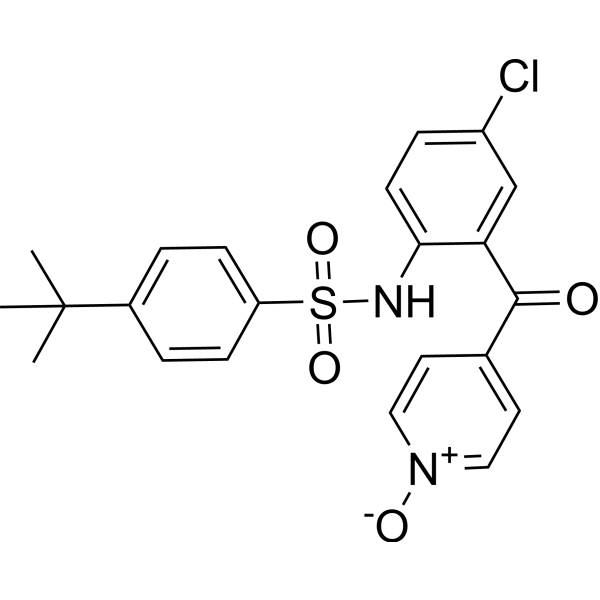
Cat. No.: HY-15724
CAS No.: 698394-73-9
Purity:  98.26%
Synonyms: GSK-1605786; CCX282-B; Traficet-EN
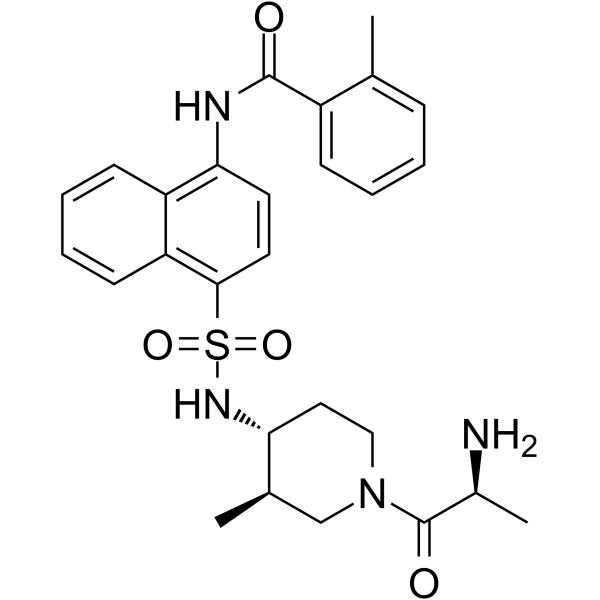
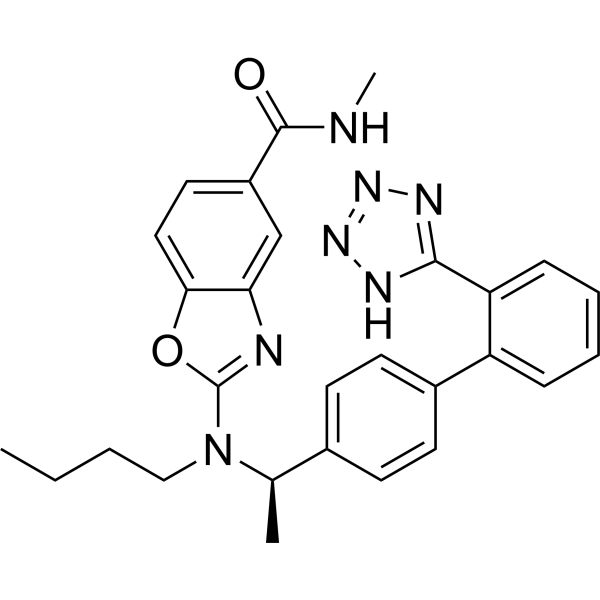
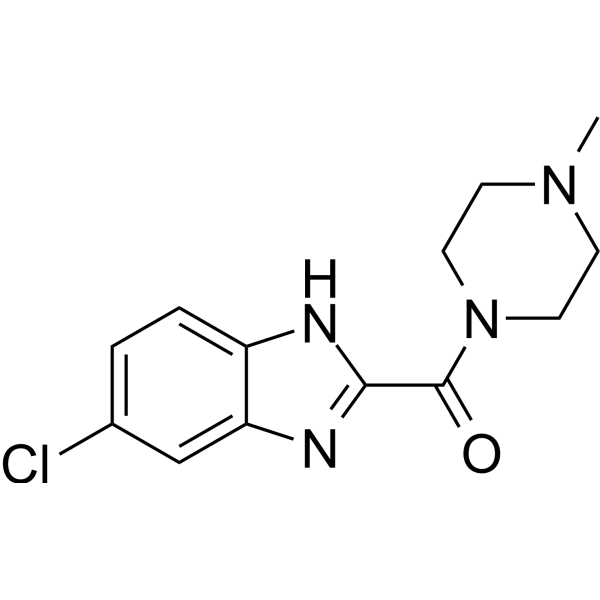
Vercirnon (GSK1605786A) is an orally bioavailable, selective, and potent antagonist of CCR9. Vercirnon inhibits CCR9-mediated Ca 2+ mobilization and chemotaxis on Molt-4 cells with IC50 values of 5.4 and 3.4 nM, respectively. Vercirnon is selective for CCR9 over CCR1-12 and CX3CR1-7 (IC50s>10 μM for all). Vercirnon is an equipotent inhibitor of CCL25-directed chemotaxis of both splice forms of CCR9 (CCR9A and CCR9B) with IC50 values of 2.8 and 2.6 nM, respectively .
loading...
    loading...
5
5 Cited Publications
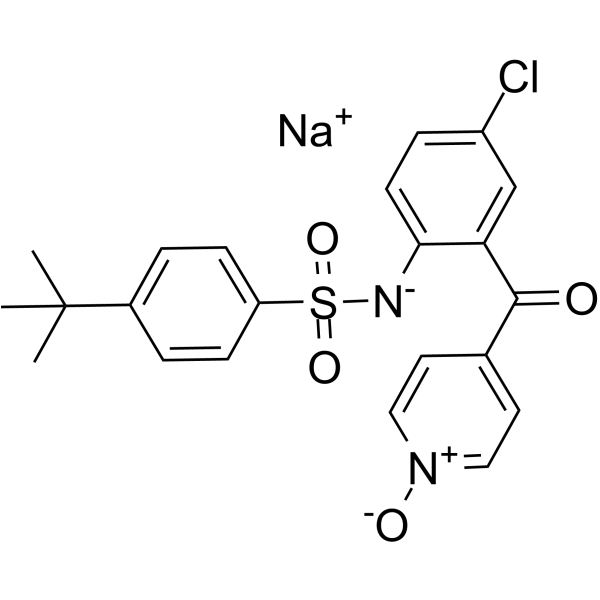
Cat. No.: HY-15724A
CAS No.: 886214-18-2
Purity:  99.13%
Synonyms: GSK-1605786 sodium; CCX282-B sodium; Traficet-EN sodium
Target:  

CCR

Vercirnon (GSK1605786A) sodium is an orally bioavailable, selective, and potent antagonist of CCR9. Vercirnon sodium inhibits CCR9-mediated Ca 2+ mobilization and chemotaxis on Molt-4 cells with IC50 values of 5.4 and 3.4 nM, respectively. Vercirnon sodium is selective for CCR9 over CCR1-12 and CX3CR1-7 (IC50s>10 μM for all). Vercirnon sodium is an equipotent inhibitor of CCL25-directed chemotaxis of both splice forms of CCR9 (CCR9A and CCR9B) with IC50 values of 2.8 and 2.6 nM, respectively .
loading...
    loading...
2
2 Cited Publications
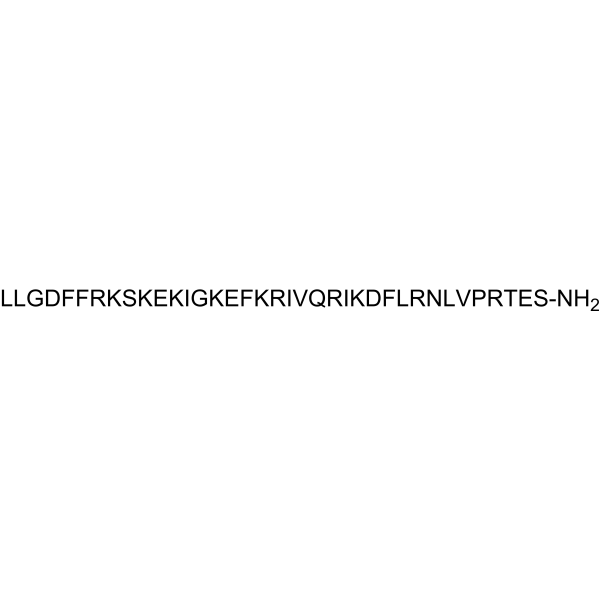
Cat. No.: HY-P4744
CAS No.: 597562-32-8
Research Areas:  

Infection Cancer

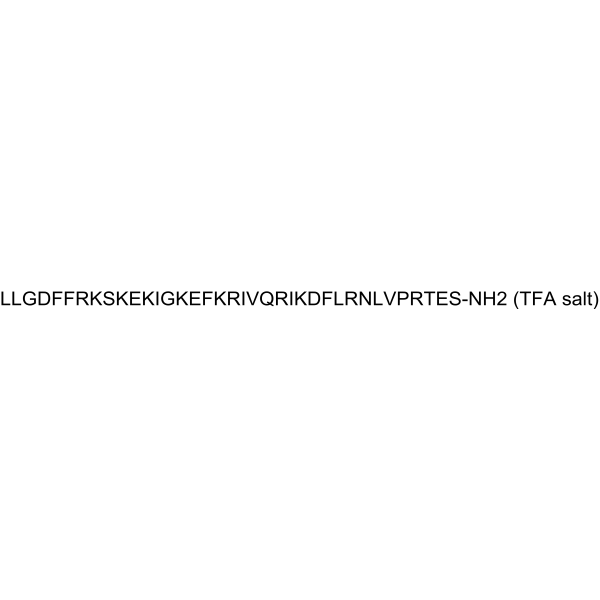
LL-37 amide is a selective agonist of formyl peptide receptor-like FPRL1, effectively inhibiting periodontal pathogens (ED99=8.5-8.7 μg/mL). LL-37 amide exerts its bactericidal effect by activating FPRL1-mediated immune cell chemotaxis and disrupting bacterial cell membrane integrity. It can also regulate inflammatory responses (inhibiting the release of factors such as TNF-α) and promote angiogenesis. Amidation modification reduces its sensitivity to serum inhibition and improves its stability. LL-37 amide possesses key activities in bactericidal action, immunomodulation, and wound healing, and is mainly used in research on infection-related diseases such as periodontal disease and deep tissue injuries (pressure ulcers), and wound healing .
loading...
    loading...
2
2 Cited Publications
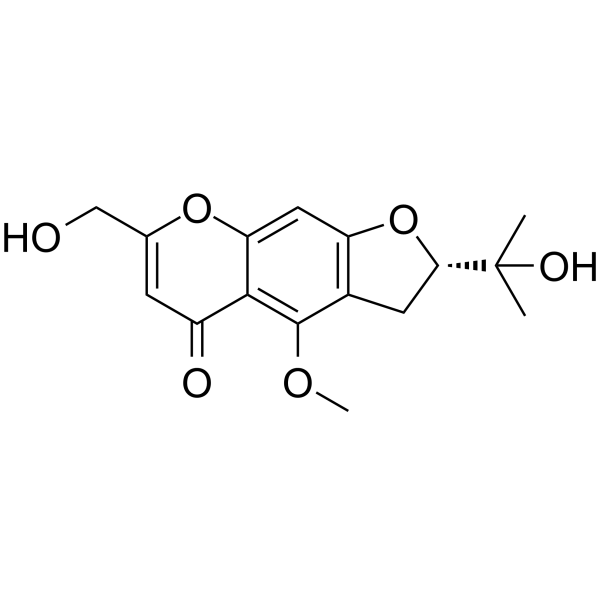
Cat. No.: HY-N0634
CAS No.: 37921-38-3
Synonyms: Cimitin
Cimifugin (Cimitin) is a bioactive component of Cimicifuga racemosa, a Chinese herb. Cimifugin suppresses allergic inflammation by reducing epithelial derived initiative key factors via regulating tight junctions . Cimifugin reduces the migration and chemotaxis of RAW264.7 cells and inhibits the release of inflammatory factors and activation of MAPKs and NF-κB signaling pathways induced by LPS .
loading...
    loading...
2
2 Cited Publications
Cat. No.: HY-124416
CAS No.: 850330-18-6
Purity:  99.80%
Target:  

CCR

ML604086 is a selective CCR8 inhibitor, inhibiting CCL1 binding to CCR8 on circulating T-cells. ML604086 inhibits CCL1 mediated chemotaxis and increases in intracellular Ca 2+ concentrations .
loading...
    loading...
2
2 Cited Publications
Cat. No.: HY-P4744A
Research Areas:  

Infection Cancer

LL-37 amide TFA is a selective agonist of formyl peptide receptor-like FPRL1, effectively inhibiting periodontal pathogens (ED99=8.5-8.7 μg/mL). LL-37 amide TFA exerts its bactericidal effect by activating FPRL1-mediated immune cell chemotaxis and disrupting bacterial cell membrane integrity. It can also regulate inflammatory responses (inhibiting the release of factors such as TNF-α) and promote angiogenesis. Amidation modification reduces its sensitivity to serum inhibition and improves its stability. LL-37 amide TFA possesses key activities in bactericidal action, immunomodulation, and wound healing, and is mainly used in research on infection-related diseases such as periodontal disease and deep tissue injuries (pressure ulcers), and wound healing .
loading...
    loading...
2
2 Cited Publications
Cat. No.: HY-P4911A
SDF-1α (human) TFA is an endogenous CXC chemokine and the primary natural ligand of CXCR4 . SDF-1α (human) TFA activates Gαi, MAP kinase, β-arrestin, and JAK/STAT signaling pathways, promoting chemotaxis of CXCR4-positive cells. SDF-1α (human) TFA induces receptor internalization and promotes cancer cell migration and invasion. SDF-1α (human) TFA promotes dental pulp cell migration and is required for osteogenesis, angiogenesis, and neurogenesis of dental pulp cells. SDF-1α (human) TFA is used in research on CXCR4-mediated diseases, such as cancer and cardiovascular diseases .
loading...
    loading...
1
1 Cited Publications
Cat. No.: HY-148853
CAS No.: 2727872-68-4
Purity:  99.80%
Target:  

HuR

Research Areas:  

Others

SRI-42127 is a HuR translocation inhibitor. HuR is an RNA regulator that binds to AREs, and HuR translocations promote the production of inflammatory cytokines in glial cells. However, SRI-42127 can destroy mRNA stability and inhibit gene promoter activation. SRI-42127 also inhibits microglial cell activation and attenuates recruitment/chemotaxis of neutrophils and monocytes .
loading...
    loading...
1
1 Cited Publications
Cat. No.: HY-103472
CAS No.: 329691-12-5
Purity:  99.90%
Research Areas:  

Neurological Disease

FPR-A14 is a potent formyl peptide receptor (FPR) agonist. FPR-A14 is a potent activator of neutrophil Ca 2+ mobilization and chemotaxis with EC50s of 630 nM and 42 nM, respectively. FPR-A14 induces cell differentiation .
loading...
    loading...
Cat. No.: HY-W127575
CAS No.: 747-90-0
Synonyms: delta-3,5-Cholestadiene
Target:  

PI3K Akt

Research Areas:  

Inflammation/Immunology

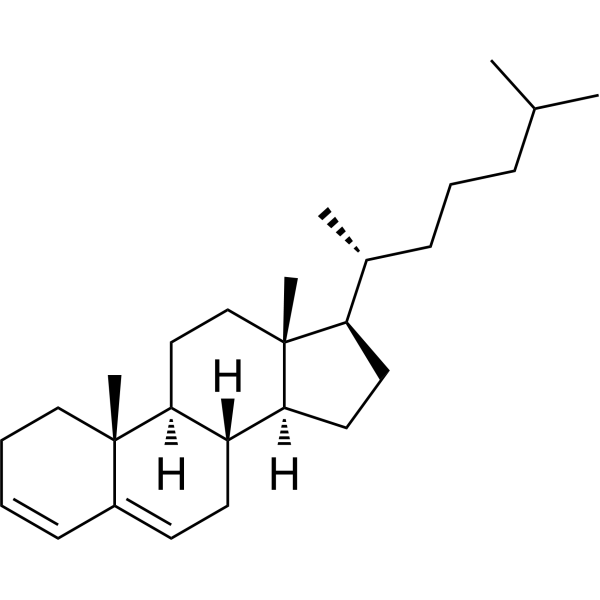
Cholesta-3,5-diene is an inflammatory modulator that targets immune cells such as neutrophils and accelerates wound healing by promoting neutrophil chemotaxis and fibroblast migration. Cholesta-3,5-diene enhances immune cell recruitment and extracellular matrix deposition by activating chemokine receptor-mediated signaling pathways such as PI3K/Akt. Cholesta-3,5-diene can be applied topically to wound repair and has potential therapeutic value in chronic ulcers or skin lesions .
loading...
    loading...
Cat. No.: HY-106381
CAS No.: 12244-57-4
Purity:  ≥98.0%
Target:  

PKC NF-κB TrxR

Research Areas:  

Inflammation/Immunology Cancer

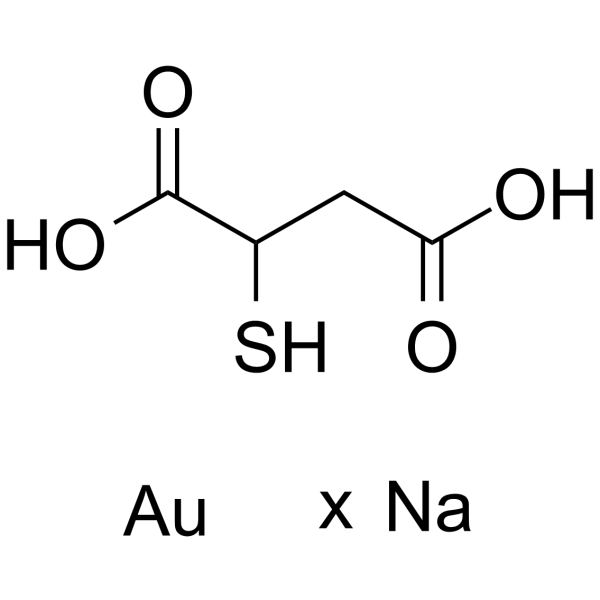
Aurothiomalate sodium acts as an inhibitor of PKCI and TrxR1. Aurothiomalate sodium disrupts the PKCI-Par6-Rac1 signaling pathway, and also inhibits TrxR1 activity, TNFα-induced NF-κB activation, and the expression of pro-inflammatory genes. Aurothiomalate sodium blocks Kras-mediated BASC expansion and lung tumor growth, inhibits anchorage-independent growth and tumorigenicity of lung cancer cells, and suppresses neutrophil chemotaxis, phagocytosis, and leukocyte extravasation. Aurothiomalate sodium can be used in research related to rheumatoid arthritis and non-small cell lung cancer .
loading...
    loading...
Cat. No.: HY-153128
CAS No.: 4590-86-7
Purity:  96.20%
Target:  

DOCK Drug Derivative

Research Areas:  

Inflammation/Immunology

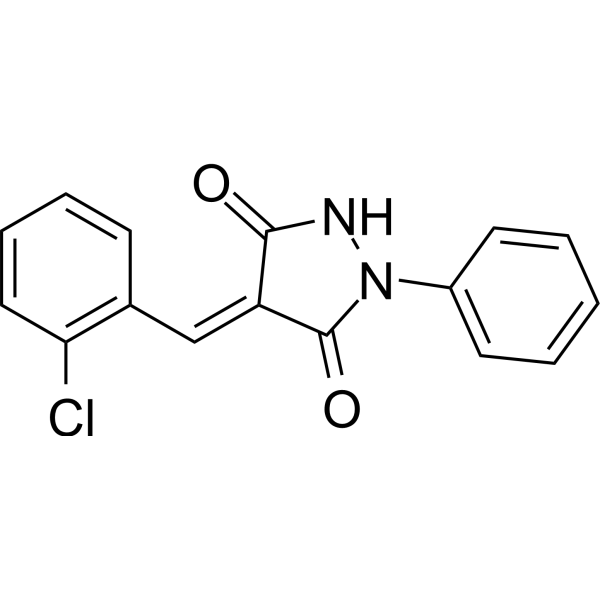
DOCK2-IN-1 (Compound 3) is an analog of CPYPP (HY-110100) and a DOCK2 inhibitor (IC50 = 19.1 μM). DOCK2-IN-1 binds to the DHR-2 domain of DOCK2 and inhibits its mediated Rac guanine nucleotide exchange factor activity. DOCK2-IN-1 blocks chemokine receptor- and antigen receptor-mediated activation of Rac in lymphocytes. DOCK2-IN-1 significantly inhibits chemotaxis and T cell activation. DOCK2-IN-1 can be used in the research of transplant rejection and organ-specific autoimmune diseases .
loading...
    loading...
Cat. No.: HY-P991567
Synonyms: VX5/5261

Target:  

CXCR

Research Areas:  

Inflammation/Immunology Cancer

VX5 (VX5/5261) is a humanized IgG1κ monoclonal antibody inhibitor targeting BCA-1/CXCL13. VX5 significantly inhibits human CXCL13-mediated internalization of CXCR5, blocks both human and mouse CXCL13-dependent B-cells chemotaxis and migration. VX5 can be used to study autoimmune diseases like multiple sclerosis and arthritis, and cancers like gastric lymphomas and colon cancer .
loading...
    loading...
Cat. No.: HY-126536
CAS No.: 2378640-10-7
Purity:  98.82%
Target:  

Chemerin Receptor

Research Areas:  

Inflammation/Immunology

ChemR23-IN-1 is a ChemR23 inhibitor that inhibits chemerin-triggered chemotaxis of CAL-1 cells. ChemR23-IN-1 can be used in research on systemic lupus erythematosus .
loading...
    loading...
Cat. No.: HY-123532
CAS No.: 73903-17-0
Purity:  99.95%
Synonyms: VUF6002
Target:  

Histamine Receptor

Research Areas:  

Neurological Disease

JNJ10191584 (VUF6002) is an orally active and selective histamine H4 receptor antagonist with a Ki value of 26 nM. JNJ10191584 shows 540-fold selectivity to H4 receptor over H3 receptor with a Ki value of 14.1 μM. JNJ10191584 inhibits chemotaxis of eosinophils and mast cells with IC50 values of 530 nM and 138 nM, respectively .
loading...
    loading...
Cat. No.: HY-113420
CAS No.: 67910-12-7
Purity:  ≥98.0%
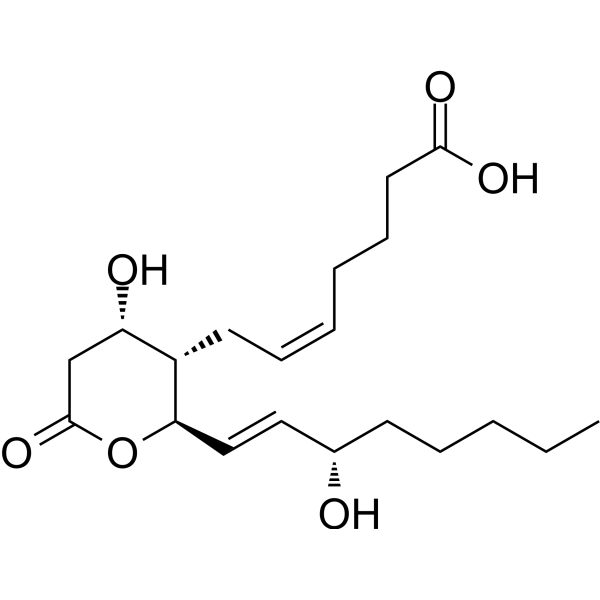
11-Dehydro-thromboxane B2 is a stable terminal metabolite of thromboxane A2 and an agonist of the CRTH2 receptor. 11-Dehydro-TXB2 activates human eosinophils, basophils, and CRTH2-transfected BaF/3 cells through a pertussis toxin-insensitive G protein-PLC pathway, inducing intracellular calcium mobilization, morphological changes, and chemotaxis, but does not affect platelet aggregation. 11-Dehydro-thromboxane B2 is involved in thrombosis and promotes eosinophil recruitment to the lungs in allergic inflammation, and its urinary levels are used to assess the inhibitory effect of Aspirin (HY-14654) on thromboxane production. 11-Dehydro-TXB2 serves as a biomarker for research related to asthma, atopic rhinitis, nephropathy, and coronary artery disease .
loading...
    loading...
Cat. No.: HY-P2040
CAS No.: 118399-22-7
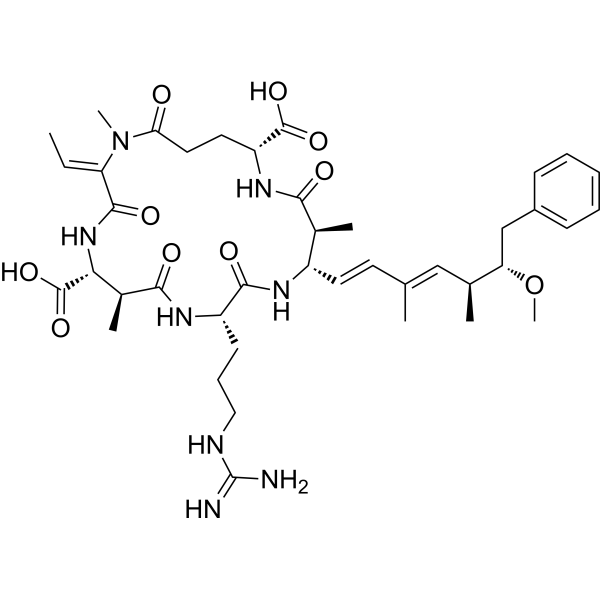
Nodularin is a hepatotoxin, tumor promoter, and protein phosphatase inhibitor. Nodularin induces apoptosis (apoptosis) in normal cells (including caspase activation, upregulation of Bcl-XS, and upregulation of BAX/P53), triggers hyperphosphorylation of the MAPK/ERK, mTOR/S6K and p38 MAPK signaling pathways, and induces oxidative stress, endoplasmic reticulum membrane instability, peroxisome proliferation and increased lysosomal enzyme activity. Nodularin promotes DEN (HY-N7434)-initiated hepatocyte proliferation and adenoma formation, and inhibits proliferation, phagocytosis and chemotaxis of normal lymphocytes, oocyte maturation and vitellogenesis, as well as angiogenesis. Nodularin exhibits hepatotoxicity, reproductive and endocrine toxicity, and embryonic developmental toxicity in various animal models. Nodularin can be used in studies related to liver cancer, hepatotoxicity and reproductive endocrine toxicity .
loading...
    loading...
Cat. No.: HY-P99443
CAS No.: 395639-53-9
Synonyms: HuDreg-55

Target:  

P-selectin

Research Areas:  

Inflammation/Immunology

Aselizumab (HuDreg-55) is an humanized IgG4 mAb against L-selectin. However, L-selectin (CD62L) is a cell adhesion molecule expressed on circulating neutrophils. It regulates migrating cells to chemotaxis towards the site of injury. Aselizumab may be account for a high rate of infections and leucopenia after truma .
loading...
    loading...
Cat. No.: HY-P4998
CAS No.: 92899-39-3
Research Areas:  

Cancer

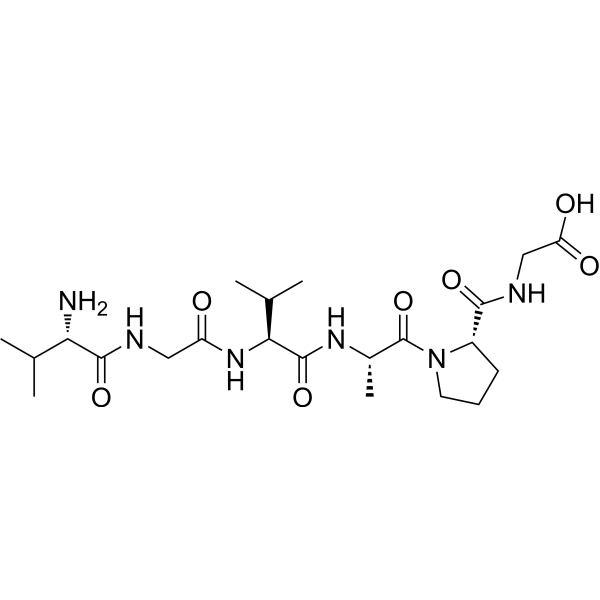
Chemotactic Domain of Elastin is an elastin-derived chemotactic hexapeptide that interacts with Galectin-3, integrin αvβ3, and elastin-binding protein (EBP) and promotes cell chemotaxis and migration. Chemotactic Domain of Elastin promotes melanoma cell migration by regulating invasion-related molecules such as CXCR-4/CXCL-12, MMP-2/MMP-3, cell adhesion molecules, and VEGF-C. Chemotactic Domain of Elastin is used for research on elastin-derived peptide signaling and tumor cell migration and invasion .
loading...
    loading...
Cat. No.: HY-116116
CAS No.: 1032265-57-8
Purity:  96.20%
Synonyms: SIM010603
Target:  

c-Kit RET VEGFR

Research Areas:  

Cancer

Tafetinib (SIM010603) is an oral multi-targets receptor tyrosine kinases inhibitor. Tafetinib inhibitsstem cell factor receptor (Kit),vascular endothelial growth factor receptor-2 (VEGFR-2),platelet-derived growth factor receptor-β (PDGFR-β),glial cell line-derived neurotrophic factor receptor (Rearranged during Transfection; RET), andFms-like tyrosine kinase-3 (FLT3)withIC50values between 5.0 and 68.1 nmol/l. Tafetinib inhibits the phosphorylation ofPDGFR-βandVEGFR-2. Tafetinib inhibits endothelial cell proliferation, endothelial cells chemotaxis, and corneal angiogenesis .
loading...
    loading...

