28 Results for "

cochlear explants

" in MedChemExpress (MCE) Product Catalog:
Products (28)

28 Results for "cochlear explants" in MCE Product Catalog:

13
13 Publications Verification
Cat. No.: HY-136979
CAS No.: 2360851-29-0
Purity:  99.80%
Target:  

PARP

Research Areas:  

Inflammation/Immunology Cancer

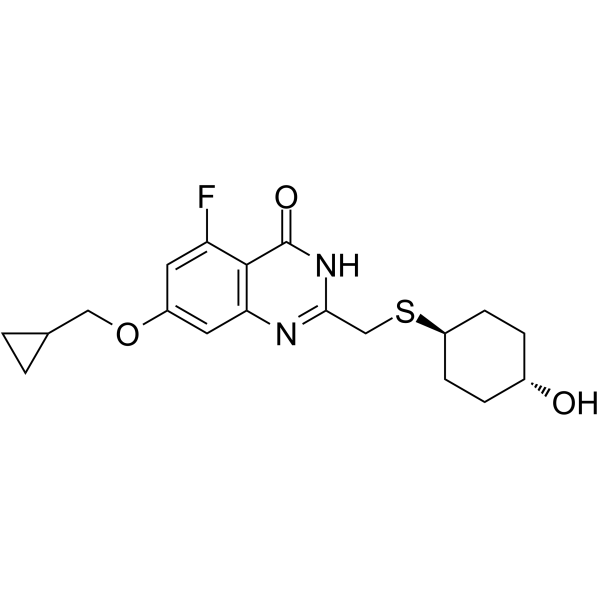
RBN012759 is a potent, selective and orally active inhibitor of PARP14, with an IC50 of <3 nM. RBN012759 displays 300-fold selectivity over the monoPARPs and 1000-fold selectivity over the polyPARPs. RBN012759 decreases pro-tumor macrophage function and elicits inflammatory responses in tumor explants .
loading...
    loading...
2
2 Cited Publications
Cat. No.: HY-112038A
Purity:  98.82%
Target:  

RIP kinase

Research Areas:  

Inflammation/Immunology

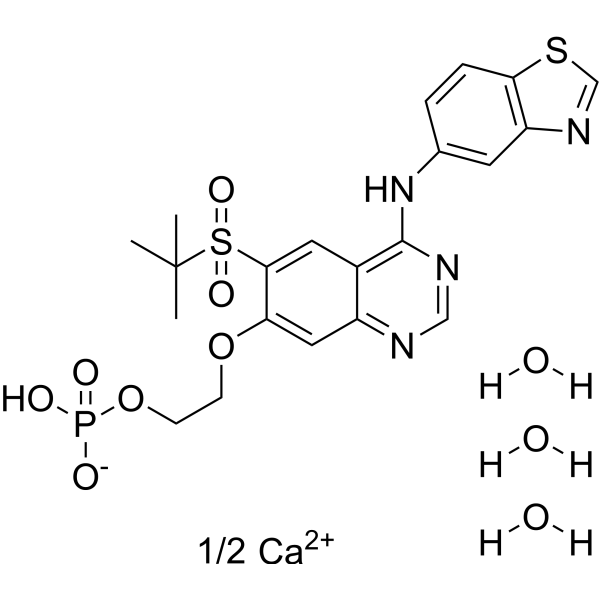
GSK2983559 is an orally active and potent receptor interacting protein 2 (RIP2) kinase inhibitor. GSK2983559 blocks many proinflammatory cytokine responses in vivo and in human inflammatory bowel disease explant samples .
loading...
    loading...
2
2 Cited Publications
Cat. No.: HY-112038
CAS No.: 1579965-12-0
Purity:  99.90%
Target:  

RIP kinase

Research Areas:  

Inflammation/Immunology

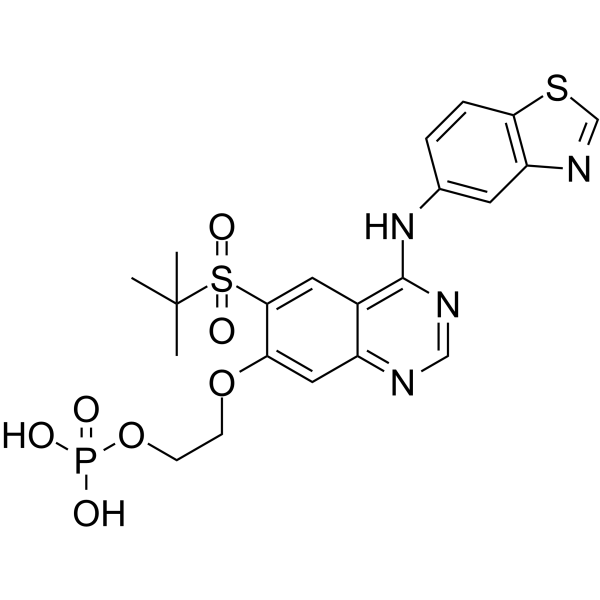
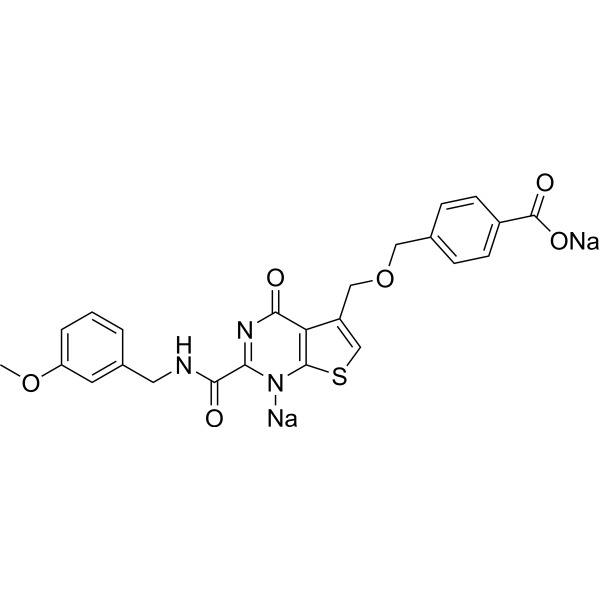
GSK2983559 free acid (compound 3) is an orally active and potent receptor interacting protein 2 (RIP2) kinase inhibitor. GSK2983559 free acid can block many proinflammatory cytokine responses in vivo and in human inflammatory bowel disease explant samples .
loading...
    loading...
1
1 Cited Publications
Cat. No.: HY-128895
CAS No.: 1800405-30-4
Purity:  99.94%
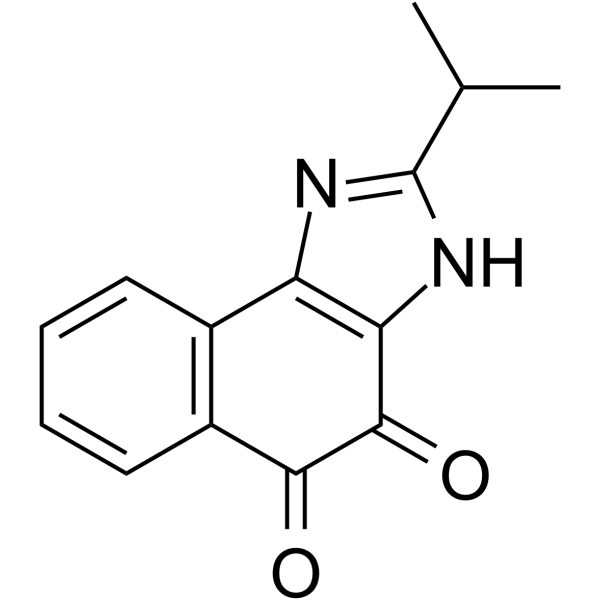
KL1333, a derivative of β-lapachone, is an orally available NAD+ modulator. KL1333 reacts with NAD(P)H:quinone oxidoreductase 1 (NQO1) as a substrate, resulting in increases in intracellular NAD+ levels via NADH oxidation. KL1333 improves energy metabolism and mitochondrial dysfunction in MELAS fibroblasts. KL1333 protects against Cisplatin-induced ototoxicity in mouse cochlear cultures .
loading...
    loading...
1
1 Cited Publications
Cat. No.: HY-128064
CAS No.: 96760-69-9
Purity:  ≥98.0%
Synonyms: ADAC
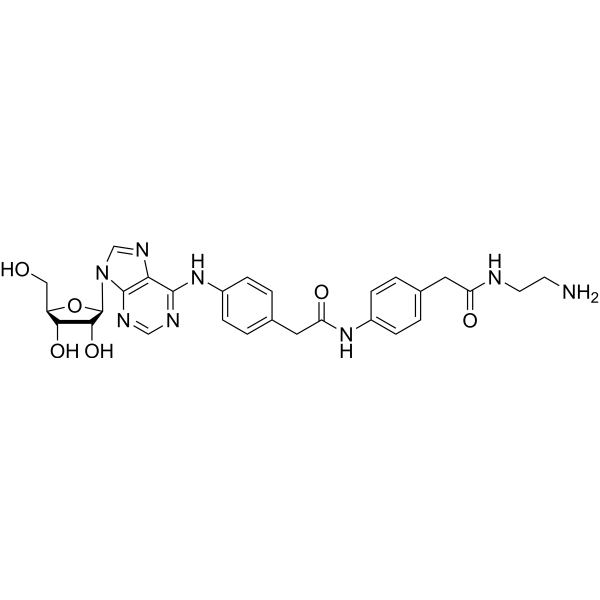
Adenosine amine congener (ADAC) is a selective A1 adenosine receptor agonist, can ameliorate noise- and Cisplatin-induced cochlear injury. Adenosine amine congener also has neuroprotective effects .
loading...
    loading...
Cat. No.: HY-W051140
CAS No.: 10294-26-5
Synonyms: Disilver sulfate, 99%
Silver sulfate acts as an ethylene inhibitor and a shoot regeneration promoter. Silver sulfate promotes shoot proliferation in explants of the cherry rootstock CAB-6P. Silver sulfate is applicable to studies on the optimization of micropropagation for cherry rootstocks .
loading...
    loading...
Cat. No.: HY-N4102
CAS No.: 2107-76-8
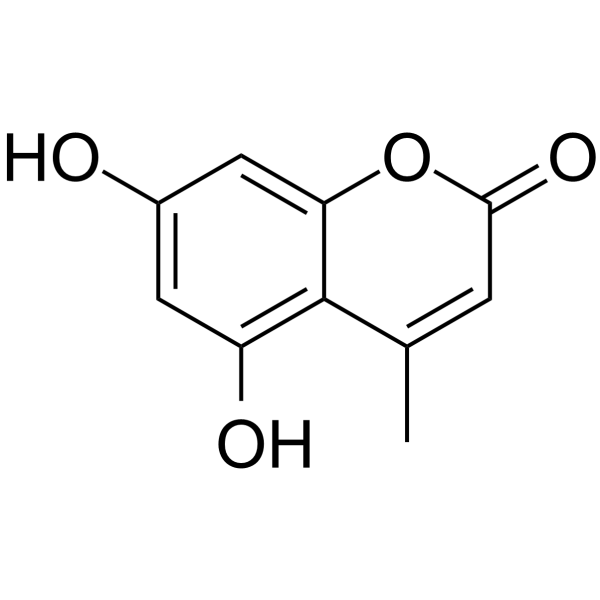
5,7-Dihydroxy-4-methylcoumarin is an antioxidant. 5,7-Dihydroxy-4-methylcoumarin protects mouse cochlear hair cells from Cisplatin-induced damage, enhances cell viability and inhibits apoptosis. 5,7-Dihydroxy-4-methylcoumarin downregulates phosphorylated JNK levels, increases the ratio of phosphorylated FoxO1 to total FoxO1, scavenges free radicals, reduces ROS accumulation, maintains mitochondrial membrane potential and alleviates mitochondrial dysfunction. 5,7-Dihydroxy-4-methylcoumarin downregulates the expression of caspase-3 and improves cell viability. 5,7-Dihydroxy-4-methylcoumarin can be used in studies related to ototoxicity .
loading...
    loading...
Cat. No.: HY-W040128
CAS No.: 70560-51-9
Research Areas:  

Infection

Kanamycins sulfate is a blood-brain barrier-permeable JNK1 and Bcl-2 modulator as well as an antibiotic, with broad-spectrum antibacterial, and biofilm-inhibiting activities, and it induces autophagy. Kanamycins sulfate promotes Bcl-2 phosphorylation to upregulate autophagy levels, triggering changes such as mitochondrial swelling and endoplasmic reticulum expansion. Consequently, it causes reversible neuronal damage in the dorsal cochlear nucleus without inducing significant neuronal apoptosis. In the presence of exogenous alanine or glucose, Kanamycins sulfate effectively kills drug-resistant bacteria, restores drug sensitivity of multidrug-resistant bacteria, and alleviates urinary tract and kidney infections in mice. Kanamycins sulfate can be applied to scientific research related to Mycobacterium tuberculosis, salmonellosis, brucellosis, shigellosis, urinary tract infections, and reversible neurotoxicity .
loading...
    loading...
Cat. No.: HY-112642
CAS No.: 74991-91-6
Purity:  99.80%
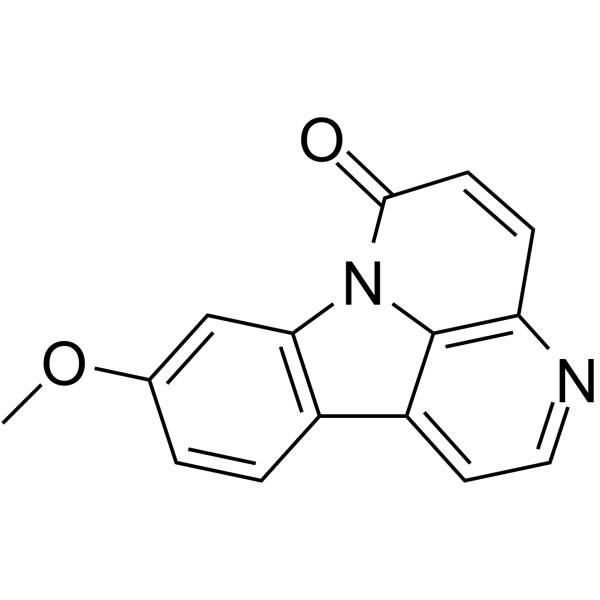
9-Methoxycanthin-6-one, a canthin-6-one alkaloid, is present in intact plant parts and in callus tissues of different explants. 9-Methoxycanthin-6-one shows anti-tumor activity, inhibits LPS-induced TNF-α and IL-1β .
loading...
    loading...
Cat. No.: HY-113438
CAS No.: 70981-96-3
Purity:  97.3%
15(S)-HPETE is a precursor of 15(S)-HETE (HY-113336). 15(S)-HPETE is a product of Arachidonic acid (HY-109590) in the 15-lipoxygenase pathway. 15(S)-HPETE reduces Bcl-2, Akt, and phosphorylated Akt protein levels. 15(S)-HPETE induces Apoptosis. 15(S)-HPETE antagonizes the angiogenic effects of 15(S)-HETE. 15(S)-HPETE exhibits antitumor effects against chronic myeloid leukemia. 15(S)-HPETE can be used in adipose tissue explant studies .
loading...
    loading...
Cat. No.: HY-B1440
CAS No.: 985-13-7
Ethaverine hydrochloride is a Papaverine derivative and vasodilator. Ethaverine hydrochloride inhibits Phosphodiesterase, Tyrosine hydroxylase, and MAO-B. Ethaverine hydrochloride blocks L-type Ca 2+ channels, reduces intracellular Ca 2+ levels, inhibits platelet adhesion and aggregation, regulates cardiac conduction and heart rate, and increases peripheral and cerebral blood flow. Ethaverine hydrochloride alters cochlear microcirculation, intracochlear Po2, CM potential, and EP in guinea pigs, and induces transient hypotension. Ethaverine hydrochloride is used in the research of peripheral vascular diseases .
loading...
    loading...
Cat. No.: HY-B0019C
CAS No.: 2025360-91-0
Synonyms: SENS-401
Target:  

Phosphatase

Research Areas:  

Cancer

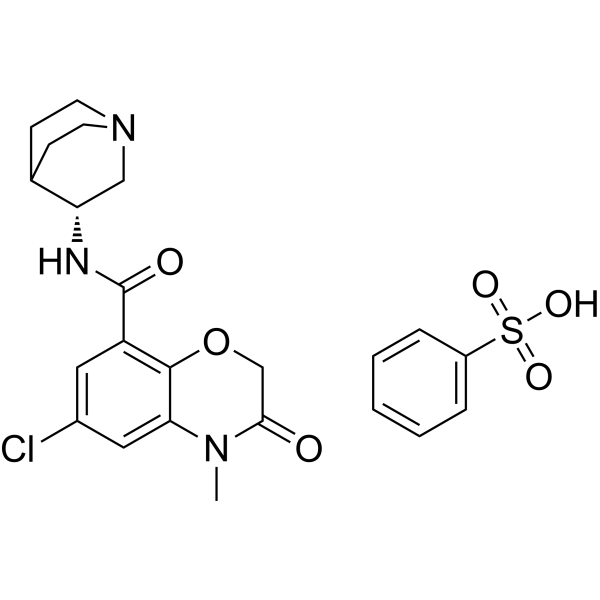
(R)-Azasetron besylate (SENS-401) is an orally active calcineurin inhibitor. (R)-Azasetron besylate reduces Cisplatin (HY-17394)-induced hearing loss and cochlear damage .
loading...
    loading...
Cat. No.: HY-D1765
CAS No.: 1415018-97-1
Target:  

Fluorescent Dye

Research Areas:  

Others

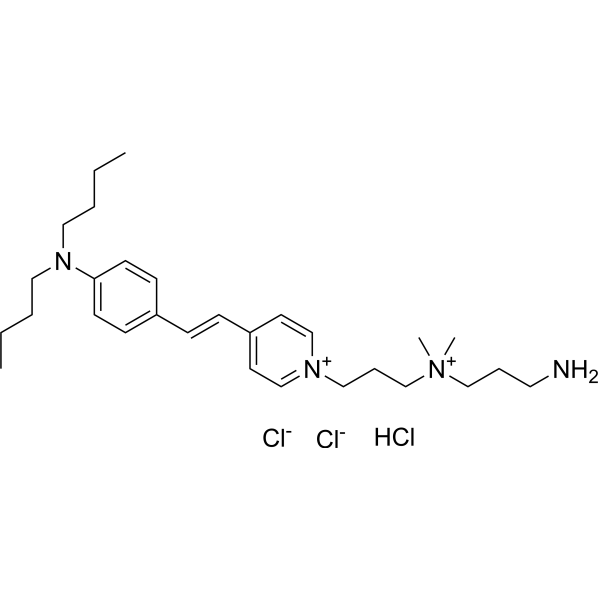
FM 1-43FX is a fluorescent styryl membrane dye that stains lipids green. FM 1-43FX labels extracellular vesicle lipid membranes, exosomes/microvesicles, and various sensory neurons through an endocytosis/vesicle recycling-dependent mechanism, and can label NFH-, calbindin-, and TH-positive mechanoreceptor subtypes. FM 1-43FX acts as a membrane-permeable MET channel blocker, partially inhibiting PIEZO1 and PIEZO2 currents in a voltage-dependent manner, and is used to assess cochlear/zebrafish MET function and detect fungal EV lipid transfer. FM 1-43FX can be used for research on progressive hearing loss .
loading...
    loading...
Cat. No.: HY-P5226
CAS No.: 936544-53-5
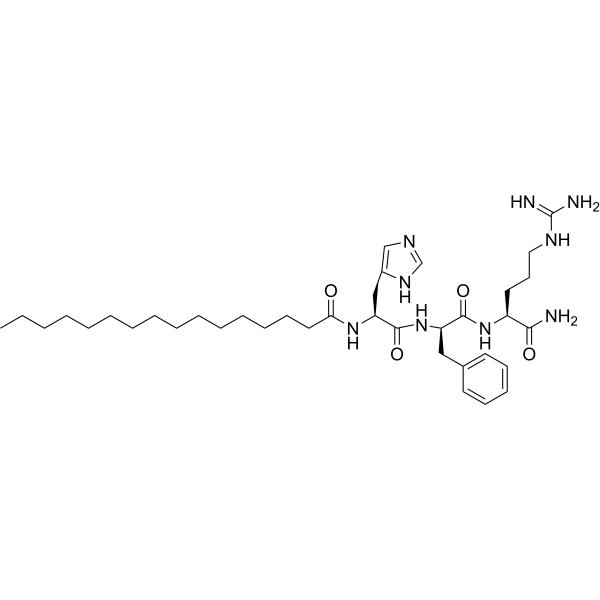
Palmitoyl tripeptide-8 is an immunomodulatory peptide and neurotransmitter inhibitory peptide. Palmitoyl tripeptide-8 inhibits the activation of the NF-κB pathway and the production of pro-inflammatory cytokines (IL-8, IL-6, and TNF-α). Palmitoyl tripeptide-8 activates the cutaneous opioid system and reduces CGRP release. Palmitoyl tripeptide-8 decreases the number of dilated capillaries, the size of dilated vessels, and the degree of edema in skin explants treated with Substance P (HY-P0201). Palmitoyl tripeptide-8 is used as an active ingredient in cosmetics for sensitive skin. Palmitoyl tripeptide-8 is utilized in research related to sensitive skin .
loading...
    loading...
Cat. No.: HY-W010476
CAS No.: 14667-55-1
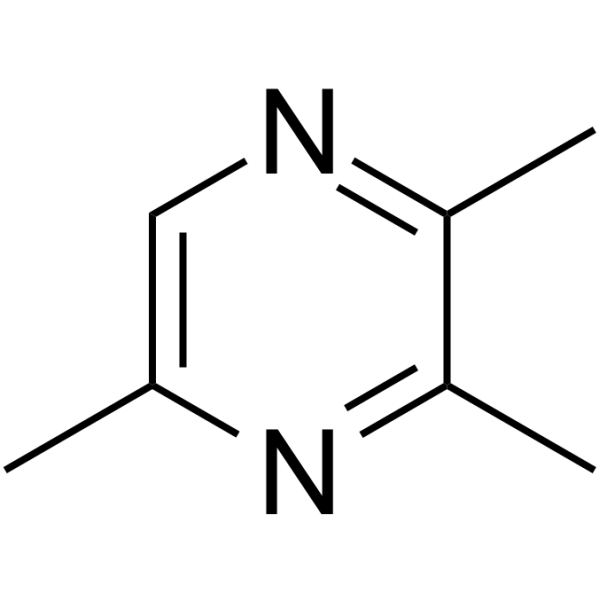
2,3,5-Trimethylpyrazine is an activator of OR5K1 with an EC50 of 65.03 μM in Hana-3A cells. 2,3,5-Trimethylpyrazine inhibits ZEN biosynthetic gene expression, disrupts cell membrane phospholipid composition, and inhibits mycelial growth. 2,3,5-Trimethylpyrazine inhibits DNA synthesis in the chorioallantoic membrane without disrupting vascular pattern formation. 2,3,5-Trimethylpyrazine inhibits ciliary beating frequency, oocyte pickup, and infundibular smooth muscle contraction in hamster oviduct explants. 2,3,5-Trimethylpyrazine is useful for research related to plant fungal infections .
loading...
    loading...
Cat. No.: HY-165255
CAS No.: 73785-31-6
Research Areas:  

Others

N-Isobutyl decanamide is a plant growth regulator. N-Isobutyl decanamide promotes the development of adventitious roots in hypocotyl explants of A. thaliana and lateral roots in taproot explants. N-Isobutyl decanamide induces the accumulation of NO in the proliferative sites of adventitious roots .
loading...
    loading...
Cat. No.: HY-100518A
CAS No.: 869298-22-6
Target:  

MMP

Research Areas:  

Inflammation/Immunology

T26c sodium is a potent and selective MMP13 inhibitor with IC50 value of 6.9 pM. T26c sodium can inhibit the degradation of bovine nasal septal cartilage explants .
loading...
    loading...
Cat. No.: HY-105140
CAS No.: 169673-60-3
Target:  

MMP

Research Areas:  

Inflammation/Immunology

CPA 926 is a prodrug of Esculetin (HY-N0284) and is orally active. CPA 926 can inhibit the production of MMP in cartilage explants. CPA 926 can be used for the research of inflammation, such as experimental osteoarthritis .
loading...
    loading...
Cat. No.: HY-W419331
CAS No.: 52715-93-2
Synonyms: DL-Methionyl-DL-methionine
Target:  

JAK mTOR

Research Areas:  

Cancer

Methionylmethionine (Met-Met) significantly promotes α-s1 casein (αS1-CN) expression in the mammary explants by enhancing intracellular substrate availability and activating JAK2-STAT5 and mTOR-mediated signaling pathways .
loading...
    loading...
Cat. No.: HY-128895A
CAS No.: 1800406-26-1
KL1333 hydrochloride is an orally active NAD + modulator that reacts with NAD(P)H:quinone oxidoreductase 1 (NQO1) as a substrate, leading to increased intracellular NAD + levels through NADH oxidation. Elevated NAD + levels trigger activation of SIRT1 and AMPK, and subsequently activate PGC-1α. KL1333 hydrochloride improves energy metabolism and mitochondrial dysfunction in mitochondrial encephalomyopathy, lactic acidosis, and stroke-like episodes (MELAS) fibroblasts. KL1333 hydrochloride protects against cisplatin-induced ototoxicity in mouse cochlear cultures .
loading...
    loading...

