23 Results for "

ferric reducing

" in MedChemExpress (MCE) Product Catalog:
Products (23)

23 Results for "ferric reducing" in MCE Product Catalog:

Cat. No.: HY-113110
CAS No.: 19246-18-5
Purity:  99.96%
Synonyms: L-Cysteinylglycine; Cys-Gly; H-Cys-Gly-OH
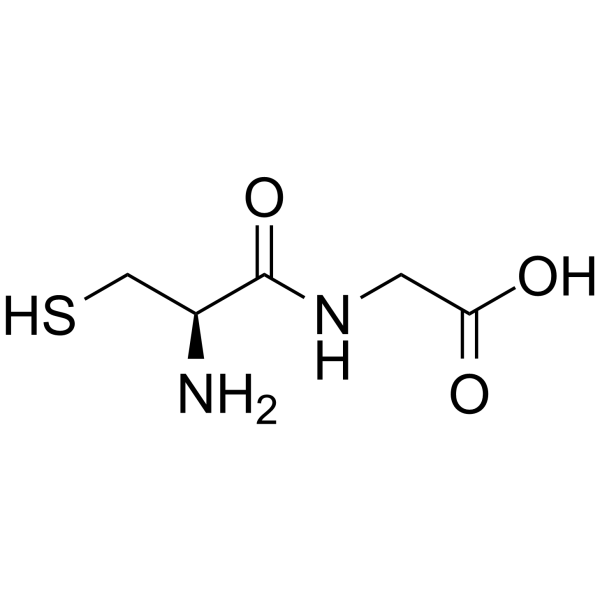
Cysteinylglycine (L-Cysteinylglycine; Cys-Gly) is a dipeptide formed by the peptide bond linkage between cysteine (Cysteine) and glycine (Glycine). Cysteinylglycine is an important metabolic intermediate in the human body, mainly derived from the degradation of glutathione (GSH). Cysteinylglycine reduces ferric iron to ferrous iron, drives the redox cycle of iron, generates reactive oxygen species (ROS), stimulates oxidative reactions, induces lipid peroxidation of human plasma LDL lipoproteins, and causes oxidative damage to DNA bases. Cysteinylglycine can be used as a biomarker to evaluate ischemic heart disease, breast cancer and other conditions .
loading...
    loading...
Cat. No.: HY-N12586
CAS No.: 603-17-8
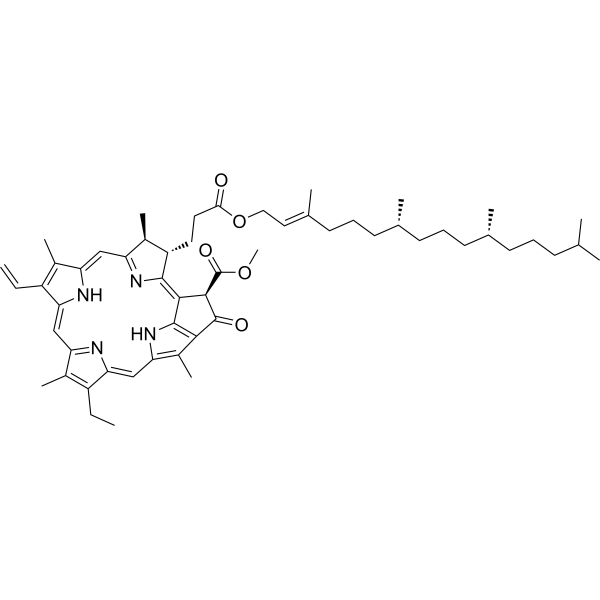
Pheophytin a is a multi-target inhibitor, anticancer agent, antioxidant and antiviral agent. Pheophytin a directly binds to and inhibits HCV-NS3/4A protease (IC50=0.89 μM) to block viral replication. Pheophytin a also scavenges free radicals, reduces ferric ions, and exhibits cytotoxic activity against breast cancer cells. Pheophytin a effectively inhibits LPS-induced production of nitric oxide, prostaglandin E2, NOS2 and COX-2, as well as various pro-inflammatory cytokines, by downregulating the transcription levels of inflammatory mediators and blocking the ERK1/2 and STAT-1 pathways. In a low nerve growth factor environment, Pheophytin a also enhances ERK1/2 phosphorylation and synergistically promotes neurite outgrowth through MAPK pathway. Pheophytin a can be used to investigate the pathogenic mechanisms of diseases including chronic hepatitis C, sepsis, breast cancer and Alzheimer's disease .
loading...
    loading...
Cat. No.: HY-N6037
CAS No.: 2798-20-1
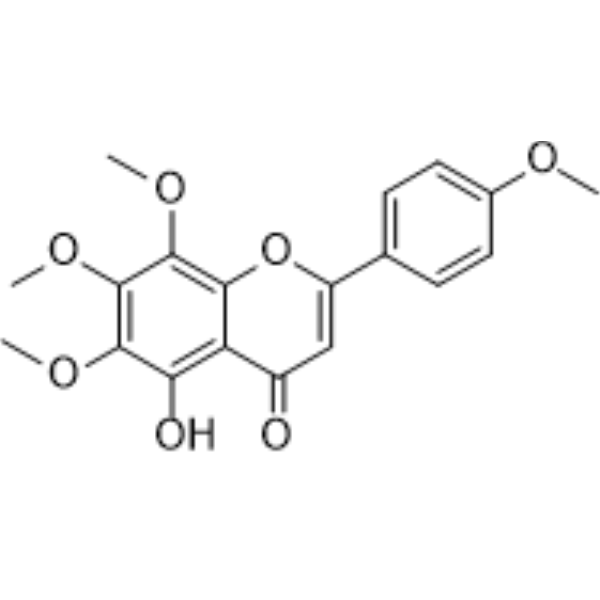
Gardenin B is a methoxyflavone compound and an inhibitor of USP7, ODC (IC50: 6.24 μg/mL), and Cathepsin D (IC50: 5.61 μg/mL). Gardenin B exhibits antioxidant and antitumor activities. Gardenin B shows IC50 values of 8.87 and 10.59 μg/mL for DPPH and NO scavenging, respectively, and also possesses ferric ion reducing ability. Additionally, Gardenin B can inhibit tumor cell proliferation, induce cell cycle arrest and apoptosis. Gardenin B can be used in cancer research .
loading...
    loading...
Cat. No.: HY-W035520
CAS No.: 35369-53-0
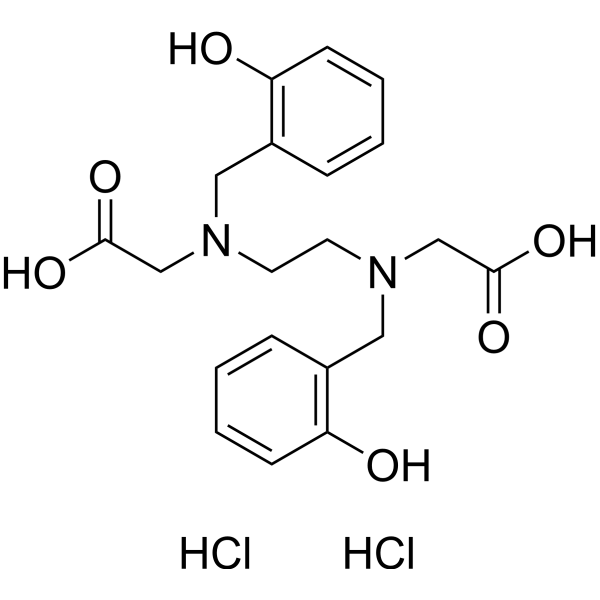
HBED dihydrochloride is an iron-chelating antioxidant. HBED dihydrochloride chelates ferrous iron, promotes its oxidation to ferric iron, and blocks superoxide-driven ferric iron reduction, preventing Haber-Weiss/Fenton hydroxyl radical production. HBED dihydrochloride donates H/electrons, undergoes protonation, reduces radical cations, and forms phenoxyl radicals. HBED dihydrochloride exerts cytoprotective effects against peroxide-induced lung fibroblast injury. HBED dihydrochloride crosses the blood-brain barrier and mitochondrial membrane, exhibits iron affinity/selectivity, and induces iron clearance in iron-loaded monkeys. HBED dihydrochloride reduces hippocampal AQP4, microgliosis, oxidative stress, cerebral edema, and hippocampal swelling, and improves motor function/recovery after traumatic brain injury. HBED dihydrochloride can be used in research on iron overload and traumatic brain injury (TBI) .
loading...
    loading...
Cat. No.: HY-N2307A
CAS No.: 54383-28-7
Synonyms: (+)-Lirinidine
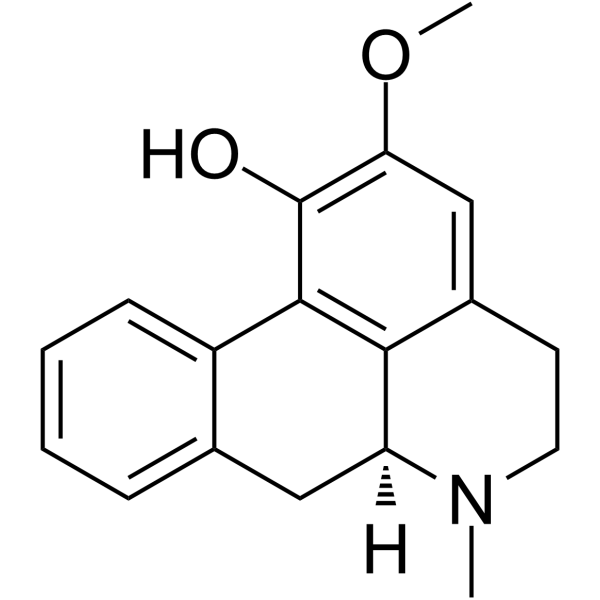
Lirinidine ((+)-Lirinidine) is an alkaloid isolated from the leaves of L. tulipifera and has antioxidant and anticancer activities. Lirinidine exhibits medium ferric reducing power activity and minor radical scavenging activity in vitro. Lirinidine can be used for cosmetic research .
loading...
    loading...
Cat. No.: HY-114837
CAS No.: 35998-29-9
Purity:  98.00%
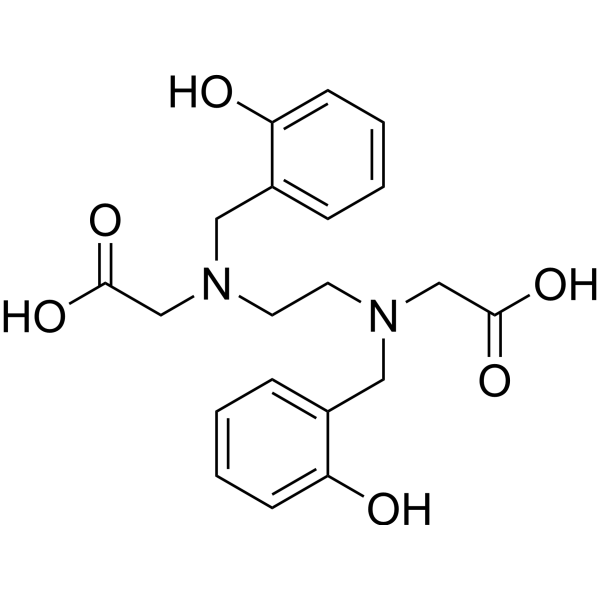
HBED is an iron-chelating antioxidant. HBED chelates ferrous iron, promotes its oxidation to ferric iron, and blocks superoxide-driven ferric iron reduction, preventing Haber-Weiss/Fenton hydroxyl radical production. HBED donates H/electrons, undergoes protonation, reduces radical cations, and forms phenoxyl radicals. HBED exerts cytoprotective effects against peroxide-induced lung fibroblast injury. HBED crosses the blood-brain barrier and mitochondrial membrane, exhibits iron affinity/selectivity, and induces iron clearance in iron-loaded monkeys. HBED reduces hippocampal AQP4, microgliosis, oxidative stress, cerebral edema, and hippocampal swelling, and improves motor function/recovery after traumatic brain injury. HBED can be used in research on iron overload and traumatic brain injury (TBI) .
loading...
    loading...
Cat. No.: HY-W068771
CAS No.: 943-89-5
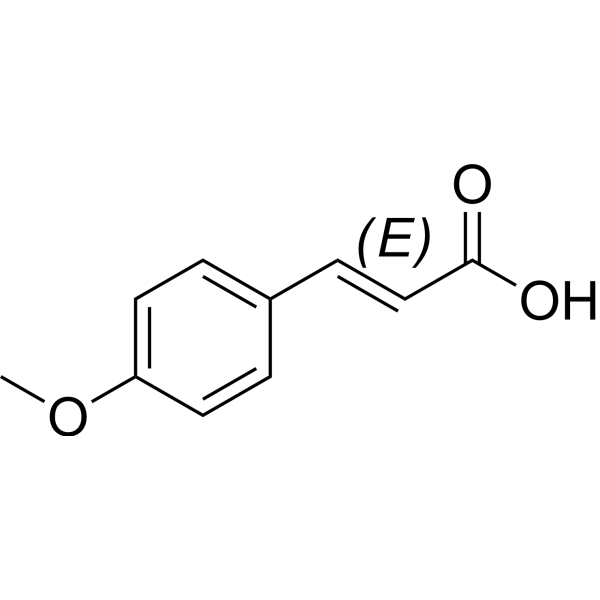
(E)-3-(4-Methoxyphenyl)acrylic acid is an antioxidant and metal chelator that modulates E-NTPDase and Na +/K + ATPase activities in iron-induced testicular injury by scavenging DPPH (HY-112053) free radicals, reducing ferric iron, chelating Fe 2+, inhibiting lipid peroxidation, and enhancing GSH, SOD, and CAT activities. (E)-3-(4-Methoxyphenyl)acrylic acid can be used for research on iron-induced testicular injury .
loading...
    loading...
Cat. No.: HY-N9588
CAS No.: 22860-72-6
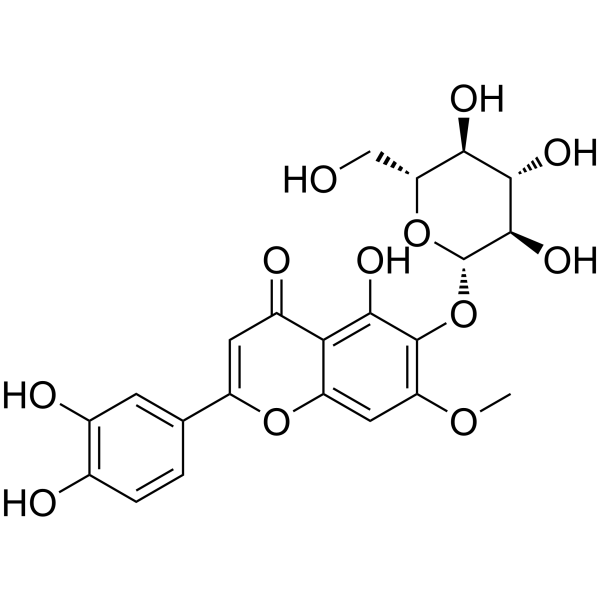
Pedaliin is a bioactive component obtained from the ethanol extract of Sesame (Sesamum indicum L.) leaves (SLs). Pedaliin shows in vitro antioxidant and anti-colon cancer efficacy with radical scavenging activity and ferric reducing antioxidant power (FRAP) .
loading...
    loading...
Cat. No.: HY-174867
CAS No.: 3091513-13-9
Target:  

PROTACs Ferroptosis

Research Areas:  

Cancer

AY-4 (Compound AY-4) is an efficient PROTAC degrader targeting FTH1 (Kd = 3.17 nM). AY-4 effectively upregulates the levels of ferrous (Fe 2+) and ferric (Fe 3+) ions in cells. AY-4 is a potential anticancer candidate compound that regulates iron homeostasis through ferritin degradation and enhances the efficacy of existing drugs. AY-4 can effectively reduce the level of FTH1 in breast cancer cells (Pink: FTH1 ligand AY-2 (HY-174871); Blue: E3 ligand Pomalidomide (HY-10984); Black: Linker, Pomalidomide-PEG3-acid (HY-174872)) .
loading...
    loading...
Cat. No.: HY-N7648
CAS No.: 5531-98-6
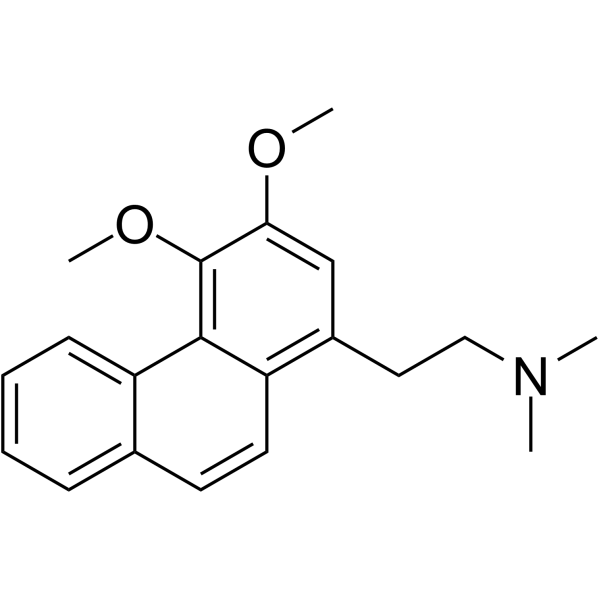
Synonyms: Atherospermine
Atherosperminine (Atherospermine) is a phosphodiesterase inhibitor. Atherosperminine inhibits growth of chloroquine-resistant Plasmodium falciparum. Atherosperminine scavenges DPPH free radicals, exhibits ferric reducing power, and chelates metal ions. Atherosperminine can be used for the research of malaria .
loading...
    loading...
Cat. No.: HY-113110R
CAS No.: 19246-18-5
Synonyms: L-Cysteinylglycine (Standard); Cys-Gly (Standard); H-Cys-Gly-OH (Standard)
Cysteinylglycine (Standard) is the analytical standard of Cysteinylglycine. This product is intended for research and analytical applications. Cysteinylglycine is a dipeptide formed by the peptide bond linkage between cysteine (Cysteine) and glycine (Glycine). Cysteinylglycine is an important metabolic intermediate in the human body, mainly derived from the degradation of glutathione (GSH). Cysteinylglycine reduces ferric iron to ferrous iron, drives the redox cycle of iron, generates reactive oxygen species (ROS), stimulates oxidative reactions, induces lipid peroxidation of human plasma LDL lipoproteins, and causes oxidative damage to DNA bases. Cysteinylglycine can be used as a biomarker to evaluate ischemic heart disease, breast cancer and other conditions .
loading...
    loading...
Cat. No.: HY-N6037R
CAS No.: 2798-20-1
Gardenin B (Standard) is the analytical standard of Gardenin B (HY-N6037). This product is intended for research and analytical applications. Gardenin B is a flavonoid isolated from Gardenia jasminoides. Gardenin B is a methoxyflavone compound and an inhibitor of USP7, ODC (IC50: 6.24 μg/mL), and Cathepsin D (IC50: 5.61 μg/mL). Gardenin B exhibits antioxidant and antitumor activities. Gardenin B shows IC50 values of 8.87 and 10.59 μg/mL for DPPH and NO scavenging, respectively, and also possesses ferric ion reducing ability. Additionally, Gardenin B can inhibit tumor cell proliferation, induce cell cycle arrest and apoptosis. Gardenin B can be used in cancer research .
loading...
    loading...
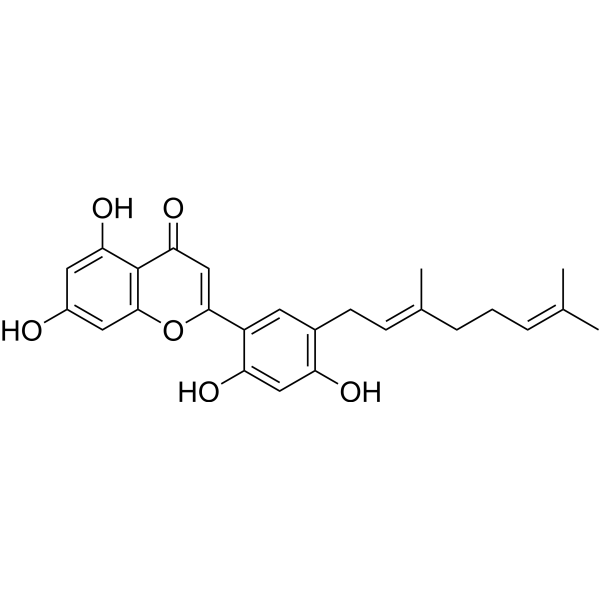
Cat. No.: HY-N10770
CAS No.: 1221762-70-4
5'-Geranyl-5,7,2',4'-tetrahydroxyflavone, a phenolic compound, presents strong oxygen radical absorbance capacity (ORAC), DPPH radical-scavenging capacity, ABTS radical-scavenging capacity, ferric reducing antioxidant power (FRAP) and nitrite-scavenging capacity. 5'-Geranyl-5,7,2',4'-tetrahydroxyflavone has the potential for natural antioxidant research .
loading...
    loading...
Cat. No.: HY-W068771R
CAS No.: 943-89-5
(E)-3-(4-Methoxyphenyl)acrylic acid (Standard) is the analytical standard of (E)-3-(4-Methoxyphenyl)acrylic acid (HY-W068771). This product is intended for research and analytical applications. (E)-3-(4-Methoxyphenyl)acrylic acid is an antioxidant and metal chelator that modulates E-NTPDase and Na +/K + ATPase activities in iron-induced testicular injury by scavenging DPPH (HY-112053) free radicals, reducing ferric iron, chelating Fe 2+, inhibiting lipid peroxidation, and enhancing GSH, SOD, and CAT activities. (E)-3-(4-Methoxyphenyl)acrylic acid can be used for research on iron-induced testicular injury .
loading...
    loading...
Cat. No.: HY-N21600
CAS No.: 1619976-98-5
Eleocharin C is a dimethylallyl-substituted flavanone flavonoid that acts as a DPPH radical scavenger and is present in the peel of Eleocharis tuberosa. Eleocharin C exhibits reducing capacity in the ferric reducing assay .
loading...
    loading...
Cat. No.: HY-N19331
CAS No.: 5989-43-5
Matricarin is a sesquiterpene lactone antioxidant with ferric ion reducing antioxidant power activity. Matricarin exhibits free radical scavenging activity. Matricarin induces growth inhibition. Matricarin can be used in the research of ovarian cancer and renal cancer .
loading...
    loading...
Cat. No.: HY-N7648A
CAS No.: 54749-97-2
Synonyms: Atherospermine hydrochloride
Atherosperminine (Atherospermine) hydrochloride is a phosphodiesterase inhibitor. Atherosperminine hydrochloride inhibits growth of chloroquine-resistant Plasmodium falciparum. Atherosperminine hydrochloride scavenges DPPH free radicals, exhibits ferric reducing power, and chelates metal ions. Atherosperminine hydrochloride can be used for the research of malaria .
loading...
    loading...
Cat. No.: HY-184638
APTS Fe2O3 Nanoparticles (Aminated ferric oxide magnetic nanoparticles) are magnetic nanomaterials modified with amino functional groups using APTS. This material consists of a ferric oxide (Fe3O4) nanoparticle core and an amino (-NH2) surface modification layer. The aminated surface helps improve the biocompatibility of the nanoparticles and reduce cytotoxicity. The amino functional groups can be further chemically modified for coupling with biomolecules such as drugs, proteins, and nucleic acids. The amino functional groups undergo protonation at different pH values, resulting in different surface charges on the nanoparticles in different pH environments.
loading...
    loading...
Cat. No.: HY-189530
CAS No.: 96460-77-4
Target:  

Fungal

Antioxidant agent-25 is an antioxidant that scavenges DPPH free radicals and reduces ferric ions. Antioxidant agent-25 has antifungal activity, inhibiting dermatophytes and Candida albicans. Antioxidant agent-25 has antiproliferative activity, inhibiting cancer cells. Antioxidant agent-25 is cytotoxic to normal kidney cells. Antioxidant agent-25 can be used in research on dermatomycoses, leukemia, and melanoma .
loading...
    loading...
Cat. No.: HY-189722
Multi-target kinase-IN-13 is a multi-target enzyme inhibitor and antioxidant. Multi-target kinase-IN-13 inhibits α-amylase, α-glucosidase, and aldose reductase, with IC50 values of 6.71, 4.78, and 4.04 µg/mL, respectively, thereby slowing starch digestion, reducing intestinal glucose absorption, and inhibiting the polyol pathway. Multi-target kinase-IN-13 scavenges DPPH, ABTS, and NO free radicals and exhibits antioxidant capacity and ferric reducing ability. Multi-target kinase-IN-13 can be used in studies related to diabetes and antioxidation .
loading...
    loading...

