37 Results for "

mitochondrial superoxide

" in MedChemExpress (MCE) Product Catalog:
Products (37)

37 Results for "mitochondrial superoxide" in MCE Product Catalog:

4
4 Cited Publications
Cat. No.: HY-115386
CAS No.: 1101113-39-6
Purity:  98.00%
MitoTEMPOL is a mitochondria-targeted superoxide scavenger. MitoTEMPOL accumulates in mitochondria via membrane potential and locally scavenges superoxide anions. MitoTEMPOL alleviates hepatic oxidative stress and alterations in genes related to autophagy in STZ (HY-13753)-induced diabetic models. MitoTEMPOL inhibits diaphragmatic mitochondrial dysfunction and activation of proteolytic pathways in sepsis models. MitoTEMPOL also alleviates AGEs (HY-NP165)-induced ferritinophagy-dependent ferroptosis in human umbilical vein endothelial cells. MitoTEMPOL is used in research related to diabetes, sepsis, and vascular endothelial ferroptosis .
loading...
    loading...
3
3 Cited Publications
Cat. No.: HY-122984
CAS No.: 85-00-7
Purity:  99.86%
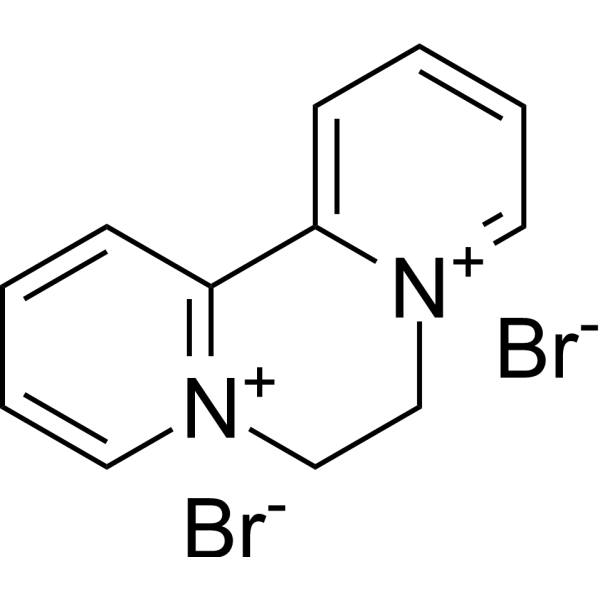
Diquat dibromide is a comprehensive herbicide. Diquat dibromide increases the production of ROS and triggers mitochondrial Autophagy. Diquat dibromide generates free radicals such as superoxide anions through redox cycles, which induce oxidative stress. Diquat dibromide is cytotoxic, reproductive, and neurotoxic. Diquat dibromide is used in cotton, soybean, and other crops to combat noxious weeds .
loading...
    loading...
1
1 Cited Publications
Cat. No.: HY-119976
CAS No.: 188425-85-6
Purity:  99.29%
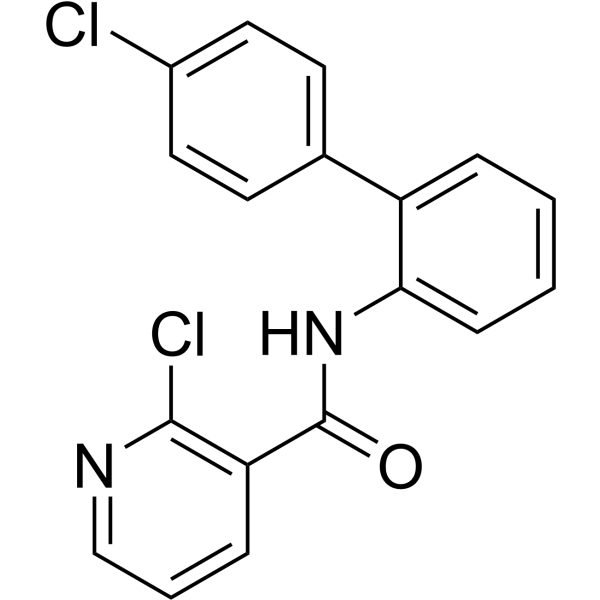
Boscalid is a succinate dehydrogenase (SDHI) inhibitor with antifungal activity. Boscalid binds to the ubiquinone-binding site of fungal mitochondrial complex II, blocks ATP production and aerobic respiration, exhibits good control efficacy against a variety of plant fungal diseases including gray mold, sclerotinia rot and powdery mildew, and is widely used for disease control in agriculture. Boscalid induces apoptosis, altered lipid metabolism, mitochondrial dysfunction, respiratory impairment, oxidative stress, ROS accumulation and neurodevelopmental disorders in zebrafish. Boscalid reduces foraging ability, shortens median death time and causes chronic toxicity in exposed honeybees. Boscalid also possesses genotoxicity, cytotoxicity, elevated mitochondrial superoxide levels and early-stage apoptosis .
loading...
    loading...
1
1 Cited Publications
Cat. No.: HY-129115
CAS No.: 897613-29-5
Research Areas:  

Inflammation/Immunology

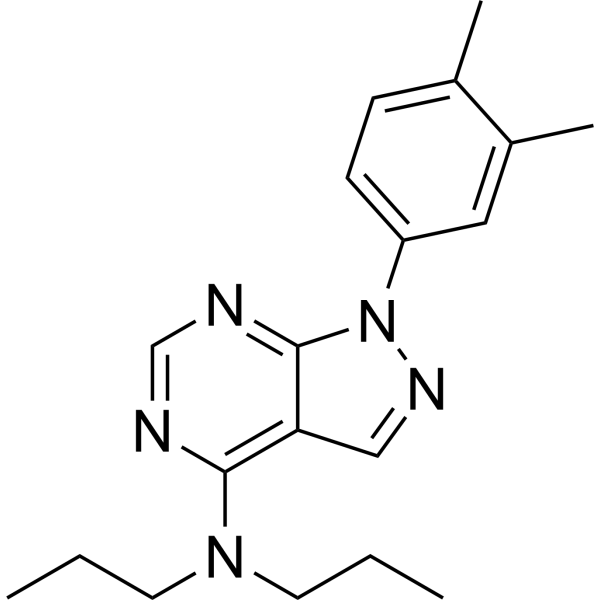
S1QEL1.1 is a cell-permeable selective site IQ electron leak inhibitor and mitochondrial complex I site IQ superoxide/hydrogen peroxide production inhibitor (IC50 of 70.3 nM for IQr; IC50 of 64.0 nM for IQf), exerting cytoprotective effects by inhibiting site IQ-dependent ROS production during reverse and forward electron transport without affecting oxidative phosphorylation and normal electron transport. S1QEL1.1 can be used for research on ischemia-reperfusion injury .
loading...
    loading...
1
1 Cited Publications
Cat. No.: HY-P71073
Purity:  ≥ 95%, as determined by reducing SDS-PAGE.
Synonyms: SOD2; Manganese-Containing superoxide Dismutase; superoxide Dismutase 2; Gastric Cancer–Associated LncRNA 1; superoxide Dismutase [Mn], mitochondrial; Gastric Cancer-Associated LncRNA 1; LncRNA-GC1; Mangano-superoxide Dismutase; GClnc1; Mn superoxide Dism
Species:  
Human
Source:  
HEK293
loading...
    loading...
Cat. No.: HY-110282
CAS No.: 890888-12-7
Purity:  99.62%
S3QEL-2, a suppressor of superoxide production from mitochondrial complex III, potently and selectively suppresses site IIIQo superoxide production (IC50=1.7 μM). S3QEL-2 does not affect oxidative phosphorylation, and normal electron flux. S3QEL-2 inhibits HIF-1α accumulation .
loading...
    loading...
Cat. No.: HY-Y0651
CAS No.: 7757-83-7
Sodium sulfite is an inorganic salt used as an antioxidant and preservative. Sodium sulfite is also used in sulfonation and sulfomethylation reactions. Sodium sulfite can also be used as a bleaching agent, desulfurizer, and dechlorinator. Sodium sulfite inhibits hepatocyte proliferation, promotes hepatocyte apoptosis and necrosis, and impairs mitochondrial integrity. Sodium sulfite induces superoxide anion production, primes neutrophils for enhanced superoxide anion generation, and induces neutrophil gene expression. Sodium sulfite can be used in studies related to pulmonary inflammation and gastric tissue injury .
loading...
    loading...
Cat. No.: HY-W035520
CAS No.: 35369-53-0
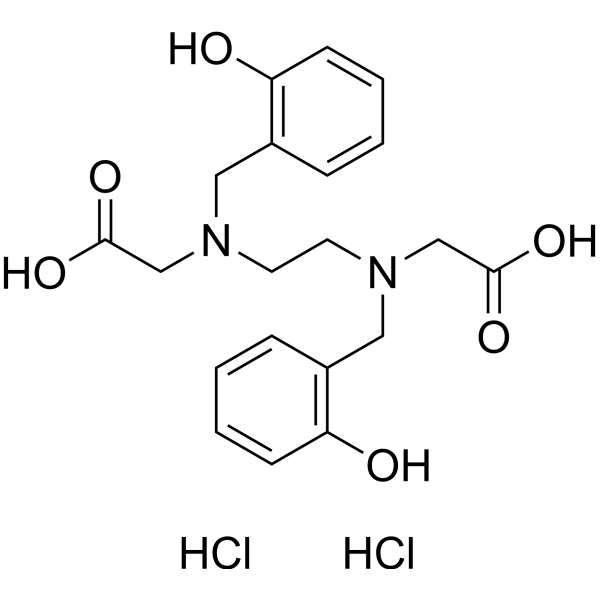
HBED dihydrochloride is an iron-chelating antioxidant. HBED dihydrochloride chelates ferrous iron, promotes its oxidation to ferric iron, and blocks superoxide-driven ferric iron reduction, preventing Haber-Weiss/Fenton hydroxyl radical production. HBED dihydrochloride donates H/electrons, undergoes protonation, reduces radical cations, and forms phenoxyl radicals. HBED dihydrochloride exerts cytoprotective effects against peroxide-induced lung fibroblast injury. HBED dihydrochloride crosses the blood-brain barrier and mitochondrial membrane, exhibits iron affinity/selectivity, and induces iron clearance in iron-loaded monkeys. HBED dihydrochloride reduces hippocampal AQP4, microgliosis, oxidative stress, cerebral edema, and hippocampal swelling, and improves motor function/recovery after traumatic brain injury. HBED dihydrochloride can be used in research on iron overload and traumatic brain injury (TBI) .
loading...
    loading...
Cat. No.: HY-W040255
CAS No.: 89947-79-5
Synonyms: PGPC
1-Palmitoyl-2-glutaryl-sn-glycero-3-phosphocholine is an oxidized phospholipid. 1-Palmitoyl-2-glutaryl-sn-glycero-3-phosphocholine reduces the viability of HUVECs, increases the levels of ferrous ions and lipid peroxidation, promotes the production of superoxide anions, and decreases the levels of glutathione and GPX4 in cells. 1-Palmitoyl-2-glutaryl-sn-glycero-3-phosphocholine upregulates the mRNA and protein levels of FABP3 in HUVECs, impairs mitochondrial membrane potential, and induces ferroptosis-related changes as well as mitochondrial dysfunction and damage. 1-Palmitoyl-2-glutaryl-sn-glycero-3-phosphocholine activates caspase-11 and promotes the continuous release of IL-1β from macrophages and dendritic cells. 1-Palmitoyl-2-glutaryl-sn-glycero-3-phosphocholine inhibits the proliferation of aortic smooth muscle cells and induces apoptosis in these cells. 1-Palmitoyl-2-glutaryl-sn-glycero-3-phosphocholine is applicable to relevant research on atherosclerosis .
loading...
    loading...
Cat. No.: HY-119608
CAS No.: 1316059-00-3
Purity:  98.40%
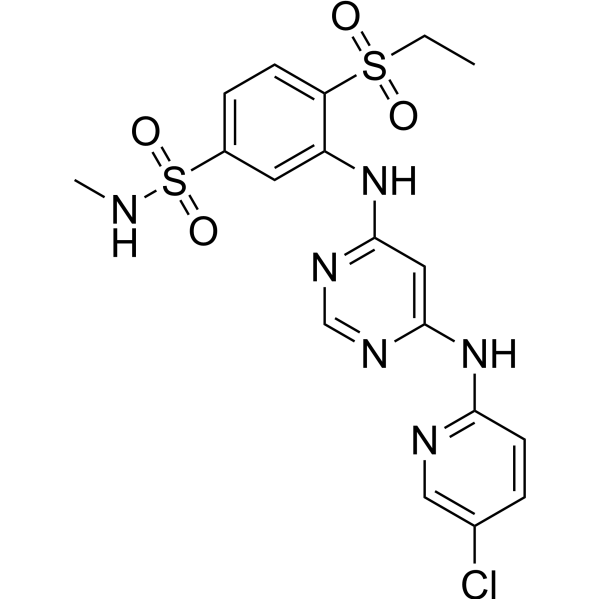
GSK854 is a TNNI3K inhibitor. GSK854 binds to the DFG-out conformation of the ATP-binding site and forms hydrogen bonds with the hinge and gatekeeper. GSK854 reduces mitochondrial superoxide production, ROS, and p38 MAPK activation, and protects mitochondrial membrane potential and cardiac function. GSK854 can be used in research on ischemia/reperfusion cardiac injury, heart failure, acute coronary syndrome, and ischemic heart disease .
loading...
    loading...
Cat. No.: HY-114837
CAS No.: 35998-29-9
Purity:  98.00%
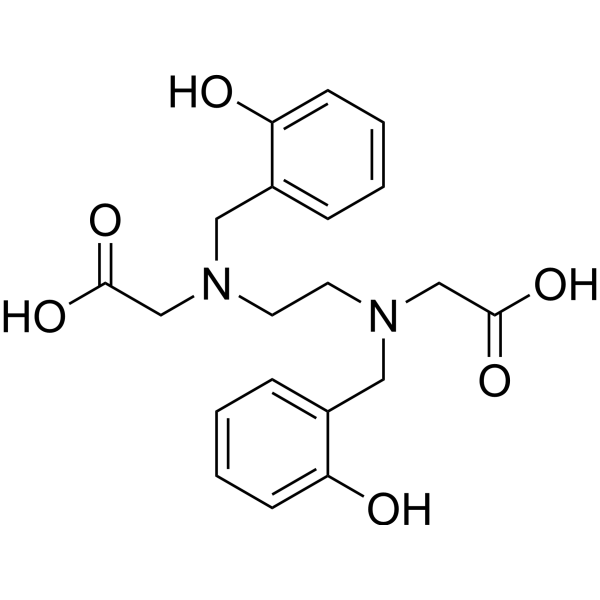
HBED is an iron-chelating antioxidant. HBED chelates ferrous iron, promotes its oxidation to ferric iron, and blocks superoxide-driven ferric iron reduction, preventing Haber-Weiss/Fenton hydroxyl radical production. HBED donates H/electrons, undergoes protonation, reduces radical cations, and forms phenoxyl radicals. HBED exerts cytoprotective effects against peroxide-induced lung fibroblast injury. HBED crosses the blood-brain barrier and mitochondrial membrane, exhibits iron affinity/selectivity, and induces iron clearance in iron-loaded monkeys. HBED reduces hippocampal AQP4, microgliosis, oxidative stress, cerebral edema, and hippocampal swelling, and improves motor function/recovery after traumatic brain injury. HBED can be used in research on iron overload and traumatic brain injury (TBI) .
loading...
    loading...
Cat. No.: HY-101059
CAS No.: 142720-24-9
Purity:  99.95%
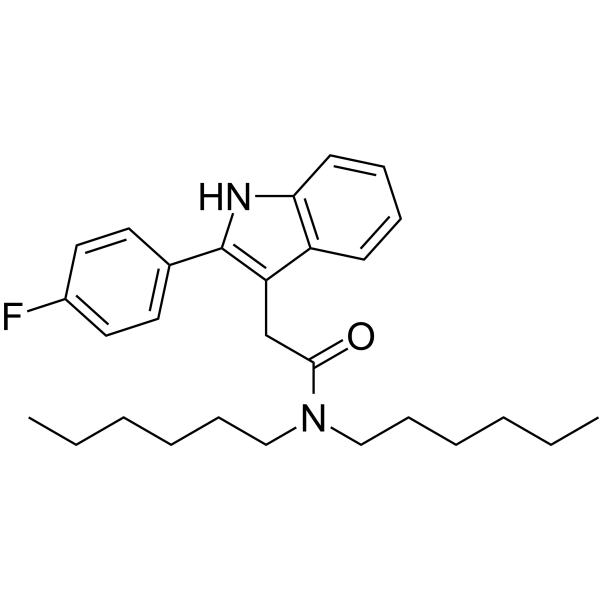
FGIN-1-27 is a blood-brain barrier-penetrant TSPO ligand with a Ki value of 5 nM. FGIN 1-27 inhibits PKC-β, PKA/CREB, p38/ERK MAPK, MITF, tyrosinase, TRP-1, and TRP-2, thereby inhibiting melanogenesis and pigmentation. FGIN-1-27 alleviates X-ray radiation-induced astrocyte mitochondrial hyperfunction, reduces ROS and superoxide production, inhibits excessive activation of A1-type astrocytes, downregulates GFAP and C3 protein expression, and restores astrocyte proliferative capacity. FGIN-1-27 produces anticonvulsant effects in normal mice; in diazepam-withdrawn mice, the brain MDR pathway becomes subsensitive, and the anticonvulsant activity disappears. FGIN-1-27 attenuates pigmentation in zebrafish embryos and ameliorates UVB-induced skin pigmentation in guinea pigs. FGIN-1-27 directly stimulates testicular Leydig cells while upregulating luteinizing hormone levels, causing an acute increase in serum testosterone in male rats. FGIN 1-27 can be used for research related to hyperpigmentation, epilepsy, brain injury, and other diseases .
loading...
    loading...
Cat. No.: HY-W247098
CAS No.: 217176-83-5
Synonyms: DHR 6G
Research Areas:  

Cancer

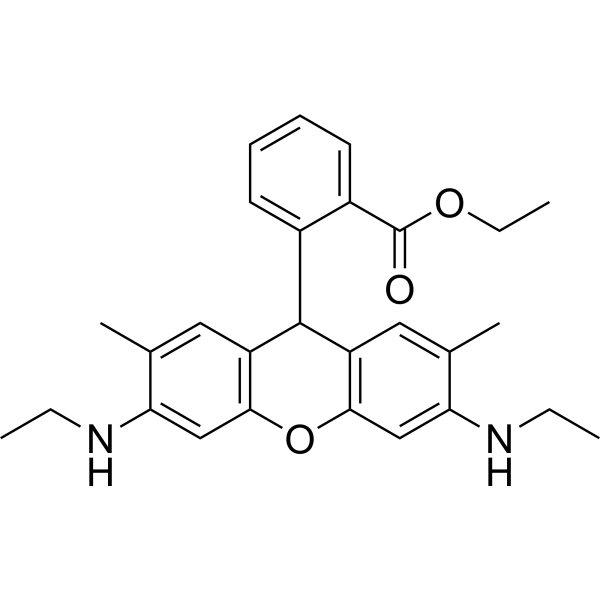
Dihydrorhodamine 6G (DHR 6G) is the reduced form of Rhodamine 6G, which is used as fluorescent mitochondrial dye. It is nonfluorescent, but it readily enters most of the cells and is oxidized by oxidative species or by cellular redox systems to the fluorescent rhodamine 6G that accumulates in mitochondrial membranes. Dihydrorhodamine 6G is useful for detecting reactive oxygen species (ROS) including superoxide .
loading...
    loading...
Cat. No.: HY-118075
CAS No.: 606-06-4
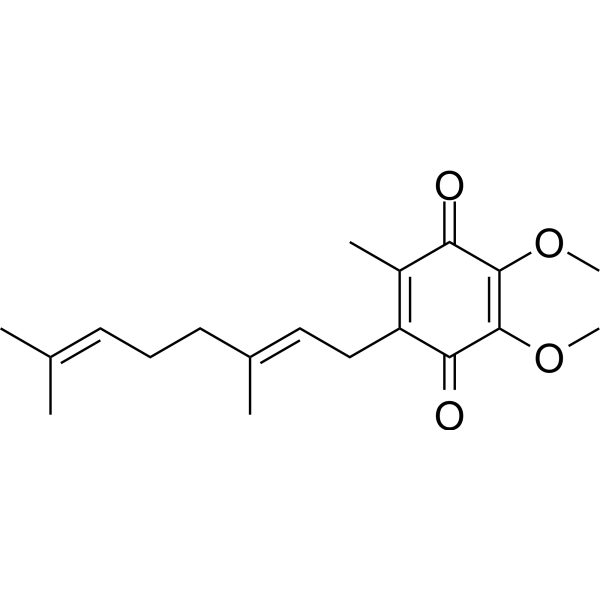
Coenzyme Q2 is a benzoquinone electron carrier in the mitochondrial electron transport chain and a p53-dependent apoptosis inducer. Coenzyme Q2 induces p53 phosphorylation at Ser15, promoting p53 accumulation and functional activation. Coenzyme Q2 induces ROS generation, caspase-3 activation, DNA fragmentation, phosphatidylserine externalization, mitochondrial permeability transition pore opening, and oxidative phosphorylation uncoupling. Coenzyme Q2 inhibits Complex I, Complex III, and Complex IV activities, disrupting electron transport and membrane potential generation. Coenzyme Q2 induces excessive mitochondrial proton leak in forebrain mitochondria. Coenzyme Q2 causes loss of righting reflex in mice, accompanied by slow-wave delta EEG activity and reversible loss of wakefulness. Coenzyme Q2 inhibits lipid peroxidation and scavenges superoxide radicals. Coenzyme Q2 is used in research on leukemia, myocardial ischemia-reperfusion injury, and mitochondrial encephalomyopathy .
loading...
    loading...
Cat. No.: HY-W141392
CAS No.: 2245842-16-2
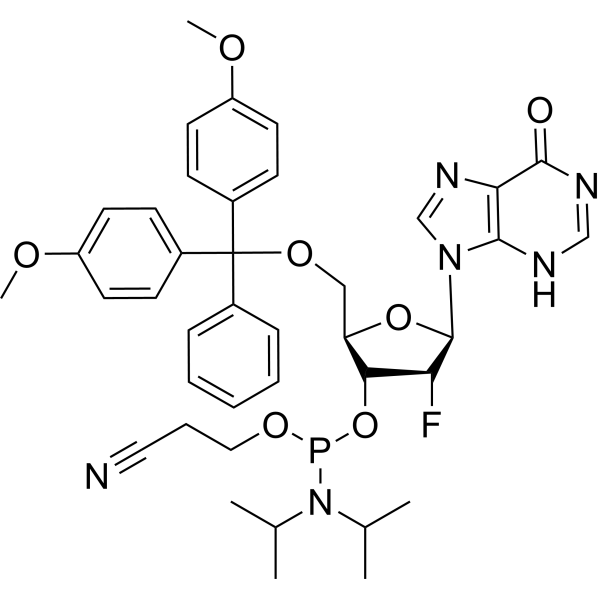
2'-Fluoro-5'-O-DMT-2'-deoxyinosine-3'-CE-phosphoramidite is a hypoxanthine analog. Hypoxanthine is a kind of purine base mainly present in muscle tissue. And it is a metabolite produced by purine oxidase acting on xanthine. Hypoxanthine has typical anti-inflammatory effects and is a potential endogenous poly(ADP-ribose) polymerase (PARP) inhibitor. It is cytoprotective by inhibiting PAPR activity, inhibiting peroxynitrite-induced mitochondrial depolarization and secondary superoxide production. Hypoxanthine can also be used as an indicator of hypoxia .
loading...
    loading...
Cat. No.: HY-152696
CAS No.: 5746-29-2
Research Areas:  

Others

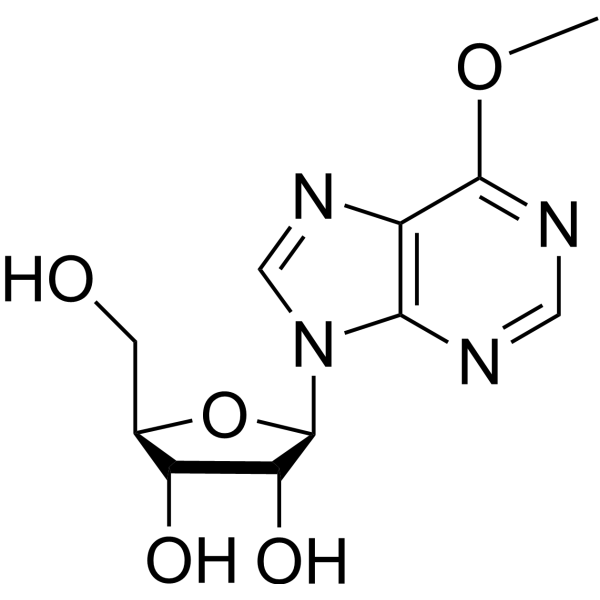
6-O-Methylinosine is a hypoxanthine analogue. Hypoxanthine is a kind of purine base mainly present in muscle tissue. And it is a metabolite produced by purine oxidase acting on xanthine. Hypoxanthine has typical anti-inflammatory effects and is a potential endogenous poly(ADP-ribose) polymerase (PARP) inhibitor. It is cytoprotective by inhibiting PAPR activity, inhibiting peroxynitrite-induced mitochondrial depolarization and secondary superoxide production. Hypoxanthine can also be used as an indicator of hypoxia .
loading...
    loading...
Cat. No.: HY-139012
CAS No.: 2584411-87-8
RC574 is a GPx1 and GPx4 modulator that increases GPx1 protein levels and enzyme activity and protects cells against RSL3-induced GPx4 inactivation and ferroptosis. RC574 inhibits glutamate-induced ferroptosis/oxytosis, mitochondrial superoxide anion production, mitochondrial membrane hyperpolarization, oxidant production, and mitochondrial fragmentation. RC574 protects primary cortical neurons against glutamate challenge and inhibits mitochondrial superoxide anion production while increasing antioxidant enzyme activity. RC574 ameliorates motor-related behavioral deficits and reduces reactive astrocytes in the striatum in a rat model of ischemic stroke. RC574 can be used in research on neurodegenerative diseases and ischemic stroke .
loading...
    loading...
Cat. No.: HY-136855
CAS No.: 652968-37-1
Purity:  95.00%
MitoPBN is a AMPK/SIRT3/PGC-1α axis modulator, reactive oxygen species scavenger and mitochondrial function enhancer. MitoPBN increases the phosphorylation level of AMPK, restores SIRT3 expression and reverses the down-regulation of PGC-1α, thereby promoting mitochondrial biogenesis. MitoPBN regulates glucose metabolism, reduces blood glucose by inhibiting hepatic gluconeogenesis and increasing hepatic glucose uptake, while scavenging mitochondrial superoxide anion/hydrogen peroxide, maintaining membrane potential and increasing ATP production. MitoPBN also reduces cell apoptosis, improves sperm motility, survival rate and membrane integrity, but may induce reductive stress in cryopreserved sperm at high concentrations. MitoPBN is widely applicable to research related to diabetes and type 2 diabetes .
loading...
    loading...
Cat. No.: HY-W392836
CAS No.: 128219-85-2
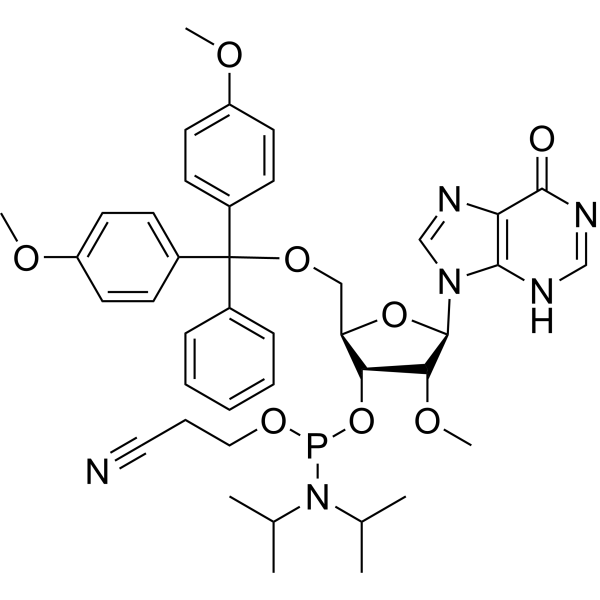
2'-O-Methyl-5'-O-dmt-inosine-3'-CE-phosphoramidite is a hypoxanthine analog. Hypoxanthine is a kind of purine base mainly present in muscle tissue. And it is a metabolite produced by purine oxidase acting on xanthine. Hypoxanthine has typical anti-inflammatory effects and is a potential endogenous poly(ADP-ribose) polymerase (PARP) inhibitor. It is cytoprotective by inhibiting PAPR activity, inhibiting peroxynitrite-induced mitochondrial depolarization and secondary superoxide production. Hypoxanthine can also be used as an indicator of hypoxia .
loading...
    loading...
Cat. No.: HY-175862
CAS No.: 2135481-84-2
ALR2-IN-9 is a potent ALR2 inhibitor (IC50 = 21.8 nM) with excellent antioxidant activity (EC50 for DPPH radical scavenging = 2.8 μM). ALR2-IN-9 interacts directly with Reactive Oxygen Species (ROS)/Reactive Nitrogen Species (RNS) and interrupts the free radical chain reactions, and as an endogenous enzymatic antioxidant regulator, which regulates enzyme functions of CAT and SOD. ALR2-IN-9 regulates PI3K/Akt/Nrf2 pathway to attenuate hyperglycemia-mediated mitochondrial superoxide overproduction in vitro, and ameliorates CuSO4- and H2O2-induced oxidative stress in vivo. ALR2-IN-9 prolongs lifespan of C. elegans via the regulation of stress response genes such as PMK-1. ALR2-IN-9 is a promising anti-aging drug candidate. ALR2-IN-9 can be used for diabetic complication research .
loading...
    loading...

