69 Results for "

reporter activity

" in MedChemExpress (MCE) Product Catalog:
Products (69)

69 Results for "reporter activity" in MCE Product Catalog:

91
91 Publications Verification
Cat. No.: HY-114180
CAS No.: 2262452-06-0
Purity:  99.95%
Synonyms: RU320521
Research Areas:  

Metabolic Disease

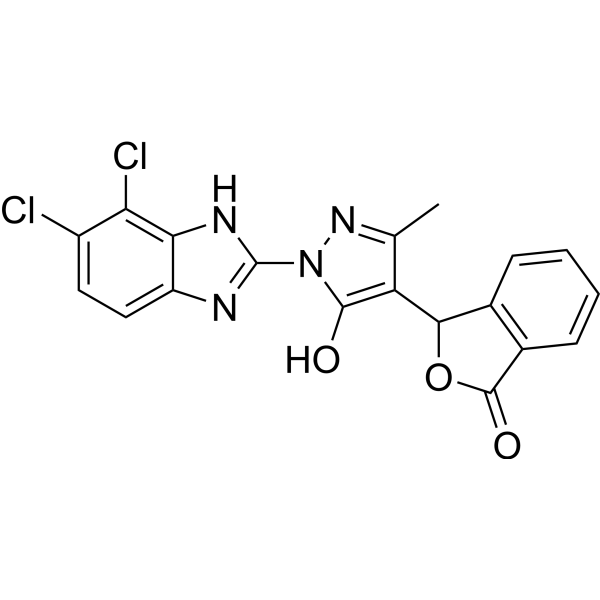
RU.521 (RU320521) is a potent and selective cyclic GMP-AMP synthase (cGAS) inhibitor and inhibits cGAS-mediated interferon upregulation. RU.521 suppresses dsDNA-activated reporter activity with an IC50 of 0.7 μM. RU.521 reduces constitutive expression of interferon in macrophages from a mouse model of Aicardi-Goutières syndrome (AGS) .
loading...
    loading...
8
8 Cited Publications
Cat. No.: HY-18988
CAS No.: 1638250-96-0
Synonyms: ETC-1922159
Target:  

Porcupine Wnt

Research Areas:  

Cancer

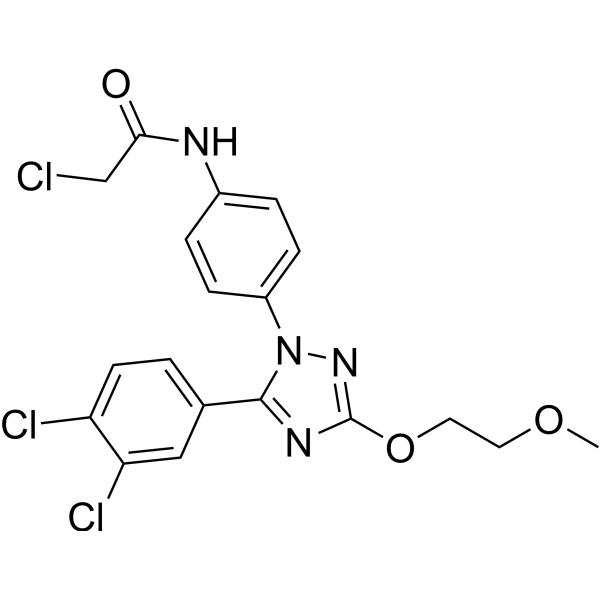
ETC-159 (ETC-1922159) is a potent, orally available PORCN inhibitor. ETC-159 inhibits β-catenin reporter activity with an IC50 of 2.9 nM.
loading...
    loading...
8
8 Cited Publications
Cat. No.: HY-12276
CAS No.: 1047953-91-2
Purity:  99.73%
Target:  

MALT1

Research Areas:  

Cancer

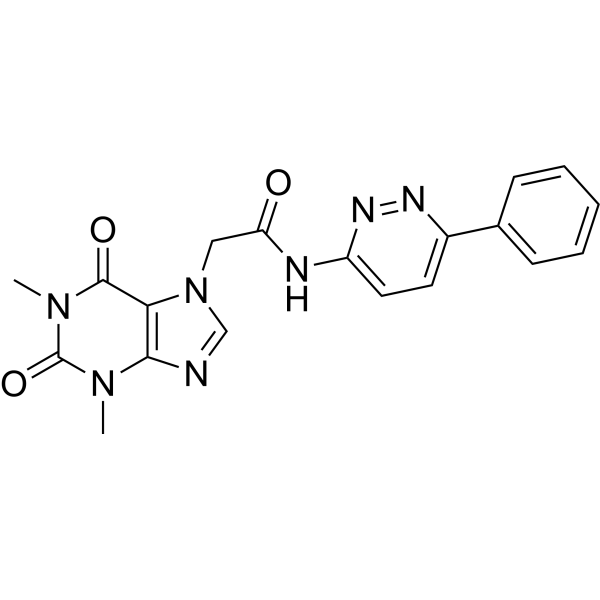
MALT1 inhibitor MI-2 is a MALT1 inhibitor (IC50=5.84 μM). MALT1 inhibitor MI-2 binds directly to MALT1, irreversibly suppresses protease function and is accompanied by NF-κB reporter activity suppression, c-REL nuclear localization inhibition, and NF-κB target gene downregulation. MALT1 inhibitor MI-2 shows nontoxic to animals .
loading...
    loading...
2
2 Cited Publications
Cat. No.: HY-19350
CAS No.: 537034-17-6
Target:  

HDAC Apoptosis

Research Areas:  

Cancer

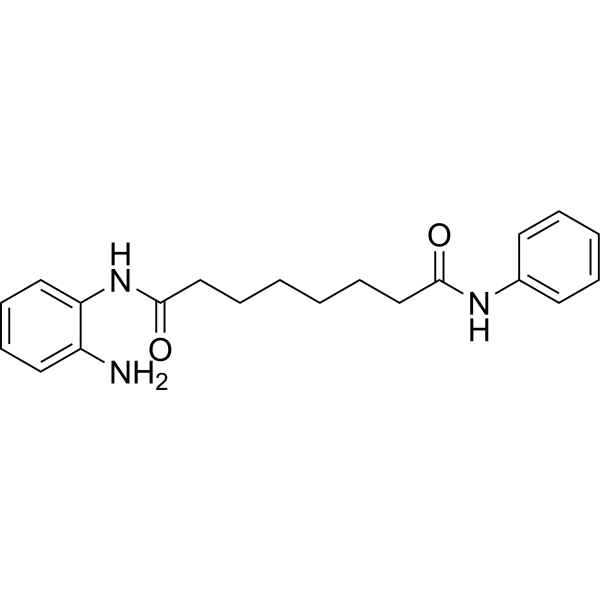
BML-210 is a potent HDAC inhibitor. BML-210 can inhibit the HDAC4-VP16-driven reporter signal with an apparent IC50 of ∼5 µM. BML-210 has a specific disruptive effect on the HDAC4:MEF2 interaction. BML-210 causes an increase in the G0/G1 phase. BML-210 induces apoptosis and displays antitumour activities in orthotopic mammary tumours in mice .
loading...
    loading...
1
1 Cited Publications
Cat. No.: HY-153229
Research Areas:  

Others

Firefly luciferase mRNA-LNP is a lipid nanoparticle (LNP) containing firefly luciferase mRNA. Firefly luciferase mRNA-LNP exhibits a stable nanostructure, in which LNP plays a key role in effectively protecting and transporting mRNA to cells. Luciferase is a bioluminescent reporter gene for gene regulation and functional studies. Firefly Luciferase mRNA-LNP expresses firefly luciferase protein after entering the cells, which is often used for promoter activity detection or dual fluorescent molecular complementation experiments. Firefly luciferase mRNA-LNP is studied in research for RNA delivery, cell viability, and translation efficiency .
loading...
    loading...
1
1 Cited Publications
Cat. No.: HY-139616
CAS No.: 2484865-72-5
Purity:  99.51%
Target:  

Sec61 PD-1/PD-L1

Research Areas:  

Cancer

Sec61-IN-2 is a Sec61 inhibitor. Sec61-IN-2 shows a significant inhibitory effect on PD-1 related reporter gene cell models (PD1tsGluc) (IC50 = 42 nM), while it has almost no inhibitory activity in TNFα, Her3, and IL-2 pathway models. Sec61-IN-2 can be used for cancer research .
loading...
    loading...
Cat. No.: HY-137276
CAS No.: 97753-82-7
Purity:  99.73%
Synonyms: Bluo-Gal
Research Areas:  

Others

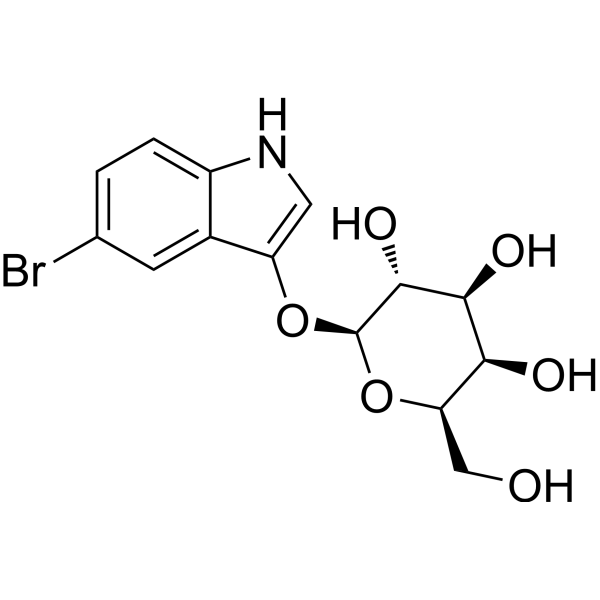
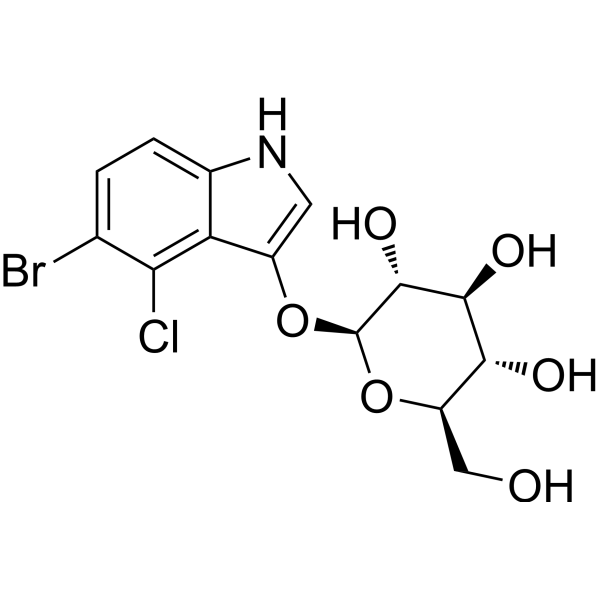
5-Bromo-3-indolyl β-D-galactopyranoside (Bluo-Gal) is a chromogenic substrate for β-galactosidase. 5-Bromo-3-indolyl β-D-galactopyranoside is hydrolyzed by the enzyme to generate a 5-bromoindole intermediate, which is further oxidized to form an insoluble blue precipitate. 5-Bromo-3-indolyl β-D-galactopyranoside can specifically recognize bacterial β-galactosidases (such as the product of the Escherichia coli lacZ gene) and reacts at pH 7.4, making it suitable for light and electron microscopic observations. 5-Bromo-3-indolyl β-D-galactopyranoside can be used in histochemical detection of reporter gene expression in transgenic organisms, such as the localization analysis of β-galactosidase activity in mouse embryos or muscle tissues .
loading...
    loading...
Cat. No.: HY-13250
CAS No.: 960365-65-5
Purity:  99.84%
Target:  

Drug Derivative

Research Areas:  

Cancer

Silvestrol aglycone is a Silvestrol analogue, inhibits protein translation initiation in cancer cells, with EC50s of 10 and 200 nM for myc-LUC and tub-LUC luciferase reporter protein translation, respectively. Anti-cancer activity .
loading...
    loading...
Cat. No.: HY-170316
Target:  

Ras

Research Areas:  

Cancer

Ibetazol is a Importin β1 (KPNB1) inhibitor and nucleocytoplasmic transport disruptor. Ibetazol binds covalently to Cys585 of Importin β1, blocks both Importin β1-mediated direct transport and Importin α-dependent nuclear import processes, without affecting transport mediated by other nucleocytoplasmic transport proteins. Ibetazol induces cytoplasmic accumulation of Importin α1, and inhibits nuclear import of substrates carrying nuclear localization signals (NLS), including the NLS-cMyc reporter gene, RelA/p65 and SREBP1. Ibetazol triggers spindle malformation and chromosome misalignment by disrupting the mitotic function of Importin β1. Ibetazol inhibits the proliferation of cells expressing wild-type Importin β1. Ibetazol has a high activity-cytotoxicity window, lacks intrinsic fluorescence, and acts rapidly on nucleocytoplasmic transport processes. Ibetazol serves as a tool compound for investigating nuclear import processes specifically mediated by Importin β1 .
loading...
    loading...
Cat. No.: HY-145267
CAS No.: 2406278-81-5
Purity:  99.59%
Target:  

PARP Wnt

Research Areas:  

Cancer

OM-153 is a potent and orally active tankyrase inhibitor with IC50s of 13 nM and 2 nM for tankyrase 1 and tankyrase 2 (TNKS1/2), respectively. OM-153 inhibits luciferase-based Wnt/β-catenin signaling reporter activity with an IC50 value of 0.63 nM. OM-153 shows inhibition of Wnt/β-catenin signaling and proliferation in COLO 320DM .
loading...
    loading...
Cat. No.: HY-148234
CAS No.: 2421141-51-5
Purity:  98.71%
Research Areas:  

Cancer

M4K2234, a chemical probe, is an orally active, highly selective inhibitor of ALK1 and ALK2 with IC50 values of 7 nM and 14 nM, respectively. M4K2234 specifically blocks BMP signaling by inhibiting the phosphorylation of SMAD1/5/8. M4K2234 inhibits BMP7-stimulated reporter gene activity (IC50 = 16 nM). M4K2234 can be used for the investigation of ALK1/2-mediated biological processes and related diseases such as diffuse midline glioma (DMG) and fibrodysplasia ossificans progressiva (FOP) .
loading...
    loading...
Cat. No.: HY-146248B
Purity:  98.02%
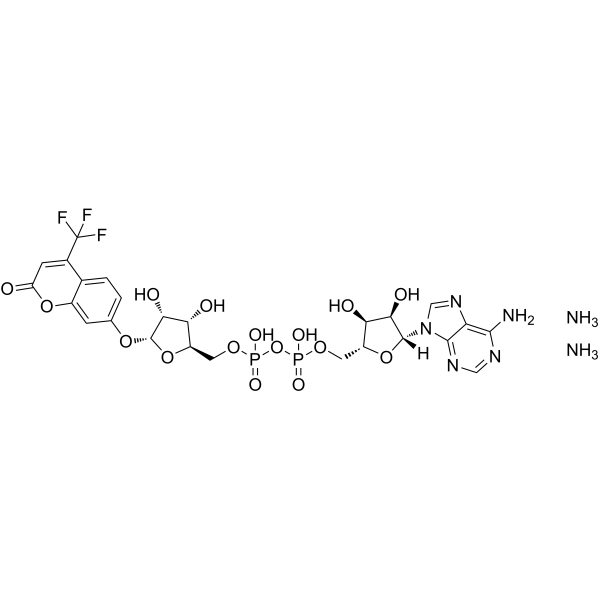
TFMU-ADPr diammonium is a selective reporter substrate of SARS-CoV-2 Macro1 (IC50=0.59 μM), with an excitation wavelength (λEx) of 385 nm, and an emission wavelength (λEm) of 502 nm (or 495 nm). TFMU-ADPr diammonium can also undergo enzymatic hydrolysis with Poly(ADP-ribose) Glycohydrolase (PARG) sourced from human, Tetrahymena thermophila and ADP-ribosylhydrolase 3 from human to release fluorophores, thereby directly reporting total poly (ADP-ribose) hydrolase activity. TFMU-ADPr diammonium binds to the ADPr-binding site of SARS-CoV-2 Macro1, and its TFMU moiety inserts into the narrow hydrophobic groove of this protein. TFMU-ADPr diammonium can thus be used to evaluate small-molecule inhibitors targeting PAR hydrolases under in vitro conditions, to investigate the regulatory mechanisms of ADP-ribosyl catabolic enzymes, or to detect PAR hydrolase activity in whole-cell lysate assays. TFMU-ADPr diammonium is also applicable to COVID-19-related research .
loading...
    loading...
Cat. No.: HY-103548
CAS No.: 1229096-88-1
Purity:  98.85%
Research Areas:  

Endocrinology

GSK9027, as a non-steroidal glucocorticoid receptor (GR) agonist, behaves as a partial agonist on the 2×glucocorticoid response element (GRE) reporter system, and achieves intrinsic activities relative to dexamethasone .
loading...
    loading...
Cat. No.: HY-135799
CAS No.: 1264748-47-1
Purity:  99.51%
Target:  

Phospholipase

Research Areas:  

Neurological Disease Cancer

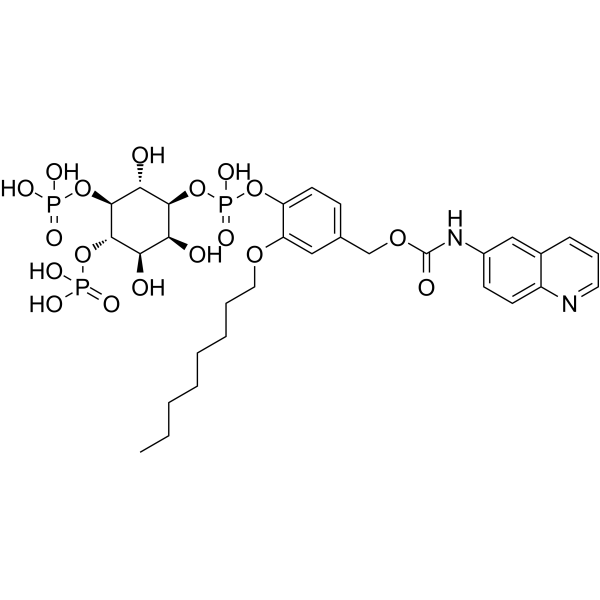
WH-15 is a fluorogenic PLC reporter with Km value of 49; 30, 86.1 µM for PLC-γ1, PLC-δ1, PLC-β2, respectively. WH-15 can be cleaved in a cascade reaction to generate fluorescent 6-aminoquinoline. WH-15 can be used to respond to imaging PLC activity in live cells (Ex/Em = ~344/530 nm) .
loading...
    loading...
Cat. No.: HY-137779
CAS No.: 15548-60-4
Purity:  99.11%
5-Bromo-4-chloro-3-indolyl β-D-glucopyranoside, a chromogenic substrate for the detection of β-galactosidase activity. It is commonly used in molecular biology techniques such as gene expression analysis and reporter gene analysis. When β-galactosidase cleaves X-Gluc, a blue precipitate is produced, which can be observed by microscopy or other detection methods. X-Gluc has high sensitivity and specificity for the detection of β-galactosidase activity, making it a widely used tool in molecular biology research.
loading...
    loading...
Cat. No.: HY-134258
CAS No.: 446306-43-0
Purity:  98.76%
Target:  

HOXA

Research Areas:  

Cardiovascular Disease Cancer

MEISi-1 is a small-molecule inhibitor targeting the homeodomain of the MEIS1 protein. MEISi-1 significantly inhibits the activity of luciferase reporter genes containing MEIS binding sites (TGACAG), and induces the self-renewal of a key type of mouse and human hematopoietic stem cells (HSC) both in vitro and in vivo. MEISi-1 promotes cardiomyocyte proliferation and cytokinesis, reduces cardiac fibroblast proliferation, and upregulates the expression of cardiomyocyte-specific genes. MEISi-1 can be used in research on hematological diseases, cardiac regeneration and cancer .
loading...
    loading...
Cat. No.: HY-146248
CAS No.: 2412923-11-4
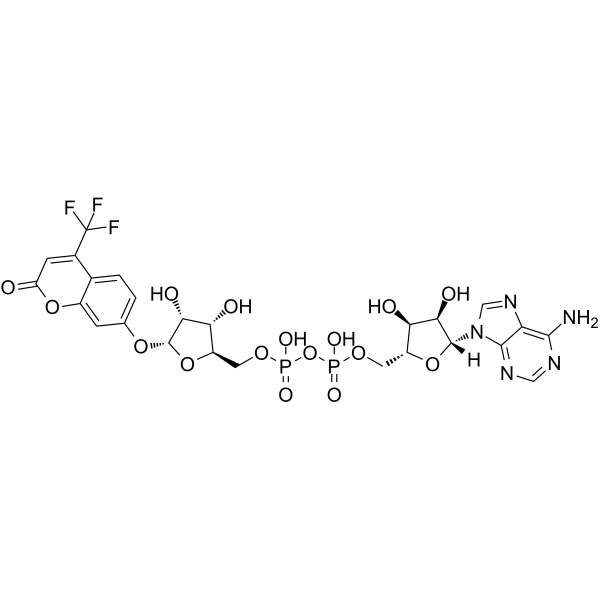
TFMU-ADPr is a selective reporter substrate of SARS-CoV-2 Macro1 (IC50=0.59 μM), with an excitation wavelength (λEx) of 385 nm, and an emission wavelength (λEm) of 502 nm (or 495 nm). TFMU-ADPr can also undergo enzymatic hydrolysis with Poly(ADP-ribose) Glycohydrolase (PARG) sourced from human, Tetrahymena thermophila and ADP-ribosylhydrolase 3 from human to release fluorophores, thereby directly reporting total poly (ADP-ribose) hydrolase activity. TFMU-ADPr binds to the ADPr-binding site of SARS-CoV-2 Macro1, and its TFMU moiety inserts into the narrow hydrophobic groove of this protein. TFMU-ADPr can thus be used to evaluate small-molecule inhibitors targeting PAR hydrolases under in vitro conditions, to investigate the regulatory mechanisms of ADP-ribosyl catabolic enzymes, or to detect PAR hydrolase activity in whole-cell lysate assays. TFMU-ADPr is also applicable to COVID-19-related research .
loading...
    loading...
Cat. No.: HY-118438
CAS No.: 23982-76-5
Purity:  99.48%
Research Areas:  

Inflammation/Immunology

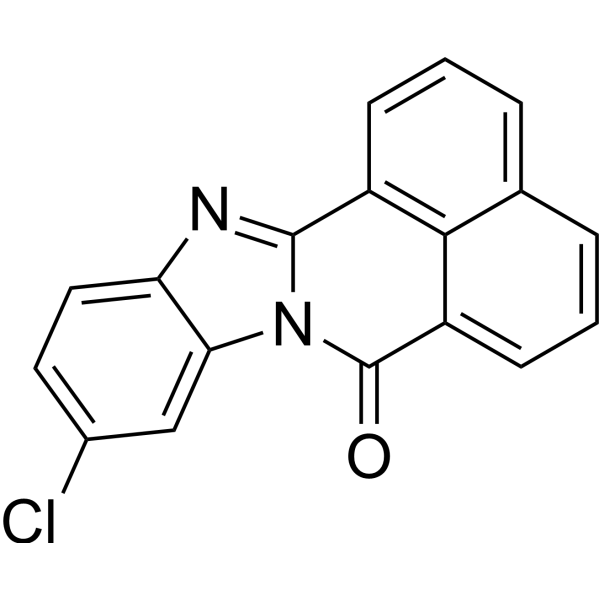
10-Cl-BBQ is a high affinity AhR ligand with immunosuppressive activity. 10-Cl-BBQ promotes cytosol to nuclear translocation of AhR and activates the AhR-regulated reporter gene at nanomolar concentrations .
loading...
    loading...
Cat. No.: HY-111450
CAS No.: 819827-50-4
Purity:  ≥98.0%
Research Areas:  

Cancer

CB7993113 is a potent AHR antagonist, with an IC50 of 0.33 μM. CB7993113 directly binds AHR protein and blocks AHR nuclear translocation. CB7993113 inhibits polycyclic aromatic hydrocarbon (PAH)- and TCDD-induced reporter activity by 75% and 90% respectively .
loading...
    loading...
Cat. No.: HY-119383
CAS No.: 18623-44-4
Purity:  ≥99.0%
Target:  

Wnt β-catenin

Research Areas:  

Cancer

iCRT-5 is a β-catenin-regulated transcription (CRT) inhibitor. iCRT-5 can block Wnt/β-catenin reporter activity and down regulate β-catenin expression. iCRT-5 can be used for the research of multiple myeloma .
loading...
    loading...

