




 LinkedIn
 Researchgate
 Instagram
 X
 Facebook
 WhatsApp
 Reddit
 Mail
Explore how mitochondrial quality control, inflammatory signaling, and metabolic–epigenetic reprogramming regulate cellular senescence and the SASP, along with strategies to restore mitochondrial homeostasis.
Articles
All
-
All
-
EDM
-
Scientific Reviews
-
Blog
Most Recent
-
Most Recent
-
Oldest
-
 EDM
-
 EDM
Explore the mechanisms driving immune tolerance breakdown in autoimmune diseases and emerging tolerance-restoring strategies, with a focus on IL-2-based immune modulation.
-
 EDM
Review the mechanisms, mitochondrial regulation, disease relevance, and translational opportunities of the NLRP3–STING axis in neuroinflammation.
-
 Scientific Reviews
This paper elaborates on cytokines for culturing major immune cells, their regulatory roles, recombinant cytokines' merits and MCE’s related high-quality products.
-
Scientific Reviews
Microglia– the only immune cells within the brain parenchyma. With advancements in imaging technologies, people’s understanding of microglia has shifted from being viewed as 'resting' cells to 'highly active' cells, particularly due to their dynamic processes that seem to be probing surrounding tissues and monitoring neuronal activity. This has made microglia a focal point of research in the field of neuroscience. -
 Scientific Reviews
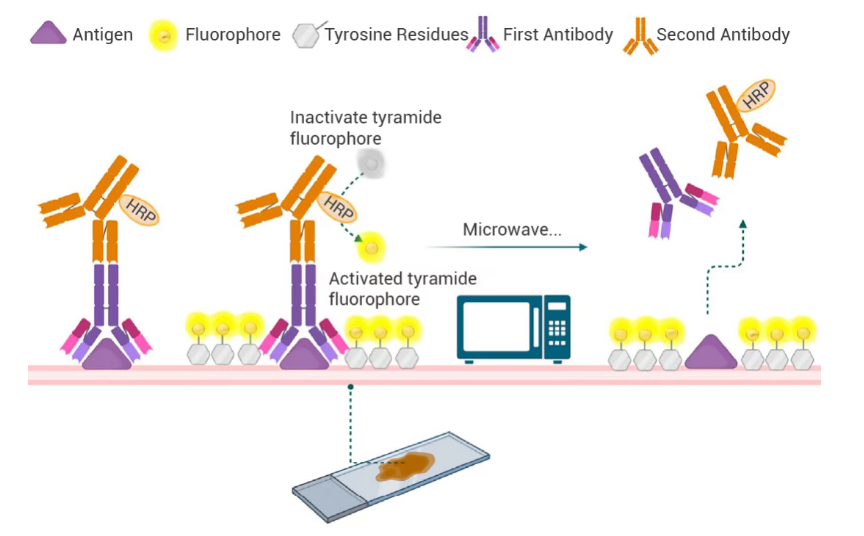
This detailed guide outlines the standardized experimental protocols for multiplex immunohistochemistry (mIHC), systematically summarizes common technical issues encountered during sample preparation, staining and imaging processes, and provides practical troubleshooting solutions to ensure reliable and reproducible results in biomedical research and clinical sample analysis.
-
 Scientific Reviews
A groundbreaking study in Nature Communications reveals the key mechanism behind Idiopathic Pulmonary Fibrosis and identifies an existing drug with the potential to counter it.
-
 EDM
This review summarizes the mechanisms of DSS-induced colitis, commonly used modeling approaches, and key considerations related to DSS molecular weight.
-
 Scientific Reviews
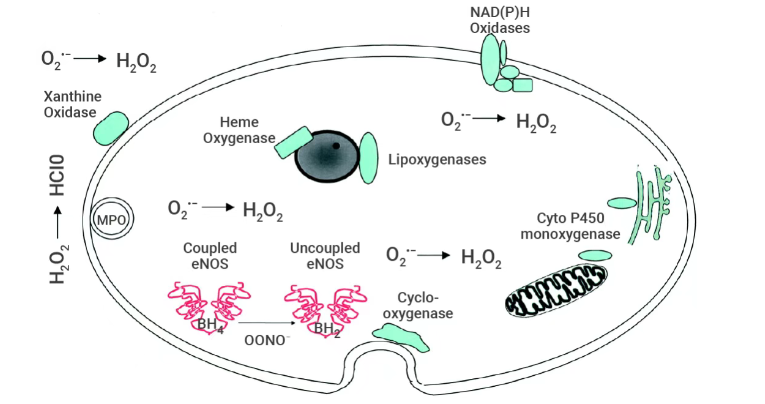
The article introduces the mechanisms of ROS generation and the methods for their detection.
-
 EDM
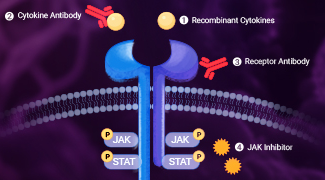
This review critically examines the role of the JAK-STAT pathway in immunity and autoimmune diseases, reviews current clinical applications of targeted therapies, and highlights emerging trends in autoimmune drug development.
-
 Scientific Reviews
This article introduces some common cardiovascular disease models, inducers, modeling protocols and successful modeling cases in the research.
-
 Scientific Reviews
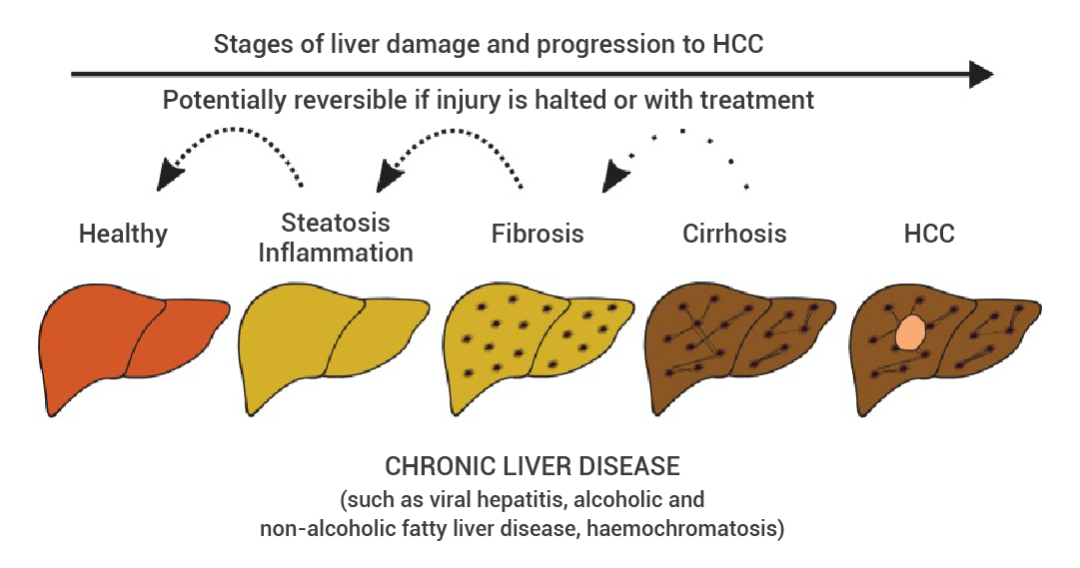
This article will tell you about the common methods of modeling liver disease in animal models.
-
 Scientific Reviews
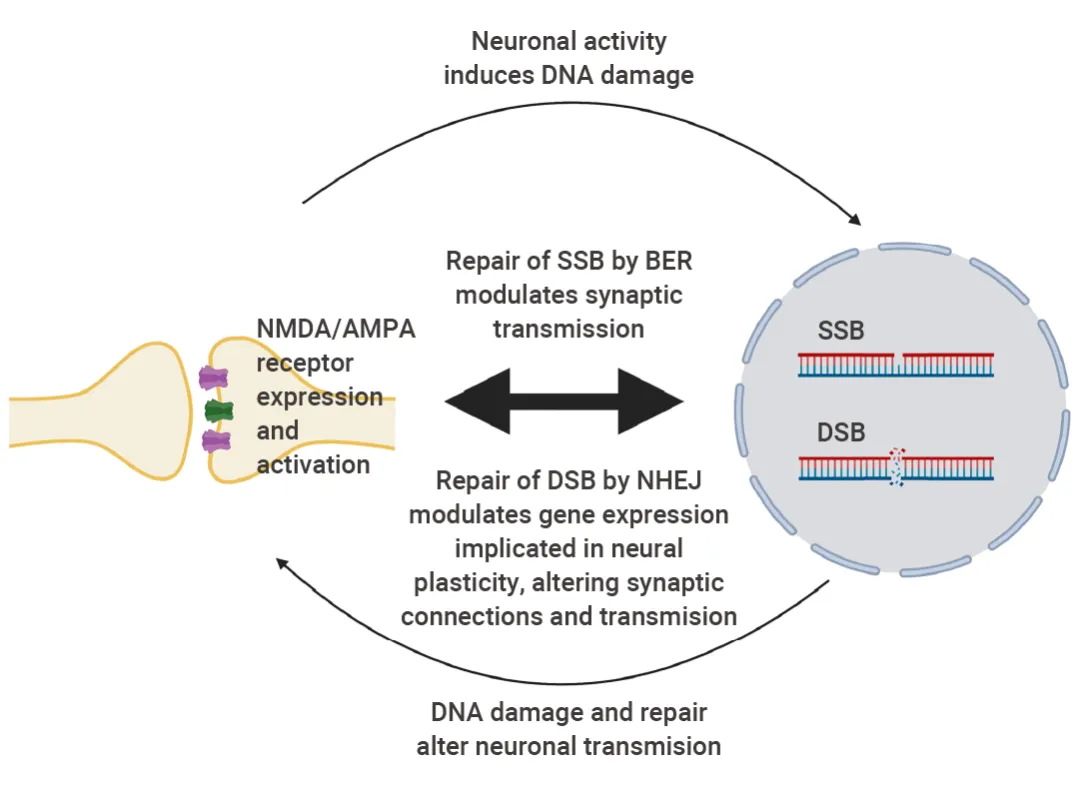
When you hear "inflammation" and "DNA damage," you might immediately think of disease or injury. However, in brains, these two processes are key steps in forming long-term memories, particularly related to specialized cells in our brain called hippocampal neurons.
-
 Scientific Reviews
Advancing Chronic Kidney Disease Research with GJ103 and Lamin B1 Antibody!
-
 Scientific Reviews
A New Form of Cell Death: PANoptosis!
-
 Scientific Reviews
Recently, Mol Cell reported the discovery of the first ferroptosis marker, Hyperoxidized PRDX3! Let’s take a look together~
-
 Scientific Reviews
Antibodies!
2024-07-26
Today, We introduce antibodies for everyone! -
 Scientific Reviews
Katalin Karikó and Drew Weissman were awarded the Nobel Prize in Physiology or Medicine in 2023 for their groundbreaking work in nucleoside modification, which paved the way for the creation of successful mRNA vaccines to fight against COVID-19. Let's now delve into the complete process of mRNA vaccine development.
-
 Scientific Reviews
FDA Annual Review | Record-breaking number of new drug approvals in 2023!
-
 Scientific Reviews
IHC is an indispensable technique for studying tissue morphology and in situ antigen expression, but usually only one or two antigens in tissues can be stained for analysis. It cannot judge the results more intuitively. Today, Little M will introduce you to the upgraded version mlHC.
-
 Scientific Reviews
FDA Approved Drug List!
2023-09-14
In the first half of 2023 (as of June 27), the FDA approved 26 new drugs, let's take you learn about it through the article. -
 Scientific Reviews
WHO's Q2 drug list has been updated. Let's take you through the list of the most noteworthy small molecule drugs that we should pay attention to.
-
 Scientific Reviews
HLA-E, A Novel Immune Checkpoint
2023-06-29
Immune checkpoints have immunosuppressive functions. It can be used in the research of tumor immunotherapy. In this article, we introduce a new paper entitled "Immune checkpoint HLA-E: CD94 - NKG2Amediates evasion of circulating tumor cells from NK cell surveillance "research paper. -
 Scientific Reviews
Necroptosis, also known as necroptosis, is a form of regulated necrotizing cell death mediated by RIP1 and RIP3 kinases. Necroptosis is a process that prevents the self-destruction of activated cells that are blocked by apoptosis. Necroptosis plays a tumor suppressor role in most cases. It may provide benefits in the researches of a variety of human diseases involving immune inflammation and cell death.
-
 Scientific Reviews
The latest study of Cell magazine "Neural mechanism underlying depressive-like state associated with social status loss" considers social factors as a breakthrough point. It has been found that the downward transition of social status induces depression-like behavior in mice whereas improves the depressive state by restoring their social environment.
-
 Blog
Ruxolitinib is an orally-active JAK1/2 inhibitor. Ruxolitinib has the potential for the research of myeloproliferative neoplasm (MPN).
-
 Blog
YL-939 was a potent inhibitor of iron death and significantly improved liver injury in a model of iron death-related acute liver injury.
-
 Blog
FA16 is a specific and metabolically stable ferroptosis inducer. It inhibits system Xc-, results in tumor progression suppression.
-
 Blog
MMRi62, a Ferroptosis inducer targeting MDM2-MDM4. MMRi62 shows a P53-independent pro-apoptotic activity against PDAC cells.
-
 Scientific Reviews
TME (Tumor microenvironment) is considered as a complex integrated system, composed of cellular components such as tumor cells and immune cells, as well as non-cellular components such as ECM and cytokines. According to the spatial distribution of immune cells in TME, "hot" and "cold" TME will be explained in this article.
-
 Blog
Etrolizumab is a Gut-selective, Anti-β7 Integrin McAb for Inflammatory Bowel Disease (IBD) Research
2022-11-05
Etrolizumab is a gut-selective, anti-β7 integrin monoclonal antibody and has the potential for the research of inflammatory bowel disease. -
 Scientific Reviews
It's has been proved that p53, as a tumor suppressor gene and immune guardian, may become a destroyer through its own mutation. Moreover, the mechanism of p53 was found to be related to ferroptosis. This article mainly explores the mechanism between p53 and ferroptosis in detail.
-
 Scientific Reviews
A comprehensive explanation of ferroptosis
2022-09-15
Ferroptosis is a new type of RCD that depends on iron and characterized by the accumulation of lipid peroxides. In this article, we will pay our attention on ferroptosis and briefly discusses its mechanism. -
 Blog
LCS3 is a potent and reversible inhibitor of GSR and TXNRD1 with anti-tumour activity by non-competitive inhibition of the enzyme activity.
-
 Blog
Pelecopan is a potent, selective, and orally active complement factor D inhibitor, possessing the potential to study paroxysmal nocturnal hemoglobinuria (PNH).
-
 Blog
BM213 is a selective C5aR1 agonist. It’s a useful research tool to study C5aR1 function
-
 Blog
PX-12 is an irreversible inhibitor of Trx-1 and inhibits the growth, migration, and invasion of colorectal cancer cell lines.
-
 Blog
CL097 is a TLR7/8 agonist. CL097 induces pro-nflammatory cytokines. CL097 induces NADPH oxidase priming and efficient diabetogenic cytotoxic T lymphocyte (CTL) function in NOD mice.
-
 Blog
Zingerone is a natural orally active nontoxic methoxyphenol potent anti-inflammatory, antidiabetic, antioxidize, and anti-tumor properties.
-
 Blog
β-Lapachone, a topoisomerase I inhibitor, induces apoptosis by inhibiting cell cycle progression. β-Lapachone has anti-inflammatory effect.
-
 Blog
Alda-1 is a potent ALDH2 Agonist
2021-12-30
Alda-1 ameliorates H2O2-induced Achilles tendinopathy. Alda-1 could be used for preventing Achilles tendinopathy. -
 Blog
Trolox is an analogue of vitamin E with a powerful antioxidant effect. Trolox is also a powerful inhibitor of membrane damage.
-
 Blog
Oltipraz is a Nrf2 Inhibitor
2021-11-18
Oltipraz is a potent Nrf2 activator. Oltipraz has an inhibitory effect on HIF-1α activation in a time-dependent manner, the IC50 is 10 μM. -
 Blog
IMD-0354 is a Selective IKKβ Inhibitor
2021-11-09
IMD-0354 is a selective IKKβ inhibitor and potently inhibits NF-κB activity. IMD0354 has antitumor activity. -
 Blog
Brusatol (NSC 172924) is a Nrf2 Inhibitor
2021-10-26
Brusatol inhibits the Nrf2 signaling pathway by reducing the protein level of Nrf2, with anticancer activities. -
 Blog
Elesclomol is an oxidative stress inducer that induces cancer cell apoptosis. Elesclomol is a reactive oxygen species (ROS) inducer.
-
 Blog
Ruxolitinib is a potent and selective JAK1/2 inhibitor and has 130-fold selectivity for JAK1/2 over JAK3. Ruxolitinib induces autophagy.
-
 Blog
Lumiracoxib is a COX-2 inhibitor. Lumiracoxib acts as nonselective NSAID with anti-inflammatory, analgesic and antipyretic activities.
-
 Blog
SB-332235 is a potent, orally active nonpeptide CXCR2 antagonist. SB-332235 inhibits acute and chronic models of arthritis in the rabbit.
-
 Blog
CC-90001 is a potent, selective, and orally active inhibitor of JNK. CC-90001 can be used for the research of idiopathic pulmonary fibrosis (IPF).
-
 Blog
DMU-212 Possesses Antimitotic, Anti-Proliferative, Antioxidant and Apoptosis Promoting Activities
2020-12-24
Activation of ERK1/2 is required for the antimitotic activity of the Resveratrol analogue DMU‐212 in human melanoma cells. -
 Blog
ML132, a potent and selective caspase 1 inhibitor with a unique selectivity pattern, is responsible for the proteolytic activation of IL-1β and IL-18.
-
 Blog
BMS-P5 is an Orally Active PAD4 Inhibitor
2020-12-12
BMS-P5 is an orally active PAD4 inhibitor. BMS-P5 blocks MM-induced NET formation and delays progression of MM in a syngeneic mouse model -
 Blog
CAY10404 is a potent and highly selective COX-2 inhibitor. CAY10404 is a potent inhibitor of PKB/Akt and MAPK signalling pathways.
-
 Blog
RA375, a RPN13 inhibitor, inhibits proteasome function in muscle. RA375 is highly active against cell lines of multiple myeloma and diverse solid cancers.
-
 Blog
GSK143 is an orally active and highly selective spleen tyrosine kinase (SYK) inhibitor. GSK143 reduces inflammation in the intestinal muscularis in mice.
-
 Blog
iFSP1 is a potent, selective FSP1inhibitor that induces ferroptosis in GPX4-knockout cells which overexpressed FSP1.
-
 Scientific Reviews
SARS-CoV-2 contains four main structural proteins: spike (S), membrane (M), envelope (E), and nucleocapsid (N) proteins. All the proteins and subcellular structures of CoVs are promising targets for SARS-CoV-2 research.
-
 Blog
ADH-503 is an orally active and allosteric CD11b agonist and leads to the repolarization of tumor-associated macrophages.
-
 Blog
BAY-985 is an orally active and selective ATP-competitive dual inhibitor of TBK1 and IKKε with IC50s of 2/30 and 2 nM for TBK1 and IKKε, respectively.
-
 Blog
CA-4948 is a Selective and Orally Bioavailable IRAK4 Kinase Inhibitor for Lymphoma Treatment
2020-01-05
CA-4948 is a potent, selective and orally bioavailable IRAK4 kinase inhibitor. CA-4948 can be used for the treatment of lymphoma. -
 Blog
CH6953755 is a potent, orally active and selective YES1 kinase inhibitor leading to antitumor activity against YES1 Gene -amplified cancers.
-
 Blog
UK 356618 is a Selective MMP-3 Inhibitor
2019-12-25
UK 356618 is a selective and potent inhibitor of MMP-3. UK 356618 exhibits potent anti-inflammatory and anti-cancer activity. -
 Blog
BI-167107 is a high affinity, full agonist that binds to the β2 adrenergic receptor (β2AR) with a dissociation constant Kd of 84 pM.
-
 Blog
DVD-445 is a potent peptidomimetic covalent TrxR1 inhibitor with an IC50 of 0.60 μM for rat TrxR1. DVD-445 has good anticancer application.
-
 Blog
TPCA-1, a Direct Dual Inhibitor of STAT3 and NF-κB, Regresses Mutant EGFR-Associated NSCLC
2019-07-15
TPCA-1 is a potent and selective inhibitor of IKK-2 with IC50 of 17.9 nM. TPCA-1 is an effective inhibitor of STAT3 phosphorylation, DNA binding. -
 Blog
S18-000003 is a potent, selective and orally active inhibitor of retinoic acid receptor-related orphan receptor-gamma-t (RORγt). S18-000003 ameliorates psoriasis-like lesions in vivo. S18-000003 can be used for the research of skin inflammatory diseases.
-
 Blog
BAY-11-7082 inhibits the proliferation and induces the apoptosis of U266 cells through inhibiting NF-κB pathway. BAY 11-7082 ameliorates experimental diabetic neuropathy by modulating neuroinflammation and improving antioxidant defence.
-
 Blog
GSK3145095 is a RIP1 kinase inhibitor with an IC50 of 6.3 nM. Potently blocks the TNF response and RIP1-dependent inflammatory cytokine MIP-1β production.
-
 Blog
TAK-828F is a potent, selective and orally active retinoic acid receptor-related orphan receptor γt (RORγt) inverse agonist. TAK-828F inhibits IL-17A cytokine expression and reduces symptoms of autoimmune encephalomyelitis mice.
-
 Blog
Multiple Tyrosine Kinases Inhibitor TAS-115
2019-04-19
TAS-115 is a potent VEGFR and c-Met/HGFR-targeted kinase inhibitor with IC50s of 30 and 32 nM for rVEGFR2 and rMET, respectively. -
 Blog
PRN1008 is a Reversible Covalent and Oral Active Inhibitor of Bruton’s Tyrosine Kinase (BTK)
2019-04-18
PRN1008 is a selective, reversible covalent and oral active inhibitor of Bruton’s Tyrosine Kinase (BTK), with an IC50 of 1.3 nM. -
 Blog
HS-1371 is a Small Molecule RIP3 Inhibitor
2019-04-09
HS-1371 is a novel kinase inhibitor of RIP3-mediated necroptosis, showing an inhibitory effect on S227 auto-phosphorylation of RIP3 at the basal level.
Products
All
-
All
-
Inhibitors & Agonists
-
Isotope-Labeled Compounds
-
Fluorescent Dye
-
Peptides
-
Recombinant Proteins
-
Antibodies
-
Screening Libraries
-
Kits
-
Inhibitory Antibodies
-
Reference Standards
-
Induced Disease Models Products
-
GMP Small Molecules
-
Enzyme
-
Biochemical Assay Reagents
-
Natural Products
| Cat. No. | Product Name | Information | Application | Publication |
|---|---|---|---|---|
| HY-10219 | Rapamycin |
Rapamycin (Sirolimus; AY 22989) is a potent and specific blood-brain barrier-transmissible mTOR inhibitor with an IC50 of 0.1 nM in HEK293 cells. Rapamycin is a molecular glue that binds FKBP12 and mTOR proteins together, thereby inhibiting mTOR kinase activity. Rapamycin binds to FKBP12 and specifically acts as an allosteric inhibitor of mTORC1. Rapamycin is an autophagy activator, an immunosuppressant.
Source: Streptomyces hygroscopicus |
Breast Cancer
Colorectal Cancer
Prostate Cancer
Gastric Cancer
Liver Cancer
Leukemia/Lymphoma/Myeloma
Pancreatic Cancer
Ovarian Cancer
Viral Infection
Bacterial Infection
Fungal Infection
Pain
Non-Small Cell Lung Cancer
Lung Adenocarcinoma
SARS-CoV-2 Infection
Obesity
Lung Fibrosis
|
1510
|
| HY-100558 | Bafilomycin A1 |
Bafilomycin A1 (BafA1) is a specific and reversible inhibitor of vacuolar H+-ATPase (V-ATPase) with IC50 values of 4-400 nmol/mg. Bafilomycin A1, a macrolide antibiotic, is also used as an autophagy inhibitor at the late stage. Bafilomycin A1 blocks autophagosome-lysosome fusion and inhibits acidification and protein degradation in lysosomes of cultured cells. Bafilomycin A1 induces apoptosis.
Source: Streptomyces griseus strains |
|
952
|
| HY-15142 | Doxorubicin hydrochloride |
Doxorubicin hydrochloride (Hydroxydaunorubicin hydrochloride; ADR), a cytotoxic anthracycline antibiotic, is an anti-cancer chemotherapy agent. Doxorubicin hydrochloride is a potent human DNA topoisomerase I and topoisomerase II inhibitor with IC50s of 0.8 μM and 2.67 μM, respectively. Doxorubicin hydrochloride reduces basal phosphorylation of AMPK and its downstream target acetyl-CoA carboxylase. Doxorubicin hydrochloride induces apoptosis and autophagy.
Source: Streptomyces peucetius var. Caesius |
Topoisomerase
ADC Payloads
AMPK
Autophagy
Apoptosis
HIV
HBV
Mitophagy
Antibiotic
Bacterial
Fluorescent Dye
Non-Small Cell Lung Cancer
HER-2 Positive Breast Cancer
Triple-Negative Breast Cancer
Metastatic Breast Cancer
|
728
|
| HY-14648 | Dexamethasone |
Dexamethasone (Hexadecadrol) is a glucocorticoid receptor agonist, apoptosis inducer, and common disease inducer in experimental animals, constructing models of muscle atrophy, hypertension, and depression. Dexamethasone can inhibit the production of inflammatory miRNA-155 exosomes in macrophages and significantly reduce the expression of inflammatory factors in neutrophils and monocytes. Dexamethasone also has potential for use in COVID-19 research.
|
Exosomes
Glucocorticoid Receptor
SARS-CoV
Autophagy
Complement System
Mitophagy
Bacterial
Antibiotic
ADC Payloads
Metabolic or Endocrine Disease
Prostate Cancer
Pancreatic Cancer
Viral Infection
Bacterial Infection
Fungal Infection
Pain
Autoimmune Disease
Digestive System Inflammation
Cardiovascular Disease
Non-Small Cell Lung Cancer
Lung Squamous Cell Carcinoma
Metastatic Breast Cancer
SARS-CoV-2 Infection
Lung Fibrosis
|
415
|
| HY-Y0320 | Dimethyl sulfoxide, meets analytical specification of Ch.P. |
Dimethyl sulfoxide (DMSO), meets analytical specification of Ch.P. is an aprotic solvent that dissolves polar and non-polar compounds, including water-insoluble therapeutic and toxic agents. Dimethyl sulfoxide (DMSO) has a strong affinity for water and can rapidly penetrate or enhance the penetration of other substances into biological membranes. Dimethyl sulfoxide also has potential free radical scavenging and anticholinesterase effects and may affect coagulation activity. Dimethyl sulfoxide also induces histamine release from mast cells but is thought to have low systemic toxicity. Dimethyl sulfoxide also exhibits antifreeze and antibacterial properties.
MCE provides Dimethyl sulfoxide that complies with the inspection standards (Ch.P) of Part 4 of the Chinese Pharmacopoeia (2020 Edition). Amicrobic, low endotoxin, can be used in various biochemical experiments such as drug dissolution. |
|
399
|
| HY-15141 | Staurosporine |
Staurosporine is a potent, ATP-competitive and non-selective inhibitor of protein kinases with IC50s of 6 nM, 15 nM, 2 nM, and 3 nM for PKC, PKA, c-Fgr, and Phosphorylase kinase respectively. Staurosporine also inhibits TAOK2 with an IC50 of 3 μM. Staurosporine is an apoptosis inducer.
Source: Streptomyces staurosporeus |
Digestive System Disease
Prostate Cancer
Bacterial Infection
Fungal Infection
Neurodegenerative Disease
Pain
Digestive System Inflammation
|
248
|
| HY-K0208 | Streptavidin Magnetic Beads |
MCE Streptavidin Magnetic Beads provide a fast and convenient method for numerous applications, including purification of proteins and nucleic acids, protein interaction studies, immunoprecipitation, immunoassays, pull-down and cell isolation. The 1 mL is defined as the base specification. All larger sizes correspond to incremental volumes of this base. |
|
232
|
| HY-13629 | Etoposide |
Etoposide (VP-16; VP-16-213) is an anti-cancer chemotherapy agent. Etoposide inhibits topoisomerase II, thus stopping DNA replication. Etoposide induces cell cycle arrest, apoptosis and autophagy.
|
Lung Cancer
Prostate Cancer
Leukemia/Lymphoma/Myeloma
Pancreatic Cancer
Viral Infection
Bacterial Infection
Digestive System Inflammation
|
198
|
| HY-B2176 | ATP |
ATP (Adenosine 5'-triphosphate) is a central component of energy storage and metabolism in vivo. ATP provides the metabolic energy to drive metabolic pumps and serves as a coenzyme in cells. ATP is an important endogenous signaling molecule in immunity and inflammation. ATP can activate the NLRP3 inflammasome and induce IL-1β and chemokines secretion. ATP has anti-bacterial infection effects and can protect mice against bacterial infection in mice.
Source: widespread |
|
182
|
| HY-16592 | Brefeldin A |
Brefeldin A (BFA) is a lactone antibiotic and a specific inhibitor of protein trafficking. Brefeldin A blocks the transport of secreted and membrane proteins from endoplasmic reticulum to Golgi apparatus. Brefeldin A is also an autophagy and mitophagy inhibitor. Brefeldin A inhibits HSV-1 and has anti-cancer activity.
Source: Penicillium |
Digestive System Disease
Breast Cancer
Viral Infection
Bacterial Infection
Digestive System Inflammation
|
174
|
| HY-Y1891 | Tween 80 |
Tween 80 (Polysorbate 80), a surfactant, has been widely used as a solvent for pharmacological experiments. Tween 80 can also reduce bacterial attachment and inhibit biofilm formation.
|
|
144
|
| HY-L030 | Human Endogenous Metabolite Compound Library |
The composition of endogenous metabolite compounds is affected by the upstream influence of the proteome and genome as well as environmental factors, lifestyle factors, medication, and underlying disease. Therefore, metabolites have been described as proximal reporters of disease because their abundances in biological specimens are often directly related to pathogenic mechanisms. In more recent years, metabolomics approach has been adopted or suggested to be used in various research areas including drug discovery, neurosciences, agriculture, food and nutrition, and environmental sciences.
MCE owns a unique collection of 760 human endogenous metabolites, all of which are derived from human issues. This library is a powerful tool for metabonomics research and metabolism-related drug discovery.
|
|
107
|
| HY-L049 | Antibacterial Compound Library |
Antibacterial agents are a group of materials that fight against pathogenic bacteria. Thus, by killing or reducing the metabolic activity of bacteria, their pathogenic effect in the biological environments will be minimized. The most widely used antibacterial agents exert their effects on bacterial cell wall synthesis, protein synthesis, DNA replication and metabolic pathways. However, resistance to antimicrobial agents has become a major source of morbidity and mortality worldwide. The main mechanisms of resistance are limiting uptake of a drug, modification of a drug target, inactivation of a drug, and active efflux of a drug. Therefore, it is an urgent need to develop new drugs targeted at resistant organisms.
MCE offers a unique collection of 2,013 compounds with validated antibacterial activities. MCE antibacterial compound library is an effective tool for drug repurposing screening, combination screening and biological investigation.
|
|
106
|
| HY-L002 | Anti-Infection Compound Library |
An infection occurs when another organism enters a person’s body and causes disease. The organisms that cause infections are very diverse and can include things like viruses, bacteria, fungi, and parasites. The immune system is an effective barrier against infectious agents.
MCE provides a unique collection of 4,925 anti-infective compounds with anti-bacterial, anti-viral, anti-fungal and anti-parasite activities that can be used for drug screening and other research in anti-microbial area.
|
|
105
|
| HY-L007 | Immunology/Inflammation Compound Library |
The immune system is a host defense system comprising many biological structures and processes within an organism that protects against disease. To function properly, an immune system must detect a wide variety of agents, known as pathogens, from viruses to parasitic worms, and distinguish them from the organism's own healthy tissue. Inflammation is also the body's attempt at self-protection to remove harmful stimuli and begin the healing process. It’s part of the body's immune response. The immune system recognizes damaged cells, irritants, and pathogens, and inflammation begins the healing process. Inflammatory abnormalities are a large group of disorders that underlie a vast variety of human diseases. The immune system is often involved with inflammatory disorders, demonstrated in both allergic reactions and some myopathies, with many immune system disorders resulting in abnormal inflammation.
MCE designs a unique collection of 8,743 compounds that are useful tool for Immunology/Inflammation research or autoimmune inflammatory diseases drug discovery.
|
|
104
|
| HY-K1006 | Penicillin-Streptomycin (100×), Sterile |
MCE Penicillin-Streptomycin (100×), Sterile is used to prevent bacterial contamination of cell culture due to their effective combined action against gram-positive and gram-negative bacteria, which contains 10,000 units/mL of penicillin and 10 mg/mL of streptomycin. |
|
104
|
| HY-L089 | Mitochondria-Targeted Compound Library |
Mitochondria plays an important role in many vital processes in cells, including energy production, fatty-acid oxidation and the Tricarboxylic Acid (TCA) cycle, calcium signaling, permeability transition, apoptosis and heat production. At present, it is recognized that many diseases are associated with impaired mitochondrial function, such as increased accumulation of ROS and decreased OXPHOS and ATP production. Mitochondria are recognized as one of the most important targets for new drug design in cancer, cardiovascular, and neurological diseases, etc. Some small molecule drugs or biologics can act on mitochondria through various pathways, including ETC inhibition, OXPHOS uncoupling, mitochondrial Ca2+ modulation, and control of oxidative stress via decrease or increase of mitochondrial ROS accumulation.
MCE supplies a unique collection of 1,197 mitochondria-targeted compound that mainly targeting Mitochondrial Metabolism, ATP Synthase, Mitophagy, Reactive Oxygen Species, etc. MCE Mitochondria-Targeted Compound Library is a useful tool for mitochondria-targeted drug discovery and related research.
|
|
103
|
| HY-L031 | Small Molecule Immuno-Oncology Compound Library |
Immuno-Oncology is a type of immunotherapy that has the specific purpose of treating cancer. It works by stimulating our immune system to fight back. Normally, our immune system is able to destroy cancer cells in our body, however sometimes cancer cells can adapt and mutate, effectively hiding from our immune system. This is when tumors can develop and become a threat to our health. Immuno-oncology involves mobilizing lymphocytes to recognize and eliminate cancer cells using the body’s immune system. There are several immuno-oncology treatments available, including Immune cell therapy (CAR-T), monoclonal antibodies (mABs) and checkpoint inhibitors, cytokines and cancer vaccines.
MCE Small Molecule Immuno-Oncology Compound Library offers 840 bioactive tumor immunology compounds that target some important checkpoints such as PD1/PD-L1, CXCR, Sting, IDO, TLR, etc. This library is a useful tool for Immuno-oncology research.
|
|
102
|
| HY-L109 | Protein-protein Interaction Inhibitor Library |
Protein protein interactions (PPI) have pivotal roles in life processes. The studies showed that aberrant PPI are associated with various diseases, including cancer, infectious diseases, and neurodegenerative diseases. The classic drug targets are usually enzymes, ion channels, or receptors, the PPI indicate new potential therapeutic targets. Therefore, targeting PPI is a new direction in treating diseases and an essential strategy for the development of new drugs.
However, the design of modulators targeting PPI still faces tremendous challenges, such the difficult PPI interfaces for the drug design, lack of ligands reference, lack of guidance rules for the PPI modulators development and high-resolution PPI proteins structures.
With the development of high-throughput technology, high-throughput screening is also gradually used for the identification of PPI inhibitors, but the compound library used for conventional target screening is not very effective in screening PPI inhibitors. To improve screening efficiency, MCE carefully selected 836 PPI inhibitors and mainly targeting MDM2-p53, Keap1-Nrf2, PD-1/PD-L1, Myc-Max, etc. MCE Protein-protein Interaction Inhibitor Library is a useful tool for PPI drug discovery and related research.
|
|
100
|
| HY-L037 | Antioxidant Compound Library |
Oxidative stress is an imbalance of free radicals and antioxidants in the body, which can lead to cell and tissue damage. Oxidative stress can be responsible for the induction of several diseases, both chronic and degenerative, as well as speeding up body aging process and cause acute pathologies. Antioxidants are a class of compounds able to counteract oxidative stress and mitigate its effects on individuals’ health, gained enormous attention from the biomedical research community. Antioxidants have long been substantial and amenable therapeutic arsenals for multifarious diseases such as AD and cancer.
MCE Antioxidant Compound Library contains 2,528 compounds that act as antioxidants for high throughput screening (HTS) and high content screening (HCS). This library is a useful tool for discovery new antioxidants and oxidative stress research.
|
|
99
|
| HY-L067 | Antibiotics Library |
Antibiotics are types of antimicrobial products used for the treatment and prevention of bacterial infections. Antibiotics can kill or inhibit bacterial growth. Although the target of an antibiotic is bacteria, some antibiotics also attack fungi and protozoans. However, antibiotics rarely have an effect on viruses. The major mechanism underlying antibiotics is the inhibition or regulation of enzymes involved in cell wall biosynthesis, nucleic acid metabolism and repair, protein synthesis, or disruption of membrane structure. Many of these cellular functions targeted by antibiotics are most active in multiplying cells. Since there is often overlap in these functions between prokaryotic bacterial cells and eukaryotic mammalian cells, it is not surprising that some antibiotics have also been found to be useful as anticancer agents.
MCE supplies a unique collection of 750 antibiotics, including penicillins, cephalosporins, tetracyclines, macrolides, etc. MCE Antibiotics Library is a useful tool for anti-bacterial or anti-cancer drugs discovery.
|
|
99
|
| HY-L078 | Gut Microbial Metabolite Library |
Accumulating evidence has revealed that intestinal microbiota play an important role in human health and disease, including cardiovascular diseases, inflammatory bowel disease, diabetes, obesity, cancer, and depression, etc. Changes in the composition of gut microbiota associated with disease, referred to as dysbiosis, have been linked to pathologies. Indeed, the gut microbiome functions like an endocrine organ, generating bioactive metabolites which play important roles in human metabolism, health, and disease. Gut microbiome has become a novel therapeutic target for many diseases. Analysis and identification of gut microbial metabolite will contribute to the development of therapeutic methods.
In order to meet the need of gut microbiome research, MCE carefully selected a unique collection of 473 gut microbial metabolites. MCE gut microbial metabolite library is a powerful tool for gut microbiome research and gut microbiome -related drug discovery.
|
|
99
|
| HY-L136 | Coagulation and Anti-coagulation Compound Library |
Coagulation, also known as clotting, is the process in which blood changes from a liquid to a solid gel to form a blood clot. Thrombin, which is accurately and evenly generated in the injured part of blood vessels, is a key effector enzyme of the blood coagulation system and participates in many important biological processes, such as platelet activation, fibrinogen conversion to fibrin network, coagulation feedback amplification, etc. At the same time, to avoid the accidental formation of thrombus in the body, there is also an anticoagulant mechanism that inhibits blood coagulation.
Normal coagulation mechanism represents a balance between the pro-coagulant pathway in the injured site and anti-coagulant pathway beyond it. The blood coagulation system may be out of balance during the perioperative period or critical illness, which may lead to thrombosis or excessive bleeding. Therefore, the physiological study of coagulation balance is an important basis for clinical diagnosis and treatment of the abnormal coagulation process.
MCE supplies a unique collection of 1,540 compounds targeting key proteins in coagulation and anti-coagulation system. MCE Coagulation and Anti-coagulation Compound Library is a useful tool for study the mechanism of coagulation and anticoagulation.
|
|
99
|
| HY-L033 | Peptidomimetic Library |
Peptidomimetics are compounds whose essential elements (pharmacophore) mimic a natural peptide or protein in 3D space and which retain the ability to interact with the biological target and produce the same biological effect. Peptidomimetics are designed to circumvent some of the problems associated with a natural peptide: e.g. stability against proteolysis (duration of activity) and poor bioavailability. Certain other properties, such as receptor selectivity or potency, often can be substantially improved. The design and synthesis of peptidomimetics are most important because of the dominant position peptide and protein-protein interactions play in molecular recognition and signaling, especially in living systems. Hence mimics have great potential in drug discovery.
MCE Peptidomimetic Library contains 371 compounds including peptoid, α-helix mimetics, β-turn/sheets mimetics, etc. This library is an indispensable tool of structure-activity relationships in drug discovery.
|
|
98
|
| HY-L0093V | Chemspace Scaffold derived set |
Diversity-based screening continues to be a vital tool for drug discovery. Efficiency and productivity can be improved by using screening libraries that offer maximum diversity whilst retaining drug-like properties. Chemspace Scaffold derived set composes 10,119 compounds, which including 3,373 scaffolds, 3 compounds per each. This library has exceptional coverage of drug-like chemical space.
|
|
97
|
| HY-L0116V | Asinex Macrocycles for RNA Library |
Macrocycles are promising scaffolds for the design of novel RNA targeting molecules. This collection of macrocycles for RNA consists of very diverse, drug-like molecules which incorporate certain known RNA-recognition elements (e.g. nucleobase ring systems and analogs) distributed within macrocyclic rings or peripheral fragments. As macrocyclic molecules tend to be larger than traditional screening molecules, it is vital to carefully assess and control their physicochemical properties. All macrocycles have been tested for aqueous and DMSO solubility with cutoffs applied at 10 mM in DMSO and 50 µM in PBS (pH 7.4); PAMPA permeability has also been tested for representative set of macrocycles.
|
|
97
|
| HY-L0117V | Asinex Macrocycles for Glycomimetics Library |
Glycomimetics are designed to mimic the structure of natural carbohydrates and modulate their disease-related functions. Macrocyclic glycomimetics are an extremely interesting class of glycomimetics as they occupy space between small and macro molecules. Macrocyclic glycomimetics are mostly represented by naturally occurring molecules derived from marine microorganisms and bacterial or fungal metabolites.
|
|
97
|
| HY-L0119V | Asinex PPI Pre-Plated Library |
Protein protein interactions (PPI) have pivotal roles in life processes. The studies showed that aberrant PPI are associated with various diseases. However, the design of modulators targeting PPI still faces tremendous challenges, such the difficult PPI interfaces for the drug design, lack of ligands reference, lack of guidance rules for the PPI modulators development and high-resolution PPI proteins structures.
The PPI Library comprises molecules of various sizes, frameworks, and shapes ranging from fragment-like entities to macrocyclic derivatives designed as secondary structure mimetics or as epitope mimetics. The designs cover β-turn / loop mimetics and α-helix mimetics. Since helices present at the interface in 62% of all protein-protein interactions. This library focused on designs including mimics with the substitution geometry of an a-helices, as well as designs that mimic the location of “hot-spot” side chains in helix-mediated PPIs.
|
|
97
|
| HY-L0120V | Asinex BioDesign Library |
“BioDesign” approach incorporates key structural features of known pharmacologically relevant natural products (e.g. alkaloids and other secondary metabolites) into synthetically feasible medicinal chemistry scaffolds. In order to identify the privileged pharmacophores, ring systems and linkers, we have carried out statistical analysis of structural features of natural products, marketed drugs, and drug candidates.
Saturated, fused ring, spiro, and bridged systems with a tendency towards multiple chiral centers are highly privileged among natural products and marketed drugs yet these structures are very poorly represented in commercial libraries. This library addressed this market need by incorporating these privileged elements into the design of novel synthetic molecules with high molecular framework diversity, multiple stereogenic centers (≥2), and degree of saturation (Fsp3 > 0.5).
|
|
97
|
| HY-L041 | Macrocyclic Compound Library |
Macrocycles, molecules containing 12-membered or larger rings, are receiving increased attention in small-molecule drug discovery. The reasons are several, including providing access to novel chemical space, challenging new protein targets, showing favorable ADME- and PK-properties. Macrocycles have demonstrated repeated success when addressing targets that have proved to be highly challenging for standard small-molecule drug discovery, especially in modulating macromolecular processes such as protein–protein interactions (PPI). Otherwise, the size and complexity of macrocyclic compounds make possible to ensure numerous and spatially distributed binding interactions, thereby increasing both binding affinity and selectivity.
MCE offers a unique collection of 473 macrocyclic compounds which can be used for drug discovery for high throughput screening (HTS) and high content screening (HCS). MCE Macrocyclic Compound Library is a useful tool for discovering new drugs, especially for “undruggable” targets and protein–protein interactions.
|
|
97
|
| HY-L045 | Oxygen Sensing Compound Library |
Oxygen homeostasis regulation is the most fundamental cellular process for adjusting physiological oxygen variations, and its irregularity leads to various human diseases, including cancer. Hypoxia is closely associated with cancer development, and hypoxia/oxygen-sensing signaling plays critical roles in the modulation of cancer progression.
Hypoxia-inducible factor 1 (HIF-1) is a transcription factor that functions as a master regulator of oxygen homeostasis. A variety of HF-1 target genes have been identified thus far which encode proteins that play key roles in critical developmental and physiological processes including angiogenesis/vascular remodeling, erythropoiesis, glucose transport, glycolysis, iron transport, and cell proliferation/survival.
HIF-1 is a heterodimeric transcription factor consisting of a constitutively expressed β-subunit and an oxygen-regulated α-subunit. The unique feature of HIF-1 is the regulation of HIF-1α expression and activity based upon the cellular O2 concentration. Under normoxic conditions, hydroxylation of HIF-1α on these different proline residues is essential for HIF proteolytic degradation by promoting interaction with the von Hippel-Lindau tumor-suppressor protein (pVHL) through hydrogen bonding to the hydroxyproline-binding pocket in the pVHL β-domain. As oxygen levels decrease, hydroxylation of HIF decreases; HIF-1α then no longer binds pVHL, and becomes stabilized, allowing more of the protein to translocate to the cell’s nucleus, where it acts as a transcription factor, upregulating (often within minutes) the production of proteins that stimulate blood perfusion in tissues and thus tissue oxygenation.
MCE offers a unique collection of 4,368 oxygen sensing related compounds targeting HIF/HIF Prolyl-Hydroxylase, MAPK/ERK, PI3K/AKT signaling pathways, etc. MCE Oxygen Sensing Compound Library is a useful tool to study hypoxia, oxidative stress and discover new anti-cancer drugs.
|
|
97
|
| HY-L047 | Endocrinology Compound Library |
The endocrine system is a chemical messenger system comprising feedback loops of the hormones released by internal glands of an organism directly into the circulatory system, regulating distant target organs. Hormones are chemicals that serve to communicate between organs and tissues for physiological regulation and behavioral activities. Hormones affect distant cells by binding to specific receptor proteins in the target cell, resulting in a change in cell function.
The endocrine system is concerned with the integration of developmental events proliferation, growth, and differentiation, and the psychological or behavioral activities of metabolism, growth and development, tissue function, sleep, digestion, respiration, excretion, mood, stress, lactation, movement, reproduction, and sensory perception caused by hormones. Irregulated hormone release, inappropriate response to signaling or lack of a gland can lead to endocrine disease.
MCE offers a unique collection of 914 endocrinology related compounds targeting varieties of hormone receptors such as thyroid hormone receptor, TSH receptor, GNRH receptor, adrenergic receptor, etc. MCE Endocrinology Compound Library is a useful tool for the discovery of endocrinology drugs.
|
|
97
|
| HY-L085 | Anti-Parkinson's Disease Compound Library |
Parkinson’s disease (PD), the second most common age-associated neurodegenerative disorder, is characterized by the loss of dopaminergic (DA) neurons and the presence of α-synuclein-containing aggregates in the substantia nigra pars compacta (SNpc). Motor features such as tremor, rigidity, bradykinesia and postural instability are common traits of PD. To date, there is no treatment to stop or at least slow down the progression of the disease. The etiology and pathogenesis of PD is still elusive, however, a large body of evidence suggests a prominent role of oxidative stress, inflammation, apoptosis, mitochondrial dysfunction and proteasome dysfunction in the pathogenesis of PD.
MCE offers a unique collection of 2,232 compounds with anti- Parkinson’s Disease activities or targeting the unique targets of PD. MCE Anti- Parkinson's Disease Compound Library is a useful tool for exploring the mechanism of PD and discovering new drugs for PD.
|
|
97
|
| HY-L142 | Anti-tuberculosis Compound Library |
Tuberculosis (TB), usually caused by bacteria (Mycobacterium tuberculosis), is an infectious disease that mainly affects the lungs. According to the statistics of the World Health Organization (WHO), 10 million people suffer from tuberculosis every year, and 1.5 million people die of tuberculosis every year, which makes tuberculosis the number one killer of infectious diseases.
Tuberculosis can be cured through the standard 6-month course of treatment of four kinds of antibiotics. Common drugs include rifampicin and isoniazid. In some cases, TB bacteria do not respond to standard drugs, that is, patients with drug-resistant tuberculosis. The treatment of drug-resistant tuberculosis takes longer and is more complex. In the face of the resurgence of tuberculosis in the world and the rapid emergence of multi drug resistant tuberculosis, it is very important to develop new anti-tuberculosis drugs or new clinical treatment schemes for existing anti mycobacterium drugs.
MCE supplies a unique collection of 163 compounds with clear anti-tuberculosis activity. MCE Anti-tuberculosis Compound Library is a useful tool for anti-tuberculosis related research and anti-tuberculosis drug development
|
|
97
|
| HY-L170 | Allosteric Modulators (AMs) Compound Library |
An emerging drug design method is based on the secondary binding site effect, where small molecule drugs are designed to bind to secondary binding sites on target biomolecules rather than primary orthomorphic sites. Successful potential drugs (known as allosteric modulators) will be able to bind to allosteric sites and remotely alter (or modify) the conformation of the main orthosteric binding sites of biological targets. Allosteric modulators (AMs) are ligands of proteins that act through binding sites different from natural (orthosteric) ligand sites. AMs are relatively small, more lipophilic, and more rigid compounds. The binding efficacy of AMs with their targets is often slightly lower. AMs are divided into positive AMs (PAMs) and negative AMs (NAMs). AMs are ideal drug targets because they can fine-tune receptor activity while preserving the spatial and temporal signal transduction characteristics of endogenous ligands, resulting in fewer targeted side effects, improved subtype selectivity, and better promotion of biased signal transduction than normal ligands.
MCE designs a unique collection of 261 small allosteric modulators. It is a good tool to be used for research on metabolize, cancer and other diseases.
|
|
97
|
| HY-L178 | Radioprotector Library |
Radiation sickness is a general term for various types and degrees of damage (or disease) occurring in the human body after exposure to ionizing radiation. Although small amounts of ionizing radiation can also cause the body to produce free radicals and ROS, causing oxidative stress, resulting in DNA damage and chromosomal aberration. Radioprotector are compounds with radiation protection that can be used to prevent/protect non-tumor cells from the harmful effects of radiation. Radioprotective compounds can prevent the damage of radioactive substances to the human body and reduce the clinical symptoms of various radioactive diseases. In addition, radioprotectors can protect normal cells from damage during radiation therapy. The ideal anti-radiation drug should not affect the sensitivity of tumor cells to radiation therapy while protecting normal cells.
MCE designs a unique collection of 3,112 radioprotectors. Radioprotector Library is an effective tool for acute Radiation Syndrome, drug combination research with radiation drugs.
|
|
97
|
| HY-L185 | Anti-Fibrosis Compound Library |
Fibrosis is a kind of repair response to long-term tissue damage, which is mainly manifested by excessive deposition of extracellular matrix (ECM) and scar formation. Myofibroblasts are the main generating cells of extracellular matrix, and their activation process is related to various pathological mechanisms including Oxidative stress, chronic inflammation and cytokine secretion. Fibrosis can occur in many organs, such as kidneys, liver, heart, lungs, etc. Continuous fibrosis can lead to the destruction of the normal structure of tissues and organs, and if not controlled in time, may cause organ failure or even life-threatening.
MCE contains 2,614 compounds targeting ant-fibrosis targets such as TGF-β, PI3K, Wnt, MMP, etc. These compounds have clear or potential anti-fibrosis activity and can be used for mechanism research and drug screening of fibrosis diseases.
|
|
97
|
| HY-L192 | Dietary Supplement Library |
Dietary supplement, also known as nutritional supplement or food supplement, include dietary components such as vitamins, minerals, and amino acids. The unique value of dietary supplement is particularly significant in the post-pandemic era. Compared to traditional medication, dietary supplement is often more readily accepted by the public due to their higher safety profile and the natural origin. By orally supplementing essential nutrients and bioactive substances, dietary supplement can help to enhance the body's health level and reduce the risk of diseases. For certain chronic conditions, proper dietary supplement can also serve as a powerful adjunct to conventional medical treatment, enhancing the effectiveness of medication.
MCE has included 70 dietary supplements, whose ingredients are all derived from the official lists published by authoritative organizations such as the FDA, EFSA, NMPA, etc. These compounds can be utilized in the development of health food products and for the mechanistic research of certain chronic diseases.
|
|
97
|
| HY-L207 | Mass Spectrometry Human Endogenous Metabolite Library |
Metabolomics is the large-scale study of cellular metabolic complement, with proven utility in both basic and applied studies of plants, microorganisms, and mammals. As an important tool for the study of complex biological systems, metabolomics monitors the complex molecular networks that exist in the natural flow of information from genes to mRNA and proteins to organisms. The metabolome is composed of biomolecules that most closely resemble the phenotype of an organism, and changes in its composition can easily lead to the production of diseases. Therefore, metabolomics has received much attention in drug target discovery, drug response and translational research of disease mechanisms. Mass spectrometry-based metabolomics methods can simultaneously detect and quantify thousands of metabolite signatures, thereby characterizing the pathophysiological mechanisms of various biomedical symptoms.
MCE can provide 661 mass spectrometry human endogenous metabolites that can be used for metabolite identification and quantification, functional cell detection and phenotypic screening of mass spectrometry.
|
|
97
|
| HY-L212 | Neuropeptide Library |
Neuropeptides are small proteins produced and released by neurons through the regulation of secretory pathways, expressed in neurons and have transmitter or co-transmitter functions, and are used as nerve substrates. Neuropeptides are by far the largest and most diverse signaling molecules in the brain and have been implicated in the development of diseases and drugs. Neuropeptides are involved in inflammatory and immune diseases and have an impact on epithelial, vascular, and connective tissue cells proliferation and tissue repair. Studies have shown that neuropeptides are particularly important when the nervous system is challenged, such as stress, injury, or substance abuse. Substance P is a neuropeptide that acts as a neurotransmitter and neuromodulator in the central nervous system and is currently in clinical research and has been shown to be involved in inflammatory processes and pain.
MCE can provide 128 neuropeptides that can be used for scientific research.
|
|
97
|
| HY-L215 | Mass Spectrometry Human Metabolite Library |
Metabolomics, positioned as the systemic characterization of small-molecule metabolites within biological systems, has emerged as an indispensable analytical platform in both fundamental research and translational applications across plant sciences, microbial biotechnology, and biomedical investigations. Functioning as a critical component in multi-omics integration, this discipline deciphers the intricate molecular networks operating downstream of genomic, transcriptomic, and proteomic regulation, thereby capturing the dynamic biochemical phenotype closest to organismal functionality. The metabolome, comprising endogenous compounds with molecular weights typically below 1500 Da, serves as the functional readout of cellular processes and environmental interactions, where perturbations in metabolic networks are frequently implicated in disease pathogenesis. Such unique attributes have propelled metabolomics into a pivotal role in pharmacological research, particularly in target deconvolution, pharmacodynamic assessment, and mechanistic elucidation of pathological processes.
MCE can provide 6,106 mass spectrometry human metabolites that can be used for metabolite identification and quantification, functional cell detection and phenotypic screening of mass spectrometry.
|
|
97
|
| HY-L222 | PROTAC Linkers Library |
Linkers play a necessary role in the physicochemical properties and biological activity of the bifunctional molecule. These linkers are not a simply connection of two functional modules together, but its design and nature directly affect the stability, activity, selectivity, pharmacokinetics, and ultimately the therapeutic efficacy of the entire molecule. The length of the linker determines the extent of interaction between the two ligands and thus the maximum activity of the PROTAC molecule.
MCE has collected 1,228 PROTAC Linkers can be used for the design and synthesis of bifunctional molecules.
|
|
97
|
| HY-L226 | Posttranslational Modification Library |
Post-translational modifications (PTMs) refer to chemical modifications that occur on amino acid residues of proteins after translation, involving the addition or removal of specific functional groups. These modifications regulate protein activity, localization, folding, and interactions with other biomolecules. By influencing protein function, PTMs play a crucial role in various pathophysiological processes. Common types of PTMs include protein phosphorylation, methylation, acetylation, ubiquitination, glycosylation, and more.
MCE offers 3,692 PTM-targeting compounds, which can be used for drug screening in cancer, neurodegenerative diseases, metabolic disorders, etc.
|
|
97
|
| HY-L227 | Amino Acid Metabolite Compound Library |
Amino acids are the fundamental components that sustain life activities, playing roles in ATP generation, promoting nucleotide synthesis, and maintaining cellular redox balance. Moreover, dysregulation of amino acid consumption is a significant potential regulatory mechanism leading to impaired anti-tumor immunity in immune cells. The normal functioning of immune cells relies on amino acid metabolic pathways to obtain energy and materials, and upon activation, they reprogram their metabolism to support growth, proliferation, and effector functions. Additionally, metabolic disorders of specific amino acids (such as branched-chain amino acids, glutamine, and arginine) can exacerbate mitochondrial dysfunction and oxidative stress, thereby promoting myocardial fibrosis and cardiac cell damage. Therefore, conducting research related to amino acid metabolism holds promise for discovering potential drugs for diseases related to cancer, immunity, and metabolism.
MCE can provide 193 kinds of metabolites of amino acid metabolic pathways, which can be used for drug screening in various diseases such as cancer, immune disorders, metabolic diseases, mitochondrial-targeted diseases
|
|
97
|
| HY-L228 | Lipid Metabolite Compound Library |
Lipids are important energy storage substances in the human body. They are involved in the regulation of cell structure and function, as well as signaling pathways and gene expression. Abnormal lipid levels in tissues or their dysregulation can lead to various diseases. These include obesity, type 2 diabetes, non-alcoholic fatty liver disease, neurodegenerative diseases, infections, and cancer. Therefore, maintaining normal levels of lipid metabolism is critical to overall health.
One of the key features of cancer is aberrant lipid metabolism. This includes alterations in lipid uptake, lipid desaturation, neolipogenesis, lipid droplets, and fatty acid oxidation in cancer cells. These changes all contribute to cellular survival in an ever-changing microenvironment. They do this by modulating feed-forward oncogenic signals and key oncogenic functions. Additionally, they affect oxidative stress, other types of stress, immune responses, and intercellular communication. Alterations in lipid metabolism have a strong impact on the properties of cancer stem cells. This includes aspects such as self-renewal, differentiation, invasion, metastasis, drug sensitivity, and resistance. Furthermore, these alterations also modulate T cell responses.
MCE can offer 144 metabolites of lipid metabolism pathways, which can be used for drug screening in cancer, immune-based diseases, metabolic diseases, and other diseases.
|
|
97
|
| HY-L231 | TCA Cycle Metabolite Compound Library |
The TCA cycle (tricarboxylic acid cycle)—is also known as the Krebs cycle or the citric acid cycle (CAC). The TCA cycle is a series of chemical reactions that release stored energy through the oxidation of acetyl-CoA in carbohydrates, fats, and proteins.
For decades, the TCA cycle has been considered as the central pathway for cell oxidative phosphorylation to produce energy and biosynthesis. Research shows that TCA cycle is associated with many diseases, especially cancer. In colon carcinoma, liver cancer and other cancers, there are mutations that lead to the imbalance of TCA cycle metabolites, indicating that TCA cycle may be related to the occurrence of cancer. Understanding the role and molecular mechanism of TCA cycle in inhibiting or promoting cancer progression will promote the development of new metabolite-based cancer treatment methods in the future.
MCE supplies a unique collection of 25 key intermediates of the TCA cycle, which can be utilized for TCA-related research and metabolomics identification studies.
|
|
97
|
| HY-L239 | Steroid Hormones Library |
Steroid hormones (also known as steroidal hormones) are a class of tetracyclic aliphatic hydrocarbon compounds derived from cholesterol. Typical representatives of steroid hormones include cortisol, aldosterone, testosterone, estradiol, among others. These hormones serve diverse regulatory functions within the body. For instance, aldosterone helps maintain the homeostasis of extracellular fluid volume and circulating blood volume; testosterone and estradiol primarily promote the development and maturation of male and female reproductive organs and regulate reproductive functions.
MCE designs a unique collection of 69 steroid hormones. This library can be used for research related to metabolic or immune diseases, investigations into the mechanisms of action of nuclear receptor signaling pathways, as well as identification and quantitative analysis in metabolomics studies.
|
|
97
|
| HY-L240 | Plant Hormone Library |
Plant hormones are natural signaling molecules synthesized by plants themselves, serving as crucial chemical messengers that exert physiological effects on plants at extremely low concentrations. They coordinate cellular growth, division, differentiation, and organ formation, helping plants adapt to environmental changes. Major categories include abscisic acid, auxins, gibberellins, cytokinins, ethylene, and brassinosteroids, among others.
MCE has included 45 plant hormones, which can be used for identification in plant metabolomics and related botanical research.
|
|
97
|
| HY-L252 | Carbohydrate Metabolite Compound Library |
Carbohydrate metabolism serves as a central hub for energy supply and biosynthesis in living organisms and plays a critical role in the onset and progression of various diseases. In recent years, studies have shown that tumor cells reprogram their energy metabolism through aerobic glycolysis (the Warburg effect) to support rapid proliferation. Immune cells also rely on specific carbohydrate metabolic pathways to regulate their activation and differentiation states, while disorders such as diabetes and metabolic syndrome arise directly from dysregulation of carbohydrate metabolism. In addition, enzymes and key metabolic nodes involved in carbohydrate metabolism have become important targets for drug discovery, and therapeutic strategies targeting glycolysis, the pentose phosphate pathway, and energy metabolism are continuously advancing the treatment of cancer and metabolic diseases. Therefore, systematic analysis of carbohydrate metabolic networks and their associated metabolites is of great significance for elucidating disease mechanisms and developing novel therapeutic approaches.
The MCE Carbohydrate Metabolism Metabolite Library is constructed based on classical carbohydrate metabolic pathways and contains 76 metabolites. It systematically integrates key metabolic networks, including glycolysis, the pentose phosphate pathway, the tricarboxylic acid (TCA) cycle, monosaccharide metabolism, and sugar acid interconversions. The library comprehensively covers core metabolic nodes from glucose uptake and utilization to energy production and biosynthesis, while also incorporating important upstream and downstream intermediates. It enables accurate representation of intracellular metabolic flux dynamics and is well suited for applications such as metabolic flux analysis, target validation, and mechanistic studies. Furthermore, it provides robust support for multi-omics integration and the development of precision intervention strategies.
|
|
97
|
| HY-L257 | Azide PROTAC Linker Library |
Linkers, as key structural units in PROTAC molecules that connect the two functional ends, not only determine the overall molecular conformation and spatial compatibility but also directly influence the stability of the ternary complex, as well as cellular permeability and degradation efficiency. In recent years, with the widespread application of click chemistry in medicinal chemistry, the incorporation of bioorthogonal reactive groups such as azides (-N3) into PROTAC linker design has become an emerging research focus, providing an important tool for modular assembly and rapid structural optimization.
The MCE Azide PROTAC Linker Library contains 190 linkers specifically designed for targeted protein degradation molecule design and optimization. These linkers serve as efficient “click handles,” enabling rapid and highly selective covalent coupling with alkyne reaction partners, thereby facilitating modular assembly and structural diversification of PROTAC molecules. In drug development, this design not only improves the efficiency of molecular construction but also significantly accelerates the screening and optimization of lead compounds. Meanwhile, by tuning linker properties such as length, flexibility, and polarity, the ability to form ternary complexes and degradation activity can be optimized.
|
|
97
|
| HY-L259 | Alkyne PROTAC Linker Library |
In PROTAC drug development, linkers are often one of the key variables determining drug-likeness and degradation efficiency. Since PROTAC systems must simultaneously satisfy target protein binding, E3 ligase recruitment, and intracellular spatial conformational matching, their structural design is essentially a multi-parameter optimization problem. Differences in linker rigidity, flexibility, and spatial extension can significantly influence the formation pathway and stability of the ternary complex, leading to substantial variations in degradation activity. Therefore, the development of linker systems with modular tunability and high structural expandability has become an important direction in PROTAC optimization.
The MCE Alkyne PROTAC Linker Library contains 231 linkers based on terminal and internal alkyne scaffolds, forming a highly derivatizable linker module system. These linkers serve as standardized building blocks for rapid assembly and iterative optimization of PROTAC molecules, and support efficient conjugation with azide-containing functional groups via click chemistry. In practical drug development, this type of structure not only facilitates the construction of diverse linker space libraries, accelerating lead compound screening, but also enables systematic tuning of molecular geometry and physicochemical properties, thereby improving ternary complex stability and targeted protein degradation efficiency.
|
|
97
|
| HY-L261 | Classic FDA-Approved Drug Library |
MCE Classic FDA-Approved Drug Library features a curated selection of marketed drugs that have achieved the highest prescription volumes and greatest clinical impact in global practice since 2006. The collection covers eight major therapeutic areas, including cardiovascular diseases, oncology, metabolic disorders, infectious diseases, central nervous system disorders, respiratory diseases, digestive system diseases, and immunological conditions. All compounds have been validated through long‑term clinical use and possess well‑defined molecular targets, well‑established pharmacokinetic properties, quantifiable efficacy endpoints, and comprehensive toxicological safety profiles.
The library currently contains 168 representative drugs and is designed to serve as an efficient tool for drug repurposing, phenotypic screening, mechanism‑of‑action studies, and combination therapy strategy development.
|
|
97
|
| HY-L262 | Mass Spectrometry Natural Product Library |
Natural products are small-molecule compounds produced in nature, derived from animals, plants, and microorganisms, including both primary and secondary metabolites. With their structural diversity and favorable biological activities, natural products have long been an important source for drug discovery. Traditional natural product research has often focused on isolating single active components, whereas metabolomics emphasizes a holistic approach—comprehensively detecting all metabolites in a sample and systematically capturing both known and unknown constituents. Consequently, mass spectrometry‑based metabolomics databases have become a key technological support for screening known components and identifying unknown compounds from natural sources.
MCE Mass Spectrometry Natural Product Library contains 4,460 natural products, covering multiple structural classes, including sugars and glycosides, phenylpropanoids, quinones, flavonoids, terpenoids, etc. All compounds have undergone rigorous quality control by LC/MS and other analytical methods, and can serve as high‑purity reference standards for metabolite identification.
|
|
97
|
| HY-L263 | Energy Metabolites Library |
Energy metabolism is the most fundamental biochemical process in living organisms, encompassing glycolysis, the TCA cycle, oxidative phosphorylation, the pentose phosphate pathway, and fatty acid oxidation. These core pathways directly regulate cell survival, proliferation, differentiation, and apoptosis. Dysregulation of energy metabolism is closely linked to major diseases including cancer, diabetes, obesity, cardiovascular diseases, neurodegenerative disorders, and ischemia‑reperfusion injury. Targeting these metabolic pathways has become a frontier in drug discovery and mechanistic research.
The MCE Energy Metabolite Compound Library features 89 structurally defined small‑molecule compounds. It covers energy substrates, pathway intermediates, coenzymes and redox carriers, nucleotide derivatives, and microenvironmental modulators. This library is applicable to research areas including tumor metabolism, insulin resistance, mitochondrial dysfunction, oxidative stress, neuroprotection, and cardiometabolic diseases, providing a high‑quality tool for mechanistic studies, biomarker discovery, and high‑throughput drug screening.
|
|
97
|
| HY-L907 | MCE Kinase Hinge Binder Fragment Library |
The most prominent mechanism of action of kinase inhibitors is their competition with ATP by binding to the hinge region of the kinase protein. Once the kinase is blocked by an inhibitor, it loses the ability to transfer phosphate groups from ATP to other molecules, resulting in the loss of kinase activity.
The hinge-binding region of kinase inhibitors mimics the interaction pattern between the ATP nucleobase and the kinase. MCE extracted thousands of kinase inhibitors from the ChEMBL database and isolated their molecular fragments. In certain cases, the amino and amide groups on the molecular fragments are crucial for binding in the hinge region. Therefore, we enhanced the diversity of the collected results by adding these two groups to unoccupied positions on the ring system. Subsequently, the fragments were assessed for their hinge region binding ability via docking at distinct kinases, we also applied pharmacophore constraints to ensure interactions with key amino acids in the kinase hinge region, ultimately obtaining kinase-related molecular fragments.
MCE provides over 12,372 kinase fragment molecules that meet the above requirements and are available off the shelf, serving as an effective tool for screening and developing drugs targeting kinases.
|
|
97
|
| HY-L917 | RNA Binding Library |
RNA is crucial for the regulation of numerous cellular processes and functions. With the in-depth study of disease mechanisms, processes such as RNA expression, splicing, translation, and stability regulation have become new targets for disease intervention. RNA has provided new therapeutic modalities for metabolic diseases, genetic disorders, and cancer patients, resulting in several innovative drugs.
MCE R&D team collected small molecules targeting RNA from the PDB, R-BIND, ROBIN, and internal database as the positive dataset, and non-targeting RNA small molecules from ROBIN as the negative dataset. Based on the GeminiMol pre-trained model, we encoded the molecules and calculated over 1700 molecular descriptors using Mordred as inputs for the model. Subsequently, we employed 13 deep learning models to learn from the data. All of which yielded good training results, with AUROCs greater than 0.75. Ultimately, we selected the Finetune model to screen HY-L901P, which exhibited the best classification performance, achieving an AUROC of 0.82 and a prediction accuracy of 0.76. We then applied filtering based on StaR rules (with at least two of the following properties: cLogP ≥ 1.5, Molar Refractivity ≥ 4, Relative Polar Surface Area ≤ 0.3) to obtain a library containing approximately 5,000 small molecule compounds targeting RNA. This library serves as a valuable tool for screening small molecules that interact with RNA.
|
|
97
|
| HY-L926 | Cysteine Protease Focused Covalent Library |
Cysteine proteases (CPs), a key enzyme family regulating physiological metabolism and mediating pathological processes (e.g., abnormal bone resorption, tumour invasion, and pathogen infection), represent a core therapeutic target for disease intervention via the development of specific inhibitors. Currently reported CP covalent inhibitors encompass diverse structural types, including epoxides, aziridine, and activated double bonds (vinyl sulphones, α,β-unsaturated ketones), providing clear structural references for the development of novel CP covalent inhibitors.
This compound library contains multiple warheads that specifically target cysteine proteases, serving as a powerful tool for the efficient discovery of novel covalent inhibitors against this enzyme family.
|
|
97
|
| HY-L935 | Molecular Glue POI binding Fragment library |
POI (Protein of Interest) refers to the target protein, namely the disease-causing protein or key functional protein that undergoes degradation or functional modulation in molecular glue-mediated processes. The Molecular Glue POI Library consists of a series of fragments that can specifically bind to different types of POIs. As key components of molecular glues, these ligands form stable interactions with target proteins, laying the foundation for molecular glues to induce the interaction between POIs and E3 ubiquitin ligases. The covered POIs include various types such as cancer-associated GSPT1, androgen receptors, and abnormally aggregated proteins linked to neurodegenerative diseases.
This fragment library can be applied to the screening and optimization of targeted protein degraders. By screening ligands with high affinity and strong selectivity for specific POIs from the library, core structures can be identified to develop novel molecular glues. For instance, optimization of ligands targeting GSPT1 has yielded molecular glue degraders with enhanced degradation activity. Since many POIs are difficult to drug due to the lack of traditional small-molecule binding pockets, some ligands in the POI Ligand Library can modulate such POIs by inducing protein-protein interactions, thereby further expanding the scope of drug discovery for undruggable targets.
MCE has compiled a POI Fragment Library comprising thousands of POI fragments with molecular weights ranging from 150 to 400. This compound library can be widely applied in Molecular Glue research and development.
|
|
97
|
| HY-L939 | Antibacterial Lead-like compound library |
The rising prevalence of multidrug-resistant and extensively drug-resistant bacteria, combined with emerging resistance mechanisms and the limitations of existing antibacterial drugs, creates an urgent need for novel antibacterial agents. Antibacterial compound libraries serve as key tools to support antibacterial drug screening and development.
This library features structurally diverse compounds, including small-molecule scaffolds and natural product derivatives, and exhibits diverse antibacterial mechanisms of action. For example, these compounds exert antibacterial effects by disrupting bacterial cell structures, interfering with bacterial metabolic processes, and inhibiting nucleic acid synthesis. The derivation of scaffold structures enhances their activity against drug-resistant bacteria and their selectivity against different types of bacteria. This library can be used for the high-throughput screening of novel antibacterial drug candidates and the identification of potent compounds against drug-resistant and multidrug-resistant bacteria. Additionally, it provides a reference for compound structural modification, enabling further in-depth research on the structure-activity relationships(SARs) of antibacterial drugs. It can also be applied to the exploration of bacterial resistance mechanisms and reversal strategies, as well as the discovery of antibacterial molecules that inhibit efflux pumps and restore drug susceptibility.
The library contains 10855 structurally diverse drug-like compounds. Its core compound sources include analogs of known antifungal active moleculeswith a similarity score of ≥ 0.6. MCE has collected more than 1900 antibacterial molecules. All screened compounds conform to lead-like physicochemical properties, providing valuable support for the research and development of novel antibacterial drugs.
|
|
97
|
| HY-L944 | MCE‑18 Novelty Focused Drug‑Like Library |
MCE 18 stands for Medicinal Chemistry Evolution 2018. This metric was established based on structural data of 28,161 patented lead molecules, 1,370 marketed innovative drugs, and nearly 30,000 investigational candidates from preclinical to Phase III stages across 23 major global pharmaceutical companies from 1950 to 2018. After scaffold clustering analysis, a scoring model was constructed by integrating five three dimensional scaffold characteristics, including aromatic rings (AR), non aromatic heterocycles (NAR), chiral centers (CHIRAL), spirocycles (SPIRO), and the sp³ carbon ratio in cyclic and acyclic moieties, enabling quantitative assessment of molecular scaffold novelty and three dimensional complexity.
According to the score distribution of patented molecules, the top 25% of the original patent dataset was defined as the high novelty region. MCE 18 high scoring compounds selected based on this criterion can effectively avoid scaffold patent conflicts and intellectual property risks from the source. Molecules in this range typically feature a high sp³ carbon ratio, abundant chiral centers, spirocycles, and fused heterocycles with prominent three dimensional conformations. Their spatial properties allow precise matching to complex non traditional undruggable target pockets such as PPI interfaces and allosteric sites, making them ideal structural types for early stage screening of First in class drugs.
MCE‑18 Novelty Focused drug‑Like library strictly selects molecules from the aforementioned high scoring range, containing more than 10,000 premium drug like molecules with highly diverse scaffolds and rich 3D diversity. It can be used for high throughput screening of well established targets such as kinases, GPCRs, and proteases, and is especially suitable for hit identification in allosteric modulation, protein–protein interactions, and various undruggable orphan targets, fully supporting early stage drug discovery for cutting edge innovat
|
|
97
|
| HY-L951 | Advanced Macrocyclization Linker Library |
Macrocyclic scaffolds are increasingly valued in modern drug discovery for their exceptional activity against undruggable targets (proteases, kinases, PPIs). 2026 marks a key commercial breakthrough for oral macrocyclic peptides: enlicitide, the world’s first oral PCSK9 macrocyclic peptide, has received FDA approval. Macrocyclic candidates targeting KRAS and other classic undruggable targets have also entered clinical development, validating macrocyclization as an effective strategy to overcome druggability barriers.
Two core R&D directions lead current macrocyclic drug design: AI-driven de novo generation and structural optimization of small-molecule macrocycles, and macrocyclic peptides based on sequence design and conformational engineering. Macrocycle druggability hinges on embedded linkers, which determine cyclization efficiency, final conformation and drug-like properties. Bifunctional reaction orthogonality is the core linker selection criterion. Our linker library enables stepwise intramolecular cyclization with suppressed side reactions, accommodates varied ring sizes, and covers three key reaction systems: amide condensation, nucleophilic substitution and CuAAC click chemistry.
Built on classical macrocyclization systems, the library is processed through reaction classification, bifunctional orthogonality evaluation, novelty clustering and redundancy removal, with PROTAC long-chain and ADC cleavable linkers explicitly excluded. Featuring rigid, semi-rigid and flexible scaffolds, it is widely applicable to small-molecule macrocycle synthesis and linear peptide cyclization.
|
|
97
|
| HY-Y0320C | Dimethyl sulfoxide |
Dimethyl sulfoxide (DMSO) is an aprotic solvent that can dissolve water-insoluble therapeutic and toxic agents. Dimethyl sulfoxide (DMSO) has a strong affinity for water and has the ability to rapidly penetrate or enhance the penetration of other substances through biological membranes. Dimethyl sulfoxide also has potential free radical scavenging and anticholinesterase effects and may affect coagulation activity. Dimethyl sulfoxide also induces histamine release from mast cells but is thought to have low systemic toxicity.
Low endotoxin, can be used in various biochemical experiments such as drug dissolution. |
|
66
|
| HY-K0209 | Anti-His Magnetic Beads |
MCE Anti-His Magnetic Beads are used for immunoprecipitation (IP) of specific His-tagged proteins expressed in bacterial and mammalian cells and in vitro expression systems. The 1 mL is defined as the base specification. All larger sizes correspond to incremental volumes of this base. |
|
27
|
| HY-126793 | 2′,7′-Dichlorofluorescein diacetate |
2′,7′-Dichlorofluorescein diacetate (DCFH2-DA) is a cell-permeable fluorescent probe. 2′,7′-Dichlorofluorescein diacetate can be used to detect the generation of reactive oxygen intermediates and for assessing the overall oxidative stress in toxicological phenomenon.
|
|
26
|
| HY-K0222 | Anti-GST Magnetic Beads |
MCE Anti-GST Magnetic Beads are used for immunoprecipitation (IP) of specific GST-tagged proteins expressed in bacterial and mammalian cells and in vitro expression systems. The 1 mL is defined as the base specification. All larger sizes correspond to incremental volumes of this base. |
|
26
|
| HY-N7131 | Coumarin 6 |
Coumarin 6, a fluorescent dye, is used as a fluorescent probe in a microparticle drug delivery system to conduct in vivo tracking, cell uptake, and transport mechanism studies of drug delivery systems (λexc=450 nm, λem=505 nm).
|
|
25
|
| HY-K0320 | ROS Assay Kit |
MCE ROS Assay Kit utilizes the fluorescent probe DCFH-DA to detect ROS. |
|
17
|
| HY-131045 | HADA hydrochloride |
HADA hydrochloride (HCC-Amino-D-alanine hydrochloride) is a blue (λem~450 nm) fluorescent D-amino acid (FDAA). FDAAs are efficiently incorporated into the peptidoglycans (PGs) of diverse bacterial species at the sites of PG biosynthesis, allowing specific and covalent probing of bacterial growth with minimal perturbation.
|
|
15
|
| HY-W074143 | Tris(4,7-diphenyl-1,10-phenanthroline)ruthenium(II) dichloride |
Tris(4,7-diphenyl-1,10-phenanthroline)ruthenium(II) dichloride ([Ru(dpp)3]2+) is an electrochemiluminescent (ECL) probe and oxygen-sensitive sensor. Tris(4,7-diphenyl-1,10-phenanthroline)ruthenium(II) dichloride can be used to modify electrode surfaces for the detection of sulfates (S2O82-) and oxalates, based on electrochemical reactions that generate excited-state species, releasing photons through irreversible redox reactions. Tris(4,7-diphenyl-1,10-phenanthroline)ruthenium(II) dichloride utilizes the oxygen quenching of fluorescence mechanism, where fluorescence intensity reflects the metabolic rate of living microorganisms or oxygen levels within cells/tumors, allowing for real-time detection. Tris(4,7-diphenyl-1,10-phenanthroline)ruthenium(II) dichloride's main applications include microbial detection, antibacterial activity studies, and tumor microenvironment research.
|
|
11
|
| HY-17567 | Heparin |
Heparin is a highly sulfated glycosaminoglycan,that is widely used as an injectable anticoagulant, and has the highest negative charge density of any known biological molecule. Heparin significantly inhibits exosome-cell interactions.
|
|
11
|
| HY-N0644 | Carnosic acid |
Carnosic acid is an orally active lipid absorption inhibitor. Carnosic acid has demonstrated inhibition of oxidative stress and inflammation, suppression of cell proliferation, and antibacterial activity.
|
Cancer
Bacterial Infection
Neurodegenerative Disease
Experimental Autoimmune Encephalomyelitis
Experimental Autoimmune Encephalomyelitis
|
10
|
| HY-K0319 | Lipid Peroxidation (MDA) Assay Kit |
MCE Lipid Peroxidation (MDA) Assay Kit is suitable for measuring MDA levels in a variety of samples including plasma, serum, urine, tissues or cell lysates. |
|
10
|
| HY-107780 | Cyclic-di-GMP |
Cyclic-di-GMP is a STING agonist and a bacterial second messenger that coordinates different aspects of bacterial growth and behavior, including motility, virulence, biofilm formation, and cell cycle progression. Cyclic-di-GMP has anti-cancer cell proliferation activity and also induces elevated CD4 receptor expression and cell cycle arrest. Cyclic-di-GMP can be used in cancer research.
Source: bacterial species |
|
9
|
| HY-107780B | Cyclic-di-GMP diammonium |
Cyclic-di-GMP diammonium is a STING agonist and a bacterial second messenger that coordinates different aspects of bacterial growth and behavior, including motility, virulence, biofilm formation, and cell cycle progression. Cyclic-di-GMP diammonium has anti-cancer cell proliferation activity and also induces elevated CD4 receptor expression and cell cycle arrest. Cyclic-di-GMP diammonium can be used in cancer research.
|
|
9
|
| HY-110382 | Cyclic-di-GMP disodium |
Cyclic-di-GMP disodium is a STING agonist and a bacterial second messenger that coordinates different aspects of bacterial growth and behavior, including motility, virulence, biofilm formation, and cell cycle progression. Cyclic-di-GMP disodium has anti-cancer cell proliferation activity and also induces elevated CD4 receptor expression and cell cycle arrest. Cyclic-di-GMP disodium can be used in cancer research.
|
|
9
|
| HY-K1056 | G418 Selective Antibiotic, Sterile |
MCE G418 Selective Antibiotic, Sterile (50 mg/mL) is an aminoglycoside antibiotic produced by Micromonospora rhodorangea. It acts by binding to the 80S subunit of the bacterial ribosome, thus inhibiting protein synthesis in both prokaryotic and eukaryotic cells. |
|
9
|
| HY-W011540 | 8-Hydroxy-2'-deoxyguanosine |
8-Hydroxy-2'-deoxyguanosine is a critical biomarker of oxidative stress and carcinogenesis.
|
|
7
|
| HY-K0217 | Anti-Flag Affinity Gel |
MCE Anti-Flag Affinity Gel is used for immunoprecipitation (IP) or protein purification of specific Flag-tagged (DYKDDDDK) proteins expressed in bacterial and mammalian cells and in vitro expression systems. |
|
6
|
| HY-N9965 | 2'-Fucosyllactose |
2'-Fucosyllactose (2'-FL) is an oligosaccharide that could be derived from human milk. 2'-Fucosyllactose regulates the expression of CD14, alleviates colitis and regulates the gut microbiome. 2'-Fucosyllactose stimulates T cells to increase IFN-γ production and decreases IL-6, IL-17, and TNF-α production of cytokines.
Source: Human milk |
Infection
Digestive System Disease
Prostate Cancer
Depression
Pain
Digestive System Inflammation
Lung Fibrosis
Rheumatoid Arthritis
|
5
|
| HY-112540 | Acetoacetic acid |
Acetoacetic acid is an oxidative stress inducer that affects the antioxidant enzyme system and lipoprotein metabolism. Acetoacetic acid induces oxidative stress by decreasing the mRNA expression and activity of superoxide dismutase (SOD), catalase (CAT), and glutathione peroxidase (GSH-Px), increasing MDA content, and inhibiting very low density lipoprotein (VLDL) assembly by downregulating apolipoprotein ApoB100, ApoE, and low density lipoprotein receptor (LDLR), leading to triglyceride (TG) accumulation in hepatocytes. Acetoacetic acid can be used to study metabolic diseases.
|
|
5
|
| HY-112540B | Acetoacetic acid sodium |
Acetoacetic acid sodium is an oxidative stress inducer that affects the antioxidant enzyme system and lipoprotein metabolism. Acetoacetic acid sodium induces oxidative stress by decreasing the mRNA expression and activity of superoxide dismutase (SOD), catalase (CAT), and glutathione peroxidase (GSH-Px), increasing MDA content, and inhibiting very low density lipoprotein (VLDL) assembly by downregulating apolipoprotein ApoB100, ApoE, and low density lipoprotein receptor (LDLR), leading to triglyceride (TG) accumulation in hepatocytes. Acetoacetic acid sodium can be used to study metabolic diseases.
|
|
5
|
| HY-K1023 | PBS Powder (1 L of 1×) |
MCE PBS Powder (1 L of 1×) consists of NaCl, KCl and Phosphate, and is widely used in immunoassay, microbiology and protein experiments. The 20 pouches are defined as the base specification. All larger sizes correspond to incremental volumes of this base. |
|
5
|
| HY-K1058 | Antibiotic-Antifungal (100 ×), Sterile |
MCE Antibiotic-Antifungal (100 ×), Sterile contains 10 KU/mL of penicillin, 10 mg/mL of streptomycin, and 25 μg/mL of Amphotericin B. The antibiotics penicillin and streptomycin prevent bacterial contamination, and Amphotericin B prevents fungal contamination. |
|
5
|
| HY-N0061 | Ethyl ferulate |
Ethyl ferulate, a naturally lipophilic derivative of ferulic acid originally derived from Rhizoma Chuanxiong, induces heme oxygenase-1 (HO-1) and protects rat neurons against oxidative stress. Ethyl ferulate also protects neurons against amyloid β peptide (1-42)-induced oxidative stress and neurotoxicity.
|
|
4
|
| HY-P99156 | Relatlimab |
Relatlimab (BMS-986016) is a human monoclonal antibody anti-LAG-3 antibody generated by immunization of transgenic mice bearing human immunoglobulin miniloci with recombinant LAG-3 protein. Relatlimab blocks LAG-3/MHC II interaction with an IC50 value of 0.67 nM and LAG-3/FGL1 interaction with an IC50 value of 0.019 nM. Relatlimab can be used in research of cancer.
Species: Human |
|
4
|
| HY-119358 | Traumatic Acid |
Traumatic Acid is a wound healing agent and a cytokinin (phytohormone). Traumatic Acid enhances the biosynthesis of collagen in cultured human skin fibroblasts. Traumatic Acid inhibits MCF-7 breast cancer cells viability and enhances apoptosis and oxidative stress. Traumatic Acid can be used in studies of cancer, circulatory disorders (including arterial hypertension), and skin diseases associated with oxidative stress and impaired collagen biosynthesis.
|
|
3
|
| HY-W004260 | Arachidic acid |
Arachidic acid is an orally bioavailable membrane fluidity modulator and receptor/ion channel effector. Arachidic acid does not activate arachidonic acid-sensitive K+ channels in rat midbrain and hypothalamic neurons. Arachidic acid alleviates age-related spatial cognitive impairment. Arachidic acid is applicable for research related to age-related spatial cognitive impairment.
Source: Bee Pollen |
|
3
|
| HY-W011051 | 2-Arachidonoylglycerol |
2-Arachidonoylglycerol is a second endogenous cannabinoid ligand in the central nervous system.
|
|
3
|
| HY-W001132 | Indole |
Indole is an aromatic, heterocyclic, organic compound which widely distributed in the natural environment and can be produced by a variety of bacteria. Indole regulates various aspects of bacterial physiology, including spore formation, plasmid stability, resistance to drugs, biofilm formation, and virulence as an intercellular signal molecule.
|
|
3
|
| HY-125923 | Djenkolic acid |
Djenkolic acid is a sulfur-containing amino acid. Djenkolic acid can be isolated from the djenkol beans of the Southeast Asian plant Archidendron jiringa. Djenkolic acid de-inhibits the SO42- uptake system in Pseudomonas fluorescens. Djenkolic acid causes supersaturation of the urinary system with djenkolic acid crystals, leading to urinary tract obstruction and acute kidney injury.
|
|
2
|
| HY-P2259 | TAT-GluA2 3Y |
TAT-GluA2 3Y is a blood-brain barrier-permeable AMPA receptor inhibitory peptide that crosses cell membranes via the HIV-1 TAT protein domain. TAT-GluA2 3Y blocks the endocytosis of AMPA receptors, including the internalization of GluA1/GluA2 subunits, by disrupting interactions with the AP2, Brag2 and Syt3-GluA2 complexes, while also inhibiting long-term depression. TAT-GluA2 3Y blocks hypoxia-mediated AMPAR internalization, alleviates A1R-induced persistent synaptic inhibition, and reduces cerebral ischemic volume, neurological deficits and spatial memory deficits. TAT-GluA2 3Y blocks the effect of NLRP3 deficiency on fear generalization, inhibits amphetamine-induced behavioral/neurochemical sensitization, weakens the unconditioned stimulus-conditioned stimulus association of morphine, and promotes the extinction of morphine CPP. TAT-GluA2 3Y can be used in studies related to fear generalization, ischemic stroke, hypoxia, drug addiction and opioid addiction.
|
|
2
|
| HY-113266 | Valerylcarnitine |
Valerylcarnitine is an endogenous metabolite, belonging to the short-chain acylcarnitines. Valerylcarnitine acts as a metabolomic biomarker for ionizing radiation exposure in nonhuman primates. Valerylcarnitine can be used for the research of type 1 diabetes.
|
|
2
|
| HY-D0175 | 3-Aminopropyltriethoxysilane |
3-Aminopropyltriethoxysilane (APTES) acts as a strong glue to immobilize biomolecules such as antibodies and enzymes to silicon and silicon derivatives such as silicon nitride (Si3N4 )) on. 3-Aminopropyltriethoxysilane also acts as a spacer, providing biomolecules with more spatial freedom during immobilization for higher specific activity. 3-Aminopropyltriethoxysilane can form a more stable, sensitive, and highly biocompatible bioanalytical platform by immobilizing biomolecules onto some solid materials, electrode materials, nanomaterials, and nanocomposites.
|
|
2
|
| HY-P99434 | Amlitelimab |
Amlitelimab () is an anti-OX40 Ligand (OX40L) monoclonal antibody (mAb). Amlitelimab inhibits OX40-OX40L interaction, and can be used in the research of atopic dermatitis.
Species: Human |
|
2
|
| HY-K1095 | Live & Dead Bacterial Viability and Counting Kit |
MCE Live & Dead Bacterial Viability and Counting Kit is based on dual-fluorescence staining technology, which can effectively differentiate live bacteria from dead bacteria and enable quantitative detection using flow cytometry. It can also be used for quantitative analysis of various bacterial mixtures. |
|
2
|
| HY-P1883 | Bacterial Sortase Substrate III, Abz/DNP |
Bacterial Sortase Substrate III, Abz/DNP is a fluorescent peptide substrate. Bacterial Sortase Substrate III, Abz/DNP undergoes cleavage catalyzed by Staphylococcus aureus sortase A (SrtAΔN24) and Streptococcus pyogenes sortase A (SrtAΔN81), and catalyzes the formation of an amide bond between the carboxyl group of threonine and the amino group of the cell wall cross-bridge. Cleavage of this substrate can be detected at Ex/Em=320 nm/420 nm.
|
|
1
|
| HY-N2321 | Salsolinol-1-carboxylic acid |
Salsolinol-1-carboxylic acid is an endogenous alkaloid in the central nervous system (CNS).
|
|
1
|
| HY-P9801 | Anti-Spike-RBD mAb |
Anti-Spike-RBD mAb is a CHO cell derived human monoclonal IgG1 antibody. Blocking the interaction of Spike protein and ACE2. Anti-Spike-RBD mAb is a potential therapeutic approach for SARS-CoV-2 treatment.
|
|
1
|
| HY-B0469S | Medroxyprogesterone acetate-d3 |
Medroxyprogesterone acetate-d3 is deuterium labeled Medroxyprogesterone acetate. Medroxyprogesterone acetate is a widely used synthetic steroid by its interaction with progesterone, androgen and glucocorticoid receptors.
|
|
1
|
| HY-Y1093S4 | Ethyl acetoacetate-d3 |
Ethyl acetoacetate-d3 is the deuterium labeled Ethyl acetoacetate. Ethyl acetoacetate (Ethyl acetylacetate) is an ester widely used as an intermediate in the synthesis of many varieties of compounds. Ethyl acetoacetate is an inhibitor of bacterial biofilm.
|
|
1
|
| HY-W011051S1 | 2-Arachidonoylglycerol-d5 |
2-Arachidonoylglycerol-d5 is the deuterium labeled 2-Arachidonoylglycerol. 2-Arachidonoylglycerol is a second endogenous cannabinoid ligand in the central nervous system.
|
|
1
|
| HY-122815 | Fusicoccin |
Fusicoccin (Fusicoccin A), a fungal pytotoxin, is a stabilizer of specific 14-3-3 protein-protein interactions. Fusicoccin sabilizes H+-ATPase/14-3-3 cmplex in pants, maintaining the enzyme in activated state. Fusicoccin also stabilizes 14-3-3 protein interactions with binding partners containing a C-terminal 14-3-3 recognition motif (a mode 3 motif), such as ERα, GPIbα, TASK3, CTFR, and p53. Fusicoccin induces apoptosis in cancer cells and has anticancer activity.
Source: Fusicoccum amygdali |
|
1
|
| HY-W015580 | (+)-Fenchone |
|
1
|
|
| HY-124452 | Nocardamine |
Nocardamine (Desferrioxamine E; Nocardamin) is a cyclic trihydroxamate siderophore with iron ion chelation, antioxidant, antibacterial and other activities. Nocardamine is synthesized by Pseudomonas stutzeri under iron-deficient conditions, and excessive iron ions significantly inhibit its biosynthesis process. Nocardamine increases the level of phosphorylated ERK protein, promotes nuclear translocation of β-catenin, and restores the downregulated expression of SIRT1 protein. Nocardamine alleviates cellular oxidative stress, reduces ROS content, and simultaneously repairs the ability to form mineralized nodules and the expression of osteogenic markers. Nocardamine induces FoxA gene transcription and protein expression to assist Pseudomonas aeruginosa in iron ion uptake; it also selectively inhibits the proliferation of mycobacteria. Nocardamine induces spindle-shaped morphological changes in BM-N4 insect cells, and sufficient iron ions inhibit this cellular morphological change. Nocardamine is suitable for research related to bacterial infections.
|
|
1
|
| HY-P99216 | Ponezumab |
Ponezumab (PF-04360365; RN 1219) is a humanized anti-amyloid-β (Amyloid-β) IgG2 monoclonal antibody. Ponezumab reduces Aβ levels in the central nervous system and improves the performance of mice in various learning and memory models. Ponezumab is applicable to the research of Alzheimer's disease.
Species: Human |
|
1
|
| HY-77785 | 2-Amino-5-chlorobenzophenone |
2-Amino-5-chlorobenzophenone (5-Chloro-2-aminobenzophenone) is a chemical intermediate. Derivatives of 2-Amino-5-chlorobenzophenone serve as skeletal muscle relaxants. 2-Amino-5-chlorobenzophenone acts as a starting material for the synthesis of anti-biofilm 2-amino-5-chlorobenzophenone Schiff bases. 2-Amino-5-chlorobenzophenone is applicable to research related to bacterial infections.\n
|
|
1
|
| HY-P9932 | Obiltoxaximab |
Obiltoxaximab (ETI 204) is the second and potent anti-protective antigen (PA) monoclonal antibody with immunogenicity. Obiltoxaximab plays a central role in anthrax toxin assembly and target cell intoxication, promoting survival, and inhibiting bacterial spread to the periphery in animal models. Obiltoxaximab can be used in the research of inhalational anthrax, bacteremia and toxemia.
Species: Human |
|
1
|
| HY-P99649 | Gremubamab |
Gremubamab (MEDI3902) is a humanized IgG1 kappa anti-PcrV/Psl monoclonal antibody. Gremubamab binds to the PA PcrV protein and Psl exopolysaccharide. Gremubamab has the potential for the research of pseudomonas aeruginosa infections.
Species: Pseudomonas aeruginosa |
|
1
|
| HY-124344 | Avenanthramide C |
Avenanthramide C is an orally active polyphenolic compound that penetrates the blood-brain barrier. Avenanthramide C is derived from oats. Avenanthramide C inhibits NF-κB nuclear translocation and inhibits the phosphorylation of PI3K, PLCγ1, Lyn, Syk, and Akt. Avenanthramide C inhibits the expression and activity of MMP-9 and inhibits MAPK phosphorylation. Avenanthramide C scavenges DPPH radicals, reduces intracellular ROS, and inhibits pro-inflammatory cytokine release and adhesion molecule expression. Avenanthramide C inhibits cell degranulation. Avenanthramide C attenuates active systemic anaphylaxis and inhibits passive cutaneous anaphylaxis. Avenanthramide C ameliorates PHZ-induced blood stasis. Avenanthramide C inhibits neuroinflammation, restores long-term potentiation, and improves recognition and spatial memory in Alzheimer's disease models. Avenanthramide C can be used for research on allergic inflammation, thrombosis, atherosclerosis, and Alzheimer's disease.
|
NF-κB
PI3K
Phospholipase
Src
Syk
Akt
MMP
p38 MAPK
Free Radical Scavengers
Reactive Oxygen Species (ROS)
Blood or Cardio-cerebrovascular Disease
Allergy
Alzheimer's Disease
Atherosclerosis and Inflammation
|
1
|
| HY-148978 | 18:0,18:1 PS sodium |
18:0,18:1 PS sodium is the dominant phosphatidylserine subtype in cells, exosomes and HIV particles. It is abundant in the brain and is essential for maintaining membrane structure, lipid raft organization and intracellular trafficking. 18:0,18:1 PS sodium mediates interleaflet membrane coupling through cholesterol-dependent interactions with very long-chain sphingolipids, and can induce the clustering of glycosylphosphatidylinositol-anchored proteins. In addition, clusters formed by the binding of 18:0,18:1 PS sodium to cholesterol not only facilitate the proper distribution of cholesterol in lipid bilayers, but also effectively protect cholesterol from oxidative damage.
|
|
1
|
| HY-W110798 | Bromophenol blue indicator (3.0-4.6) |
Bromophenol blue indicator (3.0-4.6) is a synthetic dye commonly used as an acid-base indicator with a transition range of pH 3.0-4.6. Bromophenol blue indicator (3.0-4.6) is water soluble and changes color from yellow to blue as the pH of the solution changes from acidic to basic. Its unique chemical properties make it an important ingredient in a variety of scientific applications, especially in biochemistry and molecular biology. In addition, it can be used as a stain in microbiology and histology. However, Bromophenol blue indicator (3.0-4.6) has potential irritating and staining properties.
|
|
1
|
| HY-B0469R | Medroxyprogesterone acetate (Standard) |
Medroxyprogesterone acetate (Standard) is the analytical standard of Medroxyprogesterone acetate. This product is intended for research and analytical applications. Medroxyprogesterone acetate is a widely used synthetic steroid by its interaction with progesterone, androgen and glucocorticoid receptors.
|
Reference Standards
Progesterone Receptor
Androgen Receptor
Glucocorticoid Receptor
Endogenous Metabolite
|
1
|
| HY-W011927S | 4,4'-Sulfonyldiphenol-d8 |
4,4'-Sulfonyldiphenol-d8 (Bisphenol S (4,4'-Sulfonyldiphenol)-d8) is the deuterium labeled 4,4'-Sulfonyldiphenol (HY-W011927).4,4'-Sulfonyldiphenol (Bisphenol S; Bis(4-hydroxyphenyl) sulfone), a substitute for Bisphenol A (HY-18260), is widely used in industrial and consumer products. 4,4'-Sulfonyldiphenol is an estrogen receptor (ER) agonist and can competitively bind to thyroid hormone receptors (TR) with IC50 values for TRα and TRβ are 2650 μM and 2294 μM respectively, thereby affecting breast development and reducing the expression of androgen receptor (AR) in fetal testes. 4,4'-Sulfonyldiphenol promotes the progression of glioblastoma by upregulating the EZH2 mediated PI3K/AKT/mTOR pathway. Under chronic exposure, 4,4'-Sulfonyldiphenol can cause significant lipid deposition and dyslipidemia in the mouse liver by upregulating JunB and Atf3, and has a role in causing obesity at low doses. 4,4'-Sulfonyldiphenol induces intestinal inflammation by altering the intestinal microbiome. 4,4'-Sulfonyldiphenol accelerates the progression of atherosclerosis in zebrafish embryo larvae.
|
Isotope-Labeled Compounds
Estrogen Receptor/ERR
Histone Methyltransferase
Thyroid Hormone Receptor
PI3K
Akt
mTOR
Androgen Receptor
Cancer
Inflammation or Immune System Disease
Blood or Cardio-cerebrovascular Disease
Metabolic or Endocrine Disease
|
1
|
| HY-D1056E | Lipopolysaccharides, from P. aeruginosa 10 |
Lipopolysaccharides from P. aeruginosa (Pseudomonas aeruginosa) 10 are lipopolysaccharide endotoxins and TLR4 activators derived from Pseudomonas aeruginosa 10, and are classified as S-type LPS. Lipopolysaccharides from P. aeruginosa 10 exhibit a typical three-part structure: O-antigen, core oligosaccharide, and lipid A. The lipopolysaccharides of P. aeruginosa 10 have a fatty acid composition distinct from common enterobacteria, an exceptionally high degree of phosphorylation (triphosphate residues have been detected), and a unique outer region of the core oligosaccharide. Additionally, their O-specific side chains are typically rich in novel aminosugars. Lipopolysaccharides from P. aeruginosa 10 demonstrate susceptibility to viruses, with the level of susceptibility determined by the content of high molecular weight polysaccharides in their composition. The absence of high molecular weight polysaccharides increases their sensitivity to bacteriophages.
It is recommended to prepare a solution with concentration ≥2 mg/mL. Vortex thoroughly for more than 10 minutes. Due to the adsorption characteristics of LPS, silanized container or low adsorption centrifuge tubes should be used for aliquoting and storage, and mix thoroughly before use. |
|
1
|
| HY-P1883A | Bacterial Sortase Substrate III, Abz/DNP TFA |
Bacterial Sortase Substrate III, Abz/DNP TFA is a fluorescent peptide substrate. Bacterial Sortase Substrate III, Abz/DNP TFA undergoes cleavage catalyzed by Staphylococcus aureus sortase A (SrtAΔN24) and Streptococcus pyogenes sortase A (SrtAΔN81), and catalyzes the formation of an amide bond between the carboxyl group of threonine and the amino group of the cell wall cross-bridge. Cleavage of this substrate can be detected at Ex/Em=320 nm/420 nm.
|
|
1
|
| HY-P99533 | Urabrelimab |
Urabrelimab (SRF231) is a fully human anti-CD47 monoclonal antibody that blocks the CD47-SIRP interaction.
Species: Human |
|
1
|
| HY-W133898 | Tryptone |
Tryptone is a peptide-rich bacterial culture medium component that can regulate bacterial cell surface proteins and biofilm-related genes. Tryptone promotes the expression and assembly of bacterial adhesion proteins (such as LapA and LapF) by providing peptide substances as structural factors, enhancing cell surface hydrophobicity and intercellular adhesion, thereby stabilizing the biofilm matrix and supporting the maturation and maintenance of bacterial biofilms. The peptide mixture contained in Tryptone can specifically regulate the transcription of bacterial adhesion-related genes (such as activating LapA and inhibiting LapF), affecting the synthesis and localization of biofilm structural proteins.
|
|
1
|
| HY-113149A | Argininosuccinic acid disodium |
Argininosuccinic acid disodium is an intermediate metabolite in the urea cycle, and its level is associated with argininosuccinic aciduria. Argininosuccinic acid disodium can induce oxidative stress, leading to lipid and protein oxidation, reduction of glutathione, and decrease in antioxidant enzyme activity. Argininosuccinic acid disodium can be converted into guanidinosuccinic acid, a nitric oxide mimic, under the action of nitric oxide-derived free radicals. Argininosuccinic acid disodium can be used in the research of metabolic diseases, renal failure, nervous system diseases, etc.
|
Inflammation or Immune System Disease
Metabolic or Endocrine Disease
Parkinson's Disease
Lung Fibrosis
|
1
|
| HY-108750 | Soybean oil |
Soybean oil (VT 18 (oil); Vegetoil; Wesson) is an edible vegetable oil. Soybean oil reduces circulating blood cholesterol levels when it replaces dietary saturated fats. Soybean oil does not affect inflammatory biomarkers or increase oxidative stress. Soybean oil contains γ-tocopherol and δ-tocopherol, which possess antioxidant properties. Soybean oil can be used in research related to coronary heart disease.
|
|
1
|
| HY-N2124 | Parishin B |
Parishin B is a multi-target biological agent with anti-epileptic, anti-fascioliasis and anti-breast cancer lung metastasis activities. Parishin B regulates the gene/protein activities of ACLY, unc13c, γ-aminobutynergic system, pro-inflammatory system, antioxidant system, monoaminergic system, ferroptosis-related pathways, as well as GST, CatL, Trx and TRIB3. Parishin B modulates energy-lipid metabolism, synaptic function, neurotransmitter balance, neuroinflammation, oxidative stress, parasite detoxification/invasion processes, as well as apoptosis, cell cycle, proliferation and metastasis of cancer cells. Parishin B can be used for related research of epilepsy, fascioliasis and breast cancer lung metastasis
|
|
1
|
| HY-Y1147 | Diethyl maleate |
Diethyl maleate (DEM) is an orally available, effective glutathione (GSH) depletor that crosses the blood-brain barrier. Diethyl maleate covalently binds irreversibly to GSH via glutathione S-transferase with an in vitro IC50 of 0.1-0.5 mM. Diethyl maleate selectively depletes GSH in liver, lung, and brain tissues, exacerbating oxidative stress and enhancing hyperbaric oxygen toxicity. Diethyl maleate promotes precursor amino acid uptake and in turn promotes GSH synthesis by upregulating the activity of the cystine-glutamate transporter XO-. Diethyl maleate can be used to study redox homeostasis and GSH protection mechanisms in oxidative stress-related diseases such as hyperbaric oxygen injury and metabolic diseases[1][2][3].
|
|
1
|
| HY-113202 | Stearoylcarnitine |
Stearoylcarnitine, a fatty ester lipid molecule, is an endogenous metabolite. Stearoylcarnitine can be used as PKC inhibitor. Stearoylcarnitine accumulates in β cells, leading to arrest of insulin synthesis and energy deficiency in type 2 diabetes mouse. Stearoylcarnitine inhibits lecithin cholesterol acyltransferase (LCAT) in rat and rabbits plasma. Stearoylcarnitine acts as a metabolomics biomarker for Parkinson’s disease. Stearoylcarnitine is a less potent inhibitor of GlyT2.
|
|
1
|
| HY-D1056B3 | Lipopolysaccharides, from Klebsiella pneumoniae |
Lipopolysaccharides, from Klebsiella pneumoniae (LPS, from bacterial (Klebsiella pneumoniae)) are lipopolysaccharide endotoxins and TLR4 activators derived from Klebsiella pneumoniae, and are classified as S-type LPS. Lipopolysaccharides, from Klebsiella pneumoniae exhibit a typical three-part structure: O-antigen, core oligosaccharide, and lipid A. Lipopolysaccharides, from Klebsiella pneumoniae may participate in bacterial immune evasion by inhibiting complement-mediated killing and suppressing the host's secretion of antimicrobial peptides, thereby allowing the bacteria to escape immune defenses. Lipopolysaccharides, from Klebsiella pneumoniae possess high viscosity and resistance to serum-mediated killing, which may lead to sepsis. Lipopolysaccharides, from Klebsiella pneumoniae can be used to construct Acute Lung Injury Model.
It is recommended to prepare a solution with concentration ≥2 mg/mL. Vortex thoroughly for more than 10 minutes. Due to the adsorption characteristics of LPS, silanized container or low adsorption centrifuge tubes should be used for aliquoting and storage, and mix thoroughly before use. |
|
1
|
| HY-W251428 | Phosphatidylglycerols (egg) sodium salt |
Phosphatidylglycerols (PG) is a selective inhibitor targeting the TLR4 accessory protein CD14/MD-2 complex, inhibiting LPS or virus (such as RSV)-mediated inflammatory signaling pathways through competitive binding. Phosphatidylglycerols directly bind to viral particles to block infection, inhibit COX-2 expression to reduce the release of inflammatory factors (IL-6, IL-8), and improve oxidative stress by regulating mitochondrial membrane phospholipid remodeling. Phosphatidylglycerols can be taken orally or by inhalation and can be used in the study of chronic inflammatory diseases (such as atherosclerosis) and respiratory viral infections (such as RSV).
|
|
1
|
| HY-K0220 | Ni-NTA 6FF Prepacked Column |
MCE Ni-NTA 6FF Prepacked Column is ideal for high performance purification of polyhistidine-tagged proteins expressed in E.coli, yeast, insect and mammalian expression systems. |
|
1
|
| HY-K1024 | PBS Powder (2 L of 1×) |
MCE PBS Powder (2 L of 1×) consists of NaCl, KCl and Phosphate, and is widely used in immunoassay, microbiology and protein experiments. The 10 pouches are defined as the base specification. All larger sizes correspond to incremental volumes of this base. |
|
1
|
| HY-K3012 | N-2 Supplement (100×), Sterile |
This product is serum-free and supports cell growth and survival. It has been associated with the growth and expression of neuroblastoma, and with post-mitotic neuronal survival and expression in primary cultures of both the peripheral nervous system (PNS) and central nervous system (CNS). This product is formulated with water-for-injection. The 5 mL is defined as the base specification. All larger sizes correspond to incremental volumes of this base. |
|
1
|
| HY-K3018 | ITS Supplement (100×) |
MCE ITS Supplement (100×) can be used as a cell culture supplement and added to the medium for serum-free or low-serum cell culture systems. |
|
1
|
| HY-144026S | 9-PAHSA-d9 |
9-PAHSA-d9 is the deuterium labeled 9-PAHSA (HY-120657). 9-PAHSA is an orally active endogenous GPR120 agonist (EC50=18 μM). 9-PAHSA significantly inhibits LPS-induced inflammatory responses by blocking the NF-κB pathway. 9-PAHSA induces adipocyte browning, enhances glucose uptake and reduces lipid accumulation, while improving mitochondrial function and the survival rate of steatotic hepatocytes. In terms of neuroprotection, 9-PAHSA regulates the expression of REST and BDNF in the prefrontal cortex of diabetic mice, and effectively prevents spatial working memory deficits and abnormal social behaviors. 9-PAHSA does not directly regulate insulin secretion or improve systemic insulin sensitivity, and possesses specific anti-inflammatory, metabolic regulatory and neuroprotective properties. 9-PAHSA can be used in the research of diabetes-related cognitive impairment, obesity and non-alcoholic fatty liver disease.
|
|
/
|
| HY-17030S | Acamprosate-d3 calcium |
Acamprosate-d3 (calcium) is the deuterium labeled Acamprosate calcium. Acamprosate calcium is a GABA receptor agonist and modulator of glutamatergic systems.
|
|
/
|
| HY-P99698 | Lesabelimab |
Lesabelimab (LDP) is an immunoglobulin G1-kappa anti-CD274 monoclonal antibody. CD274 is an immune checkpoint ligand, represses antitumour immunity through the interaction with PDCD1 receptor.
Species: Human |
|
/
|
| HY-P99949 | Etigilimab |
Etigilimab (OMP-313M32), a humanized IgG1 monoclonal antibody, blocks TIGIT interaction with PVR (CD155; poliovirus receptor) and inhibits downstream signalling with target cell killing.
Species: Human |
|
/
|
| HY-110233S | Acamprosate-d6 calcium |
Acamprosate-d6 (calcium) is the deuterium labeled Acamprosate calcium. Acamprosate calcium (Campral EC) is a GABA receptor agonist and modulator of glutamatergic systems.
|
|
/
|
| HY-B0740S | Cyclobenzaprine-d3 hydrochloride |
Cyclobenzaprine-d3 (hydrochloride) is the deuterium labeled Cyclobenzaprine hydrochloride. Cyclobenzaprine hydrochloride (MK130 hydrochloride) is a skeletal muscle relaxant and a central nervous system (CNS) depressant.
|
|
/
|
| HY-D1485 | 3,3'-Diethylthiacyanine iodide |
3,3'-Diethylthiacyanine iodide is a cyanine fluorescent dye. 3,3'-Diethylthiacyanine iodide manifestes a pronounced affinity for bacterial cells.
|
|
/
|
| HY-132001S1 | Ziftomenib-d4 |
Ziftomenib-d4 (KO-539-d4) is the deuterium labeled Ziftomenib (HY-132001). Ziftomenib (KO-539) is an orally active menin-MLL interaction inhibitor with antitumor activities.
|
|
/
|
| HY-D0838S1 | Dodecyltrimethylammonium-d34bromide |
Dodecyltrimethylammonium-d34 (bromide) is the deuterium labeled Dodecyltrimethylammonium (bromide). Dodecyltrimethylammonium bromide (DTAB) is a surfactant. Dodecyltrimethylammonium bromide interacts with DNA and changes the mechanical properties of DNA on binding and the specific binding parameters of the interaction.
|
|
/
|
| HY-P2004 | FFAGLDD |
FFAGLDD is MMP9 selective cleavage peptides, which used for cytosolic delivery of Doxorubi-cin (DOX) and achieve temporally and spatially controlled slow drug delivery and release.
|
|
/
|
| HY-158104 | LPPM-8 |
LPPM-8 is a ligand of Med25 and an inhibitor of Med25 protein-protein interactions (PPIs). LPPM-8 engages Med25 through interaction with the H2 face of its Activator Interaction Domain and stabilizes full-length protein in the cellular proteome. LPPM-8 is an orthosteric inhibitor of H2-binding transcriptional activators (such as ATF6a). LPPM-8 can be used for studying Med25 and Mediator complex biology.
|
|
/
|
| HY-122280R | Aerobactin (Standard) |
Aerobactin (Standard) is the analytical standard of Aerobactin (HY-122280). This product is intended for research and analytical applications. Aerobactin is a siderophore produced by bacteria. Aerobactin exhibits the primary activity of chelating ferric ions and transporting them into bacterial cells. Aerobactin promotes bacterial growth, biofilm formation, antioxidant stress resistance, and enhances bacterial virulence and transcellular translocation ability under iron-deficient conditions. Aerobactin is used in research on bacterial infections.
|
|
/
|
| HY-D1619 | Cyanine3 hydrazide dichloride |
Cyanine3 hydrazide dichloride is a carbonyl reactive dye. Cyanine3 hydrazide dichloride allows the labelling of various carbonyl-containing molecules such as antibodies and other glycoproteins after oxidation by periodate, proteins or reducing sugars after oxidative stress or deamination.
|
|
/
|
| HY-P991552 | AFM15 |
AFM15 is a humanized monoclonal antibody inhibitor targeting CD3E. AFM15 can be used to study metabolic and immune system diseases, such as type 1 diabetes and inflammatory bowel disease (IBD).
Species: Human |
|
/
|
| HY-N11604 | 1-(1(Z)-Hexadecenyl)-2-palmitoleoyl-sn-glycero-3-phosphocholine |
1-(1(Z)-Hexadecenyl)-2-palmitoleoyl-sn-glycero-3-phosphocholine [PC (P-16:0/16:1 (9Z))] is a phosphatidylcholine that can be utilized for liposome preparation and serves as a marker in metabolomics research.
Source: cattle |
|
/
|
| HY-W750451 | Reptoside |
Reptoside, an iridoid glucoside, is a DNA damaging active agent. Reptoside has strong interactions with Trp352 and Tyr335 in AKT1.
|
|
/
|
| HY-P991760 | Anti-IL-10 Antibody (JES3-19F1) |
Anti-IL-10 Antibody (JES3-19F1) reacts with human IL-10, and is a capture or coating antibody in ELISA applications. Anti-IL-10 Antibody (JES3-19F1) reduces bacterial load in Mycobacterium avium infected mice. Recommend Isotype Controls: Rat IgG2a kappa, Isotype Control (HY-P990679).
Species: Human |
|
/
|
| HY-P1614 | ZEP-3 |
ZEP-3 is a tetrapeptide derivative with anti-aging activity for the skin. ZEP-3 can inhibit ROS production and alleviate oxidative stress.
|
|
/
|
| HY-NP016 | Brucella bacterial protein |
Brucella bacterial protein is native protein that purified from Brucella for life science related research.
|
|
/
|
| HY-121034 | Acaterin |
Acaterin is a compound isolated from Pseudomonas. Its biosynthetic gene cluster has been identified, and related studies have proposed its biosynthetic pathway. Comparative transcriptomics has shown that its formation is related to the bacterial regulatory network.
Source: Pseudomonas sp. |
|
/
|
| HY-P11116 | Periplanetasin-2 |
Periplanetasin-2 is an antifungal peptide that induces oxidative stress through the production of reactive oxygen species (ROS) and lipid peroxidation. Periplanetasin-2 can also induce apoptosis.
|
|
/
|
| HY-P11121 | Myxinidin |
Myxinidin is an antimicrobial peptide. Myxinidin exhibits the ability to inhibit and eradicate biofilms formed by Pseudomonas aeruginosa and various Candida species. Myxinidin can be used for the study of infection.
|
|
/
|
| HY-P10066 | Menin-MLL inhibitor 31 |
Menin-MLL inhibitor 31 (compound 18) is a potent inhibitor of the menin MLL interaction with an IC50 value of 4.6 nM.
|
|
/
|
| HY-W724326 | Tebuconazole-d4 |
Tebuconazole-d4 is the deuterium labeled Tebuconazole (HY-B0852). Tebuconazole is an orally active agricultural azole fungicide which can also inhibit CYP51 with IC50s of 0.9 and 1.3 μM for Candida albicans CYP51 (CaCYP51) and truncated Homo sapiens CYP51 (Δ60HsCYP51), respectively. Tebuconazole induces lipid accumulation and oxidative stress in HepG2 Cells. Tebuconazole decreases MAC-T cells viability and proliferation, induces ER-stress-mediated apoptosis and increases oxidative stress levels in MAC-T cells.
|
|
/
|
| HY-157360 | Acetamide Agar |
Acetamide Agar is a solid culture media for non-fermenting bacteria. Acetamide Agar helps differentiate P. acidovorans from other non-sugar-soluble or weakly sugar-soluble Pseudomonas species. Acetamide Agar can be used to test the ability of microorganisms such as Pseudomonas aeruginosa to utilize acetamide through deamination.
|
|
/
|
| HY-132397S | Phenylephrone-d3 hydrochloride |
Phenylephrone-d3 (hydrochloride) is a deuterium labeled Phenylephrone hydrochloride. Phenylephrone hydrochloride can be used for the phenylephrone chemical delivery systems as safe and effective mydriatic agents.
|
|
/
|
| HY-D0011A | Bromophenol red (sultone form) |
Bromophenol red (sultone form) is a chemical indicator. Bromophenol red (sultone form) binds to lysozyme and inhibits its activity against the bacterial cell wall, but not the polysaccharide component of peptidoglycan.
|
|
/
|
| HY-D1129 | Basic yellow 40 |
Basic yellow 40 is an alkaline dye that can be removed from aqueous solutions in intermittent adsorption systems using tree ferns as biosorbents.
|
|
/
|
| HY-NP216 | PA-IIL |
PA-IIL (LecB) is a lectin produced by Pseudomonas aeruginosa. PA-IIL binds to glycosylated β1-integrin, fucose-containing glycosphingolipids, fucosylated/mannosylated neutrophil glycoconjugates, and pre-formed neutrophil extracellular traps. PA-IIL disrupts host defenses: it creates favorable conditions for Pseudomonas aeruginosa infection and dissemination by modulating the bactericidal activity of neutrophils, impairing the trafficking and recruitment of immune cells, and compromising the repair capacity of epithelial barriers. PA-IIL can be used in studies related to Pseudomonas aeruginosa infection.
|
|
/
|
| HY-P3326 | Targeting the bacterial sliding clamp peptide 46 |
|
/
|
|
| HY-B1118S3 | Secnidazole-d3 |
Secnidazole-d3 (RP-14539-d3; PM-185184-d3) is the deuterium labeled Secnidazole (HY-B1118). Secnidazole (RP-14539) is an orally active azole antibiotic and a imidazole mitigator of Serratia marcescens virulence. Secnidazole, as an analog of acylhomoserine lactones, effectively inhibits QS resulting in the attenuation of Pseudomonas aeruginosa pathogenesis. Secnidazole has antimicrobial activity against many anaerobic Gram-negative and Gram-positive bacterial species in vitro. Secnidazole can be used for the research of various diseases, such as amoebiasis and giardiasis, and bacterial vaginitis.
|
|
/
|
| HY-187155 | Cyclo(Gly-{Tyr(PO3H2)}-Val-Pro-Met-Leu) |
Cyclo (Gly-{Tyr (PO3H2)-Val-Pro-Met-Leu) is a binding peptide for the PI3K SH2 domain, as well as an inhibitory peptide for the mitogenic signal transduction-mediating domain. Cyclo (Gly-{Tyr (PO3H2)}-Val-Pro-Met-Leu) binds to the SH2 domain of the phosphorylated PI3K p85 subunit, and the spatial arrangement of its phosphotyrosine residue and methionine residue is associated with this interaction.
|
|
/
|
| HY-N9826 | Icterogenin |
Icterogenin is a selective inhibitor targeting the Bcl-XL/Bak BH3 domain peptide interaction and exhibits anti-leukemic activity. Icterogenin regulates protein interactions and affects tumor cell survival. Icterogenin is an oleanane-type triterpenoid compound that can be isolated from Lantana camara and is useful in the field of anti-tumor drug development.
|
|
/
|
| HY-W738270 | Veratraldehyde-13C |
Veratraldehyde-13C (3,4-Dimethoxy[7-13C]-benzaldehyde) is the 13C-labeled Veratraldehyde (HY-N1096). Veratraldehyde is an orally active aromatic compound and antibacterial agent. Veratraldehyde can be isolated from essential oils of plants such as peppermint and ginger. Veratraldehyde targets the PilY1 protein. Veratraldehyde has antibacterial activity against Pseudomonas aeruginosa. Veratraldehyde has a repellent effect against mosquitoes and ticks. Veratraldehyde can be used as a flavoring agent.
|
|
/
|
| HY-P11165 | DRGN-1 |
DRGN-1 is an antimicrobial peptide. DRGN-1 exhibits potent antimicrobial and anti-biofilm activities, inhibiting both Gram-negative and Gram-positive bacteria, with an EC50 range of 0.50-4.62 μM. DRGN-1 exerts its antimicrobial effect by disrupting bacterial membrane permeability and slightly depolarizing the membrane potential. DRGN-1 inhibits the formation of biofilms of single bacterial species and mixed species of Pseudomonas aeruginosa and Staphylococcus aureus. DRGN-1 can significantly promote the healing of uninfected and mixed biofilm-infected mouse wounds. DRGN-1 can be used for the study of infections.
|
|
/
|
| HY-P5109 | Minigastrin |
Minigastrin is an acidic peptide. Minigastrin can be used to study peptidepeptide interaction.
|
|
/
|
| HY-W725647 | Chlorimuron-ethyl-d5 |
Chlorimuron-ethyl-d5 is the deuterium labeled Chlorimuron-ethyl (HY-W040262). Chlorimuron-ethyl induces oxidative stress. Chlorimuron-ethyl is an important herbicide that has been widely used in soybean production.
|
|
/
|
| HY-W777496 | Saccharin-13C6 |
|
/
|
|
| HY-P1184 | HNGF6A |
HNGF6A is a humanin analogue. HNGF6A increases glucose-stimulated insulin secretion and glucose metabolism, and has the potential for diabetes research. HNGF6A inhibits of ROS production during oxidative stress. HNGF6A can prevent endothelial dysfunction and atherosclerosis in vivo.
|
Neurological, Eye or Ear Disease
Blood or Cardio-cerebrovascular Disease
Metabolic or Endocrine Disease
|
/
|
| HY-N10516 | Bacteriopheophytin |
Bacteriopheophytin, a photosynthetic pigment, is a bacterial demagnetised chlorophyll composed of bacterial chlorophyll in which two hydrogen atoms replace the magnesium center. Bacteriopheophytin acts as an electron acceptor in the purple bacterial reaction center (RC) and is involved in electron transfer.
Source: Rhodobacter thermarum sp |
|
/
|
| HY-170220 | PacFA Ceramide |
PacFA Ceramide is a 15-carbon long photoactivatable and clickable fatty acid. PacFA Ceramide can be used for the analysis of protein-lipid interactions in living cells.
|
|
/
|
| HY-D3192 | CDy11 |
CDy11 is a fluorescent probe and amyloid-binding dye (λex=590 nm; λem=612 nm), with a Ka of 29 μM for Pseudomonas aeruginosa Fap. CDy11 specifically recognizes amyloid fibrils in bacterial biofilms and exhibits significantly enhanced fluorescence upon binding to the target. CDy11 shows no staining effect on amyloid-deficient mutant strains, planktonic cells or protein monomers. CDy11 supports in vivo imaging of Pseudomonas aeruginosa biofilms in mouse implant and corneal infection models. CDy11 is widely used in studies of Staphylococcus aureus biofilm infections, dental caries, and Pseudomonas aeruginosa-associated implant and corneal infections.
|
|
/
|
| HY-134658 | Hentriacontanoic acid |
Hentriacontanoic acid is a long-chain saturated fatty acid commonly found in various plant and animal tissues, especially in certain waxes and oils, such as beeswax and lanolin. Hentriacontanoic acid has unique chemical properties that make it an important ingredient in many industrial products, including cosmetics, candles and lubricants. It also has potential physiological roles in regulating lipid metabolism and protecting against oxidative stress, although its biological function is not fully understood.
|
|
/
|
| HY-P10559A | (RXR)4XB TFA |
(RXR)4XB TFA is a cell-penetrating peptide, that binds the phosphorodiamidate morpholino oligomers (PMOs), forms peptide-conjugated PMOs (PPMOs), and improves the delivery of PMO into bacterial cells. (RXR)4XB TFA-PMO conjugate prevents the formation of biofilms, inhibits Pseudomonas aeruginosa with MIC50 of 0.5 to 16 μM, and reduces the bacterial burden in mouse acute pneumonia models.
|
|
/
|
| HY-W127725 | Thymolphthalexon tetrasodium |
Thymolphthalexon (tetrasodium) is an organic compound commonly used as a reagent in biochemical assays. It belongs to the family of thioxanthone derivatives and has strong antioxidant properties. Thymolphthalexon has several applications in the study of free radical response, oxidative stress, and aging. In addition, it can be used as a photosensitizer in photodynamic therapy for the improvement of cancer and other diseases.
|
|
/
|
| HY-W134423A | Agar, microbiology tested, for cell culture (granular) |
Agar, microbiology tested, for cell culture (granular) is a hydrocolloid with gelling ability. Agar, microbiology tested, for cell culture (granular) can be used to prepare microbial culture media (for bacteria, yeasts and molds).
|
|
/
|
| HY-120657R | 9-PAHSA (Standard) |
9-PAHSA (Standard) is the analytical standard of 9-PAHSA (HY-120657). This product is intended for research and analytical applications. 9-PAHSA is an orally active endogenous GPR120 agonist (EC50=18 μM). 9-PAHSA significantly inhibits LPS-induced inflammatory responses by blocking the NF-κB pathway. 9-PAHSA induces adipocyte browning, enhances glucose uptake and reduces lipid accumulation, while improving mitochondrial function and the survival rate of steatotic hepatocytes. In terms of neuroprotection, 9-PAHSA regulates the expression of REST and BDNF in the prefrontal cortex of diabetic mice, and effectively prevents spatial working memory deficits and abnormal social behaviors. 9-PAHSA does not directly regulate insulin secretion or improve systemic insulin sensitivity, and possesses specific anti-inflammatory, metabolic regulatory and neuroprotective properties. 9-PAHSA can be used in the research of diabetes-related cognitive impairment, obesity and non-alcoholic fatty liver disease.
|
|
/
|
| HY-135146G | GSK-3484862 (GMP) |
GSK-3484862 GMP is GSK-3484862 (HY-135146) produced by using GMP guidelines. GMP small molecules works appropriately as an auxiliary reagent for cell therapy manufacture. GSK-3484862 is a highly potent non-covalent inhibitor and demethylating agent of DNMT1. GSK-3484862 induces genome-wide DNA demethylation, including the regulatory elements of DNMT3B and the promoter region of TERT, and significantly inhibits cell viability, growth, proliferation and self-renewal. GSK-3484862 blocks the transformation of young AT2 cells, induces apoptosis, and generates transcriptomic features similar to those of senescent cells. GSK-3484862 is widely used in studies related to lung cancer, oral squamous cell carcinoma and lung adenocarcinoma.
|
|
/
|
| HY-D1595 | BODIPY FL Cholesterol |
BODIPY FL Cholesterol is a green fluorescent, lipophilic probe. BODIPY FL Cholesterol can be used for the research of lipid transport processes and lipid-protein interactions.
|
|
/
|
| HY-D3195 | CDr15 |
CDr15 is a deep-red fluorescent probe (Ex=733 nm) that can selectively intercalate into and label bacterial extracellular DNA (eDNA). CDr15 exhibits extremely high specificity for biofilm imaging and cannot effectively bind to mammalian nuclear DNA. CDr15 enables real-time visualization of the microcolony structure and developmental process of three-dimensional *Pseudomonas aeruginosa* biofilms, and accurately localizes biofilm-forming regions of microorganisms in a mouse corneal infection model. With low background interference signals, CDr15 serves as an ideal diagnostic tool for research fields including bacterial biofilms and corneal infections.
|
|
/
|
| HY-126461 | Salazinic acid |
Salazinic acid has antibacterial activity against bacteria and fungi. Salazinic acid does not show antibacterial activity against Listeria monocytogenes, Pseudomonas aeruginosa, Yersinia enterocolitica, and Enterococcus faecalis, but it does have antibacterial activity against Pseudomonas aeruginosa and Salmonella typhimurium.
Source: Parmelia sulcata |
|
/
|
| HY-P11091 | PA2-GNU7 |
PA2-GNU7 is an antimicrobial peptide (AMP). PA2-GNU7 exhibits potent antimicrobial activity with minimal inhibitory concentration (MIC) against P. aeruginosa, E. coli, S. typhimurium, S. aureus, and C. albicans are 2 μM, 1 μM, 2 μM, 2 μM, and 8 μM, respectively. PA2-GNU7 rapidly and selectively kills Pseudomonas aeruginosa without affecting other commensal bacteria. PA2-GNU7 significantly improves survival of mice infected with P. aeruginosa. PA2-GNU7 can be used for the research and development of therapeutic agents against MDR Pseudomonas aeruginosa infections.
|
|
/
|
| HY-W540889 | Propargyl Ether |
Propargyl Ether is a useful ether for proteomics research. Propargyl Ether can be used for the preparation of polyferrocenes.
|
|
/
|
| HY-P11547 | Plantaricin F |
Plantaricin F is an antibacterial peptide. Plantaricin F strongly inhibits several gram-negative bacteria including the foodbome pathogens Salmonella enteritidis and Pseudomonas aeruginosa. Plantaricin F inhibits several Lactobacillus, Pediococcus and Leuconostoc species.
|
|
/
|
| HY-D3391 | RMR-Tre |
RMR-Tre is a fluorescent probe targeting the mycobacterial acyltransferase Ag85. Under the catalysis of Ag85, RMR-Tre undergoes 6-position mycoloylation and anchors to the mycobacterial membrane, while achieving fluorescence activation by inhibiting the intramolecular twisted charge transfer state transition. RMR-Tre can distinguish live mycobacteria from dead ones through metabolism-driven labeling, enabling rapid, wash-free, low-background detection of viable bacteria. RMR-Tre reports the drug resistance of Mycobacterium tuberculosis via the trehalose catalytic shift activity readout associated with TreS. In addition, RMR-Tre can be combined with flow cytometry or high-content imaging techniques to visualize and quantitatively analyze the metabolic heterogeneity of Mycobacterium tuberculosis related to persistence and drug resistance. RMR-Tre is widely used in tuberculosis-related research.
|
|
/
|
| HY-W766130 | Ethisterone-13C2 |
Ethisterone-13C2 (Pregneninolone-13C2) is the 13C-labeled Ethisterone (HY-B0487). Ethisterone (Pregneninolone; 17α-Ethynyltestosterone) is a synthetic steroidal estrogen, is an orally active steroidal contraceptive agent. Ethisterone has almost no effect on the phagocytic activity of the reticuloendothelial system in male guinea pigs, while in utero exposure can induce abnormalities in the urogenital system of offspring.
|
|
/
|
| HY-W127487 | N-Octadecanoyl-L-homoserine lactone |
Quorum sensing is a regulatory system used by bacteria to control gene expression in response to increased cell density. This regulatory process manifests itself in a variety of phenotypes, including biofilm formation and virulence factor production. Coordinated gene expression is achieved through the production, release and detection of small diffusible signaling molecules called autoinducers. N-acylated homoserine lactones (AHLs) comprise a class of such autoinducers, each of which generally consists of a fatty acid coupled to a homoserine lactone (HSL). Modulation of bacterial quorum-sensing signaling systems to suppress pathogenesis represents a new approach to antimicrobial research for infectious diseases. AHLs differ in acyl length (C4-C18), C3 substitution (hydrogen, hydroxyl, or oxo group), and the presence or absence of one or more carbon-carbon double bonds in the fatty acid chain. These differences confer signaling specificity through the affinity of the LuxR family of transcriptional regulators. C18-HSL, one of four lipophilic long acyl side chain AHLs produced by the LuxI AHL synthase homolog SinI, is involved in quorum-sensing signaling in strains of Rhizobium meliloti (a nitrogen-fixing bacterial symbiont of the legume M. sativa) . C18-HSL and other hydrophobic AHLs tend to localize in the relatively lipophilic environment of bacterial cells and cannot diffuse freely across the cell membrane. Long-chain N-acyl homoserine lactones can be exported from cells by efflux pumps, or can be transported between communicating cells by extracellular outer membrane vesicles.
|
|
/
|
| HY-P11897 | RBWH11 |
RBWH11 is a synthetic antimicrobial peptide. RBWH11 disrupts the integrity of bacterial plasma membranes, induces changes in membrane permeability and causes bacterial death. RBWH11 can eliminate established bacterial biofilms. RBWH11 exhibits broad-spectrum antimicrobial activity against Gram-negative and Gram-positive ESKAPE pathogens, including multidrug-resistant strains. RBWH11 can be used for the research of multidrug-resistant bacterial infections.
|
|
/
|
| HY-P4370 | Hepcidin-20 (human) |
Hepcidin-20 (human) is a histidine-containing, cysteine-rich, β-sheet structured peptide. Hepcidin-20 (human) shows antifungal activity. Hepcidin-20 (human) inhibits biofilm formation and bacterial cell metabolism of polysaccharide intercellular adhesin (PIA)-positive and PIA-negative strains.
|
|
/
|
| HY-W127357 | Tripelargonin |
Glyceryl trinonanoate is a triacylglycerol containing nonanoic acid at the sn-1, sn-2 and sn-3 positions. It has been found in Schizochytrium biomass. 1 1,2,3-Trinonanoyl-rac-glycerol increases blood levels of the ketone body D-(-)-3-hydroxybutyrate in neonatal rhesus monkeys. 2|1. Mioso, R., Toledo Marante, FJ, González, JE, et al. Schizochytrium sp. metabolite analysis. Oleaginous microbial sources of biodiesel by GC-MS. braz. J. Microbiology. 45(2), 403-409 (2014).|2. Tetrick, MA, Greer, FR and Benevenga, NJ Blood D- ( )-3-Hydroxybutyric acid concentration. Compare. medicine. 60(6), 486-490 (2010).
|
|
/
|
| HY-D1036 | Basic red 18 acetate |
Basic red 18 (acetate) is an alkaline dye that can be removed from aqueous solutions in intermittent adsorption systems using tree ferns as biosorbents.
|
|
/
|
| HY-178411S | Dodecyltrimethylammonium-d9 bromide |
Dodecyltrimethylammonium-d9 bromide is the deuterium labeled Dodecyltrimethylammonium bromide (HY-D0838). Dodecyltrimethylammonium bromide (DTAB) is a surfactant. Dodecyltrimethylammonium bromide interacts with DNA and changes the mechanical properties of DNA on binding and the specific binding parameters of the interaction.
|
|
/
|
| HY-W480392 | 1,9-Dimethylxanthine |
1,9-Dimethylxanthine is an adenosine receptor antagonist that has the activity of blocking the effects of adenosine on the central nervous system. 1,9-Dimethylxanthine enhances nerve excitability by regulating the adenosine system. 1,9-Dimethylxanthine is used as a pharmacological tool in research to help explore physiological and pathological processes related to adenosine.
|
|
/
|
| HY-P3553 | Alsactide |
Alsactide, a heptadecapeptide analogue, is an adrenocorticotropic hormone (ACTH) agonist. Alsactide can be used in research of central nervous system.
|
|
/
|
| HY-W011051S2 | 2-Arachidonoylglycerol-d11 |
2-Arachidonoylglycerol-d11 is deuterium labeled 2-Arachidonoylglycerol.2-Arachidonoylglycerol is a second endogenous cannabinoid ligand in the central nervous system.
|
|
/
|
| HY-113266R | Valerylcarnitine (Standard) |
Valerylcarnitine (Standard) is the analytical standard of Valerylcarnitine. Valerylcarnitine is an endogenous metabolite, belonging to the short-chain acylcarnitines. Valerylcarnitine acts as a metabolomic biomarker for ionizing radiation exposure in nonhuman primates. Valerylcarnitine can be used for the research of type 1 diabetes.
|
|
/
|
| HY-P2004A | FFAGLDD TFA |
FFAGLDD TFA is MMP9 selective cleavage peptides, which used for cytosolic delivery of Doxorubi-cin (DOX) and achieve temporally and spatially controlled slow drug delivery and release.
|
|
/
|
| HY-N20679 | Aequinetin |
Aequinetin is a tyrosinase inhibitor, and docking results show that it forms hydrogen bonds and hydrophobic interactions with key protein residues of NF-κB p65, MAPK10 and ERK1.
|
|
/
|
| HY-B0469S1 | Medroxyprogesterone acetate-d7 |
Medroxyprogesterone acetate-d7 (Medroxyprogesterone 17-acetate-d7) is the deuterium labeled Medroxyprogesterone acetate (HY-B0469) . Medroxyprogesterone acetate is a widely used synthetic steroid by its interaction with progesterone, androgen and glucocorticoid receptors.
|
Isotope-Labeled Compounds
Progesterone Receptor
Glucocorticoid Receptor
Androgen Receptor
Endogenous Metabolite
|
/
|
| HY-D1132 | Basic red 12 |
Basic red 12 is an alkaline dye that can be removed from aqueous solutions in intermittent adsorption systems using tree ferns as biosorbents.
|
|
/
|
| HY-P10968 | KT2 |
KT2 is a cationic amphipathic antibacterial peptide. KT2 can completely kill cells of E. coli O157:H7. KT2 has potent anti-biofilm activity and prevents biofilm formation of E. coli O157:H7. KT2 significantly binds to bacterial surface LPS and interacts with the lipids of liposomes with great penetration capability into bacterial cells, followed by bond to DNA and other cytoplasmic membrane.
|
|
/
|
| HY-152014S | Stearoylcarnitine-d3-1 hydrochloride |
Stearoylcarnitine-d3-1 (hydrochloride) is deuterium labeled Stearoylcarnitine. Stearoylcarnitine, a fatty ester lipid molecule, is a human endogenous metabolite. Stearoylcarnitine acts as a metabolomics biomarker for early-onset-preeclampsia and late-onset-preeclampsia.
|
|
/
|
| HY-W142432S | Perfluoroundecanoic acid-13C7 |
Perfluoroundecanoic acid-13C7 is the 13C-labeled Perfluoroundecanoic acid (HY-W142432). Perfluoroundecanoic acid is a perfluoroalkyl substance (PFAS). Perfluoroundecanoic acid is an orally active oxidative stress inducer. Perfluoroundecanoic acid promotes macrophage M2 polarization, activates Wnt/β-catenin signaling and enhances β-catenin nuclear accumulation. Perfluoroundecanoic acid -induced M2 phenotype macrophage accelerates tumor progression in vitro and in vivo. Perfluoroundecanoic acid induces DNA damage, reproductive and pathophysiological dysfunctions via oxidative stress in male Swiss mice. Perfluoroundecanoic acid inhibits Leydig cell development in pubertal male rats via inducing oxidative stress and autophagy. Perfluoroundecanoic acid accelerates insulitis development in a mouse model of type 1 diabetes. Perfluoroundecanoic acid can be used for the study of ovarian cancer, type 1 diabetes and inflammation.
|
|
/
|
| HY-Y0444S | D-Tyrosine-d2 |
D-Tyrosine-d2 is the deuterium labeled D-Tyrosine (HY-Y0444). D-Tyrosine is the D-isomer of tyrosine. D-Tyrosine negatively regulates melanin synthesis by inhibiting tyrosinase activity. D-Tyrosine inhibits biofilm formation and trigger the self-dispersal of biofilms without suppressing bacterial growth.
|
|
/
|
| HY-D0330 | Mordant black 17 |
Mordant black 17 (Sunchromine blue black R) is a versatile chelating agent, demonstrating significant adsorptive properties through its interaction with metal ions, enhancing the efficiency of polymeric materials in various applications.
|
|
/
|
| HY-DY1058 | 2′,7′-Dichlorofluorescein diacetate (solution) |
2′,7′-Dichlorofluorescein diacetate (DCFH2-DA) (solution) is a cell-permeable fluorescent probe. 2′,7′-Dichlorofluorescein diacetate can be used to detect the generation of reactive oxygen intermediates and for assessing the overall oxidative stress in toxicological phenomenon.
Solvent and concentration: DMSO: 10 mM The 1 mL volume is defined as the base specification. All larger sizes correspond to incremental volumes of this base. |
|
/
|
| HY-W012669S | Phthalaldehyde-d4 |
Phthalaldehyde-d4 (Phthaldialdehyde-d4) is the deuterium labeled Phthalaldehyde (HY-W012669). Phthalaldehyde reacts with proteins containing primary amines and blocked amino-terminal peptides of amino acids. Phthalaldehyde stabilizes bacterial outer membranes and cell walls, increases the optical density of bacterial cell suspensions, and inhibits bacterial lysis induced by ethylenediaminetetraacetic acid and sodium dodecyl sulfate. Phthalaldehyde exhibits bactericidal activity against Gram-negative vegetative bacteria.
|
|
/
|
| HY-W716702 | Aldox-d6 |
Aldox-d6 (Lexamine M-13-d6; MAPD-d6) is the deuterium labeled Myristamidopropyl dimethylamine (HY-W099582). Myristamidopropyl dimethylamine (MAPD) is an antimicrobial agent (including against bacteria and fungi) and an insecticide, exhibiting inhibitory activity against Pseudomonas aeruginosa, Staphylococcus aureus, Candida albicans, Fusarium solani, and Acanthamoeba polyphaga. Myristamidopropyl dimethylamine can be used in research on microbial-induced keratitis .
|
|
/
|
| HY-66011S | rac cis-Moxifloxacin-d4 hydrochloride |
rac cis-Moxifloxacin-d4 (hydrochloride) is the deuterium labeled Moxifloxacin hydrochloride. Moxifloxacin Hydrochloride (BAY 12-8039) is an oral 8-methoxyquinolone antimicrobial for use in the treatment of acute bacterial sinusitis, acute bacterial exacerbations of chronic bronchitis, and community-acquired pneumonia.
|
|
/
|
| HY-D0838S | Dodecyltrimethylammonium-d25 bromide |
Dodecyltrimethylammonium-d25 (bromide) is the deuterium labeled Dodecyltrimethylammonium (bromide). Dodecyltrimethylammonium bromide (DTAB) is a surfactant. Dodecyltrimethylammonium bromide interacts with DNA and changes the mechanical properties of DNA on binding and the specific binding parameters of the interaction.
|
|
/
|
| HY-P10682 | PuroA |
PuroA is a tryptophan-rich domain of Puroindoline a that exerts antibacterial activity through interaction with bacterial membranes.
|
|
/
|
| HY-P991277 | QX-004N |
QX-004N (HS-20137) is a monoclonal antibody inhibitor targeting the p19 subunit of interleukin-23 (IL-23). QX-004N is promising for research of immune system diseases and diseases of digestive system.
Species: Human |
|
/
|
| HY-P5681 | Human α-Defensin 6 |
Human α-Defensin 6, a 32-residue cysteine-rich peptide, can inhibit bacterial invasion and contribute to the mucosal immunity. Human α-Defensin 6 forms ordered self-assembly fibrils and nanonets that surround and entangle bacteria after stochastic binding to bacterial surface proteins. Human α-Defensin 6 also inhibits C. albicans biofilm formation.
|
|
/
|
| HY-Y1754 | 2,2,6,6-Tetramethylpiperidine-N-oxyl-4-amino-4-carboxylic acid |
2,2,6,6-Tetramethylpiperidine-N-oxyl-4-amino-4-carboxylic acid (TOAC) is a compound with the ability to probe conformational changes, folding processes and interactions of peptides and proteins. 2,2,6,6-Tetramethylpiperidine-N-oxyl-4-amino-4-carboxylic acid is often used in relevant biological research to gain a deeper understanding of the behavior and function of biomacromolecules. 2,2,6,6-Tetramethylpiperidine-N-oxyl-4-amino-4-carboxylic acid plays an important role in analyzing the interactions and dynamic responses of biological systems.
|
|
/
|
| HY-P11659 | B26 peptoid |
B26 peptoid is a ptoid antibiotic. B26 peptoid exhibits excellent broad-spectrum activity and high selectivity toward a panel of Gram-positive and Gram-negative bacterial strains. B26 peptoid disrupts bacterial membranes and has bactericidal activity. B26 peptoid shows low propensity for bacterial drug resistance. B26 peptoid can be used for the research of bacterial infection.
|
|
/
|
| HY-W250187 | DDMAB |
DDMAB, or didodecyldimethylammonium bromide, is a cationic surfactant commonly used in a variety of industrial and research applications. It belongs to the family of quaternary ammonium compounds and has a positively charged head and a hydrophobic tail, which allows it to be used as a detergent, emulsifier and antimicrobial. Known for its ability to disrupt cell membranes, DDMAB is commonly used in microbiology to selectively isolate and identify bacteria. It is also used in nanotechnology to synthesize metal nanoparticles and other materials. In addition, DDMAB has the ability to interact with and penetrate cell membranes, which has potential applications in drug delivery, gene therapy, and other medical fields.
|
|
/
|
| HY-P3871 | Peptide F, bovine |
Peptide F, bovine is a proenkephalin peptide F from in bovine brain and adrenal medulla. Enkephalinergic system involves in pain transmission.
|
|
/
|
| HY-W744147 | 4-Glycidyloxycarbazole-d5 |
4-Glycidyloxycarbazole-d5 is the deuterium labeled 4-Glycidyloxycarbazole (HY-W013429). 4-Glycidyloxycarbazole (compound 8) is an antimicrobial agent that disrupts bacterial biofilm formation.
|
|
/
|
| HY-NP057 | Ovalbumin-AF555 |
Ovalbumin-AF555 is an AF555 conjugated ovalbumin (Ex=555 nM, Em=565 nm). Ovalbumin-AF555 can be used in the research of cell interaction.
|
|
/
|
| HY-135525 | Agroclavine |
Agroclavine acts as an agonist of the D1-dopamine receptor and α1-adrenergic receptor. Agroclavine enhances the sensitivity of the brain to magnetic fields; it impairs spatial memory without affecting hippocampal long-term potentiation (LTP). Agroclavine exerts bidirectional regulatory effects on immune activity: it enhances NK cell activity with low toxicity under normal conditions, while it inhibits NK cell activity and exhibits significant cardiac and hepatic toxicity under stress conditions. Agroclavine can be used for research on neuroelectrophysiology, learning and memory, and immunoregulation.
Source: Saccharomyces cerevisiae |
|
/
|
| HY-P991276 | FM-303 |
FM-303 is a monoclonal antibody inhibitor targeting interleukin-23 (IL-23). FM-303 is promising for research of immune system diseases and diseases of digestive system.
Species: Human |
|
/
|
| HY-W127719 | Photobiotin acetate |
Photobiotin (acetate)It is a biological probe used to study biochemical processes such as protein interactions and enzymatic reactions. It is a molecule containing a photosensitive group, which can be combined with specific target molecules (such as proteins, nucleic acids, etc.) through photochemical cross-linking technology, so as to realize the labeling and detection of these molecules. During the photosensitive crosslinking process, Photobiotin (acetate)Can participate in the formation of covalent bonds and form stable compounds. In addition, the compound also has high biocompatibility and biological activity, so it is widely used in the field of biomedical research, such as enzymatic research, proteomics, western blotting and other aspects. Photobiotin (acetate) is a click chemistry reagent, it contains an Azide group and can undergo copper-catalyzed azide-alkyne cycloaddition reaction (CuAAc) with molecules containing Alkyne groups. It can also undergo strain-promoted alkyne-azide cycloaddition (SPAAC) reactions with molecules containing DBCO or BCN groups.
|
|
/
|
| HY-P5069 | Glutathione diethyl ester |
Glutathione diethyl ester is a delivery agent for glutathione monoester, and thus for glutathione, in human cells and therefore could serve to decrease oxidative stress and toxicity.
|
|
/
|
| HY-P1872 | OV-1, sheep |
OV-1, sheep is an alpha-helical antimicrobial ovispirin peptide derived from SMAP29 peptide (sheep), which inhibits several antibiotic-resistant bacterial strains including mucoid and nonmucoid Pseudomonas aeruginosa.
|
|
/
|
| HY-P10691 | P-113D |
P-113D is an antimicrobial peptide that targets Pseudomonas aeruginosa, showing good antibacterial activity and can be used in cystic fibrosis research, the MIC for P-113D against ATCC 27853 is 3.1 μg/mL.
|
|
/
|
| HY-136611S | ω-Hydroxy-DEET-d10 |
ω-Hydroxy-DEET-d10 is the deuterium labeled ω-Hydroxy-DEET (HY-136611). ω-Hydroxy-DEET is a major metabolite of insect repellent N-N-diethyl-meta-toluamide (DEET). ω-Hydroxy-DEET has anti-proliferative effects. DEET is a spatial repellent and an irritant that commonly used to prevent contact with mosquitoes.
|
|
/
|
| HY-P11589 | PIISVYWK |
|
/
|
|
| HY-P10435 | KEMPFPKYPVEP |
KEMPFPKYPVEP is a 12-amino acids neuropeptide, which upregulates levels of dopamine (DA) and norepinephrine (NE) in the prefrontal cortex, exhibits spatial and object recognition memory promoting ability in Scopolamine (HY-N0296)-induced amnesia mouse model.
|
|
/
|
| HY-157359 | Bacterial Organophosphorus Medium |
Bacterial Organophosphorus Medium can be used to determine the efficiency of phosphorus bacteria in decomposing organic phosphorus in phosphorus bacteria fertilizers. Bacterial Organophosphorus Medium ingredients include glucose, ammonium sulfate, yeast extract, sodium chloride, potassium chloride, magnesium sulfate, ferrous sulfate, manganese sulfate, lecithin, calcium carbonate, agar.
|
|
/
|
| HY-Y1093S1 | Ethyl acetoacetate-13C4 |
Ethyl acetoacetate-13C4 is the 13C labeled Ethyl acetoacetate. Ethyl acetoacetate (Ethyl acetylacetate) is an ester widely used as an intermediate in the synthesis of many varieties of compounds. Ethyl acetoacetate is an inhibitor of bacterial biofilm.
|
|
/
|
| HY-P11575 | LSFNPTQLEEQCHI |
LSFNPTQLEEQCHI is a signature peptide that can be isolated from β-lactoglobulin in cow milk. LSFNPTQLEEQCHI can be used as a maker peptide in a proteomics-based method for quantifying the percentage of cow milk in raw materials for dairy products.
|
|
/
|
| HY-P2269 | MAIT-203 |
MAIT-203, a cyclopentyalanin-derived peptidomimetic, potently inhibits the interaction of adenomatous polyposis coli (APC) and Asef (RhoGEF4), but not APC-Sam68 or APC-striatin interactions. MAIT-203 binds APC-ARM with a Ki of 0.015 μM and a Kd of 0.036 μM. MAIT-203 significantly represses the migration and invasion of colorectal cancer cells.
|
|
/
|
| HY-P3957 | Urotensin II, teleost fish |
Urotensin II, teleost fish is a cyclic peptide. It can be isolated from the caudal neurosecretory system of teleost fish.
|
|
/
|
| HY-W011117S | Danofloxacin-d3 |
Danofloxacin-d3 is deuterium labeled Danofloxacin. Danofloxacin is an orally active quinolone antibiotic. Danofloxacin targets bacterial DNA gyrase and inhibits bacterial DNA replication, transcription and growth. Danofloxacin can be used for various bacterial infections caused by Escherichia coli, Mycoplasma and other pathogens.
|
|
/
|
| HY-P11819 | SAP 2.8 peptide |
SAP 2.8 peptide is an antimicrobial peptide. SAP 2.8 peptide induces bacterial membrane rupture and permeabilization, triggers an increase in intracellular ROS production, and causes bacterial death. SAP 2.8 peptide inhibits bacterial biofilm formation and disrupts established biofilms. SAP 2.8 peptide reduces bacterial load in animal models. SAP 2.8 peptide can be used for research on bacterial infections, skin and soft tissue infections, and peritonitis.
|
|
/
|
| HY-114816S | N-butyryl-L-Homoserine lactone-d5 |
N-butyryl-L-Homoserine lactone-d5 is the deuterium labeled N-Butanoyl-L-homoserine lactone. N-Butanoyl-L-homoserine lactone (C4-HSL) is a cleavable ADC linker used in the synthesis of antibody-drug conjugates (ADCs). N-Butanoyl-L-homoserine lactone has antibacterial activity and is used in antibacterial biofilm. N-Butanoyl-L-homoserine lactone aptamers blocks qurom sensing and inhibits biofilm formation in Pseudomonas aeruginosa.
|
|
/
|
| HY-P1184A | HNGF6A TFA |
HNGF6A TFA is a humanin analogue. HNGF6A TFA increases glucose-stimulated insulin secretion and glucose metabolism, and has the potential for diabetes research. HNGF6A TFA inhibits of ROS production during oxidative stress. HNGF6A TFA can prevent endothelial dysfunction and atherosclerosis in vivo.
|
Neurological, Eye or Ear Disease
Blood or Cardio-cerebrovascular Disease
Metabolic or Endocrine Disease
|
/
|
| HY-B1118S2 | Secnidazole-d4 |
Secnidazole-d4 is the deuterium labeled Secnidazole. Secnidazole (RP-14539) is an orally active azole antibiotic and a imidazole mitigator of Serratia marcescens virulence. Secnidazole, as an analog of acylhomoserine lactones, effectively inhibits QS resulting in the attenuation of Pseudomonas aeruginosa pathogenesis. Secnidazole has antimicrobial activity against many anaerobic Gram-negative and Gram-positive bacterial species in vitro. Secnidazole can be used for the research of various diseases, such as amoebiasis and giardiasis, and bacterial vaginitis.
|
|
/
|
| HY-P11186 | CALNN |
CALNN is a pentapeptide that can be used as a ligand to stabilise and functionalise gold nanoparticles in drug delivery systems.
|
|
/
|
| HY-131420 | 12-Methyltridecanoic acid |
12-Methyltridecanoic acid is a methylated fatty acid that has been found in milk. 12-Methyltridecanoic acid (200 μM) reduces angiogenesis and corneal opacity in alkaline or Pseudomonas aeruginosa-induced ocular mouse models.
|
|
/
|
| HY-W288676 | 6-Fluoro-3-indolyl-β-D-galactopyranoside |
6-Fluoro-3-indolyl-β-D-galactopyranoside is a chromogenic enzyme substrate commonly used in microbiology to detect the expression of β-galactosidase in bacterial colonies.
|
|
/
|
| HY-W756467 | Antibacterial agent 265-13C,d3 |
Antibacterial agent 265-13C,d3 (1-Cyclopropyl-6,7-difluoro-8-methoxy-4-oxo-1,4-dihydroquinoline-3-carboxylic Acid-13C,d3) is the deuterium labeled and 13C-labeled Antibacterial agent 265 (HY-W018629). Antibacterial agent 265 (Compound 2) is an antibacterial agent. Antibacterial agent 265 shows antibacterial activity against Staphylococcus Aureus, Micrococcus Luteus, Bacillus subtilis, gram-negative Escherichia coli, Pseudomonas aeruginosa and Flavobacterium devorans.
|
|
/
|
| HY-B0147S1 | Pefloxacin-d3 |
Pefloxacin-d3 (Pefloxacinium-d3) is the deuterium labeled Pefloxacin (HY-B0147). Pefloxacin (Pefloxacinium) is a broad spectrum antibiotic. Pefloxacin blocks DNA replication by inhibiting DNA gyrase. Pefloxacin inhibits DNA relaxation catalyzed by topoisomerase I with an IC50 of 45 μg/mL. Pefloxacin exhibits antibacterial activity against Escherichia coli, Pseudomonas aeruginosa, and Bacteroides fragilis with MIC90s of 0.12, 4, and 16 mg/L, respectively. Pefloxacin has anti-Plasmodium yoelii infection activity. Pefloxacin increase UVA-induced edema and immunesuppression. Pefloxacin can be used for infection studies.
|
|
/
|
| HY-P11323 | XIPSve peptide |
XIPSve peptide is a ComRSve receptor agonist. XIPSve peptide is promising for research of streptococcal quorum-sensing systems and antibiotic.
|
|
/
|
| HY-N16590 | Diphylloside A |
Diphylloside A is a flavonoid compound with antioxidant activity. Diphylloside A exhibits significant antibacterial activity against Pseudomonas aeruginosa.
|
|
/
|
| HY-W011117S1 | Danofloxacin-d3-1 |
Danofloxacin-d3-1 is deuterium labeled Danofloxacin. Danofloxacin is an orally active quinolone antibiotic. Danofloxacin targets bacterial DNA gyrase and inhibits bacterial DNA replication, transcription and growth. Danofloxacin can be used for various bacterial infections caused by Escherichia coli, Mycoplasma and other pathogens.
|
|
/
|
| HY-D3390 | sCy5DA |
sCy5DA is a is a fluorescent D-amino acid. sCy5DA incorporates into bacterial peptidoglycan layers and cross-links via transpeptidase action, replacing peptidoglycan stem peptide D-amino acids. sCy5DA labels live bacterial cell walls, nascent peptidoglycan biosynthesis sites, and diverse bacterial species including Gram-negative, Gram-positive, and mycobacteria (Ex/Em = 646/665 nm).
|
|
/
|
| HY-D3194 | CDy14 |
CDy14 is a fluorescent probe targeting the extracellular polysaccharide Psl. CDy14 enables the detection of biofilms. CDy14 can be used for research on chronic bacterial infections.
|
|
/
|
| HY-Y1093S3 | Ethyl acetoacetate-13c |
Ethyl acetoacetate-13C is the 13C labeled Ethyl acetoacetate. Ethyl acetoacetate (Ethyl acetylacetate) is an ester widely used as an intermediate in the synthesis of many varieties of compounds. Ethyl acetoacetate is an inhibitor of bacterial biofilm.
|
|
/
|
| HY-N7059A | Lactobionic acid calcium dihydrate |
Lactobionic acid calcium dihydrate is a biomimetic acid found in Caspian yogurt, chemically composed of gluconic acid bonded to galactose. Lactobionic acid calcium dihydrate has antioxidant, antimicrobial, chelating, stabilizer, acidulant and humectant properties. Lactobionic acid calcium dihydrate can be obtained by electrolytic methods, microbial fermentation or biocatalytic approaches. Lactobionic acid calcium dihydrate can be used in foodstuffs, to produce new functional products and against food-borne pathogens. Lactobionic acid calcium dihydrate inhibits DNA repair and protein synthesis, induction of oxidative stress and inhibition of metabolic pathways against MRSA.
|
|
/
|
| HY-N1096S1 | Veratraldehyde-d3 |
Veratraldehyde-d3 is the deuterium labeled Veratraldehyde (HY-N1096). Veratraldehyde is an orally active aromatic compound and antibacterial agent. Veratraldehyde can be isolated from essential oils of plants such as peppermint and ginger. Veratraldehyde targets the PilY1 protein. Veratraldehyde has antibacterial activity against Pseudomonas aeruginosa. Veratraldehyde has a repellent effect against mosquitoes and ticks. Veratraldehyde can be used as a flavoring agent.
|
|
/
|
| HY-N21759 | Dendroside D |
Dendroside D is a sesquiterpenoid compound. Dendroside D binds to the RNA site of RNA-dependent RNA polymerase and the active site of SARS-CoV-2 main protease through hydrogen bonds, electrostatic interactions, and hydrophobic interactions, thereby blocking viral replication. Dendroside D stimulates the proliferation of mouse T and B lymphocytes, promotes T and B lymphocyte proliferation, and exhibits immunomodulatory activity. Dendroside D can be used for viral infection and immune-related research.
|
|
/
|
| HY-P11458 | Hanlp24 |
Hanlp24 (Nlp24) is an immunogenic short peptide derived from plant pathogenic microorganisms. Hanlp24 can be recognized by the immune system of the model plant Arabidopsis thaliana and effectively induces the production of reactive oxygen species (ROS) in Arabidopsis thaliana. Hanlp24 is not the key factor that triggers plant defense and leads to the loss of pathogen virulence in the interaction system between cucumber and anthracnose pathogen. Hanlp24 can be used for the study of the plant immune system.
|
|
/
|
| HY-P2632 | RAD16-I |
RAD16-I (RADA16) is a non-directed self-assembling peptide hydrogel. Under physiological conditions, RAD16-I spontaneously forms a three-dimensional nanofiber network that mimics the extracellular matrix, and possesses excellent properties such as high water content, biocompatibility and degradability. RAD16-I serves as an ideal scaffold for three-dimensional cell culture. RAD16-I not only maintains cell viability and induces self-organization, but also supports cell adhesion, proliferation, differentiation and insulin secretion, effectively stabilizes islet clusters and promotes directed differentiation of the cardiac lineage. RAD16-I can construct a cell-friendly nano-microenvironment for research related to diseases such as myocardial infarction and diabetes.
|
|
/
|
| HY-P2433 | SNF-8814 |
SNF-8814 is a cholecystokinin analog. SNF-8814 can be used in digestive system related research.
|
|
/
|
| HY-NP022 | Mycobacterium bovis bacterial protein |
Mycobacterium bovis bacterial protein is a member of the Mycobacterium tuberculosis complex. Mycobacterium bovis bacterial protein causes tuberculosis in bovines.
|
|
/
|
| HY-P10455 | Cys-Pexiganan TFA |
Cys-Pexiganan TFA is an amphiphilic antimicrobial peptide. Cys-Pexiganan TFA exhibits antibacterial activities against Staphylococcus aureus and Pseudomonas aeruginosa, with MIC of 16 μg/mL and 64.0 μg/mL. Cys-Pexiganan TFA interacts with anionic phospholipids and DNA of microbial cell membranes, disintegrates the cells and leads to cell death.
|
|
/
|
| HY-132001S | Ziftomenib-d3 |
Ziftomenib-d3 (KO-539-d3) is the deuterium labeled Ziftomenib (HY-132001). Ziftomenib (KO-539) is an orally active menin-MLL interaction inhibitor with antitumor activities.
|
|
/
|
| HY-P1930 | Risuteganib |
Risuteganib is a synthetic RGD (arginyl-glycyl-aspartic acid)-class peptide. Risuteganib is an anti-integrin that downregulates oxidative stress and restores homeostasis, and targets three integrin receptors that are implicated in dry age-related macular degeneration (AMD) in order to restore homeostasis in the retina.
|
|
/
|
| HY-W250306 | Carbol fuchsin |
Carbol fuchsin is a histological stain used in microbiology to distinguish acid-fast bacteria from non-acid-fast bacteria. It is a mixture of basic fuchsin, phenol, and water and is commonly used in the Ziehl-Neelsen staining technique for the detection of tuberculosis and other mycobacterial infections. Carbol fuchsin stains the cell walls of acid-fast bacteria bright red, while other cells are unstained or slightly stained. This makes it easier to see and identify these microbes under a microscope. Carbol fuchsin is also used in veterinary medicine and phytopathology for similar purposes.
|
|
/
|
| HY-136355S | Picoxystrobin-d3 |
Picoxystrobin-d3 is the deuterium labeled Picoxystrobin (HY-136355). Picoxystrobin is a strobilurin fungicide. Picoxystrobin controls plant diseases by inhibiting mitochondrial respiration. Picoxystrobin is highly toxic to zebrafish embryos, causing developmental abnormalities, oxidative stress, and immunotoxicity.
|
|
/
|
| HY-W127393 | N-Nonanoyl-L-homoserine lactone |
Quorum sensing is a regulatory system used by bacteria to control gene expression in response to increased cell density. This regulatory process manifests itself in a variety of phenotypes, including biofilm formation and virulence factor production. Coordinated gene expression is achieved through the production, release and detection of small diffusible signaling molecules called autoinducers. N-acylated homoserine lactones (AHLs) comprise a class of such autoinducers, each of which generally consists of a fatty acid coupled to a homoserine lactone (HSL). Modulation of bacterial quorum-sensing signaling systems to suppress pathogenesis represents a new approach to antimicrobial research for infectious diseases. AHLs differ in acyl length (C4-C18), C3 substitution (hydrogen, hydroxyl, or oxo group), and the presence or absence of one or more carbon-carbon double bonds in the fatty acid chain. These differences confer signaling specificity through the affinity of the LuxR family of transcriptional regulators. C9-HSL is a rare odd-numbered acyl carbon chain produced by wild-type Erwinia carotovora strain SCC 3193 grown in nutrient-rich Luria-Bertani broth (LB) medium.
|
|
/
|
| HY-P10543 | SMRT peptide |
|
/
|
|
| HY-B2127S | Azobenzene-d10 |
Azobenzene-d10 is the deuterium labeled Azobenzene. Azobenzene can be used as an optical trigger for the design and synthesis of a large variety of photoresponsive systems.
|
|
/
|
| HY-NP025 | E.coli Bacterial protein |
E.coli Bacterial protein is a native protein that can be isolated from E.coli.
|
|
/
|
| HY-114773 | N-Undecanoyl-L-homoserine lactone |
Quorum sensing is a regulatory system used by bacteria to control gene expression in response to increased cell density. This regulatory process manifests itself in a variety of phenotypes, including biofilm formation and virulence factor production. Coordinated gene expression is achieved through the production, release and detection of small diffusible signaling molecules called autoinducers. N-acylated homoserine lactones (AHLs) comprise a class of such autoinducers, each of which generally consists of a fatty acid coupled to a homoserine lactone (HSL). Modulation of bacterial quorum-sensing signaling systems to suppress pathogenesis represents a new approach to antimicrobial research for infectious diseases. AHLs differ in acyl length (C4-C18), C3 substitution (hydrogen, hydroxyl, or oxo group), and the presence or absence of one or more carbon-carbon double bonds in the fatty acid chain. These differences confer signaling specificity through the affinity of the LuxR family of transcriptional regulators. C11-HSL has a rare odd-numbered acyl carbon chain and may be a minor quorum-sensing signaling molecule in Pseudomonas aeruginosa strains.
|
|
/
|
| HY-P11629 | KBP-336 |
KBP-336 is a dual amylin and calcitonin receptor agonist (DACRA). KBP-336 exhibits antidiabetic and insulin-sensitizing properties, improves glucose levels, spatial learning, and memory in diabetic rats, and reduces blood glucose. KBP-336 also alleviates pain-like symptoms in osteoarthritis rats. KBP-336 also promotes weight and fat reduction. KBP-336 is useful for research on diabetes, obesity, and arthritis.
|
Neurological, Eye or Ear Disease
Inflammation or Immune System Disease
Metabolic or Endocrine Disease
|
/
|
| HY-66011AS2 | Moxifloxacin-d3 hydrochloride |
Moxifloxacin-d3 (hydrochloride) is the deuterium labeled Moxifloxacin hydrochloride. Moxifloxacin hydrochloride is an orally active 8-methoxyquinolone antimicrobial for use in the treatment of acute bacterial sinusitis, acute bacterial exacerbations of chronic bronchitis, and community-acquired pneumonia.
|
|
/
|
| HY-W015580R | (+)-Fenchone (Standard) |
(+)-Fenchone (Standard) is the analytical standard of (+)-Fenchone. This product is intended for research and analytical applications. (+)-Fenchone is an antibacterial agent. (+)-Fenchone interferes with bacterial fatty acid synthesis, disrupts fungal cell wall construction, and inhibits bacterial biofilm formation. (+)-Fenchone can be used in studies related to bacterial and fungal infections.
|
|
/
|
| HY-N14790 | Mureidomycin B |
Mureidomycin B is an antibiotic with anti-Pseudomonas aeruginosa activity.
Source: Str. flavidovirens SANK 60486 |
|
/
|
| HY-113202S1 | Stearoyl-L-carnitine-d9 chloride |
Stearoyl-L-carnitine-d9 chloride is the deuterium labeled Stearoyl-L-carnitine chloride. Stearoyl-L-carnitine chloride, a fatty ester lipid molecule, is an endogenous metabolite. Stearoyl-L-carnitine chloride can be used as PKC inhibitor. Stearoyl-L-carnitine chloride accumulates in β cells, leading to arrest of insulin synthesis and energy deficiency in type 2 diabetes mouse. Stearoyl-L-carnitine chloride inhibits lecithin cholesterol acyltransferase (LCAT) in rat and rabbits plasma. Stearoyl-L-carnitine chloride acts as a metabolomics biomarker for Parkinson’s disease. Stearoyl-L-carnitine chloride is a less potent inhibitor of GlyT2.
|
|
/
|
| HY-P2620 | Ac-LETD-AFC |
|
/
|
|
| HY-P991273 | MP196 |
MP196 is a cationic hexapeptide antibiotic targeting the bacterial cytoplasmic membrane, which exerts rapid bactericidal activity by disrupting membrane integrity, inhibiting cell respiration and cell wall synthesis. MP196 is promising for research of drug-resistant bacterial infections.
Species: Human |
|
/
|
| HY-W096997S | Sodium octyl sulfate (SOS)-d17 |
Sodium octyl sulfate (SOS)-d17 (Sodium capryl sulfate-d17) is the deuterated analogue of Sodium octyl sulfate (SOS). Sodium octyl sulfate (Sodium capryl sulfate; SOS) is a medium‑chain anionic surfactant. Sodium octyl sulfate (SOS) can undergo strong hydrophobic interactions with serum albumins (such as human serum albumin (HSA) and bovine serum albumin (BSA)), while exhibiting weak interactions with other proteins including myoglobin and hemoglobin. As an environmental pollutant in freshwater ecosystems, Sodium octyl sulfate (SOS) can mimic interspecific pheromones released by Daphnia magna and induce the formation of multicellular colonies in green algae.
|
|
/
|
| HY-145782 | Witepsol |
Witepsol is a selective lipid-based vehicle for use in drug delivery systems.
|
|
/
|
| HY-NP020 | E.coli DH-5 alpha Bacterial protein |
|
/
|
|
| HY-B0343S | Sarafloxacin-d8 |
Sarafloxacin-d8 (A-56620-d8) is the d8 labeled Sarafloxacin (HY-B0343). Sarafloxacin (A-56620) is a fluoroquinolone Antibacterial agent. Sarafloxacin inhibits the growth of Staphylococcus aureus, Enterobacteriaceae, and both aminoglycoside-sensitive and aminoglycoside-resistant strains of Pseudomonas aeruginosa.
|
Staphylococcus Aureus Infection
Escherichia Coli Infection
Pseudomonas Aeruginosa Infection
Experimental Autoimmune Encephalomyelitis
Experimental Autoimmune Encephalomyelitis
|
/
|
| HY-D0584 | Reactive orange 86 |
Reactive orange 86 is common textile dyes that can be adsorbed onto single-walled carbon nanotubes (SWCNTs) through electrostatic interactions, allowing the separation of residual dyes.
|
|
/
|
| HY-D0668 | Reactive orange 13 |
Reactive orange 13 is common textile dyes that can be adsorbed onto single-walled carbon nanotubes (SWCNTs) through electrostatic interactions, allowing the separation of residual dyes.
|
|
/
|
| HY-B0852S2 | Tebuconazole-d6 |
Tebuconazole-d6 is a deuterium labeled Tebuconazole (HY-B0852). Tebuconazole is an orally active agricultural azole fungicide which can also inhibit CYP51 with IC50s of 0.9 and 1.3 μM for Candida albicans CYP51 (CaCYP51) and truncated Homo sapiens CYP51 (Δ60HsCYP51), respectively. Tebuconazole induces lipid accumulation and oxidative stress in HepG2 Cells. Tebuconazole decreases MAC-T cells viability and proliferation, induces ER-stress-mediated apoptosis and increases oxidative stress levels in MAC-T cells.
|
|
/
|
| HY-N14883 | Mureidomycin D |
Mureidomycin D is an antibiotic with anti-Pseudomonas aeruginosa activity.
Source: Streptomyces flayidovirens SANK60486 |
|
/
|
| HY-P10559 | (RXR)4XB |
(RXR)4XB is a cell-penetrating peptide, that binds the phosphorodiamidate morpholino oligomers (PMOs), forms peptide-conjugated PMOs (PPMOs), and improves the delivery of PMO into bacterial cells. (RXR)4XB-PMO conjugate prevents the formation of biofilms, inhibits Pseudomonas aeruginosa with MIC50 of 0.5 to 16 μM, and reduces the bacterial burden in mouse acute pneumonia models.
|
|
/
|
| HY-N14779 | Mureidomycin A |
Mureidomycin A is an antibiotic with anti-Pseudomonas aeruginosa activity.
Source: Str. flavidovirens SANK 60486 |
|
/
|
| HY-121125 | Aucubigenin |
Aucubigenin, the aglycone of the iridoid glycoside aucubin, has been characterized through X-ray diffraction analysis. Its crystal structure reveals monoclinic symmetry with specific conformations adopted by its cyclopentane and pyran rings. The study also determined the absolute configurations of both aucubin and aucubigenin. Significant O-H O hydrogen bonding interactions were observed in the crystal lattices of both compounds, highlighting their structural stability and potential for intermolecular interactions.
|
|
/
|
| HY-126556 | Cytochalasin J |
Cytochalasin J is a cytochalasin detivative. Cytochalasin J affects mitotic spindel microtubule organization and kinetochore structure, and exhibits cytotoxicity in human leukemia K562 cell with IC50 of 1.5 μM.
Source: Endothia gyrosa IFB-E023 |
|
/
|
| HY-120657S | 9-PAHSA-d4 |
9-PAHSA-d4 is the deuterium labeled 9-PAHSA. 9-PAHSA is an orally active endogenous GPR120 agonist (EC50=18 μM). 9-PAHSA significantly inhibits LPS-induced inflammatory responses by blocking the NF-κB pathway. 9-PAHSA induces adipocyte browning, enhances glucose uptake and reduces lipid accumulation, while improving mitochondrial function and the survival rate of steatotic hepatocytes. In terms of neuroprotection, 9-PAHSA regulates the expression of REST and BDNF in the prefrontal cortex of diabetic mice, and effectively prevents spatial working memory deficits and abnormal social behaviors. 9-PAHSA does not directly regulate insulin secretion or improve systemic insulin sensitivity, and possesses specific anti-inflammatory, metabolic regulatory and neuroprotective properties. 9-PAHSA can be used in the research of diabetes-related cognitive impairment, obesity and non-alcoholic fatty liver disease.
|
|
/
|
| HY-P991775 | Anti-Rat CTLA-4 Antibody (WKH203) |
Anti-Rat CTLA-4 Antibody (WKH203) reacts with rat CTLA-4. Anti-Rat CTLA-4 Antibody (WKH203) binds to the CTLA-4 protein disrupts the key signaling mechanisms linked to the suppression of T cell activity, triggering T cells readily and enhancing the immune system’s capacity to identify and eliminate cancer. Recommend Isotype Controls: Mouse IgG1 kappa, Isotype Control (HY-P99977).
Species: Rat |
|
/
|
| HY-D0653 | Reactive orange 35 |
Reactive orange 35 is common textile dyes that can be adsorbed onto single-walled carbon nanotubes (SWCNTs) through electrostatic interactions, allowing the separation of residual dyes.
|
|
/
|
| HY-D0724 | Basic violet 16 phosphate |
Basic violet 16 (phosphate) is an alkaline dye that can be removed from aqueous solutions in intermittent adsorption systems using tree ferns as biosorbents.
|
|
/
|
| HY-Y0272R | Saccharin (Standard) |
Saccharin (Standard) is the analytical standard of Saccharin. This product is intended for research and analytical applications. Saccharin is an orally active, non-caloric artificial sweeteners (NAS). Saccharin has bacteriostatic and microbiome-modulating properties.
|
|
/
|
| HY-66011AS5 | Moxifloxacin-d5 |
Moxifloxacin-d5 (BAY 12-8039-d5 (free base)) is deuterium labeled Moxifloxacin. Moxifloxacin is an orally active 8-methoxyquinolone antimicrobial for use in the treatment of acute bacterial sinusitis, acute bacterial exacerbations of chronic bronchitis, and community-acquired pneumonia.
|
|
/
|
| HY-D0622 | Reactive Green 19 |
Reactive Green 19 is common textile dyes that can be adsorbed onto single-walled carbon nanotubes (SWCNTs) through electrostatic interactions, allowing the separation of residual dyes.
|
|
/
|
| HY-N7131R | Coumarin 6 (Standard) |
Coumarin 6 (Standard) is the analytical standard of Coumarin 6 (HY-N7131). This product is intended for research and analytical applications. Coumarin 6, a fluorescent dye, is used as a fluorescent probe in a microparticle drug delivery system to conduct in vivo tracking, cell uptake, and transport mechanism studies of drug delivery systems (λexc=450 nm, λem=505 nm).
|
|
/
|
| HY-D0514 | Reactive blue 5 |
Reactive blue 5 is common textile dyes that can be adsorbed onto single-walled carbon nanotubes (SWCNTs) through electrostatic interactions, allowing the separation of residual dyes.
|
|
/
|
| HY-N5175 | Cephaibol A |
|
/
|
|
| HY-D0522 | Reactive orange 16 |
Reactive orange 16 is common textile dyes that can be adsorbed onto single-walled carbon nanotubes (SWCNTs) through electrostatic interactions, allowing the separation of residual dyes.
|
|
/
|
| HY-120657S1 | 9-PAHSA-d31 |
9-PAHSA-d31 is the deuterium labeled 9-PAHSA. 9-PAHSA is an orally active endogenous GPR120 agonist (EC50=18 μM). 9-PAHSA significantly inhibits LPS-induced inflammatory responses by blocking the NF-κB pathway. 9-PAHSA induces adipocyte browning, enhances glucose uptake and reduces lipid accumulation, while improving mitochondrial function and the survival rate of steatotic hepatocytes. In terms of neuroprotection, 9-PAHSA regulates the expression of REST and BDNF in the prefrontal cortex of diabetic mice, and effectively prevents spatial working memory deficits and abnormal social behaviors. 9-PAHSA does not directly regulate insulin secretion or improve systemic insulin sensitivity, and possesses specific anti-inflammatory, metabolic regulatory and neuroprotective properties. 9-PAHSA can be used in the research of diabetes-related cognitive impairment, obesity and non-alcoholic fatty liver disease.
|
|
/
|
| HY-W004078R | 4-Hydroxybenzylamine (Standard) |
4-Hydroxybenzylamine (Standard) is the analytical standard of 4-Hydroxybenzylamine (HY-W004078). This product is intended for research and analytical applications. 4-Hydroxybenzylamine is a dimerizer and precursor. 4-Hydroxybenzylamine forms cyclic dimers stabilized by O-H/N hydrogen bonds and π-stacking interactions in solution. 4-Hydroxybenzylamine undergoes condensation with formaldehyde to form a 12-atom azacyclophane, facilitated by pre-organization into cyclic dimeric templates.
|
|
/
|
| HY-D0639 | Reactive Brown 23 |
Reactive Brown 23 is common textile dyes that can be adsorbed onto single-walled carbon nanotubes (SWCNTs) through electrostatic interactions, allowing the separation of residual dyes.
|
|
/
|
| HY-113202S | Stearoyl-L-carnitine-d3 |
Stearoyl-L-carnitine-d3 is the deuterium labeled Stearoylcarnitine. Stearoylcarnitine, a fatty ester lipid molecule, is an endogenous metabolite. Stearoylcarnitine can be used as PKC inhibitor. Stearoylcarnitine accumulates in β cells, leading to arrest of insulin synthesis and energy deficiency in type 2 diabetes mouse. Stearoylcarnitine inhibits lecithin cholesterol acyltransferase (LCAT) in rat and rabbits plasma. Stearoylcarnitine acts as a metabolomics biomarker for Parkinson’s disease. Stearoylcarnitine is a less potent inhibitor of GlyT2.
|
|
/
|
| HY-D0661 | Reactive red 45 |
Reactive red 45 is common textile dyes that can be adsorbed onto single-walled carbon nanotubes (SWCNTs) through electrostatic interactions, allowing the separation of residual dyes.
|
|
/
|
| HY-116271 | Sperabillin C |
Sperabillin C is an antibacterial antibiotic with activity against both Gram-negative and Gram-positive bacteria, including resistant strains of Pseudomonas aeruginosa and Staphylococcus aureus.
Source: Pseudomonas fluorescens YK-437 |
|
/
|
| HY-N14520 | Pacidamycin 4N |
Pacidamycin 4N is a Pacidamycin antibiotic. Pacidamycin 4N has the activity against Pseudomonas aeruginosa with MIC of 4-16 μg/mL. it has no effect on other Gram-negative bacteria and Gram-positive bacteria, and no effect on drug-resistant pseudomonas aeruginosa.
|
|
/
|
| HY-W776847 | 3-(2-Iodoacetamido)-proxyl |
3-(2-Iodoacetamido)-proxyl serves as a free radical spin probe employed in spin labeling techniques, which facilitate the exploration of the dynamic interactions among molecules, proteins, lipids, and cell membranes.
|
|
/
|
| HY-W096997A | Sodium octyl sulfate (SOS), 95% |
Sodium octyl sulfate (Sodium capryl sulfate; SOS), 95% is a medium-chain anionic surfactant. Sodium octyl sulfate (SOS), 95% exhibits strong hydrophobic interactions with serum albumins (such as human serum albumin HSA and bovine serum albumin BSA), but only weak interactions with other proteins including myoglobin and hemoglobin. Sodium octyl sulfate (SOS), 95% acts as an environmental pollutant in freshwater ecosystems, mimicking the interspecific pheromones released by *Daphnia magna* to induce the formation of multicellular colonies in green algae.
|
|
/
|
| HY-184849 | Glu-Arg |
Glu-Arg is a dipeptide linked by L-glutamic acid and L-arginine. Glu-Arg contributes to the construction of the hydrophobic network and maintenance of stability of mouse cAMP-dependent protein kinase; it acts as a core hub connecting the activation segment and the GHI subdomain in eukaryotic protein kinases, and promotes signal transmission between elements and within enzymes. As a salt bridge, Glu-Arg regulates the formation and unfolding rates of α-helices, and its optimized spatial conformation is conducive to the stability and folding rate of α-helices. Glu-Arg induces concentration-dependent intracellular calcium changes in cultured human fungiform taste bud cells.
|
|
/
|
| HY-101893R | Dihydrofluorescein diacetate (Standard) |
Dihydrofluorescein diacetate (Standard) is the analytical standard of Dihydrofluorescein diacetate (HY-101893). This product is intended for research and analytical applications. Dihydrofluorescein diacetate is a fluorimetric probe mainly used for oxidative stress measurements, in both cell-free systems and cellular models.
|
|
/
|
| HY-148205 | Trypanothione |
Trypanothione is a bis-glutathionyl derivative, found in trypanosomatids. Trypanothione shows the protection against oxidative stress.
|
|
/
|
| HY-129734 | Aeruginosin B |
Aeruginosin B is a phenazine pigment, which can be isolated from Pseudomonas aeruginosa.
Source: Pseudomonas aeruginosa |
|
/
|
| HY-W015551R | trans-2-Decenal (Standard) |
trans-2-Decenal ((E)-Dec-2-enal)) Standard is the analytical standard of trans-2-Decenal (HY-W015551). This product is intended for research and analytical applications. trans-2-Decenal ((E)-Dec-2-enal) acts as a urease inhibitor and antibacterial agent against Helicobacter pylori, with an IC50 of 9.484 μg/mL against Helicobacter pylori urease. trans-2-Decenal reduces the urease activity of Helicobacter pylori, and possesses antibacterial, bactericidal, anti-biofilm and anti-migratory activities. It alters the morphology of Helicobacter pylori, induces bacterial rupture, inhibits biofilm formation, reduces the number of mature biofilms and impairs the migratory capacity of Helicobacter pylori. trans-2-Decenal disrupts the cell wall integrity of Phytophthora capsici, damages membrane integrity and permeability, triggers intracellular reactive oxygen species (ROS) accumulation, decreases glutathione levels and disrupts the mitochondrial membrane potential of Phytophthora capsici. trans-2-Decenal is applicable to studies related to Helicobacter pylori and plant diseases induced by and Phytophthora capsici.
|
|
/
|
| HY-P10425 | T2857W |
T2857W is a mutant peptide that has inhibitory effect on KIX-MLL interaction (IC50=5.67 μM). T2857W can be used for protein-protein interaction (PPI) and for the study of diseases related to KIX-MLL interaction, such as leukemia, cancer, etc.
|
|
/
|
| HY-66011AS | Moxifloxacin-d4 |
Moxifloxacin-d4 is the deuterium labeled Moxifloxacin. Moxifloxacin is an orally active 8-methoxyquinolone antimicrobial for use in the treatment of acute bacterial sinusitis, acute bacterial exacerbations of chronic bronchitis, and community-acquired pneumonia.
|
|
/
|
| HY-P3062 | [Tyr11]-Somatostatin |
[Tyr11]-Somatostatin is a neuroavtive peptide for proteomics research. Somatostatin is one of many neuroactive substances that influence retinal physiology.
|
|
/
|
| HY-W654004 | 8-Hydroxy guanosine-13C,15N2 |
8-Hydroxy guanosine-13C,15N2 is 13C and 15N labeled 8-Hydroxyguanosine. 8-Hydroxyguanosine, an oxidized nucleoside, is a marker of RNA oxidative damage and oxidative stress. 8-Hydroxyguanosine stimulates proliferation and differentiation of B cells.
|
|
/
|
| HY-P2266 | SAH-EZH2 |
|
/
|
|
| HY-W017018B | L-Ornithine monohydrochloride,suitable for cell culture |
L-Ornithine monohydrochloride,suitable for cell culture is a CaSR activator and p38 activator suitable for cell culture. L-Ornithine monohydrochloride,suitable for cell culture inhibits ROS and supports urea cycle function. L-Ornithine monohydrochloride,suitable for cell culture can be used to study kidney diseases involving proximal tubular cell damage caused by oxidative stress or crystallopathy, as well as research related to anxiety disorders.
|
|
/
|
| HY-Y1718S | Tridecanoic acid-d2 |
Tridecanoic acid-d2 is the deuterium labeled Tridecanoic acid. Tridecanoic acid (N-Tridecanoic acid), a 13-carbon medium-chain saturated fatty acid, can serve as an antipersister and antibiofilm agent that may be applied to research bacterial infections. Tridecanoic acid inhibits Escherichia coli persistence and biofilm formation.
|
|
/
|
| HY-W014225S | 3-Phenoxybenzoic acid-13C6 |
3-Phenoxybenzoic acid-13C6 is the 13C6 labeled 3-Phenoxybenzoic acid. 3-Phenoxybenzoic acid is the metabolite of pyrethroid insecticides. 3-Phenoxybenzoic acid induces immunotoxicity and oxidative stress, and inhibits the phagocytic ability of macrophages.
|
|
/
|
| HY-147889 | BBR-BODIPY |
BBR-BODIPY is a fluorescent probe that allows screening its interaction with the targeted cells. BBR-BODIPY induces apoptosis and changes the expression of apoptosis-related proteins.
|
|
/
|
| HY-P10813 | ZLIRTLHEWY |
ZLIRTLHEWY is a potent peptide CD47/SIRPα interaction inhibitor. ZLIRTLHEWY is promising for research of cancers.
|
|
/
|
| HY-W250177 | Tridodecylmethylammonium chloride |
Tridodexylmethylammonium chloride, also known as TDMAC, is a cationic surfactant commonly used in various industrial and research applications. It belongs to the family of quaternary ammonium compounds and has a positively charged head and a hydrophobic tail, which allows it to be used as a detergent, emulsifier and antimicrobial. Known for its ability to disrupt cell membranes, TDMAC is frequently used in microbiology for the selective isolation and identification of bacteria.
|
|
/
|
| HY-D1056B2 | Lipopolysaccharides, from Proteus mirabilis |
Lipopolysaccharides, from Proteus mirabilis are lipopolysaccharide endotoxins and TLR-4 activators derived from Proteus mirabilis, classified as S-type LPS, which can activate pathogen-associated molecular patterns (PAMP) of the immune system and induce cellular secretion of migrasomes. Lipopolysaccharides, from Proteus mirabilis exhibit a typical three-part structure: O-antigen, core oligosaccharide, and lipid A. Proteus mirabilis is a major pathogen causing urinary tract infections and may also contribute to rheumatoid arthritis. Lipopolysaccharides, from Proteus mirabilis also exhibit potential anti-tumor effects, demonstrating in vivo inhibitory activity against solid tumors such as meningosarcoma and Walker carcinosarcoma.
It is recommended to prepare a solution with concentration ≥2 mg/mL. Vortex thoroughly for more than 10 minutes. Due to the adsorption characteristics of LPS, silanized container or low adsorption centrifuge tubes should be used for aliquoting and storage, and mix thoroughly before use. |
|
/
|
| HY-P10233 | SAAP 148 |
SAAP 148 is a synthetic antimicrobial peptide (bacteria) that interacts with and disrupts the lipid bilayer of bacterial cytoplasmic membranes, thereby inducing changes in membrane permeability and bacterial death. SAAP 148 kills drug-resistant, multidrug-resistant and persister bacterial strains, inhibits biofilm formation, eliminates established biofilms, and blocks bacterial colonization on implant surfaces. SAAP 148 retains its activity after modification or immobilization, exhibits variable cytotoxicity in different human cell models, and shows reduced efficacy in protein-rich environments. SAAP 148 can be used in infection-related research.
|
|
/
|
| HY-P11800A | GPLGVRGC |
GPLGVRGC is a cysteine-tagged variant of GPLGVRG (HY-P11800). GPLGVRGC is hydrolyzable by MMP13. GPLGVRGC mediates the disassembly of micelle-exosome systems, enhances chondrocyte endocytosis, and promotes responsive system uptake. GPLGVRGC confers targeted delivery and responsive release properties to micelle-exosome systems. GPLGVRGC is applicable to the research of osteoarthritis.
|
|
/
|
| HY-148337 | Thr-Val-Leu |
Thr-Val-Leu is a central nervous system tripeptide and reduces Thr-Val-Leu content in schizophrenic brain tissue.
|
|
/
|
| HY-D1591 | BODIPY R6G methyl ester |
BODIPY R6G methyl ester (compound 5′-1) is a BODIPY-like fluorescent dye with good light stability and insensitive to pH value. BODIPY R6G methyl ester shows good photostability, high sensitivity and insensitive to pH value. BODIPY R6G methyl ester can be used in research areas such as photodynamic research, PH probes, ion recognition, photocatalysis, protein labeling, cell imaging, and proteomic analysis.
|
|
/
|
| HY-W012572A | D-Histidine hydrochloride hydrate |
D-Histidine hydrochloride hydrate is an anti-biofilm agent that targets bacterial quorum sensing systems (such as RhlI/RhlR pathway) and has antibacterial activity. D-Histidine hydrochloride hydrate works by non-covalently binding to bacterial regulatory factors or copper ion complexes, selectively inhibiting bacterial biofilm formation and motility. D-Histidine hydrochloride hydrate downregulates quorum sensing-related gene expression, reduces the synthesis of virulence factors (such as alginate and proteases), and interferes with bacterial membrane stability, inhibiting biofilm formation, promoting the disintegration of mature biofilms, and enhancing antibiotic sensitivity. D-Histidine hydrochloride hydrate is also an efficient catalyst for the salt-induced peptide formation (SIPF) reaction, which promotes the condensation of amino acids to form dipeptides (such as dialanine and dilysine) by forming a complex with copper ions (Cu2+).
|
Cancer
Metabolic or Endocrine Disease
Digestive System Disease
Bacterial Infection
Digestive System Inflammation
Parkinson's Disease
|
/
|
| HY-157922 | Trehalose C12 |
Trehalose C12 (α-D-Glucopyranosyl-α-D-glucopyranoside monododecanoate) is a nonreducing disaccharide with amphiphilic property, which is used as emulsifier, surfactant, encapsulating materials, and in the biochemical researches of cellular processes and membrane interactions.
|
|
/
|
| HY-121324S | Prometryn-d14 |
Prometryn-d14 is the deuterium labeled Prometryn. Prometryn is a triazine herbicide. Prometryn induces apoptosis and cell cycle arrest. Prometryn induces oxidative stress, DNA damage and autophagy-related gene expression, and non-specific immunity gene expression. Prometryn can be used for the research of herbicide, hepatopancreas injury, and intestinal stress and intestinal barrier dysfunction.
|
Isotope-Labeled Compounds
Herbicide
Environmental Pollutants
Apoptosis
Reactive Oxygen Species (ROS)
Autophagy
|
/
|
| HY-W141788 | N-Butyryl-DL-homocysteine thiolactone |
N-Butyryl-DL-homocysteine thiolactone is an N-acyl homoserine lactone (AHL) analogue. AHLs are potent inhibitors of biofilm formation and virulence factors, and has been used for degrading microbial communities, reducing bacterial pathogenicity.
|
|
/
|
| HY-W127628 | Decyl β-D-glucopyranoside |
Decyl β-D-glucopyranoside is a nonionic surfactant commonly used in biochemical and molecular biology research. It can be used for the extraction, purification and structural analysis of cell membranes, and is widely used in the fields of proteomics and genetic engineering. In addition, this compound is also used as an auxiliary reagent and dehydrating agent in some biochemical experiments.
|
|
/
|
| HY-P3326A | Targeting the bacterial sliding clamp peptide 46 TFA |
|
/
|
|
| HY-Y0444S1 | D-Tyrosine-d4 |
D-Tyrosine-d4 is the deuterium labeled D-Tyrosine (HY-Y0444). D-Tyrosine is the D-isomer of tyrosine. D-Tyrosine negatively regulates melanin synthesis by inhibiting tyrosinase activity. D-Tyrosine inhibits biofilm formation and trigger the self-dispersal of biofilms without suppressing bacterial growth.
|
|
/
|
| HY-P2632C | RAD16-I, free acid TFA |
RAD16-I, free acid TFA is a derivative of RADA16 (HY-P2632), with no Ac and NH2 modifications at both ends, and it has the same function as RADA16. RAD16-I, free acid TFA is a non-directed self-assembling peptide hydrogel. Under physiological conditions, RAD16-I, free acid TFA spontaneously forms a three-dimensional nanofiber network that mimics the extracellular matrix, and possesses excellent properties such as high water content, biocompatibility and degradability. RAD16-I, free acid TFA serves as an ideal scaffold for three-dimensional cell culture. RAD16-I, free acid TFA not only maintains cell viability and induces self-organization, but also supports cell adhesion, proliferation, differentiation and insulin secretion, effectively stabilizes islet clusters and promotes directed differentiation of the cardiac lineage. RAD16-I, free acid TFA can construct a cell-friendly nano-microenvironment for research related to diseases such as myocardial infarction and diabetes.
|
|
/
|
| HY-W747928 | (-)-Aspartic acid-d3 |
(-)-Aspartic acid-d3 ((R)-Aspartic acid-d3) is the deuterium labeled (-)-Aspartic acid (HY-42068). (-)-Aspartic acid is a pyroptosis inhibitor. (-)-Aspartic acid acts as a neurotransmitter and neuromodulator, participates in hormone synthesis and regulation, and plays a role in nervous system development and endocrine system.
|
|
/
|
| HY-137868 | Decanoyl coenzyme A |
Decanoyl coenzyme A (Decanoyl CoA) is a primer for the fatty acid elongation system in Mycobacterium smegmat.
|
|
/
|
| HY-P99953 | Rivabazumab |
Rivabazumab is a recombinant antibody against Pseudomonas aeruginosa pcrV.
Species: Virus |
|
/
|
| HY-66011AS6 | Moxifloxacin-d4 hydrochloride |
Moxifloxacin-d4 hydrochloride (BAY 12-8039-d4) is the hydrochloride salt form of deuterium labeled Moxifloxacin (Moxifloxacin). Moxifloxacin is an orally active antimicrobial, that can be used in the research of acute bacterial sinusitis, acute bacterial exacerbations of chronic bronchitis, and community-acquired pneumonia.
|
|
/
|
| HY-P991550 | RFB4 |
RFB4 is an anti-CD22 monoclonal antibody. RFB4 can be fused with Pseudomonas aeruginosa exotoxin (PE38) via disulfide bonds to construct recombinant immunotoxins, such as RFB4 (dsFv)-PE38. RFB4 is applicable to the research of cancers including lymphoma.
Species: Human |
|
/
|
| HY-42068R | (-)-Aspartic acid (Standard) |
(-)-Aspartic acid (Standard) is the analytical standard of (-)-Aspartic acid. This product is intended for research and analytical applications. (-)-Aspartic acid is a pyroptosis inhibitor. (-)-Aspartic acid acts as a neurotransmitter and neuromodulator, participates in hormone synthesis and regulation, and plays a role in nervous system development and endocrine system.
|
|
/
|
| HY-Y1093S2 | Ethyl acetoacetate-d5 |
Ethyl acetoacetate-d5 is the deuterium labeled Ethyl acetoacetate. Ethyl acetoacetate (Ethyl acetylacetate) is an ester widely used as an intermediate in the synthesis of many varieties of compounds. Ethyl acetoacetate is an inhibitor of bacterial biofilm.
|
|
/
|
| HY-W770410 | 9-PAHSA-13C4 |
9-PAHSA-13C4 is 13C-labeled 9-PAHSA. 9-PAHSAis an orally active endogenous GPR120 agonist (EC50=18 μM). 9-PAHSAsignificantly inhibits LPS-induced inflammatory responses by blocking the NF-κB pathway. 9-PAHSAinduces adipocyte browning, enhances glucose uptake and reduces lipid accumulation, while improving mitochondrial function and the survival rate of steatotic hepatocytes. In terms of neuroprotection, 9-PAHSAregulates the expression of REST and BDNF in the prefrontal cortex of diabetic mice, and effectively prevents spatial working memory deficits and abnormal social behaviors. 9-PAHSAdoes not directly regulate insulin secretion or improve systemic insulin sensitivity, and possesses specific anti-inflammatory, metabolic regulatory and neuroprotective properties. 9-PAHSAcan be used in the research of diabetes-related cognitive impairment, obesity and non-alcoholic fatty liver disease.
|
|
/
|
| HY-P99831 | Coprelotamab |
Coprelotamab (GB-221) is an IgG-κ monoclonal antibody targeting EGFR2. The commonly used expression system for Coprelotamab is CHO DG44 (Chinese Hamster Ovary) cells.
Species: Human |
|
/
|
| HY-P99035 | Naptumomab |
Naptumomab is a fusion protein of a tumor-targeting superantigen (TTS). Naptumomab stimulates the immune system to recognize and kill tumor cells and can be used in the study of refractory solid tumors such as renal cell carcinoma.
Species: Human |
Inflammation or Immune System Disease
Non-Small Cell Lung Cancer
Luminal Breast Cancer
Triple-Negative Breast Cancer
|
/
|
| HY-W008907 | 5'-O-Tritylthymidine |
5'-O-Tritylthymidine is an inhibitor of TK-2 and inhibits angiogenesis. 5'-O-Tritylthymidine targets FAK-Mdm-2 interactions, decreasing cell viability and increasing apoptosis.
|
|
/
|
| HY-N7097 | Sulbenicillin disodium |
Sulbenicillin disodium is a semisynthetic α-sulfonylbenzylpenicillin antibiotic. Sulbenicillin disodium exerts antibacterial activity against multiple gram-negative rods. Sulbenicillin disodium inhibits primary and secondary platelet aggregation, serotonin release from platelets, and platelet adherence via platelet surface coating. Sulbenicillin disodium can be used for the research of Pseudomonas aeruginosa, Pseudomonas maltophilia, and Pseudomonas cepacia infections.
|
|
/
|
| HY-N1414 | (E)-3',6-Disinapoylsucrose |
(E)-3',6-Disinapoylsucrose is an orally active, blood-brain barrier permeable neuroprotective agent that inhibits Aβ protein aggregation. (E)-3',6-Disinapoylsucrose exerts anxiolytic, anti-inflammatory and cognitive-enhancing effects. (E)-3',6-Disinapoylsucrose regulates the TrkB/BDNF signaling pathway, inhibits the expression of NF-κB p65, reduces pro-inflammatory cytokine levels, and alleviates neuronal damage. (E)-3',6-Disinapoylsucrose also enhances the functions of central 5-HT and noradrenergic systems, thereby improving spatial learning and memory abilities and reducing anxiety-like behaviors. (E)-3',6-Disinapoylsucrose can be used for the research of related diseases such as Alzheimer's disease, depression, memory impairment and anxiety disorder.
|
|
/
|
| HY-20912 | Ethyl 4-formyl-1H-pyrrole-2-carboxylate |
Ethyl 4-formyl-1H-pyrrole-2-carboxylate is a pyrrole used in proteomics research.
|
|
/
|
| HY-P99525 | Varisacumab |
Varisacumab (R 84; GNR-011) is a fully humanized IgG1 monoclonal antibody targeting VEGF. Varisacumab specifically blocks the interaction between VEGF and VEGFR2, but does not interfere with the interaction between VEGF and VEGFR1. Varisacumab achieves effective anti-tumor and anti-angiogenic effects and can be used in the research of non-small cell lung cancer and pancreatic cancer.
Species: Human |
|
/
|
| HY-B0389F1 | FITC-D-Glucose |
FITC-D-Glucose is a fluorescently labeled glucose derivative and an orally effective bacterial metabolic activity detection probe. FITC-D-Glucose is applicable to the research of cholera.
|
|
/
|
| HY-W039760 | Choline iodide |
2-Hydroxy-N,N,N-trimethylethan-1-aminium iodide, also known as choline iodide, is a quaternary ammonium salt commonly used in organic synthesis and biochemical research. It is a water-soluble compound derived from choline, an essential nutrient found in many foods. Choline iodide has been used as a source of choline groups in various chemical reactions and in microbiology as a selective agent for isolating bacteria. In addition, its potential role in cognitive impairment and liver disease has also been studied.
|
|
/
|
| HY-D1214 | Basic Red 46 |
Basic Red 46 is an alkaline dye that can be removed from aqueous solutions in intermittent adsorption systems using tree ferns as biosorbents.
|
|
/
|
| HY-W011540S | 8-Hydroxy-2'-deoxyguanosine-15N5 |
8-Hydroxy-2'-deoxyguanosine-15N5 is the 15N labeled 8-Hydroxy-2'-deoxyguanosine. 8-Hydroxy-2'-deoxyguanosine is a critical biomarker of oxidative stress and carcinogenesis.
|
|
/
|
| HY-100045 | p-Nitrophenyl phosphorylcholine |
p-Nitrophenyl phosphorylcholine (4-Nitrophenylphosphorylcholine) is a chromogenic Phospholipase C substrate. Phospholipase C hydrolyzes p-Nitrophenyl phosphorylcholine to release p-nitrophenol, a yellow chromophore. p-Nitrophenyl phosphorylcholine is used to determine the phospholipase C production of Pseudomonas aeruginosa. It also applies to studies related to Pseudomonas aeruginosa infection.
|
|
/
|
| HY-B0035S2 | Sulfamethazine-13C6 |
Sulfamethazine-13C6 is a 13C-labeled Sulfamethazine (HY-A0178). Sulfamethazine (Sulfadimidine) is a brain-penetrant sulfonamide antibiotic. Sulfamethazine inhibits bacterial growth by blocking the synthesis of folic acid. Sulfamethazine can be used for research on bacterial infections.
|
|
/
|
| HY-B1847S | Terbuthylazine-d9 |
Terbuthylazine-d9 is the deuterium labeled Terbuthylazine (HY-B1847). Terbuthylazine is an inhibitor of acetolactate syntase (ALS), is a selective herbicide. Terbuthylazine blocks electron transport in photosystem II via interaction with the D1-protein.
|
|
/
|
| HY-P99346 | Regdanvimab |
Regdanvimab (CT-P59) is a human monoclonal antibody that targets the receptor-binding domain of SARS-CoV-2 spike protein, blocking interaction with ACE2 for viral entry. Regdanvimab can be used for the research of COVID-19.
Species: Virus |
|
/
|
| HY-Y1718S1 | Tridecanoic acid-d25 |
Tridecanoic acid-d25 is the deuterium labeled Tridecanoic acid. Tridecanoic acid (N-Tridecanoic acid), a 13-carbon medium-chain saturated fatty acid, can serve as an antipersister and antibiofilm agent that may be applied to research bacterial infections. Tridecanoic acid inhibits Escherichia coli persistence and biofilm formation.
|
|
/
|
| HY-DY1044 | HADA hydrochloride (solution) |
HADA hydrochloride (HCC-Amino-D-alanine hydrochloride) is a blue (λem~450 nm) fluorescent D-amino acid (FDAA). FDAAs are efficiently incorporated into the peptidoglycans (PGs) of diverse bacterial species at the sites of PG biosynthesis, allowing specific and covalent probing of bacterial growth with minimal perturbation.
Solvent and concentration: DMSO: 50 mM |
|
/
|
| HY-101013 | D-SNAP |
D-SNAP (S-Nitroso-N-acetylpenicillamine) can Generate nitric oxide and form superoxides spontaneously under physiological conditions and is often used to probe the cell stress response and stimulate calcium-independent synaptic vesicle release.
|
|
/
|
| HY-Y0444S2 | D-Tyrosine-d7 |
D-Tyrosine-d7 is the deuterium labeled D-Tyrosine (HY-Y0444). D-Tyrosine is the D-isomer of tyrosine. D-Tyrosine negatively regulates melanin synthesis by inhibiting tyrosinase activity. D-Tyrosine inhibits biofilm formation and trigger the self-dispersal of biofilms without suppressing bacterial growth.
|
|
/
|
| HY-B1111S1 | Amitraz-d3 |
Amitraz-d3 is the deuterium labeled Amitraz. Amitraz is a non-systemic acaricide and insecticide, with alpha-adrenergic agonist activity, interaction with octopamine receptors of the central nervous system and inhibition of monoamine oxidases and prostaglandin synthesis.
|
|
/
|
| HY-W127739 | Zineb |
Zineb is an agricultural fungicide of the dithiocarbamate class. Its toxicity is relatively low, and there is little evidence of human harm from exposure. Oxidative stress is one of the main factors contributing to diseases caused by Zineb. Zineb does not alter the activity of any superoxide dismutase enzymes. Catalase (CAT) activity was reduced only by Zineb.
|
|
/
|
| HY-P990801 | Anti-Mouse CD11a/LFA-1α Antibody (M17/4) |
Anti-Mouse CD11a/LFA-1α Antibody (M17/4) is an anti-mouse CD11a/LFA-1α IgG2a monoclonal antibody. Anti-Mouse CD11a/LFA-1α Antibody (M17/4) can reduce the recruitment of effector memory CD8 T cells. Anti-Mouse CD11a/LFA-1α Antibody (M17/4) promotes the formation of xenograft tumors by reducing immune rejection reactions. Anti-Mouse CD11a/LFA-1α Antibody (M17/4) can be used for researches on cancer, infection conditions and immunology such as glioblastoma, parasitic and bacterial infections. The recommend isotype control of Anti-Mouse CD11a/LFA-1α Antibody (M17/4): Rat IgG2a kappa, Isotype Control (HY-P990679).
Species: Mouse |
|
/
|
| HY-P11306 | Biotin-(Oaa)3-epoxomicin |
Biotin-(Oaa)3-epoxomicin is a biotin-labeled form of Epoxomicin (HY-13821), prepared by conjugating Epoxomicin with biotin via three hydrophilic oxaacetyl amino acid (Oaa) linkers. Biotin-(Oaa)3-epoxomicin is primarily used in proteomic studies for the capture, identification and target validation of proteasome complexes, to determine the intracellular targets of epoxomicin. Epoxomicin acts as a proteasome inhibitor and NF-κB inhibitor, which effectively blocks inflammatory responses in mouse ear edema assays. It inhibits proteasome activity via covalent binding to catalytic subunits including LMP7, X, MECL1 and Z, with the strongest inhibitory effect on chymotrypsin-like activity, and does not interfere with non-proteasomal proteases such as trypsin and papain.
|
|
/
|
| HY-D2871 | DAyne |
DAyne is a Dopamine (DA)-mimetic probe. DAyne covalently binds to proteins modified by dopamine oxidation products (e.g., dopaquinone, DQ) to form adducts. DAyne is promising for research of Parkinson’s disease (PD), particularly neurotoxicity, protein modification, and related pathways (e.g., endoplasmic reticulum stress, cytoskeletal instability) caused by dopamine dysregulation.
|
|
/
|
| HY-N2947 | Boeravinone B |
Boeravinone B, a dual inhibitor of NorA bacterial efflux pump of Staphylococcus aureus and human P-Glycoprotein, reduces the biofilm formation and intracellular invasion of bacteria. Boeravinone B act as anti-aging and anti-apoptosis phyto-molecules during oxidative stress.
|
|
/
|
| HY-W011927R | 4,4'-Sulfonyldiphenol (Standard) |
4,4'-Sulfonyldiphenol (Bisphenol S; Bis(4-hydroxyphenyl) sulfone) (Standard) is the analytical standard of 4,4'-Sulfonyldiphenol (HY-W011927). This product is intended for research and analytical applications. 4,4'-Sulfonyldiphenol, a substitute for Bisphenol A (HY-18260), is widely used in industrial and consumer products. 4,4'-Sulfonyldiphenol is an estrogen receptor (ER) agonist and can competitively bind to thyroid hormone receptors (TR) with IC50 values for TRα and TRβ are 2650 μM and 2294 μM respectively, thereby affecting breast development and reducing the expression of androgen receptor (AR) in fetal testes. 4,4'-Sulfonyldiphenol promotes the progression of glioblastoma by upregulating the EZH2 mediated PI3K/AKT/mTOR pathway. Under chronic exposure, 4,4'-Sulfonyldiphenol can cause significant lipid deposition and dyslipidemia in the mouse liver by upregulating JunB and Atf3, and has a role in causing obesity at low doses. 4,4'-Sulfonyldiphenol induces intestinal inflammation by altering the intestinal microbiome. 4,4'-Sulfonyldiphenol accelerates the progression of atherosclerosis in zebrafish embryo larvae.
|
Reference Standards
Estrogen Receptor/ERR
Histone Methyltransferase
Thyroid Hormone Receptor
PI3K
Akt
mTOR
Androgen Receptor
Drug Derivative
Cancer
Inflammation or Immune System Disease
Blood or Cardio-cerebrovascular Disease
Metabolic or Endocrine Disease
|
/
|
| HY-Y0272S | Saccharin-d4 |
Saccharin-d4 is the deuterium labeled Saccharin. Saccharin is an orally active, non-caloric artificial sweeteners (NAS). Saccharin has bacteriostatic and microbiome-modulating properties.
|
|
/
|
| HY-D1056B4 | Lipopolysaccharides, from Salmonella typhosa |
Lipopolysaccharides, from Salmonella typhosa are lipopolysaccharide endotoxins and TLR-4 activators derived from Salmonella typhosa, classified as S-type LPS, which can activate pathogen-associated molecular patterns (PAMP) of the immune system and induce cellular secretion of migrasomes. Lipopolysaccharides, from Salmonella typhosa exhibit a typical three-part structure: O-antigen, core oligosaccharide, and lipid A. Lipopolysaccharides, from Salmonella typhosa can serve as vaccine adjuvants and demonstrate adjuvant activity targeting B cells in immune responses in vivo.
It is recommended to prepare a solution with concentration ≥2 mg/mL. Vortex thoroughly for more than 10 minutes. Due to the adsorption characteristics of LPS, silanized container or low adsorption centrifuge tubes should be used for aliquoting and storage, and mix thoroughly before use. |
|
/
|
| HY-N8411 | Aromadendrene |
Aromadendrene ((+)-Aromadendrene) is a potent antibacterial agent. Aromadendrene can be isolated from Eucalyptus globulus. Aromadendrene disrupts cellular biofilms via high lipophilicity and interferes with protein conformation through protein alkylation. Aromadendrene is applicable to research related to multidrug-resistant bacterial infections.
|
|
/
|
| HY-P1930A | Risuteganib hydrochloride |
Risuteganib hydrochloride is a synthetic RGD (arginyl-glycyl-aspartic acid)-class peptide. Risuteganib hydrochloride is an anti-integrin that downregulates oxidative stress and restores homeostasis, and targets three integrin receptors that are implicated in dry age-related macular degeneration (AMD) in order to restore homeostasis in the retina.
|
|
/
|
| HY-100978 | (±)-Hexanoylcarnitine chloride |
(±)-Hexanoylcarnitine chloride is a fatty acid metabolite that breaks down fatty acids into energy that can be used by the body. (±)-Hexanoylcarnitine chloride also serves as a specific and easily detectable biomarker for rat skeletal muscle toxicity. Cerivastatin (HY-129458) and TMPD (HY-W012145) induce an increase in Hexanoylcarnitine in rats in a metabolomic analysis of the rectus femoris muscle. In type 2 diabetes, Hexanoylcarnitine is also significantly associated with and improves prediction of all-cause mortality. Hexanoylcarnitine is a biomarker for the identification of novel pathogenic pathways.
|
|
/
|
| HY-P5314 | OK2 |
OK2, a specific inhibitor of the CCN2/EGFR interaction, efficiently blocks CCN2/EGFR interaction through binding to the CT domain of CCN2. OK2 can be used for kidney fibrosis and chronic kidney disease research.
|
Lung Cancer
Breast Cancer
Colorectal Cancer
Prostate Cancer
Liver Cancer
Leukemia/Lymphoma/Myeloma
Pancreatic Cancer
Ovarian Cancer
Hepatitis C Virus Infection
Obesity
|
/
|
| HY-P10633 | SmBiT Tag |
SmBiT Tag is an 11-amino-acid short peptide with extremely low natural affinity for LgBiT, with a Kd value of approximately 190 μM. It serves as a core component of the NanoLuc Binary Technology (NanoBiT) system. NanoBiT is a bioluminescent reporter system based on protein fragment complementation technology, which is used to monitor dynamic protein-protein interactions in live cells and in vitro.
|
|
/
|
| HY-18982R | Anisomycin (Standard) |
Anisomycin (Standard) is the analytical standard of Anisomycin. This product is intended for research and analytical applications. Anisomycin is a potent protein synthesis inhibitor which interferes with protein and DNA synthesis by inhibiting peptidyl transferase or the 80S ribosome system[1]. Anisomycin is a JNK activator, which increases phospho-JNK[2][3]. Anisomycin is a bacterial antibiotic[4].
|
|
/
|
| HY-P990021 | Calpurbatug |
Calpurbatug is an immunoglobulin G1 antibody. Calpurbatug has activity with anti-bacterial DNA-binding protein DNABII family and anti-human monoclonal TRL1068 γ1-chain.
Species: Escherichia coli |
|
/
|
| HY-W015551 | trans-2-Decenal |
trans-2-Decenal ((E)-Dec-2-enal) acts as a urease inhibitor and antibacterial agent against Helicobacter pylori, with an IC50 of 9.484 μg/mL against Helicobacter pylori urease. trans-2-Decenal reduces the urease activity of Helicobacter pylori, and possesses antibacterial, bactericidal, anti-biofilm and anti-migratory activities. It alters the morphology of Helicobacter pylori, induces bacterial rupture, inhibits biofilm formation, reduces the number of mature biofilms and impairs the migratory capacity of Helicobacter pylori. trans-2-Decenal disrupts the cell wall integrity of Phytophthora capsici, damages membrane integrity and permeability, triggers intracellular reactive oxygen species (ROS) accumulation, decreases glutathione levels and disrupts the mitochondrial membrane potential of Phytophthora capsici. trans-2-Decenal is applicable to studies related to Helicobacter pylori and plant diseases induced by and Phytophthora capsici.
|
|
/
|
| HY-W011051S | 2-Arachidonoylglycerol-d8 |
2-Arachidonoylglycerol-d8 is the deuterium labeled 2-Arachidonoylglycerol. 2-Arachidonoylglycerol is a second endogenous cannabinoid ligand in the central nervous system.
|
|
/
|
| HY-N8574 | 1-Heptacosanol |
1-Heptacosanol (Heptacosan-1-ol) is a long-chain fatty alcohol with antifungal, antibacterial (against Escherichia coli and Staphylococcus aureus), nematicidal, anticancer and antioxidant activities. 1-Heptacosanol can be isolated from leaf extracts of Ficus septica and Lecaniodiscus cupanioides. 1-Heptacosanol not only effectively resists pathogenic fungal infections, but also shows potential against pepper anthracnose in phytopathology. 1-Heptacosanol can be used in the research of fungal infections, cancer and oxidative stress-related diseases. |
|
/
|
| HY-42034 | Hydroquinine |
Hydroquinine (Dihydroquinine) is an anti-bacterial agent that inhibits both Gram-positive and Gram-negative bacteria. Hydroquinine inhibits the growth of multidrug-resistant pseudomonas aeruginosa via the suppression of the arginine deiminase pathway genes. Hydroquinine inhibits Plasmodium falciparum and Plasmodium berghei. Hydroquinine displays anti-malarial and demelanizing activities. Hydroquinine effectively induces specific RND-type efflux pump systems in Pseudomonas aeruginosa, particularly the MexCD-OprJ and MexXY efflux pumps. Hydroquinine inhibits Pseudomonas aeruginosa adhesion and biofilm formation. Hydroquinine serves as a precursor for derivatives such as C9 epihydroquinine, 9-acetoxy-10,11-dihydroquinine, and 10,11-dihydroquinine monohydrochloride.
|
Inflammation or Immune System Disease
Parasitic Infection
Pseudomonas Aeruginosa Infection
Lung Fibrosis
|
/
|
| HY-D0003 | Methyl Blue |
Methyl blue belongs to the group of triaminotriphenylmethane dyes. Methyl blue is widely used as antiseptic dye in polychrome staining method and has applications in histological and microbiological staining solutions. Methyl blue has been used as a model to study the effect of various catalysts on photodegradation of dyes.
|
|
/
|
| HY-W012887 | Oxalyldihydrazide |
Oxalyldihydrazide is a crosslinking agent in proteomics research. Oxalyldihydrazide can capture carbonylated proteins on the surface of a microchip.
|
|
/
|
| HY-W014141 | 5,6-O-Isopropylidene-L-ascorbic acid |
5,6-O-Isopropylidene-L-ascorbic acid (L-Ascorbic acid 5,6-acetonide) is an organic compound and a derivative of L-ascorbic acid (vitamin C). 5,6-O-Isopropylidene-L-ascorbic acid inhibits biofilm formation by pathogenic bacteria. 5,6-O-Isopropylidene-L-ascorbic acid is applicable to studies related to bacterial infections.
|
|
/
|
| HY-B1727S | Phenanthrene-d10 |
Phenanthrene-d10 is the deuterium labeled Phenanthrene. Phenanthrene is a polycyclic aromatic hydrocarbon (PAH) and has been frequently used as an indicator for monitoring PAH contaminated matrices. Phenanthrene induces oxidative stress and inflammation.
|
|
/
|
| HY-34477S1 | 2-Iodoacetamide-d4 |
2-Iodoacetamide-d4 is the deuterium labeled 2-Iodoacetamide. 2-Iodoacetamide (Iodoacetamide), an alkylating agent, is a commonly used agent for alkylation of cysteine during sample preparation for proteomics.
|
|
/
|
| HY-N10889 | Sominone |
Sominone is the active metabolite of Withanoside IV (HY-N8693). Sominone enhances neuronal morphological plasticity by activating the RET pathway. Sominone can also induce axon/dendrite regeneration and synaptic reconstruction, thereby improving spatial memory. Sominone can be used in the research of neurodegenerative diseases such as Alzheimer's disease.
|
|
/
|
| HY-101893 | Dihydrofluorescein diacetate |
Dihydrofluorescein diacetate is a fluorimetric probe mainly used for oxidative stress measurements, in both cell-free systems and cellular models.
|
|
/
|
| HY-W010410 | Oct-1-en-3-ol |
Oct-1-en-3-ol, a fatty acid fragrant, is a self-stimulating oxylipin messenger. Oct-1-en-3-ol serves as a signaling molecule in plant cellular responses, plant-herbivore interactions, and plant-plant interactions. Oct-1-en-3-ol causes dopamine neuron degeneration through disruption of dopamine handling.
|
|
/
|
| HY-A0248B | Polymyxin B2 |
Polymyxin B2 is a polypeptide antibiotic with particularly potent antibacterial activity against Gram-negative bacteria. Polymyxin B2 kills bacteria by binding to lipopolysaccharide molecules on the bacterial cell membrane, disrupting membrane integrity and causing leakage of intracellular contents. Polymyxin B2 is used in studies related to Pseudomonas aeruginosa infection and acute enteritis.
|
|
/
|
| HY-159067 | DEAE-dextran, MW 500000 hydrochloride |
DEAE-dextran, MW 500000 hydrochloride (DEAE-dextran, MW 500000 hydrochloride, from bacterial (Leuconostoc mesenteroides)) is a high-molecular-weight positively charged polymer that significantly enhances the uptake of viral RNA by tissue culture cells. When employed in the delivery system for "tumor immunity" RNA-splenocyte transfer, DEAE-dextran can markedly extend the lifespan of tumor-bearing animals, comparable to that of actively immunized animals. Furthermore, DEAE-dextran serves as a complexing agent for nucleic acids, forming composite particles with DNA/RNA for extensive applications in gene delivery. Additionally, DEAE-dextran can be utilized as a coating for liposomes.
|
|
/
|
| HY-P99917 | Eflepedocokin alfa |
Eflepedocokin alfa is a recombinant fusion protein. Eflepedocokin alfa consists of human IL-22 fused to human IgG2-Fc domain. Eflepedocokin alfa leads to the activation of IL-22/IL-22R-mediated signal transduction pathways as well as STAT3. Eflepedocokin alfa plays a role in immune response and bacterial infection, enhancing intestinal barrier function, intestinal immunity, and tissue repair.
Species: Human |
|
/
|
| HY-N2548 | Turkesterone |
Turkesterone is a potent ecdysteroid. Turkesterone acts as an ecdysteroid receptor (EcR) agonist in some insect systems.
|
|
/
|
| HY-P1341 | OXA(17-33) |
OXA (17-33) (Orexin A (17-33) (human, mouse, rat, bovine)) is the shortest active orexin peptide that selectively targets OX1 (EC50=8.29 nM), with 23-fold selectivity for the OX1 receptor over the OX2 receptor. The activity of OXA (17-33) depends on the Tyr17, Leu20, Asn25, His26 residues and the spatial conformation of the α-helix. OXA (17-33) activates signaling pathways involving inositol-1,4,5-trisphosphate receptor (IP3R), phospholipase D (PL-D) and choline-Sigma-1R, thereby increasing the cytoplasmic Ca2+ level in nucleus accumbens neurons, an effect that is blocked by Sigma-1R antagonists. OXA (17-33) serves as an important biological probe for investigating the function of the OX1 receptor. OXA (17-33) can be modified via incorporation of mixed disulfide bonds of homocysteine and cysteamine, and is widely used in studies related to insomnia and narcolepsy.
|
|
/
|
| HY-P99213 | Ozanezumab |
Ozanezumab (GSK1223249) is a humanized, Fc-inactivated monoclonal antibody that targets the nervous system protein Nogo-A. Ozanezumab promotes neurite outgrowth and axonal regeneration by neutralizing Nogo-A signaling. Ozanezumab is used for research on neurodegenerative diseases such as amyotrophic lateral sclerosis and multiple sclerosis[1].
Species: Human |
|
/
|
| HY-P99795 | Otilimab |
|
/
|
|
| HY-N6588 | 3,4,5-Tricaffeoylquinic acid |
3,4,5-Tricaffeoylquinic acid (3,4,5-triCQA) inhibits tumor necrosis factor-α-stimulated production of inflammatory mediators in keratinocytes via suppression of Akt- and NF-κB-pathways. 3,4,5-Tricaffeoylquinic acid induces cell cycle arrest at G0/G1, actin cytoskeleton organization, chromatin remodeling, neuronal differentiation, and bone morphogenetic protein signaling in human neural stem cells. 3,4,5-Tricaffeoylquinic acid has the potential for the research of aging-associated diseases.
|
|
/
|
| HY-P990294 | Anti-Mouse CD106/VCAM-1 Antibody (M/K-2.7) |
Anti-Mouse CD106/VCAM-1 Antibody (M/K-2.7) is an anti-mouse CD106/VCAM-1 IgG1 monoclonal antibody. Anti-Mouse CD106/VCAM-1 Antibody (M/K-2.7) reduces inflammatory response and oxidative stress by lowering p-STAT3 and reactive oxygen species (ROS) levels. Anti-Mouse CD106/VCAM-1 Antibody (M/K-2.7) can alleviate cardiac inflammation and fibrosis by reducing the expression of collagen I and collagen III. Anti-Mouse CD106/VCAM-1 Antibody (M/K-2.7) can be used for research on cardiovascular conditions such as hypertensive heart condition and subretinal fibrosis.
Species: Mouse |
|
/
|
| HY-134161 | DL-α-(Difluoromethyl)arginine |
DL-α-(Difluoromethyl)arginine is an potent, enzyme-activated and irreversible arginine decarboxylases inhibitor. DL-α-(Difluoromethyl)arginine blocks the arginine decarboxylase activity of E.coli and Pseudomonas aeruginosa in vivo.
|
|
/
|
| HY-Y0444 | D-Tyrosine |
D-Tyrosine is the D-isomer of tyrosine. D-Tyrosine negatively regulates melanin synthesis by inhibiting tyrosinase activity. D-Tyrosine inhibits biofilm formation and trigger the self-dispersal of biofilms without suppressing bacterial growth.
|
|
/
|
| HY-P10233A | SAAP 148 TFA |
SAAP 148 TFA is a synthetic antimicrobial peptide (bacteria) that interacts with and disrupts the lipid bilayer of bacterial cytoplasmic membranes, thereby inducing changes in membrane permeability and bacterial death. SAAP 148 TFA kills drug-resistant, multidrug-resistant and persister bacterial strains, inhibits biofilm formation, eliminates established biofilms, and blocks bacterial colonization on implant surfaces. SAAP 148 TFA retains its activity after modification or immobilization, exhibits variable cytotoxicity in different human cell models, and shows reduced efficacy in protein-rich environments. SAAP 148 TFA can be used in infection-related research.
|
|
/
|
| HY-P99833 | Cosibelimab |
|
/
|
|
| HY-W007056 | Fmoc-N-me-Trp(Boc)-OH |
Fmoc-N-me-Trp(Boc)-OH is an amino acid derivative with an Fmoc protecting group, which can be used to synthesize peptide antibiotics with antibacterial activity against Pseudomonas aeruginosa.
|
|
/
|
| HY-121310 | Phthalocyanine |
Phthalocyanine is a type of pigment and Photosensitizer. Upon irradiation, Phthalocyanine generates ROS or converts light energy into heat, inducing oxidative damage, cytotoxicity, and photodynamic killing of bacterial biofilms. Phthalocyanine produces chemiluminescence when oxidized. It can be used in studies related to cancer, bacterial infections, and photodynamic approaches.
|
|
/
|
| HY-113262 | 8-Hydroxyguanosine |
8-Hydroxyguanosine, an oxidized nucleoside, is a marker of RNA oxidative damage and oxidative stress. 8-Hydroxyguanosine stimulates proliferation and differentiation of murine B cells with immunostimulatory activity. 8-Hydroxyguanosine is promising for research of Alzheimer’s disease and Down’s syndrome.
|
Metabolic or Endocrine Disease
Digestive System Disease
Digestive System Inflammation
Alzheimer's Disease
Parkinson's Disease
|
/
|
| HY-W094510 | Sodium pyrophosphate decahydrate |
Sodium pyrophosphate decahydrate is a phosphate donor and mild chelating agent. Sodium pyrophosphate decahydrate serves as a phosphate source for Pseudomonas aeruginosa acid phosphatase and its Q6 variant, enabling phosphorylation of L‑ascorbic acid to L‑ascorbate‑2‑phosphate. Sodium pyrophosphate decahydrate facilitates 99mTc labeling of human polyclonal IgG. Sodium pyrophosphate decahydrate can be used in research on musculoskeletal infections.
|
|
/
|
| HY-W145665 | Amylose |
Amylose is not a typical small-molecule ligand with a specific traditional receptor-binding target. It is a polysaccharide. In food science and biological systems, amylose can interact with proteins and free fatty acids through non-covalent forces like hydrophobic interactions and electrostatic interactions. For example, it can form a ternary complex with them, which is related to the structure and digestion of starch. It is widely studied in the fields of food science, carbohydrate metabolism, and is also relevant in research on controlling glycemic responses, as it affects starch digestion rate.
|
|
/
|
| HY-P991127 | Claseprubart |
Claseprubart (DNTH103) is an inhibitor targeting C1s of the complement system and an inhibitor of the C1 component of the complement cascade. Claseprubart is in phase 2 clinical evaluation. Claseprubart has application potential in research related to multifocal motor neuropathy and generalized myasthenia gravis.
Species: Human |
|
/
|
| HY-122280 | Aerobactin |
Aerobactin is a siderophore produced by bacteria. Aerobactin exhibits the primary activity of chelating ferric ions and transporting them into bacterial cells. Aerobactin promotes bacterial growth, biofilm formation, antioxidant stress resistance, and enhances bacterial virulence and transcellular translocation ability under iron-deficient conditions. Aerobactin is used in research on bacterial infections.
Source: Shigella spp. |
|
/
|
| HY-D0168 | Orcinol |
Orcinol (3,5-Dihydroxytoluene) is an organic compound used in biological dyeing and proteomics research. Orcinol inhibits melanogenesis in B16F10 cells by upregulating the MAPK/ERK signaling pathway, and suppresses the expression of MITF, tyrosinase (TYR), TRP1, and DCT. Orcinol exhibits certain DPPH radical scavenging activity. In addition, Orcinol can alter nitrogen balance in animals. Orcinol holds promise for research in cancer and metabolic diseases.
Source: Aspergillus niger |
|
/
|
| HY-W004078 | 4-Hydroxybenzylamine |
4-Hydroxybenzylamine is a dimerizer and precursor. 4-Hydroxybenzylamine forms cyclic dimers stabilized by O-H/N hydrogen bonds and π-stacking interactions in solution. 4-Hydroxybenzylamine undergoes condensation with formaldehyde to form a 12-atom azacyclophane, facilitated by pre-organization into cyclic dimeric templates.
|
|
/
|
| HY-Y0079 | D-Phenylalanine |
D-Phenylalanine is an atypical D-amino acid and an inhibitor of bacterial biofilm formation. D-Phenylalanine mainly replaces D-alanine (D-Ala) by incorporating into the fourth and fifth positions of bacterial peptidoglycan (PG), changing the cell wall structure, enhancing bacterial acid resistance and affecting biofilm formation. D-Phenylalanine may promote the secretion of peptide tyrosine tyrosine (PYY) in mammals by activating the intestinal GPR109B receptor. D-Phenylalanine can inhibit the maturation of microbial biofilms and promote the release of specific hormones. It can be used for antibacterial preservation, improving the yield of probiotics in the food industry, and studying appetite regulation and blood sugar control in metabolic diseases such as diabetes.
|
|
/
|
| HY-129109 | NBD-Pen |
NBD-Pen is the first fluorescence probe for lipid radicals with high selectivity and sensitivity (λex: 470 nm, λem: 530 nm). NBD-Pen specifically detects lipid derived radicals over other reactive species present in biological systems, including H2O2, ClO-, O2-?, and ?OH. NBD-Pen directly detects lipid radicals in living cells by turn-on fluorescence. NBD-Pen decreases inflammation, apoptosis, and oxidative stress markers. NBD-Pen can be studied in various disease models such as hepatic carcinoma.
|
|
/
|
| HY-32264 | X-Neu5Ac sodium |
X-Neu5Ac (sodium) is a substrate for chromogenic assay of neuraminidase activity in bacterial expression systems; with a Km of 0.89 mM for neuraminidase.
|
|
/
|
| HY-113338 | 8-Hydroxyguanine |
8-Hydroxyguanine is a DNA damage product under oxidative stress, which is formed when hydroxyl radicals attack guanine in DNA. 8-Hydroxyguanine induces mutagenesis and leads to a transversion from G to T. 8-Hydroxyguanine is a marker of DNA oxidative damage.
|
|
/
|
| HY-120657 | 9-PAHSA |
9-PAHSA is an orally active endogenous GPR120 agonist (EC50=18 μM). 9-PAHSA significantly inhibits LPS-induced inflammatory responses by blocking the NF-κB pathway. 9-PAHSA induces adipocyte browning, enhances glucose uptake and reduces lipid accumulation, while improving mitochondrial function and the survival rate of steatotic hepatocytes. In terms of neuroprotection, 9-PAHSA regulates the expression of REST and BDNF in the prefrontal cortex of diabetic mice, and effectively prevents spatial working memory deficits and abnormal social behaviors. 9-PAHSA does not directly regulate insulin secretion or improve systemic insulin sensitivity, and possesses specific anti-inflammatory, metabolic regulatory and neuroprotective properties. 9-PAHSA can be used in the research of diabetes-related cognitive impairment, obesity and non-alcoholic fatty liver disease.
|
Neurological, Eye or Ear Disease
Digestive System Disease
Digestive System Inflammation
Glucose Metabolism
Obesity
|
/
|
| HY-NP007 | Myoglobin |
Myoglobin is an oxygen-binding heme protein. Myoglobin scavenges ROS via its peroxidase activity, and binds to and inactivates NO in the heart and oxidative skeletal muscle. Myoglobin stores, buffers and facilitates intracellular oxygen diffusion, maintains aerobic metabolism under hypoxic/anoxic conditions, and provides oxygen supply support for mitochondria. Myoglobin alleviates oxidative stress, protects cardiac function and affects cardiac redox pathways. Myoglobin can be used in studies related to ischemia-reperfusion injury, oxidative stress-induced cardiac dysfunction and acute myocardial infarction.
|
|
/
|
| HY-42068 | (-)-Aspartic acid |
(-)-Aspartic acid is a pyroptosis inhibitor. (-)-Aspartic acid acts as a neurotransmitter and neuromodulator, participates in hormone synthesis and regulation, and plays a role in nervous system development and endocrine system.
|
|
/
|
| HY-D1117 | NADA-green |
|
/
|
|
| HY-W040143 | 2',7'-Dichlorofluorescein |
2',7'-Dichlorofluorescein is an important fluorescent product in the detection of oxidative stress and can be used to measure reactive oxygen species (ROS) (Ex=503 nm and Em=523 nm).
|
|
/
|
| HY-D0006 | Bathophenanthroline |
Bathophenanthroline is a nitrogen-containing organic ligand that can form stable complexes with transition metal ions such as Ru2+. In proteomics, Bathophenanthroline is often used for in-gel protein staining. The negatively charged sulfonic acid groups of Bathophenanthroline interact electrostatically with the positively charged amino acid residues of proteins, thereby achieving specific binding to proteins and enhancing the fluorescent signal of detection. Bathophenanthroline can be used for protein separation and detection in SDS-PAGE gels in the field of proteomics, as well as other fluorescence studies[1]. Ex/Em=532 nm/610 nm[1].
|
|
/
|
| HY-NP0204 | MSA Protein |
MSA Protein (Mouse Serum Albumin) is most abundant protein in plasma, which leaks into the brain parenchyma when the blood-brain barrier (BBB) is impaired. Mouse Serum Albumin induces astrocytes to A1 phenotype to remarkably increase levels of Elovl1. Mouse Serum Albumin promotes VLSFAs secretion and causes neuronal lippoapoptosis through endoplasmic reticulum stress response pathway. MSA-activated microglia triggeres remarkable tau phosphorylation at multiple sites (Ser202/Thr205) through NLRP3 inflammasome pathway. Mouse Serum Albumin decreases the spatial learning and memory abilities in mice. Mouse Serum Albumin can be used for the study of neurodegenerative diseases like Alzheimer’s disease (AD) and frontotemporal dementia (FTD).
|
|
/
|
| HY-W134423 | Agar, microbiology tested, for cell culture (powder) |
Agar, microbiology tested, for cell culture (powder) is a jelly like substance that contains agarose and agar gel. Agar, microbiology tested, for cell culture (powder) can be isolated from the cell walls of red algae species such as Gelidium and Gracilaria (Ogonori). The gelation and melting of Agar, microbiology tested, for cell culture (powder) is based on the hydrogen bridge (physical gels), so the gelation is reversible. Agar, microbiology tested, for cell culture (powder) is widely used in food additives, plant tissue culture, microorganisms culture media, fingerprint recognition, and medical fields.
|
|
/
|
| HY-P99797 | Pabinafusp alfa |
Pabinafusp alfa (JR-141) is a transferrin receptor-targeting antibody consisting of Iduronate 2-sulfatase (HY-P76399) and an anti-human transferrin receptor antibody. Pabinafusp alfa is blood-brain permeable and prevents heparan sulfate (HS) deposition in the central nervous system of mucopolysaccharidosis II (MPS II) mice. Pabinafusp alfa improves learning and prevents central nervous system neuronal damage in mice.
|
|
/
|
| HY-W011927 | 4,4'-Sulfonyldiphenol |
4,4'-Sulfonyldiphenol (Bisphenol S; Bis(4-hydroxyphenyl) sulfone), a substitute for Bisphenol A (HY-18260), is widely used in industrial and consumer products. 4,4'-Sulfonyldiphenol is an oally ative estrogen receptor (ER) agonist and can competitively bind to thyroid hormone receptors (TR) with IC50 values for TRα and TRβ are 2650 μM and 2294 μM respectively, thereby affecting breast development and reducing the expression of androgen receptor (AR) in fetal testes. 4,4'-Sulfonyldiphenol promotes the progression of glioblastoma by upregulating the EZH2 mediated PI3K/AKT/mTOR pathway. Under chronic exposure, 4,4'-Sulfonyldiphenol can cause significant lipid deposition and dyslipidemia in the mouse liver by upregulating JunB and Atf3, and has a role in causing obesity at low doses. 4,4'-Sulfonyldiphenol induces intestinal inflammation by altering the intestinal microbiome. 4,4'-Sulfonyldiphenol accelerates the progression of atherosclerosis in zebrafish embryo larvae.
|
Estrogen Receptor/ERR
Histone Methyltransferase
Thyroid Hormone Receptor
PI3K
Akt
mTOR
Androgen Receptor
Drug Derivative
Metabolic or Endocrine Disease
Breast Cancer
Prostate Cancer
Leukemia/Lymphoma/Myeloma
Pancreatic Cancer
Ovarian Cancer
Depression
Pain
Digestive System Inflammation
Cardiovascular Disease
|
/
|
| HY-P1004 | Luciferase (bacterial) |
Luciferase (bacterial) acts as a luminescence inducer and catalyst. Luciferase (bacterial) catalyzes the reduction of methylene blue, quinones, ferricyanide, and FMN using reduced DPN (HY-12452) (or an alternative electron donor for FMN). Luciferase (bacterial) binds to reduced FMN to form a luminescent reaction complex. Luciferase (bacterial) scavenges reactive oxygen species (ROS) and protects bacterial cells from oxidative stress damage. Luciferase (bacterial) is applicable to studies related to oxidative stress.
Source: Neonothopanus nambi fungus |
|
/
|
| HY-D0838 | Dodecyltrimethylammonium bromide |
Dodecyltrimethylammonium bromide (DTAB) is a surfactant. Dodecyltrimethylammonium bromide interacts with DNA and changes the mechanical properties of DNA on binding and the specific binding parameters of the interaction.
|
|
/
|
| HY-134816 | D-Glucan |
D-Glucan is an orally effective Dectin-1 receptor immune activator with antioxidant properties (reducing TNF-α). D-Glucan activates macrophages and neutrophils to scavenge free radicals, inhibit oxidative stress and inflammatory responses, and improve insulin sensitivity. D-Glucan promotes glycolysis by enhancing the activity of the antioxidant enzyme glutathione, inhibiting gluconeogenesis and activating GK. D-Glucan can be used in the research of liver damage protection (antagonizing Acetaminophen (HY-66005) toxicity), radiation protection (synergistic with vitamin E) and diabetes (improving glucose metabolism).
|
|
/
|
| HY-P77255 | TPST1 Protein, Human (HEK293, His) |
TPST1 (tyrosyl protein sulfotransferase 1) catalyzes the O-sulfation of tyrosine residues located within the acidic motifs of polypeptides, utilizing 3'-phosphoadenylate sulfate (PAPS) as a co-substrate. This enzymatic activity plays a crucial role in post-translational modification processes, especially sulfation, which contributes to the structural and functional diversity of proteins. TPST1 Protein, Human (HEK293, His) is the recombinant human-derived TPST1, expressed by HEK293, with N-His labeled tag.
Species: Human; Source: HEK293 |
|
/
|
| HY-P705675 | LGALS3BP protein, Human (His) |
Species: Human; Source: E. coli |
|
/
|
| HY-P71577 | EIF3M Protein, Human (His-SUMO) |
The EIF3M protein is a component of the eIF-3 complex and promotes protein synthesis initiation (eg, mRNA recruitment, scanning, and ribosomal subunit attachment) (PubMed:17403899, PubMed:25849773). EIF3M Protein, Human (His-SUMO) is the recombinant human-derived EIF3M protein, expressed by E. coli , with N-His, N-SUMO labeled tag.
Species: Human; Source: E. coli |
|
/
|
| HY-P77119 | OXSR1 Protein, Human (sf9, GST) |
The OXSR1 protein is a key serine/threonine protein kinase in the WNK-SPAK/OSR1 cascade, regulating ion transport, hyperosmotic stress response, and blood pressure. Downstream of WNK kinase, OXSR1 phosphorylates ion cotransporters such as SLC12A1/NKCC2, SLC12A2/NKCC1, and SLC12A3/NCC, regulating their activity. OXSR1 Protein, Human (sf9, GST) is the recombinant human-derived OXSR1 protein, expressed by Sf9 insect cells , with N-GST labeled tag.
Species: Human; Source: Sf9 insect cells |
|
/
|
| HY-P702170 | lipoxygenase Protein, Pseudomonas aeruginosa |
The lipoxygenase protein catalyzes the oxygen-mediated conversion of linoleic acid to 9HPOD and spontaneously decomposes it into 9HOD. It converts linolenic acid into 13HPOD, which breaks down into 13HOD. lipoxygenase Protein, Pseudomonas aeruginosa is the recombinant lipoxygenase protein, expressed by E. coli , with tag free.
Species: Others; Source: E. coli |
|
/
|
| HY-P703424 | TSI3 Protein, Pseudomonas aeruginosa (His, Strep) |
TSI3 Protein, Pseudomonas aeruginosa (His, Strep) is the recombinant TSI3, expressed by E. coli , with Strep, His labeled tag. ,
Species: Others; Source: E. coli |
|
/
|
| HY-P703511 | lipoxygenase Protein, Pseudomonas aeruginosa (Flag, His, CL7) |
The lipoxygenase protein catalyzes the oxygen-mediated conversion of linoleic acid to 9HPOD and spontaneously decomposes it into 9HOD. It converts linolenic acid into 13HPOD, which breaks down into 13HOD. lipoxygenase Protein, Human (Flag, His, CL7) is the recombinant human-derived lipoxygenase, expressed by E. coli, with CL7, His, Flag labeled tag.
Species: Others; Source: E. coli |
|
/
|
| HY-P702171 | lipoxygenase Protein, Pseudomonas aeruginosa (FLAG, His) |
The lipoxygenase protein catalyzes the oxygen-mediated conversion of linoleic acid to 9HPOD and spontaneously decomposes it into 9HOD. It converts linolenic acid into 13HPOD, which breaks down into 13HOD. lipoxygenase Protein, Pseudomonas aeruginosa (FLAG, His) is the recombinant lipoxygenase protein, expressed by E. coli , with N-6*His, N-Flag labeled tag.
Species: Others; Source: E. coli |
|
/
|
| HY-P705852 | OXSR1 Protein, Human (sf9, His-GST) |
The OXSR1 protein is a key serine/threonine protein kinase in the WNK-SPAK/OSR1 cascade, regulating ion transport, hyperosmotic stress response, and blood pressure. Downstream of WNK kinase, OXSR1 phosphorylates ion cotransporters such as SLC12A1/NKCC2, SLC12A2/NKCC1, and SLC12A3/NCC, regulating their activity. OXSR1, Human (sf9, His-GST) is the recombinant human-derived OXSR1 protein, expressed by sf9 insect cells, with N-Avi labeled tag.
Species: Human; Source: sf9 insect cells |
|
/
|
| HY-P85914 | Galectin-3 Antibody (YA5606) |
Galectin-3 Antibody (YA5606) is a Mouse-derived and non-conjugated IgG2b monoclonal antibody, targeting to Galectin-3.
Host: Mouse; Reactivity: Human |
|
/
|
| HY-P810837 | FAM120A Antibody (YA10080) |
FAM120A Antibody (YA10080) is a Mouse-derived and non-conjugated IgG1 Monoclonal antibody, targeting to FAM120A.
Host: Mouse; Reactivity: Human |
|
/
|
| HY-K0324 | Total Superoxide Dismutase (SOD) Activity Colorimetric Assay Kit (Xanthine Oxidase-NBT Method) |
MCE MCE Total Superoxide Dismutase (SOD) Activity Colorimetric Assay Kit (Xanthine Oxidase-NBT Method) is based on the xanthine oxidase–NBT chromogenic system and quantitatively determines total SOD activity in various biological samples by measuring the inhibition of NBT reduction to formazan in the xanthine/xanthine oxidase–generated superoxide system at 560 nm. It is suitable for the determination of SOD activity in cell or tissue homogenate supernatants, whole blood, erythrocyte extracts, serum, and other biological samples. |
|
/
|
| HY-K0325 | Total Superoxide Dismutase (SOD) Activity Colorimetric Assay Kit (WST-8 Method) |
MCE Total Superoxide Dismutase (SOD) Activity Colorimetric Assay Kit (WST-8 Method) employs a water-soluble tetrazolium salt (WST-8)–based colorimetric system and quantifies total SOD activity in various biological samples by measuring the inhibition of WST-8 reduction to water-soluble formazan in the xanthine/xanthine oxidase system at 450 nm. |
|
/
|
| HY-K1055 | Kanamycin sulfate (100x), Sterile |
Kanamycin sulfate is an aminoglycoside antibiotic purified from Streptomyces kanamyceticus. It acts by binding to the 30S subunit of the bacterial ribosome and inhibiting protein synthesis in susceptible bacteria. |
|
/
|
| HY-K3019 | Lipid Concentrate (Chemically Defined) |
MCE Lipid Concentrate (Chemically Defined) is a concentrated lipid solution with a clearly defined chemical composition, which can be added to cell culture media as an additive for serum-free or low-serum cell culture systems. |
|
/
|
| HY-K3050 | Pyrogen-Free Water |
MCE Pyrogen-Free Water is sterile-filtered ultrapure water with a bacterial endotoxin level of ≤0.005 EU/mL. It is free of nucleases, proteases, and other interfering substances. It is suitable for procedures sensitive to endotoxin contamination, including the dilution of working standards and test samples for bacterial endotoxin testing and the preparation of cell culture media and buffers. |
|
/
|
| HY-K3120 | Serum/Plasma Exosome Isolation and Purification Kit (Magnetic Beads) |
MCE Serum/Plasma Exosome Isolation and Purification Kit (Magnetic Beads) utilizes a magnetic bead-based method for the isolation and purification of exosomes. The underlying principle is based on the charge-dependent interaction between exosomes and functional polymers on the surface of the magnetic beads under an optimized buffer system, enabling selective adsorption of exosomes. Subsequent adjustment of the ionic strength and pH of the buffer promotes the gentle dissociation of exosomes from the magnetic beads, thereby enabling efficient exosome isolation and purification while maintaining high vesicle integrity and low impurity carryover. |
|
/
|
| HY-K3121 | Bacterial Membrane Vesicle Isolation and Purification Kit |
MCE Bacterial Membrane Vesicle Isolation and Purification Kit has been optimized specifically for the isolation and purification of bacterial membrane vesicles. The optimized formulation and purification workflow enable the isolation and purification of bacterial membrane vesicles from bacterial culture supernatants. In combination with an exosome purification column, the kit enables rapid and efficient enrichment of bacterial membrane vesicles, yielding vesicle particles with high purity and preserved structural integrity. |
|
/
|
| HY-K6021 | CEPT Cocktail Plus (1000×) |
MCE CEPT Cocktail Plus (1000×) is a composite supplement specifically formulated for pluripotent stem cell culture. Through synergistic effects, it inhibits oxidative damage, blocks apoptotic pathways, and regulates protein translation, significantly reducing cellular stress levels through multiple targets. This dramatically improves the survival rate and cloning efficiency of pluripotent stem cells. |
|
/
|
| HY-K6119P | Mouse Intestinal Organoid Plus Kit |
MCE Mouse Intestinal Organoid Plus Kit is an upgraded serum-free culture system developed based on the Mouse Small Intestinal Organoid Culture Kit (HY-K6119), designed for the establishment, expansion, and long-term maintenance of mouse small intestinal organoids. The kit contains basal culture medium and multiple essential supplements, and an optional Wnt ligand supplement is provided to enable modulation of Wnt signaling activity in the culture system. |
|
/
|
| HY-K6141 | Human Brain Organoid (Expansion) Kit |
MCE Human Brain Organoid (Expansion) Kit contains Human Brain Organoid Expansion Basal Medium and Human Brain Organoid Expansion Culture Supplements. This kit enables the efficient in vitro generation of human forebrain organoids (hFBs). Within this culture system, human brain tissue can spontaneously form organoid structures that faithfully recapitulate key features of in vivo cellular heterogeneity and complex tissue organization. |
|
/
|
| HY-K6143 | Mouse Fetal Brain Organoid (Expansion) Kit |
MCE Mouse Fetal Brain Organoid (Expansion) Kit contains Mouse Fetal Brain Organoid Expansion Basal Medium and Mouse Fetal Brain Organoid Expansion Culture Supplement . This kit enables the efficient in vitro generation of mouse fetal brain organoids (mFBs). Within this culture system, mouse fetal brain tissue can spontaneously form organoid structures that faithfully recapitulate key features of in vivo cellular heterogeneity and complex tissue organization. |
|
/
|
| HY-KD1004A | Vari Fluor 4-colour Multiple Fluorescent Staining Kit-1 (For all samples) |
Multiplex immunohistochemistry is also known as Tyramide Signal Amplification (TSA, Tyramide dignal amplification). It has been used for more than 20 years as an enzymatic assay for high-density in situ labelling of target proteins or nucleic acids by horseradish peroxidase (HRP). The method is based on multiple cis-immunostaining with tyramide signal amplification, which allows the detection of multiple target sites in cell or tissue samples in situ, and elucidation of their interaction mechanism through the study of the combination and positional relationship of these target sites.
|
|
/
|
Targets/Pathways
