58 Results for "

GPX4 activator

" in MedChemExpress (MCE) Product Catalog:
Products (58)

58 Results for "GPX4 activator" in MCE Product Catalog:

601
601 Publications Verification
Cat. No.: HY-100218A
CAS No.: 1219810-16-8
Purity:  99.90%
Synonyms: (1S,3R)-RSL3
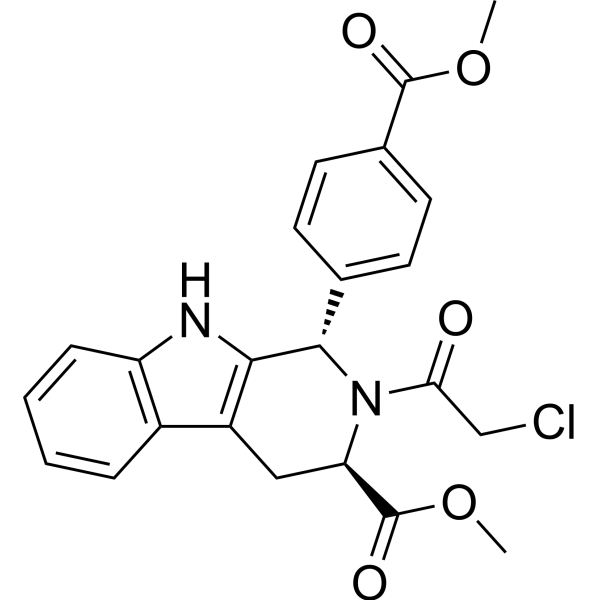
RSL3 ((1S,3R)-RSL3) is an inhibitor of glutathione peroxidase 4 (GPX4) (ferroptosis activator), reduces the expression of GPX4 protein, and induces ferroptotic death of head and neck cancer cell. RSL3 increases the expression of p62 and Nrf2 and inactivates Keap1 in HN3-rslR cells .
loading...
    loading...
65
65 Cited Publications
Cat. No.: HY-112654
CAS No.: 2183470-12-2
Purity:  99.83%
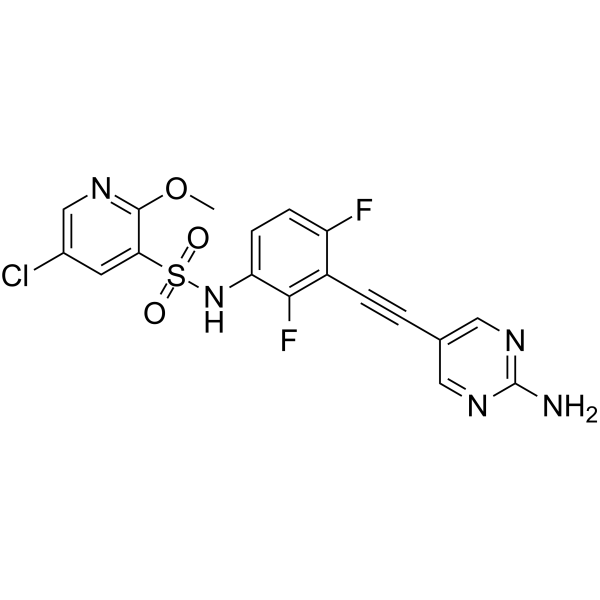
GCN2iB is an ATP-competitive, selective GCN2 inhibitor with an IC50 of 2.4 nM. GCN2iB inhibits the activation of the GCN2 pathway and upregulates GPX4. GCN2iB enhances the anticancer effect of ASNase against acute lymphoblastic leukemia. GCN2iB increases left ventricular ejection fraction, while reducing fasting blood glucose and myocardial fibrosis. GCN2iB can be used in research related to acute lymphoblastic leukemia, acute myeloid leukemia and diabetic cardiomyopathy .
loading...
    loading...
29
29 Cited Publications
Cat. No.: HY-103087
CAS No.: 1083162-61-1
Purity:  98.03%
Target:  

Ferroptosis

Research Areas:  

Others

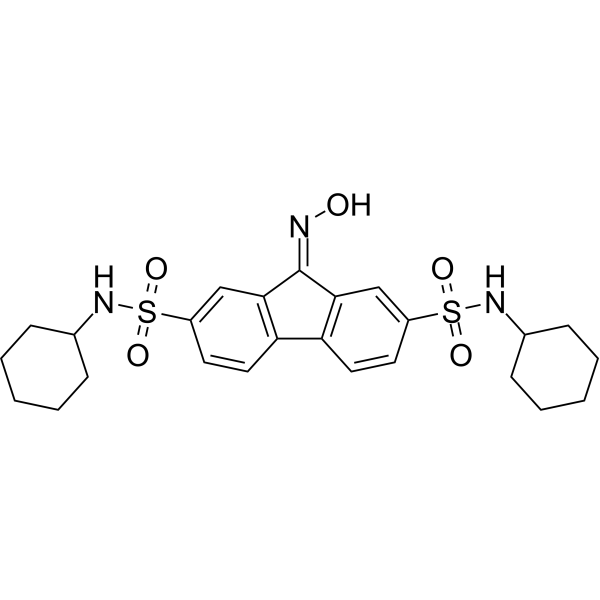
FIN56 is a specific inducer of ferroptosis. FIN56 induces ferroptosis by inducing degradation of GPX4. FIN56 also binds to and activates squalene synthase .
loading...
    loading...
8
8 Cited Publications
Cat. No.: HY-115627
CAS No.: 2143896-83-5
Purity:  99.94%
Synonyms: GPX4-activator-1d4
Research Areas:  

Inflammation/Immunology

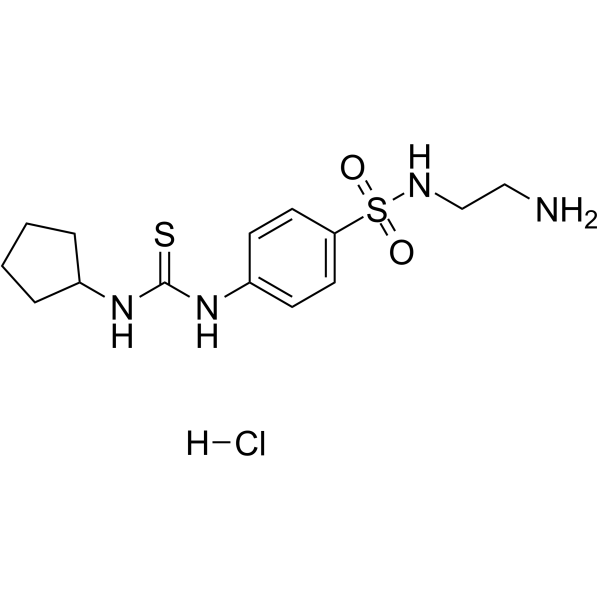
PKUMDL-LC-101-D04 (GPX4-Activator-1d4) is a glutathione peroxidase 4 (GPX4) allosteric activator (pEC50=4.7). PKUMDL-LC-101-D04 can inhibit ferroptosis and inflammation .
loading...
    loading...
3
3 Cited Publications
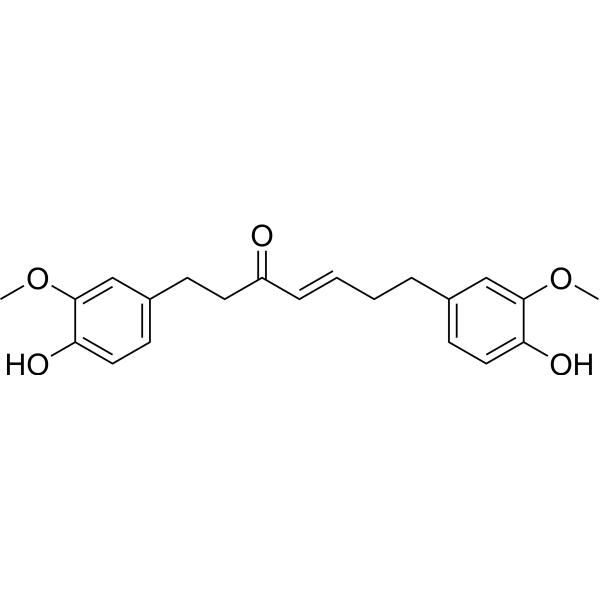
Cat. No.: HY-120912
CAS No.: 128700-97-0
Purity:  99.95%
Gingerenone A is an Nrf2-Gpx4 activator that can induce Ferroptosis in liver damage with oral activity. Gingerenone A has anti-inflammatory, anti-diabetic, anti-tumor, and pro-aging effects in mice .
loading...
    loading...
3
3 Cited Publications
Cat. No.: HY-100218C
CAS No.: 1219810-15-7
Purity:  99.52%
Target:  

Drug Isomer Ferroptosis

Research Areas:  

Cancer

(1R,3R)-RSL3 is an isomer of RSL3 (HY-100218A). RSL3 ((1S,3R)-RSL3) is an inhibitor of glutathione peroxidase 4 (GPX4) (ferroptosis activator), reduces the expression of GPX4 protein, and induces ferroptotic death of head and neck cancer cell. RSL3 increases the expression of p62 and Nrf2 and inactivates Keap1 in HN3-rslR cells .
loading...
    loading...
2
2 Cited Publications
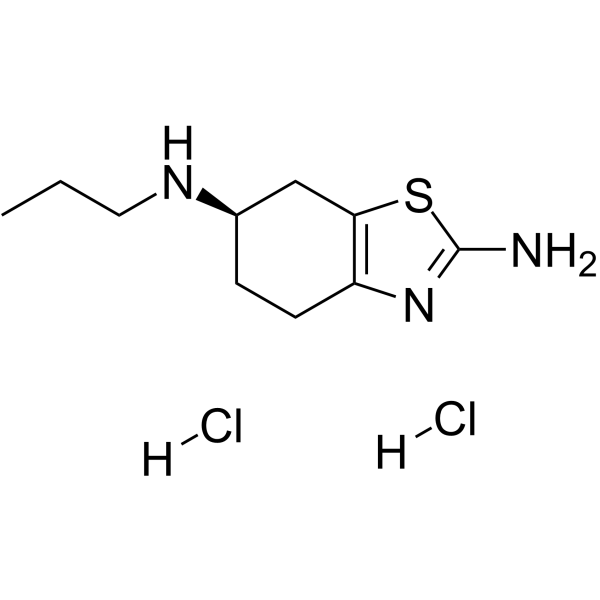
Cat. No.: HY-17355A
CAS No.: 104632-27-1
Synonyms: (R)-Pramipexole dihydrochloride; R-(+)-Pramipexole dihydrochloride; KNS-760704 dihydrochloride
Dexpramipexole ((R)-Pramipexole) dihydrochloride is an orally active, blood-brain barrier permeable mitochondrial protective agent. Dexpramipexole dihydrochloride upregulates the expression of Parkin, PINK1, GPX4 and FSP1; binds to mitochondrial F1/Fo-ATP synthase; blocks the Nav1.8 sodium channel; and inhibits the activation of the NLRP3 inflammasome. Dexpramipexole dihydrochloride induces mitophagy, inhibits ferroptosis, pyroptosis, apoptosis, neuroinflammation and eosinophilopoiesis; maintains mitochondrial function and redox homeostasis; reduces reactive oxygen species production; and decreases myocardial infarct size. Dexpramipexole dihydrochloride is applicable to studies on eosinophilic asthma, myocardial ischemia/reperfusion injury, sepsis-associated encephalopathy, analgesia, and more .
loading...
    loading...
2
2 Cited Publications
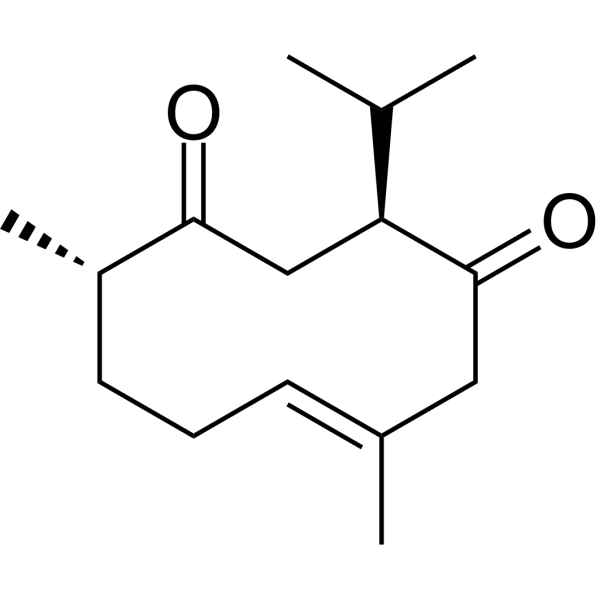
Cat. No.: HY-N0353
CAS No.: 13657-68-6
Synonyms: (+)-Curdione
Curdione ((+)-Curdione) is an orally active sesquiterpenoid. Curdione inhibits platelet aggregation. Curdione induces ferroptosis in colorectal cancer via m6A methylation mediated by METTL14 and YTHDF2. Curdione inhibits ferroptosis in Isoproterenol (HY-B0468)-induced myocardial infarction by regulating the Keap1/Trx1/GPX4 signaling pathway, suppressing oxidative stress (ROS) and apoptosis. Curdione ameliorates Doxorubicin (HY-15142)-induced cardiotoxicity by inhibiting oxidative stress (ROS) and activating the Nrf2/HO-1 pathway. Curdione ameliorates sepsis-induced lung injury by inhibiting platelet-mediated neutrophil extracellular trap formation. Curdione ameliorates Bleomycin (HY-17565A)-induced pulmonary fibrosis by inhibiting TGF-β-induced fibroblast-to-myofibroblast differentiation. Curdione exhibits neuroprotective effects against focal cerebral ischemia-reperfusion injury in rats. Curdione exerts antiproliferative effects against human uterine leiomyosarcoma by targeting IDO1. Curdione protects vascular endothelial cells and atherosclerosis by regulating DNMT1-mediated ERBB4 promoter methylation. Curdione inhibits inducible prostaglandin E2 production (IC50 = 1.1 μM) and cyclooxygenase 2 expression .
loading...
    loading...
2
2 Cited Publications
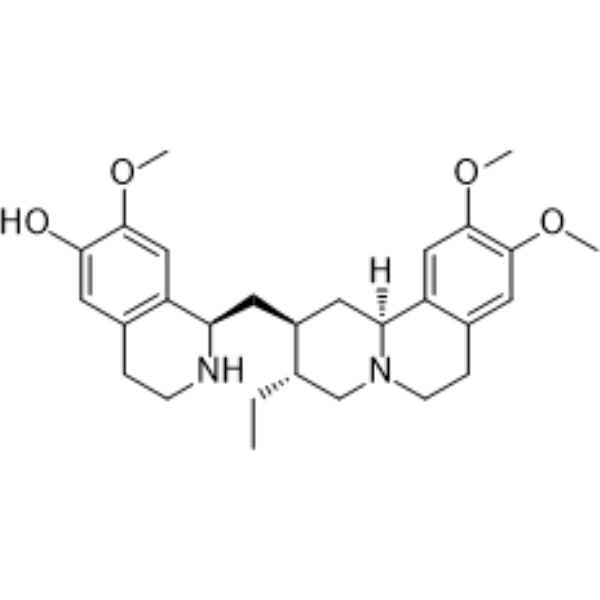
Cat. No.: HY-N4118
CAS No.: 483-17-0
Synonyms: (-)-Cephaeline; NSC 32944 free base
Cephaeline ((-)-Cephaeline; NSC 32944) is a ferroptosis inducer, with broad-spectrum anticancer and antiviral activities. Cephaeline induces ferroptosis (Ferroptosis) by upregulating p53, inhibiting NRF2, activating ULK3, downregulating the expressions of SLC7A11 and GPX4 in a p53-dependent manner, reducing GSH and mitochondrial membrane potential, and increasing lipid peroxidation and iron accumulation. Cephaeline inhibits cancer cell proliferation, migration and tumor growth. Cephaeline inhibits Ebola virus (EBOV) VLP entry and infection, with IC50 values of 3.27 μM and 22.18 μM respectively; it also inhibits Zika virus (ZIKV) NS5 RdRp activity (IC50 = 976 nM), and binds to severe acute respiratory syndrome coronavirus 2 (SARS-CoV-2) RdRp and N protein, with Kd values of 8.9 μM and 53.8 μM respectively. Cephaeline can be used in studies related to breast cancer, lung cancer, COVID-19, EBOV and ZIKV infections .
loading...
    loading...
2
2 Cited Publications
Cat. No.: HY-N10549
CAS No.: 83088-28-2
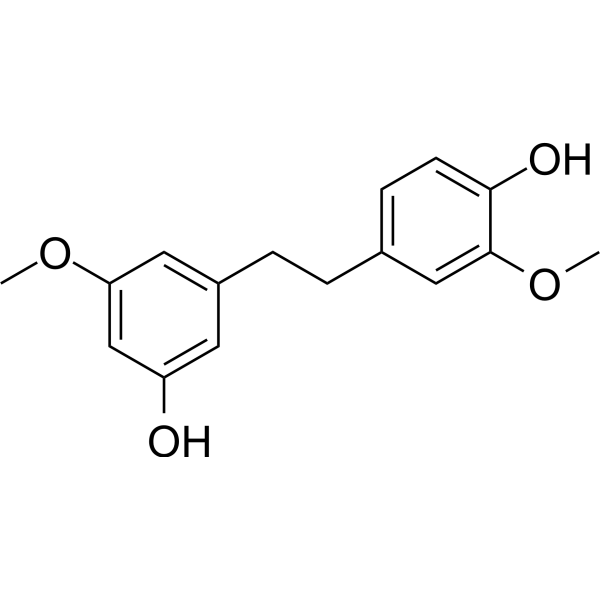
Gigantol is an orally active bibenzyl compound. Gigantol targets MYC to promote its ubiquitin-proteasomal degradation and inhibit the growth of lung cancer cells. Gigantol exerts anti-lung cancer activity by inducing ferroptosis (Ferroptosis) via the SLC7A11-GPX4 axis. Gigantol restores the sensitivity of mcr-harboring multidrug-resistant bacteria to colistin. Gigantol ameliorates carbon tetrachloride-induced liver injury by inhibiting the activation of the JNK/cPLA2/12-LOX inflammatory pathway. Gigantol promotes cholesterol metabolism and progesterone biosynthesis in Leydig cells. Gigantol can be used in studies related to diseases such as lung cancer, multidrug-resistant Gram-negative bacterial infections, and acute liver injury .
loading...
    loading...
2
2 Cited Publications
Cat. No.: HY-17355B
CAS No.: 104632-28-2
Synonyms: (R)-Pramipexole; R-(+)-Pramipexole; KNS-760704
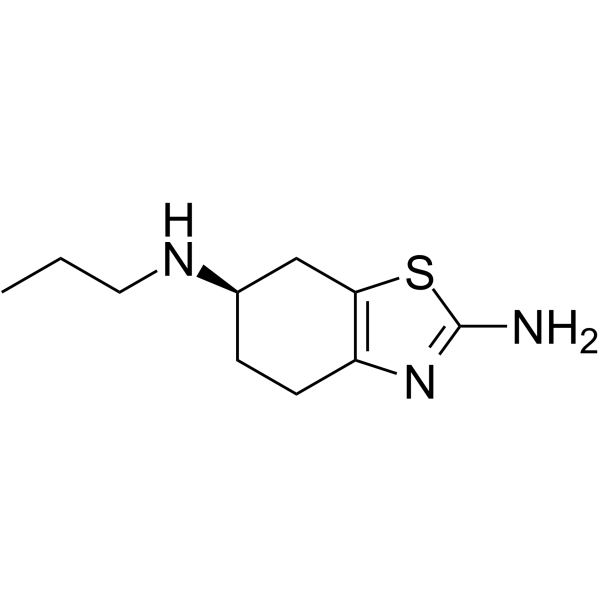
Dexpramipexole ((R)-Pramipexole) is an orally active, blood-brain barrier permeable mitochondrial protective agent. Dexpramipexole upregulates the expression of Parkin, PINK1, GPX4 and FSP1; binds to mitochondrial F1/Fo-ATP synthase; blocks the Nav1.8 sodium channel; and inhibits the activation of the NLRP3 inflammasome. Dexpramipexole induces mitophagy, inhibits ferroptosis, pyroptosis, apoptosis, neuroinflammation and eosinophilopoiesis; maintains mitochondrial function and redox homeostasis; reduces reactive oxygen species production; and decreases myocardial infarct size. Dexpramipexole is applicable to studies on eosinophilic asthma, myocardial ischemia/reperfusion injury, sepsis-associated encephalopathy, analgesia, and more .
loading...
    loading...
2
2 Cited Publications
Cat. No.: HY-N2076
CAS No.: 3738-70-3
Synonyms: (-)-Cephaeline hydrochloride; NSC 32944 monohydrochloride
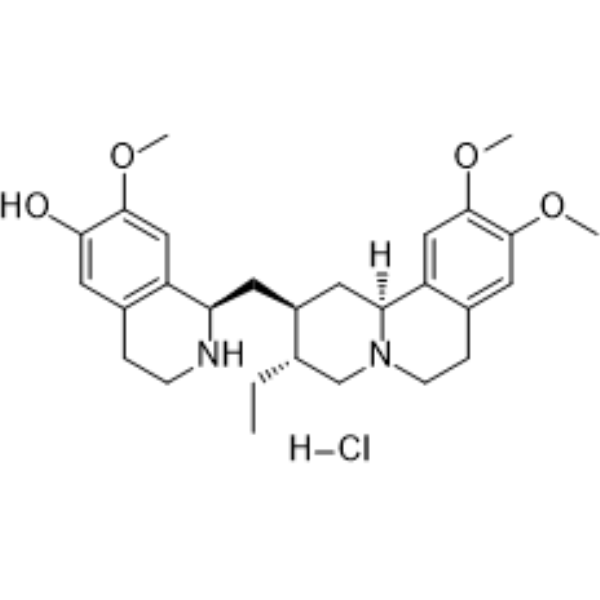
Cephaeline hydrochloride ((-)-Cephaeline (hydrochloride); NSC 32944 (monohydrochloride)) is a ferroptosis inducer, with broad-spectrum anticancer and antiviral activities. Cephaeline hydrochloride induces Ferroptosis by upregulating p53, inhibiting NRF2, activating ULK3, downregulating the expressions of SLC7A11 and GPX4 in a p53-dependent manner, reducing GSH and mitochondrial membrane potential, and increasing lipid peroxidation and iron accumulation. Cephaeline hydrochloride inhibits cancer cell proliferation, migration and tumor growth. Cephaeline hydrochloride inhibits Ebola virus (EBOV) VLP entry and infection, with IC50 values of 3.27 μM and 22.18 μM respectively; it also inhibits Zika virus (ZIKV) NS5 RdRp activity (IC50 = 976 nM), and binds to severe acute respiratory syndrome coronavirus 2 (SARS-CoV-2) RdRp and N protein, with Kd values of 8.9 μM and 53.8 μM respectively. Cephaeline hydrochloride can be used in studies related to breast cancer, lung cancer, COVID-19, EBOV and ZIKV infections .
loading...
    loading...
1
1 Cited Publications
Cat. No.: HY-N1437
CAS No.: 6205-14-7
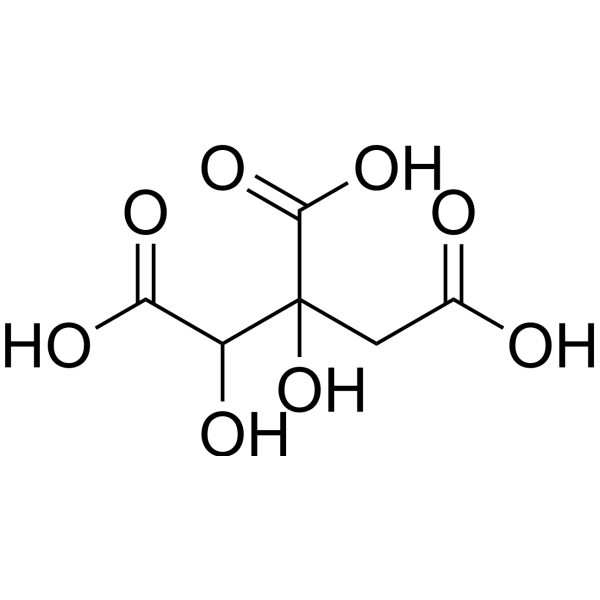
Hydroxycitric acid is an orally active, multi-target, multi-bioactive organic acid. activates Nrf2 and its downstream molecule GPX4, increases glutathione levels, and thereby inhibits ferroptosis. Hydroxycitric acid activates the Nrf2/Keap1 and ACLY/NF-κB signaling pathways, upregulates the activities of antioxidant enzymes such as superoxide dismutase, reduces MDA content, thereby alleviating oxidative stress and renal tubular epithelial cell apoptosis, and improves pulmonary vascular and right ventricular remodeling. Hydroxycitric acid activates both the AMPK and mTORC1/S6K pathways, triggers the unfolded protein response, arrests the cancer cell cycle, and induces DNA fragmentation .
loading...
    loading...
1
1 Cited Publications
Cat. No.: HY-W018161
CAS No.: 505-54-4
Synonyms: Thapsic acid
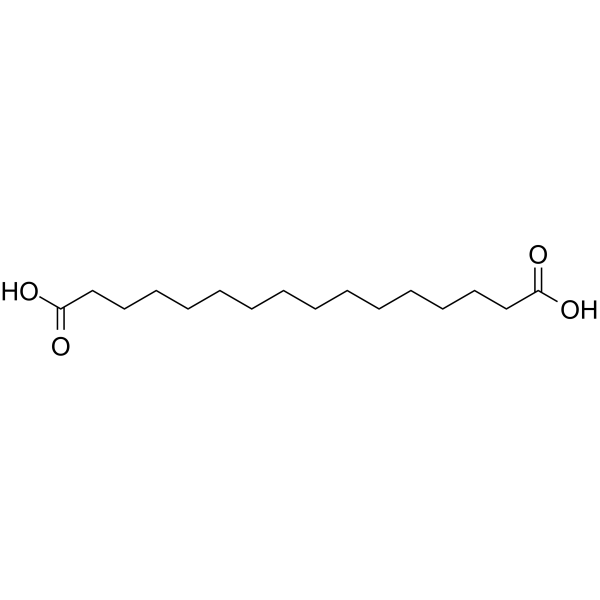
Hexadecanedioic acid (Thapsic acid) is an orally active metabolite produced by B. uniformis. Hexadecanedioic acid inhibits IRE1α-XBP1s-mediated flipogenesis and ferroptosis. Hexadecanedioic acid downregulates XBP1 and Hrd1 expression, activates the Nrf2/SLC7A11/GPX4 pathway. Hexadecanedioic acid can be used for the research of metabolic-associated fatty liver disease .
loading...
    loading...
1
1 Cited Publications
Cat. No.: HY-N8698
CAS No.: 530-14-3
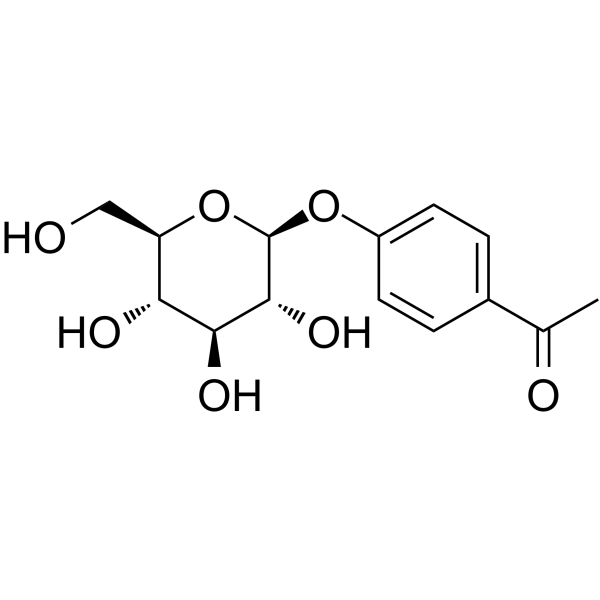
Picein is an antioxidant and anti-inflammatory agent. Picein can be isolated from the leaves of Picrorhiza kurroa. Picein reduces MDA levels and increases the levels of SOD, GPX and TAC. Picein alleviates oxidative stress and promotes bone regeneration in osteoporotic bone defects by inhibiting Ferroptosis (via activation of the Nrf2/HO-1/GPX4 pathway). Picein prevents scopolamine (HY-N0296)-induced passive avoidance memory impairment in rats. Picein can be used in research related to osteoporotic bone defects and Alzheimer's disease .
loading...
    loading...
1
1 Cited Publications
Cat. No.: HY-W338584
CAS No.: 232281-44-6
Tripotassium hydroxycitrate is an orally active, multi-target, multi-bioactive organic acid. Tripotassium hydroxycitrate activates Nrf2 and its downstream molecule GPX4, increases glutathione levels, and thereby inhibits ferroptosis. Tripotassium hydroxycitrate activates the Nrf2/Keap1 and ACLY/NF-κB signaling pathways, upregulates the activities of antioxidant enzymes such as superoxide dismutase, reduces MDA content, thereby alleviating oxidative stress and renal tubular epithelial cell apoptosis, and improves pulmonary vascular and right ventricular remodeling. Tripotassium hydroxycitrate activates both the AMPK and mTORC1/S6K pathways, triggers the unfolded protein response, arrests the cancer cell cycle, and induces DNA fragmentation .
loading...
    loading...
1
1 Cited Publications
Cat. No.: HY-176557
CAS No.: 907547-06-2
NCI677397 is a USP24 inhibitor. NCI677397 increases lipid ROS, activates cholesterol and fatty acid biosynthesis, degrades ABC transporters, GPX4 and DHFR through the autophagy pathway, decreases the level of P-gp and ultimately leads to ferroptosis in drug-resistant cancer cells. NCI677397 can be used for the study of lung caner and brain cancer .
loading...
    loading...
Cat. No.: HY-161929
CAS No.: 950365-31-8
GPX4 activator 2 is a GPX4 activator with a Ka value of 0.426 μM for human GPX4. GPX4 activator 2 reduces lipid hydroperoxide levels, prevents lipid peroxide accumulation, and inhibits ferroptosis. GPX4 activator 2 rescues cell death induced by Erastin (HY-15763). GPX4 activator 2 exerts cardioprotective effects in a mouse model of doxorubicin (HY-15142A)-induced myocardial injury .
loading...
    loading...
Cat. No.: HY-161928
CAS No.: 1030098-18-0
GPX4 activator 1 is an allosteric activator of glutathione peroxidase 4 (GPX4) with a Kd value of 5.86 μM. GPX4 activator 1 binds to a specific region of GPX4 to alter protein binding kinetics and counteract ferroptosis (EC50 = 19.19 μM). GPX4 activator 1 inhibits lipid peroxidation, rescues ferroptotic cell death and maintains cell viability. GPX4 activator 1 can be used in studies related to Doxorubicin (HY-15142A)-induced myocardial injury .
loading...
    loading...
Cat. No.: HY-N3097
CAS No.: 18836-52-7
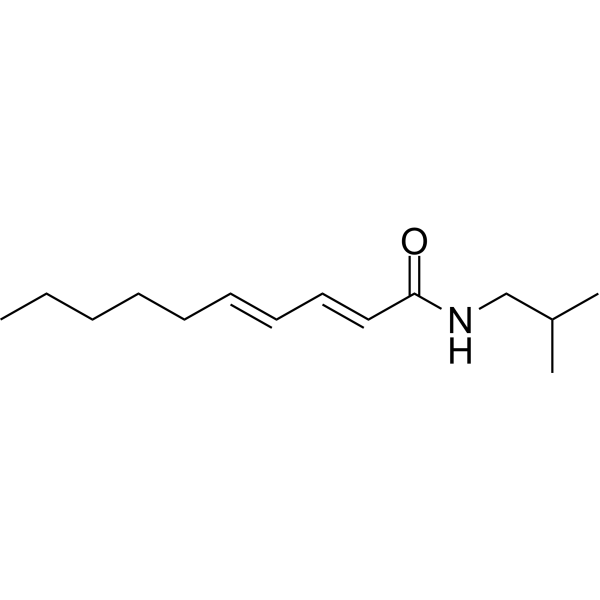
Pellitorine is a bioactive natural amide compound. Pellitorine can competitively antagonize the activation of TRPV1 by Capsaicin (HY-10448), thereby reducing pain signal transmission. Pellitorine improves cognitive dysfunction by upregulating the BDNF-ERK1/2-CREB and Nrf2-HO-1 pathways. Pellitorine exerts anti-inflammatory and anti-sepsis effects by inhibiting the release of high mobility group protein B1 (HMGB1) and the expression of RAGE/TLR4. Pellitorine exerts its antithrombotic effect by prolonging the clotting time, inhibiting the activity of clotting factors and thrombin. Pellitorine inhibits lipid peroxidation and resists ferroptosis by upregulating GPX4 and DHODH. Pellitorine kills Aedes aegypti mosquito larvae by inhibiting V-type H⁺-ATPase and aquaporin 4 (AaAQP4). Pellitorine exhibits anti-cancer activity (e.g., leukemia and breast cancer) and has inhibitory effects on certain bacteria .
loading...
    loading...

