18 Results for "

Preferential cytotoxicity

" in MedChemExpress (MCE) Product Catalog:
Products (18)

18 Results for "Preferential cytotoxicity" in MCE Product Catalog:

14
14 Publications Verification
Cat. No.: HY-10015
CAS No.: 870653-45-5
Purity:  99.83%
Synonyms: 5-(4-Phenoxybutoxy)psoralen
Target:  

Potassium Channel

Research Areas:  

Inflammation/Immunology

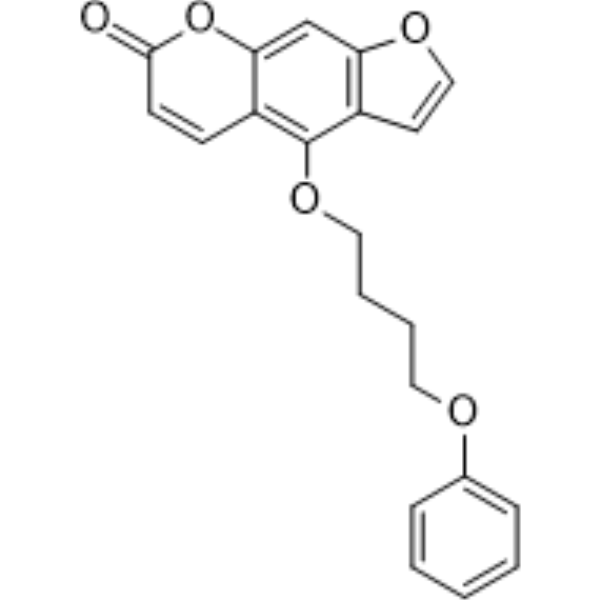
PAP-1 (5-(4-Phenoxybutoxy)psoralen) is a potent, selective, and orally active Kv1.3 blocker (EC50=2 nM). PAP-1 blocks Kv1.3 in a use-dependent manner and acts by preferentially binding to the C-type inactivated state of the channel. PAP-1 exhibits 23-fold selectivity over Kv1.5 (EC50=45 nM), and further displays 33- to 125-fold selectivity over all other Kv1-family channels. PAP-1 does not exhibit cytotoxic or phototoxic effects .
loading...
    loading...
4
4 Cited Publications
Cat. No.: HY-16271
CAS No.: 66592-89-0
Synonyms: 4-Isothioureidobutyronitrile hydrochloride; thioureidobutyronitrile hydrochloride; thioureido butyronitrile hydrochloride
Target:  

MDM-2/p53 Apoptosis

Research Areas:  

Cancer

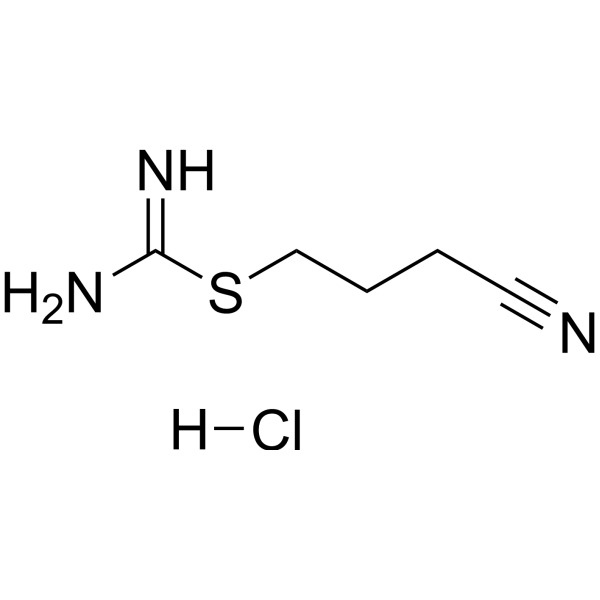
Kevetrin hydrochloride is a potent activator of p53, induces apoptosis in TP53 wild-type and mutant acute myeloid leukemia cells. Kevetrin a preferential cytotoxic activity against blast cells .
loading...
    loading...
1
1 Cited Publications
Cat. No.: HY-135680
CAS No.: 1094048-77-7
Purity:  98.03%
Synonyms: I-OMe-AG 538
Target:  

IGF-1R

Research Areas:  

Metabolic Disease Cancer

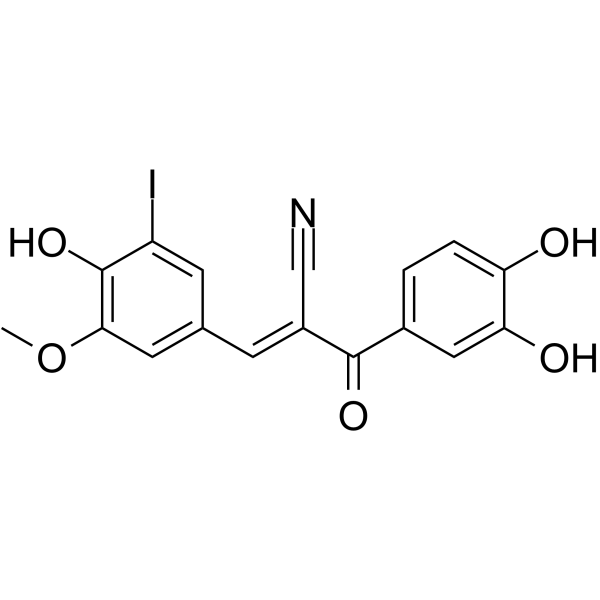
I-OMe-Tyrphostin AG 538 (I-OMe-AG 538) is a specific inhibitor of IGF-1R (insulin-like growth factor-1 receptor tyrosine kinase). I-OMe-Tyrphostin AG 538 inhibits IGF-1R-mediated signaling and is preferentially cytotoxic to nutrient-deprived PANC1 cells.?I-OMe-Tyrphostin AG 538 is an ATP-competitive inhibitor of phosphatidylinositol-5-phosphate 4-kinase α (PI5P4Kα), with an IC50?of 1 μM .
loading...
    loading...
Cat. No.: HY-13640
CAS No.: 859209-74-8
Purity:  99.26%
Synonyms: GS-9219; VDC-1101
Research Areas:  

Cancer

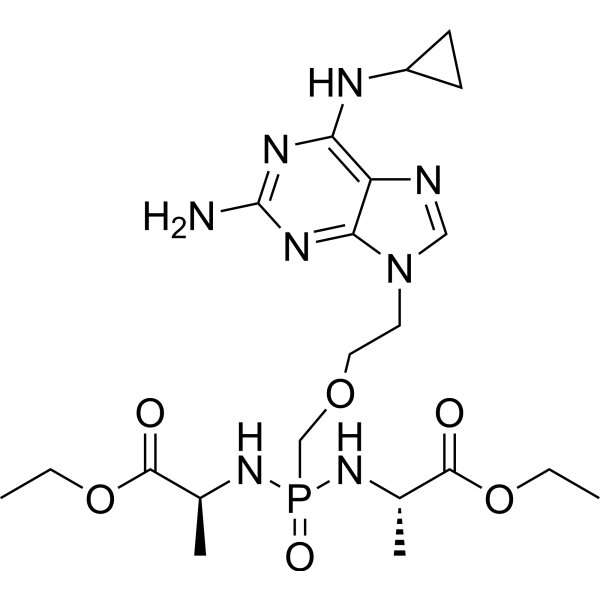
Rabacfosadine (GS-9219), a novel proagent of the nucleotide analogue PMEG, is designed as a cytotoxic agent that preferentially targets lymphoid cells.
loading...
    loading...
Cat. No.: HY-P0270
CAS No.: 108433-95-0
Synonyms: Magainin II
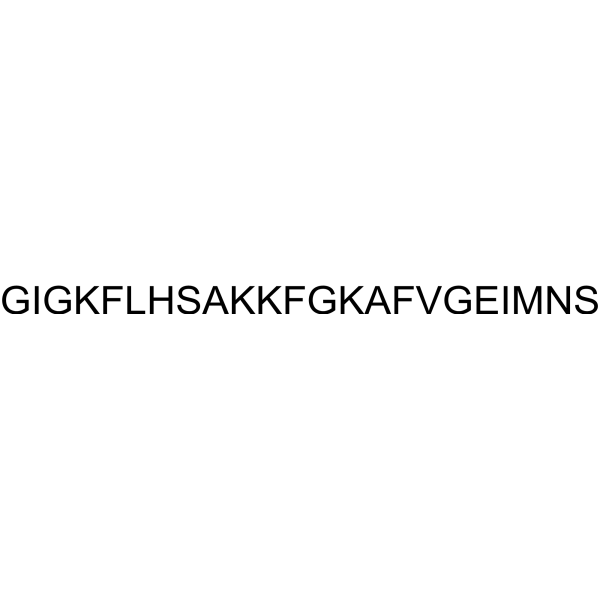
Magainin 2 (Magainin II) is an antimicrobial peptide (AMP) isolated from the skin of the African clawed frog Xenopus laevis. Magainin 2 displays antibiotic activity against numerous gram-negative and gram-positive bacteria. Magainin 2 also is active against protozoa . Magainin 2 exerts its cytotoxicity effects by preferential interactions with anionic phospholipids abundant in bacterial membranes .
loading...
    loading...
Cat. No.: HY-176954
CAS No.: 2171015-78-2
Research Areas:  

Cancer

RSC-1255 is a potent and selective Vacuolar H⁺-ATPase (V-ATPase) inhibitor that directly binds the mammalian V-ATPase complex with a Kd = 23 nM. RSC-1255 exhibits preferential cytotoxicity toward KRAS-mutant cancer cells, especially KRAS G13D and KRAS G12V cells. RSC-1255 induces apoptosis and blocks lysosomal acidification, autophagy, and macropinocytosis in cancer cells. RSC-1255 can be used for the study of KRAS-driven lung and colon cancers .
loading...
    loading...
Cat. No.: HY-W089800
CAS No.: 18829-56-6
Synonyms: trans-2-Nonen-1-al
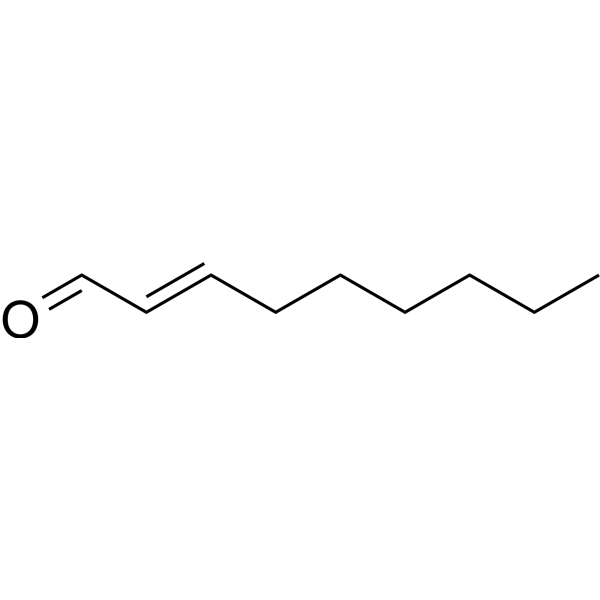
trans-2-Nonenal (trans-2-Nonen-1-al) is an endogenous peroxidation product of polyunsaturated fatty acids, acting as an inhibitor of COX and 12-LOX, as well as an inducer of apoptosis. trans-2-Nonenal is also a malodorous compound secreted by the human body, and its content gradually increases with aging. trans-2-Nonenal inhibits the activities of multiple enzymes such as platelet membrane-bound PTPase, preferentially covalently modifies proteins at lysine residues to form immunogenic adducts, and regulates platelet Arachidonic acid (HY-109590) metabolism. trans-2-Nonenal also exhibits significant cytotoxicity, reduces the viability of keratinocytes, promotes their apoptosis, and effectively decreases the thickness of epidermal models and the number of proliferating cells. trans-2-Nonenal is commonly used in studies of thrombotic, atherosclerotic diseases, renal adenocarcinoma, etc. .
loading...
    loading...
Cat. No.: HY-W599279
CAS No.: 2761170-84-5
ABS-752 is an orally active prodrug targeting CRBN-modulating molecular glue with selectivity in protein degradation. ABS-752 preferentially degrades GSPT1 and induces cytotoxicity through this degradation, while it also degrades NEK7, SALL4 and CK1α, with weaker degradation potency against CK1α. As a prodrug, ABS-752 requires metabolic activation to ABT-002 to form the active complex; VAP-1 mediates its conversion to an aldehyde intermediate. ABS-752 induces cell death, reduces cell viability, and exhibits antitumor activity, leading to regression and inhibition of tumor growth. ABS-752 shows no cytotoxicity in primary human hepatocytes. ABS-752 can be used in the research of hepatocellular carcinoma .
loading...
    loading...
Cat. No.: HY-10015R
CAS No.: 870653-45-5
Synonyms: 5-(4-Phenoxybutoxy)psoralen (Standard)
PAP-1 (Standard) is the analytical standard of PAP-1. This product is intended for research and analytical applications. PAP-1 (5-(4-Phenoxybutoxy)psoralen) is a potent, selective, and orally active Kv1.3 blocker (EC50=2 nM). PAP-1 blocks Kv1.3 in a use-dependent manner and acts by preferentially binding to the C-type inactivated state of the channel. PAP-1 exhibits 23-fold selectivity over Kv1.5 (EC50=45 nM), and further displays 33- to 125-fold selectivity over all other Kv1-family channels. PAP-1 does not exhibit cytotoxic or phototoxic effects .
loading...
    loading...
Cat. No.: HY-13640A
CAS No.: 1431856-99-3
Synonyms: GS-9219 succinate; VDC-1101 succinate
Research Areas:  

Cancer

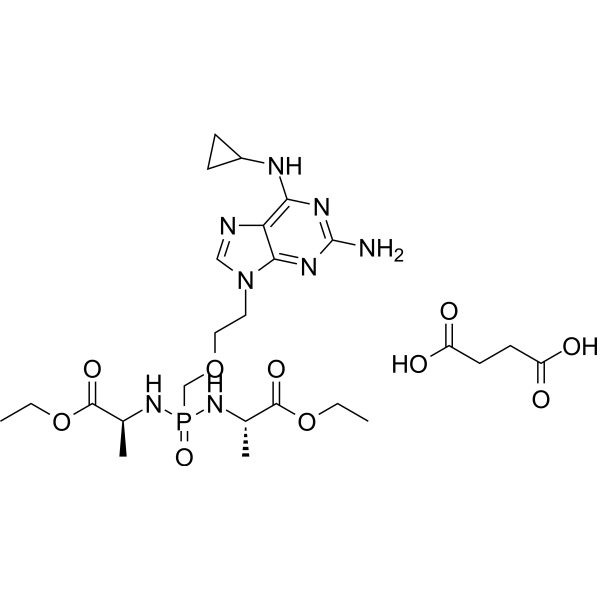
Rabacfosadine (GS-9219) succinate, a novel proagent of the nucleotide analogue PMEG, is designed as a cytotoxic agent that preferentially targets lymphoid cells .
loading...
    loading...
Cat. No.: HY-P991561
CAS No.: 2691109-74-5

Target:  

CD47

Research Areas:  

Cancer

AO-176 is a humanized anti-CD47 IgG2 monoclonal antibody. AO-176 induces tumor phagocytosis through blocking the CD47-SIRPα interaction. AO-176 preferentially binds to tumor versus normal cells and directly kills tumor by a cell autonomous mechanism not ADCC (antibody-dependent cell-mediated cytotoxicity). AO-176 demonstrates dose-dependent antitumor activity in tumor xenograft models. AO-176 can be used for the researches of cancer, such as lymphoma .
loading...
    loading...
Cat. No.: HY-N8470
CAS No.: 54526-94-2
Synonyms: NSC 204855; U 40615
Target:  

Bacterial

Research Areas:  

Infection

Steffimycin B is an anthracycline bacterial metabolite originally isolated from Streptomyces. It binds to DNA, preferentially intercalating at sites containing cytosine and guanine.2 Steffimycin B is cytotoxic to MCF-7, KB, NCI-H187, and Vero cells (IC50s=3.5, 6.75, 3.28, and 10.5 μM, respectively). It is active against M. tuberculosis (MIC=5.2 nM), B. cereus (MIC=1.56 μg/mL), and P. falciparum (IC50=2.19 μM).
loading...
    loading...
Cat. No.: HY-182682
CAS No.: 5977-35-5
Synonyms: NSC-146171
Research Areas:  

Cancer

IOB-82 is a bifunctional alkylating agent. IOB‑82 induces marked nuclear and cytoplasmic alterations, elicits severe chromatid and chromosome aberrations, and remodels chromosome ploidy. IOB-82 exerts dose-dependent radiomimetic effects and preferentially cytotoxic to large A-type rat ascites cells. IOB-82 can be applied in the research of melanoma‑derived tumors and leukemia .
loading...
    loading...
Cat. No.: HY-W998347
CAS No.: 2922884-90-8
ABS-752 hydrochloride is an orally active prodrug targeting CRBN-modulating molecular glue with selectivity in protein degradation. ABS-752 hydrochloride preferentially degrades GSPT1 and induces cytotoxicity through this degradation, while it also degrades NEK7, SALL4 and CK1α, with weaker degradation potency against CK1α. As a prodrug, ABS-752 hydrochloride requires metabolic activation to ABT-002 to form the active complex; VAP-1 mediates its conversion to an aldehyde intermediate. ABS-752 hydrochloride induces cell death, reduces cell viability, and exhibits antitumor activity, leading to regression and inhibition of tumor growth. ABS-752 hydrochloride shows no cytotoxicity in primary human hepatocytes. ABS-752 hydrochloride can be used in the research of hepatocellular carcinoma .
loading...
    loading...
Cat. No.: HY-18957C
CAS No.: 2025320-97-0
Synonyms: BGB-283 hydrochloride
Target:  

Endogenous Metabolite

Research Areas:  

Cancer

Lifirafenib hydrochloride (BGB-283 hydrochloride) is a novel, reversible B-RAFV600E inhibitor with antitumor activity. Lifirafenib has shown potent antitumor activity against solid tumors with B-RAFV600E mutations, such as melanoma, thyroid cancer, and low-grade serous ovarian cancer. Lifirafenib exhibits selective cytotoxicity in vitro, preferentially inhibiting the proliferation of cancer cells with B-RAFV600E and EGFR mutations/amplification. Lifirafenib can achieve dose-dependent inhibition of tumor growth in animal models, accompanied by partial and complete tumor shrinkage .
loading...
    loading...
Cat. No.: HY-189055
CAS No.: 3132205-57-0
Target:  

β-glucuronidase

Research Areas:  

Inflammation/Immunology

β-Glucuronidase-IN-6 is an Escherichia coli β-glucuronidase (EcGUS) inhibitor with an IC50 of 0.39 μM, Ki of 0.60 μM, selectivity over bovine liver β-glucuronidase, and oral effectiveness. β-Glucuronidase-IN-6 preferentially binds the enzyme-substrate complex, interacts with residues Asp163, Glu413, and Trp549 to stabilize the binding complex. β-Glucuronidase-IN-6 does not inhibit Escherichia coli growth and exhibits low cytotoxicity toward human epithelial cells. β-Glucuronidase-IN-6 attenuates irinotecan-induced weight loss, diarrhea, and colonic injury in mice. β-Glucuronidase-IN-6 can be used for the research of irinotecan-induced gastrointestinal toxicity .
loading...
    loading...
Cat. No.: HY-189567
Research Areas:  

Cancer

TBP-EQ is a cationic aggregation-induced emission photosensitizer and luminogen that enables bright red aggregation-state fluorescence imaging. TBP-EQ generates reactive oxygen species (ROS) via Type I/II pathways under light irradiation. TBP-EQ undergoes light-triggered translocation from the plasma membrane to mitochondria, enhancing penetration and mitochondrial enrichment, and induces oxidative plasma membrane damage, increased permeability, as well as mitochondrial oxidative stress, dysfunction, and depolarization. TBP-EQ exhibits photodynamic cytotoxicity against breast cancer cells, and intratumoral injection followed by light activation inhibits tumor growth. TBP-EQ preferentially accumulates in breast cancer cells and prolongs tumor retention while reducing off-target fluorescence. TBP-EQ can be used for breast cancer-related research .
loading...
    loading...
Cat. No.: HY-D3614
CAS No.: 2890606-81-0
Target:  

Estrogen Receptor/ERR

Research Areas:  

Cancer

ERβ-targeted NIR probe P5 is an ERβ-selective fluorescent probe that binds preferentially to ERβ over ERα, enabling near-infrared fluorescence imaging of ERβ in living cells and in vivo. ERβ-targeted NIR probe P5 supports measurement of ERβ diffusion coefficient via fluorescence recovery after photobleaching. ERβ-targeted NIR probe P5 shows low cytotoxicity across multiple cell types, preserves ERβ expression, accumulates at ERβ-overexpressing tumor sites in vivo, and exhibits minimal fluorescence fluctuation across varied pH and cellular analyte conditions. ERβ-targeted NIR probe P5 can be used for the research of prostate cancer .
loading...
    loading...
  • 1

