26 Results for "

extracellular vesicles

" in MedChemExpress (MCE) Product Catalog:
Products (26)

26 Results for "extracellular vesicles" in MCE Product Catalog:

  • Categories Recommended:
    More
3
3 Cited Publications
Cat. No.: HY-107588
CAS No.: 916734-43-5
Purity:  99.94%
Target:  

Integrin

Research Areas:  

Cardiovascular Disease

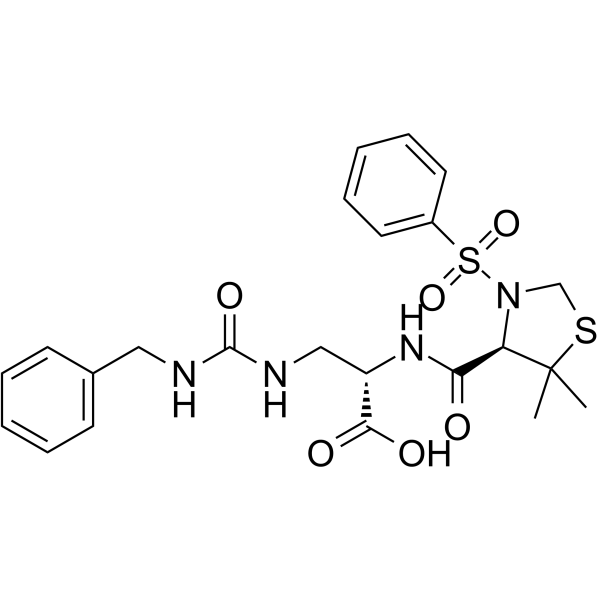
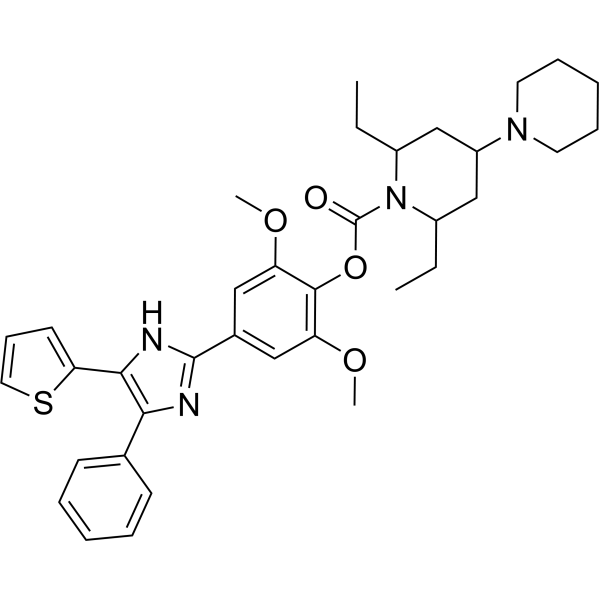
TC-I 15 (TC-I-15) is a type of allosteric collagen-binding integrin α2β1 inhibitor, and it also inhibits α1β1 and α11β1. TC-I 15 inhibits platelet adhesion to collagen and thrombus deposition. TC-I 15 prevents the formation of a pre-metastatic microenvironment by inhibiting the uptake of cancer-associated fibroblast (CAF) extracellular vesicles (EVs) by lung fibroblasts, which reduces the metastasis of salivary gland adenocystic carcinoma (SACC) to the lungs in mouse models, .
loading...
    loading...
Cat. No.: HY-D1736
CAS No.: 158757-82-5
BODIPY FL-C16 is a BODIPY-labeled analog of Palmitic acid (HY-N0830), which serves as a fluorescent lipid tracer. BODIPY FL-C16 also acts as a ligand for liver fatty acid-binding protein (L-FABP) and intestinal fatty acid-binding protein (I-FABP) , with Kd values of 270 nM and 330 nM, respectively. BODIPY FL-C16 is rapidly taken up by cells, and after metabolic conversion to phospholipids, it is incorporated into the membrane structures of intracellular organelles and extracellular vesicles .
loading...
    loading...
Cat. No.: HY-W440896
Target:  

Liposome

Research Areas:  

Others

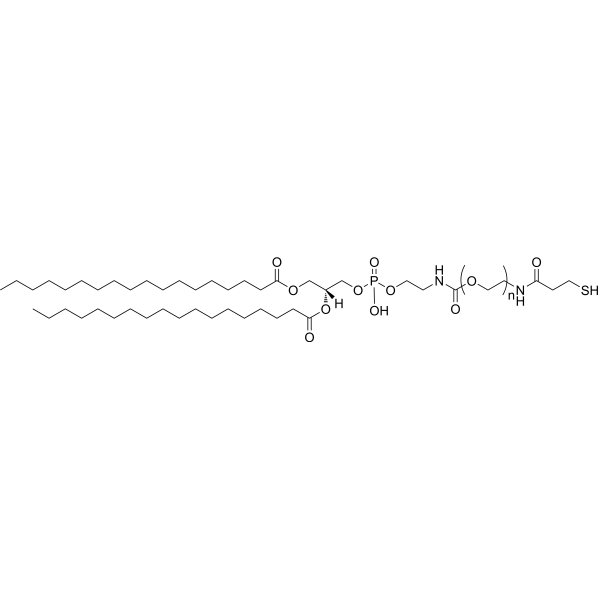
DSPE-PEG2000-SH is an amphiphilic thiol-functionalized DSPE-PEG molecule. DSPE-PEG2000-SH inserts into extracellular vesicle (EV) bilayer membranes via hydrophobic interactions, displaying surface thiol groups to form EV-SH crosslinkers.DSPE-PEG2000-SH enables crosslinking of EV-SH with 8-arm PEG-norbornene via thiol-ene photochemistry to construct hydrogels, with hydrogel mechanical properties tunable via PEG segment molecular weight variation.DSPE-PEG2000-SH can be used to encapsulate agents for drug delivery system, such as mRNA vaccine .
loading...
    loading...
Cat. No.: HY-164390
CAS No.: 64364-50-7
Synonyms: Neu5Acα2-6Galβ1-4GlcNAc
Target:  

Endogenous Metabolite

Research Areas:  

Infection Cancer

6′SLN is a cancer-related extracellular vesicle (EVs) surface glycan that serves as a key form of protein glycosylation in EVs. 6′SLN is also a sialic acid derivative that can interact with hemagglutinins (HAs) from human and avian influenza virus strains, making it useful for research into anti-influenza drugs .
loading...
    loading...
Cat. No.: HY-128736C
Purity:  89.70%
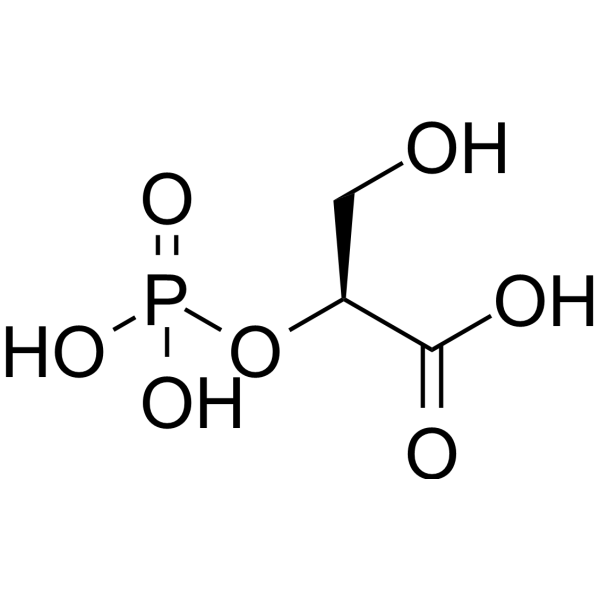
L-2-Phosphoglyceric acid sodium hydrate is an endogenous metabolite. L-2-Phosphoglyceric acid sodium hydrate serves as a substrate for phosphatases and releases inorganic phosphate upon catalytic dephosphorylation. L-2-Phosphoglyceric acid sodium hydrate is upregulated in human oral fibroblasts treated with Porphyromonas gingivalis bacterial extracellular vesicles. L-2-Phosphoglyceric acid sodium hydrate is useful for research related to prostate cancer and periodontitis .
loading...
    loading...
Cat. No.: HY-128736
CAS No.: 23295-92-3
L-2-Phosphoglyceric acid is an endogenous metabolite. L-2-Phosphoglyceric acid serves as a substrate for phosphatases and releases inorganic phosphate upon catalytic dephosphorylation. L-2-phosphoglyceric acid is upregulated in human oral fibroblasts treated with Porphyromonas gingivalis bacterial extracellular vesicles. L-2-Phosphoglyceric acid is useful for research related to prostate cancer and periodontitis .
loading...
    loading...
Cat. No.: HY-D1765
CAS No.: 1415018-97-1
Target:  

Fluorescent Dye

Research Areas:  

Others

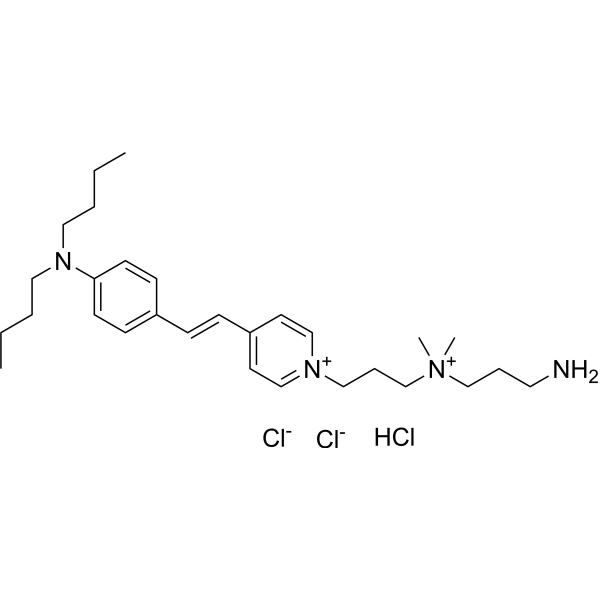
FM 1-43FX is a fluorescent styryl membrane dye that stains lipids green. FM 1-43FX labels extracellular vesicle lipid membranes, exosomes/microvesicles, and various sensory neurons through an endocytosis/vesicle recycling-dependent mechanism, and can label NFH-, calbindin-, and TH-positive mechanoreceptor subtypes. FM 1-43FX acts as a membrane-permeable MET channel blocker, partially inhibiting PIEZO1 and PIEZO2 currents in a voltage-dependent manner, and is used to assess cochlear/zebrafish MET function and detect fungal EV lipid transfer. FM 1-43FX can be used for research on progressive hearing loss .
loading...
    loading...
Cat. No.: HY-E70420
CAS No.: 9025-51-8
Target:  

Bacterial

Research Areas:  

Inflammation/Immunology

SpeB cysteine protease is a potent modifier of immunologically important host and bacterial proteins. SpeB cysteine protease degrades streptolysin O (SLO) in extracellular vesicles .
loading...
    loading...
Cat. No.: HY-L168
715 compounds

Extracellular vesicles (EVs) are small membrane binding structures that are released from cells into the surrounding environment and play a crucial role in mediating and regulating intercellular communication related to physiological and pathological processes. EVs are lipid membrane vesicles composed of proteins, lipids, and nucleic acids. EVs can be divided into several types based on their source, such as extracellular vesicles, microcapsules, and apoptotic vesicles. The size range of exosomes is 30-150nm, which are endocrine in multi vesicular endosomes (MVEs); microvesicles (50-1000nm) are secreted directly through extracellular interactions, thereby releasing plasma membrane vesicles. In contrast, apoptotic bodies are usually larger, ranging in size from 1 to 5 μ m. This is generated during programmed cell death. EV plays a crucial role in transmitting information between cells and influencing the behavior and function of receptor cells.

MCE designs a unique collection of 715 small molecules related to extracellular vesicles (EVs). It is a good tool to be used for research on metabolize, cancer and other diseases.

Cat. No.: HY-169819
CAS No.: 882291-37-4
Research Areas:  

Inflammation/Immunology

Calcium influx inducer compound 634 is a calcium influx inducer. Calcium influx inducer compound 634 (10 µM) enhances the release of extracellular vesicles (EVs) from mouse bone marrow-derived dendritic cells (mBMDCs). Calcium influx inducer compound 634 (10 µM) also increases the levels of CD86 and CD80 on the surface of mBMDCs, an effect that can be blocked by the calcium release-activated calcium channel inhibitor YM-58483 (HY-100831) .
loading...
    loading...
Cat. No.: HY-D1867
Target:  

Fluorescent Dye

Research Areas:  

Others

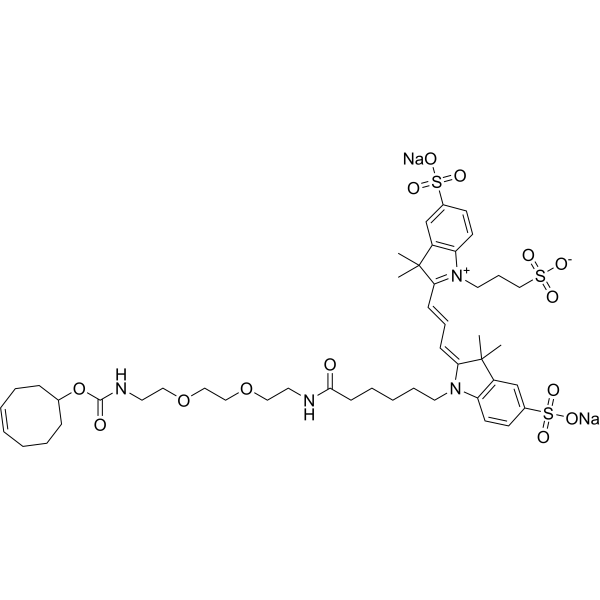
Sulfo-Cy3-PEG2-TCO disodium is a cell-impermeable TCO fluorophore. Sulfo-Cy3-PEG2-TCO disodium mediates bioorthogonal fluorescent labeling of cell-surface and extracellular HTz-GlcNAc-modified glycoconjugates, enabling visualization and tracking of cell-surface glycan turnover and extracellular vesicle secretion .
loading...
    loading...
Cat. No.: HY-149025
CAS No.: 2881068-33-1
Synonyms: P18
Target:  

Phospholipase

Research Areas:  

Inflammation/Immunology Cancer

DPTIP-proagent 18 (P18) is a orally active and brain-penetrable proagent of DPTIP (HY-131002). DPTIP-proagent 18 is a potent nSMase2 inhibitor. DPTIP-proagent 18 significantly inhibits IL-1β-induced EV (extracellular vesicle) release by inhibition of nSMase2 (neutral sphingomyelinase-2) activity. DPTIP-proagent 18 can be used for brain injury research .
loading...
    loading...
Cat. No.: HY-P11232
CAS No.: 1969250-99-4
Research Areas:  

Infection

NAB815 is a specific inhibitor of the Stx2a (Kd = 0.01 μM)/TLR4 interaction. NAB815 inhibits the neutrophil/Stx2a interaction (IC50 = 0.057 μg/mL). NAB815 inhibits the formation of Stx2-containing extracellular vesicles (EVs) produced by leukocytes and platelets and reduces their toxic effects in cellular (Vero cells) and animal models (CD-1 mice). NAB815 reduces bacterial loads in the kidneys, urine, and bladders of Escherichia coli-infected mice. NAB815 is useful in the study of hemolytic uremic syndrome (HUS) .
loading...
    loading...
Cat. No.: HY-W127487
CAS No.: 479050-96-9
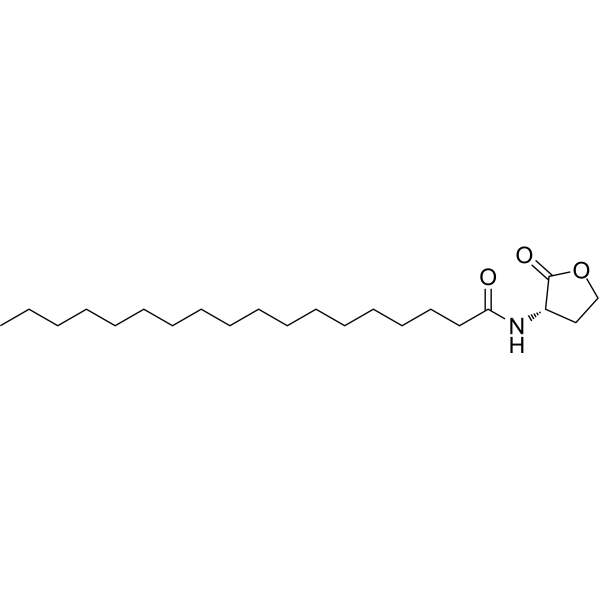
Quorum sensing is a regulatory system used by bacteria to control gene expression in response to increased cell density. This regulatory process manifests itself in a variety of phenotypes, including biofilm formation and virulence factor production. Coordinated gene expression is achieved through the production, release and detection of small diffusible signaling molecules called autoinducers. N-acylated homoserine lactones (AHLs) comprise a class of such autoinducers, each of which generally consists of a fatty acid coupled to a homoserine lactone (HSL). Modulation of bacterial quorum-sensing signaling systems to suppress pathogenesis represents a new approach to antimicrobial research for infectious diseases. AHLs differ in acyl length (C4-C18), C3 substitution (hydrogen, hydroxyl, or oxo group), and the presence or absence of one or more carbon-carbon double bonds in the fatty acid chain. These differences confer signaling specificity through the affinity of the LuxR family of transcriptional regulators. C18-HSL, one of four lipophilic long acyl side chain AHLs produced by the LuxI AHL synthase homolog SinI, is involved in quorum-sensing signaling in strains of Rhizobium meliloti (a nitrogen-fixing bacterial symbiont of the legume M. sativa) . C18-HSL and other hydrophobic AHLs tend to localize in the relatively lipophilic environment of bacterial cells and cannot diffuse freely across the cell membrane. Long-chain N-acyl homoserine lactones can be exported from cells by efflux pumps, or can be transported between communicating cells by extracellular outer membrane vesicles.
loading...
    loading...
Cat. No.: HY-K3122

MCE Dry Plant-Derived Extracellular Vesicle Isolation and Purification Kit is specifically optimized for dried plant samples. It facilitates the efficient release of vesicles from plant tissues and employs an optimized extraction and purification system to remove non-vesicular components such as polysaccharides and phenolic compounds, thereby enabling the efficient extraction and purification of plant-derived vesicles. The isolated plant-derived vesicles can be used for downstream applications including transmission electron microscopy (TEM), nanoparticle tracking analysis (NTA), Western blotting, qPCR, cell-based studies, and animal experiments.

loading...
    loading...
Cat. No.: HY-K3123

MCE Succulent Plant -Derived Extracellular Vesicle Isolation and Purification Kit is specifically optimized for succulent plant samples. It facilitates the efficient release of vesicles from plant tissues and employs an optimized extraction and purification system to remove non-vesicular components such as polysaccharides and phenolic compounds, thereby enabling the efficient extraction and purification of plant-derived vesicles. The isolated plant-derived vesicles can be used for downstream applications including transmission electron microscopy (TEM), nanoparticle tracking analysis (NTA), Western blotting, qPCR, cell-based studies, and animal experiments.

loading...
    loading...
Cat. No.: HY-D3582
Target:  

Fluorescent Dye

Research Areas:  

Others

AF633 C5 Maleimide is a fluorescent dye used for surface protein labeling of extracellular vesicles and peptide labeling. AF633 C5 Maleimide covalently binds to protein thiol residues under neutral pH conditions (6.5-7.5), enabling visualization and quantitative analysis of extracellular vesicle uptake by target cells. AF633 C5 Maleimide undergoes maleimide-cysteine conjugation with cysteine residues on peptides in acetonitrile-water buffer solution, supporting detection of peptide-functionalized gold nanorods via confocal laser scanning microscopy, as well as tracking their cellular uptake and localization .
loading...
    loading...
Cat. No.: HY-K3124

MCE Macrofungal-Derived Extracellular Vesicle Isolation and Purification Kit is specifically optimized for fungal fruiting body samples. The optimized extraction system facilitates the release of EVs from fungal tissues, while the purification system effectively removes polysaccharides, proteins, phenolic compounds, terpenoids, and other non-vesicular components, enabling efficient isolation and purification of fungal EVs. The isolated macrofungal-derived vesicles can be used for downstream applications including transmission electron microscopy (TEM), nanoparticle tracking analysis (NTA), Western blotting, qPCR, cell-based studies, and animal experiments.

loading...
    loading...
Cat. No.: HY-P11552
CAS No.: 929906-72-9
Synonyms: (DSS)6
Target:  

Inhibitory Antibodies

Research Areas:  

Metabolic Disease

(Asp-Ser-Ser)6 ((DSS)6) is an artificially designed bone-targeting peptide. (Asp-Ser-Ser)6 is used as a ligand to modify apoptotic extracellular vesicles (ApoEVs) in order to enhance the bone targeting and efficacy of ApoEVs in the treatment of osteoporosis. (Asp-Ser-Ser)6 can be used for research on osteoporosis .
loading...
    loading...
Cat. No.: HY-P5423D
Target:  

Exosomes

Research Areas:  

Others

Ahx-GALA-Cys is a GALA peptide (HY-P5423) derivative with an N-terminal 6-aminohexanoic acid (Ahx) linker and a C-terminal cysteine residue. Ahx-GALA-Cys possesses strong covalent coupling capacity, which can be used to conjugate fluorophores and targeting ligands for investigating the surface functionalization of small extracellular vesicles (sEV) and lysosomal escape .
loading...
    loading...

