42 Results for "

transcriptomic signature

" in MedChemExpress (MCE) Product Catalog:
Products (42)

42 Results for "transcriptomic signature" in MCE Product Catalog:

28
28 Publications Verification
Cat. No.: HY-135146
CAS No.: 2170136-65-7
Purity:  99.95%
Synonyms: (R)-GSK3482364
Research Areas:  

Cancer

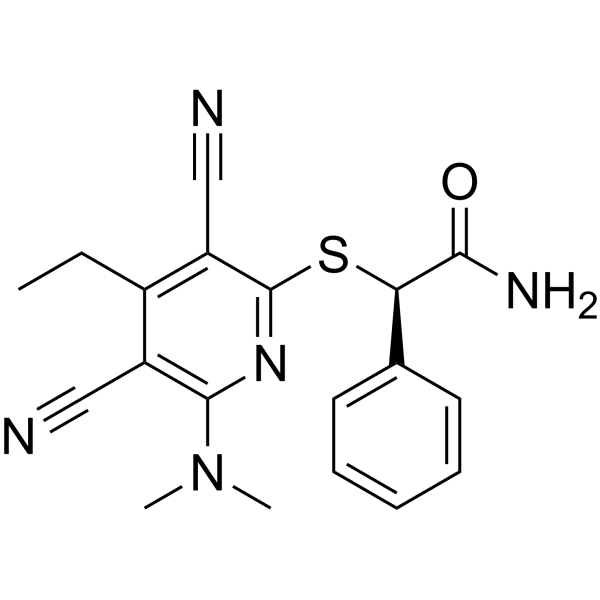
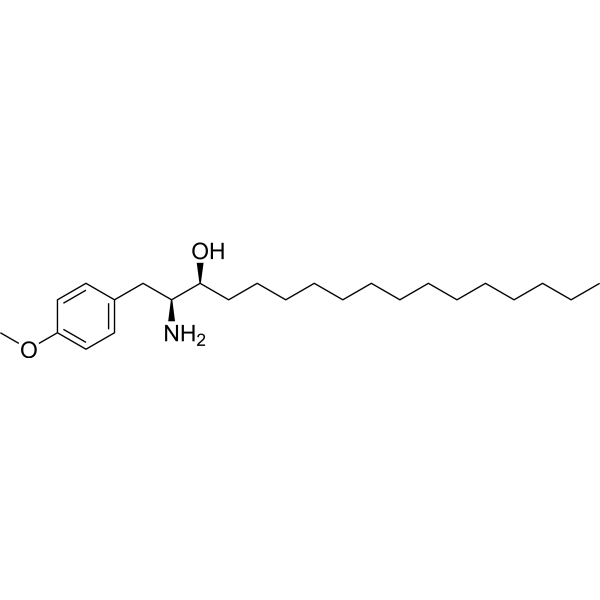
GSK-3484862 is a highly potent non-covalent inhibitor and demethylating agent of DNMT1. GSK-3484862 induces genome-wide DNA demethylation, including the regulatory elements of DNMT3B and the promoter region of TERT, and significantly inhibits cell viability, growth, proliferation and self-renewal. GSK-3484862 blocks the transformation of young AT2 cells, induces apoptosis, and generates transcriptomic features similar to those of senescent cells. GSK-3484862 is widely used in studies related to lung cancer, oral squamous cell carcinoma and lung adenocarcinoma .
loading...
    loading...
8
8 Cited Publications
Cat. No.: HY-138280
CAS No.: 897326-30-6
Purity:  99.82%
Target:  

HSP

Research Areas:  

Cancer

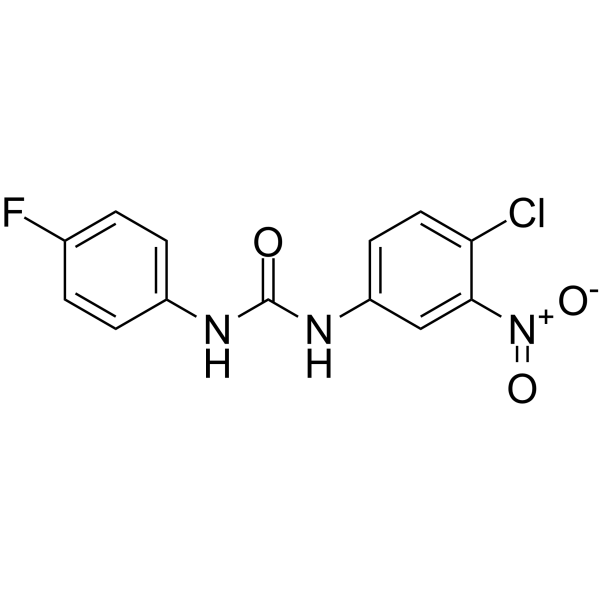
DTHIB is a direct and selective heat shock factor 1 (HSF1) inhibitor with a Kd of 160 nM for DTHIB binding to the HSF1 DNA binding domain (DBD). DTHIB inhibits HSF1 cancer gene signature (HSF1 CaSig) and selectively stimulates degradation of nuclear HSF1. DTHIB has potently anticancer activities and can be used for prostate cancer research .
loading...
    loading...
1
1 Cited Publications
Cat. No.: HY-126855
CAS No.: 60320-05-0
Purity:  99.92%
Synonyms: 7-Sulfocholic acid
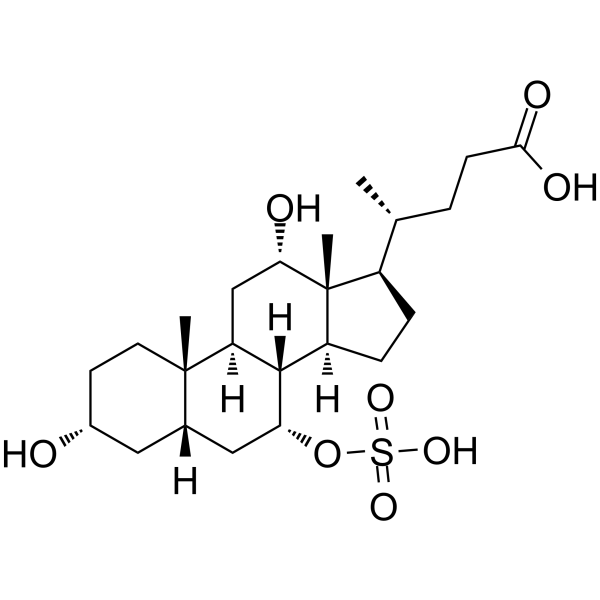
Cholic acid 7-sulfate (7-Sulfocholic acid) is a selective agonist targeting TGR5 (EC50=0.17 μM) and a ligand for MHC class I-related protein (MR1). As a gut-restricted TGR5 agonist, cholic acid 7-sulfate binds to TGR5 on enteroendocrine L cells, induces GLP-1 secretion, and improves glucose tolerance in a TGR5-dependent manner. Cholic acid 7-sulfate also acts as an endogenous ligand for MR1, promoting the survival of mucosal-associated invariant T cells MAIT and the expression of homeostatic gene signatures, affecting MAIT cell development and function. Cholic acid 7-sulfate is mainly used in the research of diabetes and MAIT cell-related immune regulation .
loading...
    loading...
1
1 Cited Publications
Cat. No.: HY-123820
CAS No.: 1377615-44-5
Purity:  99.18%
Target:  

mGluR

Research Areas:  

Neurological Disease

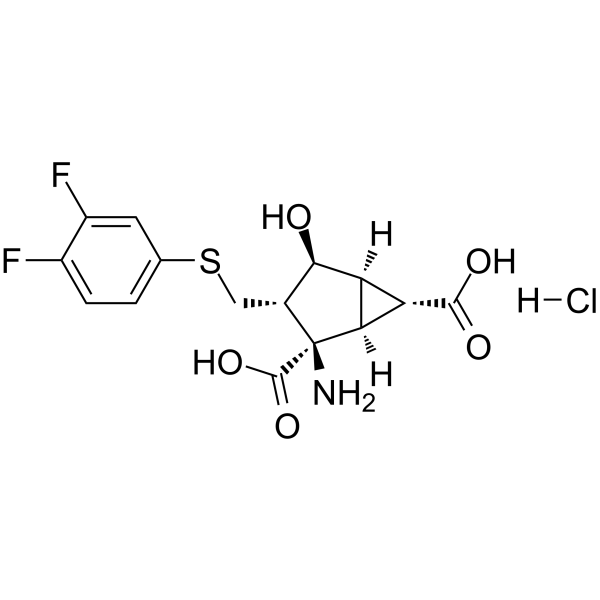
LY3020371 hydrochloride is a potent, selective metabotropic glutamate 2/3 receptor (mGlu2/3) antagonist with Ki of 5.3 and 2.5 nM, potently blocks cAMP formation with IC50 of 16.2 nM . LY3020371 hydrochloride exerts an antidepressant-like signature in vivo .
loading...
    loading...
1
1 Cited Publications
Cat. No.: HY-146052
CAS No.: 2691054-63-2
Purity:  99.23%
Target:  

Atg8/LC3 Autophagy

Research Areas:  

Cancer

Autophagy inducer 3 has autophagy induced activity. Autophagy inducer 3 possesses robust autophagic cell death in diverse cancer cells sparing normal counterpart. Autophagy inducer 3 induces lethal autophagy by formation of characteristic autophagic vacuoles, LC3 puncta formation, upregulation of signature autophagy markers like Beclin and Atg family proteins .
loading...
    loading...
Cat. No.: HY-164899
CAS No.: 2765091-45-8
Synonyms: 2-aminopyridine-3-carboxylic acid imidazolide
Target:  

DNA/RNA Synthesis

Research Areas:  

Infection

2A3 (2-aminopyridine-3-carboxylic acid imidazolide) is a covalent probe reagent for Selective 2'-Hydroxyl Acylation analyzed by Primer Extension (SHAPE) that targets the RNA ribose 2'-OH group. 2A3 efficiently permeates the biological membranes of Gram-negative bacteria, Gram-positive bacteria, and mammalian cells. 2A3 exhibits no base bias and specifically labels conformationally flexible, unpaired regions within RNA. 2A3 forms covalent adducts by acylating the 2'-OH groups of flexible RNA residues. When combined with SHAPE-MaP (mutational profiling) sequencing technology, these modification sites are converted into detectable mutational signals, thereby accurately reflecting local RNA backbone flexibility and base-pairing status. 2A3 is primarily utilized in molecular biology and transcriptomics research, including the resolution of RNA structuromes in living cells, the study of RNA folding regulatory mechanisms, and the investigation of non-coding RNA functions .
loading...
    loading...
Cat. No.: HY-P991621
Synonyms: EOS-215
Target:  

TREM receptor

Research Areas:  

Cancer

EOS006215 (EOS-215) is a humanized monoclonal antibody targeting TREM-2. EOS006215 competes with TREM2 ligands, prevents TREM2 multimerization, and blocks downstream signaling. EOS006215 inhibits efferocytosis, reprograms transcriptomic profiles of monocyte-derived macrophages, alters metabolism and immune response genes, and increases pro-inflammatory marker secretion. EOS006215 reduces metastasis burden, delays tumor growth, and reprograms the tumor microenvironment to overcome anti-PD-1 resistance. EOS006215 can be used for the research of triple negative breast cancer and colorectal cancer .
loading...
    loading...
Cat. No.: HY-137438
CAS No.: 1858206-58-2
Purity:  99.75%
Synonyms: TG-1701
Target:  

Btk

Research Areas:  

Cancer

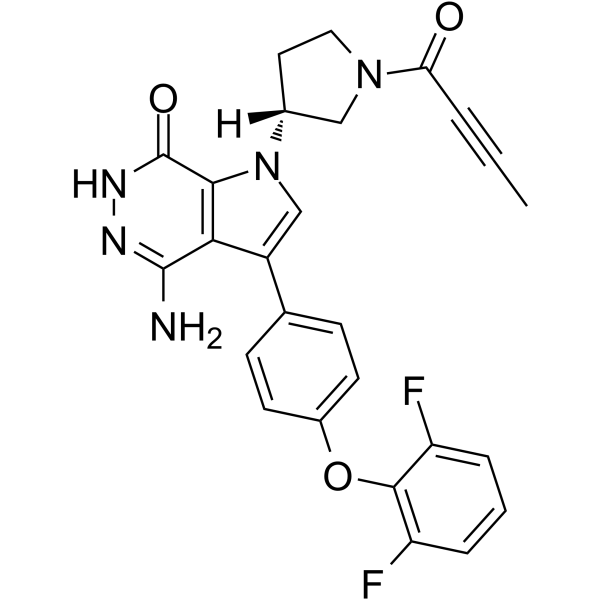
Edralbrutinib (TG-1701) is a highly selective, orally available irreversible BTK inhibitor, with an EC50 of 6.70 nM and a Kd of 3 nM against human BTK. Edralbrutinib inhibits downstream signaling of the B cell receptor, induces dephosphorylation of Ikaros Ser442/445, promotes nuclear exclusion of Ikaros, attenuates Ikaros gene signatures, and exerts anti-tumor activity. Edralbrutinib can be used in research related to B-cell non-Hodgkin lymphoma, chronic lymphocytic leukemia, mantle cell lymphoma, follicular lymphoma, and diffuse large B-cell lymphoma .
loading...
    loading...
Cat. No.: HY-P991363
Target:  

Myosin STAT

Research Areas:  

Inflammation/Immunology

AX-202 is a humanized anti-S100A4 monoclonal antibody that neutralizes S100A4. AX-202 blocks downstream profibrotic and proinflammatory effects. AX-202 exerts antifibrotic effects in skin fibrosis. AX-202 induces regression of pre-established skin fibrosis. AX-202 modulates anti-inflammatory and antifibrotic transcriptional pathways. AX-202 inhibits STAT3 phosphorylation. AX-202 induces AMPK and CASQ1 expression. AX-202 modulates SSc-related transcriptional signatures. AX-202 reduces tenascin-C, a DAMP and endogenous TLR4 ligand. AX-202 can be used for the research of systemic sclerosis .
loading...
    loading...
Cat. No.: HY-176142
Research Areas:  

Cancer

YX0798 is a selective and orally active CDK9 inhibitor (Kd: 0.28 nM). YX0798 downregulates the oncoprotein c-MYC and pro-survival protein MCL-1. YX0798 disrupts the cell cycle and results in transcriptomic reprogramming, eventually leading to cell apoptosis. YX0798 has antitumor activity .
loading...
    loading...
Cat. No.: HY-15241
CAS No.: 902156-99-4
Purity:  98.81%
Synonyms: LCQ-195; AT9311
Target:  

CDK

Research Areas:  

Cancer

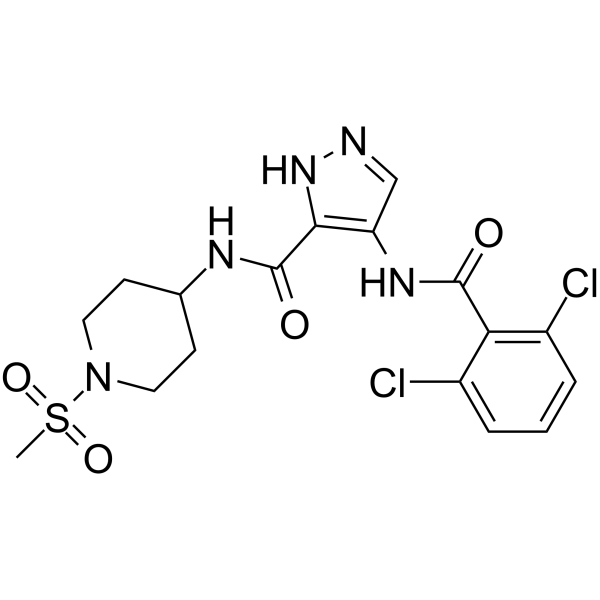
NVP-LCQ195 (LCQ-195) is an inhibitor of CDK1/2/3/5/9. NVP-LCQ195 induces cell cycle arrest and eventual apoptotic cell death of multiple myeloma (MM) cells. NVP-LCQ195 triggers decreased amplitude of transcriptional signatures related to oncogenesis, drug resistance and stem cell renewal in MM cell lines .
loading...
    loading...
Cat. No.: HY-139621
CAS No.: 2916559-62-9
Research Areas:  

Cancer

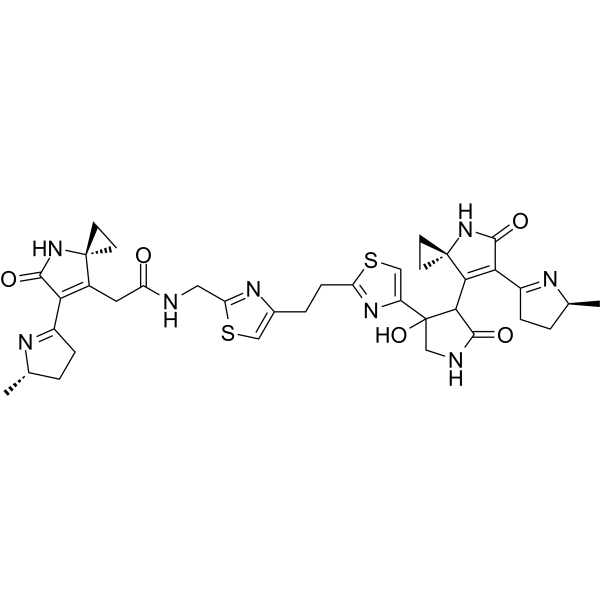
Colibactin 742 is a covalently binding DNA-damaging agent targeting DNA, with an IC50 of 5.2 μM against human cervical cancer cells (HeLa). Colibactin 742 covalently binds to DNA, forming interstrand crosslinks (ICLs), activating the Fanconi anemia DNA repair pathway, inducing γH2AX and FANCD2 foci formation and cell cycle arrest, while exacerbating mismatch repair deficiency (MMRd)-related mutations. Colibactin 742 can mimic the genotoxicity of natural Colibactin while avoiding its instability, and is mainly used in colorectal cancer (CRC) related research, including microbial tumorigenesis mechanisms, DNA damage repair pathways, and mutation signature analysis .
loading...
    loading...
Cat. No.: HY-P3146A
Target:  

Drug Metabolite

Research Areas:  

Cancer

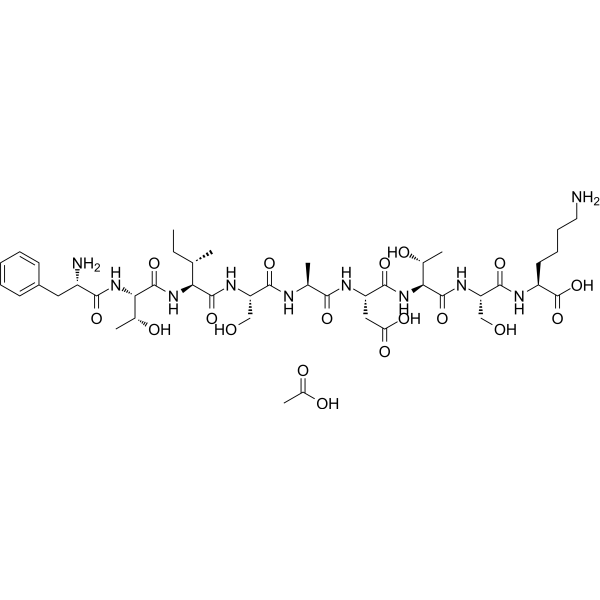
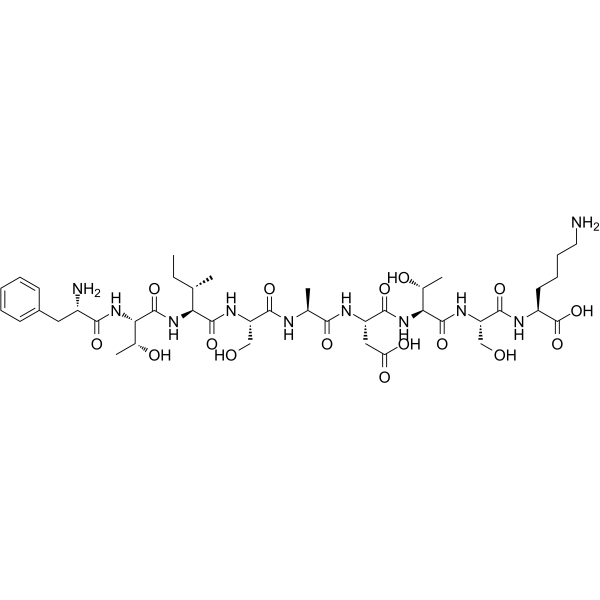
FTISADTSK acetate is an endogenous stable signature peptide from Trastuzumab monitored by selected reaction monitoring (SRM) .
loading...
    loading...
Cat. No.: HY-P3146S
Research Areas:  

Cancer

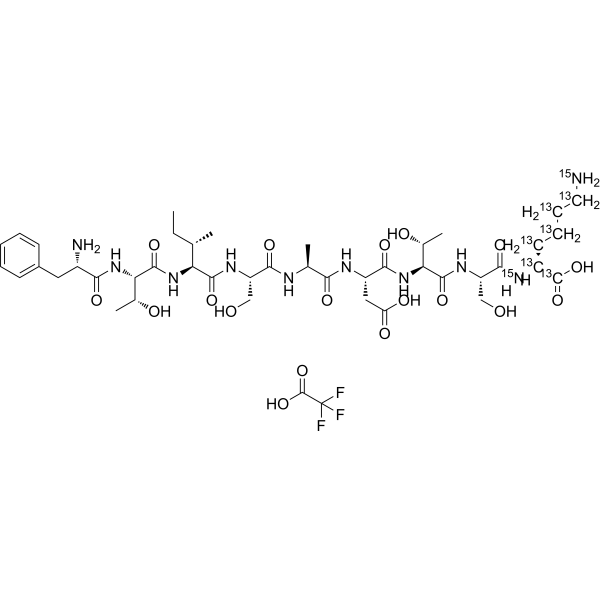
FTISADTSK- 13C6, 15N2 TFA is 13C- and 15N-labeled FTISADTSK (HY-P3146). FTISADTSK is an endogenous stable signature peptide from Trastuzumab monitored by selected reaction monitoring (SRM) .
loading...
    loading...
Cat. No.: HY-157149
CAS No.: 3074816-62-6
Purity:  99.16%
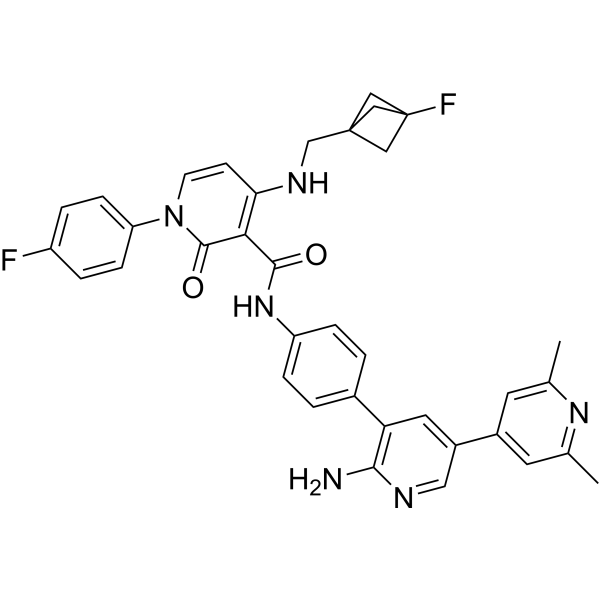
DS21150768 is an orally active HPK1 inhibitor with an IC50 of 3.27 nM against hHPK1. DS21150768 decreases pSLP76 levels and increases IL-2 levels. DS21150768 shows antitumor effects in multiple syngeneic mouse tumor models, and in combination with anti-PD-1 antibody enhances antitumor efficacy in multiple models. DS21150768 induces immune-related gene signatures in responsive tumor models .
loading...
    loading...
Cat. No.: HY-34464
CAS No.: 136630-39-2
Synonyms: 2,7-DBCZ
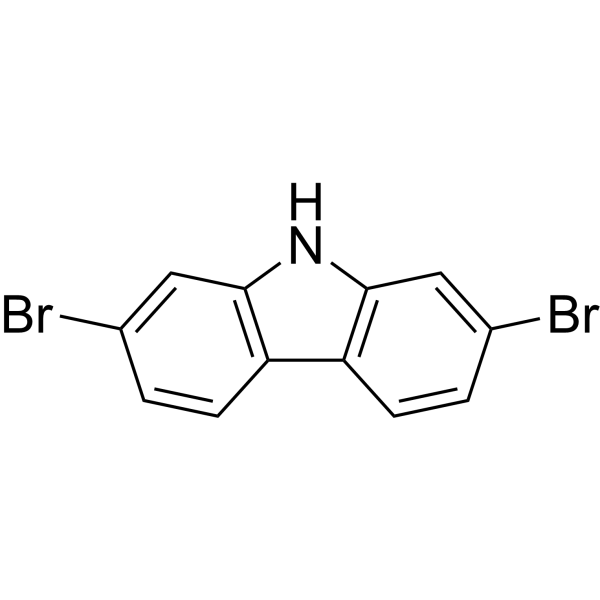
2,7-Dibromocarbazole (2,7-DBCZ) is an orally active AhR agonist and MAOB inhibitor that can cross the blood-brain barrier. 2,7-Dibromocarbazole induces CYP1A/CYP1B1, developmental toxicity and oxidative toxicity, Akt phosphorylation, apoptosis, mitochondrial depolarization, and calcium elevation. 2,7-Dibromocarbazole disrupts dopamine homeostasis, promotes α-synuclein aggregation and transcriptomic dysregulation, leading to hepatic lipid accumulation, liver lesions, brain injury, and angiogenesis/energy metabolism disorders, while activating ERα and inhibiting GRα. 2,7-Dibromocarbazole can be used in research on cardiotoxicity and Parkinson's disease .
loading...
    loading...
Cat. No.: HY-P3147A
Target:  

Drug Metabolite

Research Areas:  

Others

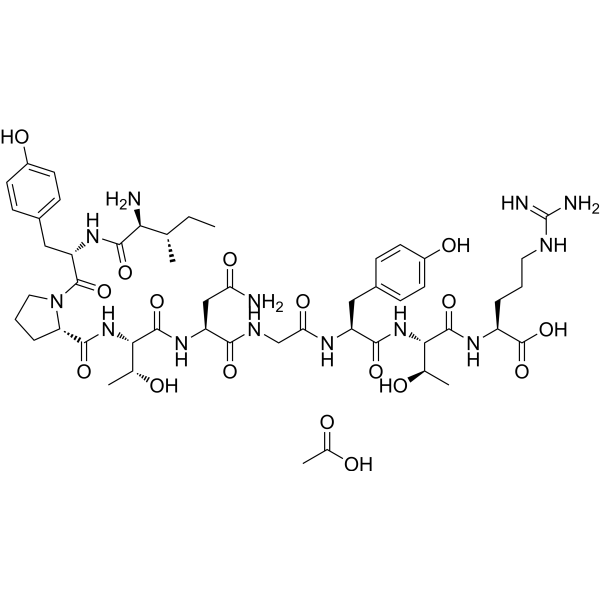
IYPTNGYTR acetate, a deamidation-sensitive signature peptide, is a deamidation product of Trastuzumab. IYPTNGYTR acetate can be used to monitor in vivo Trastuzumab metabolism .
loading...
    loading...
Cat. No.: HY-165854
CAS No.: 60485-39-4
Target:  

Endogenous Metabolite

Research Areas:  

Metabolic Disease

12-Oxo-9 (Z)-dodecenoic acid is an endogenous metabolite produced by fatty acid metabolism, and it is associated with the predictive biomarker signature for improved endothelial injury in type 2 diabetes. 12-Oxo-9 (Z)-dodecenoic acid can be used in the research of type 2 diabetes .
loading...
    loading...
Cat. No.: HY-176904
CAS No.: 2559747-12-3
Research Areas:  

Cancer

JPS004 is a PROTAC degrader targeting HDAC1, HDAC2 and HDAC3. JPS004 induces extensive transcriptomic changes in human colon cancer cell line HCT116, including downregulation of HDAC complex components and cell cycle regulatory machinery, modulation of the AKT/mTOR signaling pathway, and upregulation of FOXO-mediated apoptosis and autophagy related genes. JPS004 can be used in colon cancer-related research .
loading...
    loading...
Cat. No.: HY-P3146
CAS No.: 1431957-73-1
Target:  

Drug Metabolite

Research Areas:  

Cancer

FTISADTSK is an endogenous stable signature peptide from Trastuzumab monitored by selected reaction monitoring (SRM) .
loading...
    loading...

