




 LinkedIn
 Researchgate
 Instagram
 X
 Facebook
 WhatsApp
 Reddit
 Mail
Review the evolution of molecular glues from serendipitous discovery to rational design, highlighting how emerging targets and advances in screening, proteomics, structural biology, and AI are expanding the druggable proteome.
Articles
All
-
All
-
EDM
-
Scientific Reviews
-
Blog
Most Recent
-
Most Recent
-
Oldest
-
 EDM
-
 EDM
Review the mechanisms, mitochondrial regulation, disease relevance, and translational opportunities of the NLRP3–STING axis in neuroinflammation.
-
 EDM
Summarize LLPS principles, regulatory mechanisms, experimental strategies, and pathological roles to inspire mechanism-driven research and translational applications.
-
 Scientific Reviews
Molecular glue degraders have evolved from a serendipitous observation to one of the most dynamic and transformative fields in biomedical research.
-
Scientific Reviews
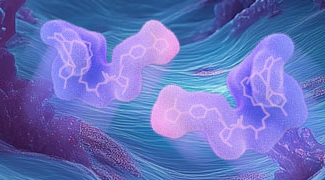
Cracking the PROTAC Permeability Barrier: CD36-Mediated Endocytosis as a Potential Breakthrough2025-12-03
This article provides an in-depth analysis of cutting-edge literature revealing CD36 as a key mediator of cellular uptake for PROTACs and bRO5 compounds. By structurally optimizing PROTAC molecules to enhance their affinity for CD36, membrane permeability can be markedly improved, leading to significantly enhanced antitumor efficacy. -
 EDM
Targeting the ‘Undruggable’ with PROTACs
2025-06-18
This review introduces the fundamental principles and mechanisms of PROTACs, highlights recent advances in molecular design and clinical development, and discusses emerging opportunities and remaining challenges in targeted protein degradation. -
.jpg) Scientific Reviews
nside cells, the homeostasis and degradation of proteins is a precisely regulated process. If proteins cannot be degraded in time, it may lead to the occurrence of various diseases such as neurodegenerative diseases and cancer. This article will tell you the process of how proteins are recognized, labeled and then degraded!
-
 Scientific Reviews
A New Form of Cell Death: PANoptosis!
-
 Scientific Reviews
Degrade target proteins through the autophagy-lysosome pathway including LYTAC, AUTAC, and ATTEC have gained increasing attention in recent years due to their significant research potential!
-
 Scientific Reviews
Science | A "new" mechanism for non-ubiquitinated Midnolin-proteasomal degradation pathway
2024-04-26
“ubiquitin-mediated protein degradation” won the Nobel Prize in Chemistry in 2004! In fact, proteasomes degrade not only ubiquitinated proteins but also non-ubiquitinated ones. The mechanism remains shrouded in mystery. After reading this piece today, you might have a lightbulb moment! -
 Scientific Reviews
PROTAC - Design Strategy for Targeting
2023-04-23
Protein degradation targeting chimera (PROTAC) is a technology that uses the ubiquitin proteasome pathway to silent target protein. However, PROTAC still has problems such as solubility, membrane permeability, and selectivity. In this article, we have summarized three strategies for optimization: light-controlled linker, PAC molecule, and specific E3 ligase. -
 Scientific Reviews
Efferocytosis is the process in which phagocytes remove programmed dead cells. It prevents secondary necrosis of dying cells from releasing harmful cell contents (such as oxides and proteases) that may cause inflammation. Here, we will introduce three stages of efferocytosis: Find, Eat, Digest.
-
 Blog
GN25 is a specific inhibitor of p53-Snail binding and shows anti-tumor effect against K-Ras-mutated cancer.
-
 Blog
CAM 833, a potent and selective inhibitor of the BRCA2-RAD51 interaction, and has the potential for the cancer research.
-
 Blog
MS159 is a frist-In-class nuclear receptor binding SET NSD2 PROTAC degrader for multiple myeloma research.
-
 Scientific Reviews
BacPROTACs is composed of a POI ligand, a chemical linker and a ClpCNTD anchor. BacPROTACs can induce in vitro and in vivo degradation of non-eukaryotic proteins in bacteria without the ubiquitin proteasome system.
-
 Scientific Reviews
PROTAC — Target Selection and Design
2022-07-08
A PROTAC molecule consists of three components: a target protein binding ligand, an E3 ligase ligand, and a linker connecting these two moieties. Here, we will discuss the conventional approaches for the rational design of PROTAC molecules. -
 Scientific Reviews
PROTAC, which exploit the ubiquitin-proteasome pathway to specifically degrade target proteins. PROTACs not only solve the problem of undruggability but they also have other advantages compared to traditional drug targeting strategies.
-
 Blog
Mirin is a potent MRN complex inhibitor. Mirin prevents MRN-dependent activation of ATM without affecting ATM protein kinase activity.
-
 Blog
NRX-2663 is a potent enhancer of the interaction between β-catenin SCFβ-TrCP, potentiates the ubiquitylation of mutant β-Catenin by β-TrCP.
-
 Blog
EMD527040 is a highly selective αvβ6 antagonist with antifibrotic activities.
-
 Blog
NCGC00378430 is a potent SIX1/EYA2 interaction inhibitor and inhibits SIX1-mediated breast cancer metastasis.
-
 Blog
PHT-7.3 is a Selective Inhibitor of Connector Enhancer of Kinase Suppressor of Ras 1 (Cnk1)
2021-05-27
PHT-7.3 is a selective inhibitor of Cnk1 pleckstrin homology (PH) domain. PHT 7.3 blocks the growth of mutant KRAS cells and tumors. -
 Blog
BI-3406 is a selective, orally bioavailable SOS1 inhibitor that binds to the catalytic domain of SOS1, preventing the interaction with KRAS.
-
 Blog
MR837 is an Inhibitor of NSD2-PWWP1
2021-05-11
MR837 is a potent inhibitor of NSD2 (WHSC1)-PWWP1 protein-protein interaction. MR837 can bind with human NSD2. -
 Blog
L-Moses is the first potent, selective, and cell-active PCAF Brd inhibitor. L-Moses disrupts PCAF-Brd histone H3.3 interaction.
-
 Blog
WL47, a high-affinity cavolin-1 (CAV1) ligand (Kd=23 nM), act as a potent and selective disrupter of CAV1 oligomers.
-
 Blog
GNE-371, a Chemical Probe for the Second Bromodomains of TFIID Subunit 1 and TFIID Subunit 1-Like
2020-12-09
GNE-371 is a selective chemical probe for the second bromodomains of human transcription-initiation-factor TFIID subunit 1 and TFIID subunit 1-like. -
 Blog
BC-LI-0186 is a selective inhibitor of LeuRS and RagD interaction (IC50=46.11 nM). BC-LI-0186 suppresses the activity of cancer-associated MTOR mutants.
-
 Blog
MCP110 is an inhibitor of Ras/Raf-1 interaction in human cancer cells. The Ras family GTPases play a central role in the growth factor signaling.
-
 Blog
M-808 is a highly potent and efficacious covalent Menin-MLL interaction inhibitor. M-808 has a binding IC50 value of 2.6 nM.
-
 Blog
TED-347 is a potent, irreversible, covalent and allosteric inhibitor at YAP-TEAD protein-protein interaction with antitumor activity.
-
 Blog
MYCMI-6 is a selective MYC:MAX protein interactions inhibitor, which blocks MYC-driven transcription and binds selectively to the MYC bHLHZip domain.
-
 Blog
SNDX-5613 is a potent, selective, small molecule inhibitor of the Menin-MLL binding interaction for targeted therapy in MLL-rearranged leukemias.
-
 Blog
BI-9321 is a potent, selective and cellular active NSD3-PWWP1 domain antagonist, and specifically disrupts histone interactions of the NSD3-PWWP1 domain.
-
 Blog
sAJM589 is a Myc inhibitor which potently disrupts the Myc-Max heterodimer in a dose dependent manner with an IC50 of 1.8 μM.
-
 Blog
NV03 is a potent and selective antagonist of UHRF1-H3K9me3 interaction by binding to UHRF1 TTD with a Kd of 2.4 μM and has anticancer activity.
-
 Blog
BPK-29 disrupts the NR0B1 protein-protein interactions and impairs the anchorage-independent growth of KEAP1-mutant cancer cells.
-
 Blog
SGC-iMLLT is a potent, selective MLLT1/3-histone interactions inhibitor and shows high binding activity towards MLLT1 YEATS domain and MLLT3 YD.
-
 Blog
MS31 is a highly selective spindlin 1 inhibitor, which inhibits the interactions between SPIN1 and H3K4me3. MS31 is not toxic to nontumorigenic cells.
-
 Blog
ACBI1 is a PROTAC Degrader of BAF Complex
2019-08-07
ACBI1 is a potent PROTAC degrader of BAF ATPase subunits SMARCA2, SMARCA4 and PBRM1, with DC50s of 6 nM, 11 nM and 32 nM in MV-4-11 cells, respectively. -
 Blog
M-89 is a specific menin inhibitor, with a Kd of 1.4 nM. M-89 inhibits the Menin-MLL protein-protein interaction and has potential to treat MLL leukemia.
-
 Blog
IWP-O1, a Highly Potent Porcupine Inhibitor, Functions by Preventing the Secretion of Wnt Proteins
2019-06-03
IWP-O1 is a Porcupine (Porcn) inhibitor, with an EC50 of 80 pM in L-Wnt-STF cells. IWP-O1 functions by preventing the secretion of Wnt proteins[ -
 Blog
JI051 is a stabilizer for the Hes1-PHB2 interaction, induces cell-cycle arrest by inhibiting the Notch downstream effector gene Hes1.
-
 Blog
MM-589 is an inhibitor of WDR5 and MLL protein-protein interaction. Binds to WDR5 (IC50=0.90 nM) and inhibits the MLL H3K4 methyltransferase activity.
-
 Blog
NSC 228155 is a activator of EGFR and a potent inhibitor of KIX-KID interaction. NSC 228155 shows excellent anti-tumor activity.
-
 Blog
CB-6644 is a selective non-ATP-competitive inhibitor of the RUVBL1/2 complex. CB-6644 significantly reduces tumor growth without obvious toxicity.
-
 Blog
NRX-252262 is a β-catenin:β-TrCP interaction enhancer, and its cognate E3 ligase, SCFβ-TrCP, induces mutant β-catenin degradation, with an EC50 of 3.8 nM
-
 Blog
MK-0429 is An Oral Integrin (αvβ3) Inhibitor
2019-04-11
MK-0429, an orally active αvβ3 inhibitor, is a potential therapeutic agent for the prevention of kidney fibrosis, melanoma and osteoporosis.
Products
All
-
All
-
Inhibitors & Agonists
-
Isotope-Labeled Compounds
-
Fluorescent Dye
-
Peptides
-
Recombinant Proteins
-
Antibodies
-
Screening Libraries
-
Kits
-
Inhibitory Antibodies
-
Reference Standards
-
Induced Disease Models Products
-
GMP Small Molecules
-
Biochemical Assay Reagents
-
Natural Products
| Cat. No. | Product Name | Information | Application | Publication |
|---|---|---|---|---|
| HY-17394 | Cisplatin |
Cisplatin (CDDP) is an antineoplastic chemotherapy agent by cross-linking with DNA and causing DNA damage in cancer cells. Cisplatin activates ferroptosis and induces autophagy.
|
Non-Small Cell Lung Cancer
Lung Adenocarcinoma
Lung Squamous Cell Carcinoma
Large Cell Lung Carcinoma
Triple-Negative Breast Cancer
Metastatic Breast Cancer
|
899
|
| HY-11109 | Resatorvid |
Resatorvid (TAK-242) is a selective Toll-like receptor 4 (TLR4) inhibitor. Resatorvid inhibits NO, TNF-α and IL-6 production with IC50s of 1.8 nM, 1.9 nM and 1.3 nM, respectively. Resatorvid downregulates expression of TLR4 downstream signaling molecules MyD88 and TRIF. Resatorvid inhibits autophagy and plays pivotal role in various inflammatory diseases.
|
|
550
|
| HY-12815 | MCC950 |
MCC950 (CP-456773; CRID3) is a potent and selective NLRP3 inhibitor with IC50s of 7.5 and 8.1 nM in BMDMs and HMDMs, respectively.
|
|
509
|
| HY-100381 | Nigericin sodium salt |
Nigericin sodium salt is an antibiotic derived from Streptomyces hygroscopicus that act as a K+/H+ ionophore, promoting K+/H+ exchange across mitochondrial membranes. Nigericin sodium salt is a NLRP3 activator. Nigericin sodium salt shows promising anti-cancer activities through decreasing intracellular pH (pHi), and inactivation of Wnt/β-catenin signals. Nigericin sodium salt induces pyroptosis through caspase 1/GSDMD in TNBC.
Source: Streptomyces hygroscopicus |
Breast Cancer
Colorectal Cancer
Prostate Cancer
Gastric Cancer
Liver Cancer
Ovarian Cancer
Bacterial Infection
Depression
Hypertension
Lung Fibrosis
Rheumatoid Arthritis
|
264
|
| HY-127019 | Nigericin |
Nigericin is an antibiotic derived from Streptomyces hygroscopicus that act as a K+/H+ ionophore, promoting K+/H+ exchange across mitochondrial membranes. Nigericin is a NLRP3 activator. Nigericin shows promising anti-cancer activities through decreasing intracellular pH (pHi), and inactivation of Wnt/β-catenin signals. Nigericin induces pyroptosis through caspase 1/GSDMD in TNBC.
|
Breast Cancer
Colorectal Cancer
Prostate Cancer
Gastric Cancer
Liver Cancer
Ovarian Cancer
Bacterial Infection
Depression
Hypertension
Lung Fibrosis
Rheumatoid Arthritis
|
264
|
| HY-13205 | Belnacasan |
Belnacasan (VX-765) is an orally bioactive proagent of VRT-043198, which is a potent and selective inhibitor of IL-converting enzyme (ICE)/caspase-1 with Kis of 0.8 nM and less than 0.6 nM for caspase-1 and caspase-4, respectively. Belnacasan (VX-765) inhibits the release of LPS-induced IL-1β and IL-18 by human PBMCs with an IC50 of ~0.7 μM.
|
|
187
|
| HY-B2176B | ATP dimagnesium |
ATP (Adenosine 5'-triphosphate) dimagnesium is a central component of energy storage and metabolism in vivo. ATP dimagnesium provides the metabolic energy to drive metabolic pumps and serves as a coenzyme in cells. ATP dimagnesium is an important endogenous signaling molecule in immunity and inflammation. ATP dimagnesium can activate the NLRP3 inflammasome and induce IL-1β and chemokines secretion. ATP dimagnesium has anti-bacterial infection effects and can protect mice against bacterial infection in mice.
|
|
182
|
| HY-B2176 | ATP |
ATP (Adenosine 5'-triphosphate) is a central component of energy storage and metabolism in vivo. ATP provides the metabolic energy to drive metabolic pumps and serves as a coenzyme in cells. ATP is an important endogenous signaling molecule in immunity and inflammation. ATP can activate the NLRP3 inflammasome and induce IL-1β and chemokines secretion. ATP has anti-bacterial infection effects and can protect mice against bacterial infection in mice.
Source: widespread |
|
182
|
| HY-B2176I | ATP disodium salt, 100 mM Solution, PCR Grade |
ATP (Adenosine 5'-triphosphate) disodium salt, 100 mM Solution, PCR Grade is a central component of energy storage and metabolism in vivo. ATP disodium salt, 100 mM Solution, PCR Grade provides the metabolic energy to drive metabolic pumps and serves as a coenzyme in cells. ATP disodium salt, 100 mM Solution, PCR Grade is an important endogenous signaling molecule in immunity and inflammation. ATP disodium salt, 100 mM Solution, PCR Grade can activate the NLRP3 inflammasome and induce IL-1β and chemokines secretion. ATP disodium salt, 100 mM Solution, PCR Grade has anti-bacterial infection effects and can protect mice against bacterial infection in mice.
|
|
172
|
| HY-B0240 | Disulfiram |
Disulfiram (Tetraethylthiuram disulfide) is a specific inhibitor of aldehyde-dehydrogenase (ALDH1), used for the treatment of chronic alcoholism by producing an acute sensitivity to alcohol. Disulfiram inhibits gasdermin D (GSDMD) pore formation in liposomes and inflammasome-mediated pyroptosis and IL-1β secretion in human and mouse cells. Disulfiram, a copper ion carrier, with Cu2+ increases intracellular ROS levels and induces cuproptosis.
|
Metabolic or Endocrine Disease
Breast Cancer
Prostate Cancer
Pancreatic Cancer
Ovarian Cancer
Viral Infection
Depression
Pain
Autoimmune Disease
Digestive System Inflammation
SARS-CoV-2 Infection
|
170
|
| HY-100573 | Necrosulfonamide |
Necrosulfonamide is a MLKL and Gasdermin D (GSDMD) inhibitor, capable of separately inhibiting necroptosis and pyroptosis of cells. Necrosulfonamide does not affect the activation of upstream signals, but specifically inhibits the downstream executor oligomerization step. Necrosulfonamide reduces the expression of the key kinases NLRP3 and caspase-1 involved in necroptosis and pyroptosis, activate the Nrf2 pathway and the downstream antioxidant enzymes, and also downregulates a variety of inflammatory factors. Necrosulfonamide plays significant roles in various diseases such as neurodegenerative diseases (such as Parkinson’s disease), tissue damage and ischemia-reperfusion injury, inflammatory bowel disease, osteoarthritis and fracture repair, and hair loss by regulating two important programmed necrosis pathways.
|
Mixed Lineage Kinase
Necroptosis
Pyroptosis
Caspase
NOD-like Receptor (NLR)
Keap1-Nrf2
TNF Receptor
Interleukin Related
NO Synthase
Heme Oxygenase (HO)
Digestive System Disease
Prostate Cancer
Leukemia/Lymphoma/Myeloma
Depression
Digestive System Inflammation
Cardiovascular Disease
Parkinson's Disease
Obesity
Lung Fibrosis
Rheumatoid Arthritis
|
154
|
| HY-L007 | Immunology/Inflammation Compound Library |
The immune system is a host defense system comprising many biological structures and processes within an organism that protects against disease. To function properly, an immune system must detect a wide variety of agents, known as pathogens, from viruses to parasitic worms, and distinguish them from the organism's own healthy tissue. Inflammation is also the body's attempt at self-protection to remove harmful stimuli and begin the healing process. It’s part of the body's immune response. The immune system recognizes damaged cells, irritants, and pathogens, and inflammation begins the healing process. Inflammatory abnormalities are a large group of disorders that underlie a vast variety of human diseases. The immune system is often involved with inflammatory disorders, demonstrated in both allergic reactions and some myopathies, with many immune system disorders resulting in abnormal inflammation.
MCE designs a unique collection of 8,743 compounds that are useful tool for Immunology/Inflammation research or autoimmune inflammatory diseases drug discovery.
|
|
104
|
| HY-L046 | Anti-Cardiovascular Disease Compound Library |
Cardiovascular diseases (CVDs) are a group of disorders of the heart and blood vessels which include coronary heart disease, cerebrovascular disease, peripheral arterial disease, rheumatic heart disease, etc. CVDs are the number 1 cause of death globally. Smoking, unhealthy nutrition, aging population, lack of physical activity, arterial hypertension, or diabetes can promote cardiovascular disease like myocardial infarction or stroke. It is multifactorial and encompasses a multitude of mechanisms, such as eNOS uncoupling, reactive oxygen species formation, chronic inflammatory disorders and abnormal calcium homeostasis. Antioxidant, anti-inflammatory and anti-diabetes agents may reduce the cardiovascular disease risk.
MCE supplies a unique collection of 2,495 compounds with confirmed anti-cardiovascular activity. These compounds mainly target metabolic enzyme, membrane transporter, ion channel, inflammation related signaling pathways. MCE Anti-Cardiovascular Disease Compound Library can be used for cardiovascular diseases related research and high throughput and high content screening for new drugs.
|
|
98
|
| HY-L059 | Pyroptosis Compound Library |
Programmed cell death pathways, including apoptosis, pyroptosis and necroptosis, are regulated by unique sets of host proteins that coordinate a variety of biological outcomes. Pyroptosis is a highly inflammatory form of programmed cell death that occurs most frequently upon infection with intracellular pathogens and is likely to form part of the antimicrobial response. This process promotes the rapid clearance of various bacterial, viral, fungal and protozoan infections by removing intracellular replication niches and enhancing the host's defensive responses. Pyroptosis has been widely studied in inflammatory and infection disease models. Recently, there are growing evidences that pyroptosis also plays an important role in the development of cancer, cardiovascular diseases and Metabolic disorder, etc.
MCE designs a unique collection of 2,069 pyroptosis-related compounds mainly focusing on the key targets in the pyroptosis signaling pathway and can be used in the research of pyroptosis signal pathway and related diseases.
|
|
98
|
| HY-L114 | Anti-inflammatory Traditional Chinese Medicine Active Compound Library |
Inflammation promotes physiological and pathological processes by the activation of the immune system, local vascular system, and various cells within the damaged tissue. Accumulating epidemiological and clinical evidence shows that chronic inflammation is causally linked to various human diseases, including cerebrovascular, cardiovascular, joint, cutaneous, pulmonary, blood, liver, and intestinal diseases as well as diabetes.
Various natural products from Traditional Chinese Medicine (TCM) have been shown to safely suppress proinflammatory pathways and control inflammation-associated disease. MCE designs a unique collection of 1,682 Traditional Chinese Medicine active compounds with anti-inflammatory activity, which are derived from Coptis chinensis, Radix isatidis, Flos Lonicerae, Forsythia suspensa, etc. MCE Anti-inflammatory Traditional Chinese Medicine Active Compound Library is a useful tool for discovery anti-inflammatory drugs from TCM.
|
|
98
|
| HY-L097 | Animal Disease Model Inducer Library |
Animal disease models are used in a variety of settings in basic research, such as studies on mechanisms of disease progression and evaluation new drugs. Animal models can be broadly classified into five categories: 1) experimental, 2) spontaneous, 3) negative, 4) orphan, 5) genetically engineered. Experimental models, which are induced artificially in the laboratory, are most common. Some small molecular compounds are usually used as inducers for animal models, such as Ceruletide for inflammatory model, Azoxymethane for tumor model. These inducers are useful tool in building animal models.
MCE offers a unique collection of 52 animal model inducers, involving inflammatory model, tumor model, nervous disease model, etc. MCE Animal Disease Model library is a powerful tool for the establishment of animal disease models.
|
|
97
|
| HY-L156 | Autoimmune Disease Compound Library |
Autoimmune disease is a pathological disease characterized by inflammatory disorders targeting autoantigens. The routine treatment of autoimmune diseases suppresses general immune function to regulate uncontrolled inflammation. The current targeted immunotherapy suppresses the main pro-inflammatory signaling pathways by blocking inflammatory cytokines, cell surface molecules, and intracellular kinases. As key participants in innate immunity, macrophages and dendritic cells (DCs) are crucial for Ag presentation and pro-inflammatory cytokine production, such as TNF and IL-1 β、 IL-6, IL-23, B cell activating factor (BAFF), and the proliferation-inducing ligand (APRIL, also known as TNFSF13A).
MCE designs a unique collection of 1,062 autoimmune disease-related compounds, covering multiple targets and subtypes, such as TNF Receptor, IFNAR, JAK, Btk, TLR, IL-6, IL-17, IL-23, etc. It is a useful tool for screening autoimmune disease drugs.
|
|
97
|
| HY-L161 | Cytokine Inhibitors Library |
Cytokines are a kind of low molecular soluble proteins synthesized and secreted by immunogen, mitogen or other factors. They have functions of regulating innate and adaptive immune responses, promoting hematopoiesis, stimulating cell activation, proliferation and differentiation. The process of releasing a large number of cytokines is also called “Cytokine storm”, which can cause damage to many tissues and organs in the body. Cytokine is involved in the pathogenesis of many human diseases, including cancer, diabetes, chronic inflammatory diseases and so on. Cytokine inhibitors are a class of essential compounds that act by directly inhibiting the synthesis and release of cytokine or blocking the binding of cytokine to their receptors. Cytokine inhibitors are important compounds for the study of tumor and autoimmune diseases.
MCE designs a unique collection of 1,438 cytokine inhibitors, mainly targeting the receptor interleukin (IL), colony-stimulating factor (CSF), interferon (IFN), tumor necrosis factor (TNF), growth factor (GF) and chemokine, which is an effective tool for development and research of anti-cancer, anti-chronic inflammatory diseases and anti-autoimmune diseases compounds.
|
|
97
|
| HY-L164 | Serine/Threonine Kinase Inhibitor Library |
Protein serine/threonine kinases (PSKs) are protein kinases that use ATP as a high-energy donor molecule to transfer phosphate groups to serine/threonine residues of target protein. As an important signal transduction regulator, serine/threonine kinases can affect the function of target proteins by disrupting enzyme activity or binding of target proteins to other proteins. Serine/threonine kinases are involved in the regulation of immune response, cell proliferation, differentiation, apoptosis and other physiological processes. Serine/threonine kinase inhibitors are an important class of compounds that have been widely studied in cancer, chronic inflammation, autoimmune diseases, aging and other diseases.
MCE designs a unique collection of 2,311 serine/threonine kinase inhibitors, mainly targeting the receptor PKA, Akt, PKC, MAPK/ERK, etc, which is an effective tool for development and research of anti-cancer, anti-chronic inflammatory diseases, anti-autoimmune diseases and anti-aging compounds.
|
|
97
|
| HY-L175 | Inflammasomes related Compound Library |
Inflammasomes are classic pattern recognition receptors for natural immune responses. Inflammasomes are polymeric protein complexes that regulate inflammatory responses and pyrolytic cell death, thereby exerting the host's defense against microorganisms. Inflammasomes sensors are associated with adapter proteins, activating inflammatory caspase-1, releasing inflammatory cytokines and inducing cell death, endowing the host with defense against pathogens. NLRP1, NLRP3, NLRC4, AIM2, and pyrin are considered typical inflammasomes because they convert cysteine asparaginase-1 into catalytically active capsaicin-1. In addition to infectious diseases, the importance of inflammasomes is also related to various clinical diseases, such as autoimmune diseases, neurodegeneration and metabolic disorders, and the development of cancer. Therefore, it is necessary to strictly regulate the activation and function of inflammasomes to avoid accidental host tissue damage while inducing pathogens to kill the inflammatory response.
MCE designs a unique collection of 179 inflammasomes related compounds. It is a good tool to be used for research on Inflammation, cancer and other diseases.
|
|
97
|
| HY-L237 | Pattern Recognition Receptors Library |
Pattern Recognition Receptors (PRRs) are a crucial class of protein molecules expressed in cells of the innate immune system. The core function of Pattern Recognition Receptors is to recognize Pathogen-Associated Molecular Patterns (PAMPs) and Damage-Associated Molecular Patterns (DAMPs). Upon recognizing and binding to PAMPs or DAMPs, PRRs rapidly initiate intracellular signaling pathways (such as the NF-κB, IRF, and inflammasome pathways). This triggers the production of inflammatory factors, chemokines, and type I interferons, thereby initiating inflammatory responses to eliminate pathogens or repair damage. PRRs represent the body's first line of defense against infection, and the rapidity and broad specificity of their response are crucial for host survival. However, aberrant activation of PRR signaling is also a cause of many chronic inflammatory diseases, autoimmune disorders, and neurodegenerative diseases. Therefore, precisely regulating PRR activity has become a key therapeutic strategy for these conditions.
MCE has cataloged 342 inhibitors targeting key PRRs, such as NLRs, TLRs, C-type Lectin Receptors (CLRs), and cGAS, to support drug discovery efforts for chronic inflammatory diseases.
|
|
97
|
| HY-14519 | Methotrexate |
Methotrexate (Amethopterin; CL14377; WR19039) is an orally active antifolate (Antifolate). Methotrexate inhibits dihydrofolate reductase (DHFR), blocks tetrahydrofolate production, suppresses purine/pyrimidine synthesis and transmethylation, and causes intracellular accumulation of AICAR. Methotrexate promotes extracellular adenosine release, regulates the cytokine network, and inhibits the alarmin function of HMGB1. Methotrexate induces apoptosis and cytotoxicity, upregulates the expression of iNOS and COX-2, suppresses hippocampal neurogenesis, and induces pulmonary fibrosis. Methotrexate is used in the research of various immune and inflammation-related diseases such as arthritis, psoriasis, systemic lupus erythematosus, as well as pulmonary fibrosis and breast cancer.
|
|
94
|
| HY-N0822 | Shikonin |
Shikonin is a major component of a Chinese herbal medicine named zicao. Shikonin is a potent TMEM16A chloride channel inhibitor with an IC50 of 6.5 μM. Shikonin is a specific pyruvate kinase M2 (PKM2) inhibitor and can also inhibit TNF-α and NF-κB pathway. Shikonin decreases exosome secretion through the inhibition of glycolysis. Shikonin inhibits AIM2 inflammasome activation.
|
Breast Cancer
Prostate Cancer
Liver Cancer
Leukemia/Lymphoma/Myeloma
Pancreatic Cancer
Ovarian Cancer
Viral Infection
Depression
Pain
Digestive System Inflammation
Obesity
Lung Fibrosis
Rheumatoid Arthritis
|
76
|
| HY-107202 | Polyinosinic-polycytidylic acid |
Polyinosinic-polycytidylic acid (Poly(I:C)) is a synthetic analog of double-stranded RNA and an agonist of toll-like receptor 3 (TLR3) and retinoic acid inducible gene I (RIG-I)-like receptors (RIG-I and MDA5). Polyinosinic-polycytidylic acid can be used as a vaccine adjuvant to enhance innate and adaptive immune responses, and to alter the tumor microenvironment. Polyinosinic-polycytidylic acid can directly trigger cancer cells to undergo apoptosis.
|
RIG-I-like receptor (RLR)
Toll-like Receptor (TLR)
PKD
HSP
Bcl-2 Family
Interleukin Related
Apoptosis
Infection
Digestive System Disease
Prostate Cancer
Pain
Digestive System Inflammation
Lung Fibrosis
Rheumatoid Arthritis
|
75
|
| HY-A0003 | Lenalidomide |
Lenalidomide (CC-5013) is an orally active immunomodulatory agent that binds CRBN as a molecular glue to alter substrate specificity, inducing ubiquitination and proteasome-dependent degradation of IKZF1, IKZF3 and CK1α. Lenalidomide induces apoptosis by degrading IKZF1/3, and activates p53 by degrading CK1α. Lenalidomide promotes IL-2 release and effector functions of CD8+ T/NK cells, while inhibiting TNF-α secretion and M1-type pyroptosis. Lenalidomide can be used in research related to hematological malignancies, acute liver failure and acute kidney injury.
|
Molecular Glues
Ligands for E3 Ligase
IKZF Family
Casein Kinase
Apoptosis
Pyroptosis
MDM-2/p53
TNF Receptor
Inflammation or Immune System Disease
Renal Disease
Chronic Lymphocytic Leukemia
Diffuse Large B-cell Lymphoma
Multiple Myeloma
Myelodysplastic Syndrome
Liver Failure
|
64
|
| HY-108841 | Raleukin |
Raleukin (Kineret) is a recombinant, nonglycosylated human interleukin-1 receptor (IL-1R) antagonist. Raleukin significantly reduces neutrophil accumulation in blood vessels and brain infarct volume as well as improves motor coordination performance in ischemic stroke mice model. Anakinra can be used to study chronic inflammatory disorders like rheumatoid arthritis and cardiovascular recurrence post-myocardial infarction.
Species: Human |
|
59
|
| HY-15676 | Idasanutlin |
Idasanutlin (RG7388) is an orally bioavailable MDM2 inhibitor with an IC50 of 6 nM. Idasanutlin disrupts MDM2-p53 binding, stabilizes and activates p53, triggering cell cycle arrest, apoptosis, and reduced cancer cell viability. Idasanutlin reduces EGFR protein expression and phosphorylation, suppresses downstream SHP2, MEK1/2, ERK1/2, AKT, mTOR, p70(S6K1), and S6 signaling. Idasanutlin induces mitochondrial ROS production, drives p38 MAPK phosphorylation, upregulates NOXA, and mediates caspase-3-dependent apoptosis and gasdermin E-mediated pyroptosis. Idasanutlin can be used for the research of TP53-mutant non-small cell lung cancer, T-cell acute lymphoblastic leukemia, colorectal carcinoma, melanoma, diffuse large B-cell lymphoma, mantle cell lymphoma, non-Hodgkin lymphoma, severe fever with thrombocytopenia syndrome, neuroblastoma, acute lymphoblastic leukemia, relapsed or refractory acute myeloid leukemia, osteosarcoma, solid tumors, and hematological tumors.
|
Musculoskeletal and Skin Disease
Colorectal Cancer
Melanoma
Neuroblastoma
Osteosarcoma
Non-Small Cell Lung Cancer
Acute Myeloid Leukemia
Non-Hodgkin Lymphoma
|
52
|
| HY-B1081A | Oxidopamine hydrobromide |
Oxidopamine (6-OHDA) hydrobromide is an antagonist of the neurotransmitter dopamine. Oxidopamine hydrobromide is a widely used neurotoxin and selectively destroys dopaminergic neurons. Oxidopamine hydrobromide promotes COX-2 activation, leading to PGE2 synthesis and pro-inflammatory cytokine IL-1β secretion. Oxidopamine hydrobromide can be used for the research of Parkinson’s disease (PD), attention-deficit hyperactivity disorder (ADHD), and Lesch-Nyhan syndrome.
|
Dopamine Receptor
Autophagy
Mitophagy
COX
PGE synthase
Interleukin Related
p38 MAPK
Apoptosis
Caspase
|
52
|
| HY-12497 | ANA-12 |
ANA-12 is a brain-penetrant, selective TrkB antagonist with IC50 values of 45.6 nM and 41.1 μM, and Kd values of 10 nM and 12 μM, for high- and low-affinity sites, respectively. ANA-12 specifically inhibits BDNF-induced TrkB receptor activation and its downstream signaling cascades by directly and non-competitively binding to the TrkB receptor, without affecting the functions of TrkA and TrkC. ANA-12 is used in research concerning neuropsychiatric disorders (such as depression and anxiety), acute and chronic pain, neuroimmune inflammation, and the mechanisms of learning and memory.
|
|
43
|
| HY-16990 | Ac-YVAD-cmk |
Ac-YVAD-cmk (Caspase-1 Inhibitor II) is a selective caspase-1 (IL-1beta converting enzyme, ICE)) inhibitor with neuroprotective and anti-inflammatory effects. Ac-YVAD-cmk effectively suppresses the expression of IL-1β and IL-18. Ac-YVAD-cmk inhibits pyroptosis in many diseases.
|
|
39
|
| HY-W105700 | Ethylenediaminetetraacetic acid sodium hydrate |
Ethylenediaminetetraacetic acid (EDTA) sodium hydrate is a kind of metal chelating agent (binds to bivalent and trivalent metal cations, including calcium). Ethylenediaminetetraacetic acid sodium hydrate has antibacterial, anti-inflammatory, antioxidant, anti-hypercalcemia and anticoagulant activities. Ethylenediaminetetraacetic acid sodium hydrate decreases the metal ion-catalyzed oxidative damage to proteins, and allows maintenance of reducing environment during protein purification. Ethylenediaminetetraacetic acid sodium hydrate can alleviate the liver fibrosis. Ethylenediaminetetraacetic acid sodium hydrate can be used for coronary artery disease and neural system disease research.
|
|
30
|
| HY-111770 | 2-Bromohexadecanoic acid |
2-Bromohexadecanoic acid (2-Bromopalmitate; 2-BP) is a palmitoylation inhibitor targeting DHHC (Asp-His-His-Cys) protein palmitoyltransferase. 2-Bromohexadecanoic acid inhibits palmitoylation of GSDME-C during pyroptosis and inhibits BAK/BAX-Caspase 3-GSDME pathway-mediated pyroptosis.
|
|
26
|
| HY-111674 | LDC7559 |
LDC7559 is a gasdermin D (GSDMD) inhibitor via blocking neutrophil extracellular trap (NET) in the late stages .
|
|
23
|
| HY-N0373 | Licochalcone B |
Licochalcone B is an extract from the root of Glycyrrhiza uralensis. Licochalcone B inhibits amyloid β (42) self-aggregation (IC50=2.16 μM) and disaggregate pre-formed Aβ42 fibrils, reduce metal-induced Aβ42 aggregation through chelating metal ionsLicochalcone B inhibits phosphorylation of NF-κB p65 in LPS signaling pathway. Licochalcone B inhibits growth and induces apoptosis of NSCLC cells. Licochalcone B specifically inhibits the NLRP3 inflammasome by disrupting NEK7‐NLRP3 interaction.
|
Digestive System Disease
Lung Cancer
Depression
Autoimmune Disease
Digestive System Inflammation
Alzheimer's Disease
|
13
|
| HY-P80246 | NLRP3 Antibody (YA266) |
|
13
|
|
| HY-103259 | Sodium metatungstate |
Sodium metatungstate (Sodium polyoxotungstate) is a NTPDase inhibitor, with Ki values of 2.58 μM, 3.26 μM, and 28.8 μM for NTPDase 1 (CD39), NTPDase 3 and NTPDase 2 respectively. Sodium metatungstate has anti-inflammatory and anti-cancer effect. Sodium metatungstate inhibits ATP breakdown but also blocks central synaptic transmission.
|
Neurological, Eye or Ear Disease
Digestive System Disease
Leukemia/Lymphoma/Myeloma
Digestive System Inflammation
|
12
|
| HY-127090 | Muramyl dipeptide |
Muramyl dipeptide (MDP) is a synthetic immunoreactive peptide, consisting of N-acetyl muramic acid attached to a short amino acid chain of L-Ala-D-isoGln. Muramyl dipeptide is an inducer of bone formation through induction of Runx2. Muramyl dipeptide directly enhances osteoblast differentiation by up-regulating Runx2 gene expression through MAPK pathways. Muramyl dipeptide is a NLRP1 agonist.
|
Lung Cancer
Prostate Cancer
Pancreatic Cancer
Viral Infection
Neurodegenerative Disease
Pain
Autoimmune Disease
|
12
|
| HY-144226 | NLRP3/AIM2-IN-3 |
NLRP3/AIM2-IN-3 (compound 59) is a potent inhibitor with differential species specific effects against NLRP3 and AIM2 inflammasome-dependent pyroptosis. NLRP3/AIM2-IN-3 shows inhibitory efficacy against pyroptosis in THP-1 macrophages stimulated with LPS/nigericin, with an IC50 of 0.077 ± 0.008 μM. NLRP3/AIM2-IN-3 disturbs the interaction of NLRP3 or AIM2 with the adaptor protein ASC and inhibited ASC oligomerization.
|
|
11
|
| HY-108749 | Olive oil |
Olive oil (Cropure OL) is an oleaginous compound found in the fruit of the Olea europaea tree. Olive oil contains many phenolic components and exerts antioxidant activity. Olive oil exhibits hydroxyl radical scavenging, platelet aggregation inhibition and xanthine oxidase inhibitory activity. Olive oil can promote wound healing and relieve inflammation. Olive oil can be used for the research of inflammation, cancer, metabolic and cardiovascular disease, such as diabetic foot ulcers and inflammatory bowel disease.
|
Cancer
Blood or Cardio-cerebrovascular Disease
Metabolic or Endocrine Disease
Inflammatory Bowel Disease
|
9
|
| HY-P9926 | Dupilumab |
Dupilumab (REGN-668) is a fully human mAb to IL-4 receptor α (IL-4Rα) that inhibits both IL-4 and IL-13 signaling, markedly improved moderate-to-severe atopic dermatitis.
Species: Human |
Inflammation or Immune System Disease
Breast Cancer
Non-Small Cell Lung Cancer
Staphylococcus Aureus Infection
|
9
|
| HY-W250978 | Ovalbumins |
Ovalbumins are the major proteins in egg white. Ovalbumins act as an allergen and inducer, and can be applied to mouse models of allergic diseases. Ovalbumins can induce allergic rhinitis in mice via sensitization and nasal challenge. Ovalbumins can be used to establish asthma models.
Ovalbumin, low endotoxin (HY-W250978A) is recommended for model establishment. |
|
9
|
| HY-P3211 | Nangibotide |
Nangibotide (LR12) is a synthetic peptide and TREM-1 receptor inhibitor. Nangibotide inhibits NF-κB and NLRP3 inflammasome activation and reduces the release of pro-inflammatory factors (such as IL-1β, IL-8). Nangibotide inhibits Apoptosis. Nangibotide reduces excessive inflammatory responses and protects tissues (liver, lung) from damage. Nangibotide can be used in the researches for myocardial ischemia-reperfusion injury, septic shock, acute lung injury, osteoarthritis, and acute liver failure.
|
Breast Cancer
Prostate Cancer
Liver Cancer
Leukemia/Lymphoma/Myeloma
Pancreatic Cancer
Ovarian Cancer
Depression
Pain
Autoimmune Disease
Digestive System Inflammation
Cardiovascular Disease
Obesity
|
8
|
| HY-P3211A | Nangibotide TFA |
Nangibotide TFA (LR12 TFA) is a synthetic peptide and TREM-1 receptor inhibitor. Nangibotide TFA inhibits NF-κB and NLRP3 inflammasome activation and reduces the release of pro-inflammatory factors (such as IL-1β, IL-8). Nangibotide TFA inhibits Apoptosis. Nangibotide TFA reduces excessive inflammatory responses and protects tissues (liver, lung) from damage. Nangibotide TFA can be used in the researches for myocardial ischemia-reperfusion injury, septic shock, acute lung injury, osteoarthritis, and acute liver failure.
|
|
8
|
| HY-101092 | QS-21-Api |
QS-21-Api, an immunostimulatory saponin, could be used as a potent vaccine adjuvant. QS-21-Api stimulates Th2 humoral and Th1 cell-mediated immune responses through action on antigen presenting cells (APCs) and T cells. QS-21-Api can activate the NLRP3 inflammasome with subsequent release of caspase-1 dependent cytokines, IL-1β and IL-18.
|
|
8
|
| HY-N0496 | Ruscogenin |
Ruscogenin, an important steroid sapogenin derived from Ophiopogon japonicus, attenuates cerebral ischemia-induced blood-brain barrier dysfunction by suppressing TXNIP/NLRP3 inflammasome activation and the MAPK pathway. Ruscogenin exerts significant anti-inflammatory and anti-thrombotic activities. Ruscogenin has orally bioactivity.
|
|
7
|
| HY-154919 | DC-Y13-27 |
DC-Y13-27 is a DC-Y13 derivative and YTHDF2 inhibitor (KD: 37.9 μM). DC-Y13-27 inhibits YTHDF2, restores FOXO3 and TIMP1 protein levels, and reduces MMP1/3/7/9 expression. DC-Y13-27 induces Pyroptosis and increases IL-1β secretion. DC-Y13-27 reduces intervertebral disc degeneration and enhances the response to radiotherapy in colon cancer and melanoma. DC-Y13-27 has antitumor activity against breast cancer.
|
Metabolic or Endocrine Disease
Breast Cancer
Colorectal Cancer
Pancreatic Cancer
Depression
Pain
Digestive System Inflammation
Lung Fibrosis
Rheumatoid Arthritis
|
7
|
| HY-113224 | Desmosterol |
Desmosterol is a cholesterol-like molecule. In the Bloch pathway of cholesterol biosynthesis, Desmosterol is a direct precursor of cholesterol. As an endogenous metabolite, Desmosterol is used to study cholesterol metabolism . Desmosterol is an LXR activator and SREBP inhibitor, which can suppress macrophage inflammasome activation and prevent vascular inflammation and atherosclerosis. A reduction in Desmosterol promotes the production of mitochondrial reactive oxygen species (ROS) in macrophages and pyrin domain-dependent inflammasome activation of NLRP3. Desmosterol holds potential for research in inflammation, metabolism, and cardiovascular diseases .
|
Endogenous Metabolite
LXR
Fatty Acid Synthase (FASN)
Interleukin Related
Reactive Oxygen Species (ROS)
NOD-like Receptor (NLR)
Inflammation or Immune System Disease
Blood or Cardio-cerebrovascular Disease
Metabolic or Endocrine Disease
Hepatitis C Virus Infection
|
6
|
| HY-150751C | ODN TTAGGG sodium |
ODN TTAGGG sodium, inhibitory oligonucleotide (ODN), is a TLR9, AIM2 and cGAS antagonist. ODN TTAGGG sodium is immunosuppressive and inhibits AIM2 inflammasome activation, as well as cGAS activation, by competing with DNA. ODN TTAGGG sodium can be used in the study of lupus erythematosus and other related autoimmune diseases. ODN TTAGGG sequence: 5'-T-T-A-G-G-G-T-T-A-G-G-G-T-T-A-G-G-G-T-T-A-G-G-G-3'.
|
|
5
|
| HY-150751 | ODN TTAGGG |
ODN TTAGGG (ODN A151), an inhibitory oligonucleotide (ODN), is a TLR9, AIM2, and cGAS antagonist. ODN TTAGGG inhibits AIM2 inflammasome activation and cGAS activation through competition with DNA. ODN TTAGGG blocks AIM2-mediated Pyroptosis and inhibits IL-18 production. ODN TTAGGG has immunosuppressive effects and can be used in research on related autoimmune diseases such as lupus erythematosus. ODN TTAGGG sequence: 5'-T-T-A-G-G-G-T-T-A-G-G-G-T-T-A-G-G-G-T-T-A-G-G-G-3'.
|
|
5
|
| HY-P0119A | Lixisenatide acetate |
Lixisenatide acetate is a glucagon-like peptide-1 (GLP-1) receptor agonist. Lixisenatide acetate inhibits the inflammatory response through down regulation of pro-inflammatory cytokines, and suppresses of the Akt-MEK1/2 signaling pathway. Lixisenatide acetate can inhibit oxidative stress, mitochondrial dysfunction and apoptosis. Lixisenatide acetate can be used for the researches of inflammation, metabolic disease, neurological disease and cardiovascular disease, such as rheumatoid arthritis, diabetes, Alzheimer's disease and atherosclerosis.
|
Neurological, Eye or Ear Disease
Inflammation or Immune System Disease
Blood or Cardio-cerebrovascular Disease
Metabolic or Endocrine Disease
|
4
|
| HY-N0696 | Sipeimine |
Sipeimine (Imperialine) is an inhibitor targeting the PI3K/AKT/NF-κB pathway and NLRP3 inflammasome, which can competitively bind to PI3K and p65. Sipeimine inhibits PI3K/AKT phosphorylation, blocks NF-κB nuclear translocation and NLRP3 inflammasome activation. Sipeimine exerts anti-inflammatory activities, inhibits pyroptosis and ferroptosis, and protects the extracellular matrix. Sipeimine can reduce cartilage degradation and synovial inflammation in osteoarthritis and improve PM2.5-induced lung injury. Sipeimine is mainly used in the study of anti-inflammatory and degenerative diseases.
|
Lung Cancer
Breast Cancer
Colorectal Cancer
Prostate Cancer
Gastric Cancer
Liver Cancer
Leukemia/Lymphoma/Myeloma
Pancreatic Cancer
Ovarian Cancer
Depression
Pain
Digestive System Inflammation
Obesity
Lung Fibrosis
Rheumatoid Arthritis
|
4
|
| HY-N6712 | Thiolutin |
Thiolutin (Acetopyrrothin) is a sulfur-containing antibiotic, which is a potent inhibitor of bacterial and yeast RNA polymerases. Thiolutin can be produced by Streptomyces. Thiolutin inhibits AMSH (IC50 = 4 μM) and Rpn11 (IC50 = 0.53 μM). Thiolutin is a dual inhibitor of BRCC36 and the NLRP3 inflammasome, exhibiting anti-inflammatory effects. Thiolutin effectively suppresses the interaction between BRCC36 and HMGCR, leading to the inhibition of HCC growth. Thiolutin attenuates pyroptosis and NLRP3 inflammasome activation. Thiolutin markedly alleviates renal injury and inflammatory process in IgAN. Thiolutin is an anti-angiogenic compound which can ease Doxorubicin-induced cardiotoxicity (DOXIC).
Source: Streptomyces |
Antibiotic
Bacterial
Deubiquitinase
NOD-like Receptor (NLR)
DNA/RNA Synthesis
Pyroptosis
HMG-CoA Reductase (HMGCR)
|
4
|
| HY-D0014 | Brilliant blue G-250 |
Brilliant Blue G-250 is a dye commonly used for the visualization of proteins separated by SDS-PAGE, offering a simple staining procedure and high quantitation. In the Bradford protein assay, protein concentrations are determined by the absorbance at 595 nm due to the binding of Brilliant Blue G-250 to proteins. Brilliant Blue G-250 is a safe highly selective P2×7R antagonist with promising consequent inactivation of NLRP3 inflammasome.
|
|
4
|
| HY-N0633 | Muscone |
Environmental Pollutants
NF-κB
P-glycoprotein
Interleukin Related
TNF Receptor
NOD-like Receptor (NLR)
Breast Cancer
Prostate Cancer
Liver Cancer
Leukemia/Lymphoma/Myeloma
Pancreatic Cancer
Ovarian Cancer
Depression
Pain
Digestive System Inflammation
Cardiovascular Disease
Obesity
Lung Fibrosis
Rheumatoid Arthritis
|
4
|
|
| HY-N1431A | Tabersonine hydrochloride |
Tabersonine hydrochloride is a selective, orally active NLRP3 inhibitor. Tabersonine hydrochloride directly binds to the NACHT domain of NLRP3, inhibiting its ATPase activity and oligomerization, thereby blocking ASC spot formation and caspase-1 activation, and reducing the release of pro-inflammatory cytokines such as IL-1β. Tabersonine hydrochloride also inhibits K63-linked ubiquitination of TRAF6, blocking NF-κB, PI3K/Akt, and p38 MAPK signaling pathways. Tabersonine hydrochloride can inhibit inflammatory responses, induce apoptosis of liver cancer cells through mitochondrial pathways and death receptor pathways, reduce mitochondrial membrane potential, promote cytochrome c release, and activate caspase proteins. Tabersonine hydrochloride is mainly used in the study of NLRP3-driven inflammatory diseases (such as acute lung injury, sepsis, peritonitis) and tumors such as liver cancer.
|
NOD-like Receptor (NLR)
NF-κB
CDK
p38 MAPK
Cytochrome P450
Akt
Interleukin Related
Apoptosis
PI3K
Caspase
|
3
|
| HY-N6893 | Ergolide |
Ergolide is an orally active dual inhibitor targeting NF-κB/p65 and NLRP3. Ergolide blocks the NF-κB signaling pathway and the nuclear translocation of p65, and irreversibly binds to the NACHT domain of NLRP3 to inhibit inflammasome assembly. Ergolide significantly reduces the production of inflammatory mediators (e.g., NO, PGE2) and cytokines, induces cancer cell apoptosis, autophagy and ROS generation. Ergolide also enhances the anti-tumor effect of vincristine. Ergolide alleviates acute lung injury via an NLRP3-dependent mechanism, and effectively improves the survival rate and behavioral function of septic mice and inflammatory zebrafish models. Ergolide is used in the research of metastatic uveal melanoma, neurodegenerative diseases (such as Alzheimer's disease, Parkinson's disease), sepsis and acute lymphoblastic leukemia.
|
|
3
|
| HY-N1431 | Tabersonine |
Tabersonine is a selective, orally active NLRP3 inhibitor. Tabersonine directly binds to the NACHT domain of NLRP3, inhibiting its ATPase activity and oligomerization, thereby blocking ASC spot formation and caspase-1 activation, and reducing the release of pro-inflammatory cytokines such as IL-1β. Tabersonine also inhibits K63-linked ubiquitination of TRAF6, blocking NF-κB, PI3K/Akt, and p38 MAPK signaling pathways. Tabersonine can inhibit inflammatory responses, induce apoptosis of liver cancer cells through mitochondrial pathways and death receptor pathways, reduce mitochondrial membrane potential, promote cytochrome c release, and activate caspase proteins. Tabersonine is mainly used in the study of NLRP3-driven inflammatory diseases (such as acute lung injury, sepsis, peritonitis) and tumors such as liver cancer.
|
NOD-like Receptor (NLR)
NF-κB
CDK
p38 MAPK
Cytochrome P450
Akt
Interleukin Related
Apoptosis
PI3K
Caspase
Lung Cancer
Breast Cancer
Colorectal Cancer
Prostate Cancer
Gastric Cancer
Liver Cancer
Leukemia/Lymphoma/Myeloma
Pancreatic Cancer
Ovarian Cancer
Neurodegenerative Disease
Depression
Pain
Digestive System Inflammation
Obesity
Lung Fibrosis
Rheumatoid Arthritis
|
3
|
| HY-N1939 | Icariside I |
Icariside I (GH01) is an orally active metabolite of icalin. Icariside I improves estrogen deficiency-induced osteoporosis by simultaneously regulating osteoblast and osteoclast differentiation. Icariside I promotes ATP (HY-B2176) or Nigericin (HY-127019)-induced mtROS production and NLRP3 inflammasome activation and causes idiosyncratic hepatotoxicity. Icariside I does not alter the activation of NLRC4 and AIM2 inflammasomes. Icariside I inhibits breast cancer proliferation, apoptosis, invasion, and metastasis by targeting the IL-6/STAT3 pathway. Icariside I is a kynurenine-AhR pathway inhibitor that alleviates cancer by blocking tumor immune escape.
|
Apoptosis
Reactive Oxygen Species (ROS)
NOD-like Receptor (NLR)
STAT
CDK
Bcl-2 Family
Aryl Hydrocarbon Receptor
JAK
Caspase
IFNAR
PD-1/PD-L1
Metabolic or Endocrine Disease
Lung Cancer
Breast Cancer
Prostate Cancer
Leukemia/Lymphoma/Myeloma
Pancreatic Cancer
Ovarian Cancer
Depression
Pain
Autoimmune Disease
Digestive System Inflammation
|
3
|
| HY-156413 | NLRP3 agonist 1 |
NLRP3 agonist 1 (Compound 23) is an orally active NLRP3 agonist. NLRP3 agonist 1 can activate the enzyme Caspase-1 to cleave pro-IL-1β and pro-IL-18 proinflammatory cytokines into their mature forms.
|
|
3
|
| HY-P3434 | Ac-FEID-CMK |
Ac-FEID-CMK is a potent zebrafish-specific GSDMEb-derived peptide inhibitor.
Ac-FEID-CMK can attenuate the mortality and kidney injury during septic shock. Ac-FEID-CMK inhibits pyroptosis and attenuates septic AKI (acute kidney injury) in vivo. Ac-FEID-CMK can suppress the caspy2-mediated noncanonical inflammasome pathway.
|
|
2
|
| HY-P3434A | Ac-FEID-CMK TFA |
Ac-FEID-CMK TFA is a potent zebrafish-specific GSDMEb-derived peptide inhibitor.
Ac-FEID-CMK TFA can attenuate the mortality and kidney injury during septic shock. Ac-FEID-CMK TFA inhibits pyroptosis and attenuates septic AKI (acute kidney injury) in vivo. Ac-FEID-CMK TFA can suppress the caspy2-mediated noncanonical inflammasome pathway.
|
|
2
|
| HY-P2259 | TAT-GluA2 3Y |
TAT-GluA2 3Y is a blood-brain barrier-permeable AMPA receptor inhibitory peptide that crosses cell membranes via the HIV-1 TAT protein domain. TAT-GluA2 3Y blocks the endocytosis of AMPA receptors, including the internalization of GluA1/GluA2 subunits, by disrupting interactions with the AP2, Brag2 and Syt3-GluA2 complexes, while also inhibiting long-term depression. TAT-GluA2 3Y blocks hypoxia-mediated AMPAR internalization, alleviates A1R-induced persistent synaptic inhibition, and reduces cerebral ischemic volume, neurological deficits and spatial memory deficits. TAT-GluA2 3Y blocks the effect of NLRP3 deficiency on fear generalization, inhibits amphetamine-induced behavioral/neurochemical sensitization, weakens the unconditioned stimulus-conditioned stimulus association of morphine, and promotes the extinction of morphine CPP. TAT-GluA2 3Y can be used in studies related to fear generalization, ischemic stroke, hypoxia, drug addiction and opioid addiction.
|
|
2
|
| HY-P5381 | gp91 ds-tat |
gp91 ds-tat, a biological active peptide, is a NADPH oxidase 2 (Nox2) inhibitor. gp91 ds-tat blocks NADPH oxidase-dependent superoxide production. gp91 ds-tat ameliorates high glucose-induced increase in total ROS, LPOs and iron levels. gp91 ds-tat inhibits homocysteine (Hcy)-induced activation of NLRP3 inflammasomes and restores Hcy-inhibited lysosomal TRPML1 channel activity. gp91 ds-tat improves cerebrovascular and cognitive function in APP/PS1 mice. gp91 ds-tat can be used for the study of Alzheimer’s disease (AD), glomerular inflammation and cardiovascular disease.
|
Neurological, Eye or Ear Disease
Inflammation or Immune System Disease
Blood or Cardio-cerebrovascular Disease
|
2
|
| HY-P10935 | Amilo-5MER |
Amilo-5MER (5-MP) is an orally active and selective Serum Amyloid A (SAA) inhibitor. Amilo-5MER specifically inhibits the release of pro-inflammatory cytokines IL-6 and IL-1β from SAA-activated cells. Amilo-5MER reduces chronic inflammation and relieves symptoms of diseases such as rheumatoid arthritis (RA), inflammatory bowel disease (IBD), and multiple sclerosis (MS). Amilo-5MER is promising for research of autoimmune diseases and chronic inflammatory diseases.
|
|
1
|
| HY-13545 | ABT-510 |
ABT-510 is an anti-angiogenic TSP peptide (Thrombospondin-1 analogue) that induces apoptosis and inhibits ovarian tumour growth in an orthotopic, syngeneic model of epithelial ovarian cancer. ABT-510 also reduces angiogenesis and inflammatory responses in a murine model of inflammatory bowel disease. ABT-510 can be used in studies of cancer (particularly epithelial ovarian cancer) and inflammatory bowel disease (IBD).
|
|
1
|
| HY-Y0262A | Oxalic acid diammonium monohydrate |
Oxalic acid (Ethanedioic acid) diammonium monohydrate is a dicarboxylic acid found in a wide variety of plants.
Oxalic acid diammonium monohydrate shows antioxidant acyivity and suppresses lipid peroxidation. Oxalic acid diammonium monohydrate is a pathogenicity factor for sclerotinia sclerotiorum, and suppresses the oxidative burst of the host plant. Oxalic acid diammonium monohydrate exerts acaricidal activity. Oxalic acid can be used for the researches of sclerotinia disease varroatosis and inflammatory diseases. |
|
1
|
| HY-N2157 | Pteryxin |
Pteryxin ((+)-Pteryxin) is an orally active multi-target inhibitor that targets NF-κB, MAPK, NLRP3 inflammasome, and Nrf2/ARE pathways. Pteryxin is also a BChE inhibitor (IC50=12.96 μg/mL) with a low inhibitory efficiency on AChE. Pteryxin inhibits the Ca2+-calcineurin-NFATc1 pathway by blocking NF-κB/MAPK signaling, inhibiting NLRP3 inflammasome activation, and reducing ROS generation, and activates Nrf2-mediated antioxidant enzyme expression. Pteryxin has anti-inflammatory, antioxidant, and osteoclastogenesis inhibitory activities. Pteryxin can be used in the study of inflammatory diseases, osteoporosis, diabetes, and Alzheimer's disease.
|
Cholinesterase (ChE)
NF-κB
NOD-like Receptor (NLR)
Keap1-Nrf2
Reactive Oxygen Species (ROS)
Nuclear Factor of activated T Cells (NFAT)
p38 MAPK
Lung Cancer
Breast Cancer
Colorectal Cancer
Prostate Cancer
Gastric Cancer
Liver Cancer
Leukemia/Lymphoma/Myeloma
Pancreatic Cancer
Ovarian Cancer
Depression
Pain
Digestive System Inflammation
Glucose Metabolism
Alzheimer's Disease
Obesity
Lung Fibrosis
Rheumatoid Arthritis
|
1
|
| HY-P10935A | Amilo-5MER TFA |
Amilo-5MER (5-MP) TFA is an orally active and selective Serum Amyloid A (SAA) inhibitor. Amilo-5MER TFA specifically inhibits the release of pro-inflammatory cytokines IL-6 and IL-1β from SAA-activated cells. Amilo-5MER TFA reduces chronic inflammation and relieves symptoms of diseases such as rheumatoid arthritis (RA), inflammatory bowel disease (IBD), and multiple sclerosis (MS). Amilo-5MER TFA is promising for research of autoimmune diseases and chronic inflammatory diseases.
|
|
1
|
| HY-13545B | ABT-510 acetate |
ABT-510 acetate is an anti-angiogenic TSP peptide (Thrombospondin-1 analogue) that induces apoptosis and inhibits ovarian tumour growth in an orthotopic, syngeneic model of epithelial ovarian cancer. ABT-510 acetate also reduces angiogenesis and inflammatory responses in a murine model of inflammatory bowel disease. ABT-510 acetate can be used in studies of cancer (particularly epithelial ovarian cancer) and inflammatory bowel disease (IBD).
|
|
1
|
| HY-152670 | JC2-11 |
JC2-11 is an inhibitor of inflammatory corpuscles. JC2-11 inhibits domain-containing protein NLRC 4, absent in melanoma 2 (AIM 2) and non-canonical (NC) inflammatory corpuscles. JC2-11 reduces the secretion of caspase-1 (p20), the cleavage of gasdermin D (GSDMD), and the releases of IL-1β and lactate dehydrogenases (LDH) in inflammatory bodies. JC2-11 inhibits the activation of inflammatory bodies by destroying the production of reactive oxygen species and the activity of caspase-1.
|
|
1
|
| HY-W329357 | 15:0 Lyso PC |
15:0 Lyso PC is a lysophosphatidylcholine (Lyso PC), a product of phospholipase A2 (PLA2) hydrolysis of phosphatidylcholine (PC) and is involved in cell membrane remodeling and inflammatory signaling. 15:0 Lyso PC demonstrates significant lipid metabolism disturbances in the serum with ischemic heart disease (IHD) and ischemic cardiomyopathy (ICM). 15:0 Lyso PC can be used as a lipid biomarker for cardiovascular disease.
|
|
1
|
| HY-N0218 | Benzoylmesaconine |
Benzoylmesaconine is a monoester-type alkaloid and is the most abundant component of Wutou decoction, which is widely used in China for rheumatoid arthritis. Benzoylmesaconine exhibits potent anti-inflammatory properties by inhibiting NF-κB. Benzoylmesaconine can suppress NLRP3 inflammasome activation by inhibiting IL-1β secretion and GSDMD-N protein expression. Benzoylmesaconine reduces intracellular K+ efflux and disrupts NLRP3 inflammasome assembly.
|
Breast Cancer
Prostate Cancer
Liver Cancer
Leukemia/Lymphoma/Myeloma
Pancreatic Cancer
Ovarian Cancer
Depression
Pain
Digestive System Inflammation
Obesity
Rheumatoid Arthritis
|
1
|
| HY-P9928A | Alirocumab (anti-PCSK9) |
Alirocumab (anti-PCSK9) is an anti-PCSK9 human monoclonal antibody. Alirocumab (anti-PCSK9) inhibits PCSK9. Alirocumab (anti-PCSK9) reduces NLRP3 inflammasome, regulates Nrf2/HO-1, HMGB1/NF-κB and Fractalkine/CX3CR1. Alirocumab (anti-PCSK9) increases the ability of the liver to bind LDL-cholesterol (LDL-C) and reduces levels of LDL-C in blood. Alirocumab (anti-PCSK9) improves atherosclerosis and inflammation.
Species: Human |
|
1
|
| HY-116084S | Trimethylamine N-oxide-d9 |
Trimethylamine N-oxide-d9 is the deuterium labeled Trimethylamine N-oxide. Trimethylamine N-oxide is a gut microbe-dependent metabolite of dietary choline and other trimethylamine-containing nutrients. Trimethylamine N-oxide induces inflammation by activating the ROS/NLRP3 inflammasome. Trimethylamine N-oxide also accelerates fibroblast-myofibroblast differentiation and induces cardiac fibrosis by activating the TGF-β/smad2 signaling pathway.
|
|
1
|
| HY-N3005 | Britannin |
Britannin is an NLRP3 inhibitor with an IC50 of 3.630 μM, exhibiting anti-inflammatory activity. Britannin inhibits the activation and assembly of the NLRP3 inflammasome by blocking the interaction between NLRP3 and NEK7. Additionally, Britannin demonstrates antitumor activity by inhibiting the proliferation of tumor cells through blocking the interaction between HIF-1α and Myc, thereby suppressing PD-L1 expression and enhancing cytotoxic T lymphocyte activity. Britannin can also induce apoptosis and autophagy in liver cancer cells by activating ROS-regulated AMPK. Britannin holds promise for research in the fields of anti-inflammatory and antitumor therapeutics.
|
|
1
|
| HY-W251428 | Phosphatidylglycerols (egg) sodium salt |
Phosphatidylglycerols (PG) is a selective inhibitor targeting the TLR4 accessory protein CD14/MD-2 complex, inhibiting LPS or virus (such as RSV)-mediated inflammatory signaling pathways through competitive binding. Phosphatidylglycerols directly bind to viral particles to block infection, inhibit COX-2 expression to reduce the release of inflammatory factors (IL-6, IL-8), and improve oxidative stress by regulating mitochondrial membrane phospholipid remodeling. Phosphatidylglycerols can be taken orally or by inhalation and can be used in the study of chronic inflammatory diseases (such as atherosclerosis) and respiratory viral infections (such as RSV).
|
|
1
|
| HY-P790108 | NLRP3 Protein, Human (His) |
The NLRP3 protein acts as a sensor in the NLRP3 inflammasome, which is activated in response to membrane defects. It forms a complex with CASP1 and PYCARD/ASC, promotes the release of IL1B, IL18 and GSDMD, and induces pyroptosis. NLRP3 Protein, Human (His) is the recombinant human-derived NLRP3, expressed by E. coli, with C-6*His labeled tag.
Species: Human; Source: E. coli |
|
1
|
| HY-P71598 | NLRP3 Protein, Mouse (His-SUMO) |
The NLRP3 protein acts as a sensor in the NLRP3 inflammasome, which is activated in response to membrane defects caused by pathogens or damage signals. It assembles the inflammasome complex, including NLRP3, CASP1, and PYCARD/ASC. NLRP3 Protein, Mouse (His-SUMO) is the recombinant mouse-derived NLRP3 protein, expressed by E. coli , with N-SUMO, N-6*His labeled tag.
Species: Mouse; Source: E. coli |
|
1
|
| HY-116084S1 | Trimethylamine-N-oxide-13C3 |
Trimethylamine-N-oxide-13C3 is the 13C-labeled Trimethylamine N-oxide. Trimethylamine N-oxide is a gut microbe-dependent metabolite of dietary choline and other trimethylamine-containing nutrients. Trimethylamine N-oxide induces inflammation by activating the ROS/NLRP3 inflammasome. Trimethylamine N-oxide also accelerates fibroblast-myofibroblast differentiation and induces cardiac fibrosis by activating the TGF-β/smad2 signaling pathway.
|
Isotope-Labeled Compounds
NOD-like Receptor (NLR)
Reactive Oxygen Species (ROS)
TGF-beta/Smad
Endogenous Metabolite
|
/
|
| HY-P11289 | Intermedin1-53 (Human) |
Intermedin1-53 (Human) is a 53-aa human calcitonin family peptide that reduces the vulnerability of atherosclerotic plaques by inhibiting CHOP-mediated macrophage apoptosis and inflammasome.
|
|
/
|
| HY-150659S | ATP-d14 disodium |
ATP-d14 (Adenosine 5'-triphosphate-ATP-d14) sodium is the d14-labeled ATP (HY-B2176). ATP is a central component of energy storage and metabolism in vivo. ATP provides the metabolic energy to drive metabolic pumps and serves as a coenzyme in cells. ATP is an important endogenous signaling molecule in immunity and inflammation. ATP can activate the NLRP3 inflammasome and induce IL-1β and chemokines secretion. ATP has anti-bacterial infection effects and can protect mice against bacterial infection in mice.
|
|
/
|
| HY-N10312 | Yadanzigan |
Yadanzigan (YDZG) is an anti-inflammatory agent and a NLRP3 inhibitor. Yadanzigan specifically inhibits NLRP3 activation via inhibiting NF-κB pathway and Reactive Oxygen Species production. Yadanzigan also moderates LPS (HY-D1056)-induced acute lung injury (ALI) in mice.
|
|
/
|
| HY-B0485S | Fluocinonide-d6 |
Fluocinonide-d6 is deuterated labeled Fluocinonide (HY-B0485). Fluocinonide is a glucocorticoid with anti-inflammatory and vasoconstrictor properties. Fluocinonide can be used for the research of oral vesiculoerosive diseases and inflammatory dermatoses.
|
|
/
|
| HY-P991552 | AFM15 |
AFM15 is a humanized monoclonal antibody inhibitor targeting CD3E. AFM15 can be used to study metabolic and immune system diseases, such as type 1 diabetes and inflammatory bowel disease (IBD).
Species: Human |
|
/
|
| HY-P991268 | DLX2323 |
DLX2323 is an interleukin-1β (IL-1β) modulator. DLX2323 is promising for research of inflammatory diseases.
Species: Human |
|
/
|
| HY-112005G | DOPE (GMP) |
DOPE GMP is DOPE (HY-112005) produced by using GMP guidelines. GMP small molecules works appropriately as an auxiliary reagent for cell therapy manufacture. DOPE (Dioleoylphosphatidylethanolamine; 1,2-Dioleoyl-sn-glycero-3-phosphoethanolamine) is an orally active inhibitor of ferroptosis with anti-inflammatory and intestinal barrier maintenance activities. DOPE regulates the expression of ACSL4, SLC7A11 and GPX4 to restore the redox system balance, thereby reducing the levels of lipid peroxides, iron ions and intestinal inflammatory factors (IL-1β and IL-6). DOPE promotes the migration and proliferation of intestinal epithelial cells and increases the level of tight junction proteins; it also destabilizes endosomal membranes, mediates the conjugation of RVG peptides with mesenchymal stem cell-derived exosomes to enhance brain targeting. DOPE can be applied to research related to neonatal necrotizing enterocolitis and Alzheimer's disease.
|
|
/
|
| HY-W712539 | Homodihydrocapsaicin II |
Homodihydrocapsaicin II is a capsaicinoid with analgesic and anti-inflammatory effects, which is found in capsicum fruits. Homodihydrocapsaicin II is promising for research of inflammatory diseases and neuropathic pain.
|
|
/
|
| HY-N12381 | Spinasaponin E |
Spinasaponin E is a compound and can be used for inflammatory disease research.
|
|
/
|
| HY-B0174AS3 | Olsalazine-d6 |
Olsalazine-d6 is the deuterium labeled Olsalazine (HY-B0174A). Olsalazine is an orally active prodrug of 5-ASA (HY-15027). Olsalazine can inhibit cells proliferation and induce apoptosis. Olsalazine can reduce DAI and MPO activity and inhibit inflammatory cytokines levels. Olsalazine can be used for the researches of cancer, inflammation and metabolic disease, such as colorectal cancer, inflammatory bowel disease (IBD) and hyperuricemic.
|
|
/
|
| HY-B0966S | Dioxybenzone-d3 |
Dioxybenzone-d3 is deuterium labeled Dioxybenzone. Dioxybenzone (Benzophenone-8; UV-24) is an organic compound used to block UVB and short-wave UVA (ultraviolet) radiation. Dioxybenzone has orally activity. Dioxybenzone exhibits estrogenic disrupting effect. Dioxybenzone up-regulates inflammatory cytokines. Dioxybenzone can be used for cancer, reproductive system disease and inflammatory disease study.
|
|
/
|
| HY-W766920 | Olsalazine Disodium-13C12 |
Olsalazine disodium-13C12 is the 13C-labeled Olsalazine disodium (HY-B0174). Olsalazine Disodium is an anti-inflammatory compound that works in inflammatory bowel disease and ulcerative colitis.
|
|
/
|
| HY-N18720 | Boswellia carterii extract |
|
/
|
|
| HY-B0006S2 | Carvedilol-d5 |
Carvedilol-d5 is deuterium labeled Carvedilol. Carvedilol (BM 14190) is a non-selective β/α-1 blocker. Carvedilol inhibits lipid peroxidation in a dose-dependent manner with an IC50 of 5 μM. Carvedilol is a multiple action antihypertensive agent with potential use in angina and congestive heart failure. Carvedilol is an autophagy inducer that inhibits the NLRP3 inflammasome.
|
|
/
|
| HY-P991593 | ABT-147 |
ABT-147 is a humanized IgG1 monoclonal antibody inhibitor targeting IL-12. ABT-147 can be used to study autoimmune diseases like rheumatoid arthritis (RA), inflammatory diseases like inflammatory bowel disease (IBD) and other diseases like Asthma.
Species: Human |
|
/
|
| HY-N20249 | Radix tinosporae extract |
|
/
|
|
| HY-RS09014 | NAIP Human Pre-designed siRNA Set A |
NAIP Human Pre-designed siRNA Set A contains three designed siRNAs for NAIP gene (Human), as well as a negative control, a positive control, and a FAM-labeled negative control. |
|
/
|
| HY-P11383 | AIM2-derived decapeptide |
|
/
|
|
| HY-RS09362 | NLRP6 Human Pre-designed siRNA Set A |
NLRP6 Human Pre-designed siRNA Set A contains three designed siRNAs for NLRP6 gene (Human), as well as a negative control, a positive control, and a FAM-labeled negative control. |
|
/
|
| HY-N21740 | Furohyperforin |
Furohyperforin is a natural product isolated from Hypericum perforatum L., possessing neuroprotective and antidepressant activities. Furohyperforin acts as an NLRP3 inflammasome inhibitor and also exhibits inhibitory effects on recombinant CYP3A4. Furohyperforin exerts neuroprotective effects against corticosterone-induced neuronal damage. Furohyperforin inhibits the NLRP3 inflammasome cascade and its downstream IL‑1β and GSDMD signaling pathways, and also reduces serum corticosterone levels in mice, regulating HPA axis function. Furohyperforin is applicable for depression-related research.
|
|
/
|
| HY-N17881 | Phochinenin K |
Phochinenin K is a 9,10-dihydrophenanthrene derivative present in the rhizomes of Bletilla formosana. Phochinenin K exhibits anti-inflammatory activity and can be used in the study of inflammatory diseases.
|
|
/
|
| HY-P992382 | IC 100 |
IC 100 is a humanized IgG4κ monoclonal antibody targeting apoptosis-associated speck-like protein (ASC) with blood-brain barrier permeability. IC 100 specifically inhibits ASC after being endocytosed via its Fc segment, blocks ASC polymerization and inflammasome activation, suppresses IL-1β release, forms complexes with ASC and TRIM21, and evades TRIM21-mediated proteasomal degradation. IC 100 alleviates symptoms associated with autoimmune encephalomyelitis, reduces immune cell infiltration and microglial activation in the mouse EAE model. IC 100 is suitable for research on neuroinflammatory and inflammasome-related diseases such as multiple sclerosis. Isotype comparison: HY-P99003.
Species: Human |
|
/
|
| HY-N9239 | Turmeronol A |
Turmeronol A is a sesquiterpenoid compound.
Turmeronol A has anti-inflammatory activity. Turmeronol A prevents macrophage
activation and the production of inflammatory mediators by inhibiting the
activation of NFκB. Turmeronol A can be used to prevent chronic inflammatory
diseases .
|
|
/
|
| HY-D3197 | CDg16 |
CDg16 is a selective fluorescent dye targeting SLC18B1 (λabs/λem=458/544 nm) that is actively transported into lysosomal vesicles of activated macrophages independent of the endocytic pathway. CDg16 enables highly specific vesicle localization in live cells. CDg16 exhibits no cytotoxicity and accurately distinguishes activated M1 and M2 subsets from different origins. CDg16 shows low background staining in non-activated cells and normal organs, making it suitable for time-lapse imaging. In preclinical animal models of inflammatory sites, atherosclerotic plaques and liver inflammation, CDg16 allows visualization of activated macrophages. CDg16 can be used to study inflammation-related diseases and atherosclerosis.
|
|
/
|
| HY-P11581 | MNP2 |
MNP2 is a NLRP3-ASC interaction inhibitor. MNP2 selectively binds to the PYD domain of ASC (Ka=149 nM) and blocks ASC-PYM binding (Ka=58 nM), thereby inhibiting the interaction between ASC and NLRP3 and suppressing the formation of the NLRP3 inflammasome. MNP2 inhibits IL-1β release and caspase-1 maturation, and reduces the efflux of potassium and chloride ions. MNP2 prevents mitochondrial damage and reactive oxygen species production, and significantly decreases NLRP3 inflammasome formation in neurodegenerative pathologies induced by β-amyloid, Tau protein and α-synuclein. MNP2 is applicable for the research of neurodegenerative diseases.
|
|
/
|
| HY-175310S | Voderdeucitinib |
Voderdeucitinib (Compoudn I) is a TYK2 inhibitor with an anti-inflammatory activity. Voderdeucitinib can be used for inflammatory and autoimmune disease research, such as rheumatoid arthritis (RA), multiple sclerosis and intestinal bowel disease (IBD).
|
|
/
|
| HY-144220 | NLRP3/AIM2-IN-1 |
NLRP3/AIM2-IN-1 is an NLRP3/AIM2 inhibitor with an IC50 of 3.136 μM against NLRP3-dependent pyroptosis. NLRP3/AIM2-IN-1 inhibits IL-1β secretion triggered by NLRP3 inflammasome activation. NLRP3/AIM2-IN-1 exhibits moderate anti-pyroptotic activity. NLRP3/AIM2-IN-1 does not inhibit NLRC4 inflammasome activation. NLRP3/AIM2-IN-1 can be used for studying inflammasome-mediated inflammatory diseases.
|
|
/
|
| HY-RS01922 | CARD8 Human Pre-designed siRNA Set A |
CARD8 Human Pre-designed siRNA Set A contains three designed siRNAs for CARD8 gene (Human), as well as a negative control, a positive control, and a FAM-labeled negative control. |
|
/
|
| HY-17361S | Etofenamate-d4 |
Etofenamate-d4 is the deuterium labeled Etofenamate. Etofenamate, a non-steroid anti-inflammatory agent (NSAID) and a non-selective COX inhibitor, possesses analgesic, anti-rheumatic, antipyretic and anti-inflammatory properties. Etofenamate is used in the research for osteoarthritis, arthritis and other inflammatory diseases.
|
|
/
|
| HY-W653989 | Desonide-13C3 |
Desonide-13C3 is the 13C labeled isotope of Desonide (HY-B0248). Desonide is a non-fluorinated corticosteroid anti-inflammatory agent that acts on the glucocorticoid receptor. Desonide can also specifically bind to the mutant huntingtin protein (mHTT), reducing the level and toxicity of mHTT. Desonide can be used in the research of Huntington's disease and inflammatory diseases such as atopic dermatitis.
|
|
/
|
| HY-N12941 | Macarangin |
Macarangin can be isolated from propolis. Macarangin has DPPH radical-scavenging activity and shows anti-inflammatory activities via inhibiting the activation process of NLRP3 inflammasome.
Source: Kenyan propolis |
|
/
|
| HY-B0116S | Stavudine-d4 |
Stavudine-d4 is the deuterium labeled Stavudine. Stavudine (d4T) is an orally active nucleoside reverse transcriptase inhibitor (NRTI). Stavudine has activity against HIV-1 and HIV-2. Stavudine also inhibits the replication of mitochondrial DNA (mtDNA). Stavudine reduces NLRP3 inflammasome activation and modulates Amyloid-β autophagy. Stavudine induces apoptosis.
|
Isotope-Labeled Compounds
Reverse Transcriptase
HIV
Nucleoside Antimetabolite/Analog
NOD-like Receptor (NLR)
Autophagy
Apoptosis
|
/
|
| HY-N18713 | Strawberry, fragaria vesca extract |
|
/
|
|
| HY-W722562 | Trimethylamine oxide-15N |
Trimethylamine oxide-15N is the deuterium labeled Trimethylamine N-oxide (HY-116084). Trimethylamine N-oxide is a gut microbe-dependent metabolite of dietary choline and other trimethylamine-containing nutrients. Trimethylamine N-oxide induces inflammation by activating the ROS/NLRP3 inflammasome. Trimethylamine N-oxide also accelerates fibroblast-myofibroblast differentiation and induces cardiac fibrosis by activating the TGF-β/smad2 signaling pathway.
|
|
/
|
| HY-P991156 | Rapaprutug |
Rapaprutug is a monoclonal antibody targeting human KARS1 (lysyl-tRNA synthetase 1). Rapaprutug blocks the relevant inflammatory signaling pathways in which KARS1 is involved, reducing the production and release of inflammatory factors. Rapaprutug is promising for research of inflammatory diseases.
Species: Human |
|
/
|
| HY-116705G | 2-Deoxy-2-fluoro-L-fucose (GMP) |
2-Deoxy-2-fluoro-L-fucose (2-Fluorofucose) GMP is a fucosyltransferase inhibitor that inhibits core fucosylation modification in cells. 2-Deoxy-2-fluoro-L-fucose GMP promotes the production of defucosylated IgG1 antibodies in IgG1-expressing cell culture systems; it regulates the levels of inflammatory cytokines such as IL-1β, IL-6 and TGF-β in human induced pluripotent stem cell-derived microglia. 2-Deoxy-2-fluoro-L-fucose GMP can be used in the research of related diseases including dengue fever and Alzheimer's disease.
|
|
/
|
| HY-D2310 | CXCR2 Probe 1 |
|
/
|
|
| HY-N20349 | Viscum coloratum extract |
|
/
|
|
| HY-P4890 | Relaxin H3 (human) |
Relaxin H3 (human) is a relaxin peptide with anti-inflammatory, anti-apoptotic, anti-pyroptotic, anti-migratory, protective and anti-fibrotic activities. Relaxin H3 (human) acts on RXFP1 to generate cAMP and reduce the levels of ATP and ROS. Relaxin H3 (human) inhibits renal inflammatory pyroptosis (pyroptosis), NLRP3 inflammasome activation, caspase-1 activation, IL-1β/IL-18 secretion, collagen synthesis, TGF-β1 signaling pathway, Smad2 phosphorylation, myofibroblast differentiation, TIMP expression, and HRMEC migration. Relaxin H3 (human) activates AMPK, upregulates MFN2 expression, improves mitochondrial quality control and membrane potential, inhibits apoptosis (apoptosis) and pyroptosis, restores retinal ultrastructure, and reverses excessive left ventricular collagen expression. Relaxin H3 (human) can be used in studies related to kidney stones, nephrocalcinosis, diabetic cardiomyopathy, fibrotic cardiomyopathy, and diabetic retinopathy.
|
RXFP Receptor
Reactive Oxygen Species (ROS)
Pyroptosis
Caspase
Interleukin Related
TGF-beta/Smad
AMPK
Apoptosis
|
/
|
| HY-P4040 | Ac-D-DGla-LI-Cha-C |
Ac-D-DGla-LI-Cha-C is a potent HCV protease inhibitor peptide. Ac-D-DGla-LI-Cha-C can be used for the research of cancer, autoimmune diseases, fibrotic diseases, inflammatory diseases, neurodegenerative diseases, infectious diseases, lung diseases, heart and vascular diseases and metabolic diseases.
|
Cancer
Infection
Neurological, Eye or Ear Disease
Inflammation or Immune System Disease
Metabolic or Endocrine Disease
|
/
|
| HY-177130S | Socrodeucitinib |
Socrodeucitinib (Compound Example 58) is an orally active and selective tyrosine kinase 2 (TYK2) inhibitor with an IC50 value of 1.41 nM. Socrodeucitinib exerts anti-inflammatory activity by inhibiting TYK2-mediated cytokine signaling pathways and reducing the secretion of inflammatory factors. Socrodeucitinib is promising for research of autoimmune diseases such as psoriasis and inflammatory diseases.
|
|
/
|
| HY-16569B | Colchicine,suitable for plant cell culture |
Colchicine,suitable for plant cell culture, an orally active alkaloid, is a potent tubulin inhibitor and a microtubule disrupting agent. Colchicine inhibits microtubule polymerization with an IC50 of 3 nM. Colchicine is also a competitive antagonist of the α3 glycine receptors (GlyRs). Colchicine prevents non-steroidal anti-inflammatory drug (NSAID)-induced small intestinal injury by inhibiting activation of the NLRP3 inflammasome. Colchicine,suitable for plant cell culture can be used for plant cell culture.
|
|
/
|
| HY-178762S | RIPK1-IN-35 |
RIPK1-IN-35 is a selective and orally active RIPK1 inhibitor with an IC50 of 5.33 nM. RIPK1-IN-35 has a potent protective effect against necroptosis in both human and murine cells. RIPK1-IN-35 shows good therapeutic effects in both TNF-α-induced systemic inflammatory response syndrome and DSS (HY-116282C)-induced inflammatory bowel disease models. RIPK1-IN-35 can be used to the study of inflammatory diseases related to necroptosis.
|
|
/
|
| HY-P992331 | CEL383 |
CEL383 is a human monoclonal antibody targeting TREM1. CEL383 blocks the TREM1 signaling pathway, thereby alleviating inflammation and reducing the levels of inflammatory mediators. CEL383 can be used in research related to inflammatory bowel disease.
Species: Human |
|
/
|
| HY-P0119S | Lixisenatide (Leu-13C6,15N) TFA |
Lixisenatide (Leu-13C6,15N) TFA is the 13C- and 15N-labeled Lixisenatide (HY-P0119). Lixisenatide is a glucagon-like peptide-1 (GLP-1) receptor agonist. Lixisenatide inhibits the inflammatory response through down regulation of pro-inflammatory cytokines, and suppresses of the Akt-MEK1/2 signaling pathway. Lixisenatide can inhibit oxidative stress, mitochondrial dysfunction and apoptosis. Lixisenatide can be used for the researches of inflammation, metabolic disease, neurological disease and cardiovascular disease, such as rheumatoid arthritis, diabetes, Alzheimer's disease and atherosclerosis.
|
Neurological, Eye or Ear Disease
Inflammation or Immune System Disease
Blood or Cardio-cerebrovascular Disease
Metabolic or Endocrine Disease
|
/
|
| HY-N12482 | Callicarboric acid A |
NLRP3-IN-27 (compound 1) is an inhibitor of NLRP3 with an IC50 value of 0.74 μM. NLRP3 reduces inflammasome-induced pyroptosis in J774A.1 cells. NLRP3-IN-27 can be isolated from Callicarpa arborea Rox.
|
|
/
|
| HY-RS24173 | Nlrp6 Rat Pre-designed siRNA Set A |
Nlrp6 Rat Pre-designed siRNA Set A contains three designed siRNAs for Nlrp6 gene (Rat), as well as a negative control, a positive control, and a FAM-labeled negative control. |
|
/
|
| HY-RS17708 | Nlrp6 Mouse Pre-designed siRNA Set A |
Nlrp6 Mouse Pre-designed siRNA Set A contains three designed siRNAs for Nlrp6 gene (Mouse), as well as a negative control, a positive control, and a FAM-labeled negative control. |
|
/
|
| HY-N16435 | Plumericin |
Plumericin is an anti-inflammatory, antioxidant, and antibacterial agent. Plumericin reduces Apoptosis, promotes Nrf-2 and inhibits NF-κB and AhR activation, blocks STAT3 signaling. Plumericin inhibits Mycobacterium tuberculosis growth. Plumericin can be used for the research of chronic kidney disease, vascular diseases, inflammatory bowel diseases, peritonitis, and tuberculosis.
|
Digestive System Disease
Cardiovascular Disease
Renal Disease
Mycobacterium Tuberculosis Infection
Colitis
|
/
|
| HY-P99515 | Xeligekimab |
Xeligekimab (GR 1501) is an anti-human interleukin 17A (IL-17A) humanized monoclonal antibody. Xeligekimab inhibits the pro-inflammatory cascade. Xeligekimab can be used for the research of inflammatory disease, such as radiographic axial spondyloarthritis.
Species: Human |
|
/
|
| HY-B0006S | Carvedilol-d3 |
Carvedilol-d3 is the deuterium labeled Carvedilol. Carvedilol (BM 14190) is a non-selective β/α-1 blocker. Carvedilol inhibits lipid peroxidation in a dose-dependent manner with an IC50 of 5 μM. Carvedilol is a multiple action antihypertensive agent with potential use in angina and congestive heart failure. Carvedilol is an autophagy inducer that inhibits the NLRP3 inflammasome.
|
|
/
|
| HY-P5834 | Boc-AEVD-CHO |
|
/
|
|
| HY-40421 | (R)-3-Fluoropyrrolidine hydrochloride |
(R)-3-Fluoropyrrolidine hydrochloride is an intermediate. (R)-3-Fluoropyrrolidine hydrochloride can be used in the synthesis of hVanin-1 inhibitor (Compound X20). (R)-3-Fluoropyrrolidine hydrochloride can be used in the research of inflammatory bowel disease.
|
|
/
|
| HY-RS09349 | NLRP1 Human Pre-designed siRNA Set A |
|
/
|
|
| HY-P4890A | Relaxin H3 (human) TFA |
Relaxin H3 (human) TFA is a relaxin peptide with anti-inflammatory, anti-apoptotic, anti-pyroptotic, anti-migratory, protective and anti-fibrotic activities. Relaxin H3 (human) TFA acts on RXFP1 to generate cAMP and reduce the levels of ATP and ROS. Relaxin H3 (human) TFA inhibits renal inflammatory pyroptosis (pyroptosis), NLRP3 inflammasome activation, caspase-1 activation, IL-1β/IL-18 secretion, collagen synthesis, TGF-β1 signaling pathway, Smad2 phosphorylation, myofibroblast differentiation, TIMP expression, and HRMEC migration. Relaxin H3 (human) TFA activates AMPK, upregulates MFN2 expression, improves mitochondrial quality control and membrane potential, inhibits apoptosis (apoptosis) and pyroptosis, restores retinal ultrastructure, and reverses excessive left ventricular collagen expression. Relaxin H3 (human) TFA can be used in studies related to kidney stones, nephrocalcinosis, diabetic cardiomyopathy, fibrotic cardiomyopathy, and diabetic retinopathy.
|
RXFP Receptor
Reactive Oxygen Species (ROS)
Pyroptosis
Caspase
Interleukin Related
TGF-beta/Smad
AMPK
Apoptosis
|
/
|
| HY-W010202 | Dihydrolinalool |
Dihydrolinalool, Dihydrolinalool is commonly used as a flavor ingredient in various products, including food, beverages, and perfumes, and it can also be used as a base material for the synthesis of various organic compounds, including pharmaceuticals and agrochemicals. In addition, due to Dihydrolinalool's low toxicity and Biodegradability, which has been studied for its potential use as a bio-based solvent, has also been studied for its potential antioxidant and anti-inflammatory properties, which may make it useful in the study of various diseases, including cancer and Alzheimer's disease. Alzheimer's disease.
|
|
/
|
| HY-P6084 | RP-220 |
RP-220 is a renalase peptide targeting NLRP3. RP220 has anti-inflammatory and anti-apoptotic activities. RP220 inhibits renal tubular epithelial cells apoptosis with alkaline insult by activating MAPK signaling pathway. RP220 significantly inhibits NLRP3 expression and reduces macrophage infiltration and kidney tissue damage in acute kidney injury (AKI) mice model. RP-220 can be uses for systemic lupus erythematosus (SLE) and its complication lupus nephritis (LN) research.
|
|
/
|
| HY-P2275B | Peptide5 TFA |
Peptide5 TFA, a connexin 43 mimetic peptide, reduces animals swelling, astrogliosis, and neuronal cell death after spinal cord injury. Peptide5 TFA also inhibits NLRP3 inflammasome, and is an anti-inflammatory agent.
|
|
/
|
| HY-130480 | Fructose-arginine |
|
/
|
|
| HY-N18810 | Mustard oil |
Mustard oil has antibacterial and anti-inflammatory properties and can be used in research on skin diseases, lung diseases, arthritis, and cardiovascular complications.
|
|
/
|
| HY-149281 | IL-1β-IN-1 |
IL-1β-IN-1, cannabidiol derivative, is a potent IL-1β inhibitor. IL-1β-IN-1 has anti-inflammatory and pain-resolving properties.
|
|
/
|
| HY-P1358 | Alisporivir intermediate-1 |
Alisporivir intermediate-1 is an intermediate in the synthesis of Alisporivir. Alisporivir is used for the treatment of inflammatory and viral diseases.
|
|
/
|
| HY-P3446A | Big Gastrin I (human) TFA |
Big Gastrin I, human (TFA) is a gastrointestinal hormone consisting of 34 amino acids. Big Gastrin I, human (TFA) can be used as a potential substance for the study of cancer, autoimmune diseases, fibrotic diseases, inflammatory diseases, neurological diseases or cardiovascular diseases.
|
Cancer
Infection
Neurological, Eye or Ear Disease
Inflammation or Immune System Disease
Blood or Cardio-cerebrovascular Disease
|
/
|
| HY-N0822R | Shikonin (Standard) |
Shikonin (Standard) is the analytical standard of Shikonin. This product is intended for research and analytical applications. Shikonin is a major component of a Chinese herbal medicine named zicao. Shikonin is a potent TMEM16A chloride channel inhibitor with an IC50 of 6.5 μM. Shikonin is a specific pyruvate kinase M2 (PKM2) inhibitor and can also inhibit TNF-α and NF-κB pathway. Shikonin decreases exosome secretion through the inhibition of glycolysis. Shikonin inhibits AIM2 inflammasome activation.
|
|
/
|
| HY-P991146 | Lecankitug |
Lecankitug (LZM-012) is a humanized IgG1κ monoclonal antibody targeting IL-17A/F. Lecankitug exerts immunosuppressive and anti-inflammatory activities. Lecankitug can be used in the research of autoimmune and inflammatory diseases, such as psoriasis, ankylosing spondylitis, and rheumatoid arthritis.
Species: Human |
|
/
|
| HY-B0006S1 | Carvedilol-d4 |
Carvedilol-d4 is the deuterium labeled Carvedilol. Carvedilol (BM 14190) is a non-selective β/α-1 blocker. Carvedilol inhibits lipid peroxidation in a dose-dependent manner with an IC50 of 5 μM. Carvedilol is a multiple action antihypertensive agent with potential use in angina and congestive heart failure. Carvedilol is an autophagy inducer that inhibits the NLRP3 inflammasome.
|
|
/
|
| HY-B2176S4 | ATP-d14 dilithium |
ATP-d14 (Adenosine 5'-triphosphate-ATP-d14) dilithium is the d14-labeled ATP (HY-B2176). ATP is a central component of energy storage and metabolism in vivo. ATP provides the metabolic energy to drive metabolic pumps and serves as a coenzyme in cells. ATP is an important endogenous signaling molecule in immunity and inflammation. ATP can activate the NLRP3 inflammasome and induce IL-1β and chemokines secretion. ATP has anti-bacterial infection effects and can protect mice against bacterial infection in mice.
|
Isotope-Labeled Compounds
Endogenous Metabolite
NOD-like Receptor (NLR)
Interleukin Related
Bacterial
|
/
|
| HY-P99775 | Placulumab |
Placulumab (ART621) is an anti-TNF α monoclonal antibody. Placulumab has anti-inflammatory activity and has potential applications in inflammatory diseases such as arthritis.
Species: Human |
|
/
|
| HY-P990782 | Efzofitimod |
Efzofitimod is a splice variant of the aminoacyl-tRNA synthetase HARS1, which is fused with the Fc segment of a human antibody. Efzofitimod targets the neuronal phospholipid NRP2 (neuropilin-2) and has anti-inflammatory and immunomodulatory activities. Efzofitimod can downregulate the innate and adaptive immune responses in inflammatory disease states, suppressing indirect lung disease (ILD).
Species: Human |
|
/
|
| HY-160793 | NSC80734 |
|
/
|
|
| HY-W013973 | p-Terphenyl |
p-Terphenyl is a specialty material, and may be used in ionized radiation detectors, nonpolar laser dye, and single molecule optical probe of scanning near-field microscopy. p-Terphenyl can be used to synthesis p-Terphenyl derivatives, for the research of cancer and inflammatory diseases.
|
|
/
|
| HY-B0315A | Biotin-Vitamin B12 |
Biotin-Vitamin B12 (Biotin-Cyanocobalamin B12) is the biotinylated Vitamin B12 (HY-B0315). Vitamin B12 is a vitamin that can pass through the blood-brain barrier. Vitamin B12 plays a key role in the normal functioning of the brain and nervous system, and for the formation of blood. Vitamin B12 is beneficial for many inflammatory diseases and also provides protection in oxidative-stress-associated pathologies. Biotin-Vitamin B12 can be used in researches on vitamin B12 transport, cellular uptake, targeted delivery, analytical detection, and other areas.
|
|
/
|
| HY-P3499 | Dolcanatide |
Dolcanatide is an orally active GC-C (guanylate cyclase-C) agonist. Dolcanatide shows laxative, anti-nociceptive and anti-inflammatory activity. Dolcanatide can be used in inflammatory bowel disease research.
|
|
/
|
| HY-130494S | (±)11(12)-EET-d11 |
(±)11(12)-EET-d11 is the deuterium labeled (±)11(12)-EET. (±)11(12)-EET is a NLRP3 inflammasome inhibitor. (±)11(12)-EET can be used for the research of anti-inflammatory, angiogenic and cardioprotective.
|
|
/
|
| HY-P991123 | Bocunebart |
Bocunebart is a humanized monoclonal antibody targeting human adenylate cyclase-activating polypeptide (ADCYAP1). Bocunebart exerts anti-inflammatory activity by specifically binding to ADCYAP1 and inhibiting related inflammatory signaling pathways. Bocunebart is promising for research of inflammation-related diseases.
Species: Human |
|
/
|
| HY-P990068 | Perenostobart |
Perenostobart (SRF617) is a human IgG4 antibody with inhibitory activity against CD39 ATPase. Perenostobart inhibits CD39-mediated hydrolysis of extracellular ATP to AMP, with IC50 values of 1.9 nM (HEK293 OE cells), 0.7 nM (MOLP-8 cells), and 1.2 nM (RBC-lysed whole blood). Perenostobart enhances CD4+ T-cell proliferation, promotes dendritic cell maturation, and boosts inflammasome activation in macrophages in the presence of ATP. Perenostobart demonstrates significant single-agent anti-tumor efficacy in MOLP-8 and H520 xenograft models. Perenostobart can be used for the study of cancer.
Species: Human |
|
/
|
| HY-114354 | BODIPY FL alkyne |
BODIPY (BOD) FL alkyne is an alkyne-containing BODIPY fluorophore derivative. BODIPY FL alkyne is a bioorthogonal labeling reagent with low toxicity and extremely low non-specific reactivity, and it is widely used in fluorescent bioimaging. BODIPY FL alkyne specifically labels azide groups on intracellular glycoconjugates mainly via strain-promoted azide-alkyne cycloaddition (SPAAC), or mediates site-specific conjugation with proteins such as IL-33, and supports positive cross-linking with other probes (e.g., DBCO-SCy5) for dual labeling. With the advantages of high specificity and low background interference, BODIPY FL alkyne can be used in the research of related diseases such as asthma, atopic dermatitis and inflammatory bowel disease.
|
|
/
|
| HY-P990781 | Suciraslimab |
Suciraslimab (SM03) is an anti-human CD22 monoclonal antibody. Suciraslimab inhibits NLRP3 and ASC signaling. Suciraslimab suppresses cytokine (IL-1β, IL-12, IL-23) secretion and α4 integrin expression. Suciraslimab improves working memory and neuroinflammation. Suciraslimab isotype control product: Human IgG1 kappa, Isotype Control (HY-P99001).
Species: Human |
|
/
|
| HY-119575 | Tetramethyluric acid |
Tetramethyluric acid (1,3,7,9-Tetramethyluric acid) is an orally active purine alkaloid in Coffea species and Camellia kucha. Tetramethyluric acid exhibits antiviral, and anti-inflammatory activity. Tetramethyluric acid can be used for the research of inflammation disease, and influenza virus infection.
|
|
/
|
| HY-40020 | 1-Boc-3-piperidone |
1-Boc-3-piperidone is a Boc-protected piperidone derivative. 1-Boc-3-piperidone is an important intermediate in organic synthesis. 1-Boc-3-piperidone can be used to study compounds related to inflammatory skin diseases (such as atopic dermatitis), lymphoma, and other diseases.
|
|
/
|
| HY-N6051 | (-)-Maackiain |
(-)-Maackiain is a pterocarpan phytoalexin produced from Sophora flavescens. (-)-Maackiain is toxic to several genera of fungal pathogens of legume and non legume hosts. (-)-Maackiain enhances the activation of NLRP3 inflammasome, inhibits the activation of NF-κB pathway, exhibiting thereby immunostimulatory and anti-inflammatory activities. (-)-Maackiain is orally active.
|
Breast Cancer
Prostate Cancer
Liver Cancer
Leukemia/Lymphoma/Myeloma
Pancreatic Cancer
Ovarian Cancer
Fungal Infection
Depression
Pain
Autoimmune Disease
Digestive System Inflammation
Obesity
|
/
|
| HY-16059 | Arglabin |
Arglabin ((+)-Arglabin), a natural product isolated from Artemisia glabella, is a NLRP3 inflammasome inhibitor. Arglabin shows anti-inflammatory and antitumor activities. The antitumor activity of Arglabin proceeds through its inhibition of farnesyl transferase which leads to the activation of RAS proto-oncogene.
|
|
/
|
| HY-P99555 | Tomaralimab |
Tomaralimab (OPN-305) is a humanized anti-TLR2 IgG4 monoclonal antibody. Tomaralimab inhibits TLR2, MyD88, NLRP3, and reduces pro-inflammatory cytokine (IL-1β, IL-6, IL-8) production. Tomaralimab reduces tau pathology. Tomaralimab improves cognition, atopic dermatitis. Tomaralimab has anticancer effects on pancreatic ductal adenocarcinoma. Tomaralimab is being studied in myelodysplastic syndrome (MDS), atopic dermatitis, pancreatic ductal adenocarcinoma, Alzheimer's disease, and myocardial ischemia/reperfusion injury.
Species: Human |
Cancer
Neurological, Eye or Ear Disease
Inflammation or Immune System Disease
Blood or Cardio-cerebrovascular Disease
|
/
|
| HY-NP0204 | MSA Protein |
MSA Protein (Mouse Serum Albumin) is most abundant protein in plasma, which leaks into the brain parenchyma when the blood-brain barrier (BBB) is impaired. Mouse Serum Albumin induces astrocytes to A1 phenotype to remarkably increase levels of Elovl1. Mouse Serum Albumin promotes VLSFAs secretion and causes neuronal lippoapoptosis through endoplasmic reticulum stress response pathway. MSA-activated microglia triggeres remarkable tau phosphorylation at multiple sites (Ser202/Thr205) through NLRP3 inflammasome pathway. Mouse Serum Albumin decreases the spatial learning and memory abilities in mice. Mouse Serum Albumin can be used for the study of neurodegenerative diseases like Alzheimer’s disease (AD) and frontotemporal dementia (FTD).
|
|
/
|
| HY-P10408 | Candidalysin |
Candidalysin is a cytolytic peptide toxin secreted by the fungus Candida albicans. Candidalysin drives epithelial immune responses by activating the EGFR-MAPK signaling pathway, inducing MMP expression and calcium influx, and regulating the c-Fos transcription factor and MKP1 via p38 MAPK and ERK1/2 respectively. Candidalysin is essential for mucosal and systemic infections, activating NLRP3 to promote inflammatory responses, neutrophil recruitment, and Th17 immunity. Candidalysin activates LDH causing membrane damage and exhibiting cytotoxicity
|
|
/
|
| HY-P703357 | NOD2 Protein, Human (sf9, Strep, Flag) |
NOD2 Protein, Human (sf9, Strep, Flag) is the recombinant human-derived NOD2, expressed by sf9 insect cells , with Strep, Flag labeled tag. ,
Species: Human; Source: Sf9 insect cells |
|
/
|
| HY-P86650 | NLRP3 Antibody (YA6342) |
|
/
|
|
| HY-P83047 | NAIP Antibody (YA2792) |
NAIP Antibody (YA2792) is a Rabbit-derived and non-conjugated IgG monoclonal antibody, targeting to NAIP.
Host: Rabbit; Reactivity: Human |
|
/
|
| HY-P87197 | Pyrin Antibody (YA6885) |
Pyrin Antibody (YA6885) is a Rabbit-derived and non-conjugated IgG monoclonal antibody, targeting to Pyrin.
Host: Rabbit; Reactivity: Human |
|
/
|
| HY-P80766A | NLRP3 Antibody(YA6868) |
|
/
|
|
| HY-P80766AA | NLRP3 Antibody(YA6868)(PBS only) |
|
/
|
|
| HY-P810728 | NLRP3 Antibody (YA9972) |
|
/
|
|
| HY-K0606 | Methenamine Silver Stain Kit For Basement Membrane (PASM) |
MCE Methenamine Silver Stain Kit For Basement Membrane (PASM) is developed based on the classical staining principle. Through an optimized staining system and standardized reagent combination, it enables clear visualization of basement membranes and related reticular structures in tissue sections. This method is particularly widely used in renal pathology research, where it is commonly applied to examine morphological alterations of the glomerular capillary basement membrane, such as thickening, rupture, folding, double-contour (tram-track) appearance, or abnormal proliferation caused by inflammatory injury. In addition, this method can also be applied to the histological investigation and morphological observation of glomerular diseases, diabetic nephropathy, and other basement membrane–associated pathological changes. |
|
/
|
Targets/Pathways
